

Tag: religion

Episcopal Palace Of Murcia

Episcopal Palace Of Murcia: History and Art in One Place. 

History, culture, architectural beauty, cuisine (incredible and delicious), and a beach that will leave anyone breathless… all in one place. When you put it this way, this utopian paradise seems made up, but it isn’t. The region of Murcia, in Spain, is one of the favorite destinations for tourists looking for a place with all these characteristics. The city really has a lot of history and beauty to tell in every corner you go.

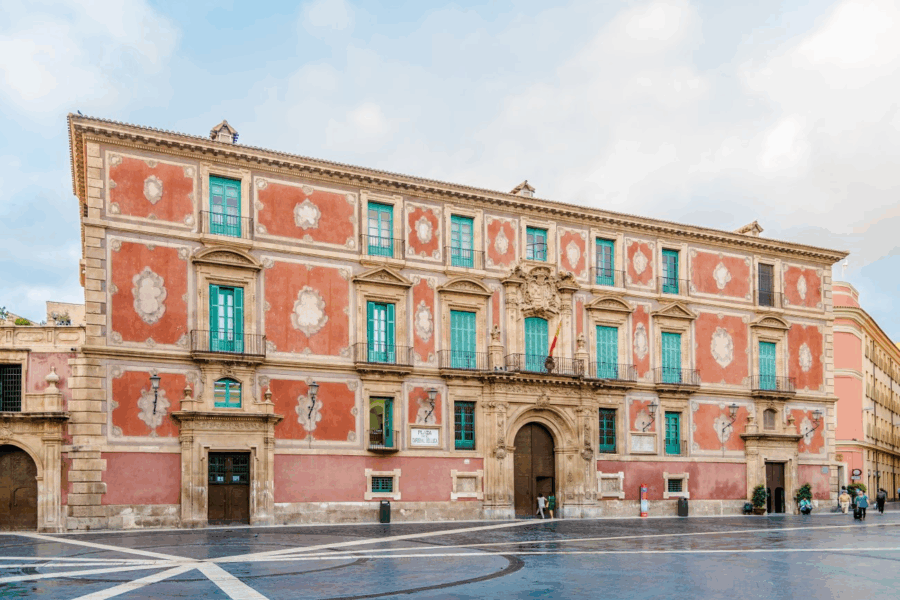
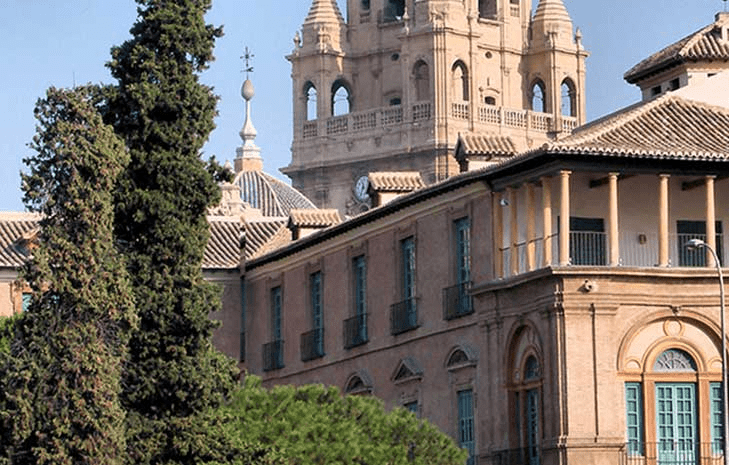
One of the places that tells the story of the city is the Episcopal Palace. This historic building, located in the heart of the town, was declared a Property of Cultural Interest in 1992. It is a landmark of great historical and religious architectural importance in the region. The building, a magnificent example of a Rococo style, not only symbolizes ecclesiastical power in the area but also reflects Murcia’s rich cultural monumental heritage. Today, we will learn a little more about it.

The Diocese of Cartagena
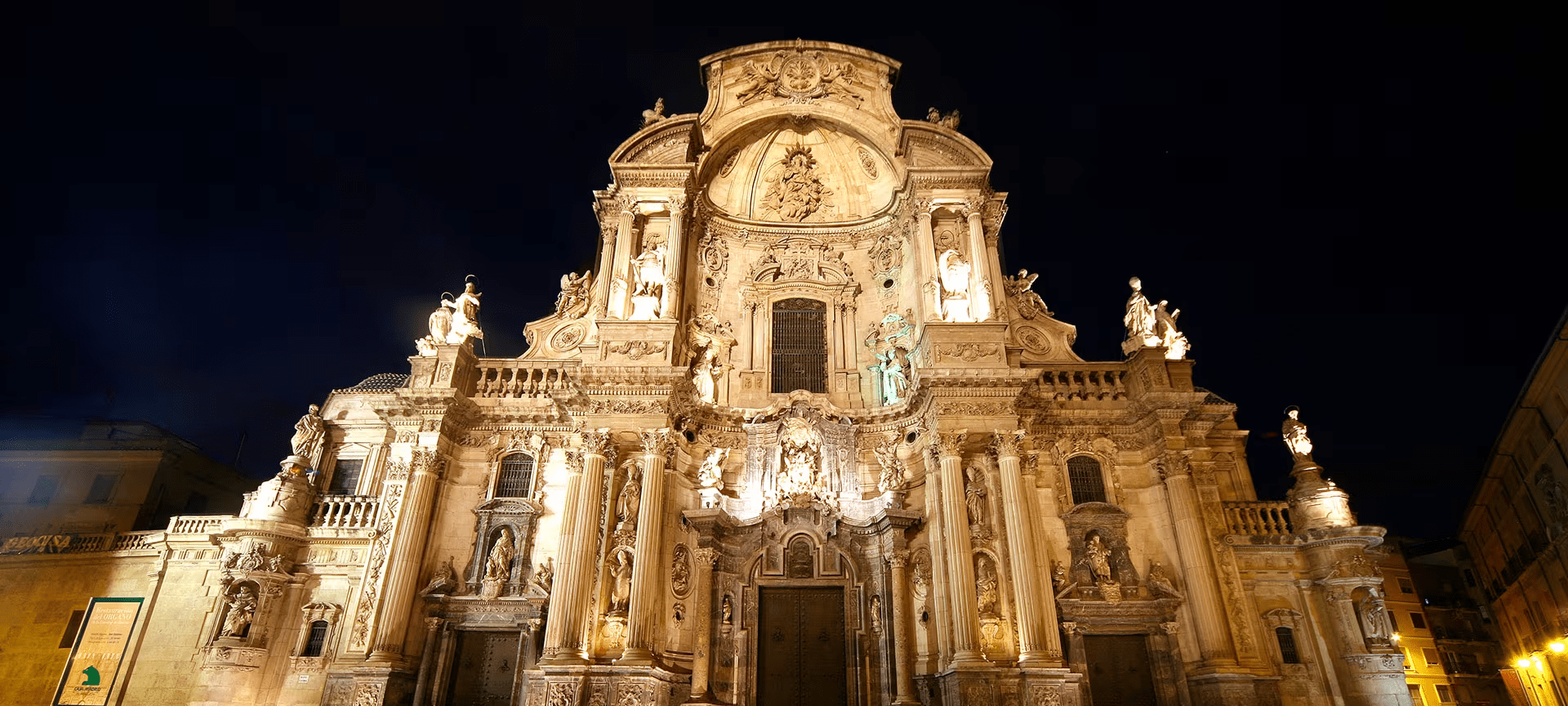
Murcia’s Cathedral
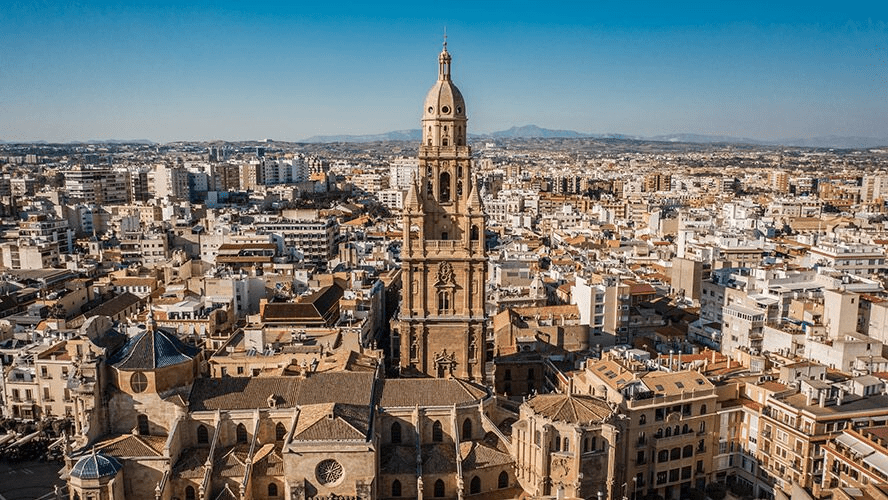
Murcia’s Cathedral – Next to the Episcopal Palace.

The Episcopal Palace is the seat of the Diocese of Cartagena, one of the oldest in Spain, with a history rooted in the Roman era. For those who don’t know what it is, it is basically an ecclesiastical constituency of the Catholic Church in Spain, which has played a crucial role in spreading Christianity in the region and preserving religious traditions over the centuries.

José Manuel Lorca Planes has been Murcia’s current bishop since July 18, 2009. As the episcopal seat, the palace is an administrative and spiritual center, reflecting the church’s continued importance in the city’s cultural and social life.

Construction Of The Palacio Episcopal
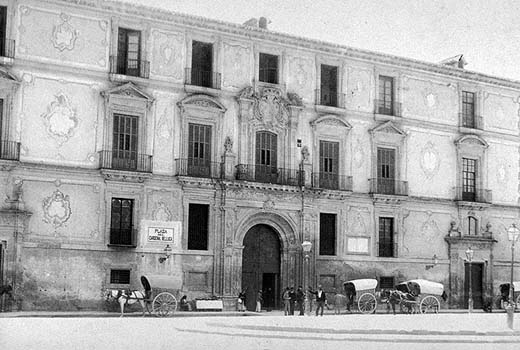
Old Picture of the Palace
La Opinion De Murcia

In the past, the old Episcopal Palace was also located in Plaza del Cardenal Belluga. It was located in the same place where the current building stands today but on the opposite side of the square.

Due to the construction of other buildings in the square and the deterioration of the palace at the time, it was decided to build a new building. The then-new location was where the Manor House of the Marquis of Los Vélez had previously been located. The real driving force behind this historic building was Bishop Juan Mateo López. After his death, his successor, Diego de Rojas y Contreras, continued the construction.

Construction began in June 1748. The work was carried out by local masters associated with Jaime Bort (a famous Spanish architect whose most important work is the facade of the Cathedral of Murcia), such as Pedro Pagán, José Alcani, and Martín Solera, who also worked on the cathedral’s façade.
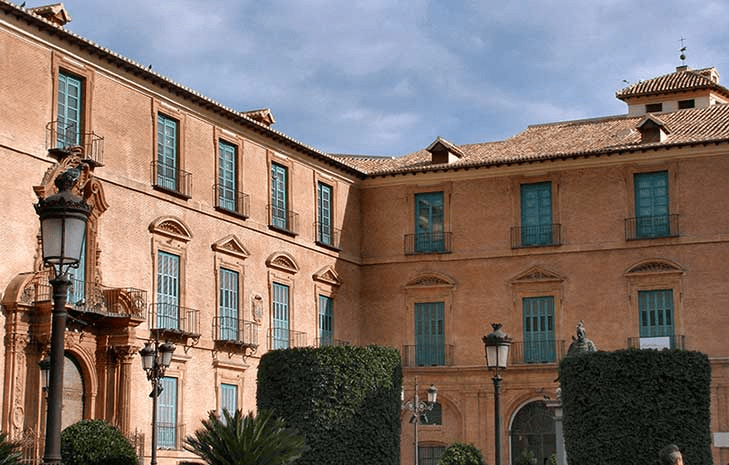
Inside of the patio of Episcopal Palace
Turismo E Region De Murcia

By 1757, the work was progressing very slowly, which led the Cathedral Chapter to ask Bishop Diego de Rojas y Contreras to find a new director in Madrid. He requested a new project, revised by José López, a disciple of Bort, who took over the supervision of the works. After another interruption in 1761, Baltasar Canestro, an Italian architect, took over the project in 1765 and completed it in 1768.

Architecture Of The Palace
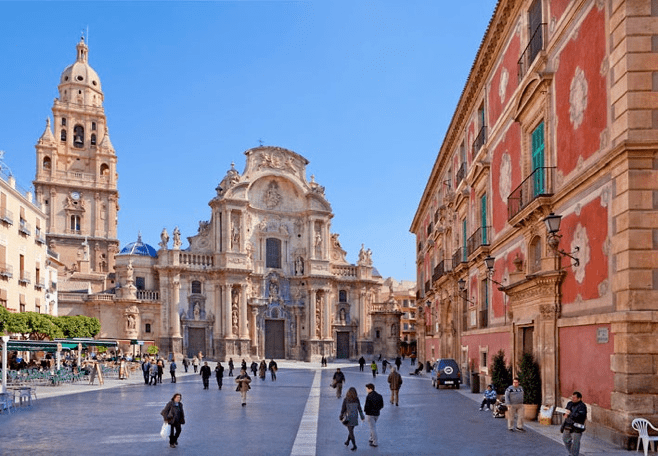
Plaza del Cardinal Belluga

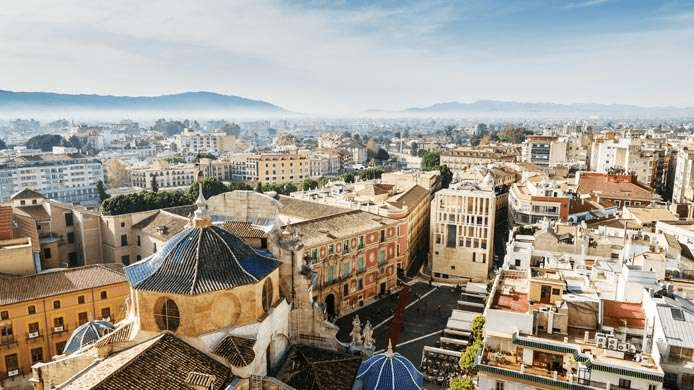
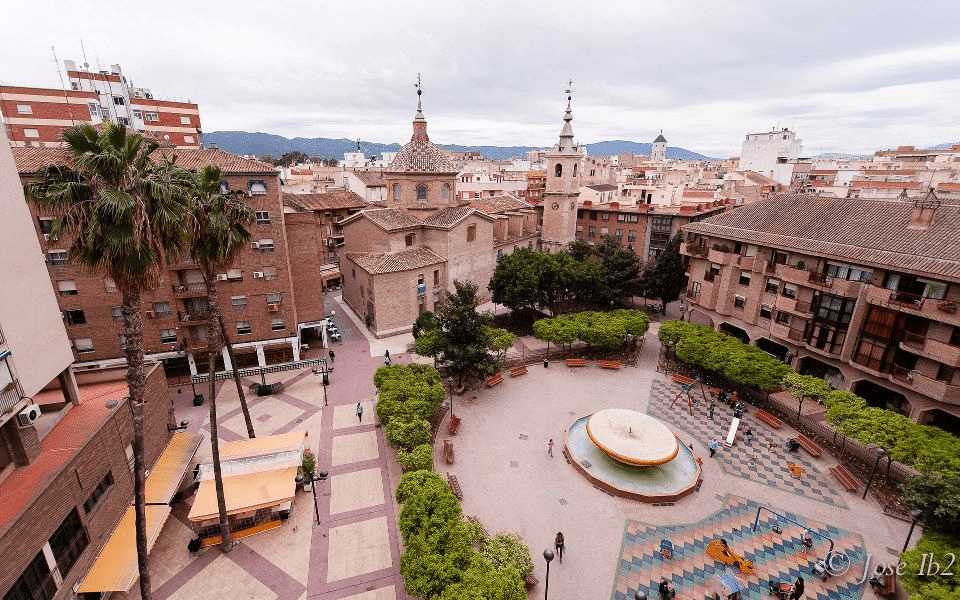
The range of styles around the Palace, in the Plaza del Cardinal Belluga (Cardenal Belluga Square), is vast. There, we find the presence of both civil and religious power in the form of the Episcopal Palace, the City Hall, and the Cathedral of Murcia. In the space, you will find buildings of all types, from Baroque to eclectic buildings with modernist touches.
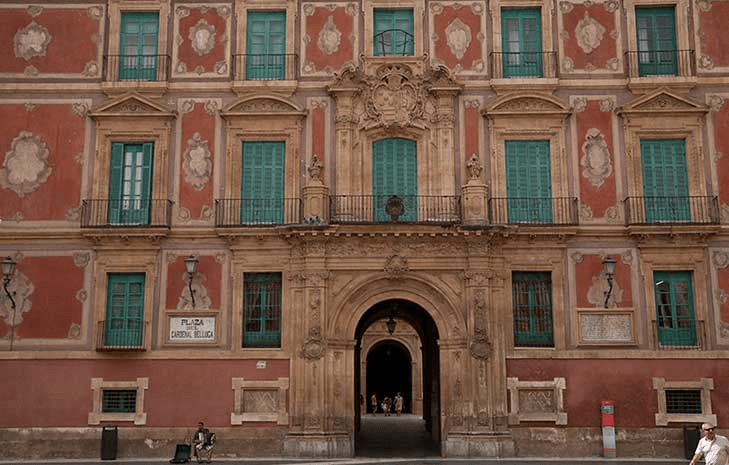
Main facade of Episcopal Palace Of Murcia, with sober volumes and delicate colours.
Turismo E Region De Murcia

The Episcopal Palace of Murcia is a remarkable example of Baroque architecture, with a derivative style marked by Italian and French Rococo trends. The building has a square floor plan decorated almost entirely with shields of different shapes and colors and features delicate decorative grace, evident in its beautiful facades.
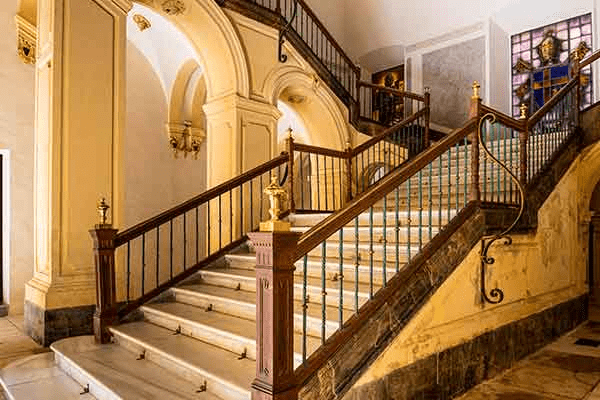
Main Staircase of Episcopal Palace
Turismo de Murcia

The main entrance to the Palace, known as Puerta del Perdón, is a masterpiece itself, with its arched door and ornate ironwork. The palace’s interior features a grand staircase that rises from the entrance hall. The staircase is decorated with intricate balustrades and decorative elements, making it an actual work of art and perfect for taking a photo and keeping the place in your memory.
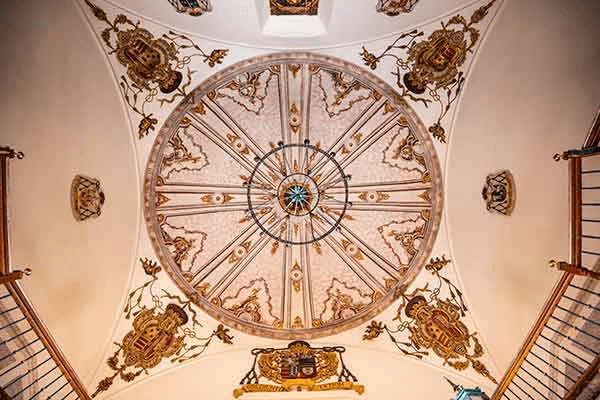
Palace ceilings
Turismo de Murcia

Be careful with your neck and possible pain! Looking at the palace ceilings, decorated with beautiful frescoes and paintings depicting religious scenes and historical events, is addictive and very difficult to stop.
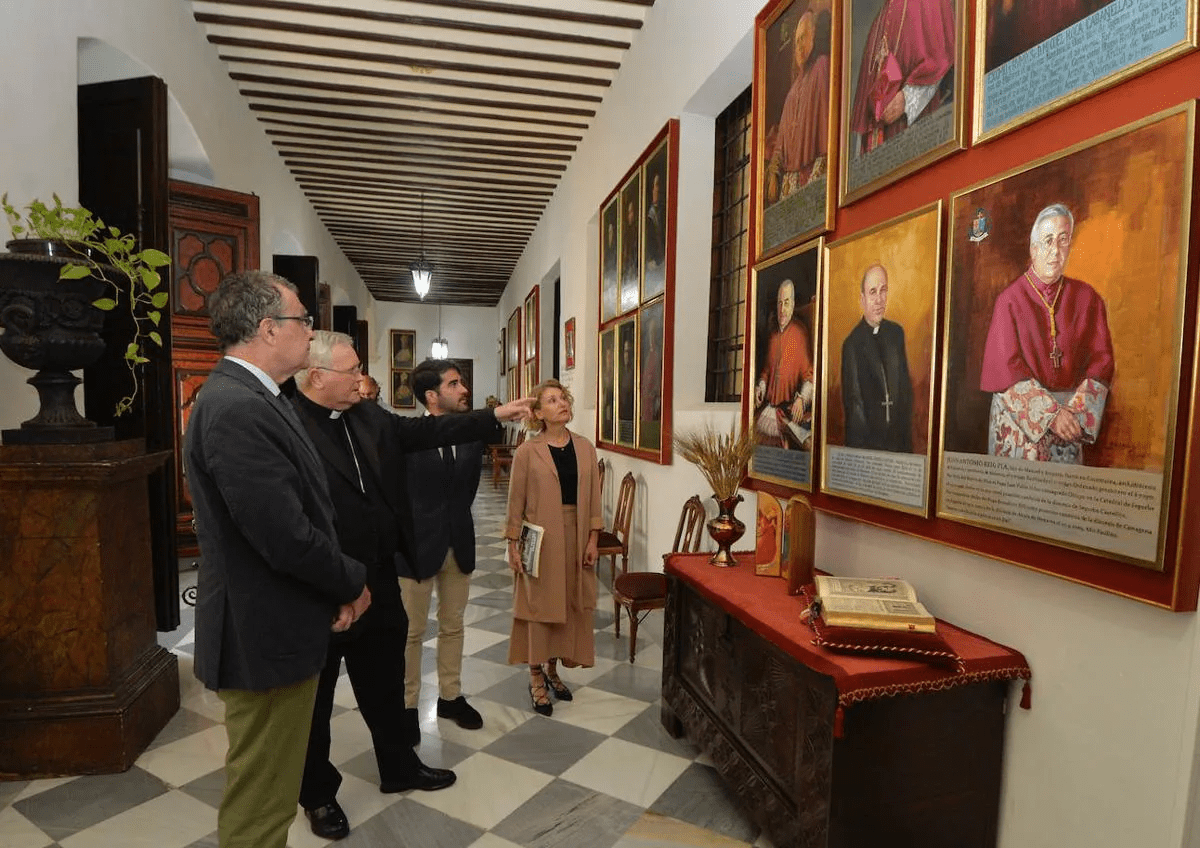
Palace's first floor, and the portraits of all the bishops of the Diocese
Vicente Vicéns / AGM – La Verdad

On the palace’s first floor, you can see the portraits of all the bishops of the Diocese of Cartagena since its foundation.

The Salón del Trono, or Throne Room, is one of the most impressive rooms in the Palace. It features a coffered ceiling, intricately carved woodwork, and a large throne that was once used by the bishops of Murcia.
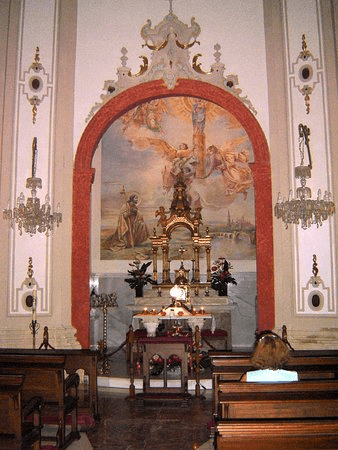
chapel in the Palace
TripAdvisor © Robert Bovington

Two other parts of the building worth mentioning are the courtyard, which is arranged in three Doric arcades and a more compact upper section, and a small circular chapel in the Rococo style that is open 24 hours a day.

Stage Of Important Historical Events

The palace has played significant roles throughout its history. During the Spanish War of Independence, it was used as a headquarters for French troops. It later served as a temporary residence for members of the Spanish royal family during official visits, such as those of Queen Elizabeth II in 1862 and King Alfonso XII in 1879.

The Bishop’s Viewpoint
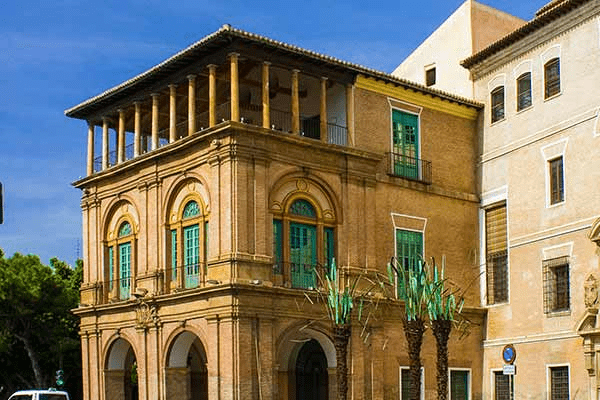
The Bishop's Viewpoint
Turismo de Murcia

The “Hammer of the Palace” (Martillo del Palacio) is one of the Episcopal Palace’s distinctive architectural features. This belvedere-like structure, or large balcony, projects from the main building and offers a privileged view over the Segura River and the Paseo del Arenal.

This part of the palace is known as the “Bishop’s Viewpoint” and was built before the main body of the building. In addition to serving as a vantage point, the Hammer also includes an exhibition room, the Sala San Isidoro.

Important Information for Visitors

The Palace is open to the public from Monday to Friday from 9 a.m. to 2 p.m. and from 5 p.m. to 8 p.m. The opening hours in August are different, and the space is open from Monday to Friday from 9 a.m. to 2 p.m.

It is advisable to check the opening hours on the official website or contact the palace directly for the most up-to-date information, especially during peak tourist seasons.
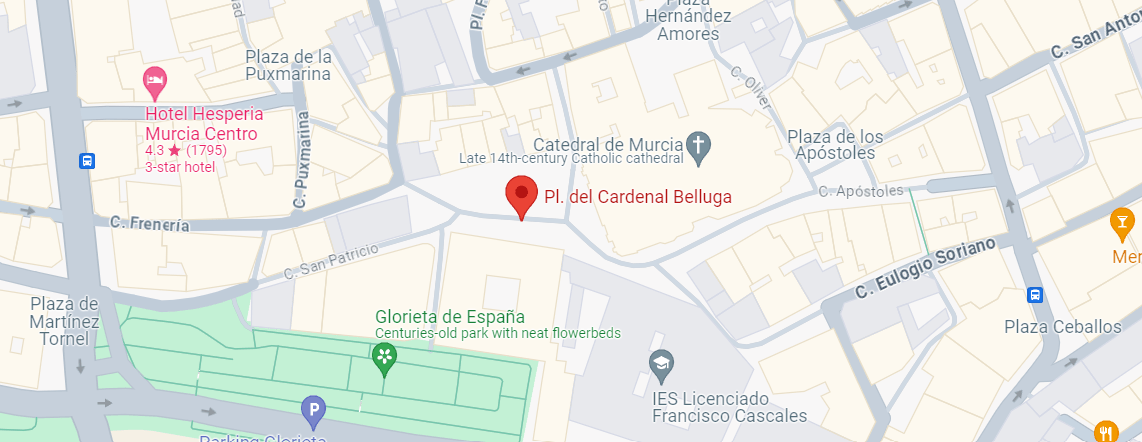
Location of the Palace in the map

Since it is located in Plaza del Cardenal Belluga, one of the most central and accessible squares in the city, it is very easy to reach and find the building. Visitors can reach the site in several ways:

  • Public Transport: Several bus lines stop near the palace, providing easy access from different parts of the city. Murcia train station is also a short walk away, connecting the city to other regions.
  • Car: For those who prefer to drive, there are several parking options nearby, including the Plaza Belluga underground car park. However, street parking may be limited and may incur charges.
  • On Foot: Due to the palace’s central location, many visitors choose to walk through Murcia’s charming neighborhoods to reach their destination, exploring other attractions and points of interest along the way.

Enjoy Your Private Paradise in Villa Murcia!
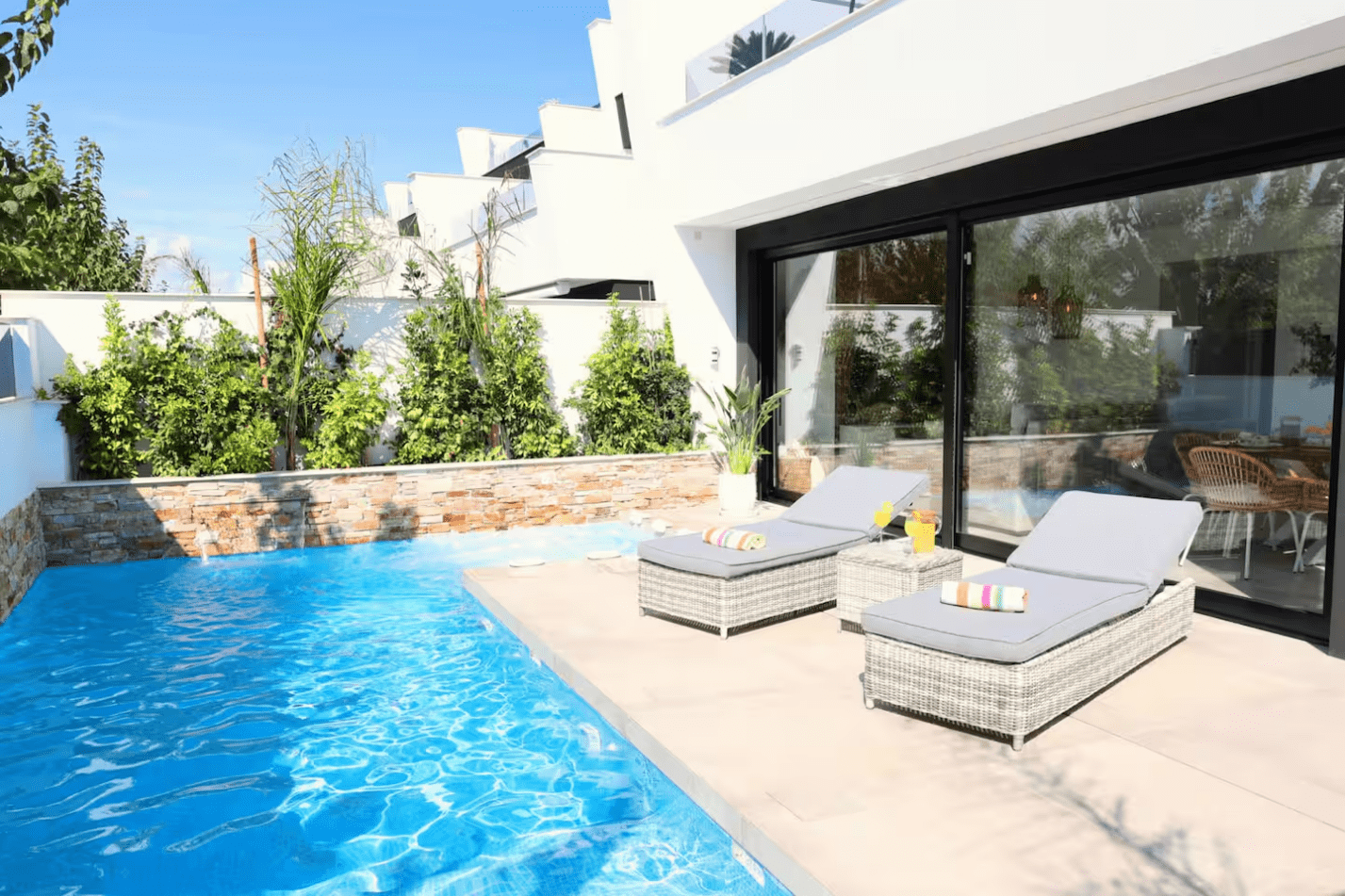
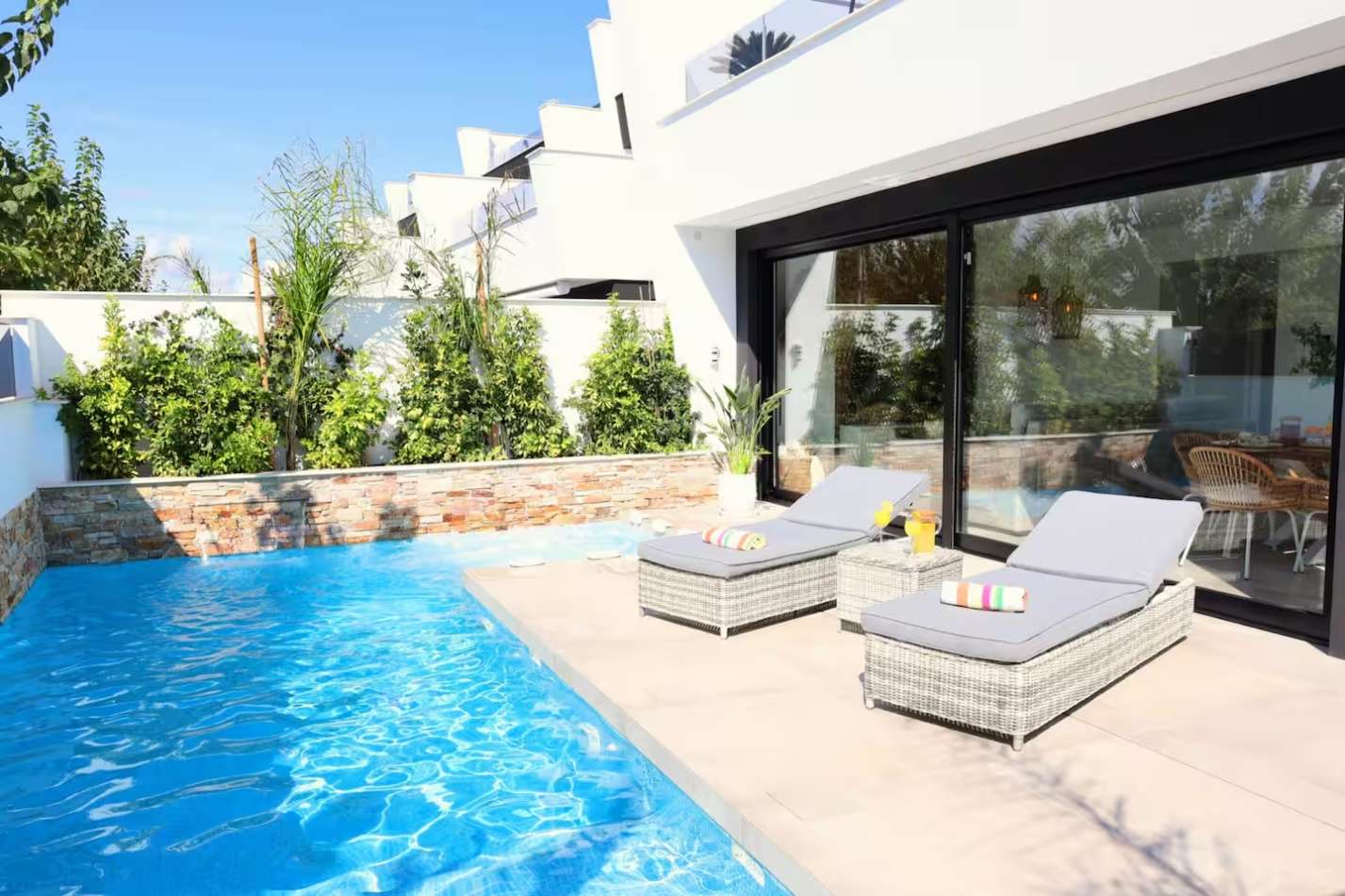
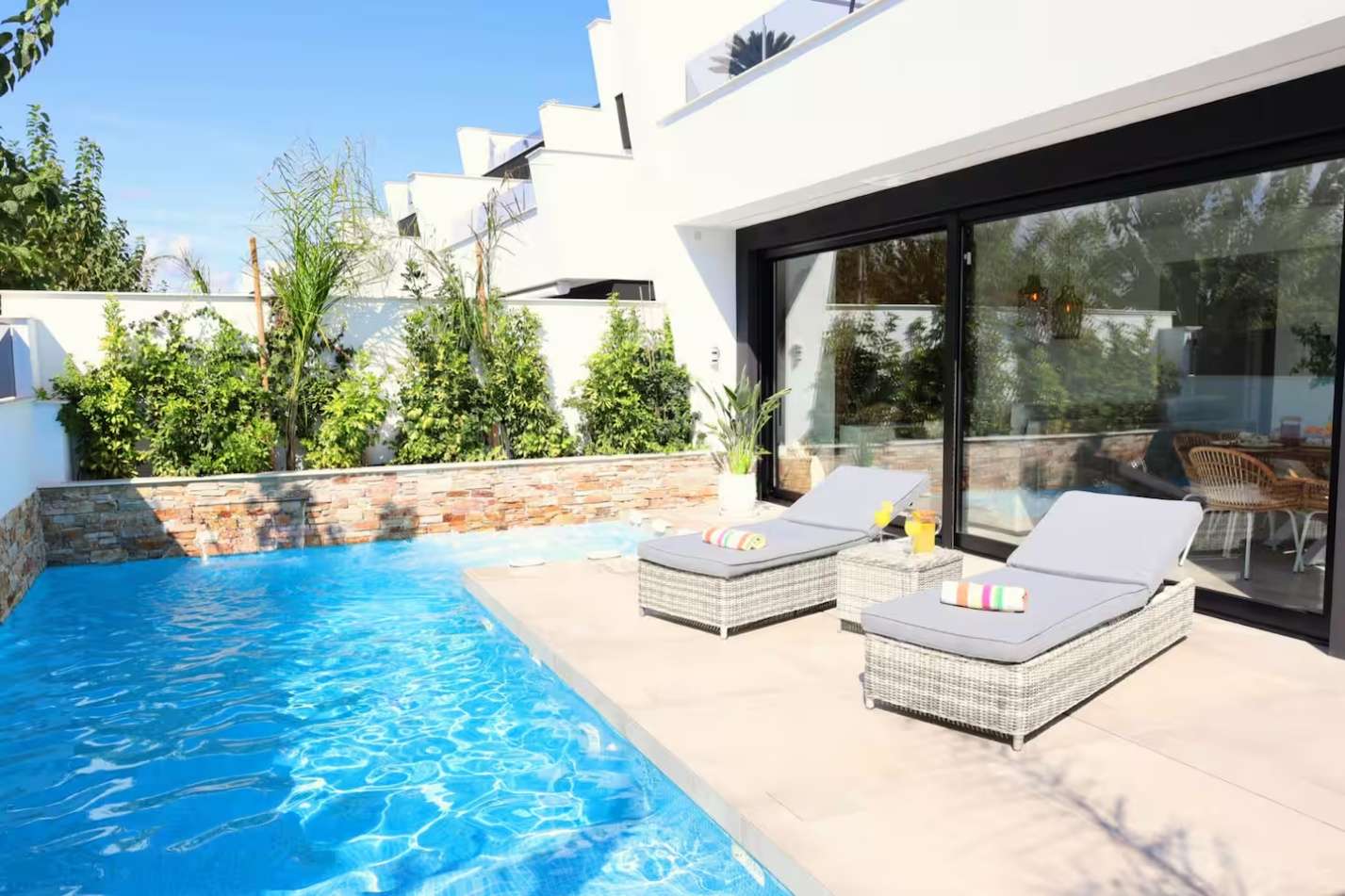
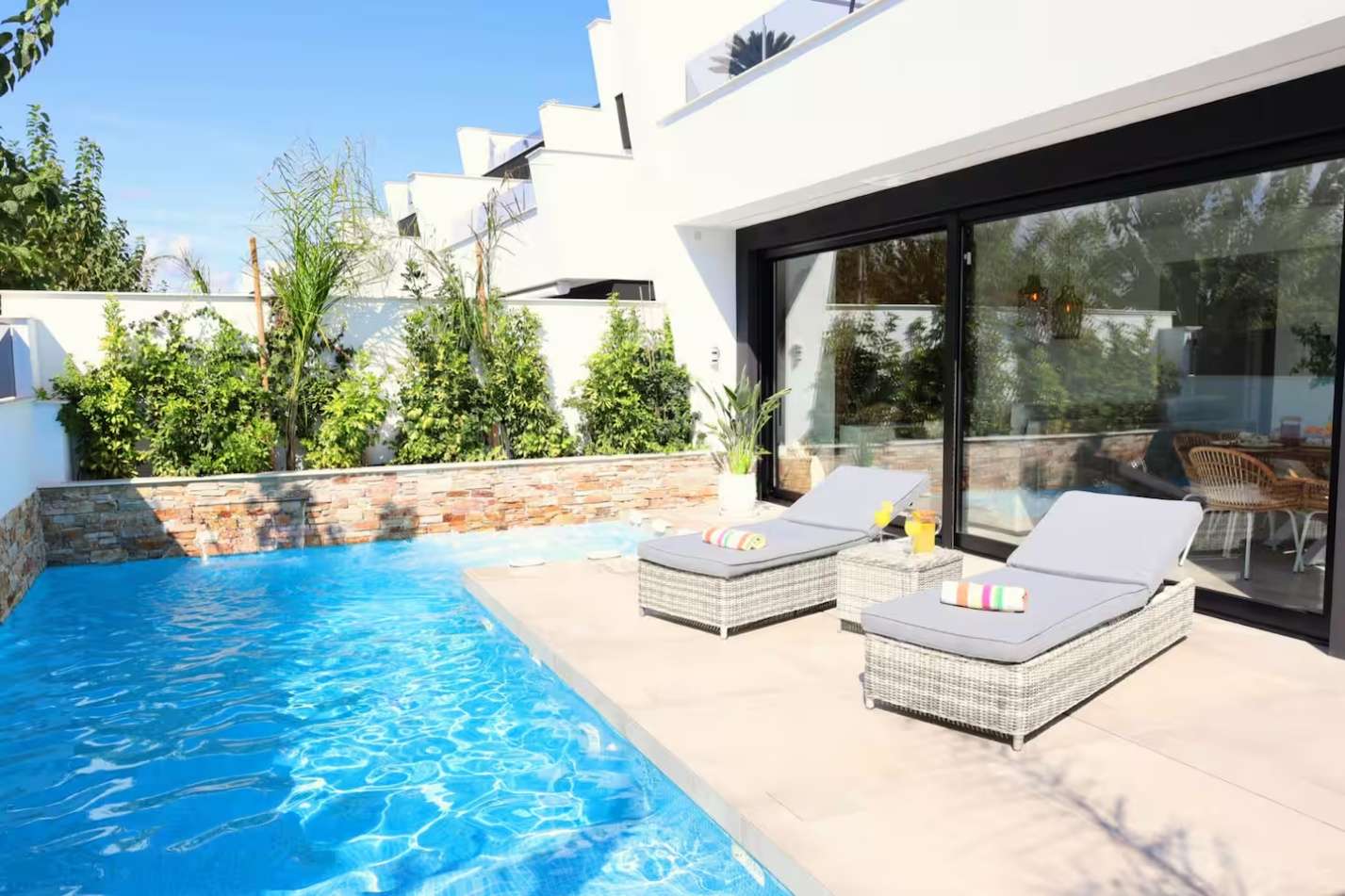
Piscina com águaO conteúdo gerado por IA pode estar incorreto.

Looking for the perfect place to stay in Murcia? We’ve got just the spot for you!

Villa Murcia – Your Private Paradise

Wake up to coffee on a sun-drenched terrace, unwind in a warm jacuzzi after a day of exploring, and end your evenings with dinners in the summer kitchen. Nestled in charming Santiago de la Ribera, Villa Murcia offers more than just a holiday—it’s your personal oasis of comfort, style, and unforgettable moments.

Highlights:
✔ Spacious living room with a large sofa and open kitchen – perfect for shared memories
✔ Three elegant, air-conditioned bedrooms with private terraces – your peaceful retreat
✔ Extra fold-out sofa in the living room – ideal for additional guests

Whether it’s a romantic escape, a family getaway, or a relaxing break with friends – Villa Murcia is your dream stay.

Book now and experience the magic of the Spanish sun!

Palacio Episcopal: A Must-See In Murcia!
Episcopal Palace Of Murcia
Turismo E Region De Murcia

Murcia is a city with many tourist attractions. With every step you take in the city, you find yourself in a new place with a rich history and beauty. The Episcopal Palace is one of the most important buildings in Murcia, but it often gets forgotten from the list of places to visit. The building is a must-see for anyone who wants to understand more about the history, architecture, and cultural importance of the city.
Read More
Salzillo Museum by Murcia

Salzillo Museum – A Spiritual Centre of Murcia

In the heart of Murcia, Spain, the Salzillo Museum (Museo Salzillo) celebrates the amazing work of Francisco Salzillo, an 18th-century sculptor known for his detailed and beautiful religious sculptures. This museum is filled with his intricate creations, offering a special look into Spanish religious art.

Visitors to the museum can explore a world where art and history come together, showcasing the significant impact Salzillo’s work has had on Spain’s artistic heritage. Whether you love art, are interested in history, or are just a curious traveler, the Salzillo Museum offers a fascinating and enriching experience, highlighting the lasting legacy of a master artist.

Table of Contents

Localization

Museo Salzillo on Google Maps
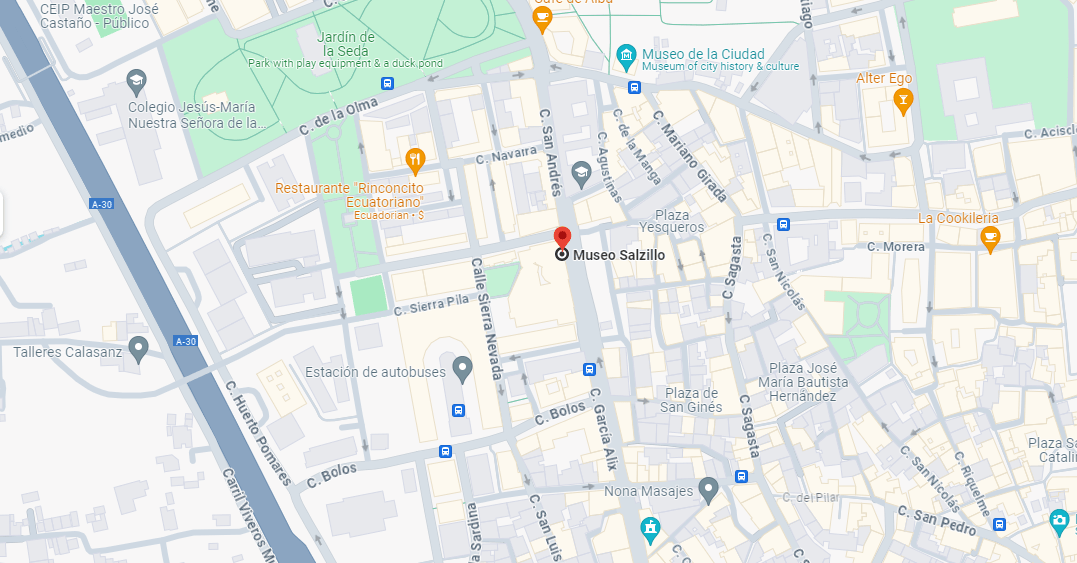
Plaza San Agustín, 3
30005 Murcia (Region of Murcia)

About the Museum

This facility dedicated to Murcian sculptor Francisco Salzillo – a famous sculptor born in 1707 – has several exhibition rooms that display the magnificent sculptures made by the author for the Holy Week processions, which are owned by the Confraternity of Nuestro Padre Jesús Nazareno. The exhibition also includes a nativity scene by Salzillo: a work made with extraordinary delicacy, comprising more than 500 elements and evoking the rural region of Murcia at the time.

Francisco Salzillo’s sculptures became very popular in Murcia due to the romantic and legendary aura around his religious work, which resonated deeply with the faithful people. After his death, the idea of creating a museum arose in the 19th century, inspired by the devotion shown at the Church of Jesus where his Easter floats were kept by the Confraternity of Our Father Jesus, which has been carrying them in processions since 1601.

Isidoro de la Cierva was the first to push for the creation of the museum, working with the Confraternity and commissioning the first design for a building, which was never built.

If that original plan had been realized, the museum would have been three times larger than it is now. However, in the 1970s, the Salzillo Museum expanded by adding the Renaissance façade of Riquelme Palace from Jabonerías Street.

The current building has been transformed with the restoration of the floats in the 1990s and the remodeling of the Church of Jesus to resemble a theater, allowing visitors to view the grandeur of the floats from the balconies.

Francisco Salzillo
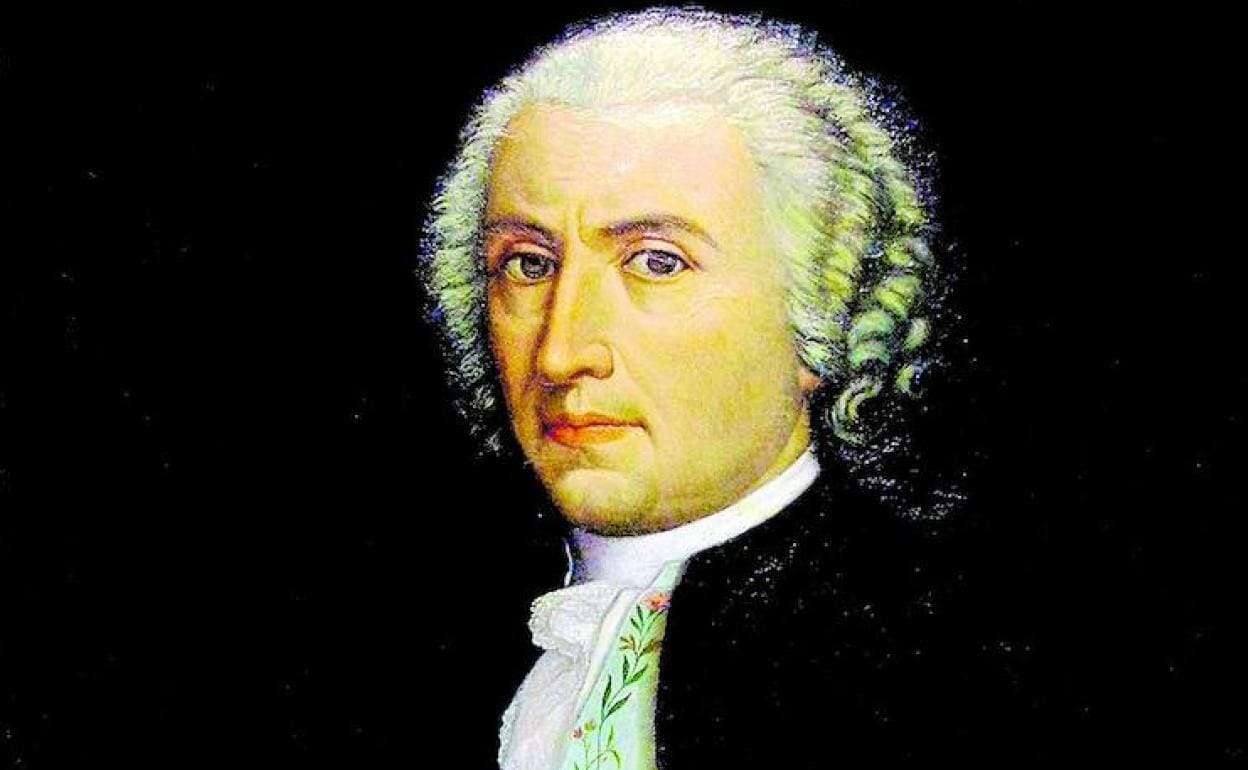
Painting of Francisco Salzillo

Unlike the great sculptors of the 17th century, such as Juan Martínez Montañés or Gregorio Fernández, Francisco Salzillo did not focus heavily on the dramatic elements in his scenes. Instead, he explored naturalistic ideas of idealized beauty, marking a shift from the Baroque style to Rococo and Neoclassicism.

Salzillo started what is known as the Murcian School of Sculpture, which has continued to influence art up to the present day. His early followers, as well as those who came later, have kept Salzillo’s artistic styles and themes alive.

Most Important Works

  • La Cena (The Last Supper): Created in 1763, it features thirteen figures (Jesus and the 12 Apostles) seated around a table.
  • La Oración del Huerto (The Agony in the Garden): Created in 1754, this piece depicts an angel presenting the chalice to Jesus on one side, and the three sleeping apostles under a palm on the other.
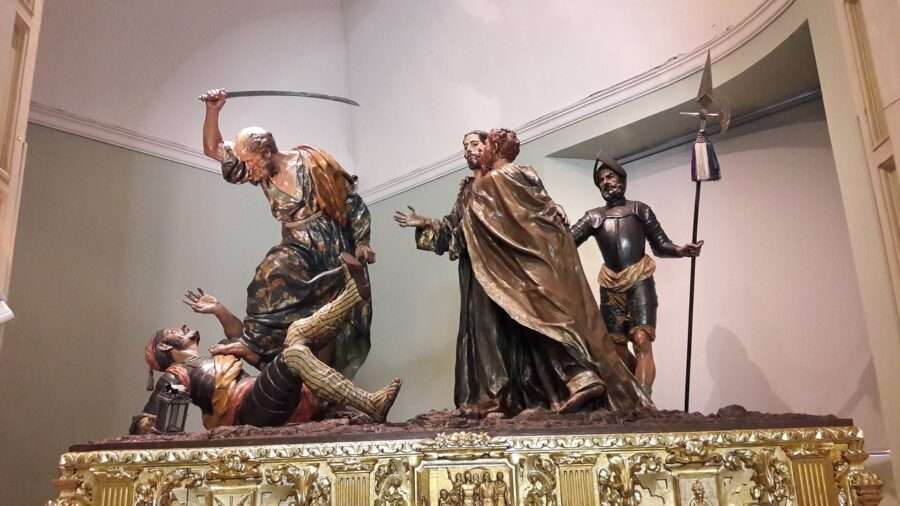
  • El Prendimiento or El Beso de Judas (The Arrest or The Kiss of Judas): Created in 1754, it highlights the contrast between the faces of Jesus and Judas, comparing the beauty and kindness of Jesus with the ugliness and evil of Judas.
  • Jesús en la Columna or Los Azotes (Jesus at the Column or The Flagellation): Sculpted in 1777, this piece portrays Jesus’ serene and resigned expression as he endures the lashes.
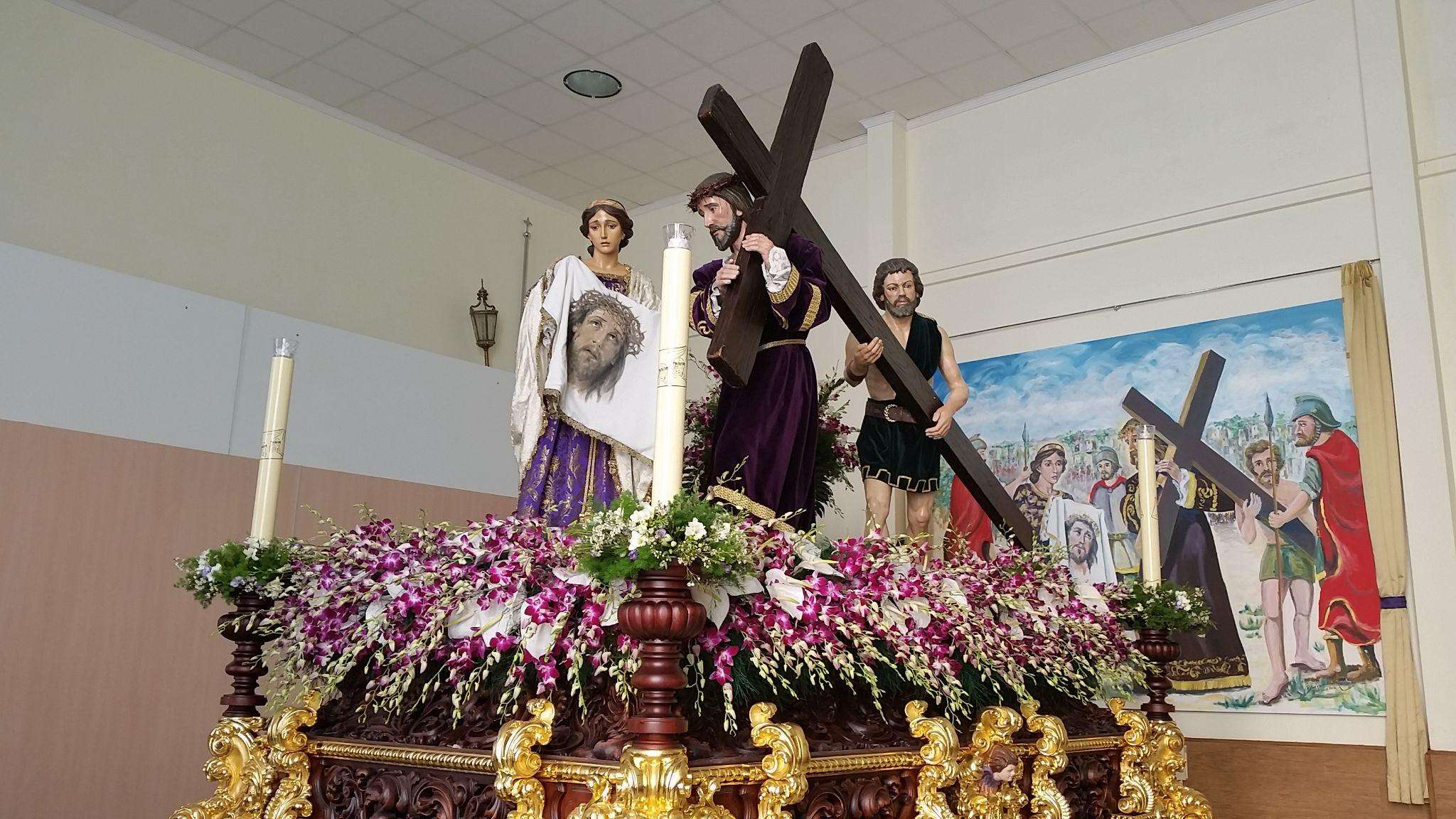
  • Santa Mujer Verónica (The Holy Woman Veronica): Created in 1755, it shows Saint Veronica with a sorrowful expression, holding the cloth imprinted with Jesus’ face.
  • La Caída (The Fall): Created in 1752.
  • San Juan (Saint John): Created in 1756.
  • La Dolorosa (The Virgin of Sorrows): Created in 1756.
  • El Belén (The Nativity Scene): Created between 1780 and 1800, it was initiated by Salzillo and expanded by his disciple Roque López. This set includes 556 mud figures, each approximately 30 cm tall.

Outskirts of the Museum

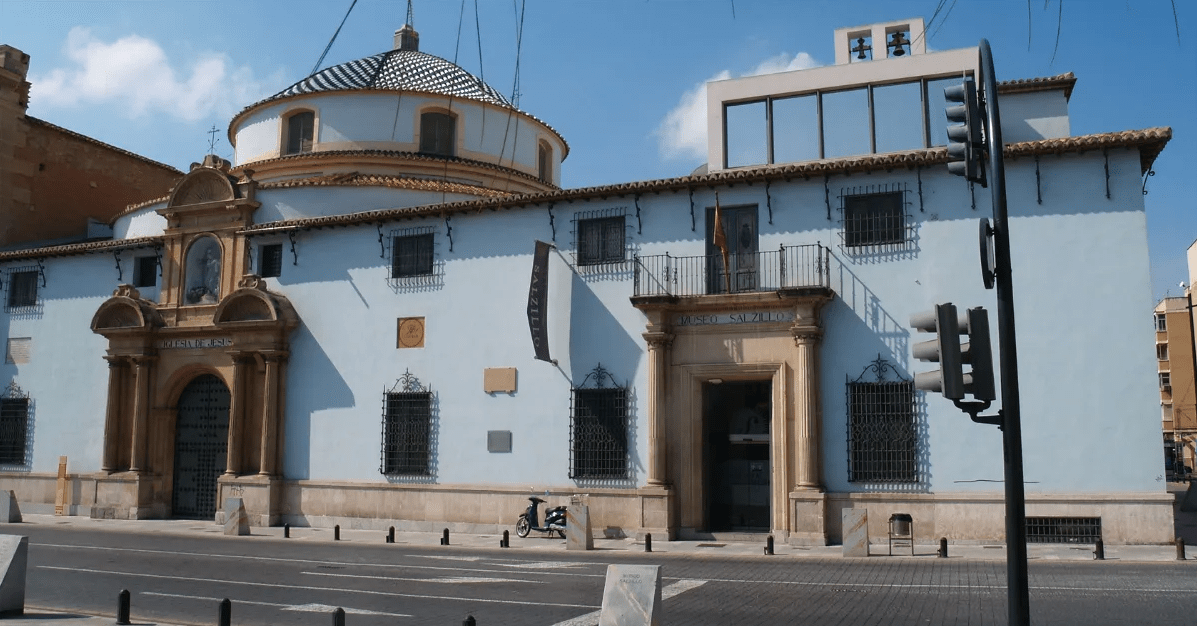
Outside the Salzillo Museum

Opened in 1960 and extensively renovated in 2002 by architect Yago Bonet Correa, the Salzillo Museum blends different styles. The Baroque art is still present, watched over by the Church of Jesus, the home of the Brotherhood of Jesus, which was declared a historical monument in 1935. Contemporary art, added in 2002, exists alongside it, creating a harmonious mix.

Outside, the museum features a magnificent portal from the ancient Renaissance Palace of Riquelme, which was previously located near Plaza de San Bartolomé but no longer exists. The same family commissioned Salzillo to create the nativity scene in 1776, a project that occupied him until his death in 1783.

The carving that names the Brotherhood, “Nuestro Padre Jesús” (Our Father Jesus), is an anonymous work from the 16th or 17th century and the only one not made by Salzillo. The museum also highlights 556 figures forming the famous “Belén” (Nativity scene), ordered by the Marquis of Riquelme, and includes an interesting collection of original clay sketches.

Inside the Museum

Inside the Salzillo Museum, visitors are greeted with an impressive collection of Francisco Salzillo’s most celebrated works. The centerpiece of the museum is undoubtedly the stunning set of Easter floats, which depict scenes from the Passion of Christ.

Other intricate sculptures include “La Caída” (1752), “La Verónica” (1754), “San Juan” and “La Dolorosa” (1752-1777), “La Santa Cena del Señor” (1763), “La Oración en el Huerto” (1752), “El Prendimiento” (1765), and “Cristo amarrado a la columna” or “Los Azotes” (1776-1777). Each float is a masterpiece of Baroque art, showcasing Salzillo’s exceptional ability to convey deep emotion and drama through detailed expressions and lifelike poses.

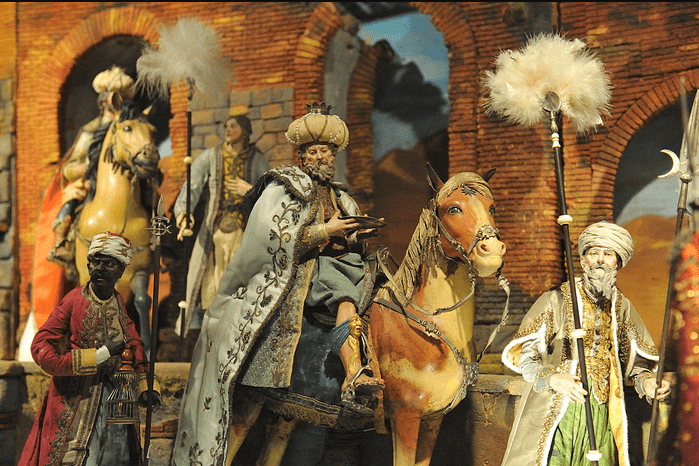
Part of the Nativity scene

Another highlight of the museum is the famous Nativity scene, or “Belén,” which consists of 556 figures. This elaborate display was commissioned by the Marquis of Riquelme in 1776 and remained a focus of Salzillo’s work until his death in 1783. The Nativity scene is a remarkable testament to his skill in creating detailed and expressive figures, each one bringing a unique character and story to the overall tableau. Visitors can admire the craftsmanship and attention to detail in each figure, from the Holy Family to the various animals and townspeople.

The museum also houses a collection of original clay sketches by Salzillo, providing a fascinating insight into his creative process. These sketches reveal the meticulous planning and artistry that went into each sculpture, offering a behind-the-scenes look at how these masterpieces were brought to life. Additionally, the museum includes various other religious sculptures and artifacts that highlight the extent of Salzillo’s work and his significant influence on Spanish religious art.

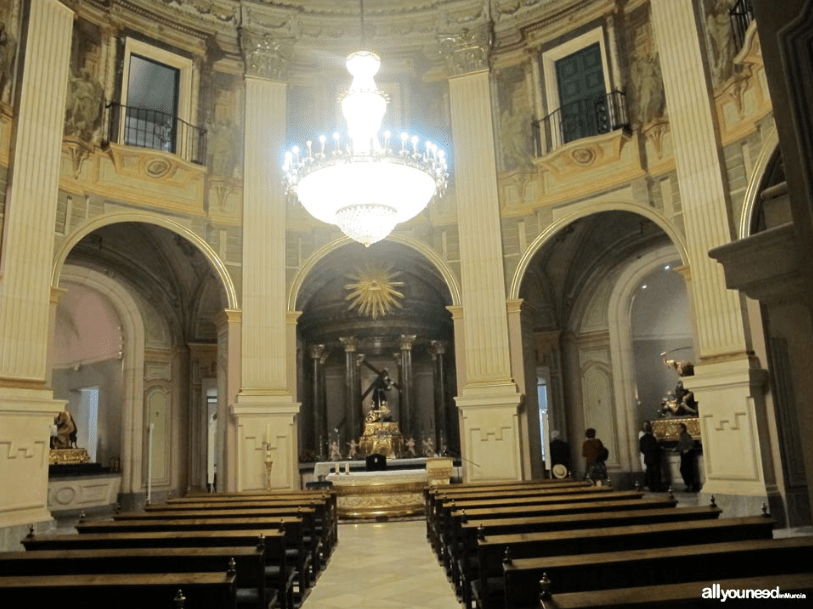
Inside the Church of Jesus
Source: allyouneed

A unique feature of the museum is the restored Church of Jesus, which has been transformed to resemble a theater. This allows visitors to view the grandeur of the Easter floats from the balconies, providing a perspective that enhances the appreciation of their size and detail. The combination of Baroque and contemporary elements in the museum’s architecture creates a harmonious blend of old and new, enhancing the overall visitor experience.

Enjoy Your Private Paradise in Villa Murcia!

Piscina com águaO conteúdo gerado por IA pode estar incorreto.

Looking for the perfect place to stay in Murcia? We’ve got just the spot for you!

Villa Murcia – Your Private Paradise

Wake up to coffee on a sun-drenched terrace, unwind in a warm jacuzzi after a day of exploring, and end your evenings with dinners in the summer kitchen. Nestled in charming Santiago de la Ribera, Villa Murcia offers more than just a holiday—it’s your personal oasis of comfort, style, and unforgettable moments.

Highlights:
✔ Spacious living room with a large sofa and open kitchen – perfect for shared memories
✔ Three elegant, air-conditioned bedrooms with private terraces – your peaceful retreat
✔ Extra fold-out sofa in the living room – ideal for additional guests

Whether it’s a romantic escape, a family getaway, or a relaxing break with friends – Villa Murcia is your dream stay.

Book now and experience the magic of the Spanish sun!

Summary

Salzillo Museum offers a rich and immersive journey into the world of Francisco Salzillo. With its extensive collection of his sculptures, the detailed Nativity scene, original sketches, and the beautifully restored Church of Jesus, the museum provides a comprehensive look at the legacy of one of Spain’s most important Baroque artists. Visitors leave with a deeper understanding and appreciation of Salzillo’s work and his lasting impact on the art world.

Read More
Parade of Holy Week In one street of Spain

Holy Week In Murcia: A Celebration of Faith, Tradition and Devotion

Between March and April, Spain undergoes a remarkable transformation. People across the country immerse themselves in the vibrant and deeply traditional celebrations of Holy Week (Semana Santa). This extraordinary time of year is known around the world for its intensity and cultural significance.

We will present what you need to know to understand how Holy Week is celebrated in Spain, especially in Murcia, and help you plan your trip better. Keep reading to find out more!

Table of Contents

About The Holy Week

Holy Week is a Christian holiday commemorating Christ’s last days on Earth, a time dedicated to celebrating his passion and resurrection. This period is marked by several traditions and ceremonies, including Maundy Thursday, commemorating the Last Supper, Good Friday, observing Jesus’s crucifixion, and Easter Sunday, celebrating his resurrection. It is a time of reflection, prayer, and celebration for Christians worldwide.

I spent a few days in this saint week in Murcia, a city in Spain, and I must say the experience was unbelievable. Below, I will share some of the most interesting facts about this annual event.

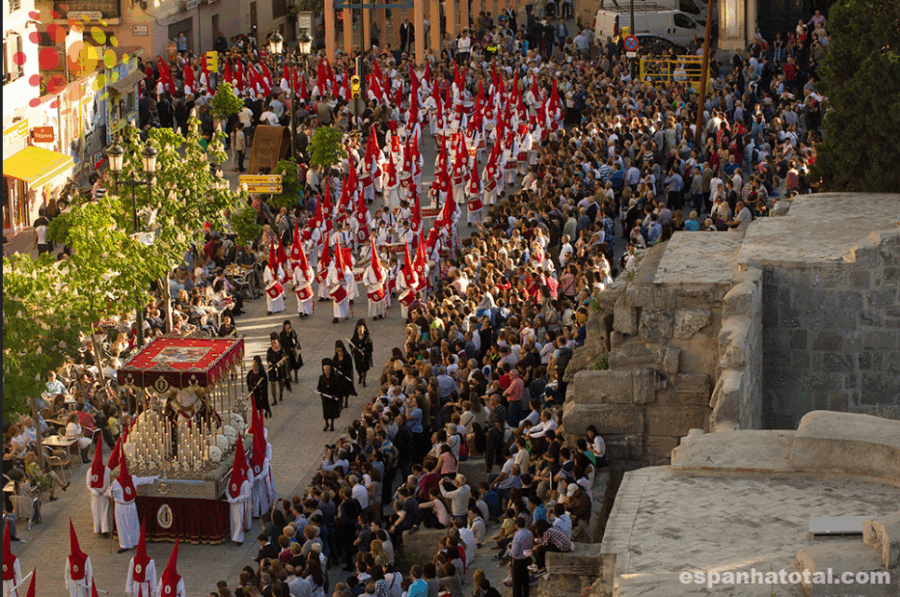
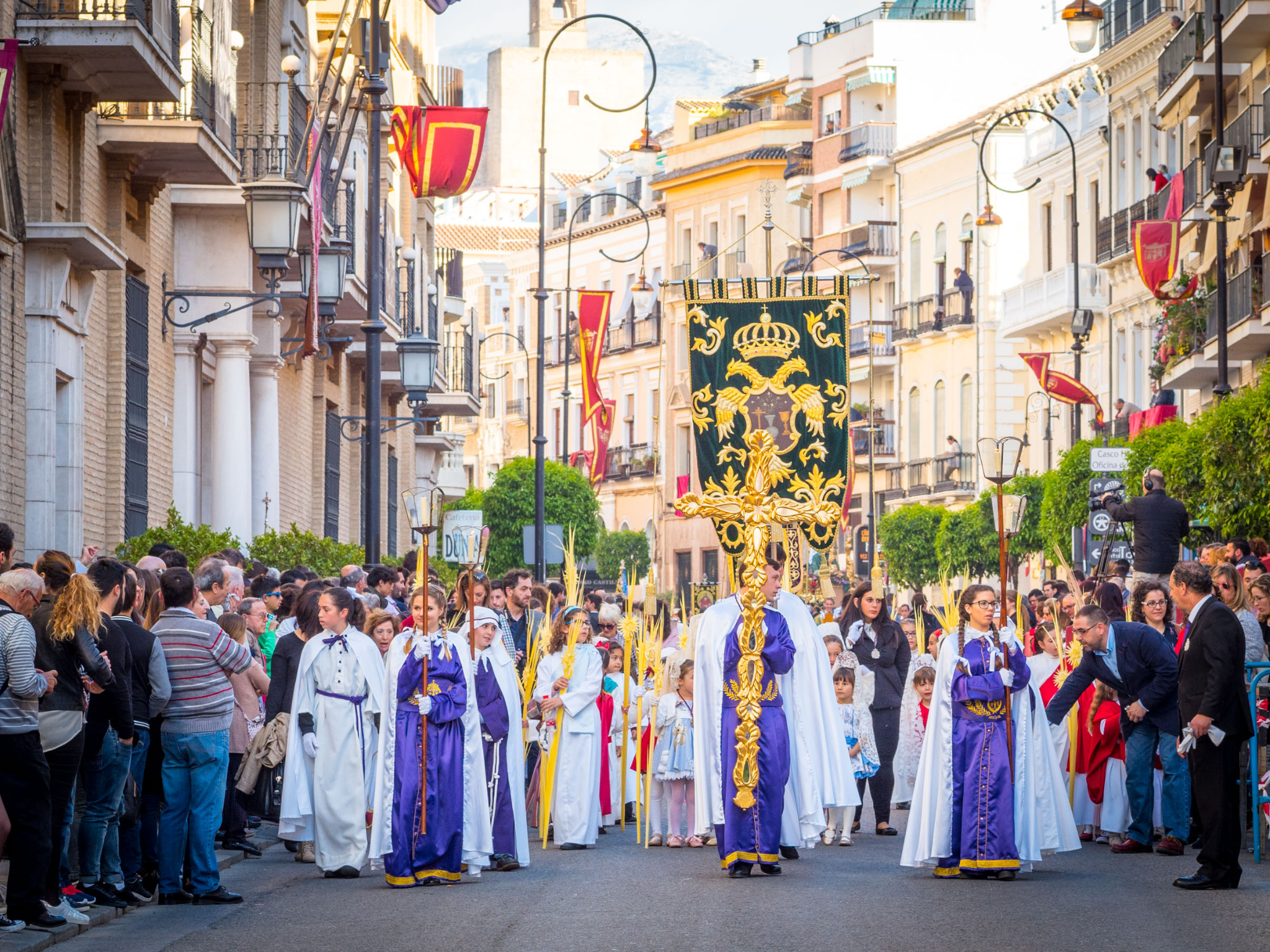
Spain during Holy Week

Parade of Holy Week In Spain
© LookOutPro

As one of the most traditional festivals in Spain, Holy Week is full of meanings and legacies that date back centuries. One of the main traditions is the cofradías and brotherhoods responsible for processions in all Spanish cities and towns.

The Dates Of Holy Week

Most Spanish Holy Week celebrations occur between Palm Sunday and Resurrection Sunday, emphasizing the Jueves Santo (Holy Thursday) and Viernes Santo (Good Friday) processions.

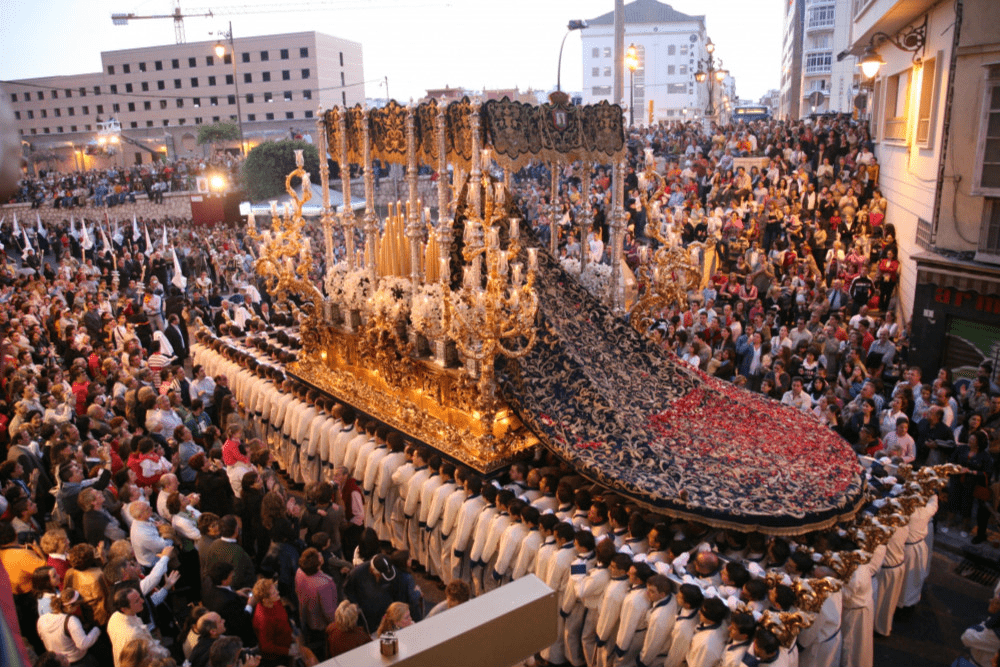
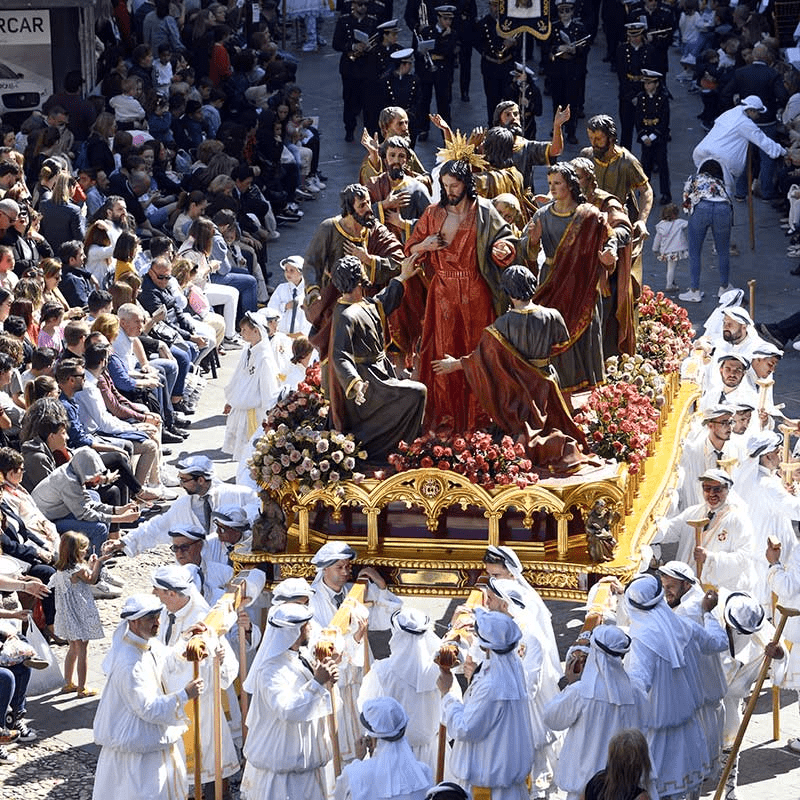
Sculptures in one processsion, in the holy week in Spain
© Costa Calida Region de Murcia

Holy Week is an event that lasts a week (Easter week) and culminates in Easter day. Here are some of the key dates and celebrations:

  • Palm Sunday: Marks Jesus’ entry into Jerusalem.
  • Holy Monday commemorates the day Jesus expelled the merchants from the temple and the anointing of the Virgin Mary (Lazarus’s sister) on Jesus.
  • Holy Tuesday: When Jesus anticipates the betrayal of Judas.
  • Holy Wednesday: The day that Judas met with the assembly of wise men to plan Jesus’s betrayal in exchange for 30 silver coins.
  • Holy Thursday: Represents the Last Supper of Jesus with his disciples. On this day, the church bells in all the churches in Spain are silenced until Easter Sunday
  • Good Friday procession (Viernes de Dolores): Christ’s passion, crucifixion, and death are remembered.
  • Holy Saturday (Easter Vigil): It is the day of waiting for the resurrection of Jesus.
  • Easter Sunday (Domingo de Resurrección): Celebrates the resurrection of Jesus.

What Is The Best Place For Holy Week In Spain

Although Holy Week is more associated with cities in Andalusia, Castile, or Aragon, the festival is, in fact, celebrated in all corners of the country, from Galicia to Murcia, from Extremadura to Catalonia. Religious processions and celebrations occur in large cities and small villages with equal fervor. Each region adds its own traditions and characteristics to the celebrations, making Holy Week a diverse celebration rich in culture and spirituality.

Holy Week Celebration Spaces

Parade of Holy Week In Spain
© TheSlowRoad

In most cities in Spain, Holy Week is celebrated in two spaces. The first is the interior of churches and temples, where masses and other liturgical acts typical of Easter are celebrated. The second and most important space is the streets of cities and villages in Spain, where processions occur. These streets are the central axis of Holy Week.

Researching the most important processions is convenient, as there are so many that it is only possible to attend a few. When I was there, I had to choose some to participate in, so I researched the most essential ones regarding the city’s history which allowed me to see more saints.

What Does Spain Do During Holy Week?

During Holy Week, Spain celebrates several traditions. Processions via the streets, unique meals, and the silencing of church bells from Maundy Thursday to Easter Sunday are some practices that happen in the week. These often involve confraternities carrying elaborate steps accompanied by silent crowds or the sound of drums and sacred music. The unique Holy Week delicacies include traditional dishes, including torrijas and bacalao.

Are Things Closed During the Holy Week in Spain?

You must be aware that many things may be closed during the Semana Santa in Spain, especially on important days like Holy Thursday and Good Friday, which are holy days for the country. This includes banks, offices, and some stores. However, most restaurants, bars, and tourist sites generally remain open, albeit with possibly reduced opening hours. When I was there, I felt that there were limitations on commerce, but the experience with the local culture was worth it.

Murcia In The Holy Week

Parade of Holy Week In Spain
©SpainInfo

The Semana Santa de Murcia is a religious festival declared of International Tourist Interest. It is one of the most important in Spain, both for its excellent sculptural heritage and style, which originated in the 18th century. It’s a unique way in Spain to celebrate passion!

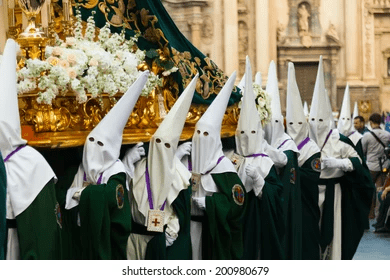
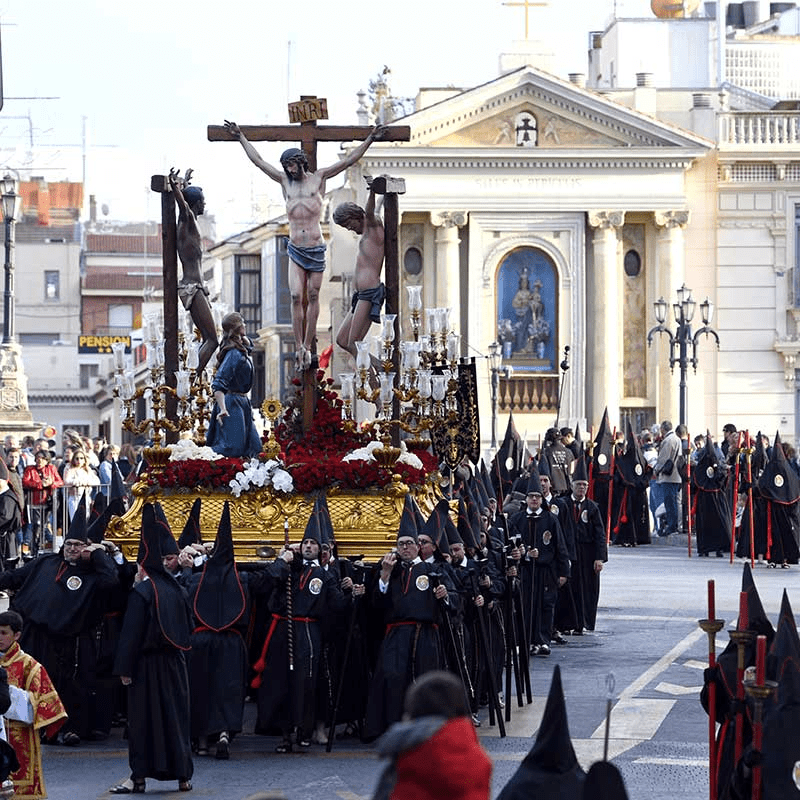
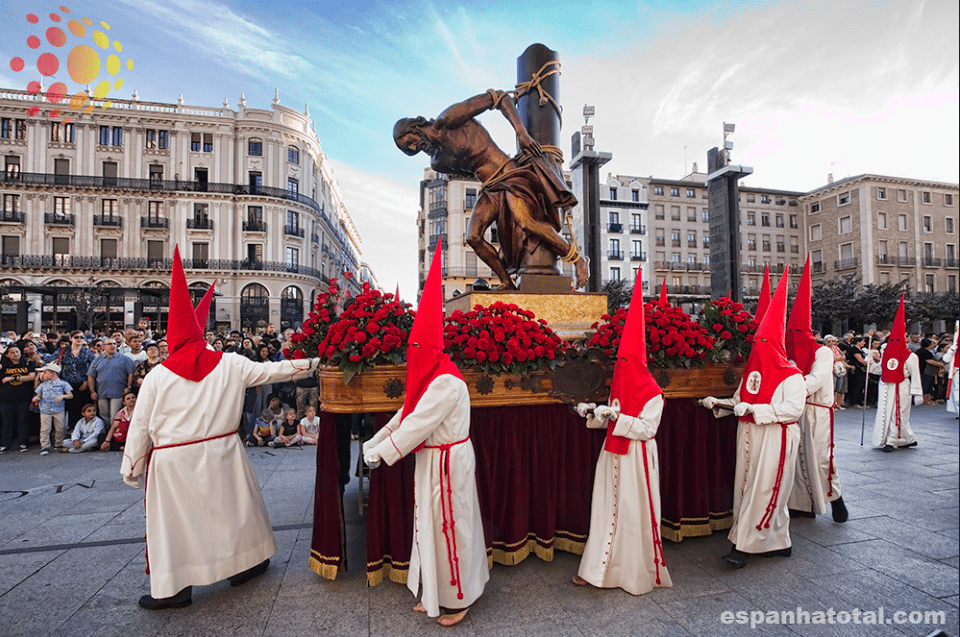
It is a week of colorful processions. Rows of penitents in full costume accompany the “pasos” (sculpted tableaux), representing the last days of Jesus’s life through each town’s streets. These pasos are carried on enormous “tronos” adorned with flowers, their bearers swaying to the beat of throbbing drums as the parades pass between the crowds.

What are the Processions In Murcia For Easter?

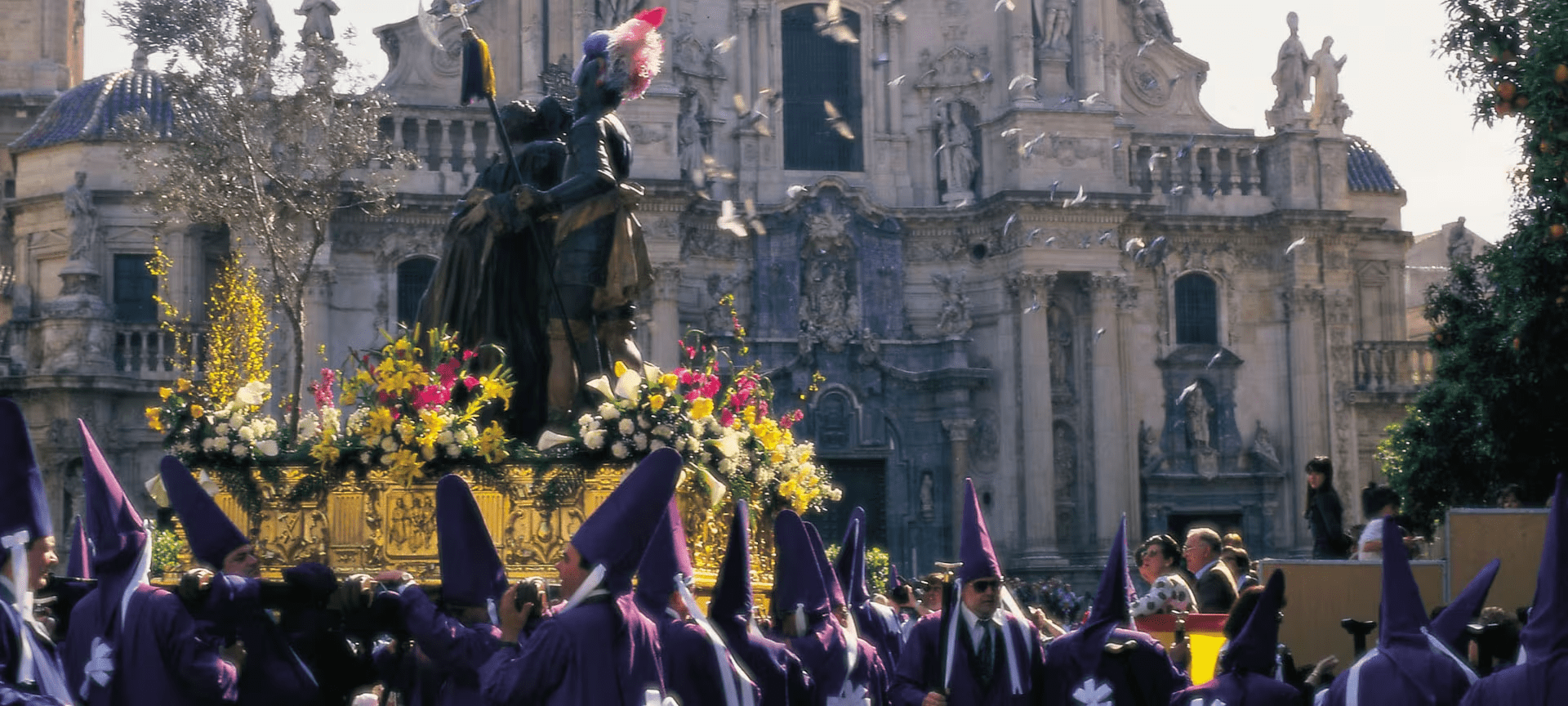
Parade of Holy Week In Murcia
©MurciaToday

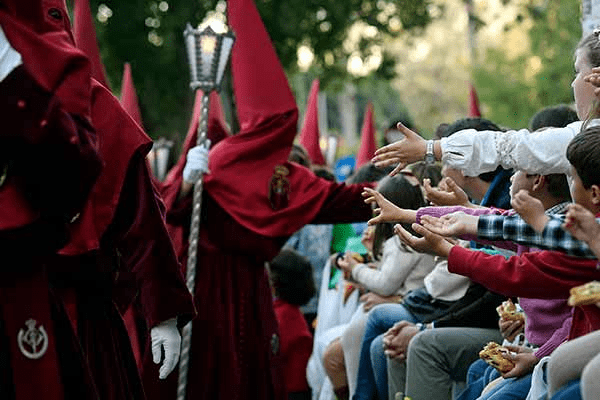
During Holy Week in Murcia, processions vary in style and environment, from the most sober to the most festive. Some more severe processions, including those of Refugio, Rescate, Cristo de la Fe, Cristo de la Sangre, Salud, Retorno, and Cristo Yacente, no longer distribute chocolates to the general public. One of the most stunning is the Procession of Silence, which takes place on Thursday.

Religious associations organize processions, which can be brotherhoods or fraternities. Brotherhoods bring together people of different origins, social status, or professions, while brotherhoods unite people of a particular profession (for example, a fisherman’s brotherhood).

These brotherhoods and confraternities carry on their shoulders, or on a platform with wheels, a step with sculptures representing the Passion of Christ with images of virgins or saints belonging to the churches. Each brotherhood or fraternity has its own route. Some walk for more than 10 kilometers, while others take shorter routes and, along them, carry the symbols and colors that reflect their stories.

The most vital procession is the “Los Salzillos,” which begins on Good Friday at 7 am. Then, the primary ray of sunlight, called the “kiss,” touches the banner of the lay brotherhood, Cofradía de Nuestro Padre Jesús Nazareno, or the face of the Virgin of Sorrows. Other amazing processions encompass La Cena, La Oración en el Huerto, El Prendimiento, Los Azotes, La Mujer Verónica, La Caída, Nuestro Padre Jesús Nazareno (now not the one in Salzillo), San Juan, and La Dolorosa.

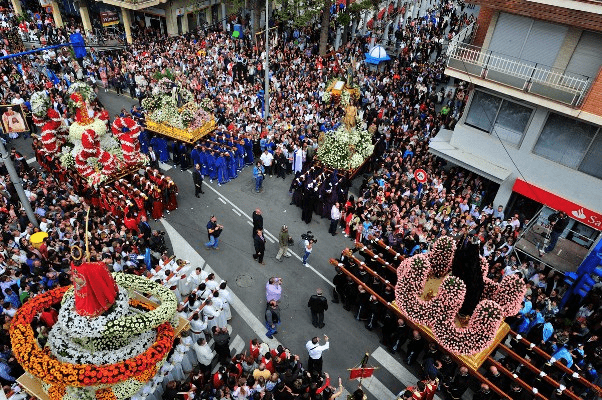
Brotherhood carrying sculptures in procession of Holy Week
© Shutterstock

On Friday night, the processions of the Cristo de los Angeles Misericordia, the Church of San Esteban, the Santo Sepulcro, and San Bartolomé take place, which may be visible parading collectively around the Trapería. On Saturday, the Christ Yacente procession leaves Santo Domingo and stands out as one of the most remarkable moments of Holy Week in Murcia, especially when it passes underneath the Santo Domingo Arch.

Open-Air Museums

Brotherhood carrying sculptures in procession of Holy Week
© Costa Calida Region de Murcia

Visiting Murcia during Holy Week means contemplating the artistic treasures of the impressive floats that flood the streets, transforming them into open-air museums. Furthermore, it is an opportunity to see images that remain inside churches, the historic centre, and convents during the rest of the year.

Annual Chance To Watch The Brotherhoods


Brotherhood distributing candy to public
© Turismo De Murcia

The generosity of the inhabitants of Murcia is evident in the processions, where sweets are distributed to the public. Several processions take place, with each brotherhood parading only once a year.

The Beauty And Realism Of Sculptures

Brotherhood carrying sculptures in procession of Holy Week
Flickr

The sculptures of renowned Baroque sculptor Francisco Salzillo, along with those of his father Nicolás, his disciple Roque López, and Nicolás de Bussy, are highlights of Holy Week in Murcia.

Experiencing Holy Week in Murcia

Murcia during the “Semana Santa” is incredible, and I’m sure that if you go, you will love it. The traditions reflect Spain’s deep devotion and rich cultural heritage during this sacred period. The city transforms into a place marked by faith, tradition, joy, and great devotion, creating scenes that captivate and inspire everyone.

Enjoy Your Private Paradise in Villa Murcia!

Piscina com águaO conteúdo gerado por IA pode estar incorreto.

Looking for the perfect place to stay in Murcia? We’ve got just the spot for you!

Villa Murcia – Your Private Paradise

Wake up to coffee on a sun-drenched terrace, unwind in a warm jacuzzi after a day of exploring, and end your evenings with dinners in the summer kitchen. Nestled in charming Santiago de la Ribera, Villa Murcia offers more than just a holiday—it’s your personal oasis of comfort, style, and unforgettable moments.

Highlights:
✔ Spacious living room with a large sofa and open kitchen – perfect for shared memories
✔ Three elegant, air-conditioned bedrooms with private terraces – your peaceful retreat
✔ Extra fold-out sofa in the living room – ideal for additional guests

Whether it’s a romantic escape, a family getaway, or a relaxing break with friends – Villa Murcia is your dream stay.

Book now and experience the magic of the Spanish sun!

Read More

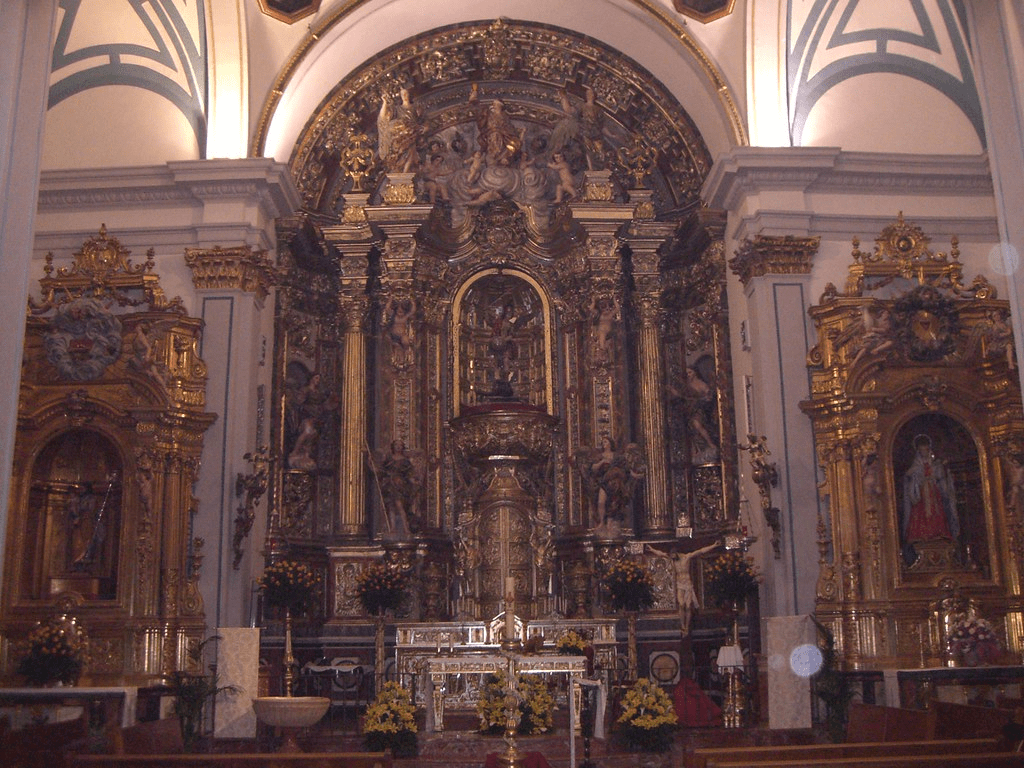
Discover the Historic Charm of Iglesia San Miguel, Murcia

Nestled in the heart of Murcia, the Church of San Miguel, or Iglesia de San Miguel, stands as a testament to Spain’s rich religious and architectural heritage. Located opposite the bustling Plaza Mayor, this historic church invites locals and tourists to explore its revered halls.

With its layout in the shape of a Latin cross and adorned with three chapels, the building’s structure is as fascinating as its history. Dedicated to San Miguel Arcángel, the church is not just a place of worship but a repository of art, culture, and history. Whether you’re visiting on a sunny Sunday morning or a quiet Saturday, Iglesia San Miguel offers a spiritual and visual feast that embodies the spirit of Murcia. Join us as we delve into what makes this church a must-visit location today.

Table of Contents

History and Construction of Iglesia San Miguel

The Church of San Miguel boasts a storied past that mirrors Murcia’s historical and cultural evolution. The church was first constructed in the 16th century and dedicated to the San Miguel Arcángel. Over the centuries, it has witnessed numerous renovations and restorations, each adding layers to its rich architectural tapestry.

Originally built to serve the growing population of Murcia’s city center, Iglesia San Miguel was strategically positioned opposite the Plaza Mayor, the city’s grand square, making it a central landmark in the citizens’ daily lives. Its construction follows the traditional Latin cross design, a popular style for churches of that era in Spain, which facilitated the accommodation of larger congregations and allowed for more elaborate ceremonies.

These chapels are adorned with intricate sculptures and artworks dating back to various periods, reflecting the changing artistic styles and religious sentiments. The church’s enduring beauty and resilience are a testament to the skills and dedication of those who built and maintained it through the ages.

Today, the Church of San Miguel stands not only as a place of worship but also as a historical monument, offering insight into the religious, architectural, and social fabric of Murcia throughout history. Its doors remain open to all who wish to find peace, delve into the past, or simply admire its enduring beauty.

Exploring the Architecture of Iglesia San Miguel

The architecture of Iglesia San Miguel is a captivating blend of history and artistry, making it a fascinating destination for visitors every Saturday, Sunday, and beyond. As you step inside, the interior of the church immediately commands attention. The structure’s layout, designed in the shape of a Latin cross, is both traditional and functional, creating a flow that guides the congregation through the spiritual and physical space of the building.

The church’s interior is divided into several sections, each serving a specific purpose and adding to the overall sanctity of the space. The central nave is flanked by aisles that lead to the three chapels, each a small masterpiece of religious art and devotion. These chapels provide a place for individual prayer and reflection and showcase various sculptures and artworks that have been collected or commissioned by the church over the centuries.

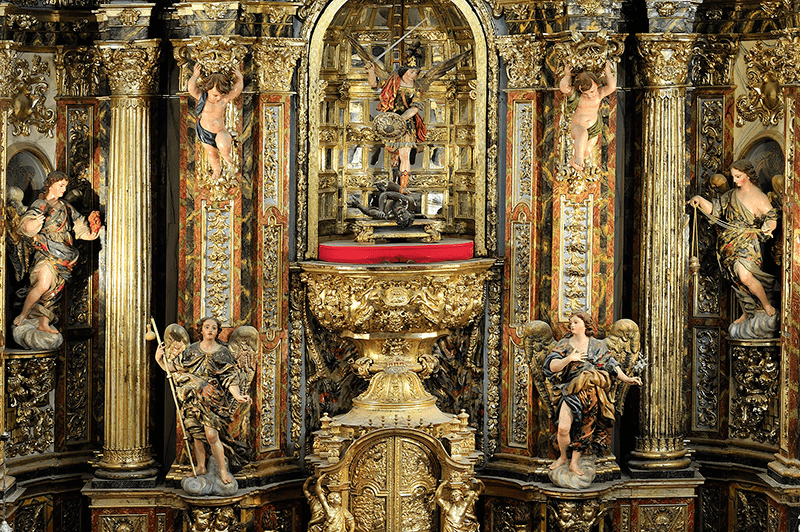
The main altar, situated at the crossing of the Latin cross, is an impressive feature, often the focal point during the services held on Saturdays and Sundays. Here, the intricate woodwork and ornamental designs speak to Spain’s craftsmanship and artistic heritage. The altar is also where the church’s relics are housed, adding a layer of historical depth to the religious ceremonies.

The ceiling of Iglesia San Miguel is another element where architecture and artistry intersect beautifully. Often adorned with frescoes or delicate stucco work, the ceiling tells stories from the Bible, San Miguel Arcángel’s life, or Murcia’s history, turning the entire building into a canvas of cultural expression.

The Religious and Cultural Significance of Iglesia San Miguel

Iglesia San Miguel is more than just an architectural marvel; it is a pivotal religious and cultural landmark in Murcia. Its significance extends beyond its role as a mere building, shaping the spiritual and communal life of the city’s inhabitants for centuries.

Religious Significance

Dedicated to San Miguel Arcángel, the church serves as a spiritual sanctuary where locals and visitors seek guidance, protection, and solace under the patronage of the Archangel Michael, who is revered as a protector and leader of the army of God in Christian theology. The church’s calendar is punctuated with liturgical celebrations, particularly vibrant on Sundays when the community gathers to celebrate Mass. The rituals and services held here, including those on special feasts dedicated to San Miguel Arcángel, are steeped in deep religious tradition, attracting devotees from across the region who come to participate in these sacred ceremonies.

Cultural Significance

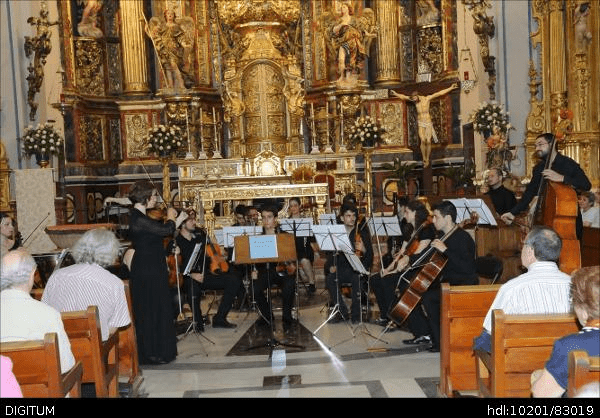
Culturally, Iglesia San Miguel is a repository of the city’s history, embodying centuries of artistic and social evolution. The church’s interior, with its sculptures, paintings, and relics, serves as a museum of ecclesiastical art, offering insights into various eras’ religious art trends and local craftsmanship. The church is also a center for many community activities that go beyond the religious, hosting concerts, lectures, and cultural gatherings that highlight its role as a communal space.

Additionally, Iglesia San Miguel is a symbol of resilience and continuity. Through various epochs, including wars, political upheavals, and social changes, it has remained steadfast in Murcia, offering a sense of stability and continuity. This enduring presence has made it a beloved landmark, deeply embedded in the personal and collective memory of the city’s residents.

In sum, the Church of San Miguel is a beacon of faith and culture in Murcia, bridging the past with the present and the divine with the everyday. It is a place where art, history, and spirituality intertwine, making it an essential visit for anyone seeking to understand the heart and soul of this Spanish city.

Tourism and Access to Iglesia San Miguel

Iglesia San Miguel is not only a cornerstone of spiritual life in Murcia but also a significant tourist attraction, drawing visitors worldwide to appreciate its historical, architectural, and cultural riches. For those planning a visit, here’s what you need to know about accessing and enjoying this historic church.

Accessibility and Location

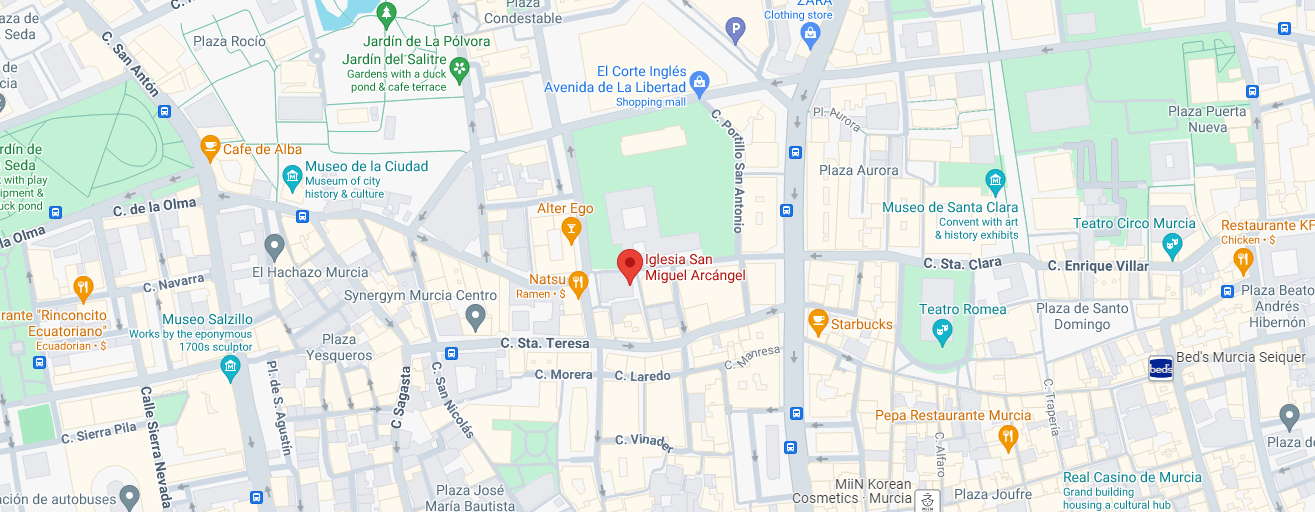
Address: C. San Miguel, 5, 30005 Murcia, Spain.

Convenitently located opposite the vibrant Plaza Mayor in the heart of Murcia, Iglesia San Miguel is easily accessible to tourists. Whether visiting from within Spain or traveling internationally, Murcia’s robust transportation options make the church an easy addition to any travel itinerary. The city is well-connected by train and bus routes, and the church is within walking distance from several major transportation stops. For those driving, ample parking facilities are nearby, making it convenient for visitors to reach the church.

Visiting Hours and Best Times to Visit

Iglesia San Miguel is open to the public most days, but visiting hours may vary, Mondays to Fridays from 9 am to 8:15 pm and weekends from 9 am to 9:30 pm. The church is lively and open for longer hours on Saturdays and Sundays, accommodating regular worship services and the influx of tourists. For a quieter experience, visiting on a weekday may allow for a more leisurely exploration of the church’s interior and artworks. However, I found that attending a Sunday service gave me the most authentic experience of the church’s communal and spiritual life. It was a unique opportunity to witness firsthand the local culture and religious practices, truly bringing the significance of Iglesia San Miguel to life.

Guided Tours and Information

Guided tours are available for tourists interested in a deeper understanding of the church’s historical and cultural significance. During my visit, I discovered that these tours are typically guided by friendly locals who share in-depth knowledge about the building’s history, the meaning behind its artworks, and the church’s integral role in the city’s fabric. Additionally, I found that information leaflets and audio guides are readily available in various languages, ensuring that international visitors can fully appreciate the cultural richness of Iglesia San Miguel.

Nearby Attractions

After my visit to Iglesia San Miguel, I ventured out to explore more of Murcia’s charm, starting with the picturesque Plaza Mayor, right where the church stands. Here, I discovered a delightful array of traditional Spanish cafes, inviting shops, and captivating historical sites, all contributing to the city’s vibrant atmosphere. The proximity to other landmarks made it easy to extend my exploration, allowing me to immerse myself fully in Murcia’s rich tapestry of culture and history while savoring every moment of my visit.

In conclusion, Iglesia San Miguel offers a compelling reason to visit, whether you’re attracted by its rich history, stunning architecture, or vibrant cultural life. Easily accessible and located in the historical heart of Murcia, it promises a rewarding experience for every visitor, blending spiritual, cultural, and historical exploration in one of Spain’s charming cities.

Enjoy Your Private Paradise in Villa Murcia!

Piscina com águaO conteúdo gerado por IA pode estar incorreto.

Looking for the perfect place to stay in Murcia? We’ve got just the spot for you!

Villa Murcia – Your Private Paradise

Wake up to coffee on a sun-drenched terrace, unwind in a warm jacuzzi after a day of exploring, and end your evenings with dinners in the summer kitchen. Nestled in charming Santiago de la Ribera, Villa Murcia offers more than just a holiday—it’s your personal oasis of comfort, style, and unforgettable moments.

Highlights:
✔ Spacious living room with a large sofa and open kitchen – perfect for shared memories
✔ Three elegant, air-conditioned bedrooms with private terraces – your peaceful retreat
✔ Extra fold-out sofa in the living room – ideal for additional guests

Whether it’s a romantic escape, a family getaway, or a relaxing break with friends – Villa Murcia is your dream stay.

Book now and experience the magic of the Spanish sun!

Conclusion

In conclusion, Iglesia San Miguel in Murcia is more than just a historic church; it is a vibrant hub of spiritual, cultural, and community activity. Whether you’re drawn by its architectural splendor, interested in its rich religious heritage, or looking to immerse yourself in local traditions, this church offers a unique glimpse into the heart of Murcia. Conveniently located and rich in history, Iglesia San Miguel invites believers and tourists alike to explore its sacred halls, participate in its ceremonies, and discover its treasures any day of the week, making it a must-visit destination in Spain’s beautiful Murcia.

Read More
Ample vision of the Santuario de Nuestra Señora de La Fuensanta

Santuario De Nuestra Señora De La Fuensanta

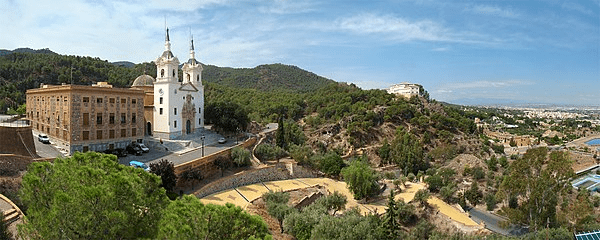
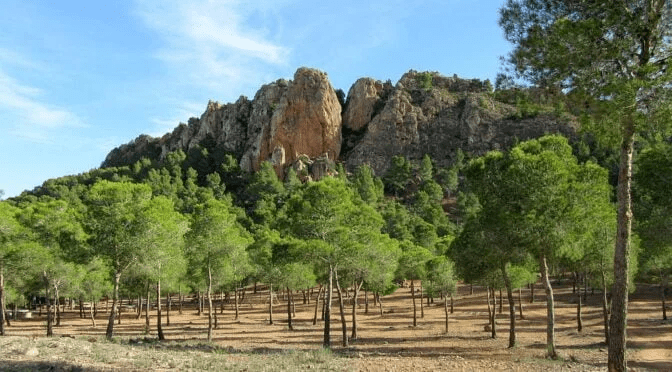
One of the most popular trips among Murcia city residents and highly recommended for visitors to the region is to head to the hills south of the city, where dense pine forests offer a refreshing change from the heat that can build up in the valley below. Just six kilometers from the city of Murcia, at the foot of the Carrascoy mountain range, is the Santuario De Nuestra Señora De La Fuensanta, located in the district of Algezares.

Situated in a welcoming place with good views and a pleasant place to visit before leaving Murcia, it was one of the destinations I most enjoyed visiting in the region. Read on to find out why!


Table of Contents

History and Origins of Santuario de Nuestra Señora de La Fuensanta

The Sanctuary of Nuestra Señora de la Fuensanta (In Spanish Santuario de Nuestra Señora de la Fuensanta), is located in the Algezares village, part of the city of Murcia region.

It had origins in the construction of an old medieval hermitage that began in 1694 on the remains of a previous religious building. The tradition dates back to the Middle Ages, with a hermitage built in an existing cave, which was cared for by monks, mentioned in documents since 1429. After centuries of religious occupation of the area, construction of the current sanctuary began in 1694, with several interventions over the centuries.

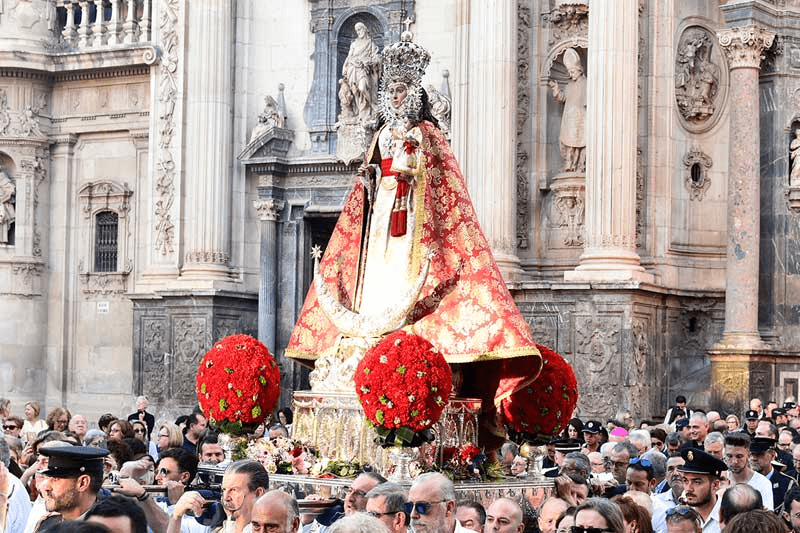
Virgen de la Fuensanta (Virgin of Fuensanta)  being carried by people
Image Credit: Catedral de Murcia Website

The image of the Virgen de la Fuensanta (Virgin of Fuensanta) has been venerated since the 15th century, with her cult celebrated during specific religious events in the region. In the late 17th century, a significant drought led many believers to pray at Fuensanta, and the subsequent cessation of the drought in response to prayers was interpreted as a miracle leading to the proclamation of the Virgen de la Fuensanta as the city’s patron saint in the 18th century, giving the sanctuary greater importance.

After restorations carried out over the centuries, including a restoration of the towers in 1925 by Rafael Castillo Sáiz and a complete restoration following damage caused during the Spanish Civil War, the sanctuary maintains its importance as a place of devotion and cultural heritage. Its baroque structure includes a central nave with side chapels and a dome over the crossing, as well as a central facade designed by Toribio Martínez de la Vega, highlighted by its side towers and the presence of two angels holding the cabildo’s shield over the main door. The sanctuary is administered by the Diocese of Cartagena and is classified as an Asset of Cultural Interest.

Architecture and Design

The Sanctuary of Nuestra Señora de La Fuesanta has an impressive architectural work, standing out for its imposing structure and intricate details. Combining elements of religious architecture and Baroque style, the sanctuary captured my attention with its beauty and grandeur. As a religious person, stepping inside filled me with a mix of emotions— a rush of awe and a wave of calm. It was such a unique moment, just soaking up the peaceful vibes and devotion in the Patron Saint’s home.

Interior

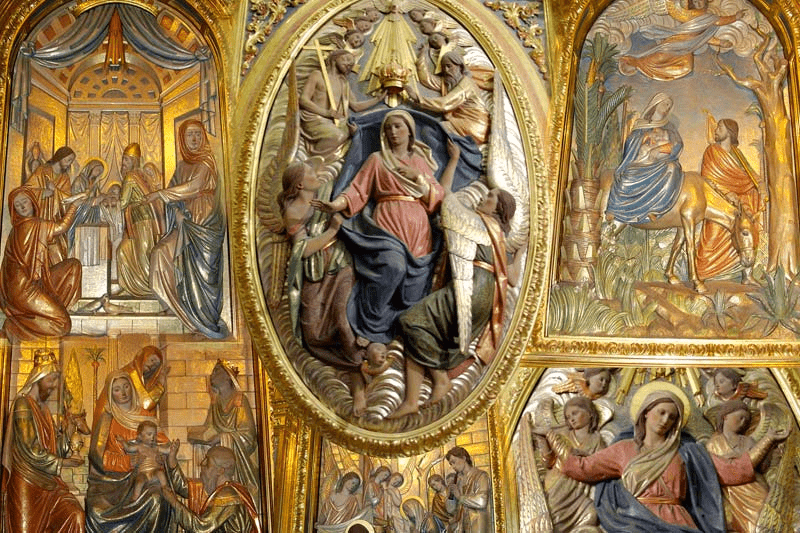
Mural paintings inside the Santuario de Nuestra Señora de La Fuensanta
Image Credit: Turismo de Murcia Website

The interior of the church underwent an almost complete transformation after being destroyed during the Spanish Civil War. One of the changes made during the reconstruction was the installation of a new altarpiece and dressing room, designed by Antonio Carrión Valverde and Nicolás Prados López, that replaced the original altarpiece and the beautiful patron saint’s dressing room from 1722, which were the work of Antonio Dupar.

In the semicircular dome and the choir, there are paintings and murals created by the artist Pedro Flores, which depict pilgrimages and the Coronation of the Virgen de la Fuensanta on the old bridge of Murcia. Furthermore, we found around ten beautiful reliefs carved by Juan González Moreno, representing scenes from the life of the Virgin Mary.

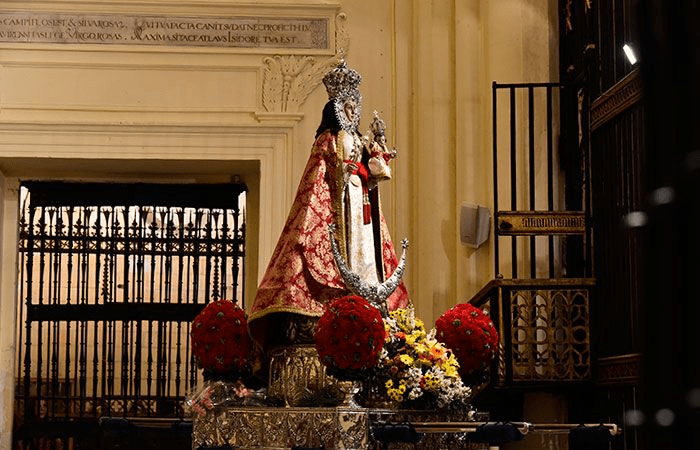
Patroness of the city, Virgen de la Fuensanta, in the Santuario de Nuestra Señora de La Fuensanta
Image Credit: Catedral de Murcia Website

The altar showcases the image of the Patron Saint, a finely dressed sculpture dating back to the 17th century. Previously, she was revered in the Trascoro chapel of Murcia Cathedral, under the title of Our Lady of Fevers. It was Bishop Trejo who transferred her to the Serra Sanctuary, renaming her with the dedication of Fuensanta. While the painter remains unidentified, it’s documented that in 1802, Roque López, a disciple of Salzillo, undertook a restoration and touch-up of the sculpture.

Another restoration occurred around 1960, overseen by architect Fernando Garrido. He also constructed the guesthouse, now known as the Monastery of the Benedictine Religious, attached to the Santuario de Nuestra Señora de La Fuensanta. Garrido’s work included enhancing the overall exterior appearance of the church.

Exterior

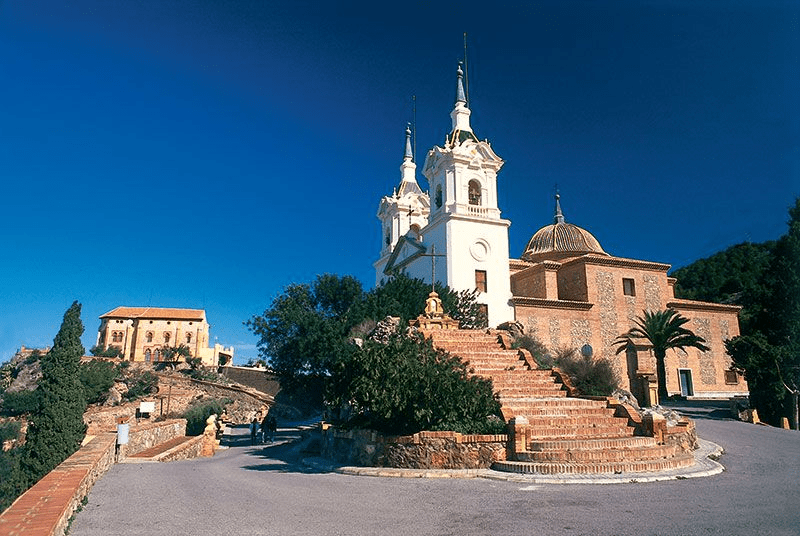
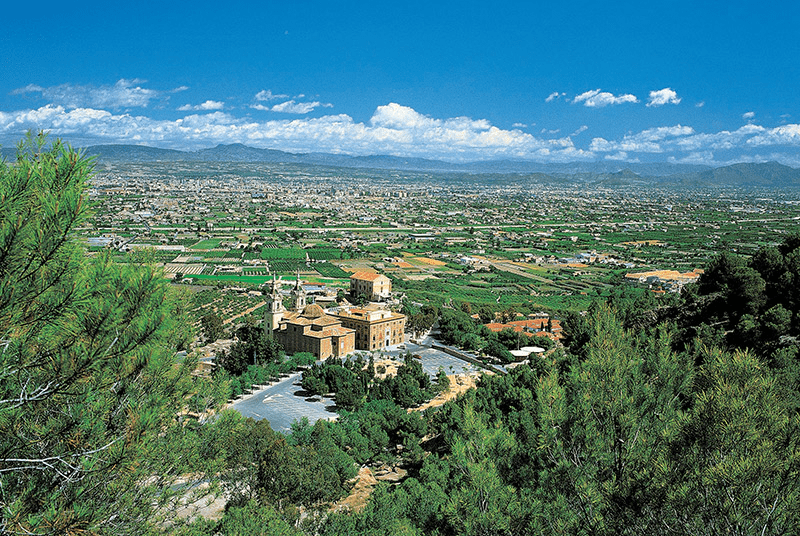
Ample vision of the Santuario de Nuestra Señora de La Fuensanta
Image Credit: Catedral de Murcia Website

The Santuario de Nuestra Señora de La Fuensanta has a classic baroque-style temple, made up of three naves: a larger central nave and two side naves with chapels. Its facade, a work by Toribio Martínez de la Vega, has two towers and a semicircular arched door. Above the door, two angels are holding the coat of arms of the Chapter of the Cathedral, responsible for building the temple, and a central niche with the sculpture of the Patron Saint, Virgen de la Fuensanta, sculpted by Jaime Bort, flanked by Saint Patrick and Saint Fulgencio. What pleases me most is that from the sanctuary, you can see the entire city of Murcia. It is a wonderful and peaceful view.

The Surroundings Are Also Captivating!

Ample vision of the Santuario de Nuestra Señora de La Fuensanta
Image Credit: Costa Cálida Region de Murcia Official Website

The sanctuary stands in the heart of the Cordillera Sul, in the town of Algezares, in a mountainous area that extends along the Segura valley on its southern slope. It enjoys a privileged landscaped environment, offering a panoramic view of the Murcia plain and bordering the protected natural space known as Carrascoy and El Valle Regional Park.

The El Valle y Carrascoy Regional Park , located closed to the Santuario de Nuestra Señora de La Fuensanta
Image Credit: Wildside Holidays Website

The El Valle y Carrascoy Regional Park is a protected natural area that dominates the landscape of the Murcian Plain. Furthermore, around the Santuario de Nuestra Señora de La Fuensanta, there are other points of interest, such as the Holy Fountain, in Renaissance style, the Casa del Cabildo or Sacristán, in neo-Arabic style, and the monastery of the Benedictine nuns, connected to the Sanctuary by an arch.

There is ample parking available near the sanctuary, and visitors can enjoy the magnificent views of the valley while enjoying a drink at the on-site café. This place also serves as a popular starting point for hiking, with trails that start from the back of the sanctuary and follow the course of the road, passing by the hermitage of La Luz, where it is still possible to buy chocolate from the monks who reside there, until reaching to the La Luz visitor center.

Also, close to the sanctuary, you will find the Hermitage and Visitor Center of San Antonio el Pobre and the Franciscan Convent of Santa Catalina del Monte, which in my opinion, both places are very stunning and are worship to be visited

Want To Visit The Sanctuary?

Want to visit the Santuario De Nuestra Señora de La Fuensanta? Below are some important information:

How to Get There

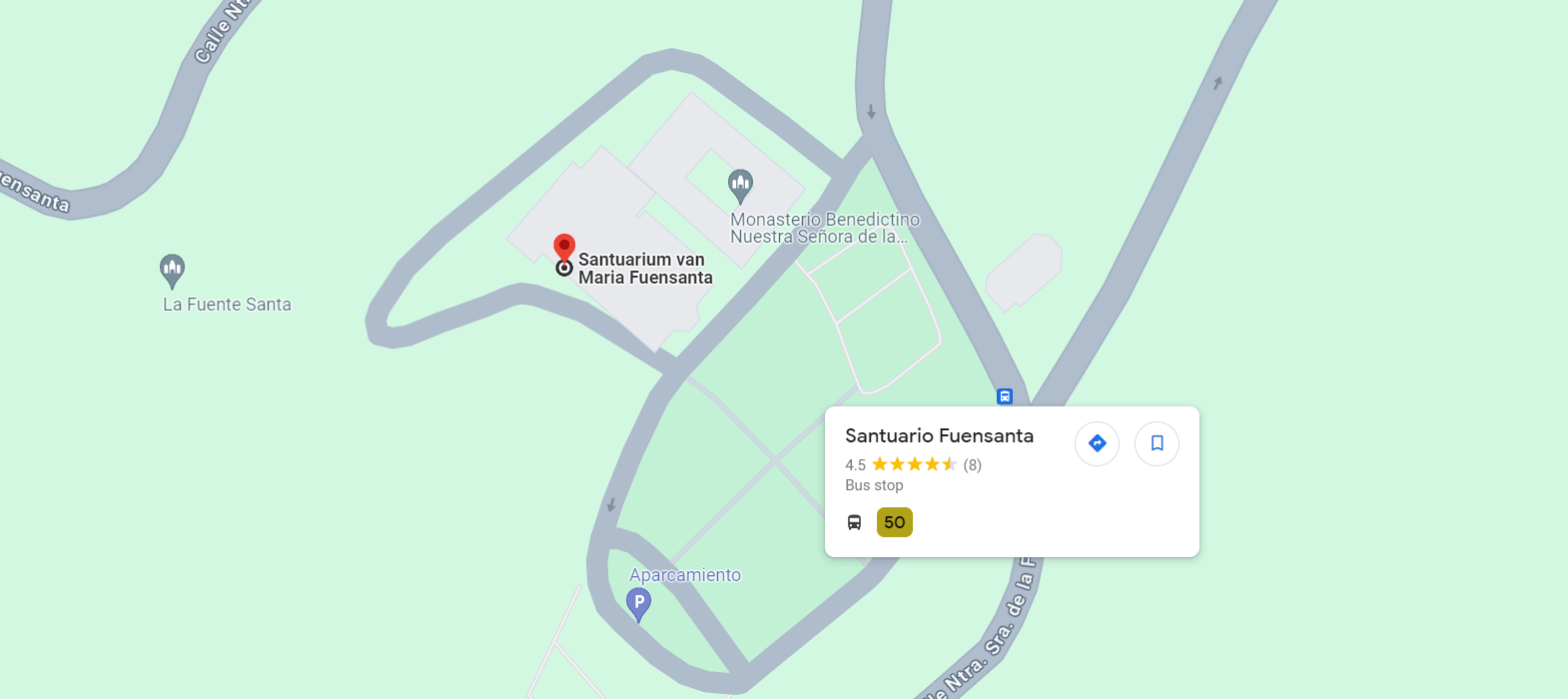
Google Maps image of the location of Santuario de Nuestra Señora de La Fuensanta and the bus stop near
Image Credit: Google Maps

By bus: there is a bus stop 100 meters from the sanctuary. If you want to get there by bus, take line 50 TMP – Monbus

By car: The Sanctuary stands at Calle Ntra. Sra. de la Fuensanta, 30157. To reach it by car, you can follow signs for La Alberca on the main highway. To reach the sanctuary, take a sharp right turn at the entrance to Algezares. Please be aware that the signage for this turn may not be well-marked.

Hours And Fees

Entry to Santuario De Nuestra Señora De La Fuensanta is free. Opening hours are Monday to Sunday, from 9 am to 1 pm and from 4 pm to 6:30 pm.

Masses take place from Monday to Friday at 6 pm and on Saturdays at 5 pm. On Sundays and holidays, masses take place at 10 am, 12:30 pm, and 5 pm.

During the summer (June to September), mass times change. From Monday to Friday, they take place at 9 am, on Saturdays at 7 pm, and on Sundays and holidays at 11 am and 7 pm.

A Final Recommendation

Remember to wear comfortable shoes because there’s quite a bit of walking involved to reach both the place and the Valley. However, I assure you, the journey is well worth it.

Do not hesitate to visit the sanctuary. The experience of being there, immersed in the natural beauty and unique spirituality, is truly unforgettable. Come and explore this special place and let yourself be enveloped by its magic and serenity

Enjoy Your Private Paradise in Villa Murcia!

Piscina com águaO conteúdo gerado por IA pode estar incorreto.

Looking for the perfect place to stay in Murcia? We’ve got just the spot for you!

Villa Murcia – Your Private Paradise

Wake up to coffee on a sun-drenched terrace, unwind in a warm jacuzzi after a day of exploring, and end your evenings with dinners in the summer kitchen. Nestled in charming Santiago de la Ribera, Villa Murcia offers more than just a holiday—it’s your personal oasis of comfort, style, and unforgettable moments.

Highlights:
✔ Spacious living room with a large sofa and open kitchen – perfect for shared memories
✔ Three elegant, air-conditioned bedrooms with private terraces – your peaceful retreat
✔ Extra fold-out sofa in the living room – ideal for additional guests

Whether it’s a romantic escape, a family getaway, or a relaxing break with friends – Villa Murcia is your dream stay.

Book now and experience the magic of the Spanish sun!

Read More
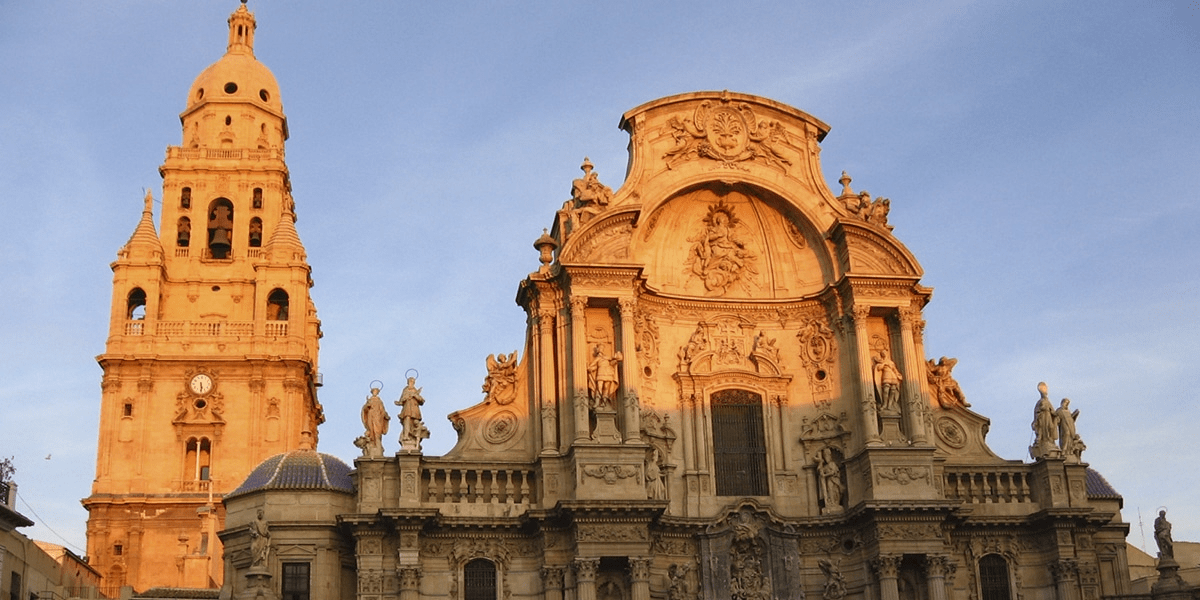
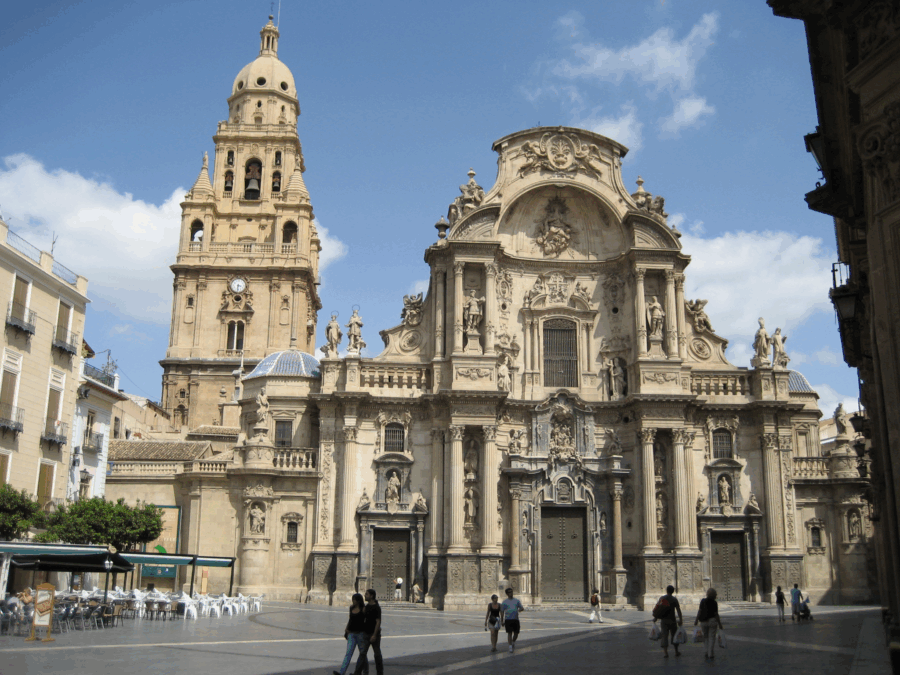
The facade of the cathedral

Cathedral de Santa Maria Murcia – Multi-styled Masterpiece

Welcome to the beautiful Cathedral Church of Saint Mary in Murcia (Spanish: Iglesia Catedral de Santa María en Murcia), or, as it is commonly referred to, the Cathedral of Murcia. It’s a Catholic Church in the city of Murcia and a breathtaking cathedral of the Roman Catholic Diocese of Cartagena. It’s the pearl of the baroque architecture, but a gothic cloister in heart. If you are a history buff, or if you just have an eye for architectural masterpieces – this is definitely a sight to see!

Table of Contents

History

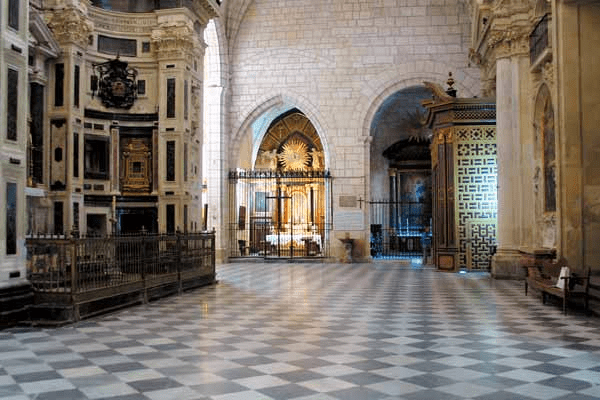
The interior of the cathedral

As with all architectural masterpieces in our lifetime, it comes with a little bit of history. The conception of this cathedral starts with the Christian king Jaime I the Conqueror. And so he did just that to the city of Murcia during the Mudéjar revolt of 1264–66. This was during a great war when Christianity fought against the Muslim world in Spain; he took the Great Mosque that was built there, or Aljamía as the Muslims referred to it, and consecrated it to the Virgin Mary.

Although he wanted to do it right away, it took until the 14th century that the construction of the cathedral in this place took off. In 1385, the work on foundations started, but the work itself had to be delayed until 1388, when the first stone was laid.

Plaza Del Cardenal Belluga, where the cathedral stands, had to wait a while for development to begin. Actually, it took much longer than expected, as the work wasn’t completed until October 1467. Even after the initial construction finished, the cathedral continued to evolve, incorporating various architectural styles and subtly reflecting the influence of the former Muslim city that once occupied this site. Over the centuries, it continued to develop, ultimately becoming the awe-inspiring masterpiece we see today since the 18th century.

Architecture Style

The cathedral view

As I have mentioned before, this particular cathedral is done in exquisite detail. It has a magnificent “torre campanario,” which means the bell tower, and is a masterful combination of many different styles.

The cathedral was designed by Valencian architect and sculptor Jaume Bort i Meliá. Its interior presents a predominantly Gothic style, albeit with a refinement that sets it apart from the classic Gothic architecture like Notre Dame. It’s the facade that truly shines, presenting the finest aspects of the cathedral.

I recall my first visit, feeling like I had stepped back in time. From the intricate Gothic windows to the classic porches and the breathtakingly beautiful Baroque decorations, every detail left an indelible mark on me. The Baroque style seamlessly intertwines with a sense of humility added in later years, creating a mesmerizing architectural experience.

Interior

the altar of the cathedral

Let’s first discuss the Cathedral interior. The Murcia Cathedral is made up of three different naves with an apse and twenty-three chapels. Each is dedicated to the patron saints of labor unions and serves as the final resting place for bishops and nobles involved in the construction of the Cathedral de Santa Maria Murcia. Here are the most interesting ones:

  • The Chapel of the Apse or the Vélez Chapel – this chapel has a cupola of start with ten points and is crafted beautifully in the Flaming Gothic style;
  • The Chapel of Junterones belongs to the Spanish Renaissance. It may not be as fiery as the baroque-styled ones, but it’s pure and elegant: the Spaniards are considered one of the masters of the craft of that era, and it shows here.
  • The Chapel of the Immaculate is undoubtedly a masterpiece of Baroque architecture. If you appreciate the rich detail and lavishness of that style, it’s an absolute must-see.

Sound Equipment

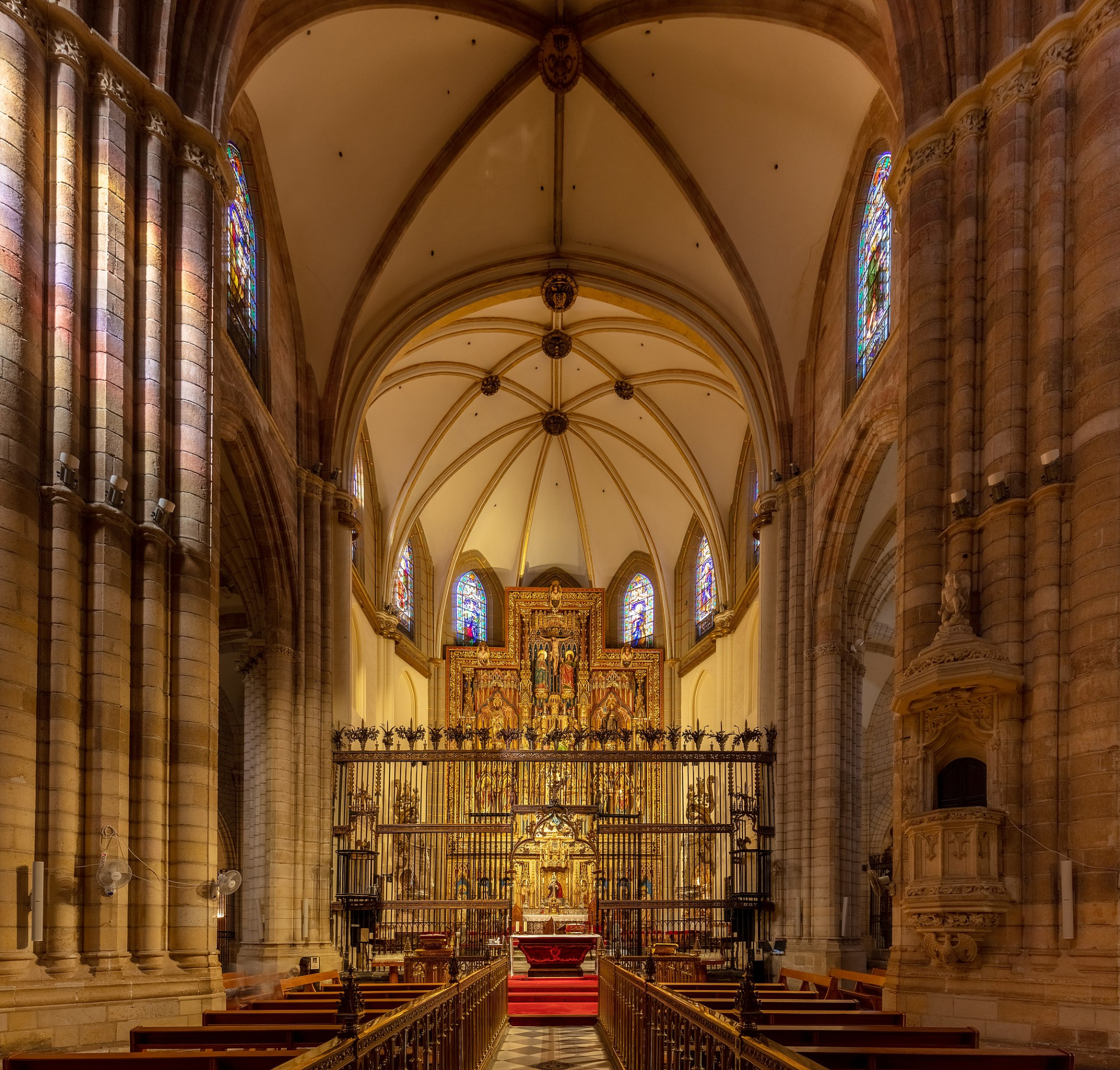
We cannot, of course, overlook the “transcorum,” of course, the plateresque seating for the choir that looks incredible, especially during night ceremonies. This is when you can additionally enjoy the large Merlkin organ, one of the most interesting inventions of the time, with almost 4000 pipes and four keyboards. The sound is taking over you when you’re listening to it inside, and you really can feel a spiritual being with those pipes attacking you from every corner.

Three Levels

a look at the altair at the cathedral

There are there levels inside the cathedral. If you want to visit it, you should definitely check them all out!

  • The first one was made by Francisco and Jacobo Florentino. It’s basically a square plant in Renaissance style. The ornamentations offer a completely unique experience. Influenced by the highly prevalent plateresque style in Spain during the late 15th and early 16th centuries, these elements were frequently adopted in Spain’s American colonies. The ornamentations you’ll encounter date back to that period and showcase a distinct “Silversmith-like” approach, reflecting the rich cultural exchange and artistic influence of the time.
  • The second body, crafted by Jerónimo Quijano, bears similarities to the first, yet it exudes a distinct delicacy and conservatism. While it shares the same type of ornaments and features, the style is notably more purist compared to the ground floor. This refinement and adherence to purity lend it a unique charm and elegance.
  • The third floor is truly extraordinary, featuring a blend of various styles and accents. It incorporates elements straight from the Rococo style, coupled with a cupola designed by Ventura Rodríguez. The result is captivating, with an intriguing mix of influences that manage to be exciting without veering into flashy territory.
  • And finally, we have the fourth floor with four conservatories in each corner. This is for the special ceremonies to fight off the natural disasters that, unfortunately, came over this place as well.

The Heart of the King

Lastly, as surprising as it may sound, this place holds the heart and entrails of King Alfonso X the Wise, interred beneath the main altar. It’s a testament to his dedication and gratitude to the city, as he chose to honor it by dedicating his body to its love and acknowledging its loyalty to him as king.

Facade

the facade of the cathedral

Let’s now talk a little bit about the facade. There are a couple of things we need to address straight away. For starters, the Door of the Apostles is one of the most famous elements of the cathedral. It was constructed in 1488 by Diego Sánchez de Almazán. It’s Gothic in heart, with sculptures of four apostles and a shield to honor the honor of Queen Isabel, the Catholic.

Next, there is the Door of Chains – two bodies, one from the 16th and one from the 18th century, with reliefs of the brothers San Leandro, San Isidoro, and San Fulgencio. It’s much more defined than the Door of the Apostles, but both have their fans. The main facade is mostly Baroque, with some elements from the 1800s. This is definitely my favorite element of the whole building, as the decorations and finishes perfectly fit together.

Bell Tower

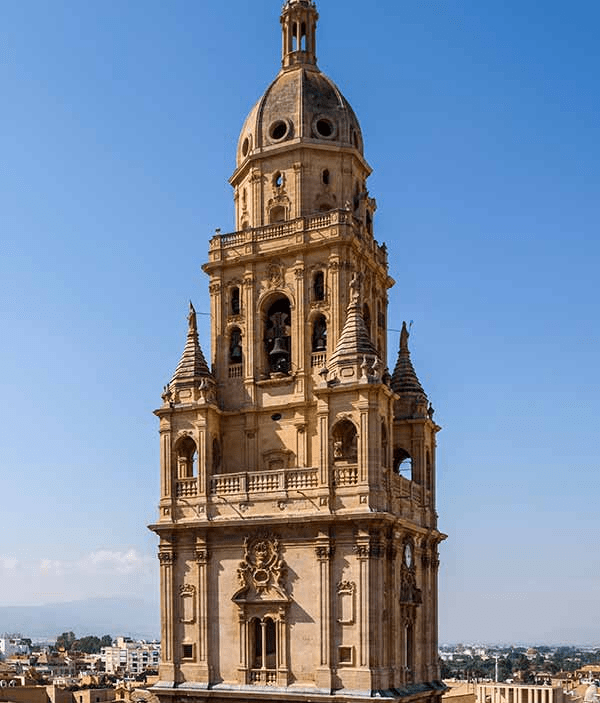
the bell tower

Another important fact about Cathedral de Murcia is the incredible bell tower that was created when it was still a mosque. It was built entirely between 1521 and 1791. It is 90 meters long with a weather vane, and it’s the tallest campanile in Spain.

Inside the tower, you’ll find twenty-five bells, each dating back to the 17th or 18th century. Each bell has its own name, reflecting its unique sound, such as “The Bell of Prayer” or “The Bell of Spells.” These bells played a significant role in society, serving as warning signals to alert the population about impending disasters—a vital function in a country that has faced numerous calamities over the last millennium. Additionally, the tower itself ranks as the second tallest in Spain, trailing only the Giralda in Seville. For me, this is one of the best-designed towers in Spain, especially considering the fact that it was a Muslim Minaret.

Cathedral de Santa Maria Murcia – Conclusion

a look at the cathedral from a drone

The Cathedral de Murcia stands proudly as a top destination on every tourist’s map, impossible to overlook even if you tried. From its awe-inspiring architecture to its rich history, it’s truly a sight to behold. I especially recommend it to those of you who are interested in finding something that has changed throughout time, presenting you with different sides of it whenever you look at it. I personally enjoyed the most the intertwined styles that are present at every corner.

Don’t forget to explore the cathedral museum, which is brimming with fantastic souvenirs to commemorate your visit. I’m confident you’ll find this exceptional beauty to be your next favorite spot. I wholeheartedly recommend it!

Enjoy Your Private Paradise in Villa Murcia!

Piscina com águaO conteúdo gerado por IA pode estar incorreto.

Looking for the perfect place to stay in Murcia? We’ve got just the spot for you!

Villa Murcia – Your Private Paradise

Wake up to coffee on a sun-drenched terrace, unwind in a warm jacuzzi after a day of exploring, and end your evenings with dinners in the summer kitchen. Nestled in charming Santiago de la Ribera, Villa Murcia offers more than just a holiday—it’s your personal oasis of comfort, style, and unforgettable moments.

Highlights:
✔ Spacious living room with a large sofa and open kitchen – perfect for shared memories
✔ Three elegant, air-conditioned bedrooms with private terraces – your peaceful retreat
✔ Extra fold-out sofa in the living room – ideal for additional guests

Whether it’s a romantic escape, a family getaway, or a relaxing break with friends – Villa Murcia is your dream stay.

Book now and experience the magic of the Spanish sun!

Read More

Salt Church Mar Menor | An Evangelical Temple in San Javier!

Spain, particularly the region of Murcia, boasts a wealth of tourist attractions and cultural and natural wonders that can be enjoyed year-round. Yet, many of these places truly come alive and shine during the summer months, making it an exciting time to plan your visit. Amidst this vibrant landscape, the Sal Mar Menor Church holds a special significance for many Christians, particularly evangelical Christians seeking a place to honor their faith.

It is a simple temple that warms the hearts of the parishioners. Whether you are a believer or simply want to visit this church and the city of San Javier, you’ll learn the basics that any traveler should know.

Table of Contents:

What Is the Salt Church Mar Menor?

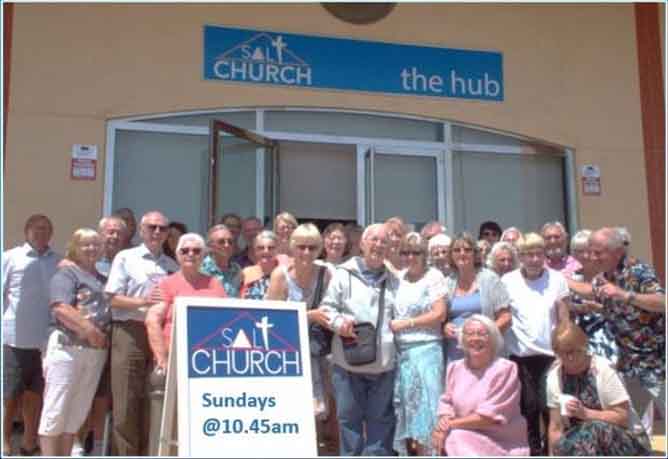
The Salt Church Mar Menor is an English-speaking Evangelical Church in the Mar Menor area of Murcia in southeast Spain. This temple accepts people from many different backgrounds and Christian denominations, which makes it a very demanding place for believers.

The Salt Church Mar Menor is a Bible-based temple that only opens its doors on Sunday when all the parishioners come to hear the sermon of the Father. The services of the Salt Church consider the Bible the main core of their practice while mixing it with the best contemporary and traditional worship music.

The church takes its name from the zone’s predominant economy, which has been based on salt extraction since the Roman Empire era. The most important businesses are dedicated to extracting salt from the sandbanks of San Pedro de Pinatar, located several kilometers to the north.

Salt Church Mar Menor History

The Salt Church Mar Menor was founded in January 2020. It’s part of an intentional congregational plan from Salt Church (Spain) based in the municipality of Los Montesinos, whose roots go back more than thirty years as Torrevieja Christian Fellowship. It’s a registered Association in Spain and is affiliated with the Assemblies of God—Spain, or Federación Asambleas de Dios de España.

Salt Church Spain in Los Montesinos website: www.saltchurch.es

Salt Church Mar Menor Location

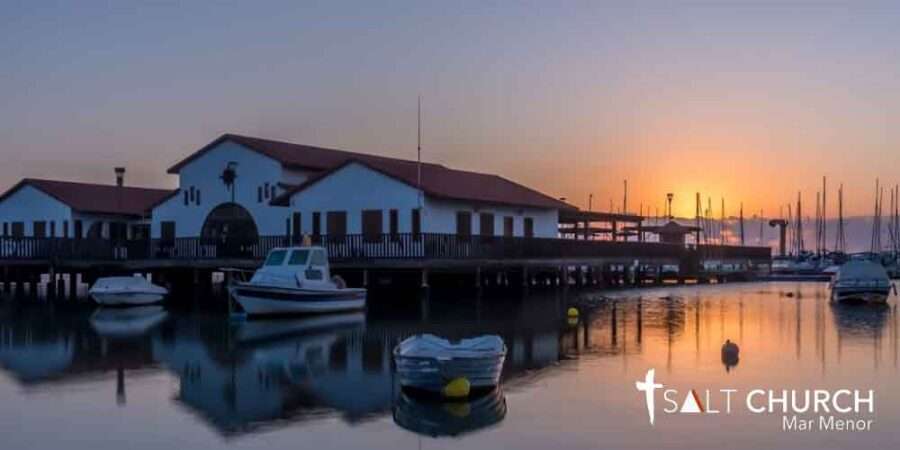
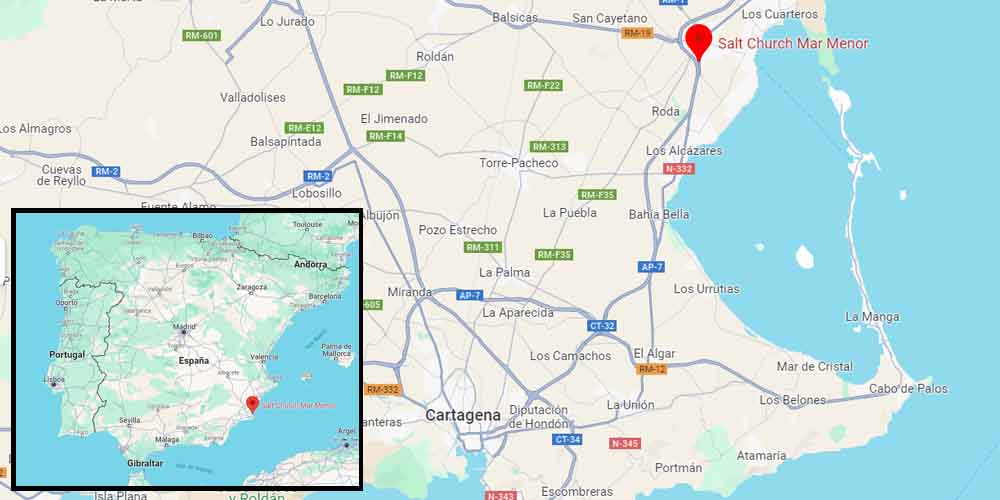
The Salt Church Mar Menor is located in San Javier, a city in the Murcia region of Spain. It’s 1 km south of the center of the city, in a zone with multiple services, such as restaurants, bars, and other businesses.

Address: The Hub, Avenida de la Unión, 100, 30730 San Javier (next to Yorkshire Linen), Murcia, Spain.

Website: www.marmenorchurch.com

Email: andy.neale@marmenorchurch.com

Telephone: +34 622 41 67 93

Google Plus Code: Q5W6+GP

Sunday Services: the church opens only Sunday from 10:45 a.m. to 12:30 p.m.

Access to Salt Church Mar Menor

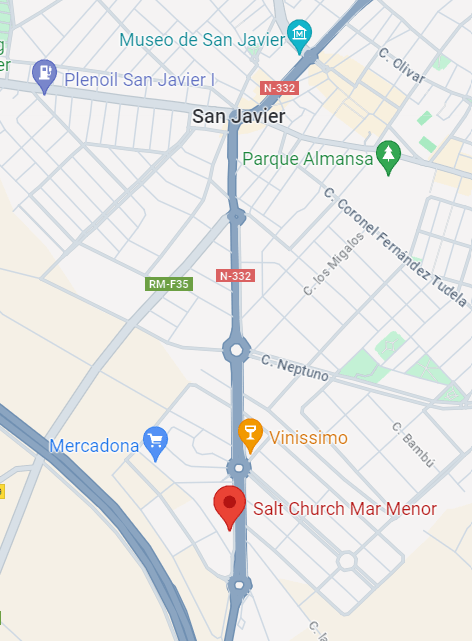
Finding the Salt Church Mar Menor is pretty easy since the city is small and the temple is close to the center of the city. From downtown, you should take the route N-332 to the south. You probably will find the Salt Church a kilometer away. It’s impossible to get lost.
San Javier Features You Should Know

San Javier is a small municipality but very crowded in summer due to its magnificent climate and coastal conditions. These conditions make it perfect for enjoying a relaxing vacation. In addition, it is full of sights that attract people from all over Europe and the world.

  • Average temperature during summer: 25°C
  • Rains: scarce
  • Population: 31,905

The summer season, specifically from June to September, is sunny and hot, as is most of the Murcia region, especially on the Mediterranean coast. Still, during the day in San Javier Murcia, a refreshing breeze can blow, but the nights are warm and sticky.

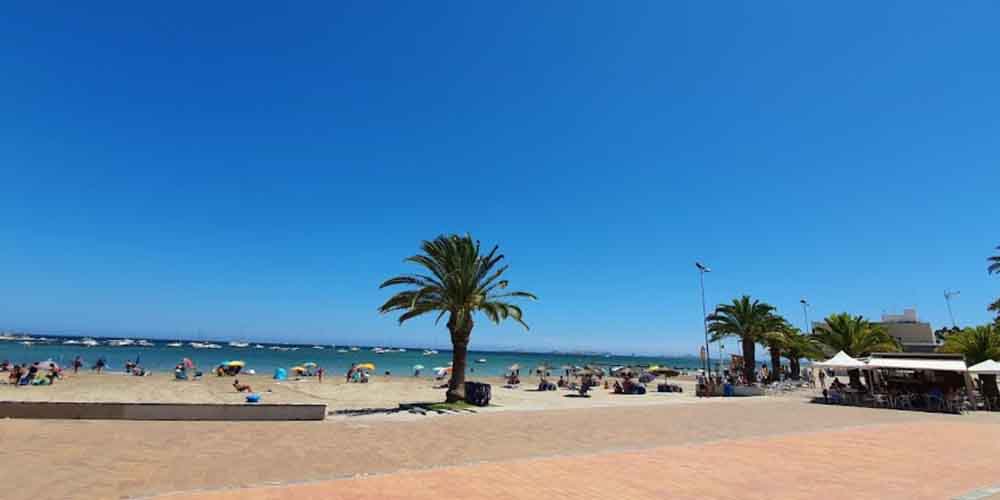
July – September is the best time to swim in the Mar Menor. At this time, the average water temperature is 23°C, which is more than pleasant for people who cannot stand cold water.

The first time I set foot in the waters of San Javiers, I was surprised by the warm and clear conditions, also perfect for practicing water sports and other activities. In addition, San Javier is ideal for staying and getting to the coves and beaches near the area.

Additional Things to Do in San Javier

As I mentioned before, you can visit the municipality’s beaches, such as Playa Chica or La Cala del Barco, located to the south of the city. Still, you can sail along the Mar Menor, dive, or have a drink in the many restaurants in the city.
Restaurants and Cuisine

Spanish cuisine is renowned worldwide for its exceptional flavors and variety, and the food of the Murcia region is no exception. You’ll find an abundance of Mediterranean-inspired dishes, highlighting the freshest seafood, fish, rice, and other locally sourced ingredients. The culinary offerings are sure to delight your taste buds and leave you craving more.

One of the restaurants that I visited two or three times during my stay in San Javier is Vinissimo. It specializes in Spanish and European cuisine and creates fusion dishes that are a true delight for the palate. It also has an incredible wine list. In addition, it is very close to the Iglesia de Sal del Mar Menor, less than 500 meters away, so you can attend the Sunday service and then head to an incredible lunch.

Location of Vinissimo and Salt Church Mar Menor

Beaches and Cultural Activities

San Javier also offers plenty of tours and activities to complete your journey in this magnificent city. For example, you can visit Playa Mistral, which is great for children and people who love calm waters. The San Javier Museum is also a site of great interest. Here you can learn a lot about the history of the city and get crucial information about settlements and near natural attractions.
The Plaza de España is also a magnificent place to visit during your journey. Most of the time—especially in summer—it’s full of interesting exhibitions with plenty of details. Besides, this square hosts the San Javier Church, a mythical Catholic building dating from 1698.
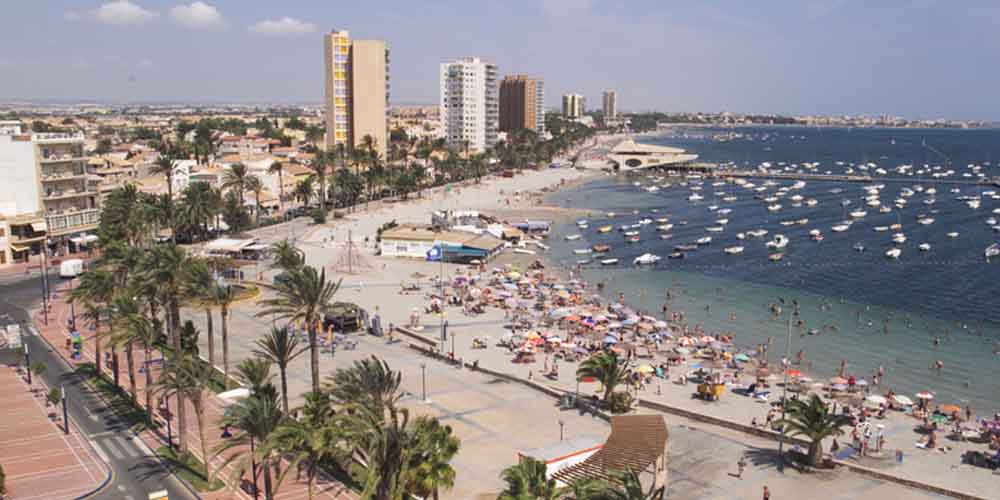
However, suppose you are looking for more attractions or eating next to the Mar Menor. In that case, you can visit the neighboring city of Santiago de la Rivera, just a few kilometers away. This city has various restaurants, hotels, and incredible beaches where you can witness the sunrise and the deep blue water of the Mar Menor. Without a doubt, this is one of the best things you can do in this part of the Mediterranean Sea.

The Salt Church Mar Menor, a Good Reason to Visit San Javier

The Salt Church of the Mar Menor is a minor temple but a good reason to visit San Javier and its surroundings. The area has a lot of interesting places to visit, including restaurants, museums, old buildings, and incredible beaches where you can relax as soon as you set foot on its sands. Also, if you are a devout Christian, this church that opens on Sundays can be an extra reason to get to know the settlement and the incredible region of Murcia.

Enjoy Your Private Paradise in Villa Murcia!

Villa in Spain

Looking for the perfect place to stay in Murcia? We’ve got just the spot for you!

Villa Murcia – Your Private Paradise

Wake up to coffee on a sun-drenched terrace, unwind in a warm jacuzzi after a day of exploring, and end your evenings with dinners in the summer kitchen. Nestled in charming Santiago de la Ribera, Villa Murcia offers more than just a holiday—it’s your personal oasis of comfort, style, and unforgettable moments.

Highlights:
✔ Spacious living room with a large sofa and open kitchen – perfect for shared memories
✔ Three elegant, air-conditioned bedrooms with private terraces – your peaceful retreat
✔ Extra fold-out sofa in the living room – ideal for additional guests

Whether it’s a romantic escape, a family getaway, or a relaxing break with friends – Villa Murcia is your dream stay.

Book now and experience the magic of the Spanish sun!

Read More

Powered by WordPress & Theme by Anders Norén