In the heart of Murcia, Spain, the Salzillo Museum (Museo Salzillo) celebrates the amazing work of Francisco Salzillo, an 18th-century sculptor known for his detailed and beautiful religious sculptures. This museum is filled with his intricate creations, offering a special look into Spanish religious art.
Visitors to the museum can explore a world where art and history come together, showcasing the significant impact Salzillo’s work has had on Spain’s artistic heritage. Whether you love art, are interested in history, or are just a curious traveler, the Salzillo Museum offers a fascinating and enriching experience, highlighting the lasting legacy of a master artist.
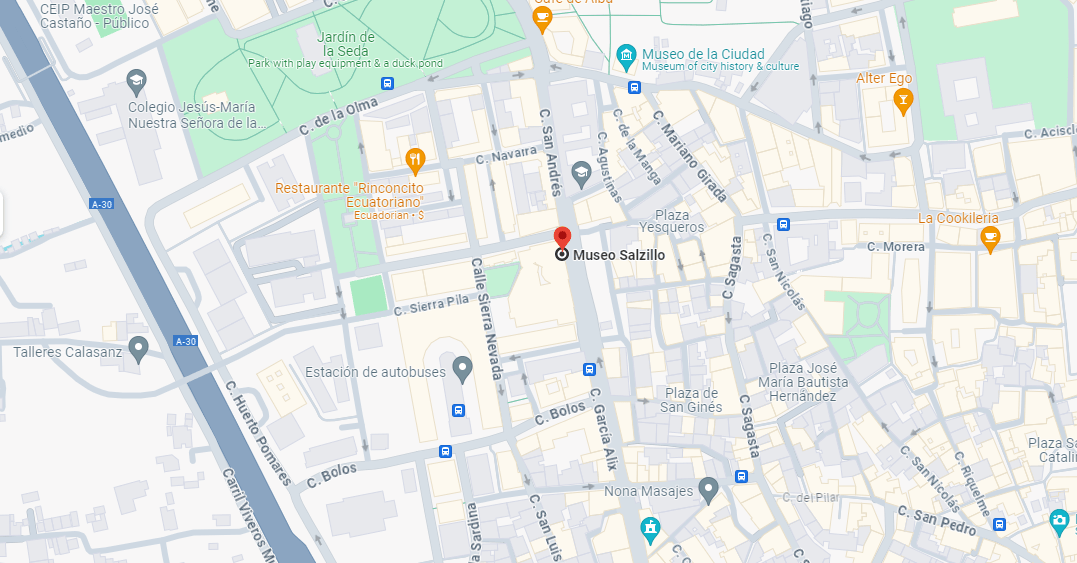
Plaza San Agustín, 3 30005 Murcia (Region of Murcia)
About the Museum
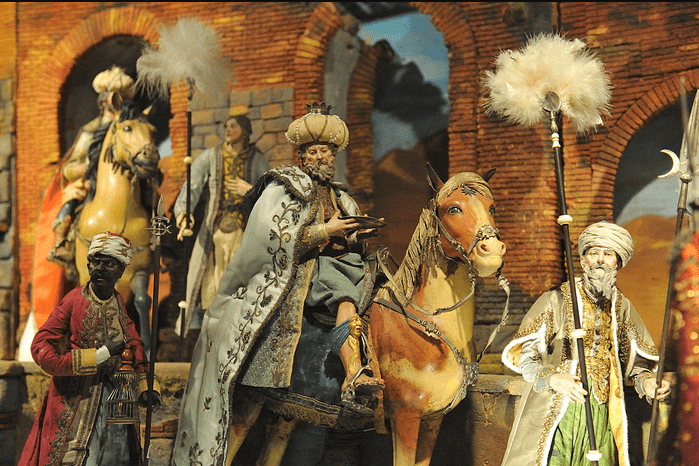
This facility dedicated to Murcian sculptor Francisco Salzillo – a famous sculptor born in 1707 – has several exhibition rooms that display the magnificent sculptures made by the author for the Holy Week processions, which are owned by the Confraternity of Nuestro Padre Jesús Nazareno. The exhibition also includes a nativity scene by Salzillo: a work made with extraordinary delicacy, comprising more than 500 elements and evoking the rural region of Murcia at the time.
Francisco Salzillo’s sculptures became very popular in Murcia due to the romantic and legendary aura around his religious work, which resonated deeply with the faithful people. After his death, the idea of creating a museum arose in the 19th century, inspired by the devotion shown at the Church of Jesus where his Easter floats were kept by the Confraternity of Our Father Jesus, which has been carrying them in processions since 1601.
Isidoro de la Cierva was the first to push for the creation of the museum, working with the Confraternity and commissioning the first design for a building, which was never built.
If that original plan had been realized, the museum would have been three times larger than it is now. However, in the 1970s, the Salzillo Museum expanded by adding the Renaissance façade of Riquelme Palace from Jabonerías Street.
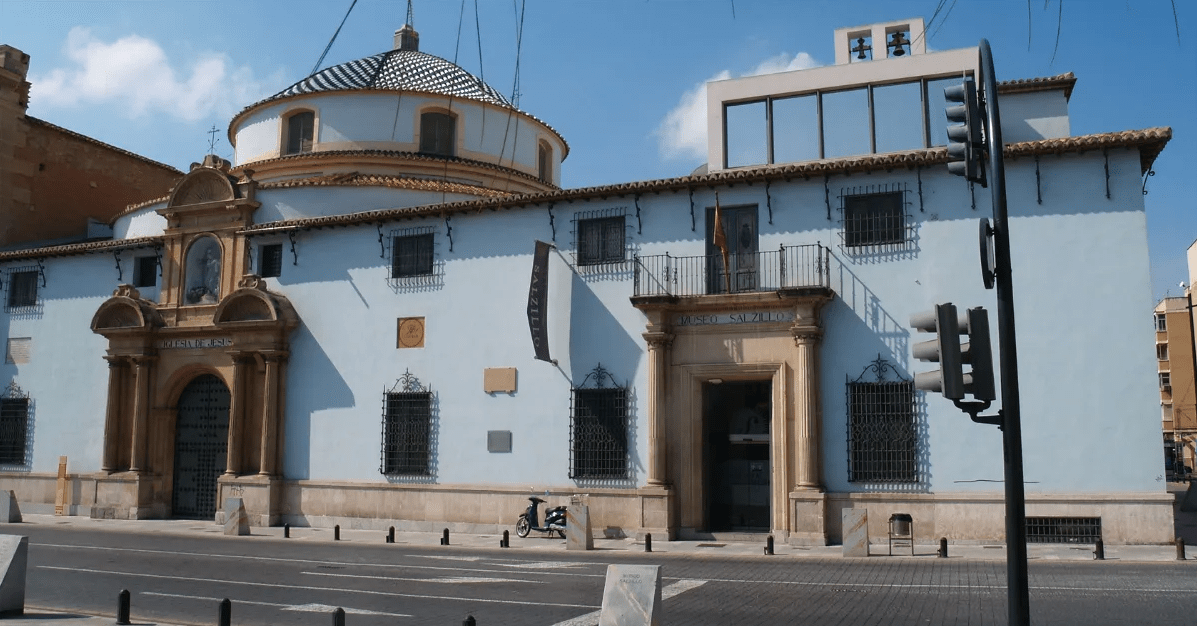
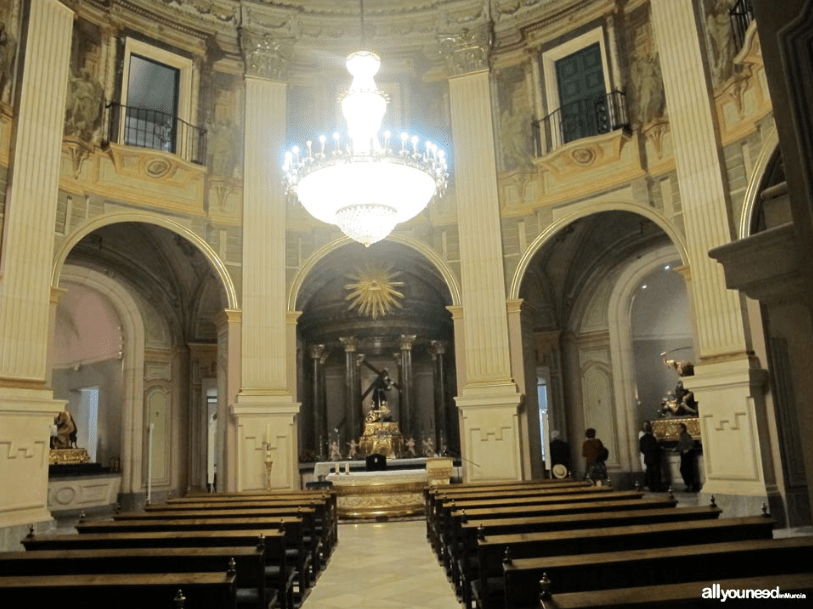
The current building has been transformed with the restoration of the floats in the 1990s and the remodeling of the Church of Jesus to resemble a theater, allowing visitors to view the grandeur of the floats from the balconies.
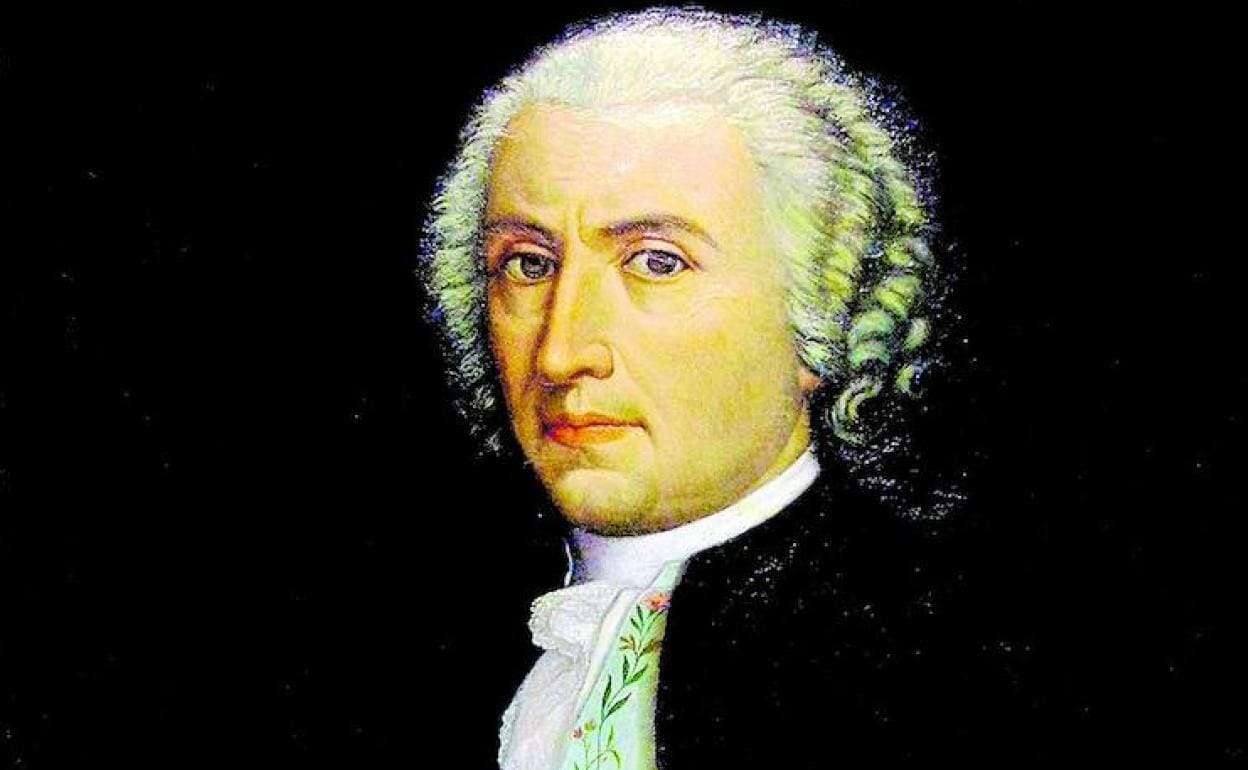
Francisco Salzillo
Unlike the great sculptors of the 17th century, such as Juan Martínez Montañés or Gregorio Fernández, Francisco Salzillo did not focus heavily on the dramatic elements in his scenes. Instead, he explored naturalistic ideas of idealized beauty, marking a shift from the Baroque style to Rococo and Neoclassicism.
Salzillo started what is known as the Murcian School of Sculpture, which has continued to influence art up to the present day. His early followers, as well as those who came later, have kept Salzillo’s artistic styles and themes alive.
Most Important Works
La Cena (The Last Supper): Created in 1763, it features thirteen figures (Jesus and the 12 Apostles) seated around a table.
La Oración del Huerto (The Agony in the Garden): Created in 1754, this piece depicts an angel presenting the chalice to Jesus on one side, and the three sleeping apostles under a palm on the other.
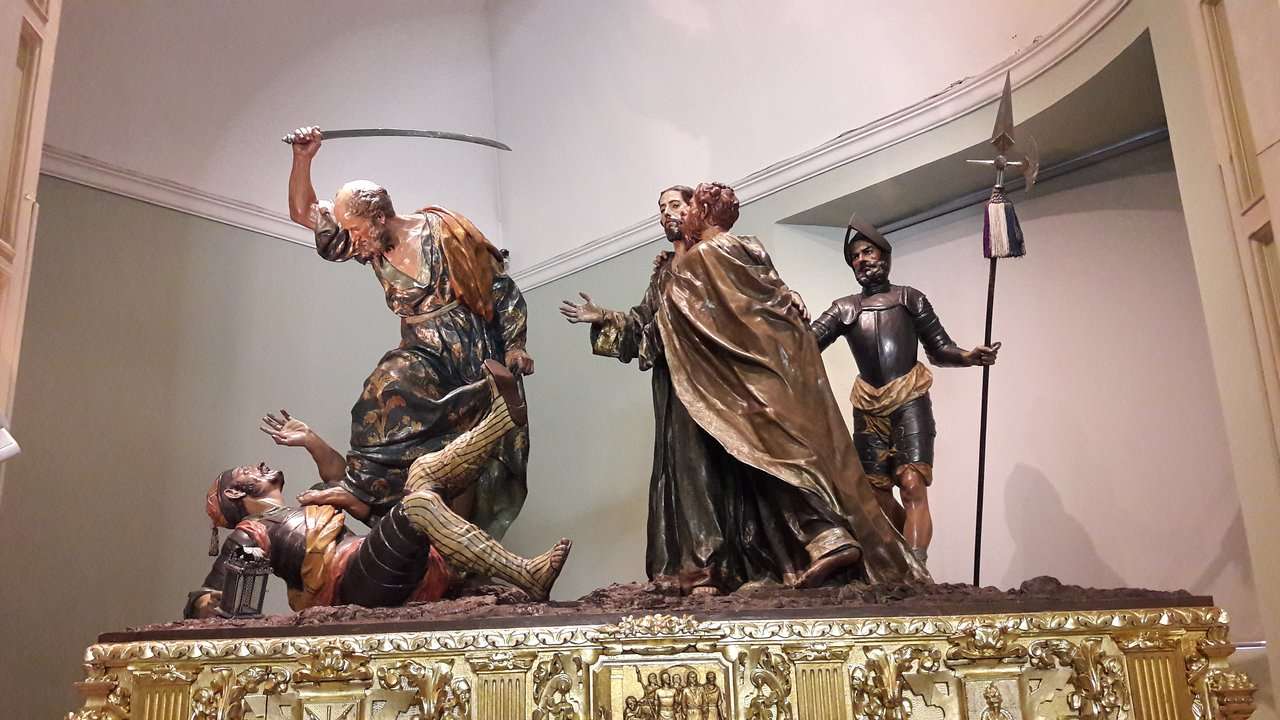
El Prendimiento or El Beso de Judas (The Arrest or The Kiss of Judas): Created in 1754, it highlights the contrast between the faces of Jesus and Judas, comparing the beauty and kindness of Jesus with the ugliness and evil of Judas.
Jesús en la Columna or Los Azotes (Jesus at the Column or The Flagellation): Sculpted in 1777, this piece portrays Jesus’ serene and resigned expression as he endures the lashes.
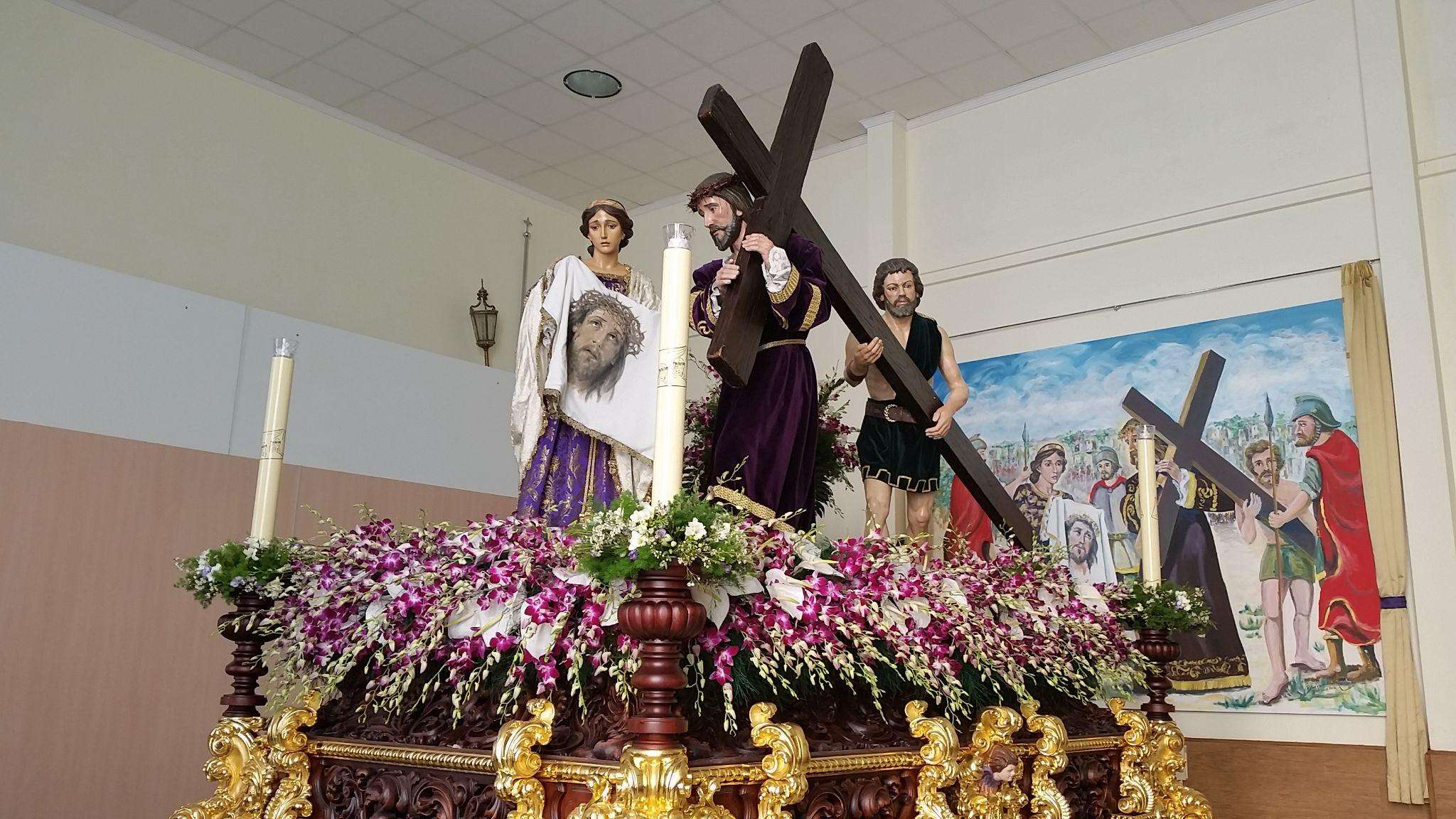
Santa Mujer Verónica (The Holy Woman Veronica): Created in 1755, it shows Saint Veronica with a sorrowful expression, holding the cloth imprinted with Jesus’ face.
La Caída (The Fall): Created in 1752.
San Juan (Saint John): Created in 1756.
La Dolorosa (The Virgin of Sorrows): Created in 1756.
El Belén (The Nativity Scene): Created between 1780 and 1800, it was initiated by Salzillo and expanded by his disciple Roque López. This set includes 556 mud figures, each approximately 30 cm tall.
Outskirts of the Museum
Opened in 1960 and extensively renovated in 2002 by architect Yago Bonet Correa, the Salzillo Museum blends different styles. The Baroque art is still present, watched over by the Church of Jesus, the home of the Brotherhood of Jesus, which was declared a historical monument in 1935. Contemporary art, added in 2002, exists alongside it, creating a harmonious mix.
Outside, the museum features a magnificent portal from the ancient Renaissance Palace of Riquelme, which was previously located near Plaza de San Bartolomé but no longer exists. The same family commissioned Salzillo to create the nativity scene in 1776, a project that occupied him until his death in 1783.
The carving that names the Brotherhood, “Nuestro Padre Jesús” (Our Father Jesus), is an anonymous work from the 16th or 17th century and the only one not made by Salzillo. The museum also highlights 556 figures forming the famous “Belén” (Nativity scene), ordered by the Marquis of Riquelme, and includes an interesting collection of original clay sketches.
Inside the Museum
Inside the Salzillo Museum, visitors are greeted with an impressive collection of Francisco Salzillo’s most celebrated works. The centerpiece of the museum is undoubtedly the stunning set of Easter floats, which depict scenes from the Passion of Christ.
Other intricate sculptures include “La Caída” (1752), “La Verónica” (1754), “San Juan” and “La Dolorosa” (1752-1777), “La Santa Cena del Señor” (1763), “La Oración en el Huerto” (1752), “El Prendimiento” (1765), and “Cristo amarrado a la columna” or “Los Azotes” (1776-1777). Each float is a masterpiece of Baroque art, showcasing Salzillo’s exceptional ability to convey deep emotion and drama through detailed expressions and lifelike poses.
Another highlight of the museum is the famous Nativity scene, or “Belén,” which consists of 556 figures. This elaborate display was commissioned by the Marquis of Riquelme in 1776 and remained a focus of Salzillo’s work until his death in 1783. The Nativity scene is a remarkable testament to his skill in creating detailed and expressive figures, each one bringing a unique character and story to the overall tableau. Visitors can admire the craftsmanship and attention to detail in each figure, from the Holy Family to the various animals and townspeople.
The museum also houses a collection of original clay sketches by Salzillo, providing a fascinating insight into his creative process. These sketches reveal the meticulous planning and artistry that went into each sculpture, offering a behind-the-scenes look at how these masterpieces were brought to life. Additionally, the museum includes various other religious sculptures and artifacts that highlight the extent of Salzillo’s work and his significant influence on Spanish religious art.
A unique feature of the museum is the restored Church of Jesus, which has been transformed to resemble a theater. This allows visitors to view the grandeur of the Easter floats from the balconies, providing a perspective that enhances the appreciation of their size and detail. The combination of Baroque and contemporary elements in the museum’s architecture creates a harmonious blend of old and new, enhancing the overall visitor experience.
Enjoy Your Private Paradise in Villa Murcia!
Looking for the perfect place to stay in Murcia? We’ve got just the spot for you!
Wake up to coffee on a sun-drenched terrace, unwind in a warm jacuzzi after a day of exploring, and end your evenings with dinners in the summer kitchen. Nestled in charming Santiago de la Ribera, Villa Murcia offers more than just a holiday—it’s your personal oasis of comfort, style, and unforgettable moments.
Highlights: ✔ Spacious living room with a large sofa and open kitchen – perfect for shared memories ✔ Three elegant, air-conditioned bedrooms with private terraces – your peaceful retreat ✔ Extra fold-out sofa in the living room – ideal for additional guests
Whether it’s a romantic escape, a family getaway, or a relaxing break with friends – Villa Murcia is your dream stay.
Salzillo Museum offers a rich and immersive journey into the world of Francisco Salzillo. With its extensive collection of his sculptures, the detailed Nativity scene, original sketches, and the beautifully restored Church of Jesus, the museum provides a comprehensive look at the legacy of one of Spain’s most important Baroque artists. Visitors leave with a deeper understanding and appreciation of Salzillo’s work and his lasting impact on the art world.