

Tag: history Page 2 of 4

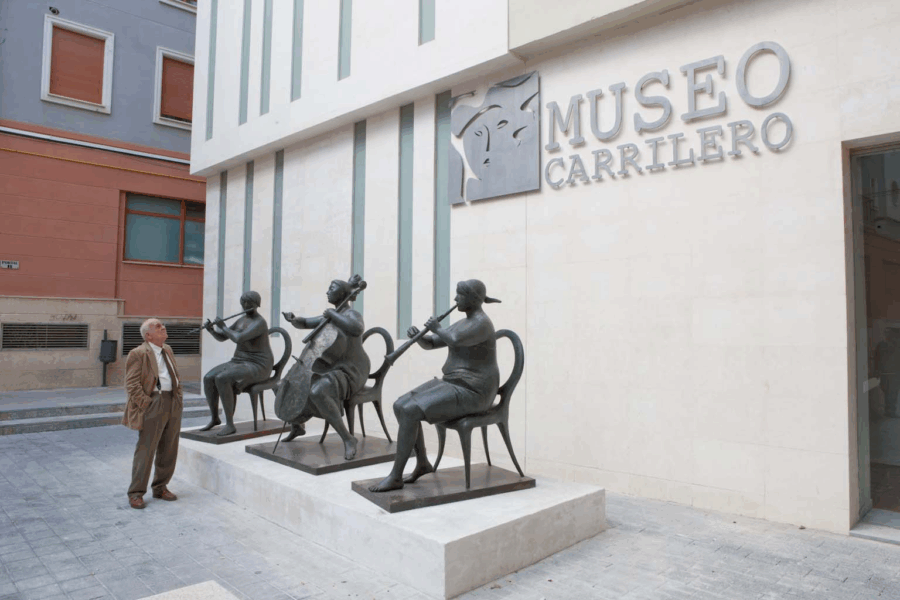
Museo Carrilero building with life-size sculptural group at the entrance, representing a trio of instrumentalists

Museo Carrilero: The Art of Jose Carrilero in Caravaca de la Cruz 

Caravaca de la Cruz is a mountainous municipality in the northwest of the autonomous community of Murcia, Spain. The city is very important to the region due to its Catholic cult, culture, famous festivals, medieval layout, and imposing walled enclosure. However, few people know that it is also home to extraordinary museums, including the Carrilero Museum.

This museum is a unique destination for art lovers, especially those fascinated by sculptures. It is dedicated to the life and work of the renowned sculptor José Carrilero for the permanent exhibition of 90 works of this author: sculptures, paintings, and medals. Today, we are going to learn a little more about this place.

Table of Contents

The Career and Style of Jose Carrilero

It’s only fitting to start by understanding who José Carrilero was in order to appreciate why this man, so passionate about art, has a museum dedicated in his honor.
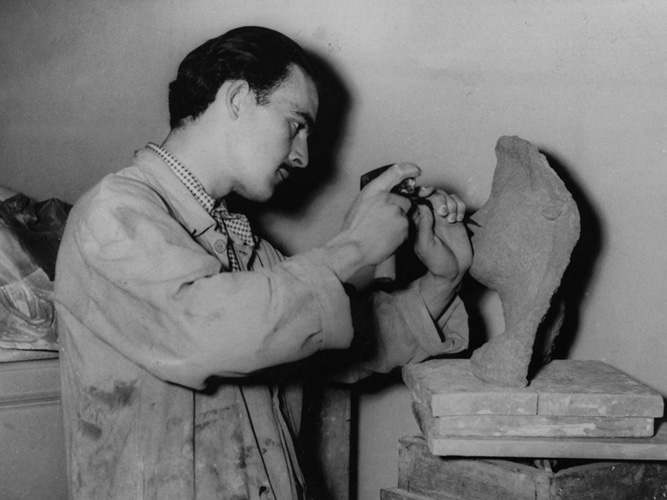
Jose Carrilero, the men wich the Museo Carrilero is dedicated

Jose was born in Caravaca de La Cruz in 1928, but his family moved to Murcia when he was three years old. Ten years later (at the age of 13), he began his artistic journey and started studying at the School of Arts and Crafts of Murcia, where he was influenced by masters such as Luis Garay and Clemente Cantos.
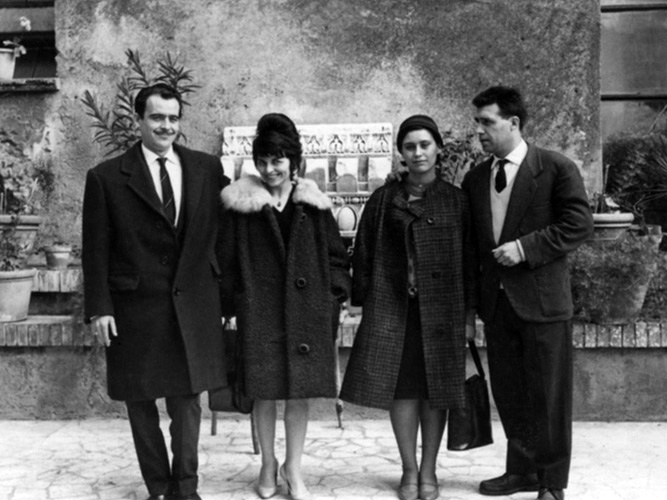
Jose at the Spanish Academy of Fine Arts in Rome

Jose Carrilero at the Spanish Academy of Fine Arts in Rome

In 1952, Carrilero moved to Madrid to study at the Real Academia de Bellas Artes de San Fernando, where he completed his training and later received a scholarship to study at the Spanish Academy in Rome. His stay in Rome was transformative, exposing him to new artistic influences. During this time, Carrilero formed the group “Los Seis Escultores”.

The group consisted of Jose Carrilero Gil, Joaquín García Donaire, César Montaña, Benjamín Mustieles, and Jesús Valverde. They never intended to create their school; instead, they were simply a union based on shared affinities and a passion for art. The group held its first exhibition in 1964 at the General Directorate of Fine Arts in Madrid and was part of the New Figuration movement.

Jose Carrilero, the men wich the Museo Carrilero is dedicated

Carrilero’s style focuses on human figuration, often characterized by robust and expressive forms. He works with various materials, including bronze, and his works capture the essence and emotion of human figures in different postures and situations.

Carrilero Museum
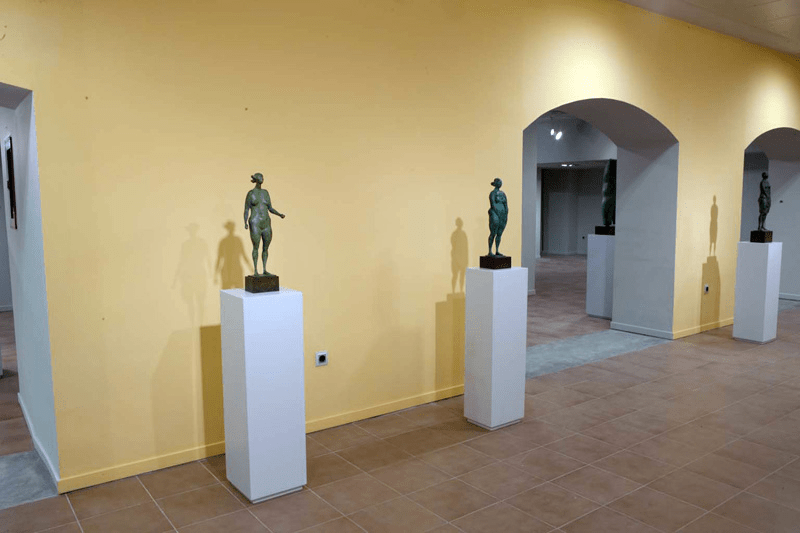
Sculptures exhibition inside the Museo Carrilero bulding

The Museo Carrilero is housed in a former 17th-century palatial house originally built by Don Luis de Gadea Sahajosa. The building, which covers an area of ​​approximately 650 square meters, has been restored to house Carrilero’s collection but was once a noble residence that served various purposes over the centuries, including as a Civil Guard barracks.

The building comprises four exhibition rooms, a multipurpose room, and other service facilities. Pictorial works and more miniature sculptures are exhibited on the upper floors, while the basement is mainly dedicated to large-scale bronze sculptures.
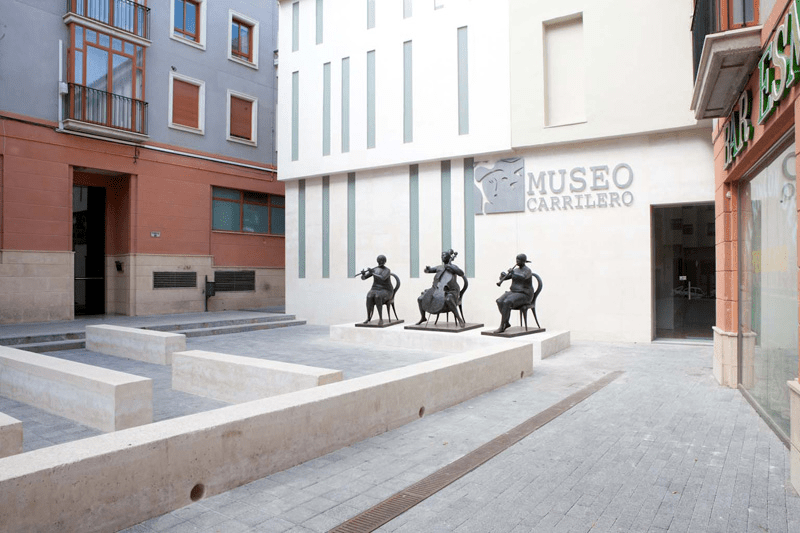
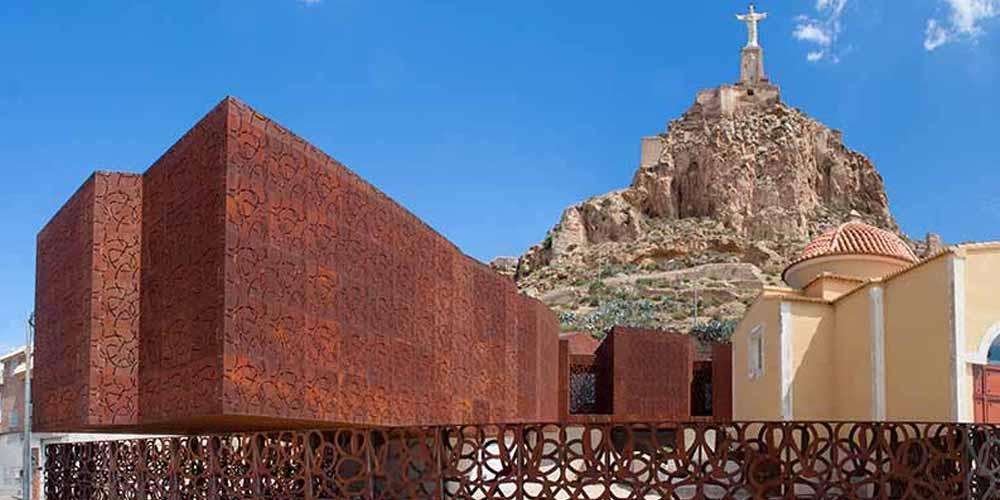
Entrance to Museo Carrilero with  life-size sculptural group at the entrance, representing a trio of instrumentalists

The Museo Carrilero houses a selection of 90 works donated by the famous sculptor. One of the most impressive attractions is the life-size sculptural group at the entrance, representing a trio of instrumentalists—a flutist, a cellist, and a trumpeter—a recurring theme in Carrilero’s work.

The entire collection in Museo Carrilero is very interesting. Art lovers will undoubtedly be captivated by everything from the commemorative bronze medallions to the naturalistic depictions of trees and other elements of nature.
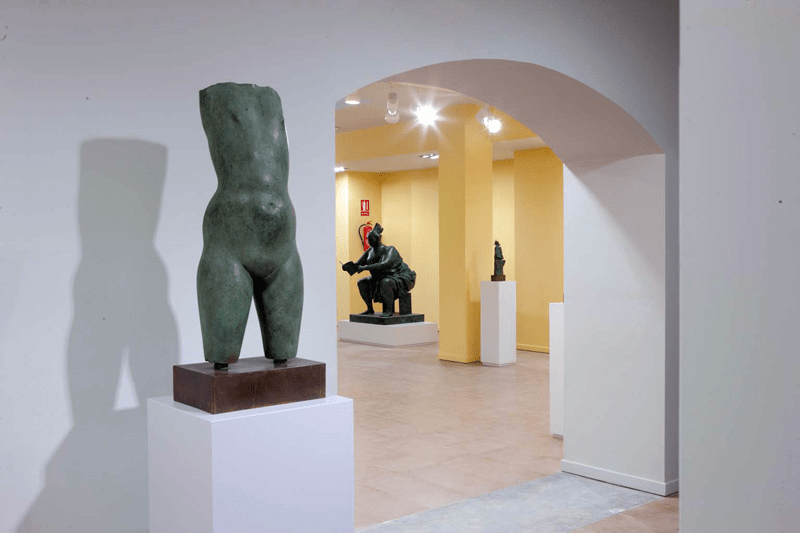
Sculptures exhibition inside the Museo Carrilero bulding

Carrilero is known for capturing his subjects’ volume, essence, and movement, often ignoring facial details, and that is precisely what we see in this collection. In these works, beauty and facial expression are secondary, and it is clear that the artist preferred to emphasize form and volume to convey a clear and impactful message.

Museo Carrilero Opening Hours

The Museo Carrilero has different opening hours throughout the year:

  • From May 1st to September 30th: Monday to Sunday: 10:00 to 14:00 and 16:00 to 20:00
  • From October 1st to December 31st: Monday to Sunday: 10:00 to 14:00 and 16:00 to 19:00

I suggest checking the updated opening hours before visiting, especially during holidays or special events, to ensure a smooth and well-planned experience.

How To Get To The Museo Carrilero
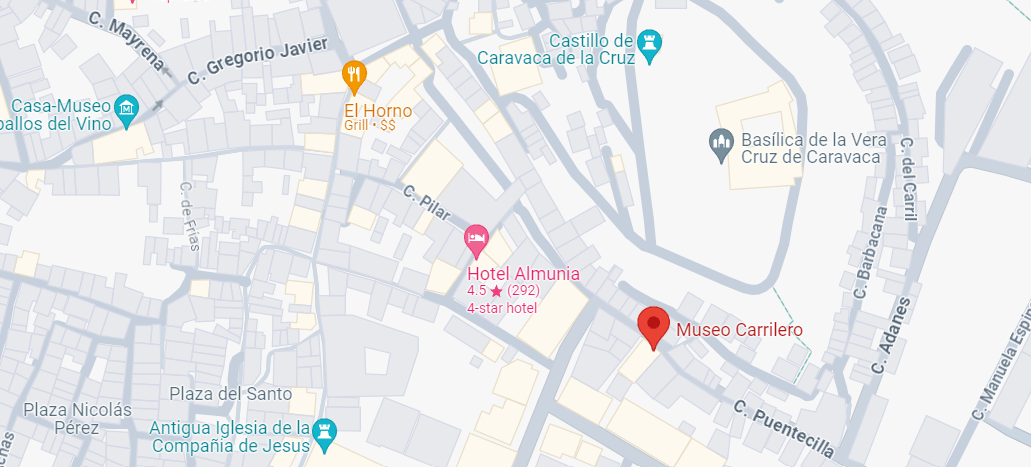
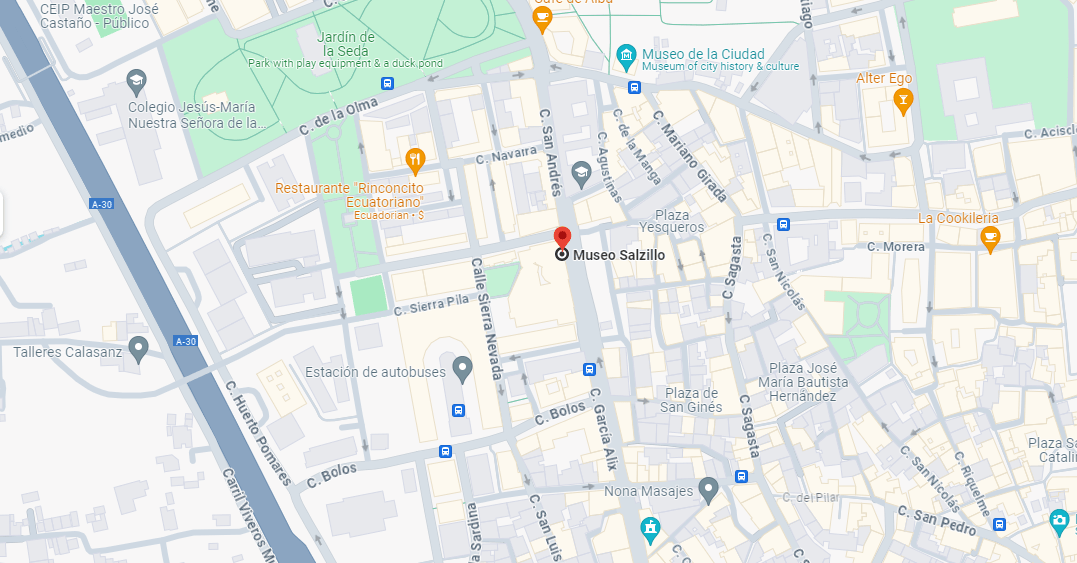
Location of the Museo Carrilero

The Museo Carrilero is at Plaza Jose Carrilero, s/n, 30400, in Caravaca de la Cruz. You can follow these directions:

By Car

  • From Murcia: Take the RM-15 towards Caravaca de la Cruz. Depending on the traffic, it will take you approximately one hour. Once in Caravaca de la Cruz, follow the indication to Centro Urbano, where you will find the Museo Carrilero.
  • From Albacete: Take the A-30 in the direction of Murcia, then at the junction, take the turning off for the RM-15 in the direction of Caravaca de la Cruz. The journey takes approximately two hours.

By Bus

If you prefer public transport, there are regular bus services from Murcia and surrounding towns to Caravaca de la Cruz. The most famous companies operating these routes are LATBUS and ALSA. I recommend you check the companies’ websites for the latest timetables and departure points before your trip.

On Foot or by Taxi

If you are already in Caravaca de la Cruz, you could conveniently walk to the museum, especially if your accommodation is centrally located in the city. However, if you wish so, you can get a local taxi to drive you there.

You can quickly get to the Museo Carrilero since it is well-indicated. The city is one of the most popular historical cities and therefore offers a great time to be between art lovers and holidaymakers, all alike.

Museo Carrilero In Caravaca De La Cruz
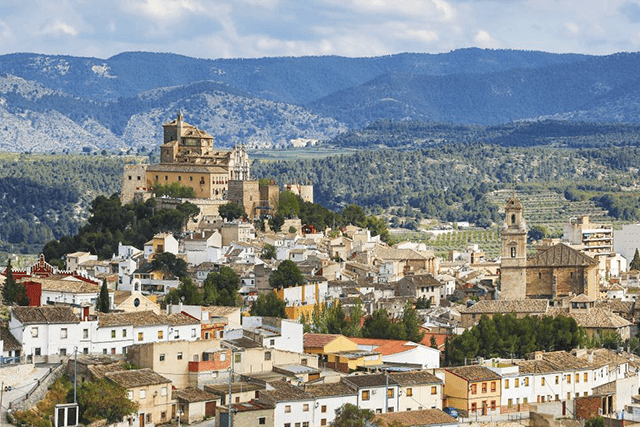
Besides the Museo Carrilero, Caravaca de la Cruz has much more to offer in terms of tourism. It has a diverse range of monuments that tell and express the town’s historic and ancient past. It has become an important city for tourists and pilgrims because it is a city rich in different cultures.
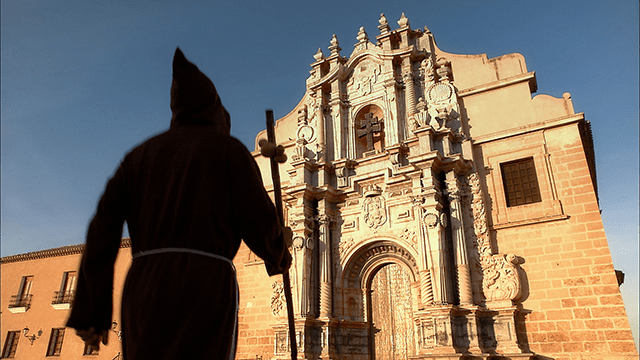
Image of Basilica-Sanctuary of the True Cross, located in  Caravaca deLa Cruz, where Museo Carrilero is located.
Basilica-Sanctuary of the True Cross – DMC Spanien

The region has a rich ancient history and has been inhabited by the Argaric, Iberian, and Roman cultures. Each of these civilizations left its mark on the cultural and architectural landscape of the city. However, the origins of its urban structure are predominantly attributed to the period of Arab domination, which significantly shaped the city’s identity.
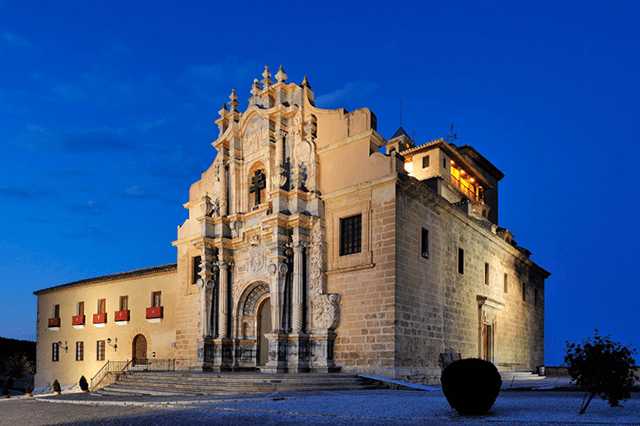
Image of Basilica-Sanctuary of the True Cross, located in  Caravaca deLa Cruz, where Museo Carrilero is located.
Basilica-Sanctuary of the True Cross – DMC Spanien

One of the most famous things about Caravaca is its designation as one of the five holy places in Christianity to which the privilege of the Perpetual Jubilee Year was granted. This fact is connected to the Basilica-Sanctuary of the True Cross, which accommodates an important reliquary of the True Cross. Thus, it is a very popular place for pilgrimages and other religious manifestations that attract thousands of visitors worldwide.

I know the place sometimes sounds “too religious,” and yes, it is religious, but the city itself is so nice, with narrow streets and old houses at the sides that make you feel like you are going back in time. I speak for myself: I have my beliefs, but I am not very religiously focused. However, there was not a minute when I was not amazed in Caravaca.
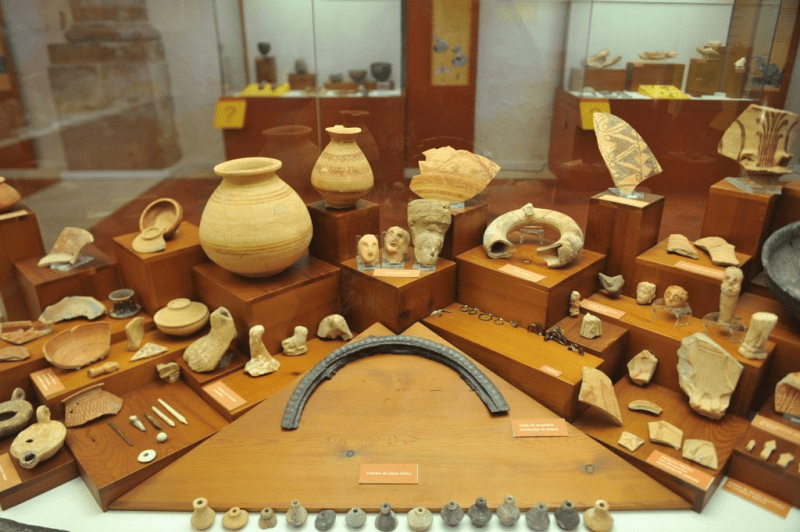
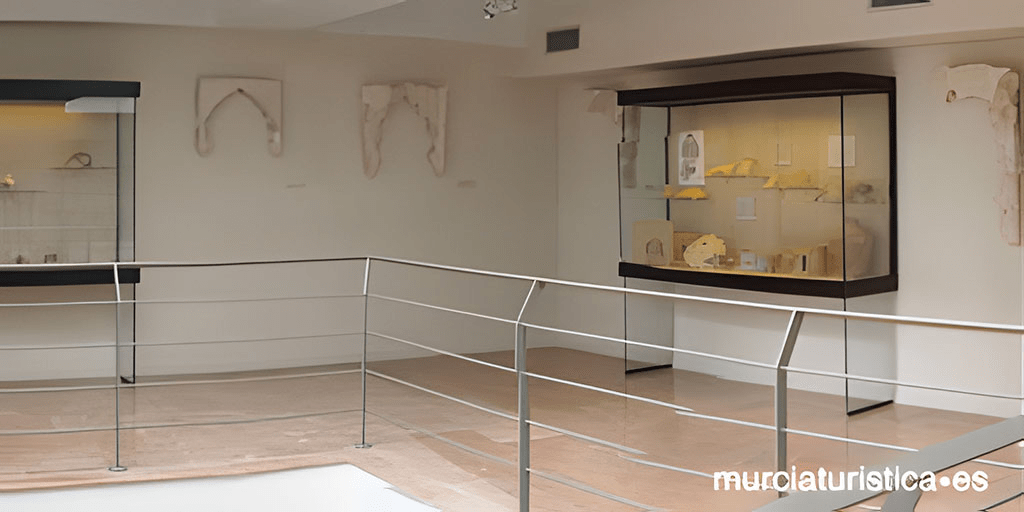
Area Inside the building of Archeological Museum
Archeological Museum – Murcia Today

Other points I really enjoyed include the Caravaca Castle, a historic fortress with panoramic views of the city (perfect for taking photos), and the Municipal Archaeological Museum, which displays artifacts from the different civilizations that occupied the region. The city is also famous for its Fiestas de la Vera Cruz, celebratedin May, which includes religious events and an impressive horse parade known as “Caballos del Vino.”

In general, there is no shortage of places to visit. Every step is a new story and an incredible area to take photographs. If you are ever considering visiting Murcia, do not leave this city off your list because it will undoubtedly be worth it!

Enjoy Your Private Paradise in Villa Murcia!

Piscina com água

O conteúdo gerado por IA pode estar incorreto.

Looking for the perfect place to stay in Murcia? We’ve got just the spot for you!

Villa Murcia – Your Private Paradise

Wake up to coffee on a sun-drenched terrace, unwind in a warm jacuzzi after a day of exploring, and end your evenings with dinners in the summer kitchen. Nestled in charming Santiago de la Ribera, Villa Murcia offers more than just a holiday—it’s your personal oasis of comfort, style, and unforgettable moments.

Highlights:
✔ Spacious living room with a large sofa and open kitchen – perfect for shared memories
✔ Three elegant, air-conditioned bedrooms with private terraces – your peaceful retreat
✔ Extra fold-out sofa in the living room – ideal for additional guests

Whether it’s a romantic escape, a family getaway, or a relaxing break with friends – Villa Murcia is your dream stay.

Book now and experience the magic of the Spanish sun!

A Museum For Art Lovers
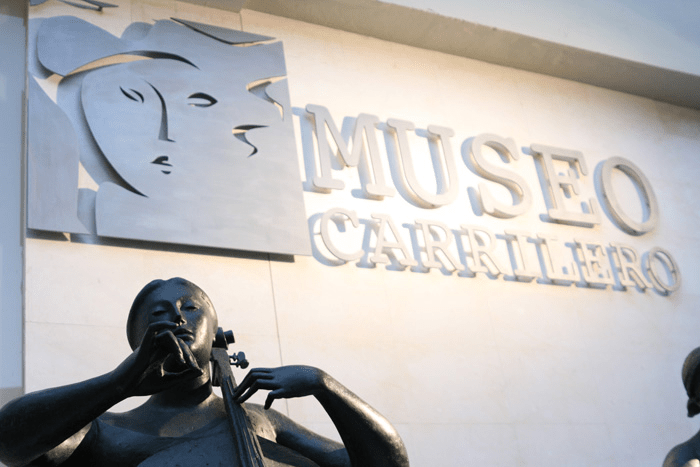
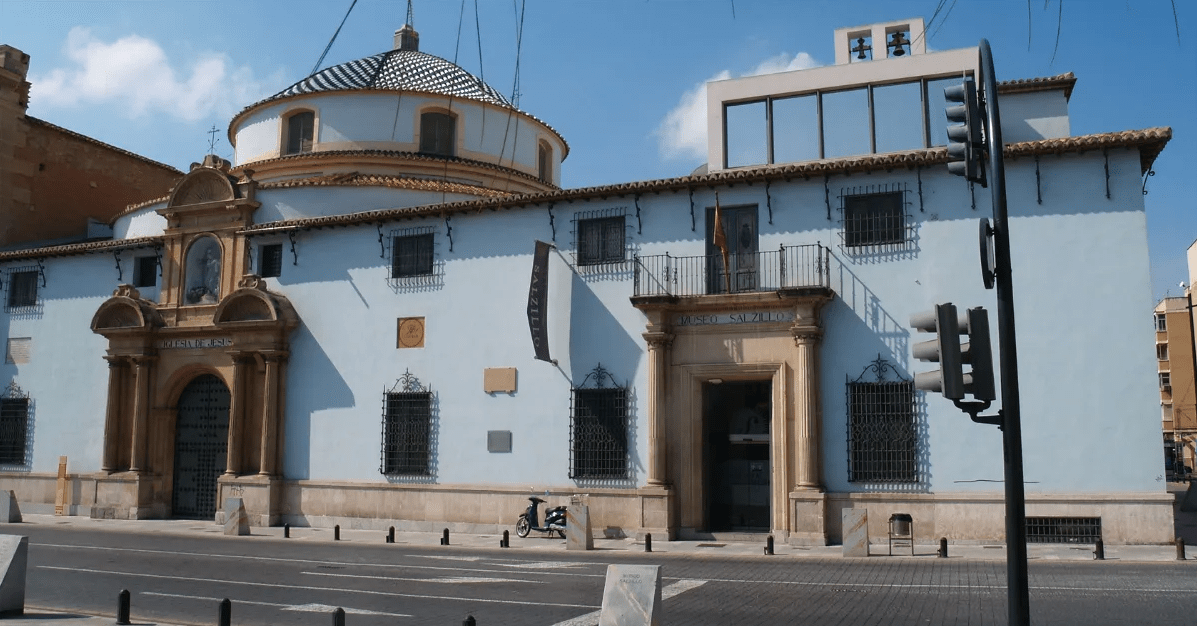
Entrance to Museo Carrilero building

In short, the Museo Carrilero not only preserves and celebrates the work of one of the most important contemporary Spanish sculptors, Jose Carrilero, but also serves as a vital cultural link in Caravaca. With a diverse collection of sculptures, medals, and sketches, the museum offers an in-depth look at Carrilero’s talent and artistic evolution.

Caravaca is a popular tourist destination, but the museum is often overlooked. If you’re planning a city tour, visiting the Carrilero Museum is a unique opportunity to appreciate art and explore the rich history of the person who originated the city!
Read More
The Castillo de Santa Bárbara | A Fortress at the top of Alicante!

The Castillo de Santa Bárbara | A Fortress at the Top of Alicante!

Southern Spain is home to many incredible medieval structures dating back to the times when Moors and Christians fought for the creed and control of the Iberian Peninsula. In this context, the castles played an important role in the territorial surveillance of the territory and the control of the Mediterranean Sea on the coast of modern-day Spain.

Among all the castles in southern Spain, the Castle of Santa Bárbara stands out for its magnificence, size, and grandeur. For over a thousand years, this castle has witnessed many brutal battles in the Alicante region from this historical centre.

In the following lines, we delve into all the details of this wonderful piece of history located in the historic center of Alacant, or Alicante.

Table of Contents:

What Is Castillo de Santa Barbara?

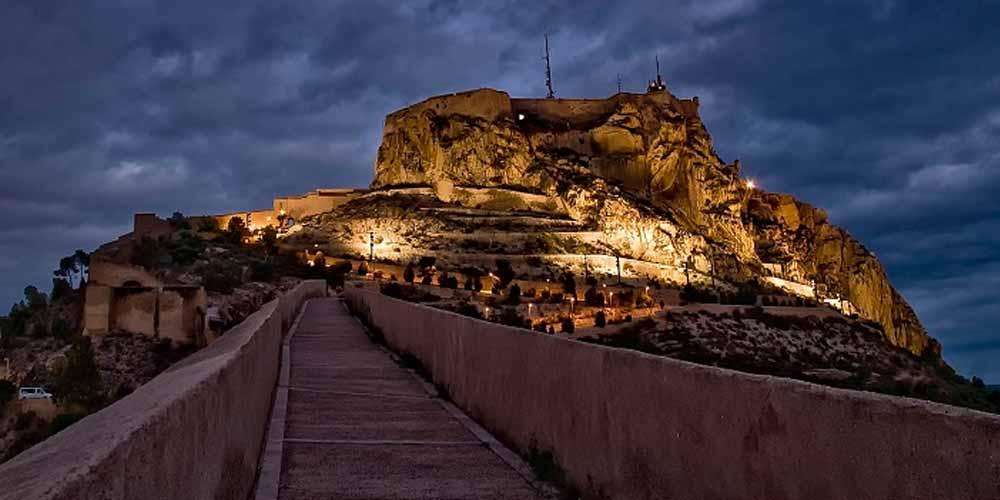
Santa Bárbara castle in the night

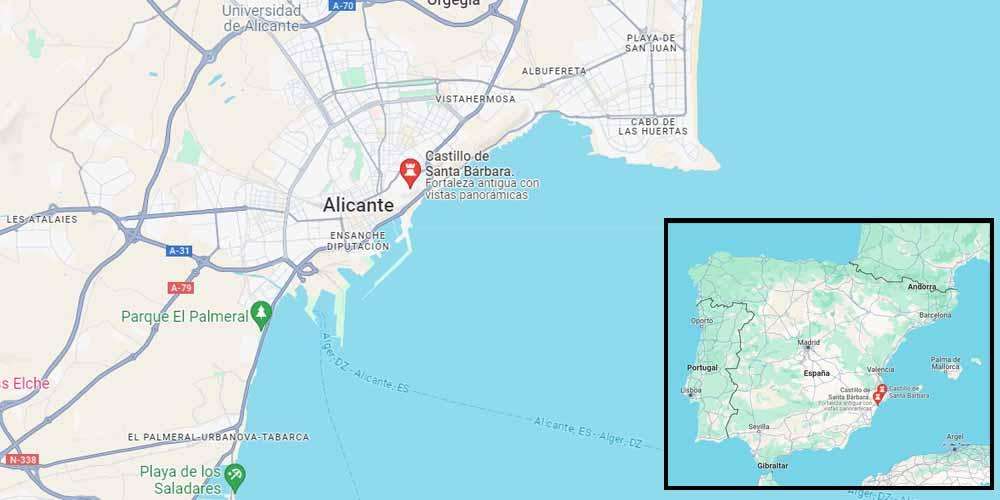
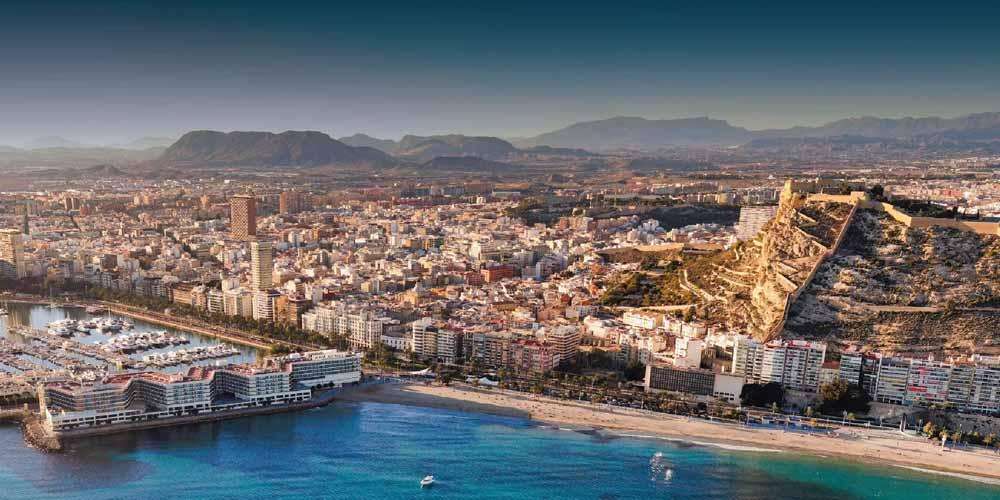
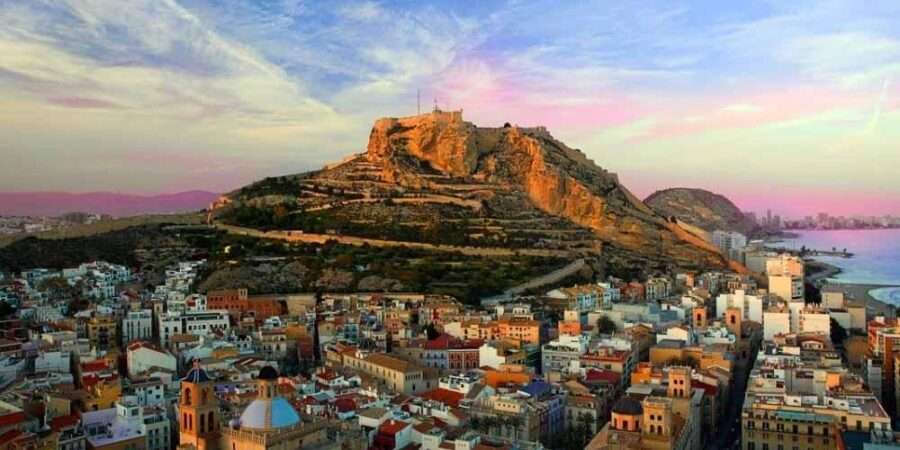
The Castillo de Santa Bárbara, or Santa Bárbara Castle, is a medieval fortress located at the top of Mount Benacantil in the heart of Alicante, the capital of the municipality of the same name.

It is one of the largest medieval structures in Spain, with a total area of ​​400,000 square meters. From the castle, you can easily see the city, the port, the entire bay, and even some distant beaches, such as those of San Juan and Campello.

Castillo de Santa Bárbara Location

Castillo de Santa Bárbara Location

The Castle of Santa Bárbara is on the highest esplanade of Monte Benacantil, in the center of the city of Alicante, Spain. As such, you will be able to see the castle from anywhere in the settlement and enjoy its spectacular views if you are at the top of this magnificent fortress.

Alicante has an International Airport at a distance of five kilometers south of the city center. This way, if you visit Alicante by plane, you can easily get to the city and take a guided tour of the castle.

It is worth mentioning that Alicante has some of the best beaches in the area. Therefore, if you are visiting the city for summer events and activities, visiting the castle could be a great sight, especially on the Alicante summer night.

Address: Monte Benacantil, Castillo Santa Bárbara, S/N, 03013, Spain

Phone: +34 965 177 201

Email: turismo@alicanteturismo.com

Website: https://alicanteturismo.com/en/castle-of-santa-barbara/

How to Get the Castillo de Santa Barbara

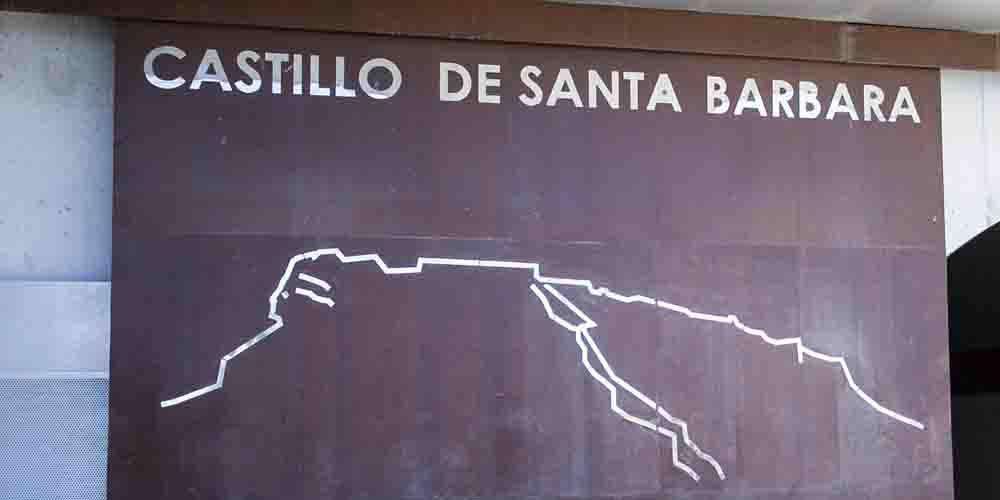
Castillo de Santa Bárbara signal

There are four ways to get the Castillo de Santa Bárbara when you‘re inside the city of Alicante:

  • By foot. You can reach the castle by crossing the Ereta Park (Parque de la Ereta), the old town of the city, the walls, or the Tuna Park (Parque de la Tuna)
  • By elevator. You can take the elevator, which is inside the rock of the mountain. The elevator is in front of the Postiguet beach.
  • By car. You can drive through a road that begins in the Calle de Vázquez de Mella (Vázquez de Mella Street). There are parking places at the base of the Santa Barbara castle.
  • By bus. You can take the Turibús, a tourist bus that crosses the most important places in Alicante. This bus has a stop in the parking of the Santa Bárbara castle.

Opening hours:

  • From October 1 to March 31: from 10 am to 8 pm from Monday to Sunday.
  • From April to September: from 10 am to 10 pm from Monday to Sunday.

The Architecture of the Castillo de Santa Bárbara

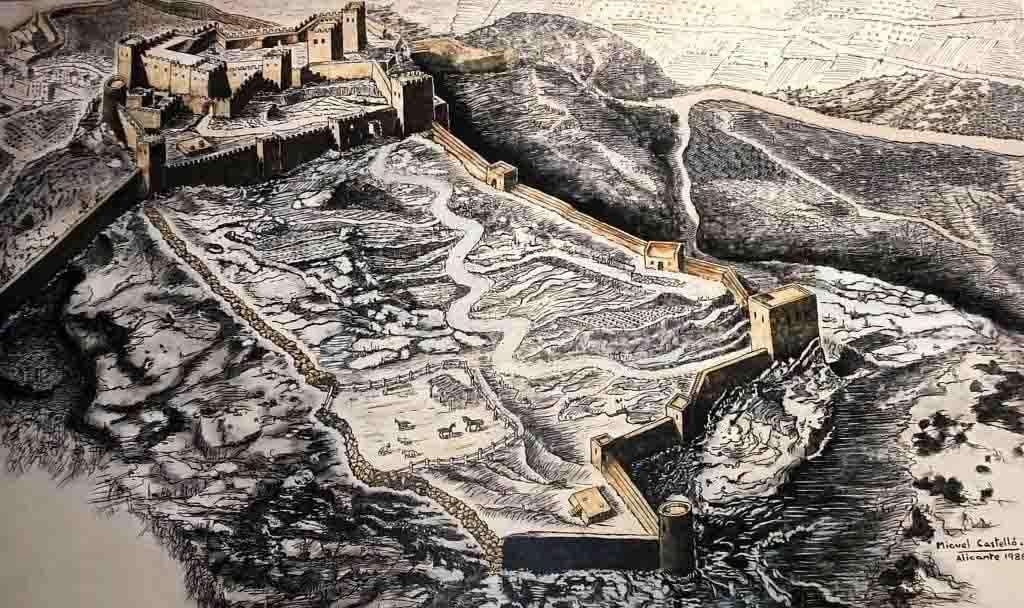
Santa Bárbara castle architectural plan

The Castillo de Santa Bárbara is divided into three different enclosures built in three distinct periods.

The upper one is called “La Torreta” (the tower in English). This is the oldest part of the castle and houses “The Tower of Homenaje,” the Engineers Park, the Governor’s House, and the Noble Room, where the local nobility gathered to pay their respects to the crown.

The middle area houses the large spaces built in the 16th century: the Felipe II Hall (the Philip II Hall, where King Alfonso of the Queen). This second enclosure entails the Guard Corps (El Cuerpo de la Guardia), the Parade Ground (Patio de Armas), and the Queen’s Bastion (El Bastión de la Reina). There is also a large marble shield above the entrance to this enclosure, which belonged to the disappeared Royal Consulate of the Sea.

Finally, in the 18th century, builders built the lower area. It is the location of the Revellín del Bon Repós, which is currently used as a parking lot. It also contains the monument to Félix Berenguer de Marquina, a famous soldier who was the Captain General of the Philippines and Viceroy of New Mexico.

The History of the Castillo de Santa Bárbara

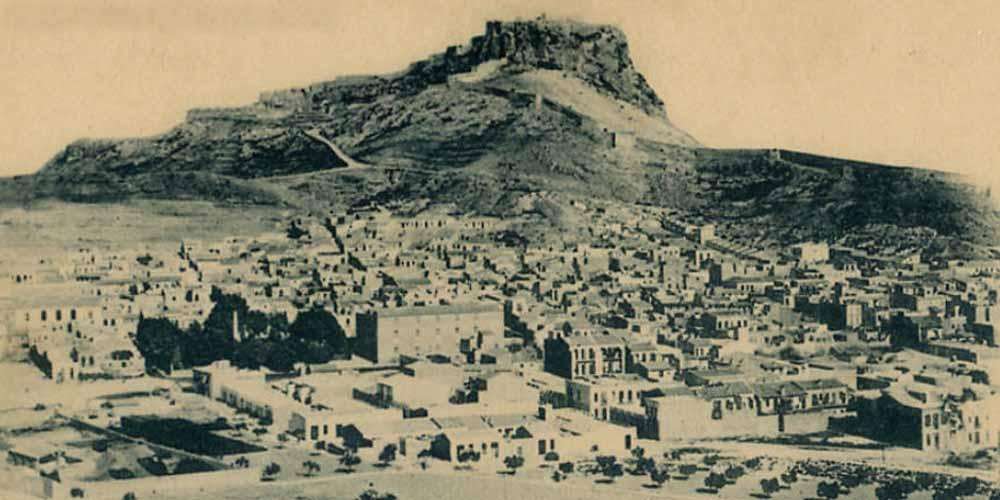
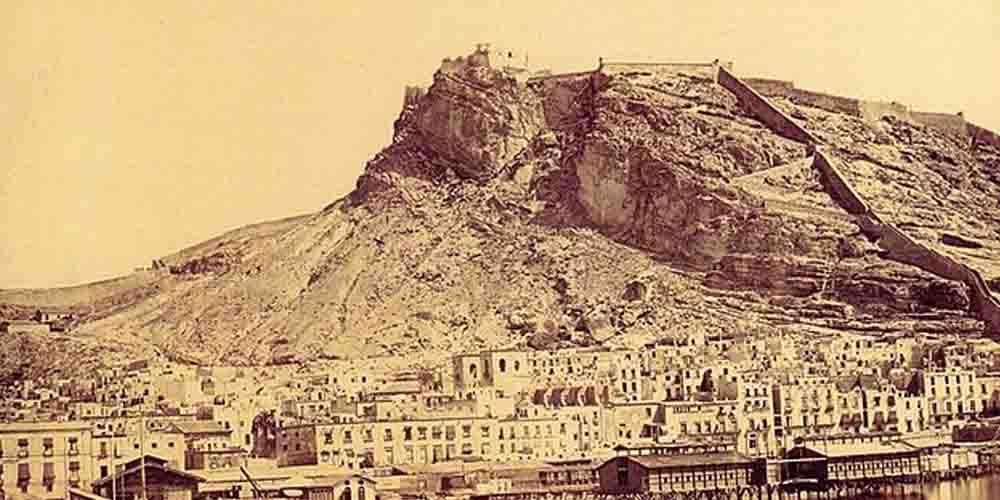
An old photo of the Santa Bárbara castle

The origin of the Santa Bárbara Castle is a bit nebulous and dates back to the deepest past, beyond the 9th century, with the exact date of construction of the fortress not being clear. Even so, everything seems to indicate that the Arabs began building the fortress in the 8th or 9th century.

However, the place was taken by the Christians in the year of our Lord 1248 at the hands of the future king Alfonso X the Wise.

The conquistadors baptized the fortress Castillo de Santa Bárbara since the final battle to take the fortress occurred on the feast day of Santa Bárbara. They saw this as a sign from God!

Another old photo of Santa Bárbara castle in Alicante

Over the years, the castle underwent many extensions and reconstructions, expanding its power and relevance to this region. In this way, for centuries, the castle kept the area safe and free from enemies and Moors.

Still, in the 18th century, the fortress became a prison for the most ruthless murderers and criminals. This prison was very famous throughout the last century until the castle opened to the public after a period of disuse and abandonment.

Activities in the Castillo de Santa Bárbara

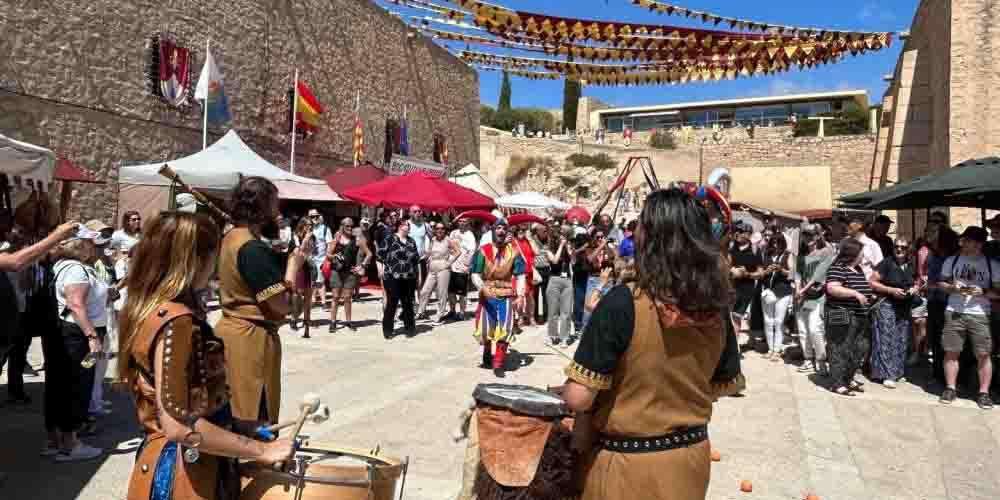
A celebration in the parade ground of the Santa Bárbara castle in Alicante

The Santa Bárbara Castle is the epicenter of numerous cultural panoramas that attract hundreds of visitors to enter its walls. Visitors will be able to enjoy theatrical performances, gastronomic experiences, guided tours, and themed weekends.

The castle also occasionally hosts exhibitions, concerts, children’s workshops, and multiple activities that you can enjoy throughout the year.

A jester in the celebration in the Santa Bárbara castle

In general terms, the castle’s grand parade becomes the perfect place for celebrations, conferences, presentations, gala dinners, and other crucial events.

Guided tours take visitors to several inaccessible rooms and halls of the old castle, such as the Renaissance cistern located beneath the parade, the old dungeons that house replicas of torture machines, and the Philip II Hall, which is a symbolic room for special events and displays a unique side of the castle.

Visiting One of the Crucial Enclaves of the History of Alicante and the Spanish Culture

An overview of the Castillo de Santa Bárbara

Alicante is one of the favorite places on the Spanish Mediterranean coast, where visitors from all European countries come, especially in summer. Here, tourists enjoy the different areas of the city, including the impressive Santa Bárbara castle at the top of Mount Benacantil.

The three distinct areas of the castle will leave you speechless and give you a quick insight into the crucial events of the Middle Ages in the settlement.

Access and tour this castle and discover the past of this magical city on the Mediterranean Sea. This way, you won’t miss a crucial part of Spanish history!
Enjoy Your Private Paradise in Villa Murcia!
Piscina com água

O conteúdo gerado por IA pode estar incorreto.

Looking for the perfect place to stay in Murcia? We’ve got just the spot for you!

Villa Murcia – Your Private Paradise

Wake up to coffee on a sun-drenched terrace, unwind in a warm jacuzzi after a day of exploring, and end your evenings with dinners in the summer kitchen. Nestled in charming Santiago de la Ribera, Villa Murcia offers more than just a holiday—it’s your personal oasis of comfort, style, and unforgettable moments.

Highlights:
✔ Spacious living room with a large sofa and open kitchen – perfect for shared memories
✔ Three elegant, air-conditioned bedrooms with private terraces – your peaceful retreat
✔ Extra fold-out sofa in the living room – ideal for additional guests

Whether it’s a romantic escape, a family getaway, or a relaxing break with friends – Villa Murcia is your dream stay.

Book now and experience the magic of the Spanish sun!

Read More
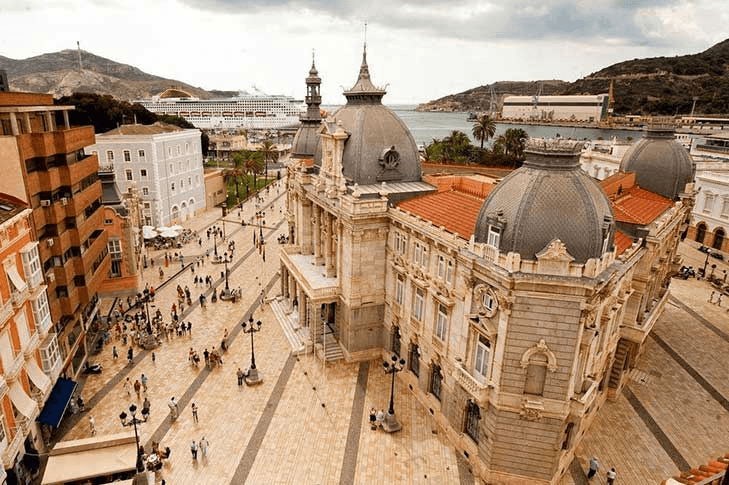
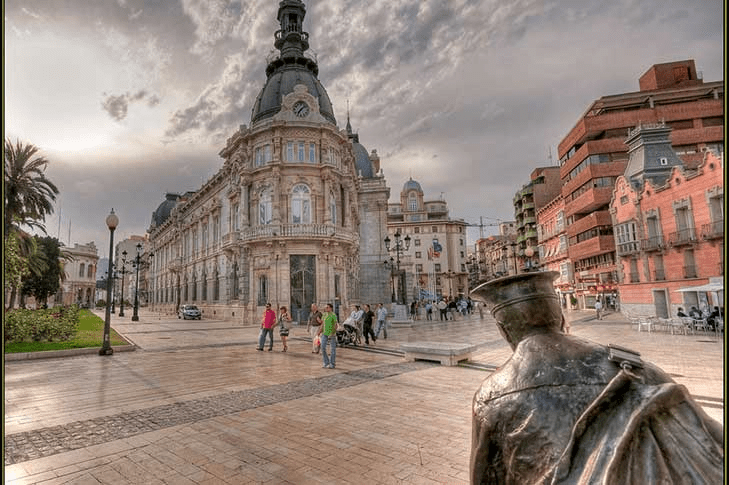
Casa Consistorial Cartagena , one of cartagenas main tourist attraction

Palacio Consistorial de Cartagena: History in the Heart of the City

Cartagena is a port city and naval base in the Murcia region of southeastern Spain. It is one of the most important places in Spain’s past. Built in the 3rd century AD and colonized by different people, Spanish Cartagena was an important port during territorial disputes, so much so that a wall protected the entire city. Today, its structure has impressive historical monuments. One of these is the Cartagena Consistorial Palace, which houses the Town Hall of Cartagena.

The Cartagena Consistorial Palace, also known as Cartagena City Hall, is one of the city’s main modernist buildings, built between 1900 and 1907. The Palace is among the 20 most spectacular in Spain, according to the Niumba blog of the travel portal TripAdvisor, being the only one in the Region to be included in this list compiled by the leading tourism site.

During my numerous stays in the city, I had the opportunity to learn more about the history of this incredible space, and today, I will share what I learned with you.

Table of Contents

History of The Palace Consistorial

The municipal architect Tomás Rico Valarino, together with Francisco de Paula Oliver, drew up the plans for which, between 1900 and 1907, the Palace of the Municipal Chamber of Cartagena (Palacio Consistorial Cartagena) was built. It is a building with a triangular floor plan in which the three facades differ. The Cartagena Municipal Chamber was inaugurated in 1907 and was built in an old building from the 18th century.

The building was designed to house the city hall and the bureaucratic center, including more straightforward desks.

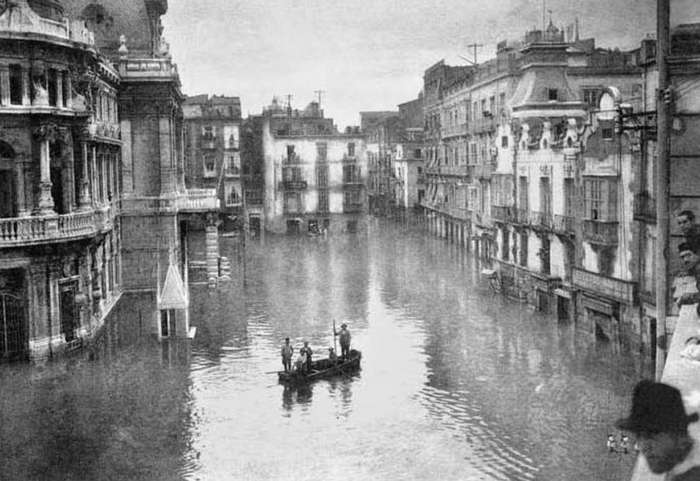
Due to its construction on land reclaimed from the sea and a poor foundation system, the building began to suffer significant structural damage, leading to a progressive ruin process. The biggest problem of the time was that the building’s land was subject to flooding on more than one occasion.

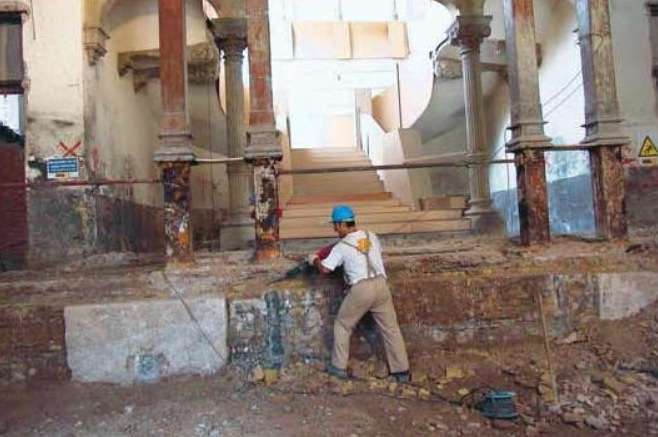
In 1995, the building was closed, and costly restoration work was carried out under the command of the architect Juan Antonio Molina. Due to various legal problems with the contract at the time, the works were delayed, which resulted in their completion only eleven years later.

The primary phases consisted of stabilizing the structure, which required raising all the surrounding floors and pouring concrete beneath the structure of the whole building to reinforce foundations built on the reclaimed land. They also had to construct water control systems fortified.

Structure Before Its Reform

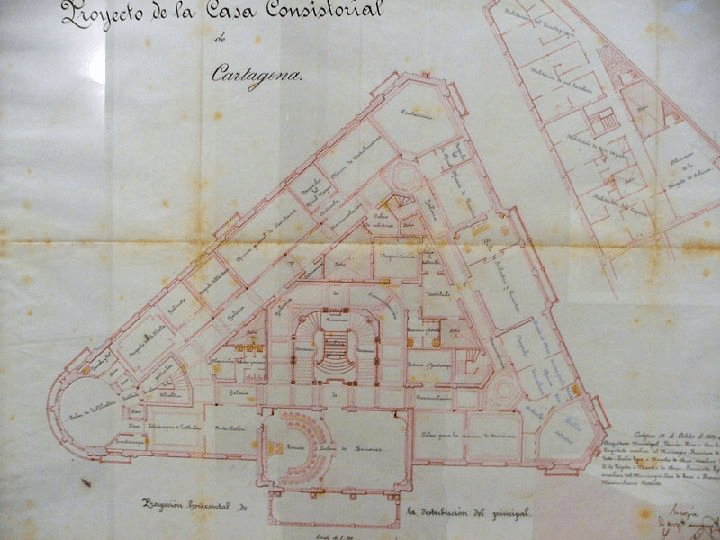
Old project of La Casa Consistorial
The original plan of the first floor / Municipal Archive – RegMurcia Integra

On the original floor, the basement housed the offices of the Municipal Court and the Court of First Instance, as well as offices such as the Government Secretariat, the Courtroom, and the Examining Magistrate’s Office. In the back area were spaces for the detained, including a cell, a youth storage room, standard rooms for men and women, and an area for Justice Officers.

The Prefecture of Cartagena was the center of administration. They operated the hygiene and health departments on the ground floor, with the chief’s office, vaccination room, recognition service, and the expansion and sanitation departments. There was also a Night Watch area, a clothing and equipment storage room, and the Municipal Guard, which included the guards’ meeting room, the Armory Office, and the Chief’s Office.

The first step was to the Mayor’s Room, surrounded by the Mayor’s House, Waiting Room, Ante-Lounge, Session Room, and committee meeting rooms. There was also the Secretary’s Office, the General Secretary’s Office, and other departments such as the Accounting Office, Finance Department, Property Office, Tax Collection Office, Depository, Bank, Loans, and Real Estate Room. On this floor, there was the Municipal Works Section and the Study Room.

In the basement were the rooms of the Court’s archive, the Civil Registry, the Municipal Archive, and rooms for the judge and other high officials. There was also a room used as a museum and library. The plants mention an annex building for police, firefighters, and cleaning cabinets, although it is unknown if it was built.

Currently

Currently, the Municipal Chamber maintains the representative function of Cartagena, as well as the bureaucratic and political activities of the municipal corporation. Municipal plenary sessions occur there, and there is the office of the President of the Chamber and the cabinets of the different political groups.

As I said, the building needed to undergo renovation. The primary phases consisted of stabilizing the structure, which required raising all the surrounding floors and pouring concrete beneath the structure to enforce foundations built on the reclaimed land. They also had to construct water control systems fortified.

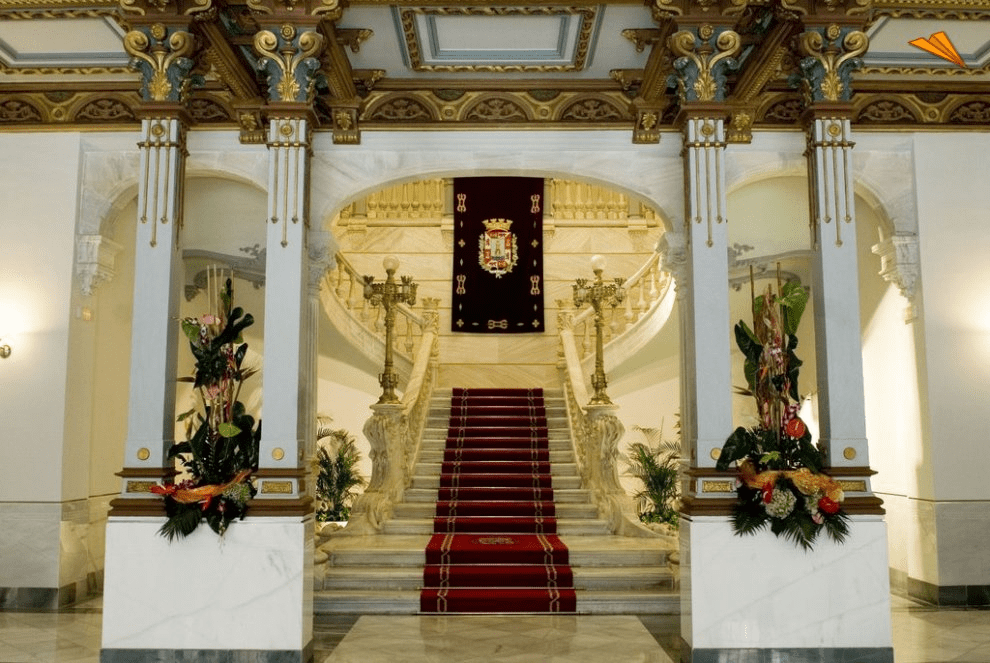
The modernist building maintained its three distinct facades, each containing abundant decorative elements: split pediments, elliptical windows, classical moldings, female heads, shields, etc. It also has an imperial staircase that really surprised me with its beauty, and the plenary hall, which is also worth visiting.

Two exhibition rooms are on the ground floor; you must pass through the spectacular modernist lobby to access them. The most significant exhibition space, right at the entrance, is divided into different rooms that communicate the history of Cartagena and accommodate all types of art, including sculpture, painting, photography, and original contemporary installations.

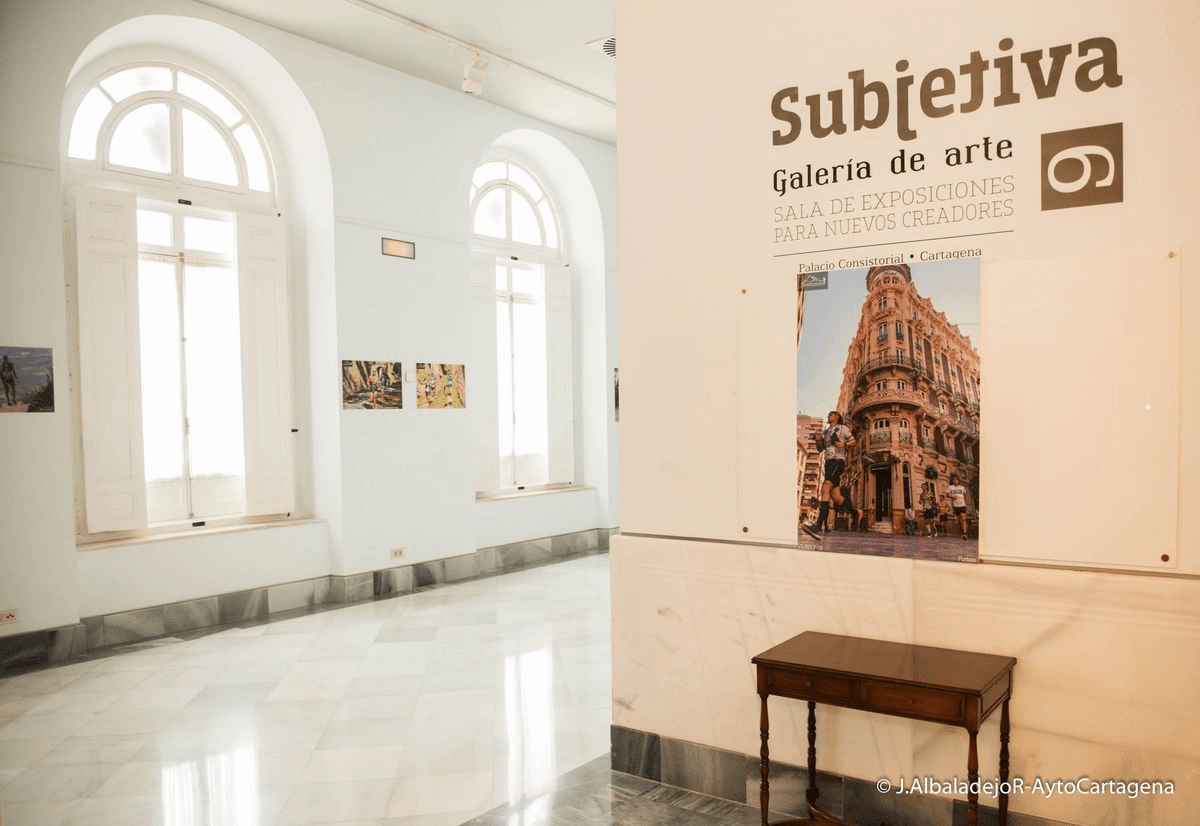
The second wing is dedicated to young creators, a recent initiative to bring newer art closer together. This is the emerging art gallery “Subjectiva,” promoted by the Department of Youth. This exhibition space facilitates the development of young creators, who are usually limited by the lack of opportunities to hold solo exhibitions.

The building is also used for public functions, concerts, and protocol activities.

Important Information For Visiting The Palace

If you want to visit this historic building, here is some important information:

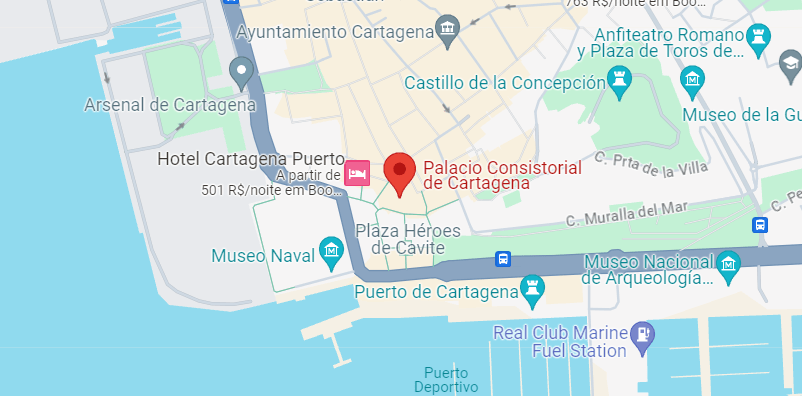
Location: The address of the building is Plaza del Ayuntamiento, 1, 30202 Cartagena, Murcia.

Location of the Building

The Palacio Consistorial is located within the Plaza del Ayuntamiento, directly across from the Roman Theatre Museum, a famous Cartagena building, and a 3-minute walk from the cruise ship port. The tip is to take advantage of visiting one building and the other tourist attractions on the same day. They are incredible.

The bottom corner of the building facing towards the port houses the Tourist Information Point, where visitors can pick up maps and obtain basic information about Cartagena’s tourist attractions. This strategic location makes it an ideal starting point for exploring the city’s rich historical and cultural offerings, with easy access to one of Cartagena’s most significant archaeological sites. There is a small entry fee.

Phone: 968 12 89 50

Opening Hours:

  • Monday: Closed
  • Tuesday to Friday: Morning: 10:00 – 13:30 / Afternoon: 17:00 – 19:00
  • Saturday: Morning: 10:00 – 13:30/ Afternoon: 17:00 – 20:00
  • Sunday:Morning: 10:00 – 13:30 / Afternoon: Closed
  • Holidays: Morning: 10:00 – 13:30

The City Hall Of Cartagena

It’s really easy to understand why the Palacio is one of Cartagena’s main tourist attractions.

For those who love history, it’s an excellent option for getting to know the city of Cartagena. With its impressive modernist architecture and central location, next to important tourist attractions, the palace offers visitors an enriching and informative experience about the city’s history and culture.

Enjoy Your Private Paradise in Villa Murcia!

Piscina com água

O conteúdo gerado por IA pode estar incorreto.

Looking for the perfect place to stay in Murcia? We’ve got just the spot for you!

Villa Murcia – Your Private Paradise

Wake up to coffee on a sun-drenched terrace, unwind in a warm jacuzzi after a day of exploring, and end your evenings with dinners in the summer kitchen. Nestled in charming Santiago de la Ribera, Villa Murcia offers more than just a holiday—it’s your personal oasis of comfort, style, and unforgettable moments.

Highlights:
✔ Spacious living room with a large sofa and open kitchen – perfect for shared memories
✔ Three elegant, air-conditioned bedrooms with private terraces – your peaceful retreat
✔ Extra fold-out sofa in the living room – ideal for additional guests

Whether it’s a romantic escape, a family getaway, or a relaxing break with friends – Villa Murcia is your dream stay.

Book now and experience the magic of the Spanish sun!

Read More
picture of the castle of Atalaya showing the mountains nn the background

Beyond Stone Walls: Life Inside the Castle of La Atalaya

The Castle of La Atalaya stands as a testament to both the strategic prowess and architectural splendor of Spain during medieval times. Perched atop a hill overlooking expansive valleys and rugged terrain, this ancient fortress has witnessed centuries of history unfold. La Atalaya offers a captivating journey through Spain’s tumultuous past, from its origins as a watchtower during the Moorish period to its transformation into a formidable castle under Christian rule. Join us as we delve into the thriving history, intricate architecture, and enduring legacy of the Castle of La Atalaya.

We will show you every aspect of this important stronghold that served as one of the crucial defenses for the Spanish kingdom and is now one of the most important tourist destinations of Murcia. Here’s everything you need to know about Castillo de La Atalaya:

Table of Contents

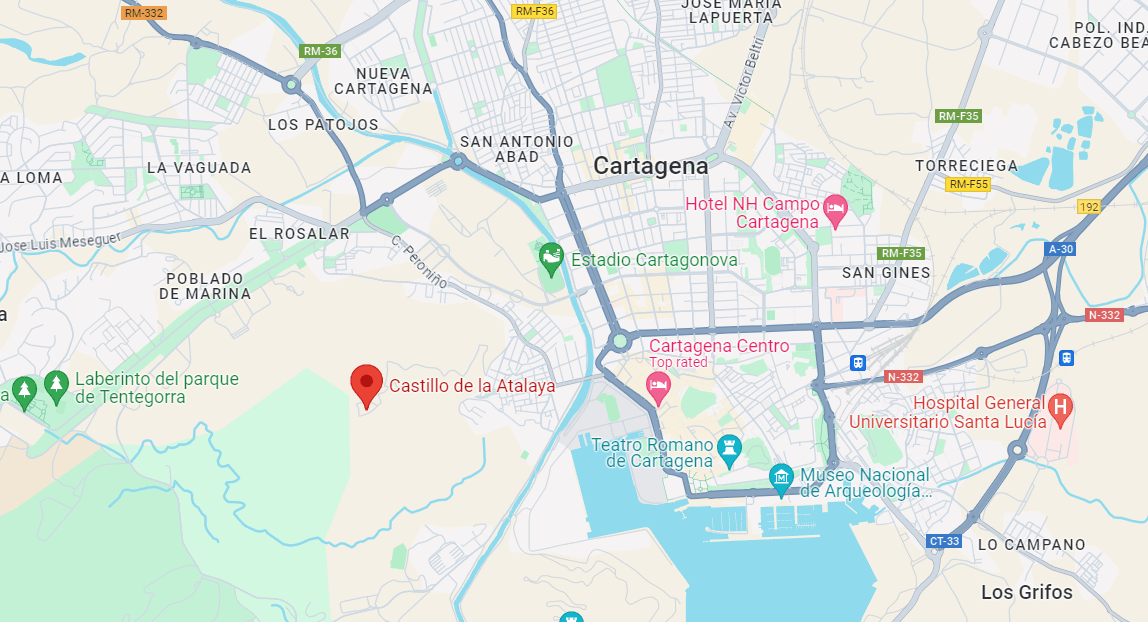
Atalaya Castle Location and Year of Construction

map of Murcia showing the region of Cartagena and where the Atalaya castle is located

This jewel from the old times is located in one of Spain’s main destinations, right in the municipality of Cartagena, in Murcia. The place is paradise for those looking for an unforgettable destination for their next vacation, mixing culture, fun, and unique experiences.

There’s no precise knowledge of when this fortress was built, but according to Arabic sources and vestiges, it is speculated that the construction was finished around 1172 and was located in the northern frontier of the region known as the Islamic emirate of Iberia. The former frontier was one of the most important defenses of the area and a symbol of a stronghold for the entire province.

You’ll find many castles and constructions going from the bronze age to modern times. Want to take a walk at the beach? Don’t worry. The town is also near some of the country’s leading destinations for water lovers and holds some of the best views in Europe.

Atalaya is close to everything, and you can walk to the castle from some of the region’s main hotels, eliminating the need to rent a vehicle.

What You Need to Know Before Visiting the Atalaya Castle

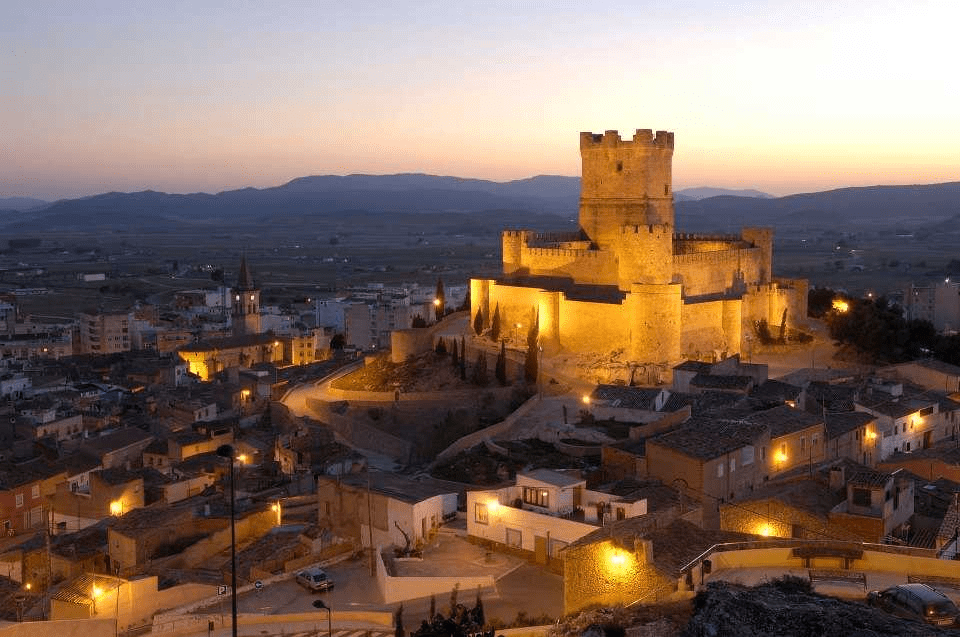
image of Atalaya during night with multiple lights illuminating the structure

Atalaya is not just a mere castle in the north-western part of an old province. It is also a symbol of royal possession and strength in battle, and here we will show you everything about this magnificent relic of the past.

From curiosities to recommendations and things you should know, here we will cover the main items and details that are indispensable before packing your luggage to visit the city. Make sure to pay attention to each item to better plan your trip and get the best experience possible when visiting the castle, Plaza de Santiago, or any attraction nearby.

Here’s what you need to know:

Background Story

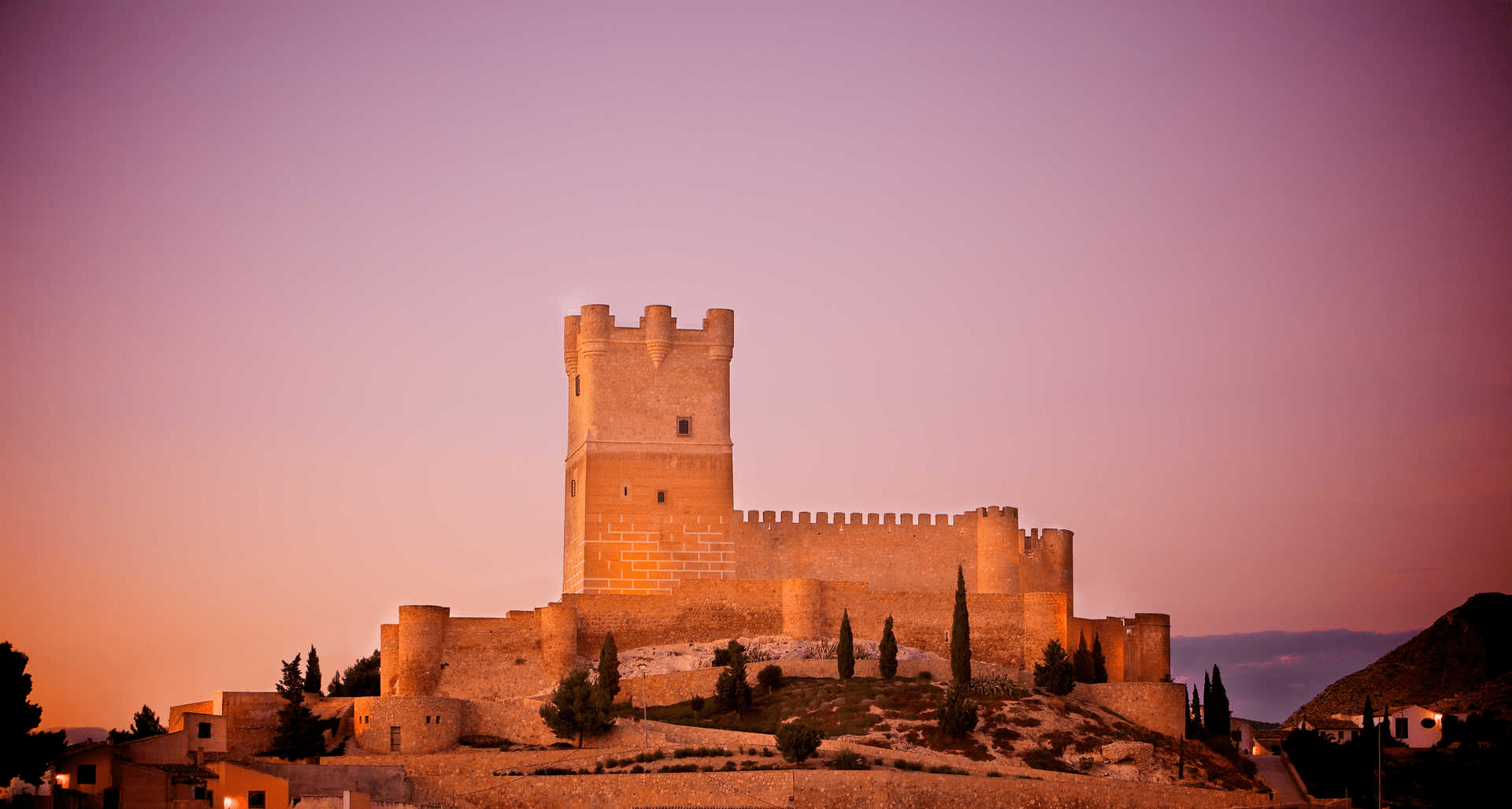
Atalaya castle during sunset

Even though one of the main things you’ll do when visiting the place is to understand its past and why it was so important for the region, knowing the basic background of this place can help a lot when exploring its grounds. This helps in understanding many of the aspects and details presented in the tours, making the experience even more magical.

For example, it is good to know that part of its robustness is thanks to the three different sieges that compose its primary structure. The sieges laid by James I of Aragon are one of the most particular characteristics of this place, and they attract tons of tourists who buy tickets to see them as close as possible.

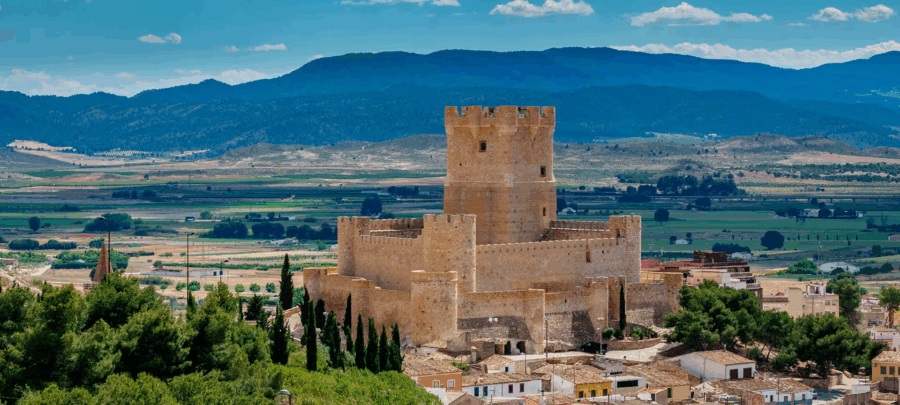
It is also important to mention that this castle was abandoned after the end of the Cantonal Revolution in 1874 and stayed in ruins until 1960 when the government of Spain started a project to restore this vital symbol of the province of Alicante.

Good Conditions Even After Centuries

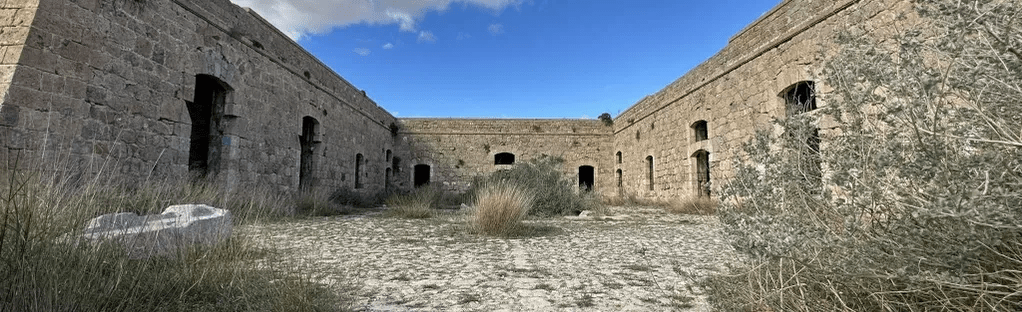
picture taken from inside the Atalaya castle showing a part of the fortress

If you’re a history fan and want to have the best experience possible exploring these relics from the past, you’ll be happy to know that Atalaya preserves a lot of its original structure. From the upper part to the gardens of this fortress, everything is in very good shape and has the original structure.

Of course, this doesn’t apply to the entire structure, and lots of details had to be restored to open the castle to visitors. But this doesn’t change a thing, and the place is capable of catching people’s attention in every room it presents. What was once a refuge for governors and kings is now one of the best places you can visit in the center of Cartagena.

Available Tours and Guides

picture of a group doing a guided tour inside the castle

If you think you’ll have a simple visit and see just some interesting rooms in the castle, you’ll be glad to know this is just the beginning of this adventure. The visit includes a complete guided tour around the place, with professionals showing you every detail of this magnificent castle and the history behind each of its elements.

It is also important to note that this guided tour is not free. Visiting the castle costs 3 euros per person. Kids 7 years of age or less don’t need to pay for it and can visit all the rooms for free.

From the moment you approach the castle through the Villena Sur exit to the last minute of your experience, everything will make you feel like you’re part of the medieval era when it was built. Also, don’t worry about your Spanish because the entire tour is available in English for the best experience possible.

Best Time to Visit the Castle

picture of Atalaya showing the three sieges of the fortress

Knowing when the castle is available for visiting can be a little confusing, especially because the schedule can change depending on the day of the week. But don’t worry about that. Here’s a quick explanation of the working days and the time you can visit Atalaya:

  • Mornings: Tuesday to Sunday, Bank Holidays, and Mondays on the eve of holidays open from 10:00 to 14:00 h. without guide. Guided tours at 10:30, 11:30, and 12:30, upon reservation.
  • Afternoons: Tuesday to Saturday open from 16:00 to 19:00 h. Guided tour at 16:30, upon reservation.
  • Closed: Monday all day, Sunday afternoon, and holiday afternoon
  • Tours without guide: from 13:20 to 17:20.

Make sure to pay attention to this schedule, especially if you plan on taking the guided tour, since you’ll need to make a reservation first. It is also essential to note that the castle is not available for visitors on specific dates, like Christmas and New Year’s Eve.

It’s Just One of the Cultural Attractions of Murcia

image showing one of the entrances to the castle

Whether you want to visit the castle to learn more about Spain’s story or because you’re looking for cultural attractions, Cartagena reserves tons of options that will expand the possibilities of what you can do during your trip.

From other castles nearby to museums and monuments around the region, this is one of the country’s richest regions when it comes to cultural options and options if you want to learn more about the country and its people. The best part is that you can visit all of these attractions without the need for cars or ride apps like Uber. Everything is fairly close and just a couple minutes away from the city center.

Along with Atalaya, I highly recommend visiting the castle of Salvatierra. It’s a beautiful monument that offers guided tours and visits throughout the day, making it the perfect complement to your day in the region.

Pay Attention to the Recommendations and Rules of the Castle

image showing one of the parts of the outside of the castle

Atalaya is filled with interesting artifacts and rooms that will catch the attention of every visitor entering its grounds. However, not every room is allowed for tourists to enter, and the same applies to some of the objects around the place.

It is vital to always pay attention to the rules and recommendations from the guides and workers of the place. This way, you ensure the best experience for yourself and those around you.

If you’re in doubt about how you can access a specific area or touch an item of the castle, always ask the staff and guides available around the area. They’ll gladly help you and provide all the necessary information to make this an unforgettable experience.

Enjoy Your Private Paradise in Villa Murcia!

Piscina com água

O conteúdo gerado por IA pode estar incorreto.

Looking for the perfect place to stay in Murcia? We’ve got just the spot for you!

Villa Murcia – Your Private Paradise

Wake up to coffee on a sun-drenched terrace, unwind in a warm jacuzzi after a day of exploring, and end your evenings with dinners in the summer kitchen. Nestled in charming Santiago de la Ribera, Villa Murcia offers more than just a holiday—it’s your personal oasis of comfort, style, and unforgettable moments.

Highlights:
✔ Spacious living room with a large sofa and open kitchen – perfect for shared memories
✔ Three elegant, air-conditioned bedrooms with private terraces – your peaceful retreat
✔ Extra fold-out sofa in the living room – ideal for additional guests

Whether it’s a romantic escape, a family getaway, or a relaxing break with friends – Villa Murcia is your dream stay.

Book now and experience the magic of the Spanish sun!

Ready to Rediscover This Relic From the Past?

Spain holds some of the most incredible historical monuments of all of Europe, being one of the best destinations for your next vacation, whether you want to learn about the country’s history or enjoy some breathtaking views. Atalaya is one of the best options when it comes to castles, as it holds a lot of the characteristics from when it was built and provides an immersive experience that will make you feel like you are living in the past during the entire tour.

Remember to book the guided tour if that’s what you’re going for, as they need a reservation. Also, double-check when it’s open to organize your trip better and avoid surprises along the way.

Now that you know everything, it is time to start planning your trip to Murcia. Consider all the aspects below, and you’ll have the best time possible when exploring this marvelous fortress.

Read More
Castillo de Monteagudo | Meet this Medieval Stronghold in Murcia

Castillo de Monteagudo | Meet this Medieval Stronghold in Murcia

Europe is full of magnificent buildings dating back to the Middle Ages and earlier. Some people believe the best castles are in Italy, while others prefer the ones in France. Personally, I think that most impressive and notable castles, which truly reflect the heart of that era, are found in Spain. Not in vain; when filmmakers make movies that take place in the Middle Ages, they choose Spain as the main location, mainly the south of the Iberian Peninsula.

One such castle worth mentioning is Monteagudo Castle, a silent watchman atop a rocky mountain in the dry valley of Murcia. In the following lines, I will break down the main aspects of this bastion so that you can try to visit it on your next trip to the region.

Table of Contents:

What Is Castillo de Monteagudo?

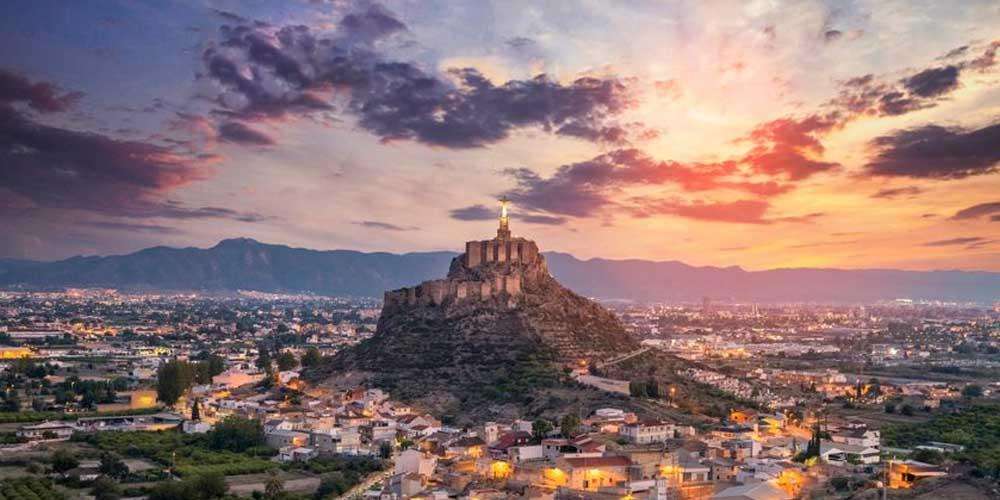
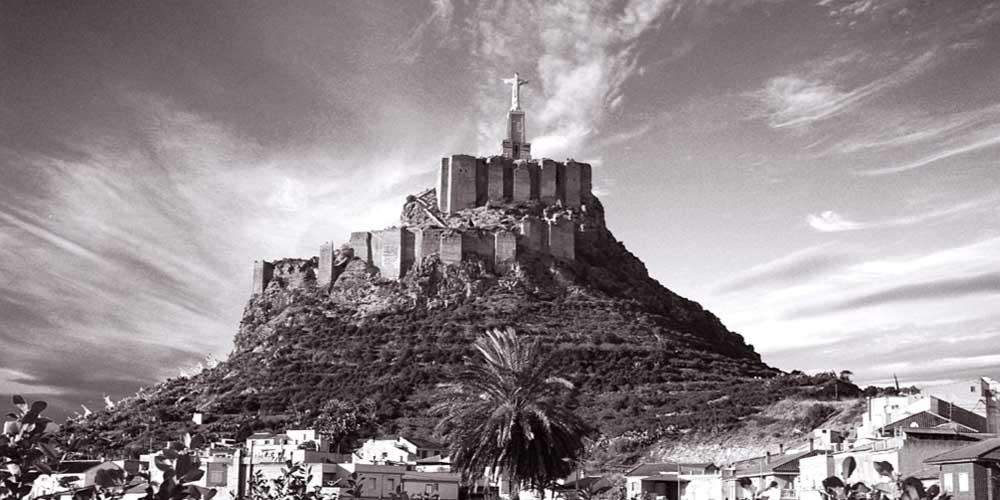
The castillo de Monteagudo and the town of the same name

The Monteagudo Castle, also known as Monteagudo Castle in English, is an ancient structure over a thousand years old, overlooking the small, sparsely populated town of Monteagudo, located north of the city of Murcia.

Monteagudo Castle is located on a rocky mountain next to the town of the same name. This location was perfect for keeping the region safe by observing enemies from a distance and controlling the territory.

Castillo de Monteagudo Location

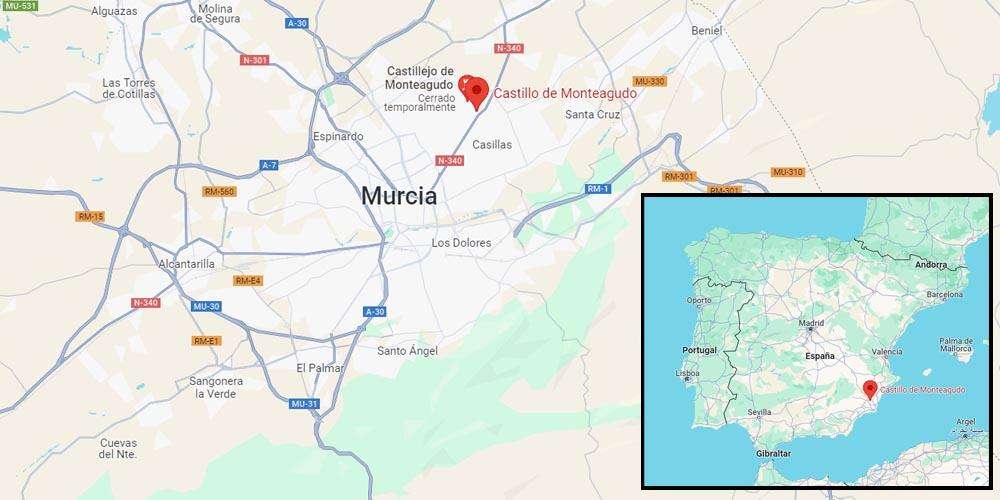
Castillo de Monteagudo location

Monteagudo Castle, or Monteagudo Castle, is located five kilometers from the center of Murcia, especially to the northeast of the settlement. It is also eight kilometers from the city of Orihuela, a town and municipality in the Alicante region.

How to Get the Castillo de Monteagudo, Murcia?

You can easily reach Monteagudo Castle since it has at its feet the “old road of Monteagudo,” an old crossroads that joins two important communication routes: the roads of Alicante and Castilla. Coming from Alicante to Murcia, you can reach this medieval structure by car, taking these national routes.

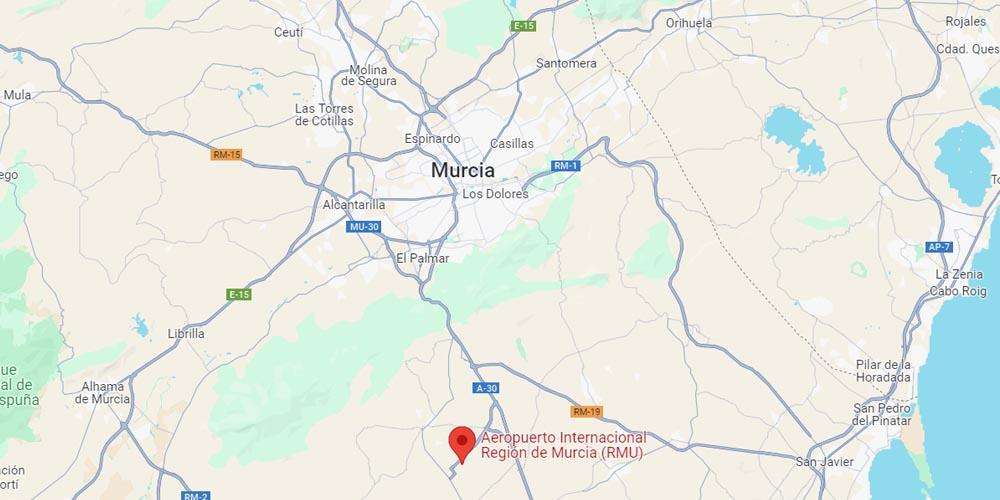
International airport of Murcia location

Murcia International Airport is ten kilometers from the center of Murcia and fifteen kilometers from the castle. If you plan to visit the castle by plane, you can do so directly from there.

Alicante airport is also a good alternative, but it is a little far from the castle (50 kilometers) and in another province. Still, it is a good alternative since this airport receives flights from England, all of Spain and other European countries.

The Architecture of the Castillo de Monteagudo

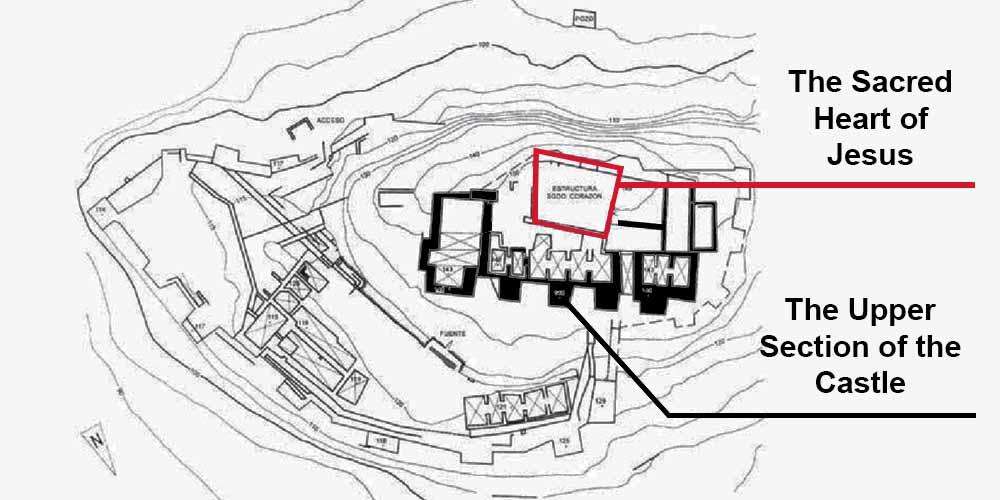
The architecture of Castillo de Monteagudo

Monteagudo Castle consists of two concentric walled structures at different levels. Both structures are embedded in the ground, building a great fortress that reflects strength and presence.

The upper section of the castle is a rectangular structure measuring 50 meters x 25 meters. It consists of two sections:

  • The main plaza to the north
  • A series of weapons rooms to the south
  • The entrance to the building to the north

This upper building has five towers that serve as security structures and keep the area under surveillance.

The lower section is very similar to the upper one. It is in the northeast of the hill. This upper body also has several towers that fortify the entire building, offering the fortress’s impregnability.

Constructors used a high-quality mortar wall to build the general building, highlighting the use of brick in some parts where the structure needed it.

Castillo de Monteagudo History

Castillo de Monteagudo file

The date of construction of Monteagudo Castle is not clear. No historical document speaks of its construction, but a first reference dates back to 1078-1079, when Abu Abderramen Ibn Tahir, king of Murcia, was deposed and imprisoned in the medieval structure.

Everything seems to indicate that the castle is Arab. Although its architecture points to the Romanesque style, we cannot be sure of its true builders.

Despite the passage of time, Monteagudo Castle has endured, having been completely rebuilt and renovated. After the Christian conquest of Murcia, it served as the royal residence of Alfonso X, King of Castile and León. Over the years, ownership of the castle changed hands several times, eventually transforming it into a stronghold to defend the region against Moorish attacks.

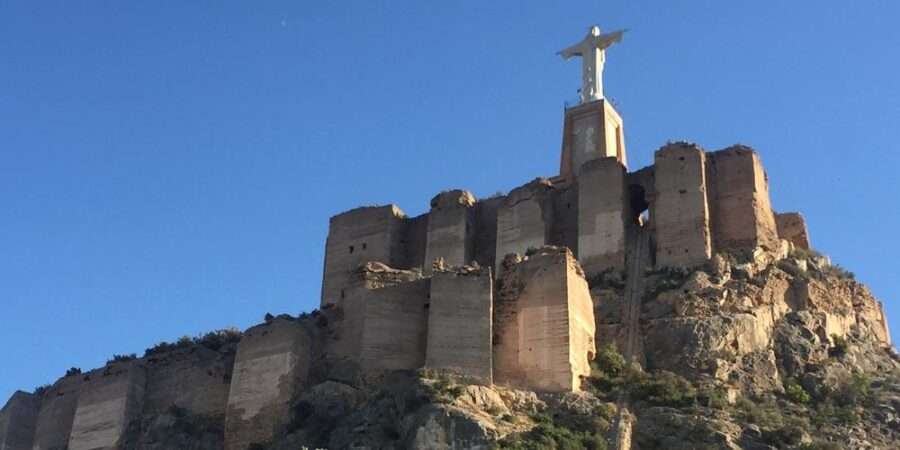
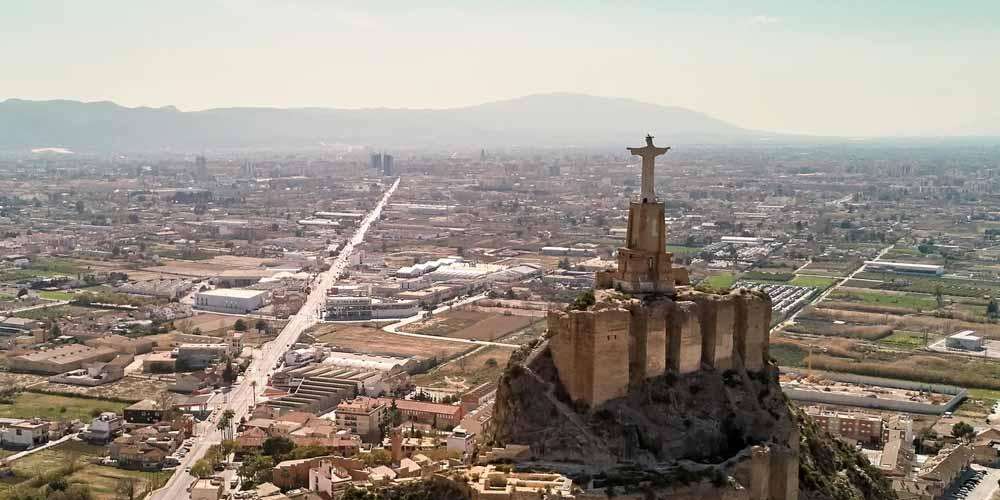
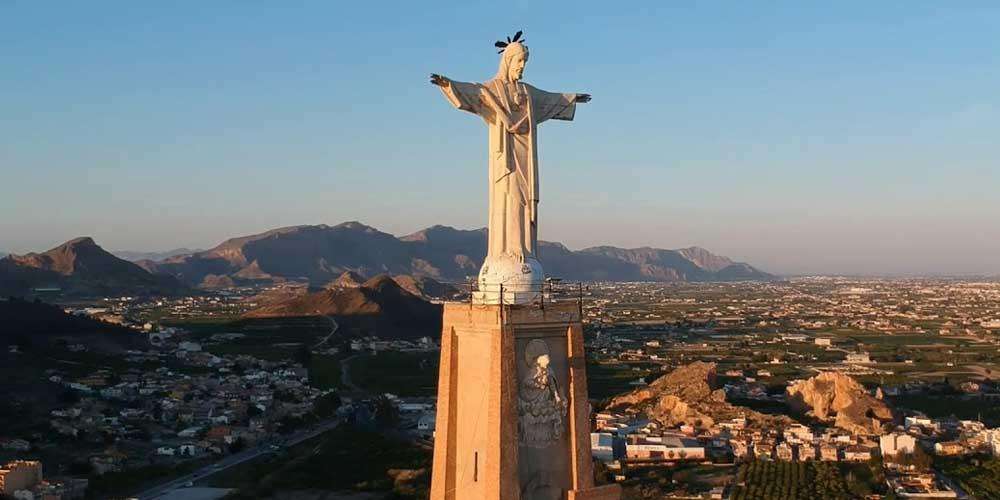
The Christ in the Top of the Castillo de Monteagudo

The Christ at the top of Castillo de Monteagudo

This sculpture, designed in 1951 by Nicolás Martínez, replaced an old sculpture complex completed in 1926 by Anastasio Martínez Hernández. Today, this large sculpture is a landmark in the landscape of the Murcian countryside, a watchman watching over the city of Murcia and the entire surrounding countryside.

El Cristo, in particular, was founded in 1926 and rebuilt in 1951 after the Spanish Civil War. This first sculpture featured two figures of Saint Francis of Assisi and Saint Francis Xavier, two praying Indians and a relief of Saint Mary.

The Monteagudo Interpretation Center

The Monteagudo Interpretation center

This center is at the foot of the Monteagudo mountain. It offers interesting tours explaining the five thousand years of history of the Monteagudo area and the people who have resided here. The center has archaeological remains from the Argoric, Iberian, Roman, and Arab periods of the region, making it a must-see place.

Address: Plaza de la Iglesia 1, 30160 Monteagudo, Murcia.

Phone: +34 968 851 910

Email: centrovisitantesmonteagudo@ayto-murcia.es

Website: https://www.turismodemurcia.es/es/centro-de-visitantes-de-monteagudo

Enjoy Your Private Paradise in Villa Murcia!

Piscina com água

O conteúdo gerado por IA pode estar incorreto.

Looking for the perfect place to stay in Murcia? We’ve got just the spot for you!

Villa Murcia – Your Private Paradise

Wake up to coffee on a sun-drenched terrace, unwind in a warm jacuzzi after a day of exploring, and end your evenings with dinners in the summer kitchen. Nestled in charming Santiago de la Ribera, Villa Murcia offers more than just a holiday—it’s your personal oasis of comfort, style, and unforgettable moments.

Highlights:
✔ Spacious living room with a large sofa and open kitchen – perfect for shared memories
✔ Three elegant, air-conditioned bedrooms with private terraces – your peaceful retreat
✔ Extra fold-out sofa in the living room – ideal for additional guests

Whether it’s a romantic escape, a family getaway, or a relaxing break with friends – Villa Murcia is your dream stay.

Book now and experience the magic of the Spanish sun!

The Castillo de Monteagudo, the Roman Stronghold You Must Visit in Murcia

The Monteagudo castle in the territory

Few castles in the world remain for centuries on top of an impressive and strong hill. The Castle or Monteagudo is one of them, which brings us a piece of medieval history and the wars between Christians and Moors for control of the Iberian Peninsula.

In the distance, the Monteagudo castle seems like an eternal watchman watching over the region and the horizon. It is a spectacular and recommended structure that you should not miss on your next trip to Murcia.

Whether you are visiting the area to see the region’s magnificent beaches or taste the incredible Spanish Mediterranean cuisine, Monteagudo Castle should be your must-see destination. A pinch of culture never hurts anyone!

Read More
The Mina Las Matildes

The Mina Las Matildes: Industrial and Cultural Heritage in Spain

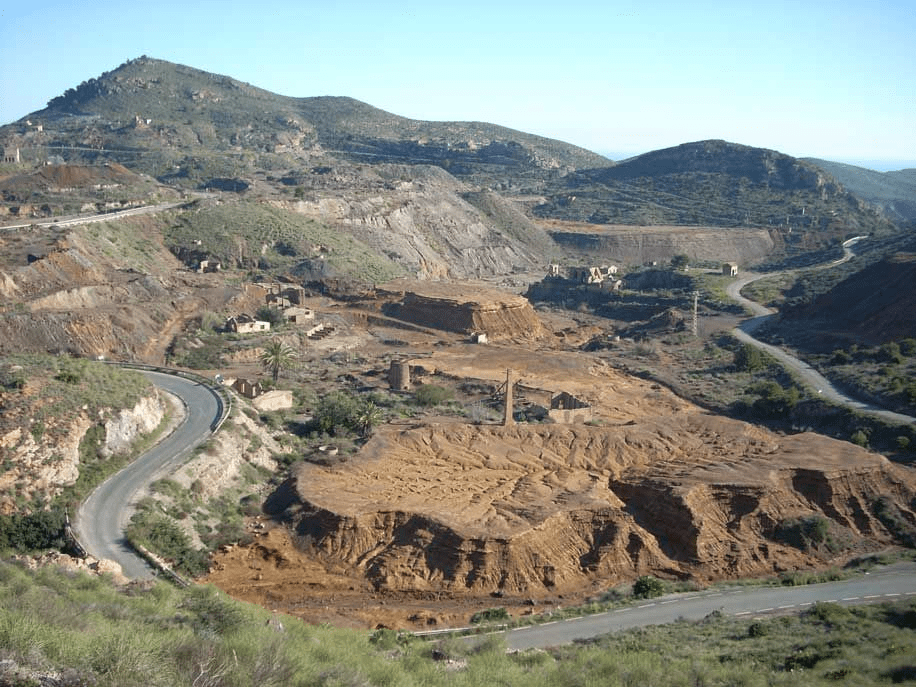
The Las Matildes Mine, situated in the Cartagena area of the Murcia province, is a noteworthy symbol in Spain’s mining history. Once busy with mining operations, this location now pays tribute to the region’s valuable industrial and cultural legacy. Spanning more than a hundred years, the Las Matildes Mine offers an intriguing experience for those eager to explore the progression of mining and its impact on the surrounding community.

It offers visitors an educational and enjoyable experience to explore the remnants of over 2,000 years of mining history in the Sierra Minera de Cartagena-La Unión area and uncover the special features and significance of the mines used to drain the mining basin. I had the opportunity to visit the location, and today, I will share with you what I learned there.

Table of contents:

History Of Mina Las Matildes

Mineral exploration in Cartagena dates back to Roman times, but it was in the 19th century that the region experienced its mining boom.

 Sierra Minera of Cartagena
Sierra Minera de Cartagena – Fundacion Serra Minera

The Las Matildes Mine is located in the Sierra Minera of Cartagena – La Unión, in the El Beal mining complex, close to the San Quintín Mine or Blanca Mine. These two other mines have similar characteristics to Matildes: they were dedicated to extracting water to drain the mining basin from the beginning of the 20th century, although they began as mines for extracting lead between 1864 and 1871.

In the guided visit, we were told that the history of the mine is divided into four phases:

First Phase: Lead Mining (1871 – End of the 19th Century)

  • Concession and Beginning: The Las Matildes mining concession was established in 1871 and focused on extracting lead.
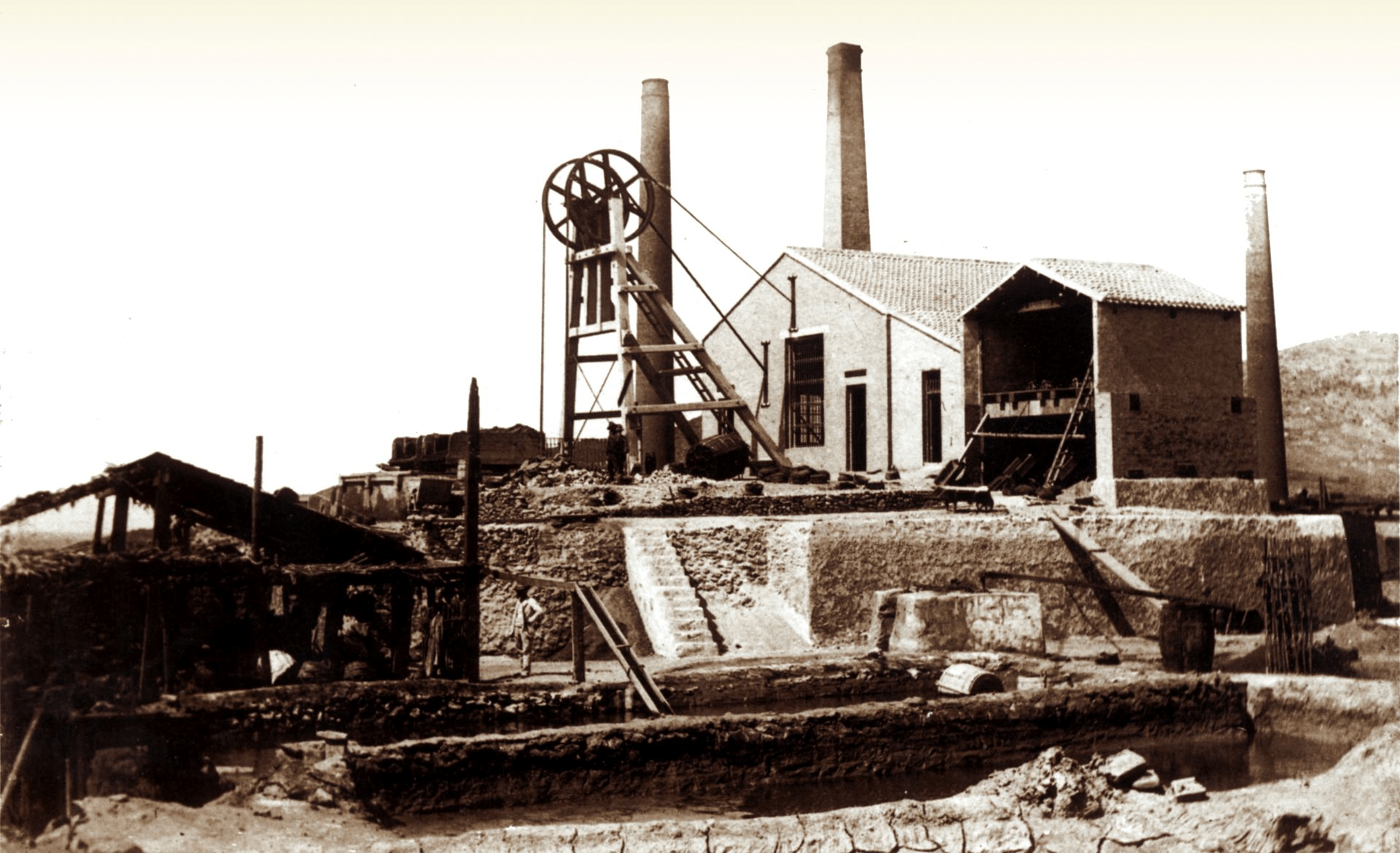
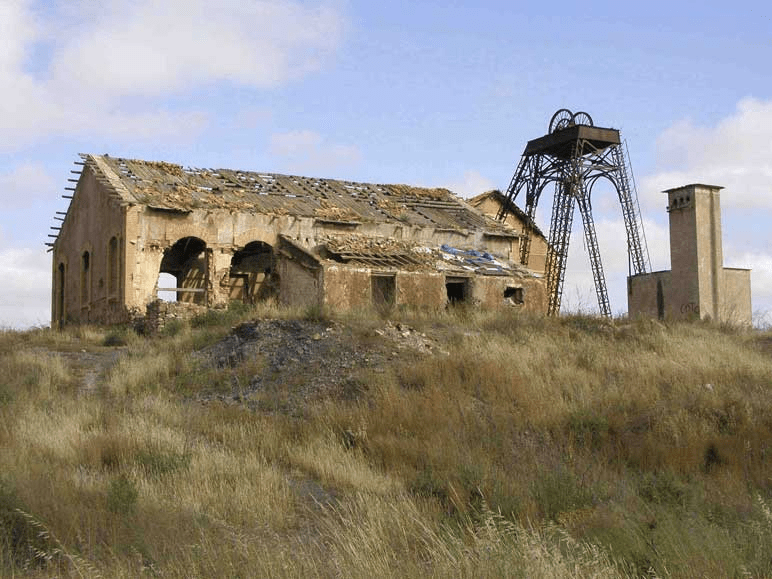
  • Infrastructure: During this phase, the mine had a steam engine, boilers, a wooden castle, and a chimney to evacuate smoke.
  • Remains: Today, only the main building, an adjacent pond used to store water, and the exposed pipes through which steam was transported to power the machines remain.

Second Phase: Water Extraction (Early 20th Century)

  • Change of Focus: As the profitability of lead mining declined, the mine shifted to water extraction.
  • Flooding Problems: Many mine galleries were flooded, preventing the extraction of minerals. To solve this problem, the El Beal Drainage Union was created.
  • Contribution: Las Matildes participated in this initiative, extracting water to allow other mines to continue their operations.
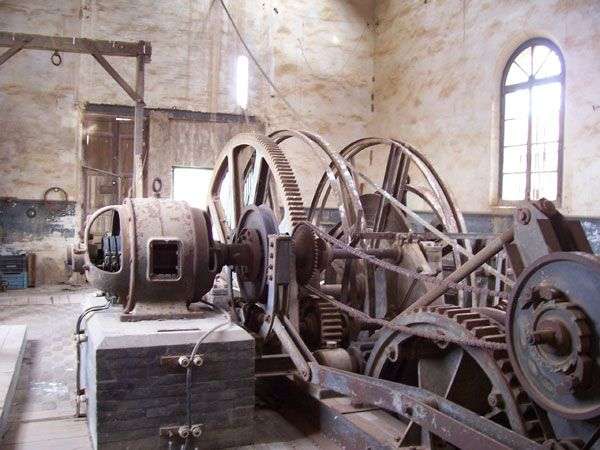
  • Infrastructure: Only the second engine room, which used innovative electrical machinery and an impressive metal tower, remains from this phase.

Third Phase: Abandonment and Deterioration

  • End of Activities: Drainage activity was stopped, and the mining facilities were gradually abandoned, deteriorated, and looted.

Fourth Phase: Restoration and Interpretation Centre (Early 21st Century)

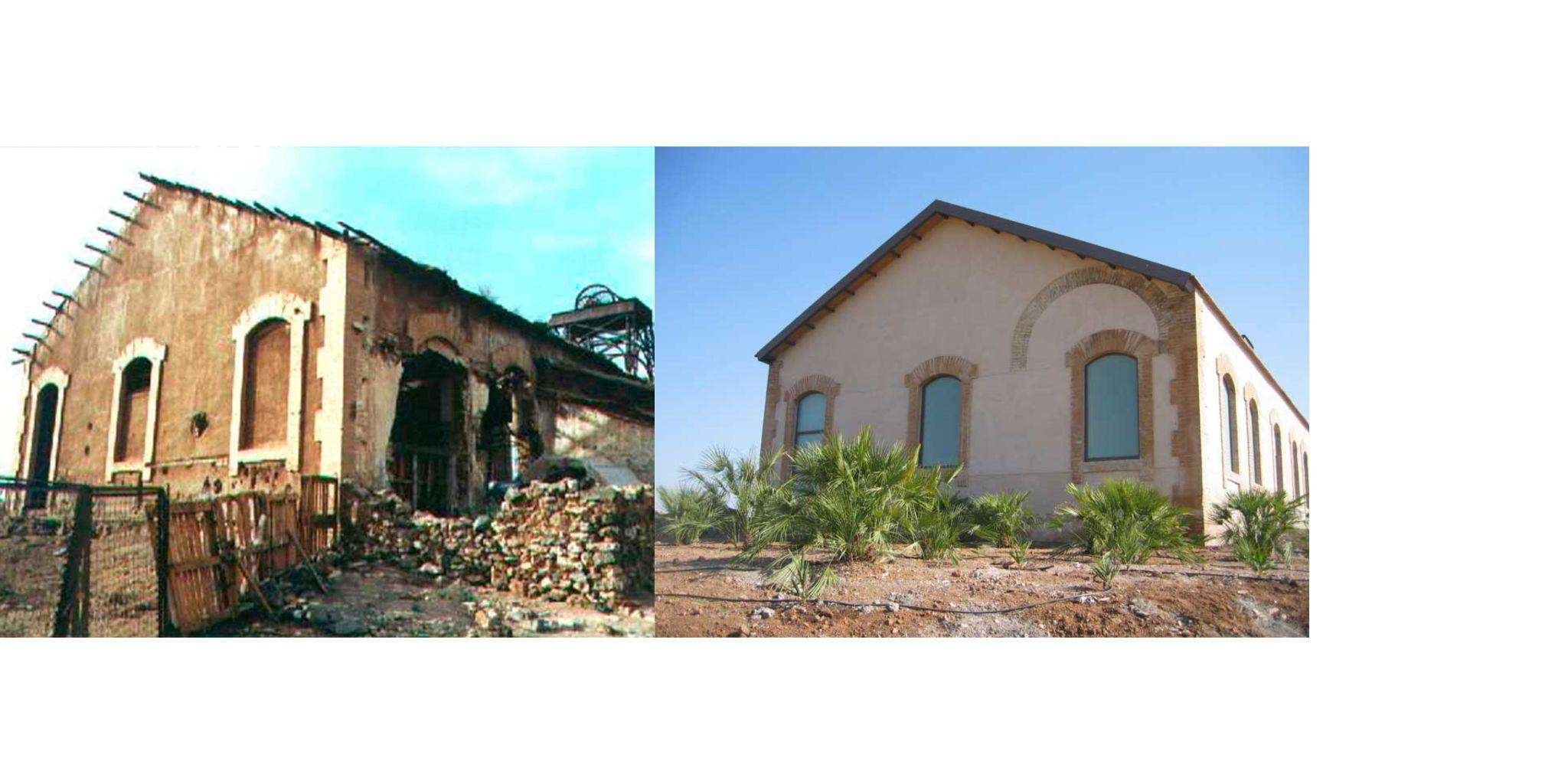
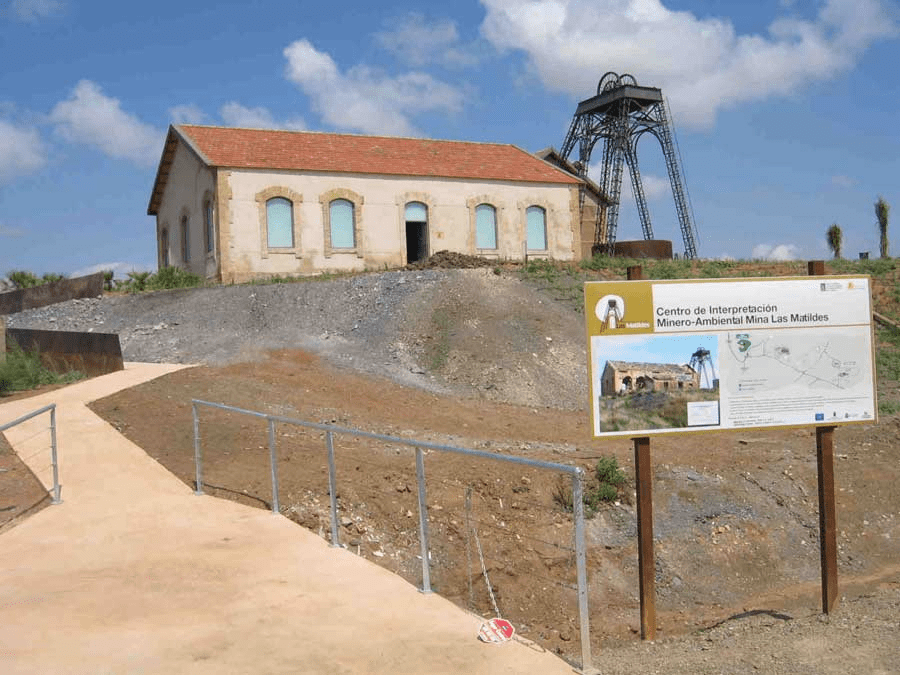
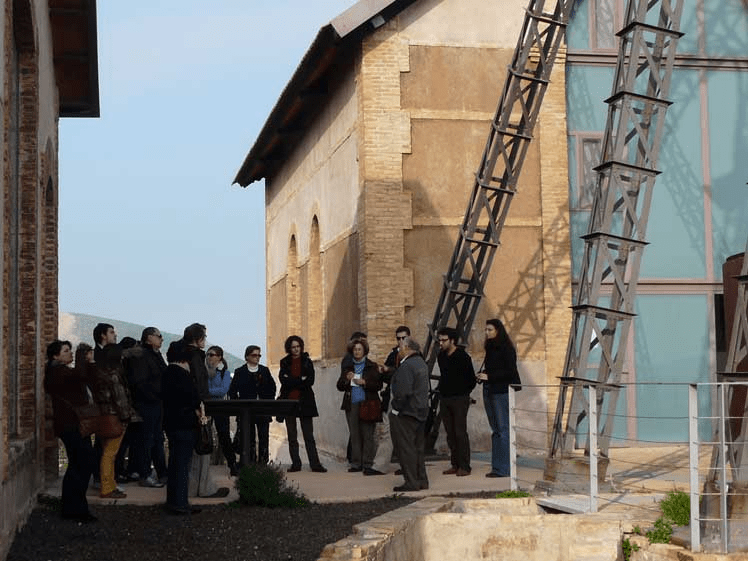
  • Renovation: At the beginning of the 21st century (between June 2004 and July 2005), the mine was restored and transformed into a modern Interpretation Centre (Centro de Interpretacion de la Mina Las Matildes), preserving its history and making it accessible to the public.

Structure and Technology

The facilities at the Las Matildes Mine include mining pits, maintenance workshops, warehouses, and residential structures for workers. During my visit, it was explained that technology has evolved significantly over the years, reflecting advances in mining engineering and machinery. The mineral extraction and processing techniques used at the mine are important examples of technological development during the industrial era. Some important sections of the mine are:

First Engine House

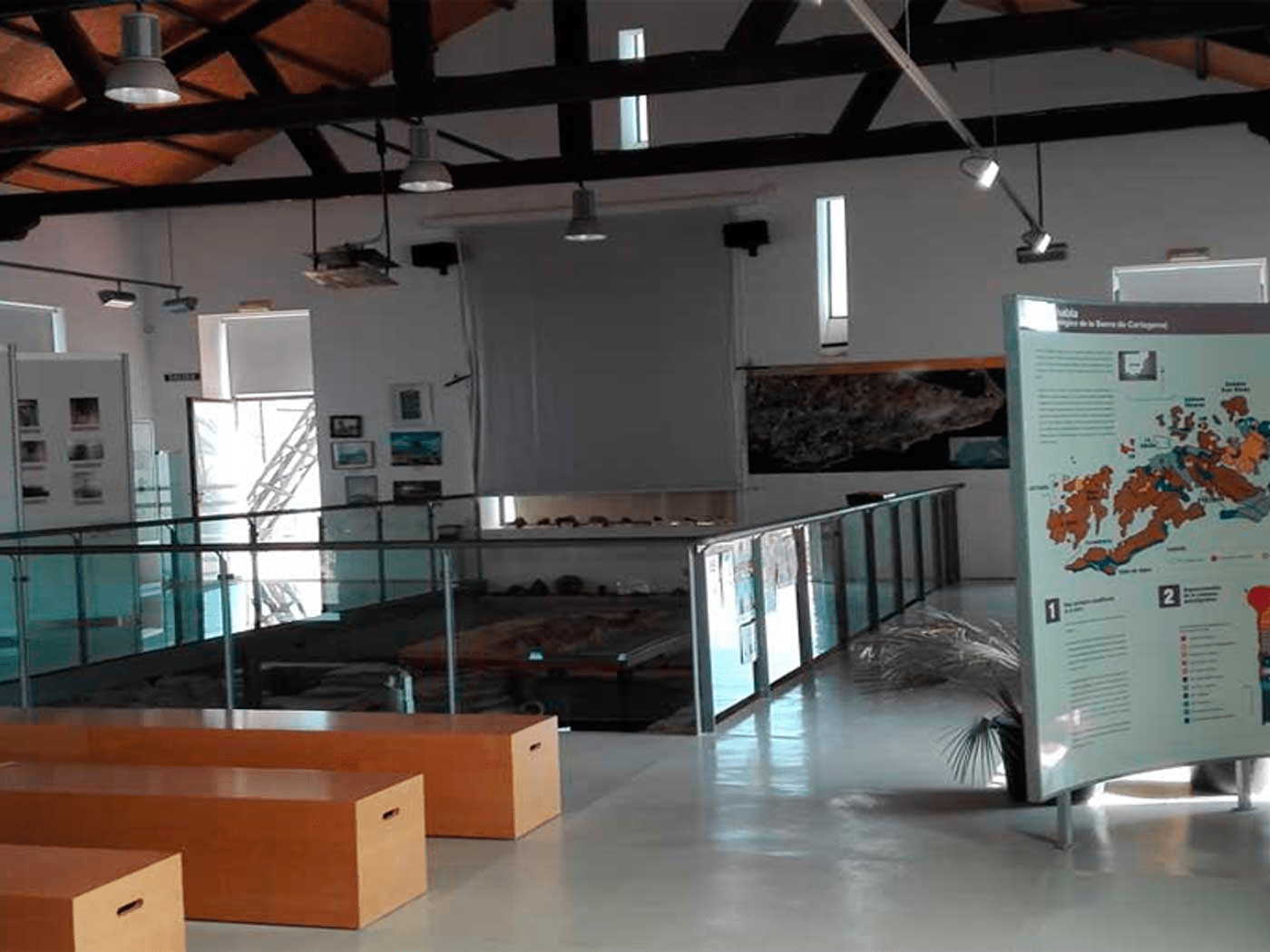
The First Engine House, built in the 19th century, housed the steam machinery. It is one of the largest Engine Houses in the Sierra Minera. During construction, the pit where the machinery was installed, old steam piping structures, and the base of the old horizontal cylinder steam engine were discovered underground. These remains, unique in the region, were incorporated into the Center as one of its attractions, with a glass floor allowing viewing of these discoveries. A large-scale model of the Sierra Minera was placed in the pit.

Raft and Annex Service Building

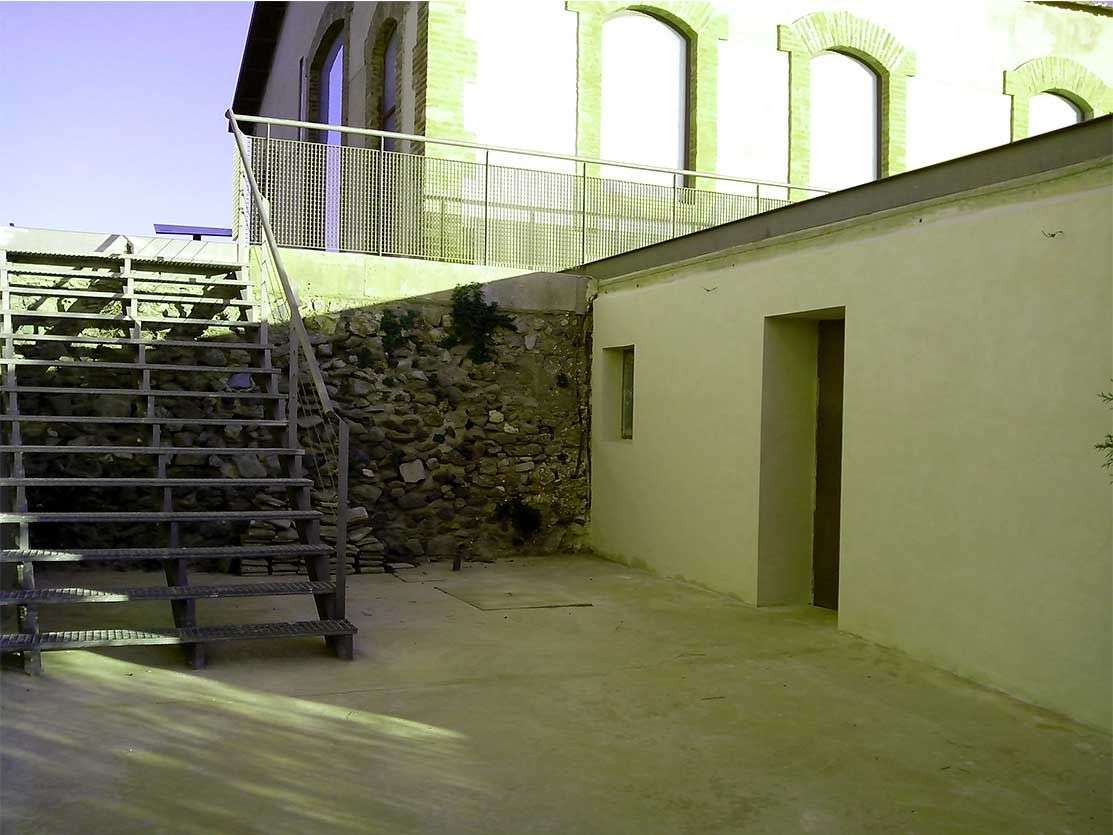
Attached to the First Machine House building is a raft where water was stored to power the steam engine. The work carried out in this space was limited to cleaning and consolidating the structure. An old adjoining building was rehabilitated to house the Center’s bathrooms and a small warehouse.

Second Machine House

The Second Machine House, built in the 20th century, was one of the sections I liked most during the visit. The two machine houses make the Las Matildes Mine unique. The building, with a roof supported by Canadian pine wood fences, has been restored and still preserves the original electric extraction machinery from 1905 and an old underground gallery that accesses the well to supply electricity to the water extraction pump.

Mining Shaft and Metal Structure

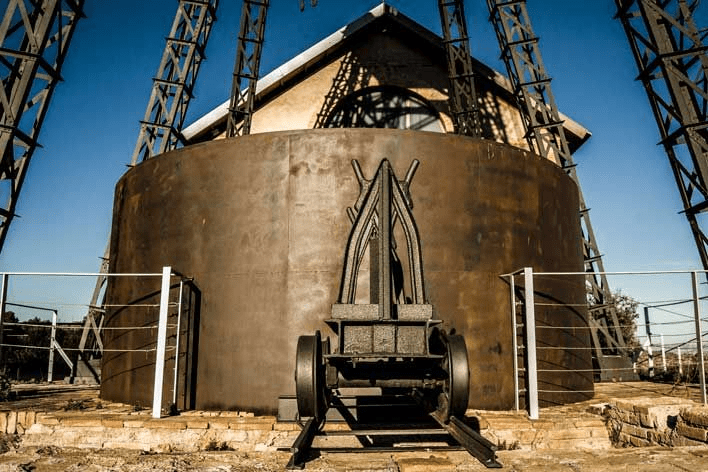
The mining shaft, common to both phases of exploration, is one of the deepest and most spectacular in the Sierra Minera. It is 225 meters deep and 4 meters in diameter, lined with bricks. Initially sealed with a concrete slab, it was opened during construction to allow visitors to view the site. The complex is presided over by a spectacular metal cast element, with four ceiling heights and two support towers, which support a platform with two extraction pulleys and a central pulley for the drainage pump.

Outdoor Spaces

The outdoor spaces were revitalized and revegetated with native species. Part of the mine’s original waste dump was kept visible as a characteristic element of the mining facility. A viewpoint was built, and an old drainage structure was restored.

Accessibility

One thing I found very interesting is that all the facilities, including access ramps and adapted bathrooms, were adapted to ensure accessibility for people with mobility difficulties.

Conservation and Tourism

Today, the Las Matildes Mine is considered an important mining interpretation center. Local authorities and various associations have worked hard to preserve the site and transform it into a tourist and educational attraction.

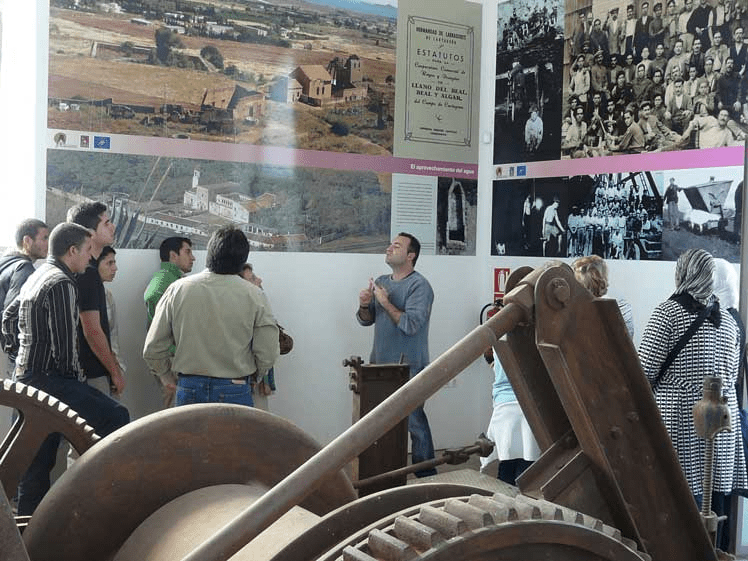
The interpretation center offers exhibitions on the region’s geology, mining history, and working conditions in the mines. The site’s entire history is very rich, and participating in a visit there is very interesting as you learn about a history you never imagined existed. Everything is very well explained and preserved.

In addition, educational events and activities are regularly organized to raise community awareness of the importance of industrial heritage.

Environmental Impact and Rehabilitation

In the mining industry, it is common for mining operations to significantly impact the environment of the region in which they are located. The Las Matildas mine is no exception, with surrounding areas suffering soil and water contamination from mining operations.

Thus, the recovery of the mine was accompanied by environmental and landscape recovery of the surrounding area, which contained an old abandoned mining lagoon with seriously contaminated soil. Revegetation actions are carried out on native species, following criteria for restoring the typical plant communities of the region, requiring little water consumption and growing in substrates that suffer residual contamination to varying degrees from mining.

Helpful Information About Mina Las Matildes

Here is some helpful information if you want to visit the center:

Localization

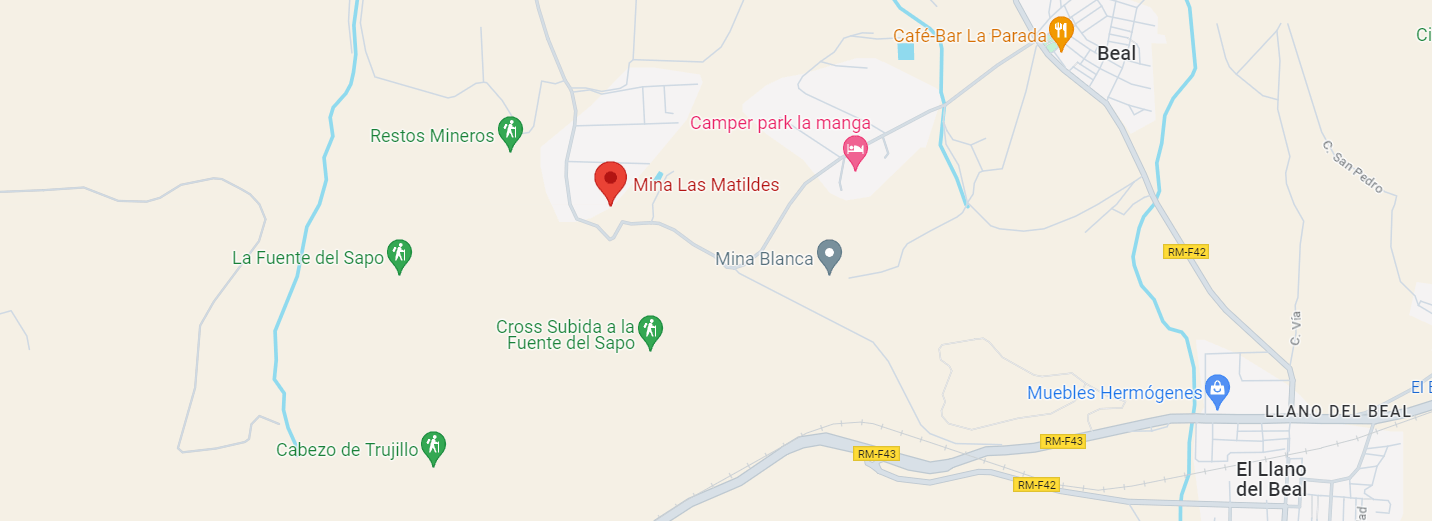
Localization of Las Matildes Mine

La Mina Las Matildes is located in the mining complex of El Beal, in the Paraje de la Mina Blanca, within Cartagena, Murcia, Spain. If you wanna know how to arrive at the Centre, here are the main options:

By Car From Cartagena:

Take the RM-E22 towards La Unión and follow signs for Portmán/Las Matildes. Continue until you reach the Las Matildes Mine, where parking is available.

By Car From Murcia:

Take the A-30 towards Cartagena, and after, take the RM-E22 exit towards La Unión. Follow signs for Portmán/Las Matildes.

By Public Transport – FEVE Train:

Take the FEVE train from Cartagena towards Sierra Minera. Get off at the station closest to Las Matildes and follow the signs for the city center.

By Public Transport – Bus:

Take bus number 3 on the ALSA line, which connects Cartagena to La Unión. From La Unión, you can take a taxi or other means of transport to reach the city center near Sierra Minera. Guided tours can also be arranged, including transport from Cartagena. Lines that pass near Las Matildes.

Opening Hours

The Interpretation Center is open from Thursday to Sunday, from 10 am to 2 pm.

During these hours, guided tours occur at 10:30 am and 12 pm. However, they recommend scheduling your visit in advance.

Outside these hours, groups of at least 15 people can visit the center or take guided tours by scheduling the activity in advance.

Visits and Prices

Visits to the Las Matildes Mine Interpretive Center are led by specialized guides. I must say that my visit was an educational and very entertaining experience. The guide who accompanied us was incredibly helpful and knew how to answer all our questions. The activities are adapted to the profile and age of the visitors, offering two main options:

  • Guided Tour of the Center’s Facilities: Duration of 45-60 minutes.
  • Guided Tour of the Center’s Facilities with Interpretive Tour of the Mining Environment: Duration of 3-4 hours.

The center charges a symbolic fee exclusively to support the maintenance of it and cover the costs of guides and monitors.

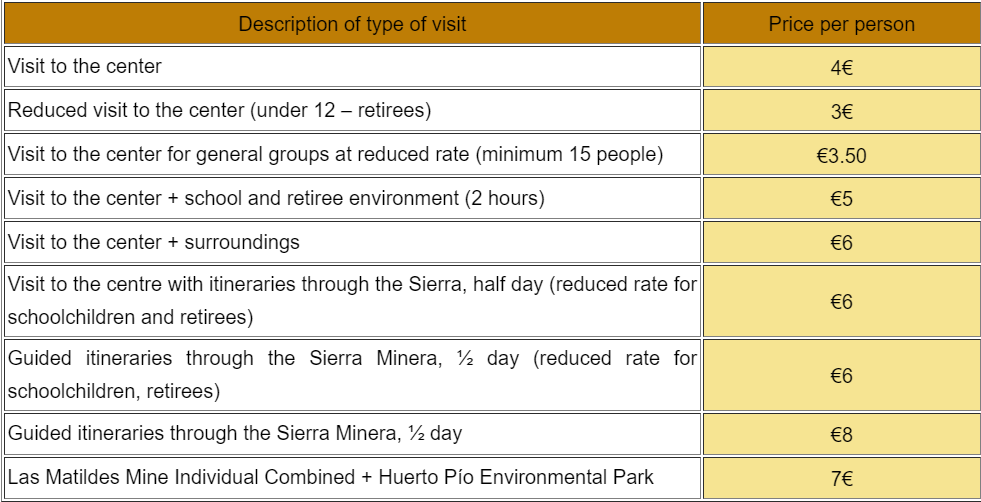
They only accept cash or transfers, and the prices vary according to the chosen method. Below is the current price list:

Prices

Contact

If you need more information, you can contact the center directly:

Telephone Channels:

968 537 570 (during the center’s opening hours, from Thursday to Sunday)

968 540 344 (morning hours from Monday to Friday).

628 073 482

Email

lasmatildes@fundacionsierraminera.org

Ecotourism and Cultural Tourism Services at the Las Matildes Mine

Ecotourism and Cultural Tourism Services at the Las Matildes Mine
Fundacion Serra Minera

The Center also offers a variety of guided tours and excursions on foot, by vehicle, or by using the FEVE train between Cartagena and Sierra Minera. On these itineraries, you will find amazing landscapes, large mines, elements of industrial archaeology, and areas of great environmental interest with rich flora and fauna.

The mining and environmental routes open to the public are scheduled on weekends and last an entire morning. It is also possible to organize personalized tours for groups of at least 15 people, with half-day, full-day, or multi-day options adapted to the group’s interests.

Lots of History Involved

The Las Matildes Mine Interpretation Center exemplifies the municipality of Cartagena’s approach to preserving and promoting the Sierra Minera’s heritage and past. If you plan to visit Cartagena and enjoy learning about the area’s history, this center is definitely a great option!

Enjoy Your Private Paradise in Villa Murcia!

Piscina com água

O conteúdo gerado por IA pode estar incorreto.

Looking for the perfect place to stay in Murcia? We’ve got just the spot for you!

Villa Murcia – Your Private Paradise

Wake up to coffee on a sun-drenched terrace, unwind in a warm jacuzzi after a day of exploring, and end your evenings with dinners in the summer kitchen. Nestled in charming Santiago de la Ribera, Villa Murcia offers more than just a holiday—it’s your personal oasis of comfort, style, and unforgettable moments.

Highlights:
✔ Spacious living room with a large sofa and open kitchen – perfect for shared memories
✔ Three elegant, air-conditioned bedrooms with private terraces – your peaceful retreat
✔ Extra fold-out sofa in the living room – ideal for additional guests

Whether it’s a romantic escape, a family getaway, or a relaxing break with friends – Villa Murcia is your dream stay.

Book now and experience the magic of the Spanish sun!

Read More
History of Murcia

History of Murcia Through the Ages

Nestled in the southeastern region of Spain, Murcia boasts a rich and diverse history that spans thousands of years. From its ancient Iberian roots through Roman conquest, Moorish rule, and Christian reconquest, Murcia has been a melting pot of cultures and civilizations. This vibrant region, known for its fertile lands and strategic location, has played a pivotal role in the broader historical narrative of Spain. In this article, we will delve into the captivating history of Murcia, exploring its evolution through different eras, the influence of various peoples who called it home, and the enduring legacy that continues to shape its identity today.

Murcia is a historic region and autonomous community of Spain located on the Mediterranean Sea. The oldest excavations testify to the existence of prehistoric civilizations as far back as 1.5 million years ago. By the time Scyphion of Africa conquered this land in 209 BC, Phoenicians, Greeks, and Carthaginians had settled there in succession. Murcia was a very important political and economic center in the Mediterranean, even in those days.

Table of Contents

A Brief History

Murcia, a Muslim kingdom in Spain centered around the city of Murcia (Arabic: Mursīyah), appeared twice in history. The first time was in the 11th century after the Spanish Umayyad caliphate fell apart. The second time was in the 12th century during the Muslim resistance against the North African Almoravids.

The kingdom’s first ruler, ʿAbd ar-Raḥmān ibn Ṭāhir, declared independence in 1063. To keep up the appearance of unity with the Umayyad caliphate, he called himself a minister (ḥājib) instead of a king (malik).

For a while, Murcia served as a go-between for the Almoravids and the Castilians, but eventually, it sided with the Almoravids. In 1092, Almoravid caliph Yūsuf ibn Tāshufīn took control of Murcia, making it part of his empire. Unhappiness with Almoravid rule led to a rebellion in 1144 led by Abu Jaʿfar ibn Hud, which restored Murcian independence. The kingdom then joined with Valencia.

After 1168, Murcia came under the rule of the North African Almohads. Despite this, it maintained its own administrative system, which the Christian Castilians preserved almost without resistance when they took over the territory in 1243.

Through the Ages

The history of Murcia throughout the ages is broad and diverse. We’ll cover the most impactful events from the 3rd century BCE to modern times.

Pre-Roman and Roman Era

The region of Murcia has been inhabited since prehistoric times, with evidence of settlements dating back to the Paleolithic era. During the Bronze Age, the area saw the emergence of the Argaric culture, known for its advanced metallurgy and social organization.

In the 3rd century BCE, the southern Spain (Murcia region) became part of the Carthaginian territory before being conquered by the Romans during the Second Punic War. Under Roman rule, the area flourished as part of the province of Hispania Tarraconensis. The Romans introduced advanced agricultural practices, infrastructure such as roads and aqueducts, and urbanization, which laid the foundation for future development.

Visigothic and Islamic Period

After the fall of the Western Roman Empire, the Visigoths took control of the region in the 5th century. Their reign, however, was relatively short-lived as the Islamic Moors arrived in the early 8th century. In 825, Abd ar-Rahman II, the Emir of Córdoba, founded the city of Murcia. The Moors brought significant advancements in agriculture, introducing irrigation systems that transformed the landscape into fertile farmland.

Murcia became a thriving center of trade, culture, and learning under Muslim rule. The city was part of the Emirate and later the Caliphate of Córdoba, and it flourished during the period of the Taifa kingdoms following the fragmentation of the Caliphate in the early 11th century.

Christian Reconquest and Kingdom of Murcia

19th-century painting depicting the entry of Jaime I of Aragon in Murcia on 2 February 1266
Source: Wikipedia

The Christian Reconquista reached Murcia in the 13th century. In 1243, the Kingdom of Castile, under King Ferdinand III, secured a treaty with the Muslim ruler of Murcia, making the city a protectorate. This agreement allowed for a relatively peaceful transfer of power. In 1266, Murcia was fully integrated into the Kingdom of Castile by King Alfonso X, who granted it a series of privileges to stimulate growth and development.

During the late Middle Ages, Murcia’s strategic location made it a vital link between the Christian and Muslim territories. The city became a hub for commerce and agriculture, producing silk, wool, and various fruits and vegetables that were exported across Europe.

Middle Ages

The Battle of Ramilies, 23 May 1706. The 16th Foot charging French infantry

In 1520, the city of Murcia joined the revolt of the comuneros, which threatened the power of the young King Charles I. Under Philip II, Murcia’s troops, led by the Marquis of los Vélez, helped to suppress the second revolt of the Alpujarras. This led to the decline of Granada’s silk industry, allowing Murcia’s silk to become the new market leader.

The expulsion of the Moriscos from Spain, ordered by Philip III in 1609, also affected Murcia’s silk industry, similar to the earlier impact on Granada. The economic crisis that hit Castile in the seventeenth century also affected Murcia, which suffered from a plague epidemic in 1648 and a major flood of the Segura River in 1651.

In the early eighteenth century, Murcia played an important role in the War of the Spanish Succession (1701-1713). The city resisted a siege by pro-Austrian forces, helping secure the final victory for the Bourbons.

Early Modern Period

The 16th and 17th centuries brought both prosperity and challenges to Murcia. The region benefited from the agricultural boom, but also faced natural disasters such as floods and earthquakes. Additionally, the expulsion of the Moriscos in the early 17th century led to a significant decline in the population and labor force, impacting the local economy.

Despite these challenges, Murcia continued to grow. The construction of grand churches, monasteries, and public buildings during the Baroque period reflected its resilience and cultural vitality. The Cathedral of Murcia, with its stunning baroque façade, became a symbol of the city’s enduring spirit.

18th and 19th Centuries

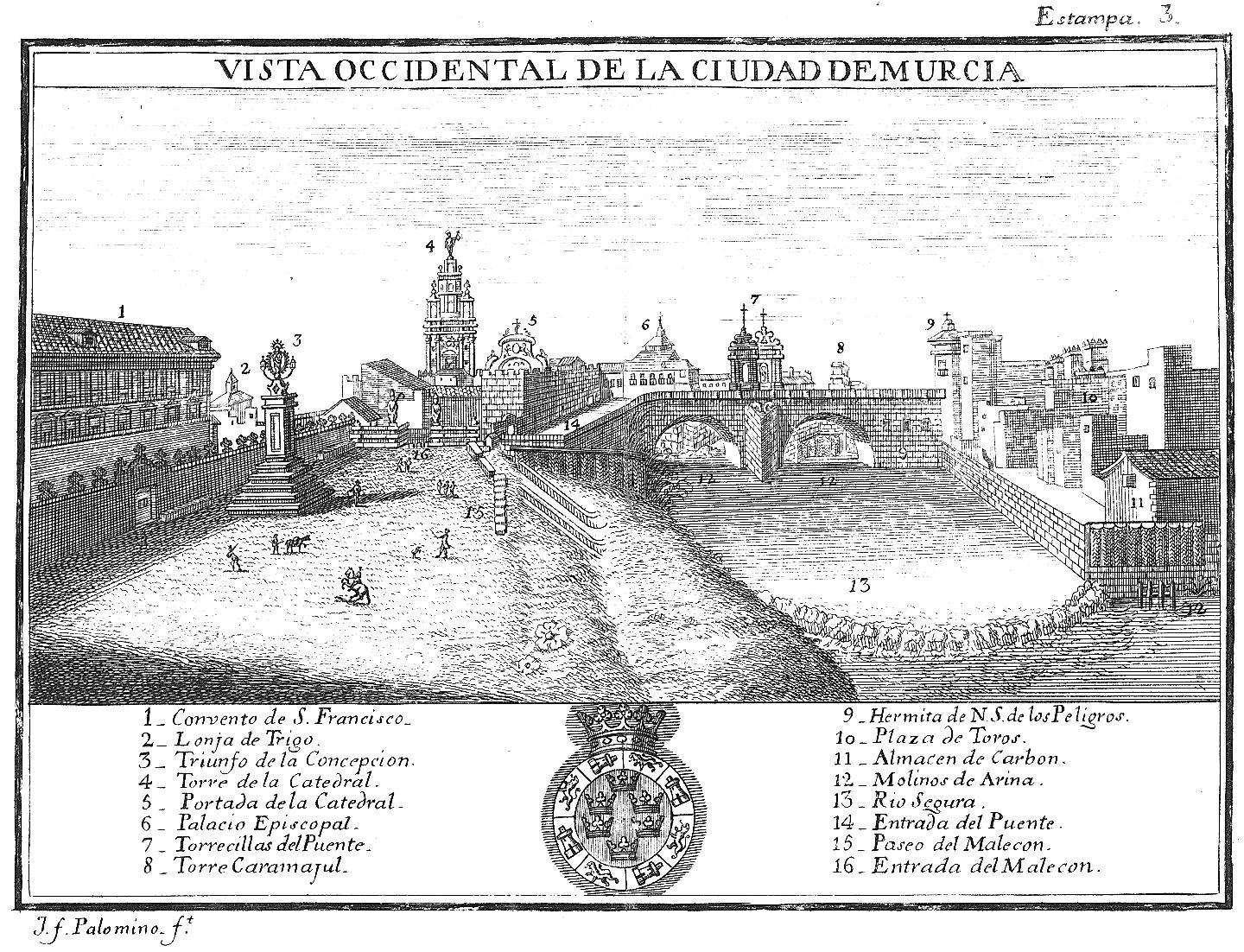
Western view of the city of Murcia (late 18th-century)

The 18th century was a period of reconstruction and growth for Murcia. The War of Spanish Succession and subsequent political stability under the Bourbon dynasty brought economic revival. Murcia expanded its agricultural output and developed new industries, including the production of silk, esparto grass products, and wine.

In the 19th century, Murcia, like much of Spain, experienced political upheaval and social change. The Peninsular War against Napoleonic France, followed by the Carlist Wars, brought periods of instability. However, the region also saw modernization efforts, including the construction of railways and improvements in infrastructure.

20th Century to Present

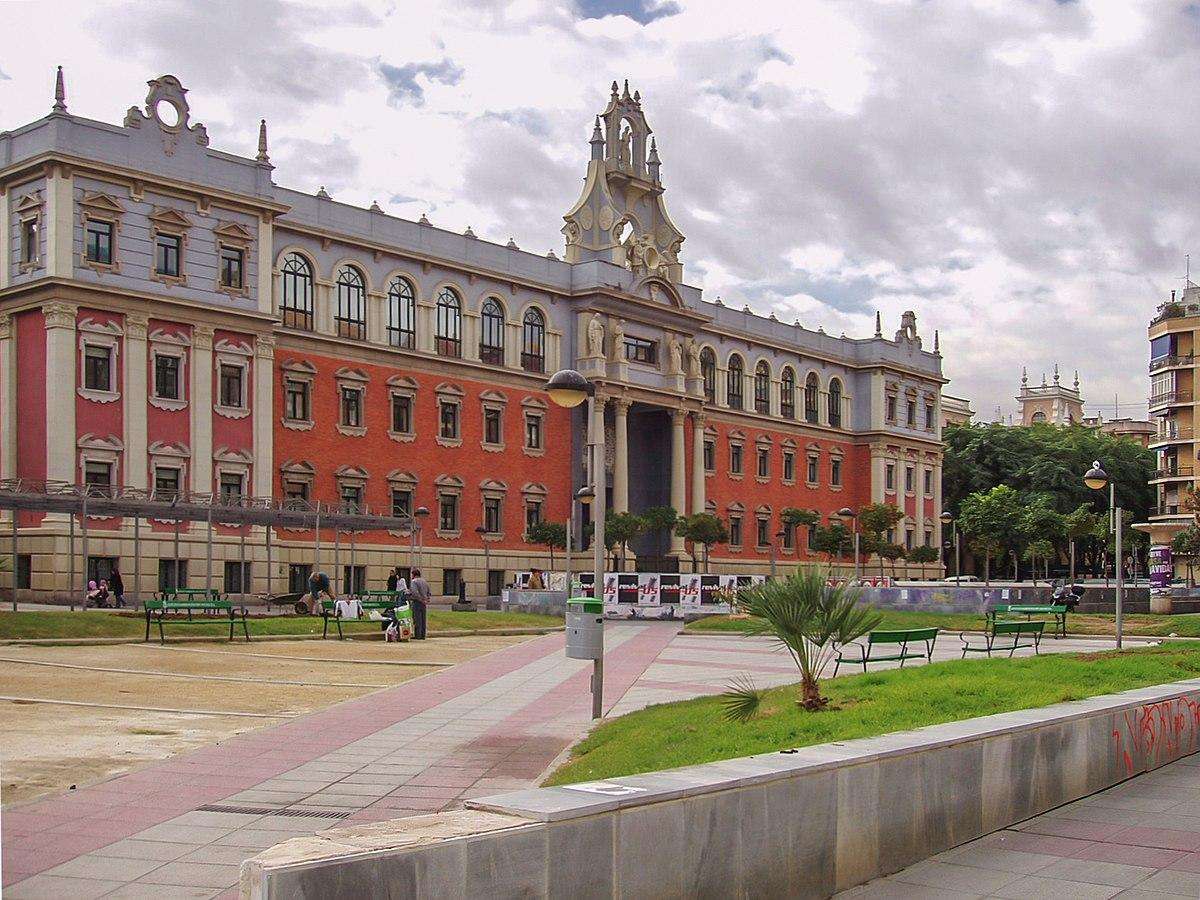
Murcia University

The 20th century was marked by significant transformation for Murcia. The Spanish Civil War (1936-1939) left deep scars, but the post-war period eventually led to modernization and economic development. The region’s agricultural sector remained crucial, but there was also growth in industry and tourism.

In recent decades, Murcia has become a dynamic and vibrant part of Spain. The region is known for its rich cultural heritage, beautiful landscapes, and thriving agricultural sector. The University of Murcia, founded in 1915, and numerous cultural institutions contribute to its status as a center of learning and culture.

Geography

Murcia is situated near the heart of a low-lying, fertile plain known as the huerta, or orchard, of Murcia. The Segura River and its right-hand tributary, the Guadalentín, traverse this area. The city stands 43 meters (141 feet) above sea level, and its municipality confines approximately 882 square kilometers (341 square miles).

The orchard is the most renowned and dominant feature of the municipal landscape. Beyond the orchard and urban areas, the municipality comprises various landscapes: arid badlands, groves of Carrasco pine trees in the pre-coastal mountain ranges, and a semi-steppe region to the south. Additionally, a large natural park, the Parque Regional de Carrascoy y el Valle, is located just south of the city.

River Segura

The Segura River traverses an alluvial plain known as the Vega Media del Segura, which is part of a Mediterranean pluvial system. Flowing from west to east, the river cuts through the heart of the city. Although its volumetric flow is typically modest, the Segura is notorious for occasional flooding. Notable instances of severe inundation in the city occurred in 1946, 1948, 1973, and 1989.

Mountains

The Segura River Valley is flanked by two mountain ranges: the hills of Guadalupe, Espinardo, Cabezo de Torres, Esparragal, and Monteagudo to the north, and the Cordillera Sur to the south. The municipality is bisected into southern and northern zones by these mountain ranges. The Cordillera Sur, comprising Carrascoy, El Puerto, Villares, Columbares, Altaona, and Escalona, separates these zones. The southern zone is known as the Field of Murcia, while the northern zone, encompassing the Segura Valley, is referred to as the Orchard of Murcia. Near the center of the plain, the steep hill of Monteagudo rises dramatically.

Genealogy

Many Murcians left the region during the 1800s and 1900s due to the destruction left by the wars that occurred there. As a result, Murcian heritage can now be found across various countries in North, Central, and South America.

Notably, the influence of Murcian heritage is present in the southern United States, Mexico, Central American countries, South American countries, and the eastern Caribbean. These areas were among the most successful for Spaniards seeking new lives in the New World.

Consequently, many Murcians emigrated to these regions and established new families, whose descendants continue to reside there today.

Immigration and Migration

After the Napoleonic Wars in the 1800s, Murcia suffered significant devastation. The French caused extensive damage and destruction, leaving the region poor.

Many men left Murcia to seek better opportunities in more affluent parts of Spain. When this was not feasible, they ventured to the New World in the western hemisphere in search of a better life. Common destinations included the southern United States, Central America, South America, and the eastern Caribbean islands.

A second wave of emigration occurred after the Spanish Civil War. Although the coastal town of Cartagena remained largely untouched, the rest of Murcia suffered greatly. Thriving industries were destroyed, leaving many without jobs and prompting another exodus. Murcians sought opportunities in neighboring Spanish territories and areas in the western hemisphere to rebuild their lives.

Religion

Roman Catholicism is the predominant religion in the region of Murcia, largely due to the strong Roman influence throughout its history and the impact of the Christian Reconquest.

Islam was practiced for centuries during the Muslim invasion. Without the Christian Reconquest, Islam might still be a primary religion in the region today. However, the Reconquest successfully expelled the Muslims and re-established Christianity as the dominant faith.

Summary

Murcia’s history is a testament to its resilience and adaptability through the ages. From ancient civilizations to modern times, the region has continuously evolved, shaped by diverse influences and historical events. Today, Murcia stands as a vibrant reminder of Spain’s complex and rich history, offering a unique blend of cultural and historical experiences.

Enjoy Your Private Paradise in Villa Murcia!

Piscina com água

O conteúdo gerado por IA pode estar incorreto.

Looking for the perfect place to stay in Murcia? We’ve got just the spot for you!

Villa Murcia – Your Private Paradise

Wake up to coffee on a sun-drenched terrace, unwind in a warm jacuzzi after a day of exploring, and end your evenings with dinners in the summer kitchen. Nestled in charming Santiago de la Ribera, Villa Murcia offers more than just a holiday—it’s your personal oasis of comfort, style, and unforgettable moments.

Highlights:
✔ Spacious living room with a large sofa and open kitchen – perfect for shared memories
✔ Three elegant, air-conditioned bedrooms with private terraces – your peaceful retreat
✔ Extra fold-out sofa in the living room – ideal for additional guests

Whether it’s a romantic escape, a family getaway, or a relaxing break with friends – Villa Murcia is your dream stay.

Book now and experience the magic of the Spanish sun!

Read More
image showing the entrance to Siyasa Museum in Spain

Exploring the Ancient World: A Visit to the Siyasa Museum

Situated in one of the most sought-after regions of Spain, Siyasa Museum offers a captivating glimpse into the area’s rich cultural and archaeological heritage. This museum stands as a testament to the town’s significant historical legacy, featuring detailed models of ancient Arab constructions, meticulously preserved artifacts, and exhibits that narrate past stories.

The museum is renowned for its extensive collection that spans various epochs, with a particular emphasis on the Islamic period when Cieza thrived as a bustling urban center. Visitors to the Siyasa Museum are transported back in time, exploring the intricate details of ancient architecture and the daily lives of its inhabitants. This treasure trove of history is a must-visit for anyone intrigued by Spain’s diverse culture and legacy.

Here, we will show you everything about one of the country’s most important monuments. Make sure to take a look at each item to better plan your trip to Murcia if you consider visiting this hidden piece of history.

Table of Contents

Where Is Siyasa Museum Located

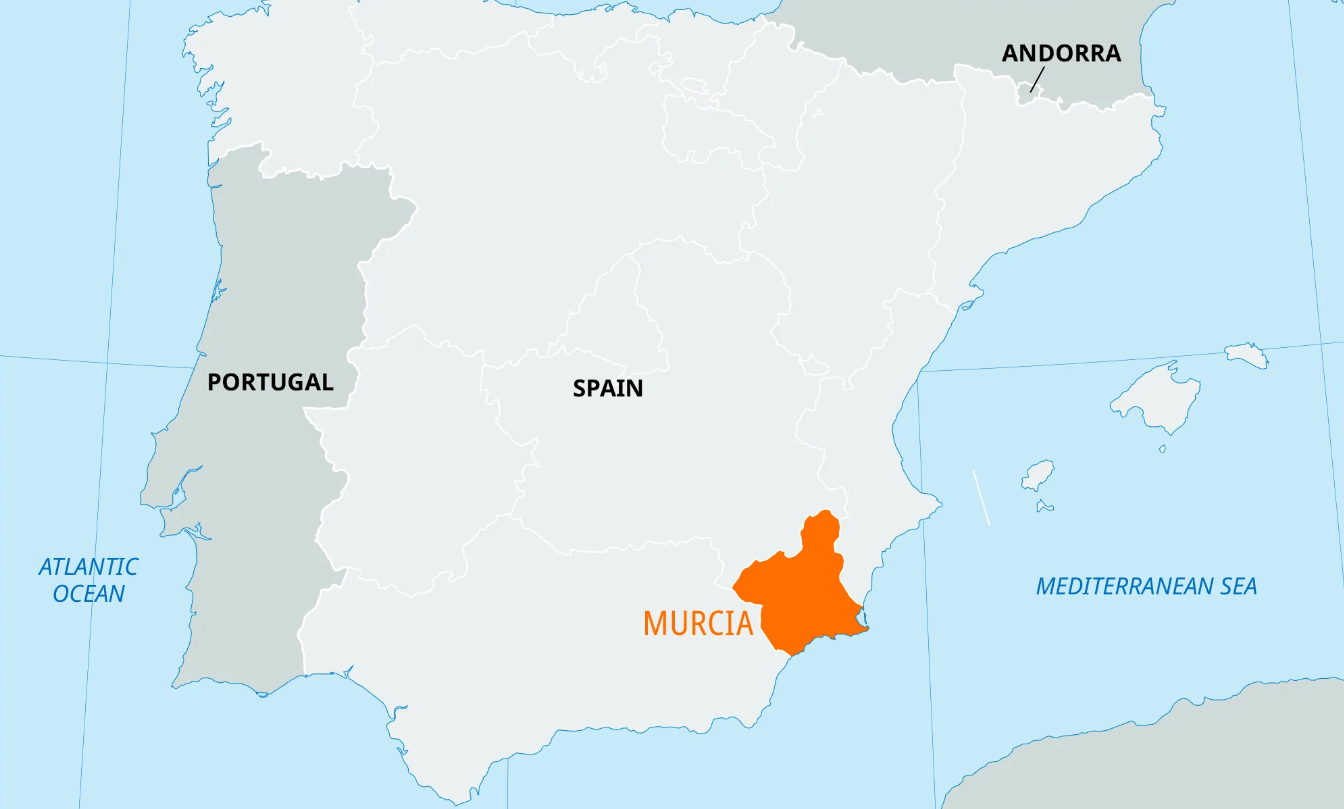
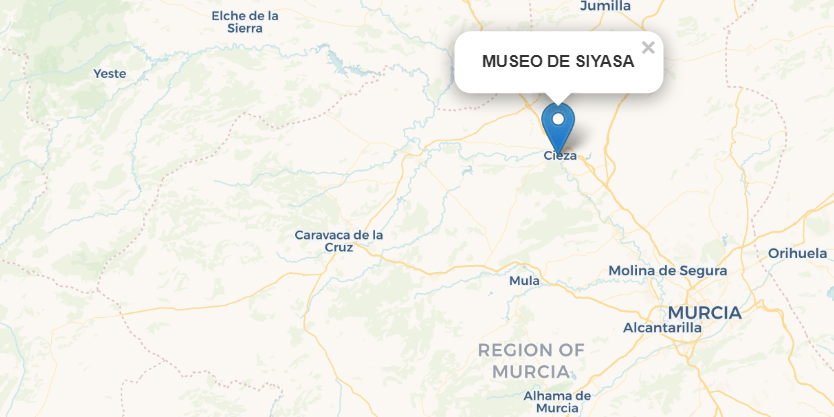
map showing the region of Murcia in Spain with the museum of Siyasa highlighted

The museum, also known as Museo de Siyasa, is located in Murcia, specifically in the region of Cieza, one of the most sought-after destinations in Spain. The area has one of the richest cultures in Europe, with vestiges and important archeological sites dating back to prehistory.

Each town has its role in keeping these historical discoveries alive, preserving the culture and knowledge from all eras. From houses with the original architecture from centuries ago to artifacts being exhibited around the place, this is the perfect place for history enthusiasts and people who want to know more about the world from the past.

Cieza is also far beyond just a museum exhibition. The area is full of incredible places to visit, including parks, restaurants, entertainment attractions, and many other activities waiting for you. Every place is close to each other, so don’t worry about renting a car or anything like that to move around.

Museo de Siyasa Opening Hours

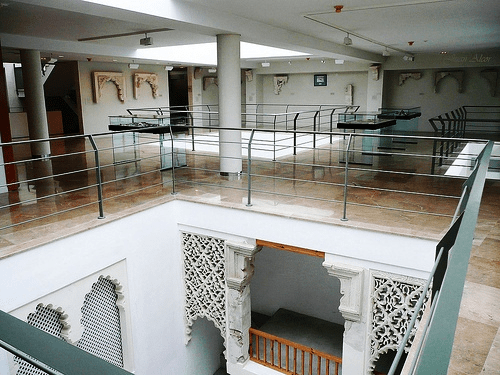
image showing the interiors of one section of the museum

If you plan on going to the museum, it is essential to know that it has a different timetable depending on the month and day you visit. It separates the year into two different periods at different times.

Winter:

  • From August 23 to June 14
  • Tuesday to Saturday: 11 a.m. to 1:30 p.m. and 5:30 p.m. to 9 p.m.
  • Sundays and public holidays: 10:30 a.m. to 2 p.m.
  • Mondays closed.

Sunday:

  • From June 15 to August 22.
  • Tuesday to Saturday: 9 a.m. to 2 p.m.
  • Mondays, Sundays, and holidays closed.

If you have any questions or doubts about the period you want to visit the museum, you can also check their website and see all the details regarding Museo de Cieza. They have all the necessary information available in Spanish and English for easy understanding.

Prices and Tour Model

image of the third floor of the museum showing multiple artifacts from prehistory

It is crucial to know that visiting Museo de Cieza is not free, and there are different price models for the tour. The value is meager, making it one of the cheapest attractions in Murcia.

Every option gives you access to the same experience, and there’s no level difference between them. Here is the price structure and how much it costs:

  • Standard Ticket: 2.10 euros
  • Reduced Ticket 1.10 euros
  • Special Reduced 0.60 euros

It is vital to note that the special reduction applies to individual cases. If you want to know who can apply to this tier, make sure to call the museum (+34 968 77 31 53) for detailed information so you avoid any surprises or problems during your trip.

Notice that every person will gain access to the same rooms and guided features, regardless of which ticket they purchase. You don’t have to worry about having a reduced experience or a different tour, and you will enjoy everything this amazing piece of the past has to offer in terms of history, culture, and entertainment.

The History Behind Museo de Siyasa

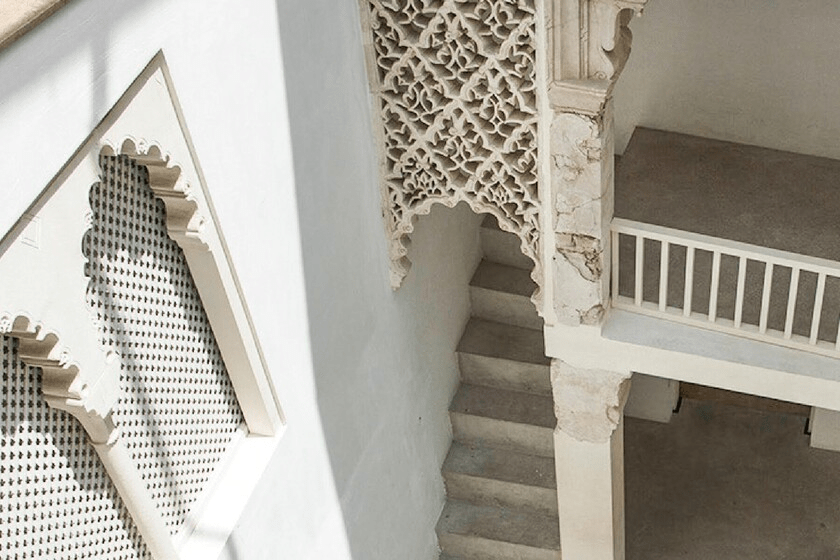
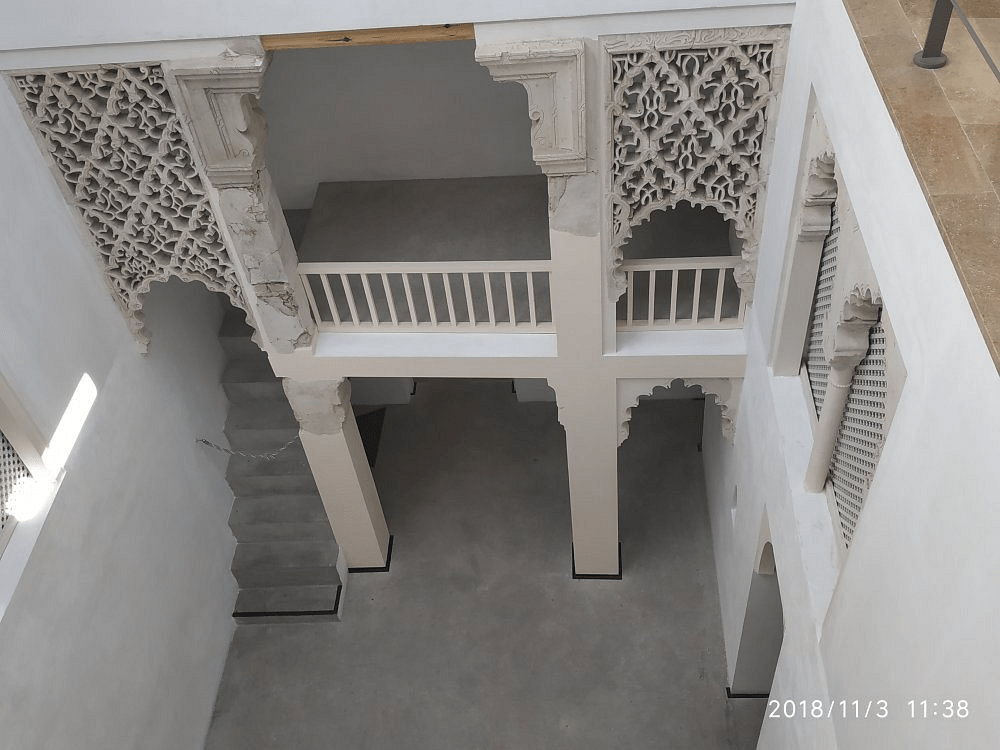
picture taken from the third floor of the museum showing the stairs

As we mentioned, the archives and artifacts of this particular museum focus on the Middle Ages during the Islamic period in Europe, when this region was known as Medina Siyâsa, a city symbol of strength and wealth in the region.

This is reflected in almost all walls and rooms of the place, whether through the architecture, the items exhibited, the machinery that users can interact with, or anything else. But don’t think that’s the only thing you’ll see at this fantastic archive.

Museo de Siyasa features models and relics from numerous periods. Even prehistoric assets can be found on the site. The best way to learn more about the arches and other items you’ll see around the place is to ask for a professional guide to show you the place and tell the main curiosities about each item, model, and relic from the past you see along the way. It’s the perfect way to teleport you back and make you feel like you were in the old Cieza.

Don’t worry if your Spanish is not the best. All the museum guides and employees speak both Spanish and English. The entire tour is also available in English so you can enjoy the best experience possible when unveiling these awesome relics from the past.

What You’ll Find in Each Level of the Museum

Museo de Siyasa is divided into four levels that separate the exhibits and the period they represent. Here, we will show you each of them and what to expect from the relics and assets displayed there.

Make sure to look at each of the levels to plan your visit to the place better and to help you find yourself inside the building. Here’s what each level of Museo de Siyasa holds:

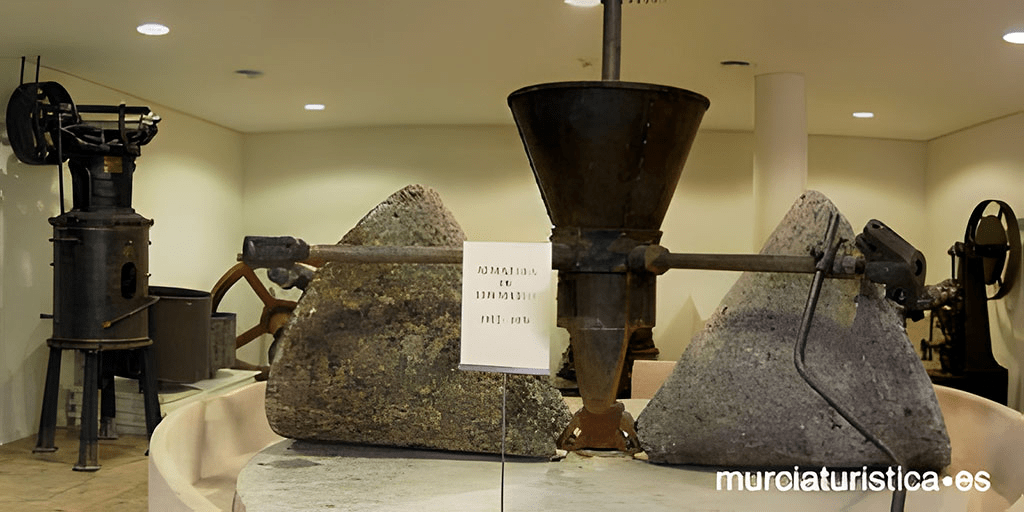
  • Level 0

This is the museum’s first level, where you’ll find the heavy machinery and other artifacts from the Mateos oil mill. From the 18th century, you’ll also find shields, weapons, and war artifacts used in actual conflicts inside and outside the country.

image of the machinery available on the underground of the museum
  • Level 1

Moving on to the next level, you’ll find official reproductions of houses number 6 and 10 from the old city of Medina Siyâsa. These official replicas are carefully preserved and projected to provide the most immersive experience possible and make you feel like you were living in Cieza during that time. Be careful with what you touch through this section, as many items are not intractable according to the rules of the place. Make sure to ask the guide before taking any action.

image showing a sculpture of a replica of the city built on a stone
  • Level 2

Level 2 has some variety in its archives, and you can find all sorts of assets throughout the floor, but mainly paleontology items dating back to prehistoric times. You’ll also find exciting items from the Iberian culture and Romanization of the territory. Lastly, the floor also has a section dedicated to items from the Middle Ages and medieval items. These items include swords, vests, and other sorts of assets that were preserved from this period.

image showing the items being exhibited at the museum
  • Level 3

The last level holds all the items taken directly from the original region of Medina Siyâsa. There, you’ll find the city’s remains, including columns, materials used to build the houses, rocks, and many other items that will please any history enthusiasts.

It was one of my favorite spots when visiting the museum, and I highly recommend it. It’s the perfect place to learn more about Murcia and its rich culture.

Cieza Beyond the Museum

image of one of the churches available near the museum

If you plan to visit this peculiar part of Murcia, remember that its historical heritage and culture go far beyond just the museum itself. Many buildings and tourist attractions were built centuries ago and tell details about these people’s history and help us understand how things were in the past.

One example is Ermita de San Bartolomé, an old church that is visited by tourists all over the world throughout the year, whether because of its amazing looks or because of its meaning to the entire region. You can also visit other historical buildings, like the old Casino, and many others.

The good news is that everything is pretty close and you can see all the main attractions in one day. However, it is important to note that the region of Cieza is considerably far from the main airports, and you might need a car ride service, like Uber, to arrive in the city. If you’re visiting Spain on your next vacation, this is undoubtedly the perfect place to go.

Enjoy Your Private Paradise in Villa Murcia!

Piscina com água

O conteúdo gerado por IA pode estar incorreto.

Looking for the perfect place to stay in Murcia? We’ve got just the spot for you!

Villa Murcia – Your Private Paradise

Wake up to coffee on a sun-drenched terrace, unwind in a warm jacuzzi after a day of exploring, and end your evenings with dinners in the summer kitchen. Nestled in charming Santiago de la Ribera, Villa Murcia offers more than just a holiday—it’s your personal oasis of comfort, style, and unforgettable moments.

Highlights:
✔ Spacious living room with a large sofa and open kitchen – perfect for shared memories
✔ Three elegant, air-conditioned bedrooms with private terraces – your peaceful retreat
✔ Extra fold-out sofa in the living room – ideal for additional guests

Whether it’s a romantic escape, a family getaway, or a relaxing break with friends – Villa Murcia is your dream stay.

Book now and experience the magic of the Spanish sun!

Time to Plan Your Visit to the Siyasa Museum

picture from inside the museum showing glass pannels for displaying items

Murcia is one of the most diverse cities in Spain, especially when it comes to tourism. Hundreds of attractions of all kinds are waiting to be discovered, whether you want to spend the day with your family at the beach, have dinner in a fancy restaurant, or visit the dozens of museums around the area.

Museo de Siyasa is one of the most famous and also a personal recommendation. The place is filled with relics and curiosities that will give you a great time and teach you many new things. During my time in Spain, this was one of my favorite attractions and surely a place I want to visit again.

Now that you know everything about this vestige from Islamic Spain, it is time to start preparing for this magical journey. Respect the rules and recommendations of the place, and you’ll have an unforgettable experience.

Read More
Salzillo Museum by Murcia

Salzillo Museum – A Spiritual Centre of Murcia

In the heart of Murcia, Spain, the Salzillo Museum (Museo Salzillo) celebrates the amazing work of Francisco Salzillo, an 18th-century sculptor known for his detailed and beautiful religious sculptures. This museum is filled with his intricate creations, offering a special look into Spanish religious art.

Visitors to the museum can explore a world where art and history come together, showcasing the significant impact Salzillo’s work has had on Spain’s artistic heritage. Whether you love art, are interested in history, or are just a curious traveler, the Salzillo Museum offers a fascinating and enriching experience, highlighting the lasting legacy of a master artist.

Table of Contents

Localization

Museo Salzillo on Google Maps
Plaza San Agustín, 3
30005 Murcia (Region of Murcia)

About the Museum

This facility dedicated to Murcian sculptor Francisco Salzillo – a famous sculptor born in 1707 – has several exhibition rooms that display the magnificent sculptures made by the author for the Holy Week processions, which are owned by the Confraternity of Nuestro Padre Jesús Nazareno. The exhibition also includes a nativity scene by Salzillo: a work made with extraordinary delicacy, comprising more than 500 elements and evoking the rural region of Murcia at the time.

Francisco Salzillo’s sculptures became very popular in Murcia due to the romantic and legendary aura around his religious work, which resonated deeply with the faithful people. After his death, the idea of creating a museum arose in the 19th century, inspired by the devotion shown at the Church of Jesus where his Easter floats were kept by the Confraternity of Our Father Jesus, which has been carrying them in processions since 1601.

Isidoro de la Cierva was the first to push for the creation of the museum, working with the Confraternity and commissioning the first design for a building, which was never built.

If that original plan had been realized, the museum would have been three times larger than it is now. However, in the 1970s, the Salzillo Museum expanded by adding the Renaissance façade of Riquelme Palace from Jabonerías Street.

The current building has been transformed with the restoration of the floats in the 1990s and the remodeling of the Church of Jesus to resemble a theater, allowing visitors to view the grandeur of the floats from the balconies.

Francisco Salzillo
Painting of Francisco Salzillo

Unlike the great sculptors of the 17th century, such as Juan Martínez Montañés or Gregorio Fernández, Francisco Salzillo did not focus heavily on the dramatic elements in his scenes. Instead, he explored naturalistic ideas of idealized beauty, marking a shift from the Baroque style to Rococo and Neoclassicism.

Salzillo started what is known as the Murcian School of Sculpture, which has continued to influence art up to the present day. His early followers, as well as those who came later, have kept Salzillo’s artistic styles and themes alive.

Most Important Works

  • La Cena (The Last Supper): Created in 1763, it features thirteen figures (Jesus and the 12 Apostles) seated around a table.
  • La Oración del Huerto (The Agony in the Garden): Created in 1754, this piece depicts an angel presenting the chalice to Jesus on one side, and the three sleeping apostles under a palm on the other.
  • El Prendimiento or El Beso de Judas (The Arrest or The Kiss of Judas): Created in 1754, it highlights the contrast between the faces of Jesus and Judas, comparing the beauty and kindness of Jesus with the ugliness and evil of Judas.
  • Jesús en la Columna or Los Azotes (Jesus at the Column or The Flagellation): Sculpted in 1777, this piece portrays Jesus’ serene and resigned expression as he endures the lashes.
  • Santa Mujer Verónica (The Holy Woman Veronica): Created in 1755, it shows Saint Veronica with a sorrowful expression, holding the cloth imprinted with Jesus’ face.
  • La Caída (The Fall): Created in 1752.
  • San Juan (Saint John): Created in 1756.
  • La Dolorosa (The Virgin of Sorrows): Created in 1756.
  • El Belén (The Nativity Scene): Created between 1780 and 1800, it was initiated by Salzillo and expanded by his disciple Roque López. This set includes 556 mud figures, each approximately 30 cm tall.

Outskirts of the Museum

Outside the Salzillo Museum

Opened in 1960 and extensively renovated in 2002 by architect Yago Bonet Correa, the Salzillo Museum blends different styles. The Baroque art is still present, watched over by the Church of Jesus, the home of the Brotherhood of Jesus, which was declared a historical monument in 1935. Contemporary art, added in 2002, exists alongside it, creating a harmonious mix.

Outside, the museum features a magnificent portal from the ancient Renaissance Palace of Riquelme, which was previously located near Plaza de San Bartolomé but no longer exists. The same family commissioned Salzillo to create the nativity scene in 1776, a project that occupied him until his death in 1783.

The carving that names the Brotherhood, “Nuestro Padre Jesús” (Our Father Jesus), is an anonymous work from the 16th or 17th century and the only one not made by Salzillo. The museum also highlights 556 figures forming the famous “Belén” (Nativity scene), ordered by the Marquis of Riquelme, and includes an interesting collection of original clay sketches.

Inside the Museum

Inside the Salzillo Museum, visitors are greeted with an impressive collection of Francisco Salzillo’s most celebrated works. The centerpiece of the museum is undoubtedly the stunning set of Easter floats, which depict scenes from the Passion of Christ.

Other intricate sculptures include “La Caída” (1752), “La Verónica” (1754), “San Juan” and “La Dolorosa” (1752-1777), “La Santa Cena del Señor” (1763), “La Oración en el Huerto” (1752), “El Prendimiento” (1765), and “Cristo amarrado a la columna” or “Los Azotes” (1776-1777). Each float is a masterpiece of Baroque art, showcasing Salzillo’s exceptional ability to convey deep emotion and drama through detailed expressions and lifelike poses.

Part of the Nativity scene

Another highlight of the museum is the famous Nativity scene, or “Belén,” which consists of 556 figures. This elaborate display was commissioned by the Marquis of Riquelme in 1776 and remained a focus of Salzillo’s work until his death in 1783. The Nativity scene is a remarkable testament to his skill in creating detailed and expressive figures, each one bringing a unique character and story to the overall tableau. Visitors can admire the craftsmanship and attention to detail in each figure, from the Holy Family to the various animals and townspeople.

The museum also houses a collection of original clay sketches by Salzillo, providing a fascinating insight into his creative process. These sketches reveal the meticulous planning and artistry that went into each sculpture, offering a behind-the-scenes look at how these masterpieces were brought to life. Additionally, the museum includes various other religious sculptures and artifacts that highlight the extent of Salzillo’s work and his significant influence on Spanish religious art.

Inside the Church of Jesus
Source: allyouneed

A unique feature of the museum is the restored Church of Jesus, which has been transformed to resemble a theater. This allows visitors to view the grandeur of the Easter floats from the balconies, providing a perspective that enhances the appreciation of their size and detail. The combination of Baroque and contemporary elements in the museum’s architecture creates a harmonious blend of old and new, enhancing the overall visitor experience.

Enjoy Your Private Paradise in Villa Murcia!

Piscina com água

O conteúdo gerado por IA pode estar incorreto.

Looking for the perfect place to stay in Murcia? We’ve got just the spot for you!

Villa Murcia – Your Private Paradise

Wake up to coffee on a sun-drenched terrace, unwind in a warm jacuzzi after a day of exploring, and end your evenings with dinners in the summer kitchen. Nestled in charming Santiago de la Ribera, Villa Murcia offers more than just a holiday—it’s your personal oasis of comfort, style, and unforgettable moments.

Highlights:
✔ Spacious living room with a large sofa and open kitchen – perfect for shared memories
✔ Three elegant, air-conditioned bedrooms with private terraces – your peaceful retreat
✔ Extra fold-out sofa in the living room – ideal for additional guests

Whether it’s a romantic escape, a family getaway, or a relaxing break with friends – Villa Murcia is your dream stay.

Book now and experience the magic of the Spanish sun!

Summary

Salzillo Museum offers a rich and immersive journey into the world of Francisco Salzillo. With its extensive collection of his sculptures, the detailed Nativity scene, original sketches, and the beautifully restored Church of Jesus, the museum provides a comprehensive look at the legacy of one of Spain’s most important Baroque artists. Visitors leave with a deeper understanding and appreciation of Salzillo’s work and his lasting impact on the art world.

Read More
Castle of Galeras | Discover this Emblematic Fortress in Cartagena

Castle of Galeras | Discover this Emblematic Fortress in Cartagena

Spain boasts magnificent medieval cities, old settlements, and majestic castles, which take us back to the first years of the last millennium. Many of these structures were the perfect scenario for chivalric novels, such as the classic “Don Quijote de la Mancha,” where brave cavaliers defended the fortress, the town, and the kingdom from external and hostile forces.

One of the most recent structures used to defend the antique city is the Fuerte de Galeras or Castle of Galeras. This three-century arsenal house played an important role in both the Peninsular War and the Cantonal Revolution.

Let’s have fun and immerse ourselves in the crucial aspects of this eclectic building, which, until today, watches the coastline of Cartagena, Spain.

Table of Contents:

What Is the Castle of Galeras?

The Castle of Galeras facade

The castle of Galeras, El Castillo de Galeras or Fuerte de Caleras (Galeras Fort), is a fortification of essential military importance located in the surroundings of the city of Cartagena, Spain. The Galeras Fort is a relatively new structure with no more than three hundred years of history, which is weird in an ecosystem full of ancient castles.

The Castle of Galeras stands atop a hill overlooking the bay of Cartagena, offering sweeping views of the Mediterranean Sea and the surrounding landscapes. Situated at an elevation of 219 meters, its primary role was to guard the Military Arsenal of Cartagena. Originally, the fort was intended to be part of the city’s defensive walls.

Castle of Galeras Location

Castle of Galeras location

The Castillo of Galeras is located on a mountain between the Atalaya Fort to the north and the Fajardo Battery to the south, one kilometer away from the center of Cartagena, Murcia. It has a well-thought-out location to defend the city from marine attacks and enemies at a distance. Besides, you can admire the castle practically from every point of the city and even more from the opposite side of the bay.

How to Get to the Castle of Galeras

The Galeras Fort is easily accessible, located just a few hundred meters from the center of Cartagena. While it’s possible to reach the structure on foot with a one-kilometer walk, driving from the city center is a more convenient option.

Unfortunately, the fort is currently closed to visitors due to its condition. However, there is hope that, in the near future, restoration efforts will make the fortress accessible once again, allowing visitors to explore its history and learn more about the heritage of the city and the region.

Castle of Galeras Architecture

An overview of the Galeras Fortress

The Castle of Galeras, being a relatively recent construction from the 18th century, features an eclectic Neoclassical design, reflecting the international style of the time in both arts and architecture. Its design emphasizes robust, Roman-style columns as a key element of the structure. The building adheres to the principles of the French-influenced Spanish School, which was prominent during that era.

The castle has a rectangular plan with five bastions, each forming a star of five spikes. It also has a well and a drawbridge, which further ensures the integrity of the construction.

The fortress also has a big patio to separate the walls from the dependencies and halls. Besides, the wall of the south edge is reinforced to resist even more attacks by vessels from the sea.

The Castle of Galerar also has an impressive wall that, for over five kilometers, protects all the area of the arsenal housing, which gives the site the classification of a citadel.

Castle of Galeras History

An old photography of the Castle of Galeras

The Galeras Fort has been laid in the mountain since the 18th century, although plans to create the fortification in the mountain date back to the 16th century. It was designed and built by Croatian military engineer Mateo Wodopich between the mid-18th and 1777, who adopted the language of international palates and castles to build the fortress.

This quadrangular fort has participated in several battles and wars, including the Peninsular War between 1808 and 1814 and the Cantonal Revolution in 1873-74.

The Cantonals called it Vanguard Castle and also named it “Captain of all castles.” In 1873, a cannon shot from this castle proclaimed the Cantonal Movement for the revolution. The castle had cannons and other arsenals until 1895.

However, in the 20th century, the Galeras Castle gradually lost its military and positioning importance but still served as a military prison.

A Bastion to Watch the Cartagena Bay

An eye-bird perspective of the Castle of Galeras

The Castle of Galeras, or Fortress of Galeras, is undoubtedly a site of national and cultural interest that you should visit if you’re in the antique city of Cartagena or you’re experiencing the warm beaches of the Murcia coastline.

The stronghold is easily accessible. It is one kilometer from the center of Cartagena, at the top of a hill 219 meters above sea level.

Although the castle is no longer visitable, you can still admire it from a distance, check its relevance to the city’s area, and imagine how it contributed to defending Cartagena and its citizens from brutal enemies.

This castle is another reason to visit the area, the city, Murcia, and the south of Spain. It is a magical place surrounded by relaxing beaches, great cultural events, and castles everywhere.

Enjoy Your Private Paradise in Villa Murcia!

Piscina com água

O conteúdo gerado por IA pode estar incorreto.

Looking for the perfect place to stay in Murcia? We’ve got just the spot for you!

Villa Murcia – Your Private Paradise

Wake up to coffee on a sun-drenched terrace, unwind in a warm jacuzzi after a day of exploring, and end your evenings with dinners in the summer kitchen. Nestled in charming Santiago de la Ribera, Villa Murcia offers more than just a holiday—it’s your personal oasis of comfort, style, and unforgettable moments.

Highlights:
✔ Spacious living room with a large sofa and open kitchen – perfect for shared memories
✔ Three elegant, air-conditioned bedrooms with private terraces – your peaceful retreat
✔ Extra fold-out sofa in the living room – ideal for additional guests

Whether it’s a romantic escape, a family getaway, or a relaxing break with friends – Villa Murcia is your dream stay.

Book now and experience the magic of the Spanish sun!

Read More

Page 2 of 4

Powered by WordPress & Theme by Anders Norén