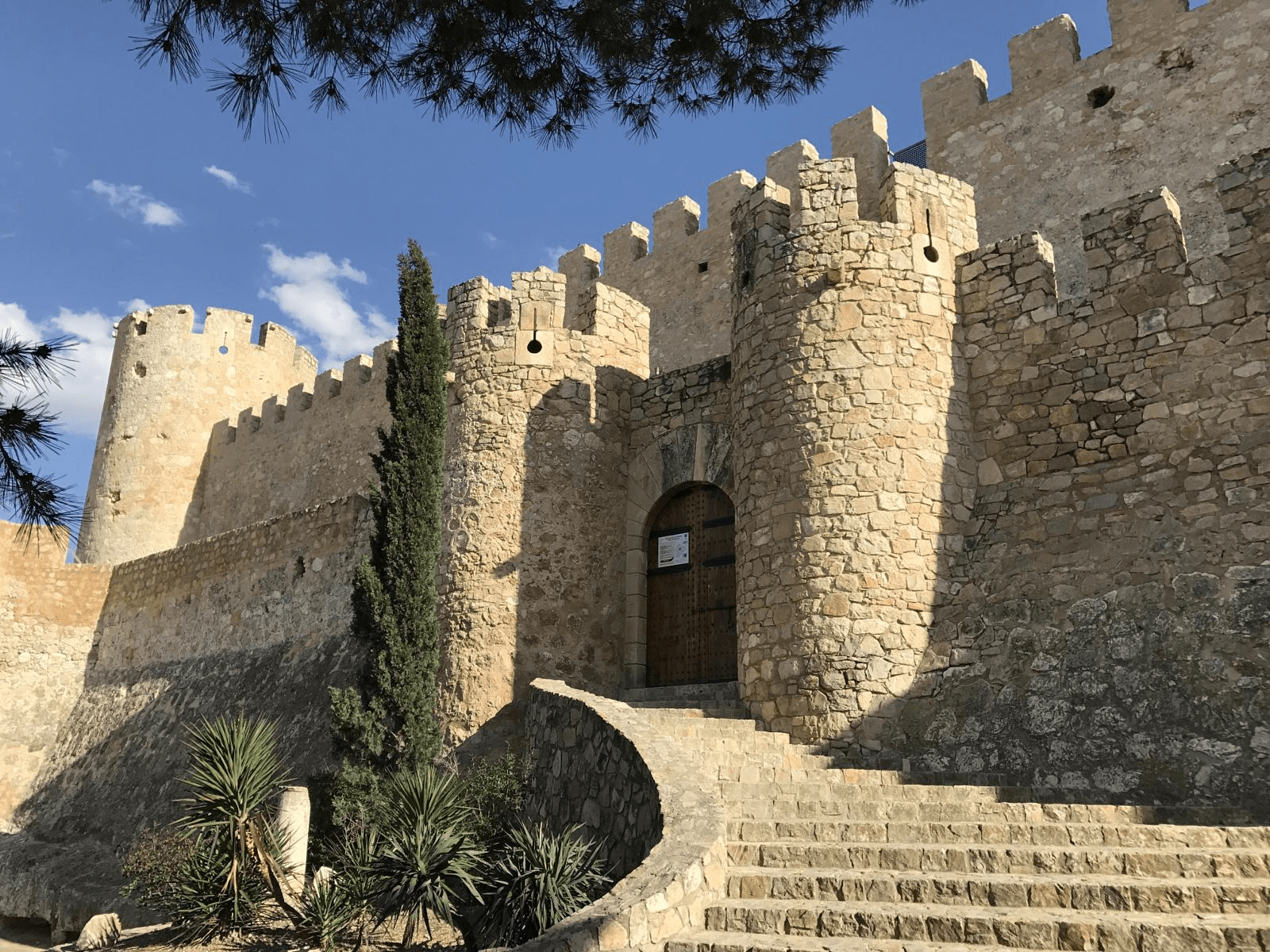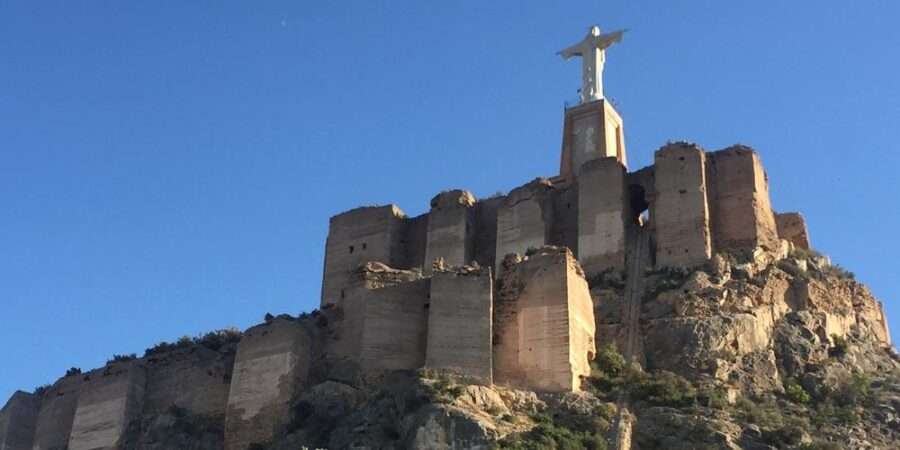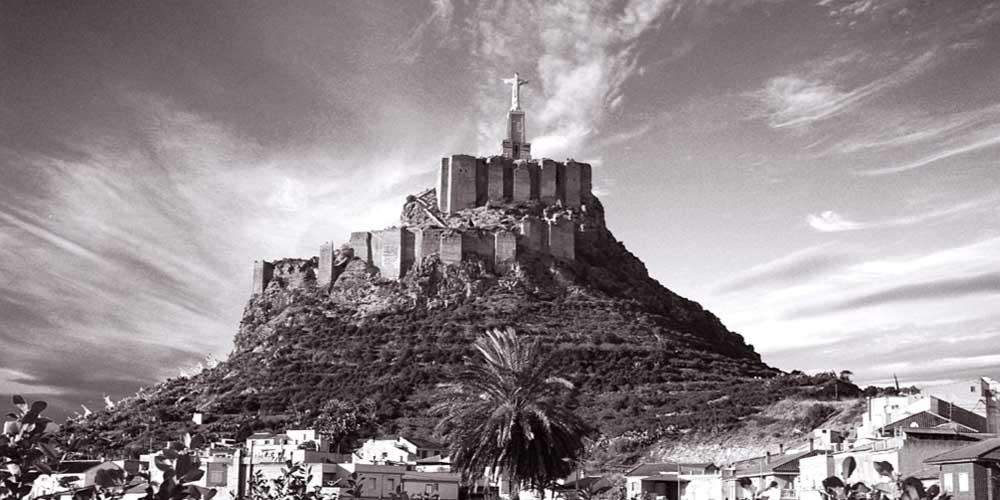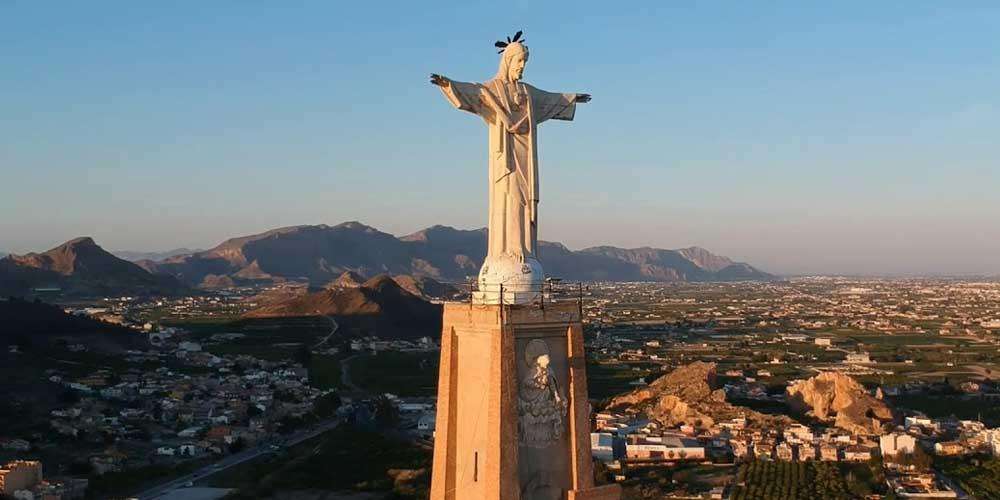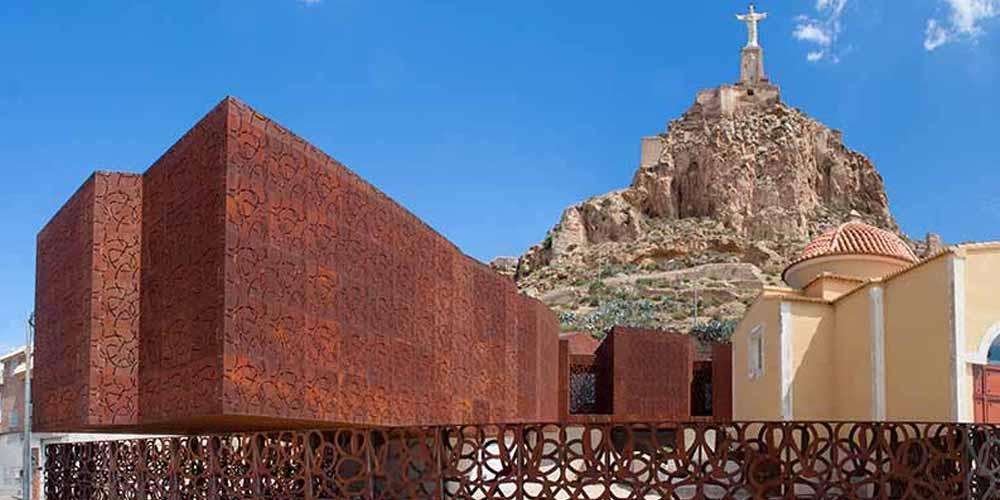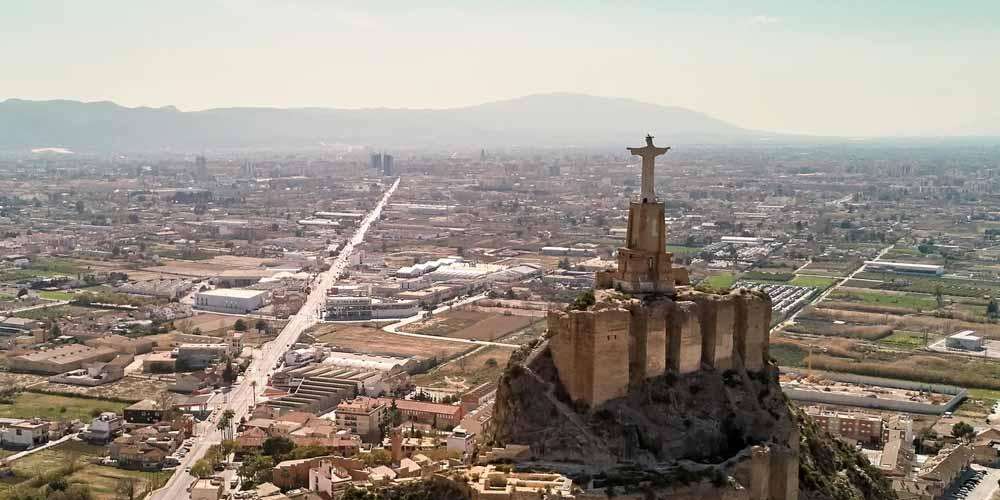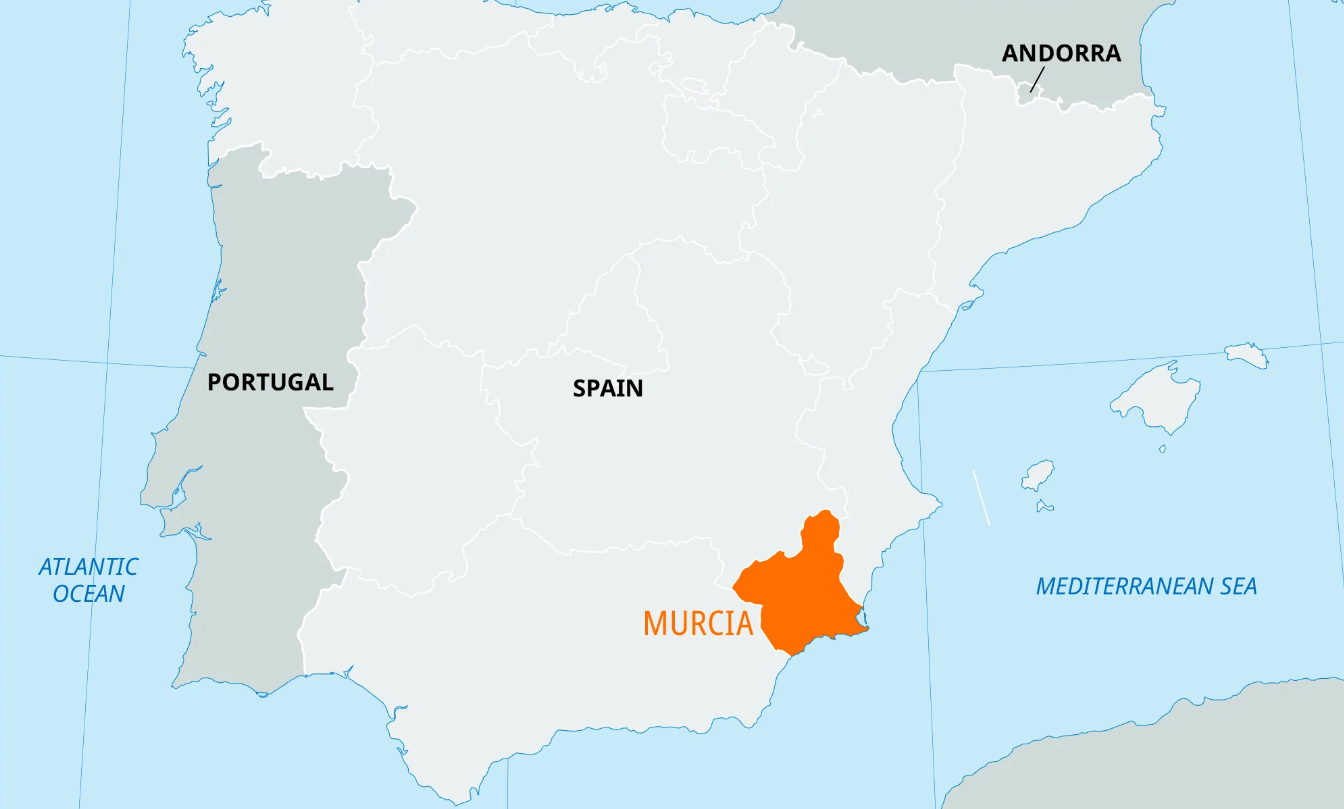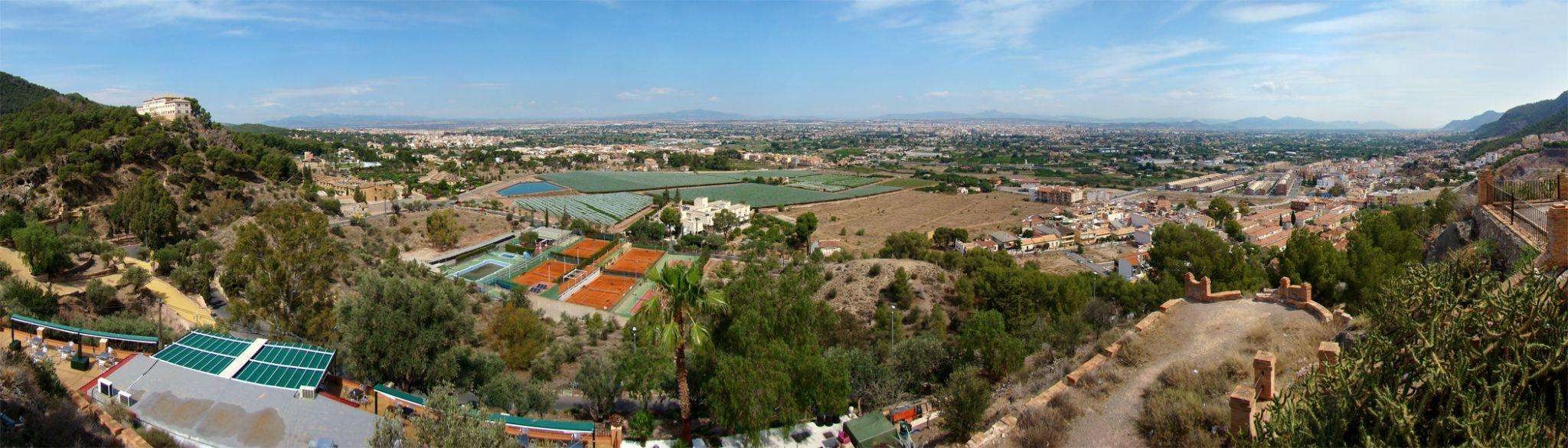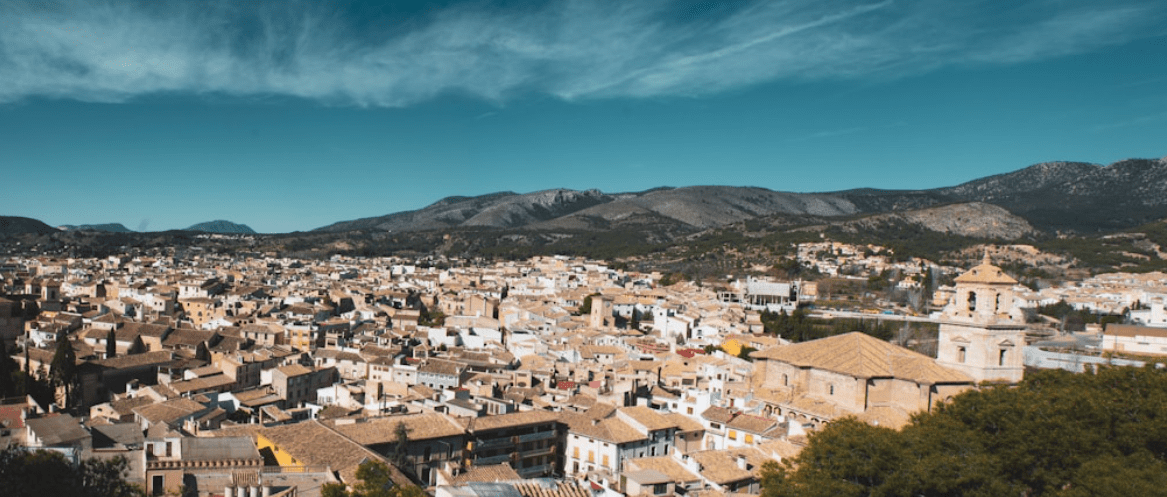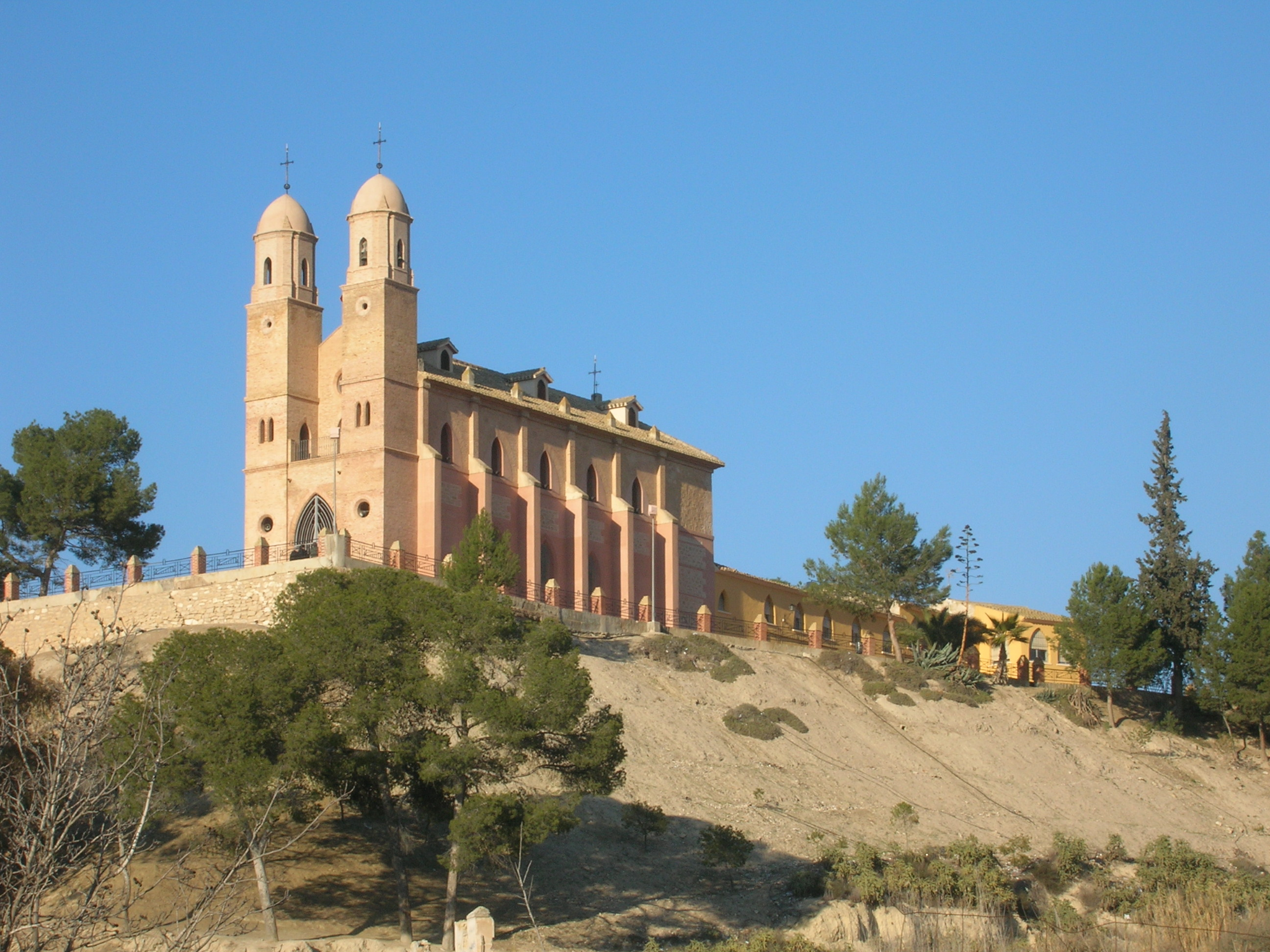



Caravaca de la Cruz is a mountainous municipality in the northwest of the autonomous community of Murcia, Spain. The city is very important to the region due to its Catholic cult, culture, famous festivals, medieval layout, and imposing walled enclosure. However, few people know that it is also home to extraordinary museums, including the Carrilero Museum.
This museum is a unique destination for art lovers, especially those fascinated by sculptures. It is dedicated to the life and work of the renowned sculptor José Carrilero for the permanent exhibition of 90 works of this author: sculptures, paintings, and medals. Today, we are going to learn a little more about this place.
Table of Contents
- Museo Carrilero: The Art of Jose Carrilero in Caravaca de la Cruz
- The Career and Style of Jose Carrilero
- Carrilero Museum
- How To Get To The Museo Carrilero
- Museo Carrilero In Caravaca De La Cruz
- Enjoy Your Private Paradise in Villa Murcia!
- A Museum For Art Lovers
The Career and Style of Jose Carrilero
It’s only fitting to start by understanding who José Carrilero was in order to appreciate why this man, so passionate about art, has a museum dedicated in his honor.
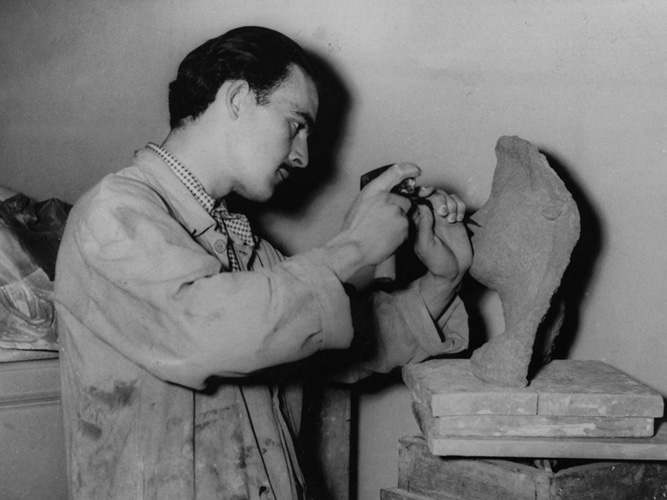
Jose was born in Caravaca de La Cruz in 1928, but his family moved to Murcia when he was three years old. Ten years later (at the age of 13), he began his artistic journey and started studying at the School of Arts and Crafts of Murcia, where he was influenced by masters such as Luis Garay and Clemente Cantos.
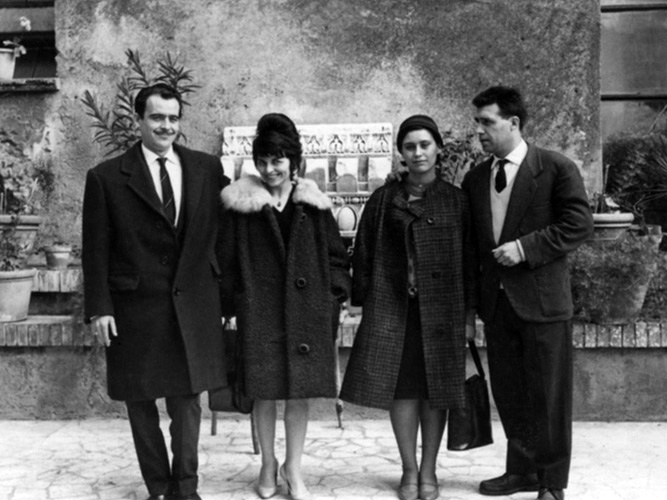
Jose Carrilero at the Spanish Academy of Fine Arts in Rome
In 1952, Carrilero moved to Madrid to study at the Real Academia de Bellas Artes de San Fernando, where he completed his training and later received a scholarship to study at the Spanish Academy in Rome. His stay in Rome was transformative, exposing him to new artistic influences. During this time, Carrilero formed the group “Los Seis Escultores”.
The group consisted of Jose Carrilero Gil, Joaquín García Donaire, César Montaña, Benjamín Mustieles, and Jesús Valverde. They never intended to create their school; instead, they were simply a union based on shared affinities and a passion for art. The group held its first exhibition in 1964 at the General Directorate of Fine Arts in Madrid and was part of the New Figuration movement.
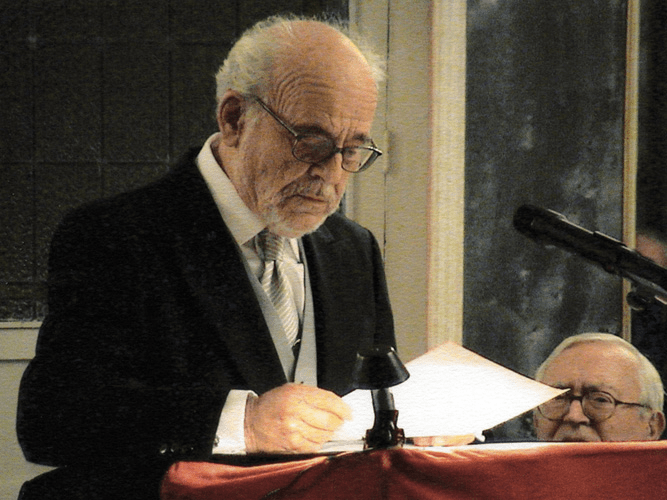
Carrilero’s style focuses on human figuration, often characterized by robust and expressive forms. He works with various materials, including bronze, and his works capture the essence and emotion of human figures in different postures and situations.
Carrilero Museum
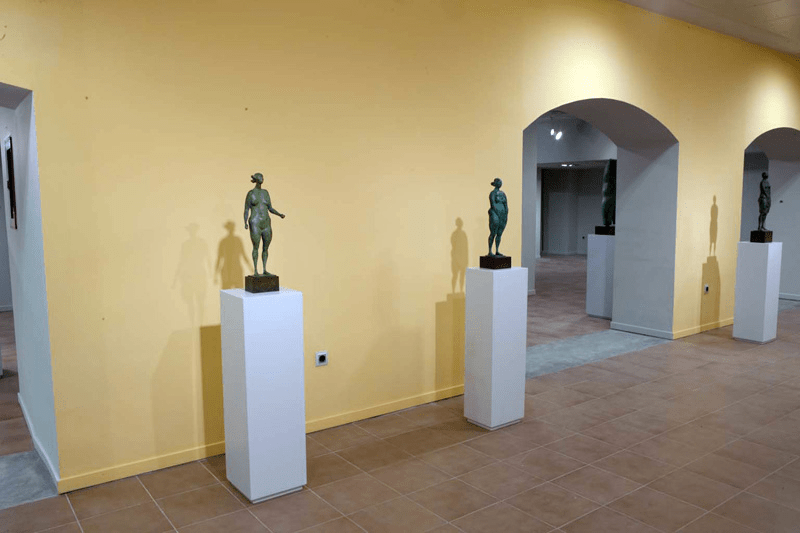
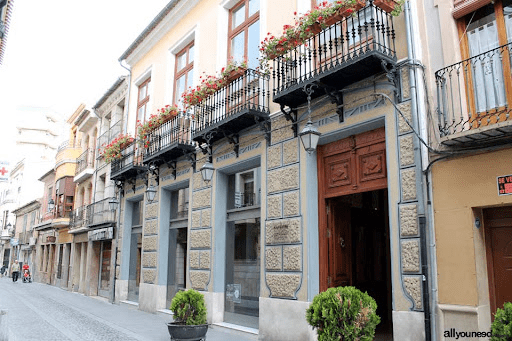
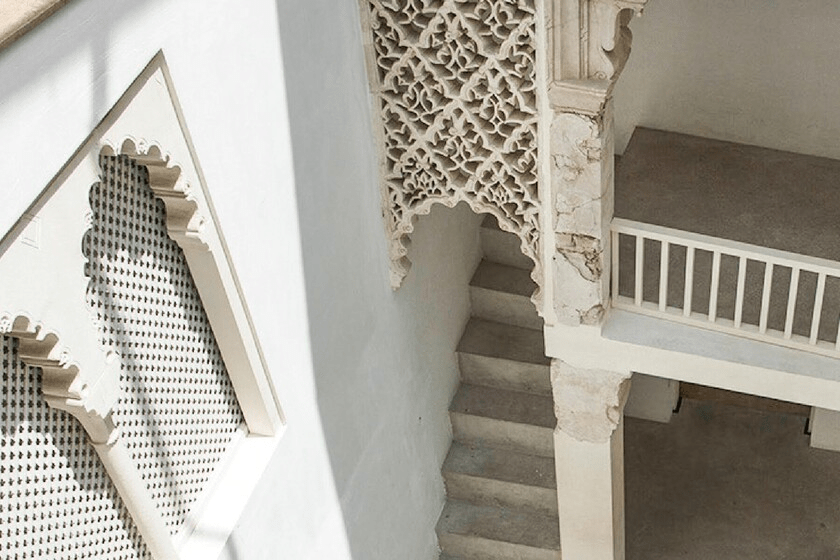
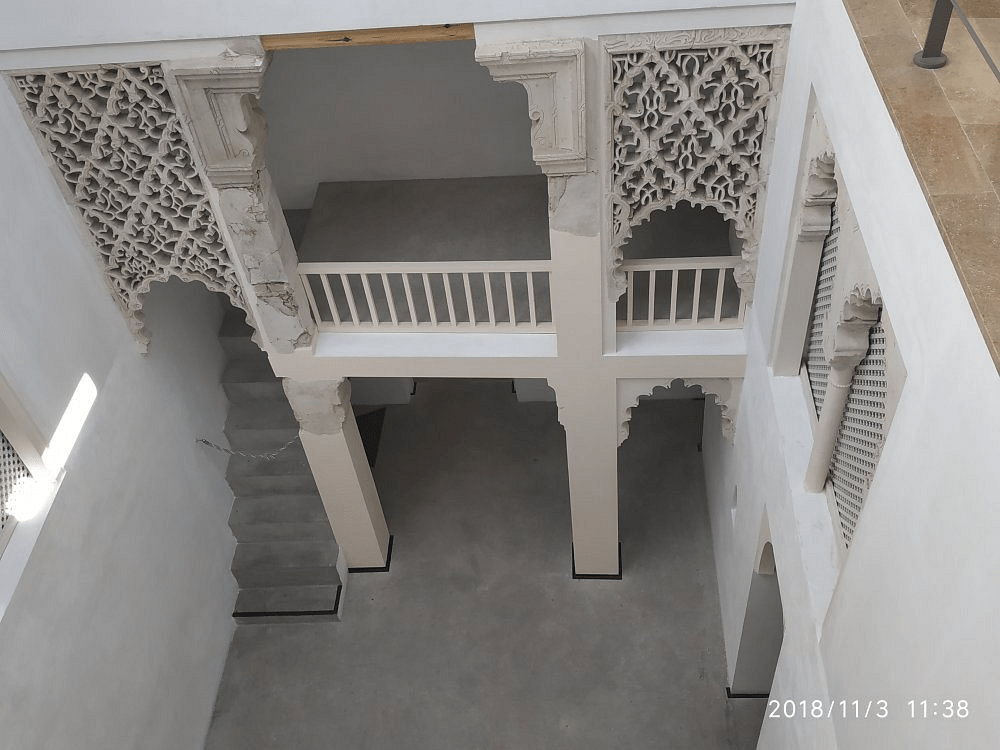
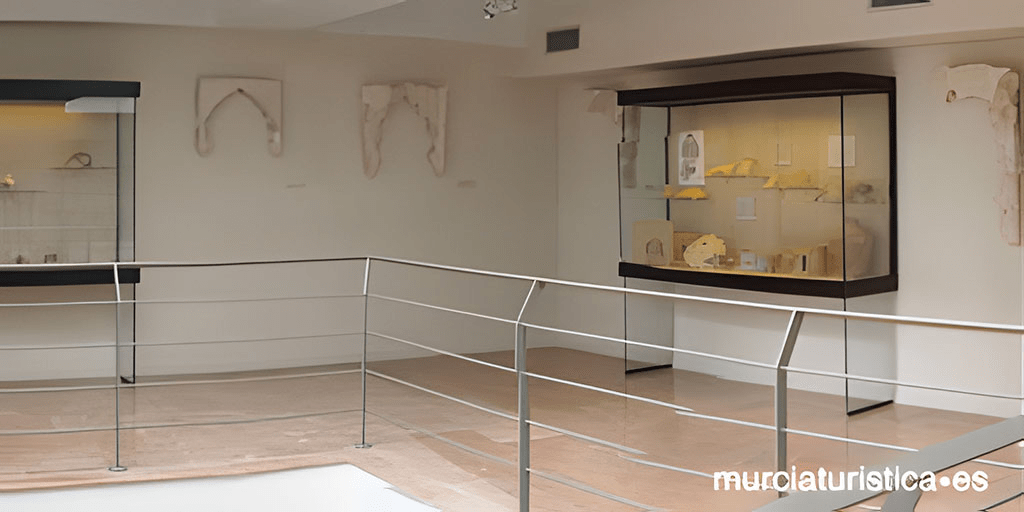
The Museo Carrilero is housed in a former 17th-century palatial house originally built by Don Luis de Gadea Sahajosa. The building, which covers an area of approximately 650 square meters, has been restored to house Carrilero’s collection but was once a noble residence that served various purposes over the centuries, including as a Civil Guard barracks.
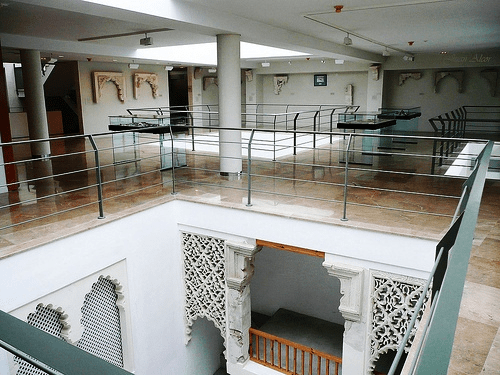
The building comprises four exhibition rooms, a multipurpose room, and other service facilities. Pictorial works and more miniature sculptures are exhibited on the upper floors, while the basement is mainly dedicated to large-scale bronze sculptures.
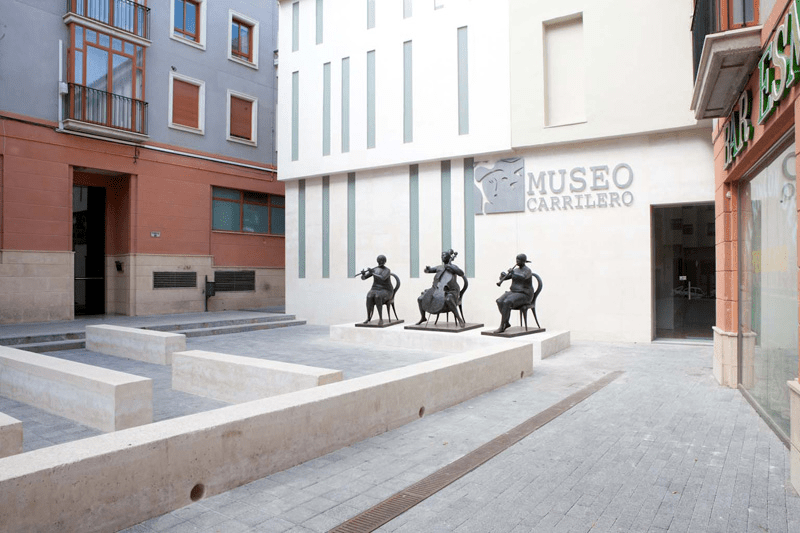
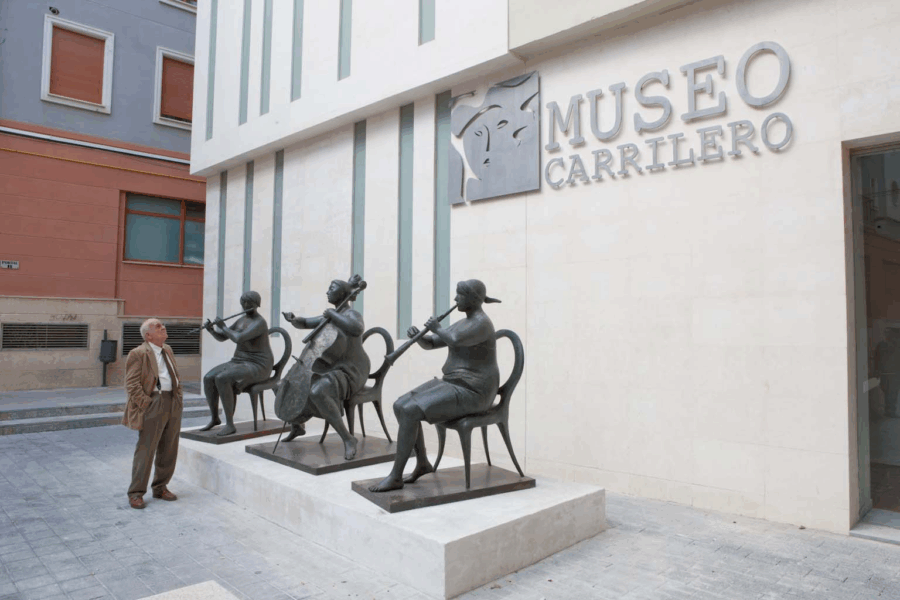
The Museo Carrilero houses a selection of 90 works donated by the famous sculptor. One of the most impressive attractions is the life-size sculptural group at the entrance, representing a trio of instrumentalists—a flutist, a cellist, and a trumpeter—a recurring theme in Carrilero’s work.
The entire collection in Museo Carrilero is very interesting. Art lovers will undoubtedly be captivated by everything from the commemorative bronze medallions to the naturalistic depictions of trees and other elements of nature.
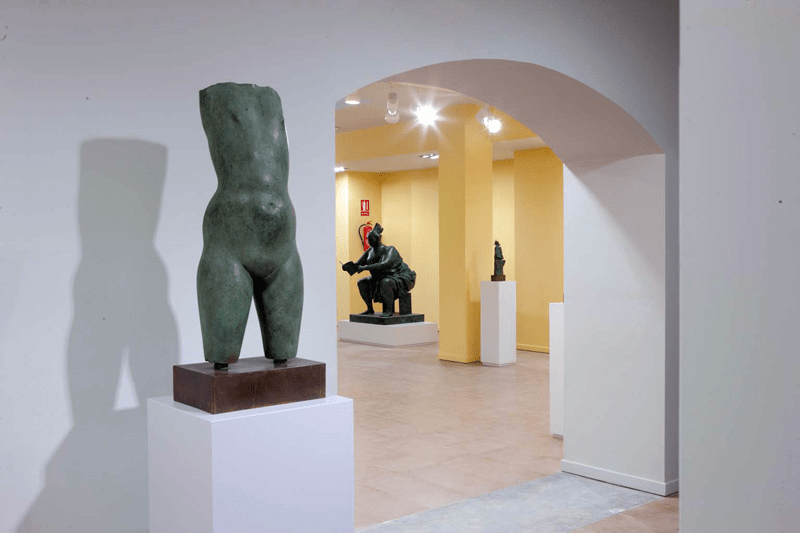
Carrilero is known for capturing his subjects’ volume, essence, and movement, often ignoring facial details, and that is precisely what we see in this collection. In these works, beauty and facial expression are secondary, and it is clear that the artist preferred to emphasize form and volume to convey a clear and impactful message.
Museo Carrilero Opening Hours
The Museo Carrilero has different opening hours throughout the year:
- From May 1st to September 30th: Monday to Sunday: 10:00 to 14:00 and 16:00 to 20:00
- From October 1st to December 31st: Monday to Sunday: 10:00 to 14:00 and 16:00 to 19:00
I suggest checking the updated opening hours before visiting, especially during holidays or special events, to ensure a smooth and well-planned experience.
How To Get To The Museo Carrilero
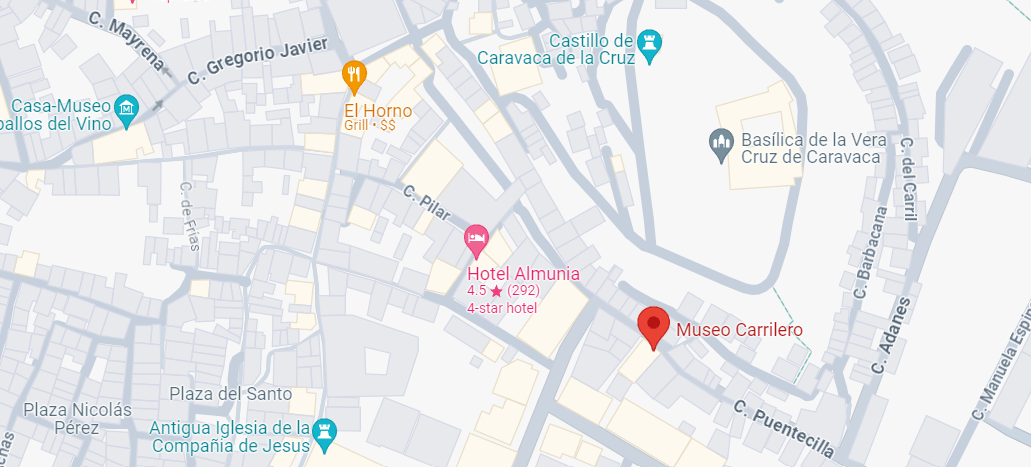
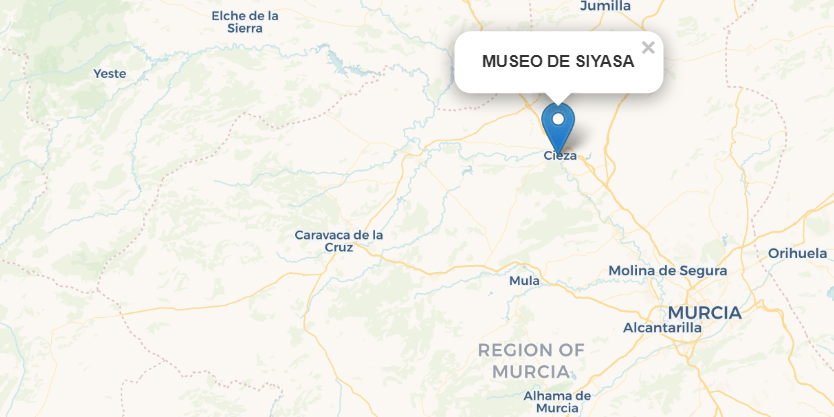
The Museo Carrilero is at Plaza Jose Carrilero, s/n, 30400, in Caravaca de la Cruz. You can follow these directions:
By Car
- From Murcia: Take the RM-15 towards Caravaca de la Cruz. Depending on the traffic, it will take you approximately one hour. Once in Caravaca de la Cruz, follow the indication to Centro Urbano, where you will find the Museo Carrilero.
- From Albacete: Take the A-30 in the direction of Murcia, then at the junction, take the turning off for the RM-15 in the direction of Caravaca de la Cruz. The journey takes approximately two hours.
By Bus
If you prefer public transport, there are regular bus services from Murcia and surrounding towns to Caravaca de la Cruz. The most famous companies operating these routes are LATBUS and ALSA. I recommend you check the companies’ websites for the latest timetables and departure points before your trip.
On Foot or by Taxi
If you are already in Caravaca de la Cruz, you could conveniently walk to the museum, especially if your accommodation is centrally located in the city. However, if you wish so, you can get a local taxi to drive you there.
You can quickly get to the Museo Carrilero since it is well-indicated. The city is one of the most popular historical cities and therefore offers a great time to be between art lovers and holidaymakers, all alike.
Museo Carrilero In Caravaca De La Cruz
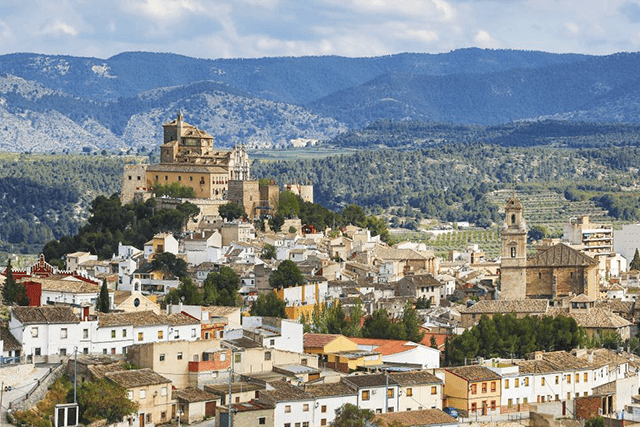
Besides the Museo Carrilero, Caravaca de la Cruz has much more to offer in terms of tourism. It has a diverse range of monuments that tell and express the town’s historic and ancient past. It has become an important city for tourists and pilgrims because it is a city rich in different cultures.
The region has a rich ancient history and has been inhabited by the Argaric, Iberian, and Roman cultures. Each of these civilizations left its mark on the cultural and architectural landscape of the city. However, the origins of its urban structure are predominantly attributed to the period of Arab domination, which significantly shaped the city’s identity.
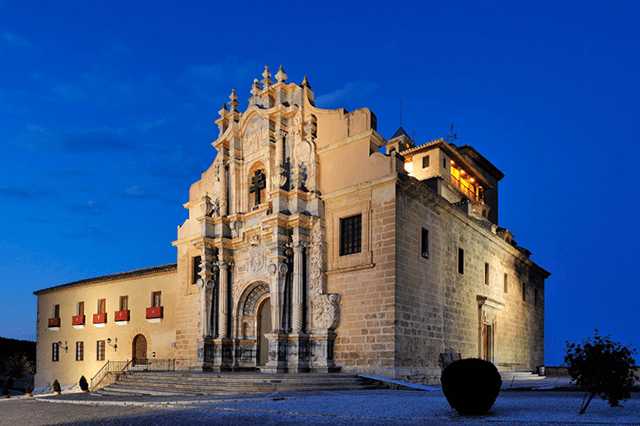
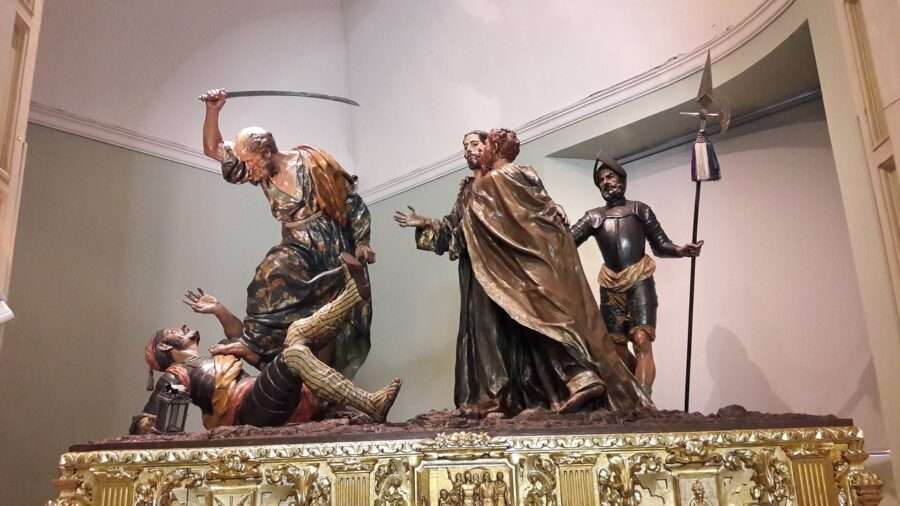
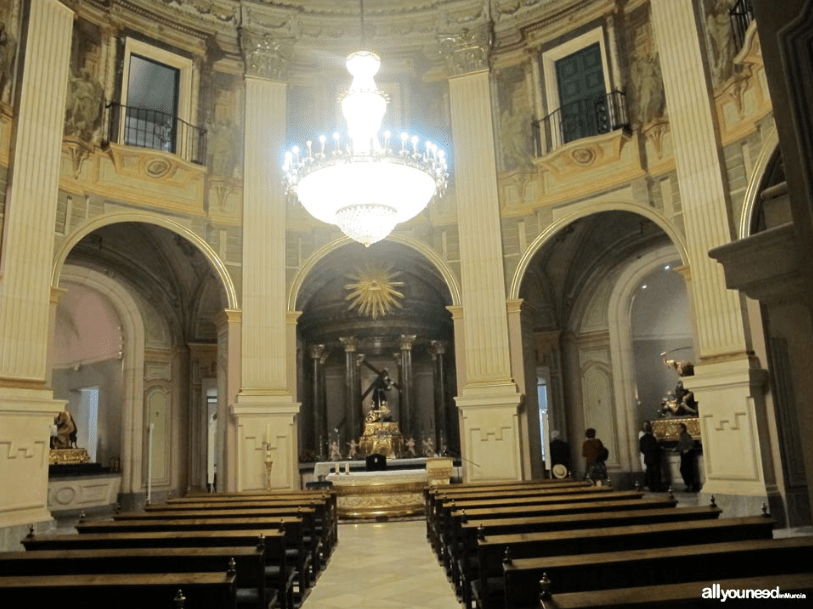
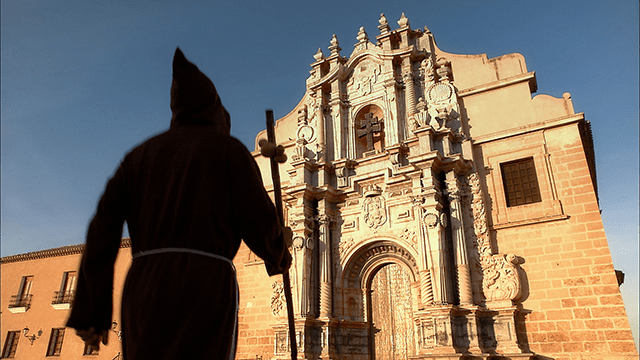
One of the most famous things about Caravaca is its designation as one of the five holy places in Christianity to which the privilege of the Perpetual Jubilee Year was granted. This fact is connected to the Basilica-Sanctuary of the True Cross, which accommodates an important reliquary of the True Cross. Thus, it is a very popular place for pilgrimages and other religious manifestations that attract thousands of visitors worldwide.
I know the place sometimes sounds “too religious,” and yes, it is religious, but the city itself is so nice, with narrow streets and old houses at the sides that make you feel like you are going back in time. I speak for myself: I have my beliefs, but I am not very religiously focused. However, there was not a minute when I was not amazed in Caravaca.
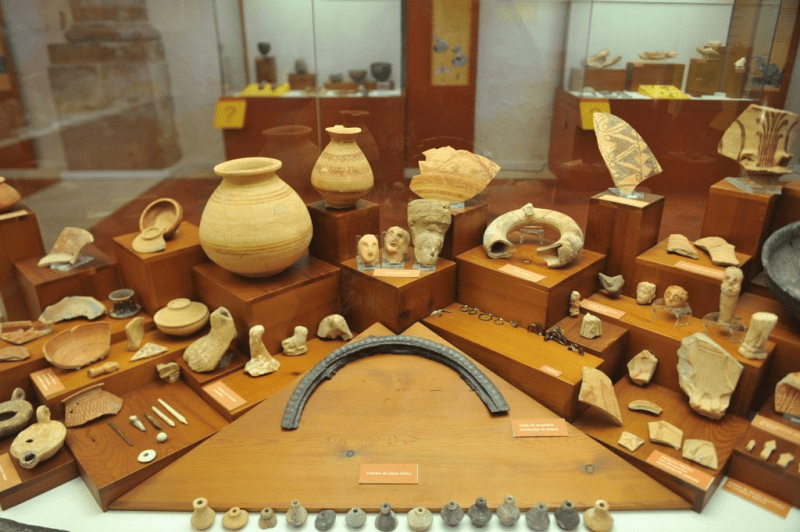
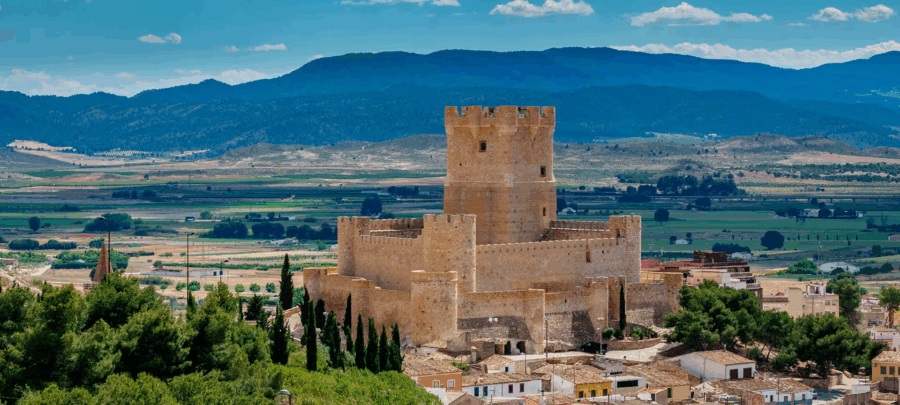
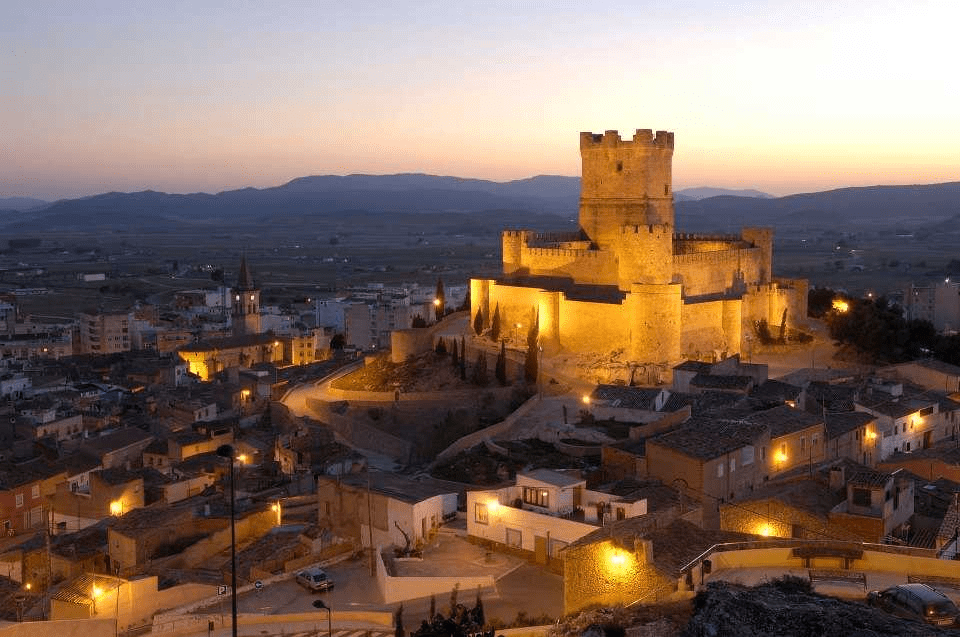
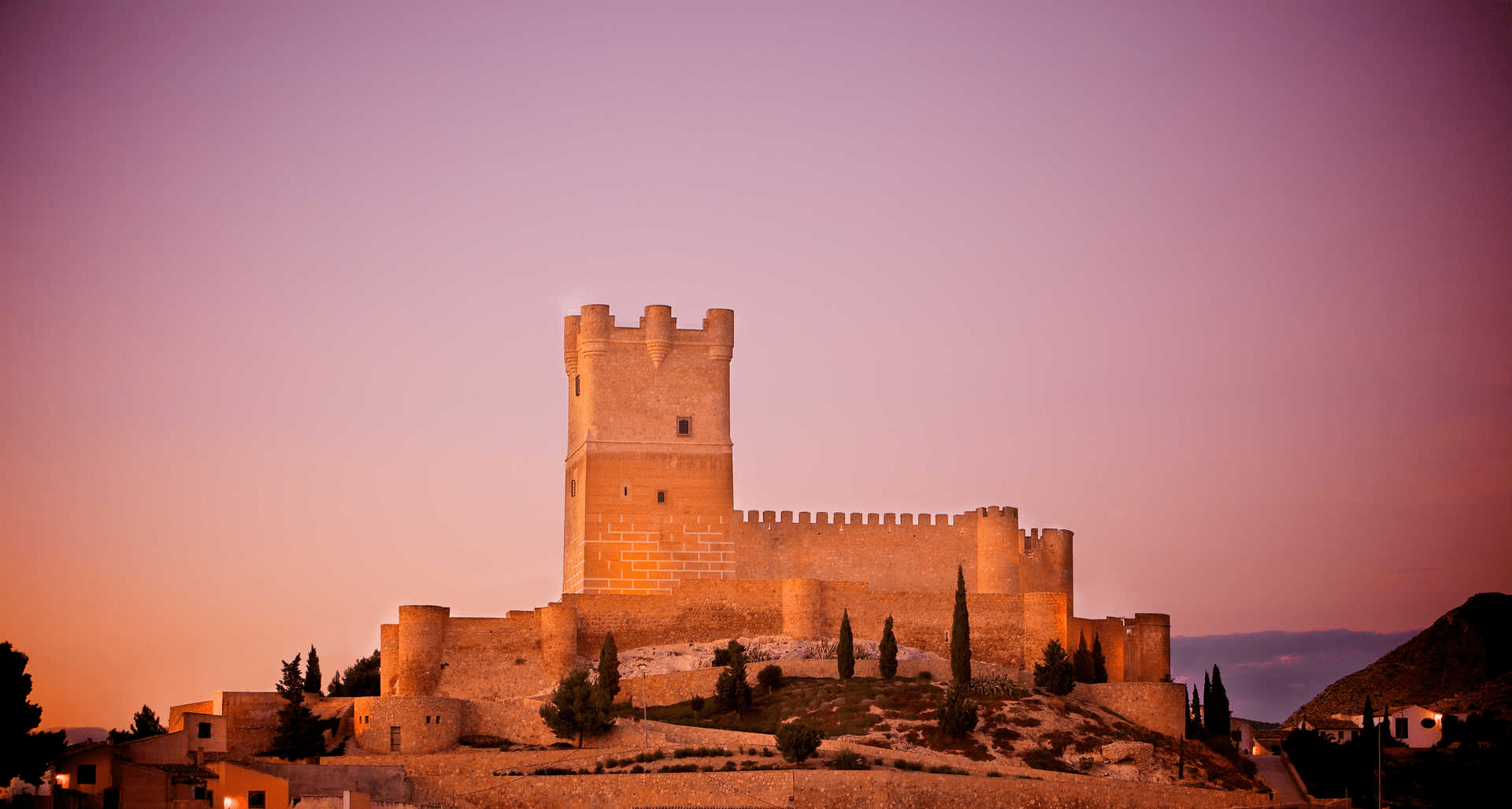
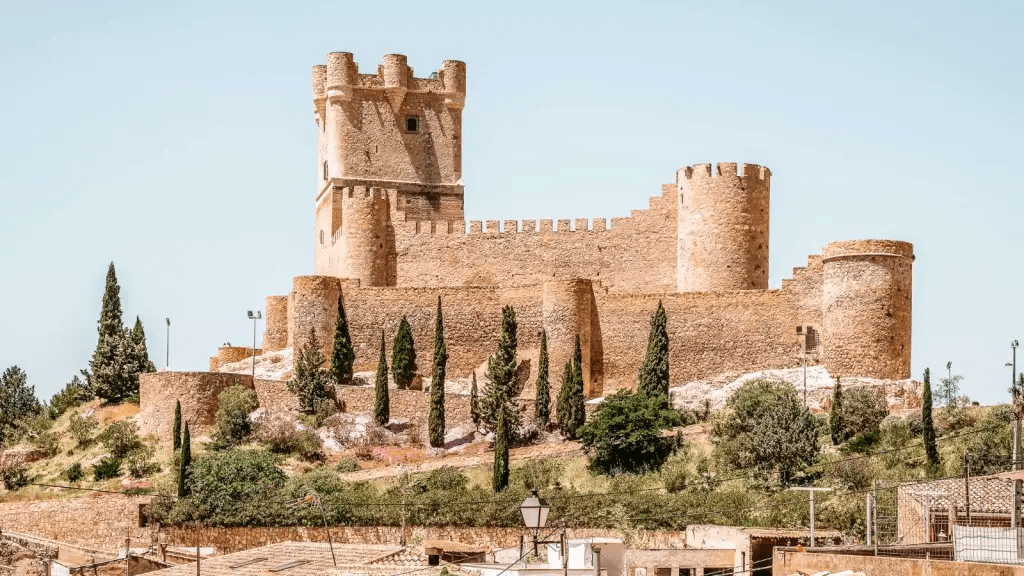
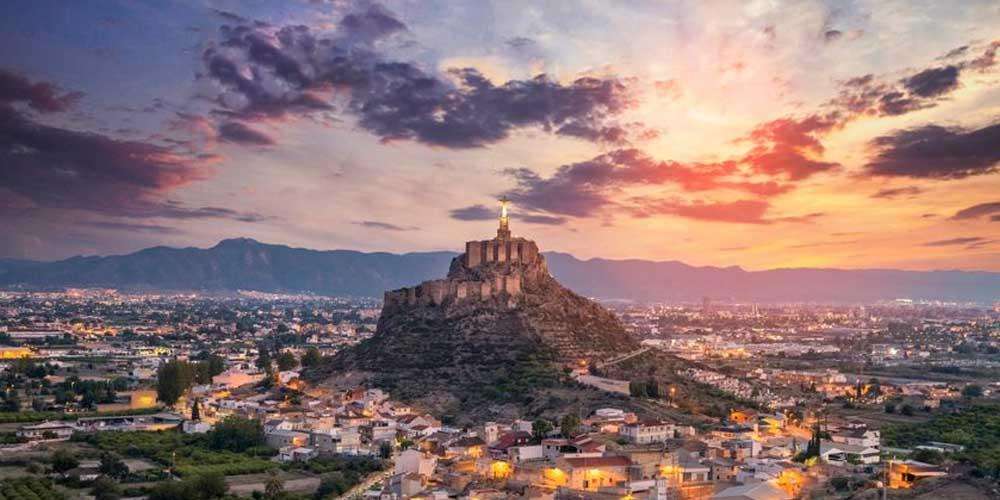
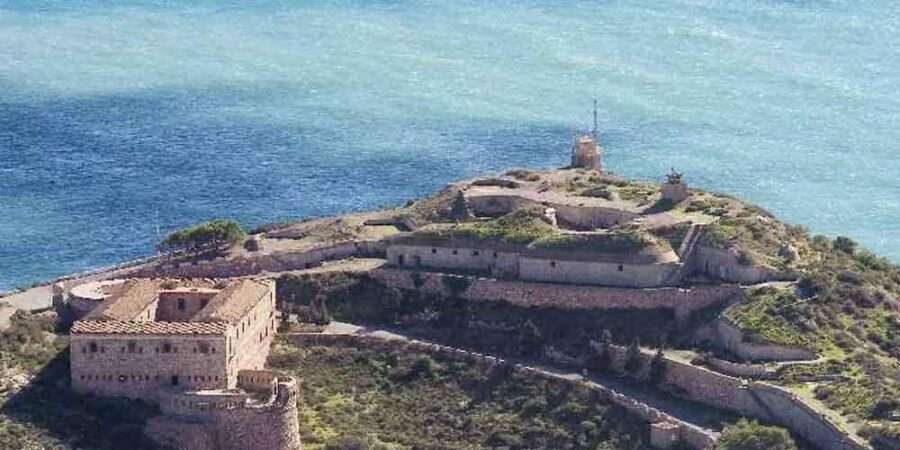
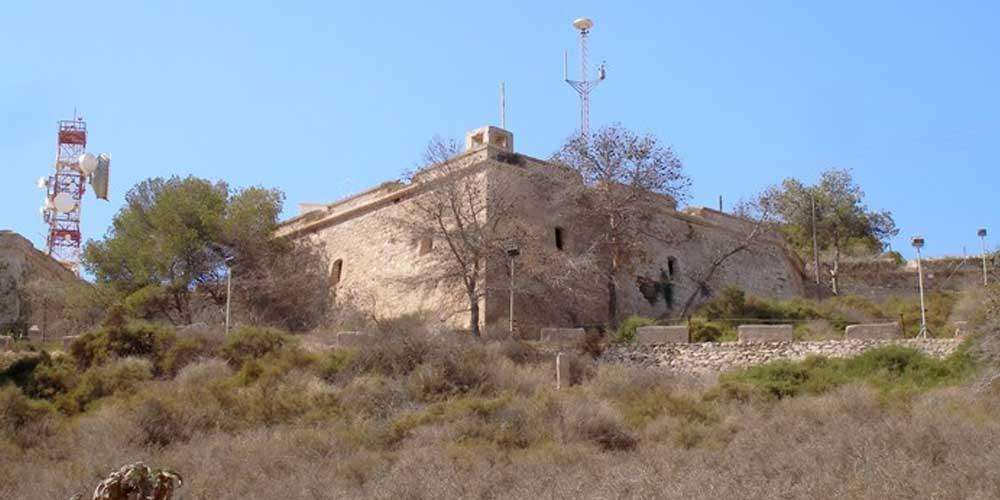
Other points I really enjoyed include the Caravaca Castle, a historic fortress with panoramic views of the city (perfect for taking photos), and the Municipal Archaeological Museum, which displays artifacts from the different civilizations that occupied the region. The city is also famous for its Fiestas de la Vera Cruz, celebratedin May, which includes religious events and an impressive horse parade known as “Caballos del Vino.”
In general, there is no shortage of places to visit. Every step is a new story and an incredible area to take photographs. If you are ever considering visiting Murcia, do not leave this city off your list because it will undoubtedly be worth it!
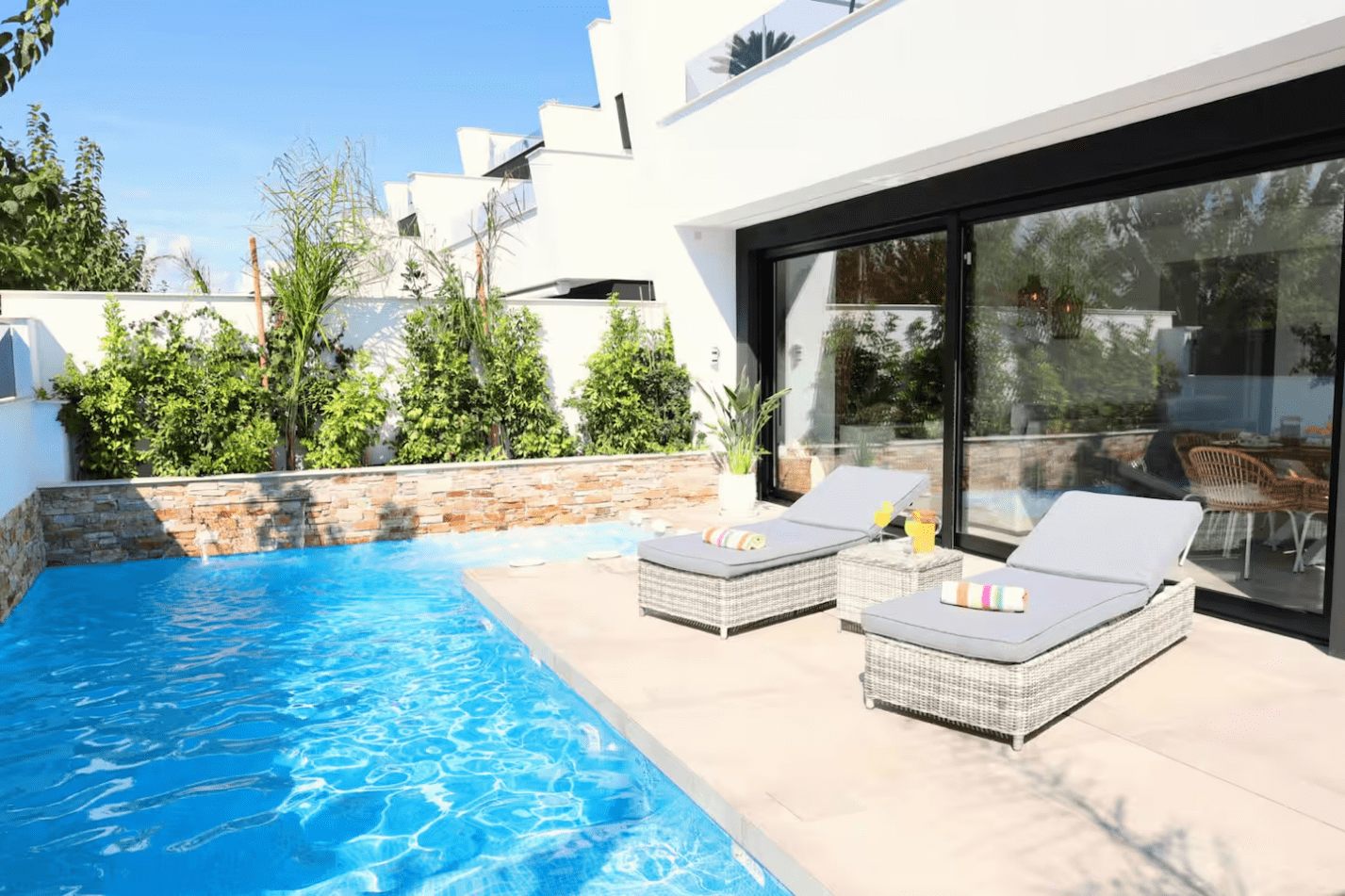
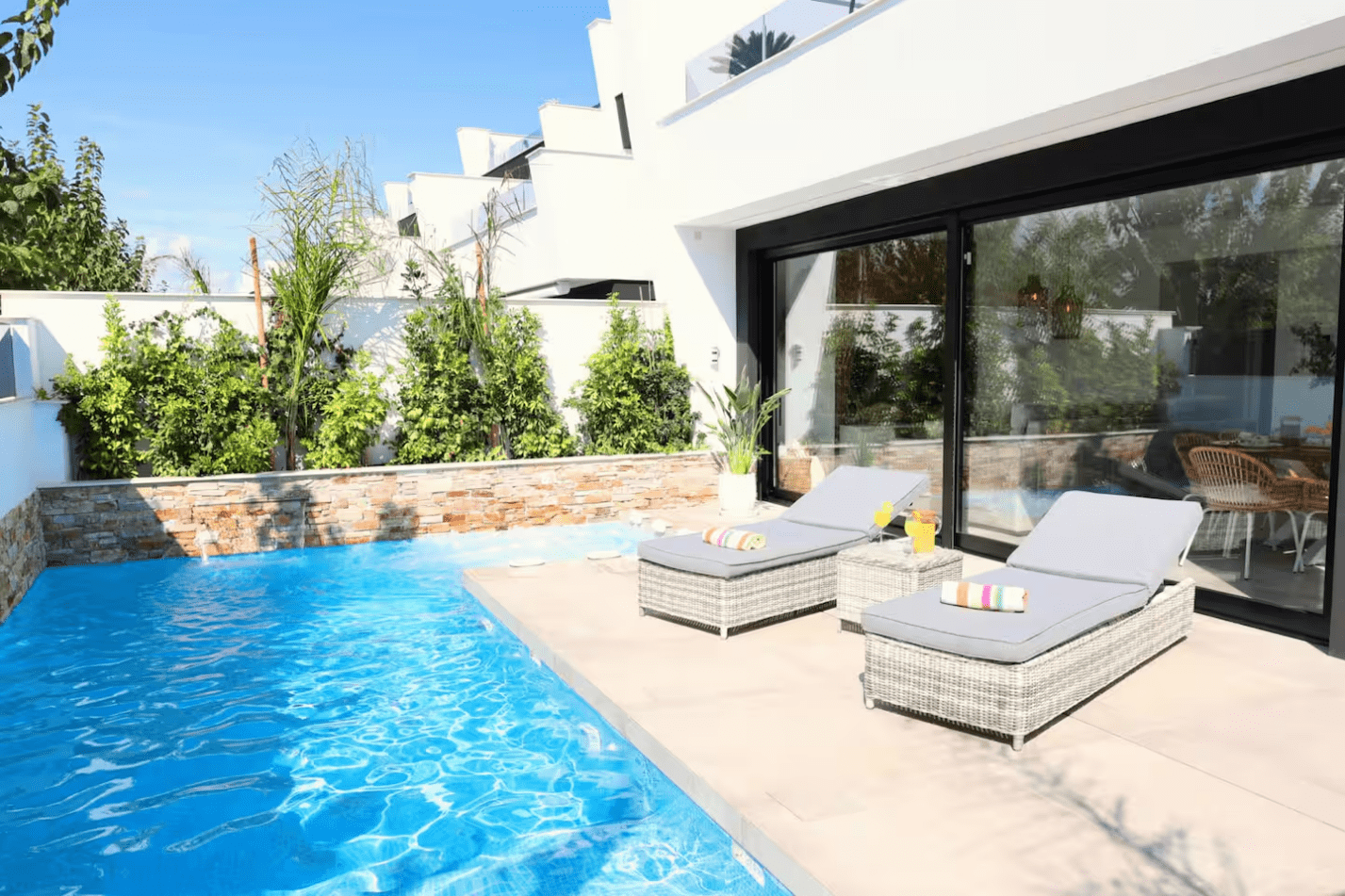
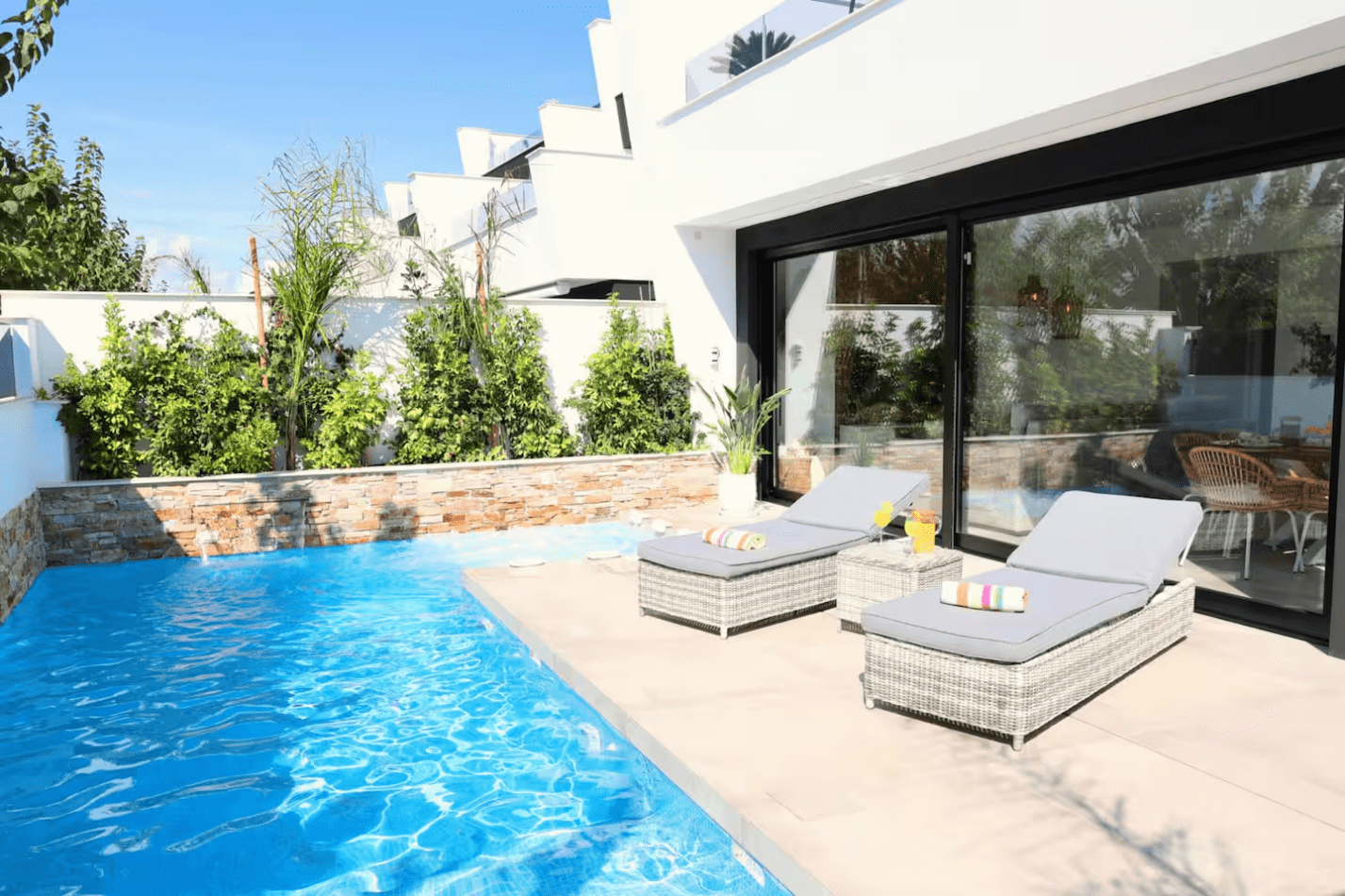
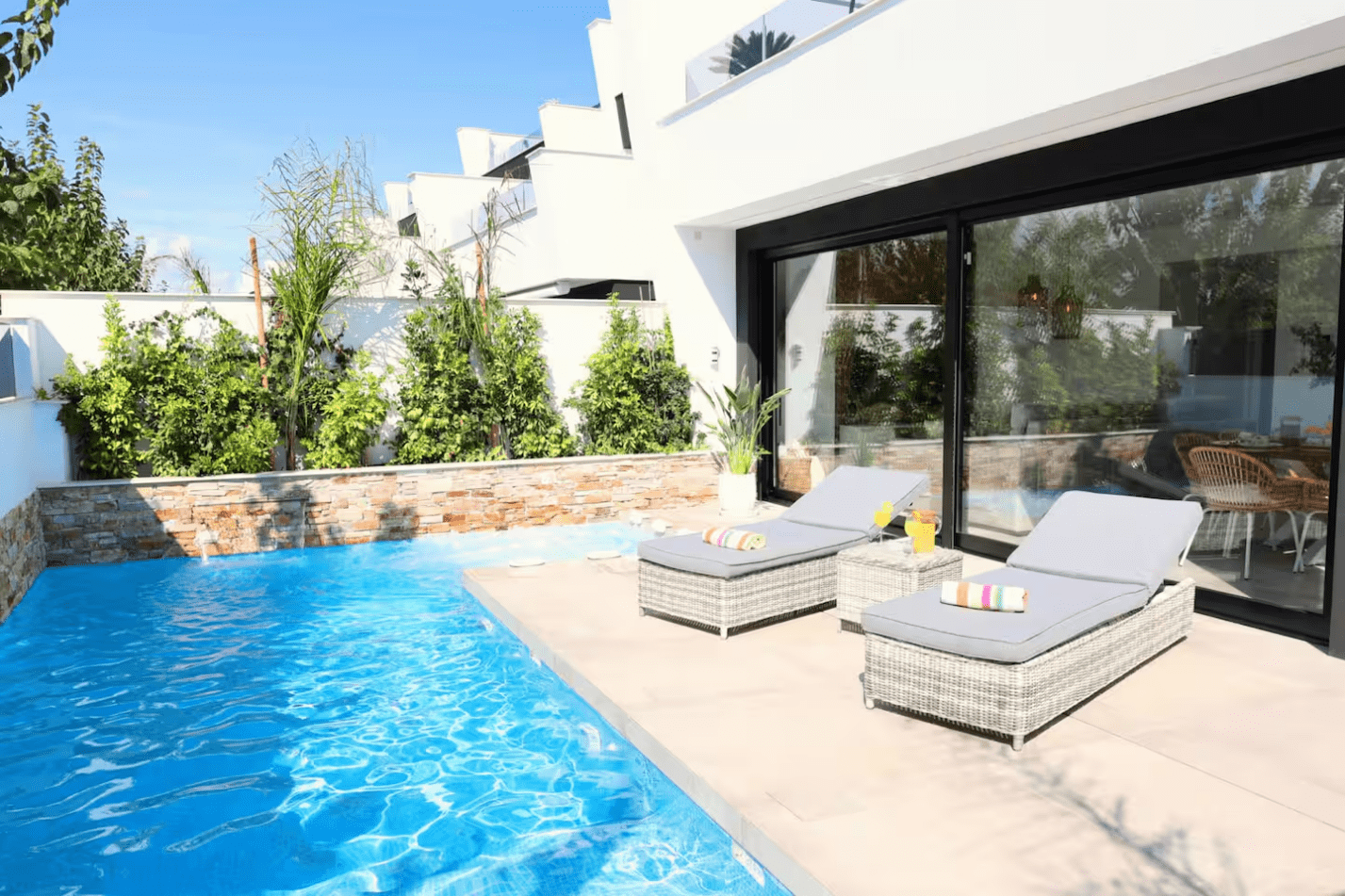
Enjoy Your Private Paradise in Villa Murcia!
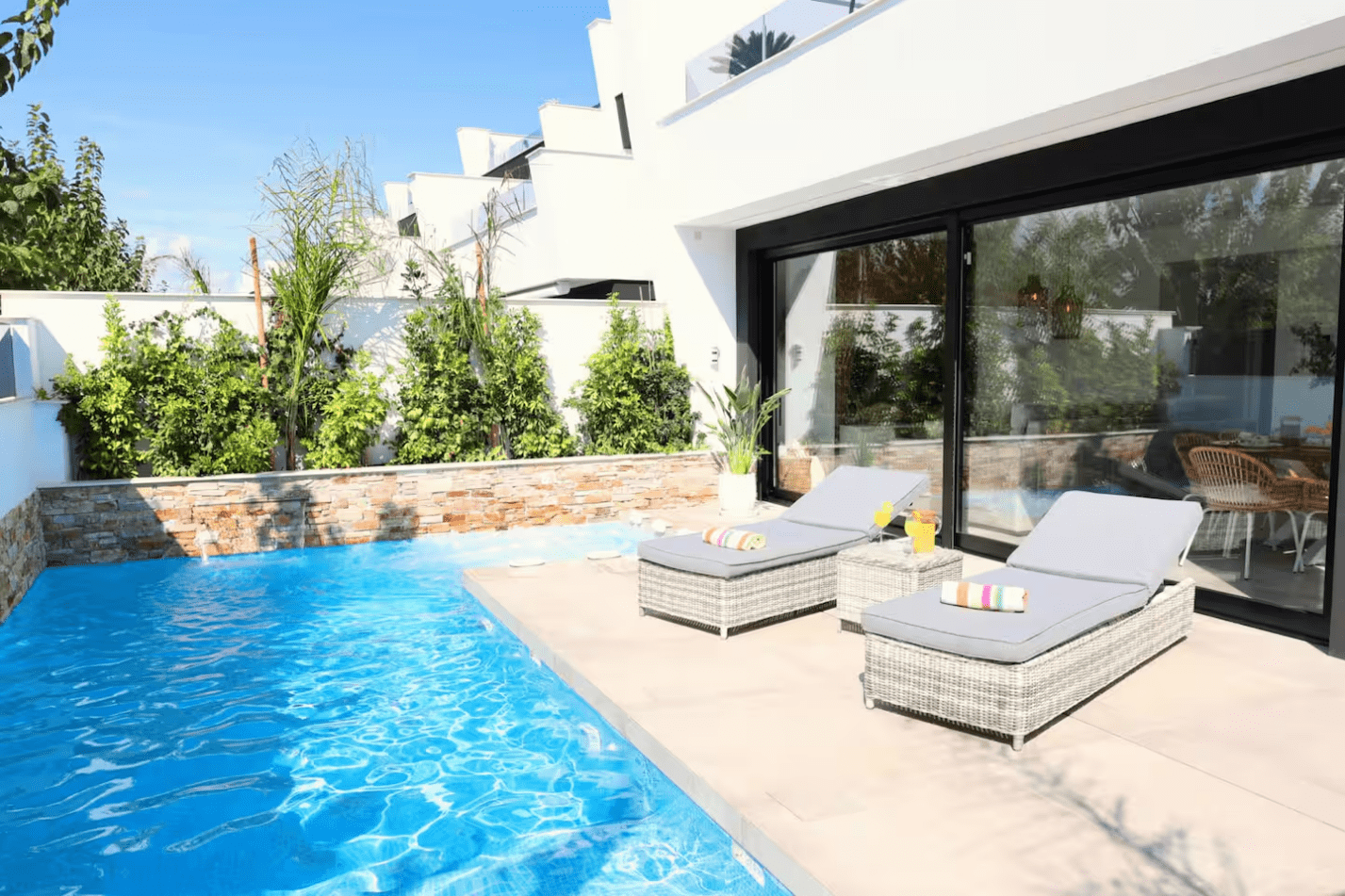
Looking for the perfect place to stay in Murcia? We’ve got just the spot for you!
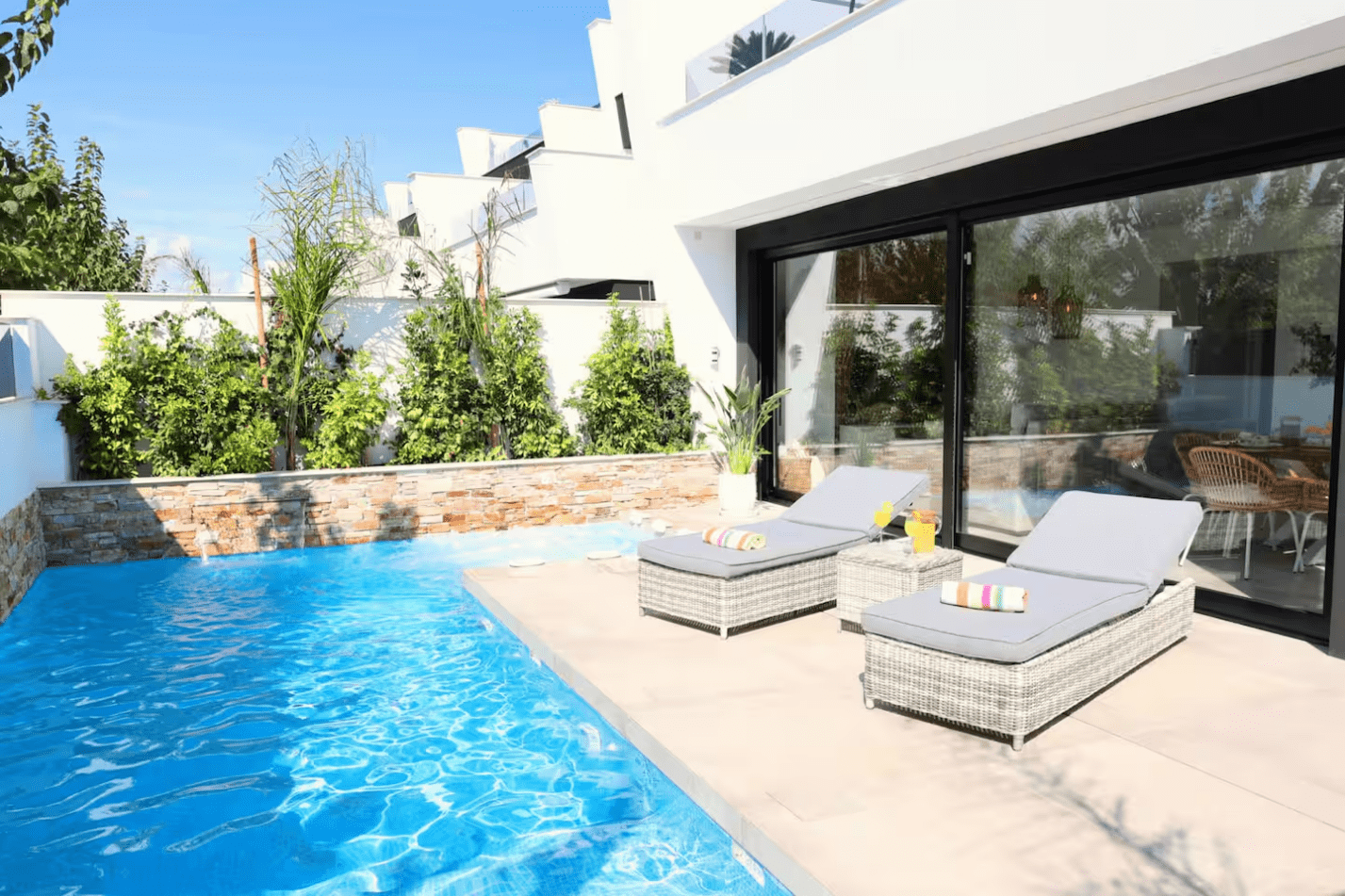
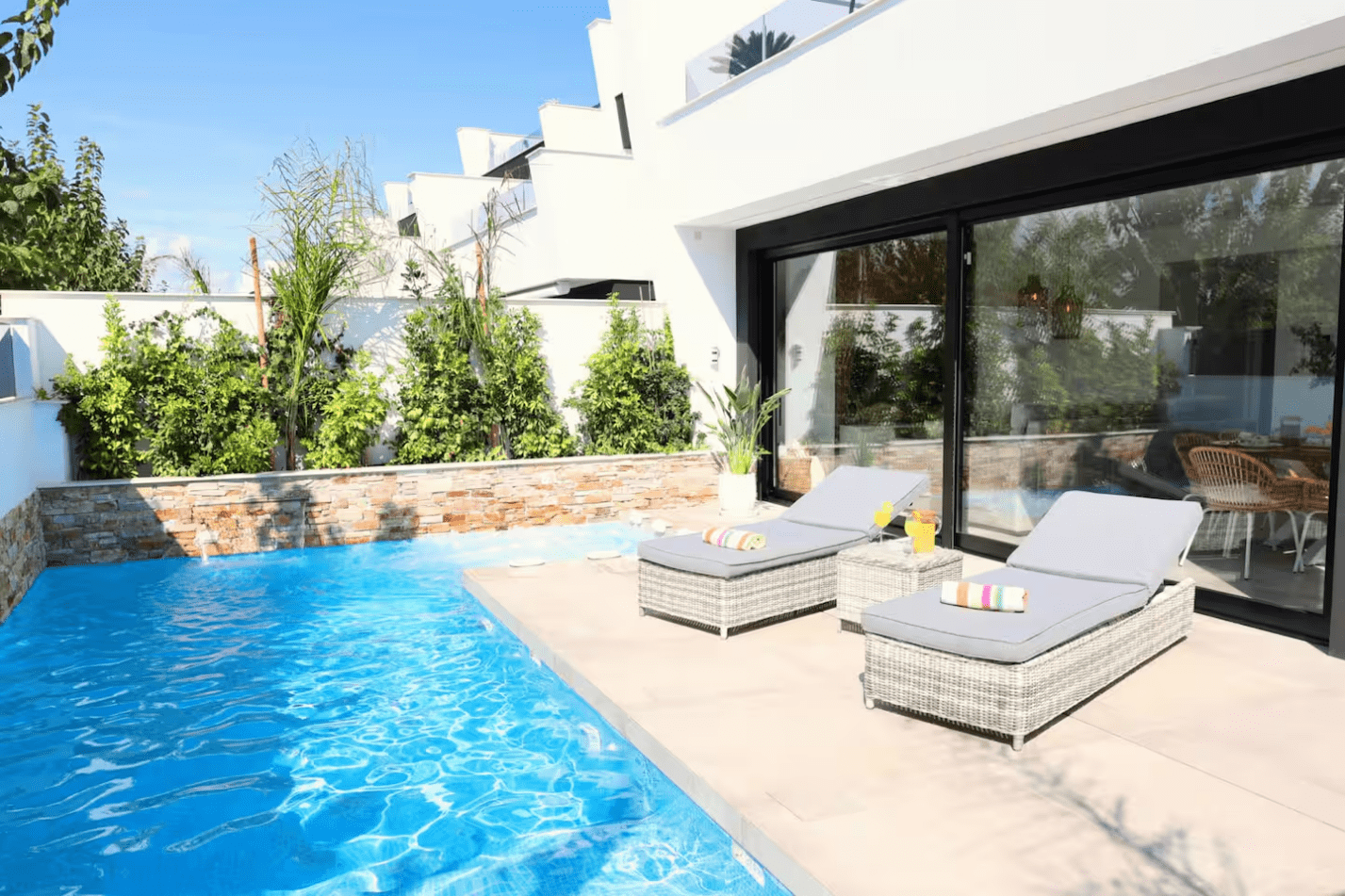
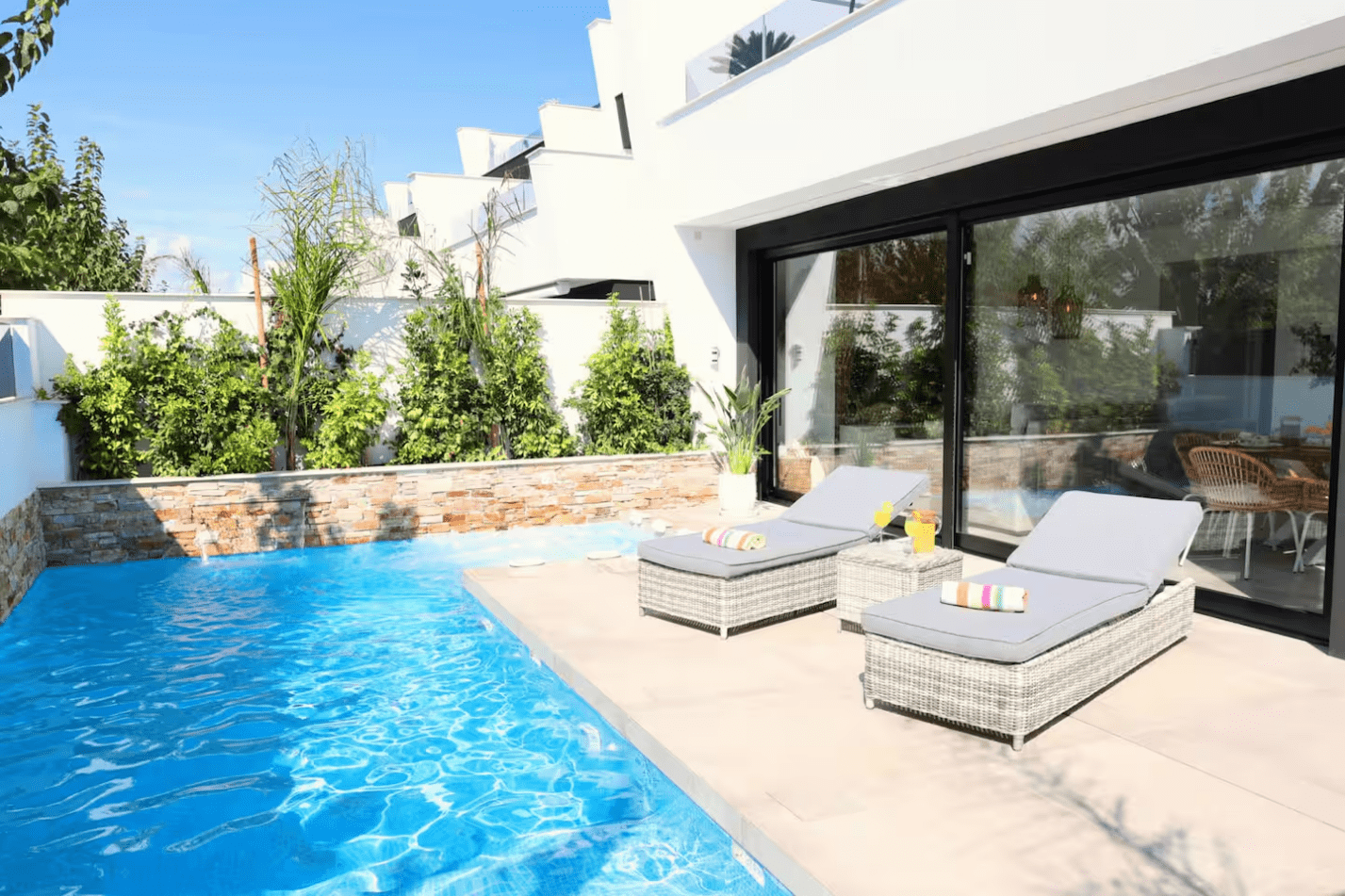
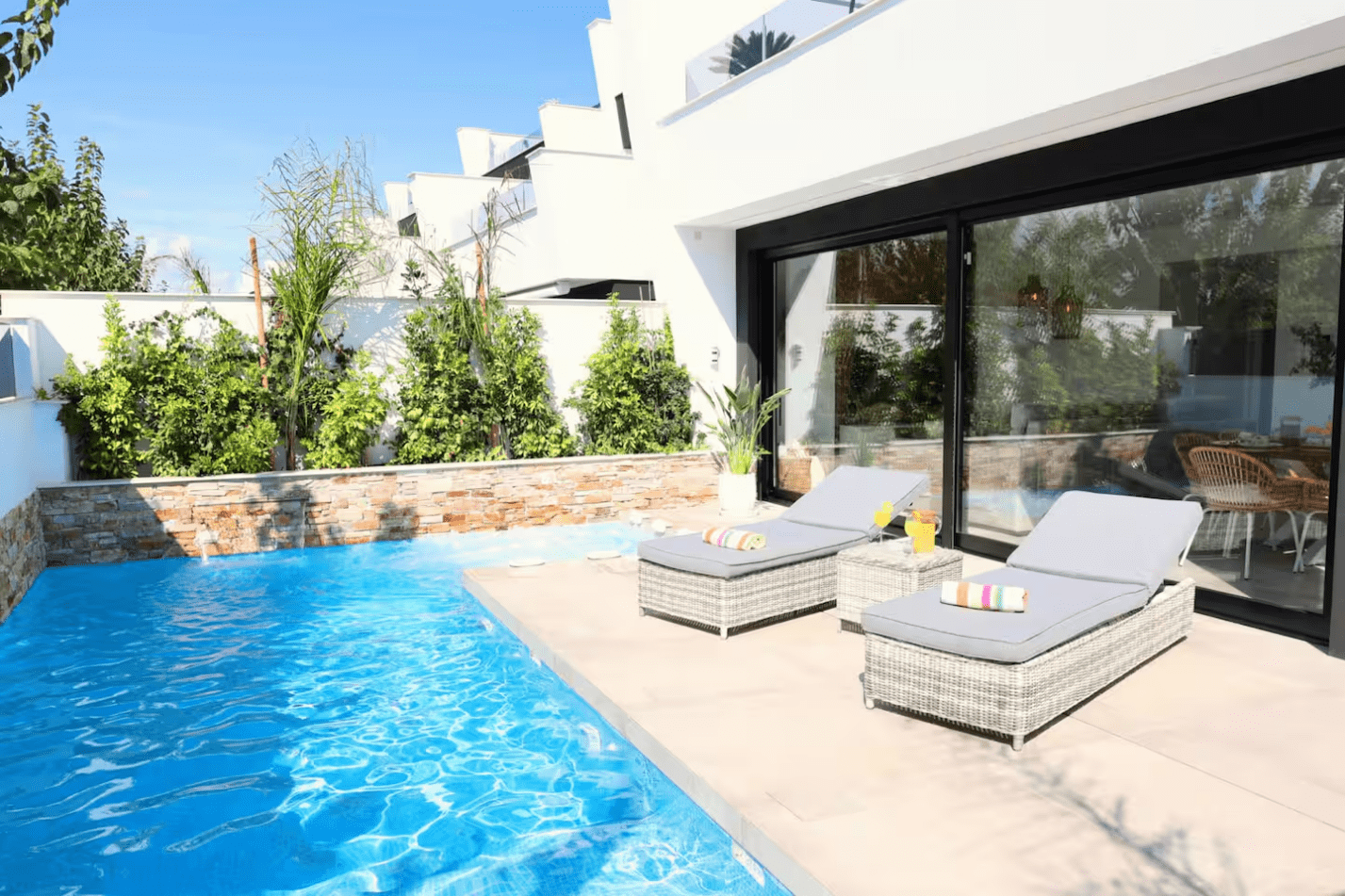
Villa Murcia – Your Private Paradise
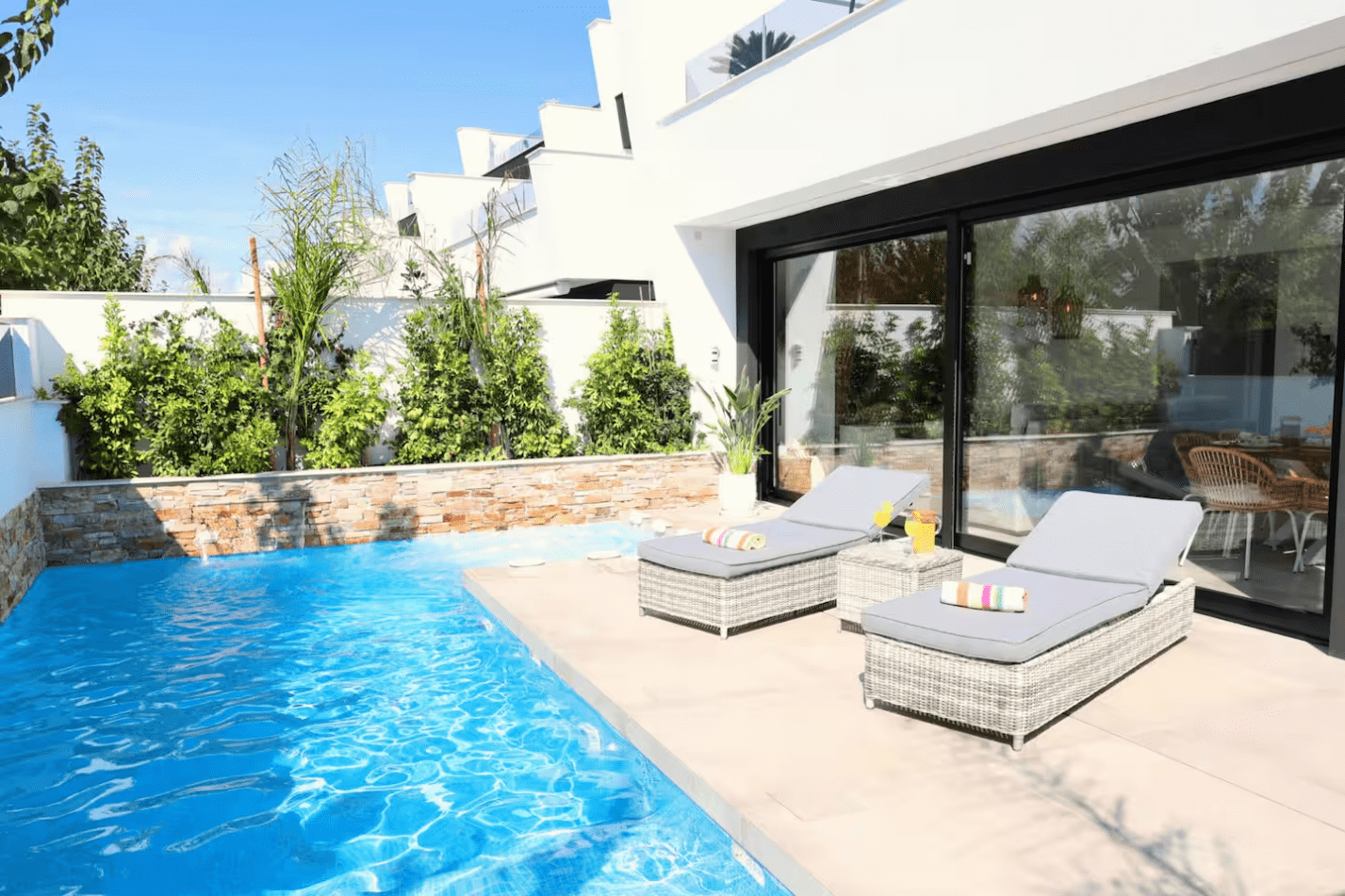
Wake up to coffee on a sun-drenched terrace, unwind in a warm jacuzzi after a day of exploring, and end your evenings with dinners in the summer kitchen. Nestled in charming Santiago de la Ribera, Villa Murcia offers more than just a holiday—it’s your personal oasis of comfort, style, and unforgettable moments.
Highlights:
✔ Spacious living room with a large sofa and open kitchen – perfect for shared memories
✔ Three elegant, air-conditioned bedrooms with private terraces – your peaceful retreat
✔ Extra fold-out sofa in the living room – ideal for additional guests
Whether it’s a romantic escape, a family getaway, or a relaxing break with friends – Villa Murcia is your dream stay.
Book now and experience the magic of the Spanish sun!
A Museum For Art Lovers
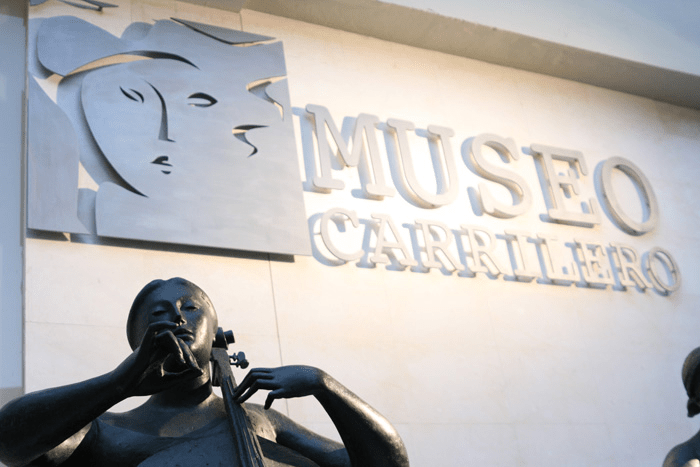
In short, the Museo Carrilero not only preserves and celebrates the work of one of the most important contemporary Spanish sculptors, Jose Carrilero, but also serves as a vital cultural link in Caravaca. With a diverse collection of sculptures, medals, and sketches, the museum offers an in-depth look at Carrilero’s talent and artistic evolution.
Caravaca is a popular tourist destination, but the museum is often overlooked. If you’re planning a city tour, visiting the Carrilero Museum is a unique opportunity to appreciate art and explore the rich history of the person who originated the city!