

Category: Museum Page 1 of 2

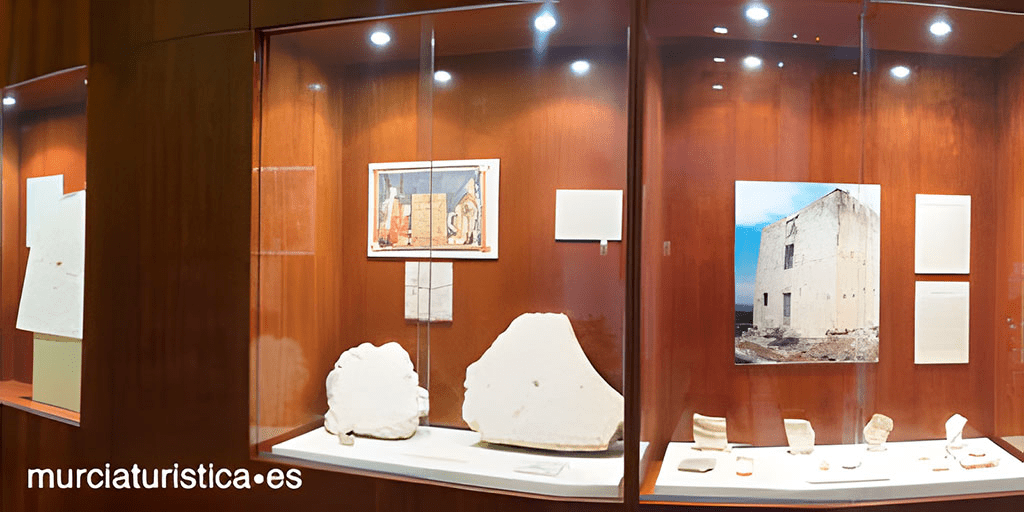
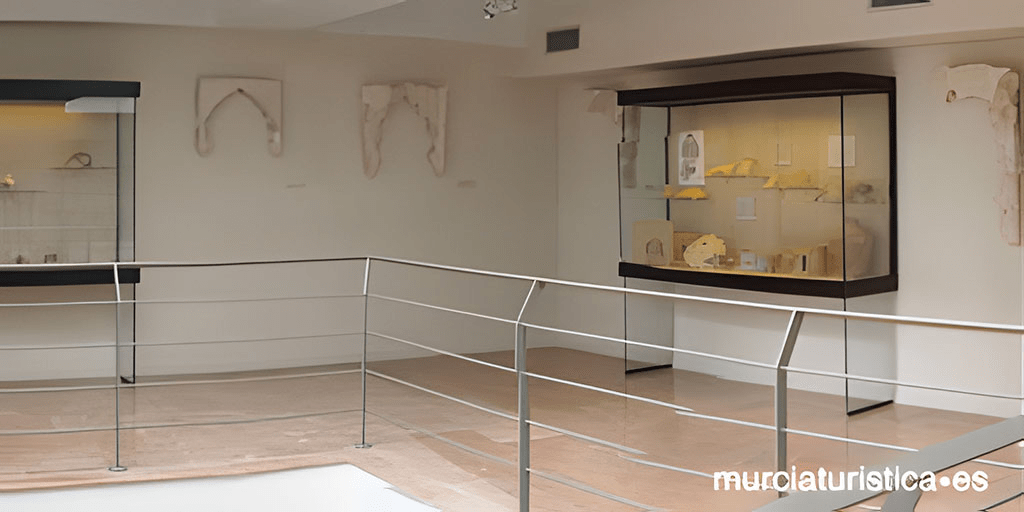
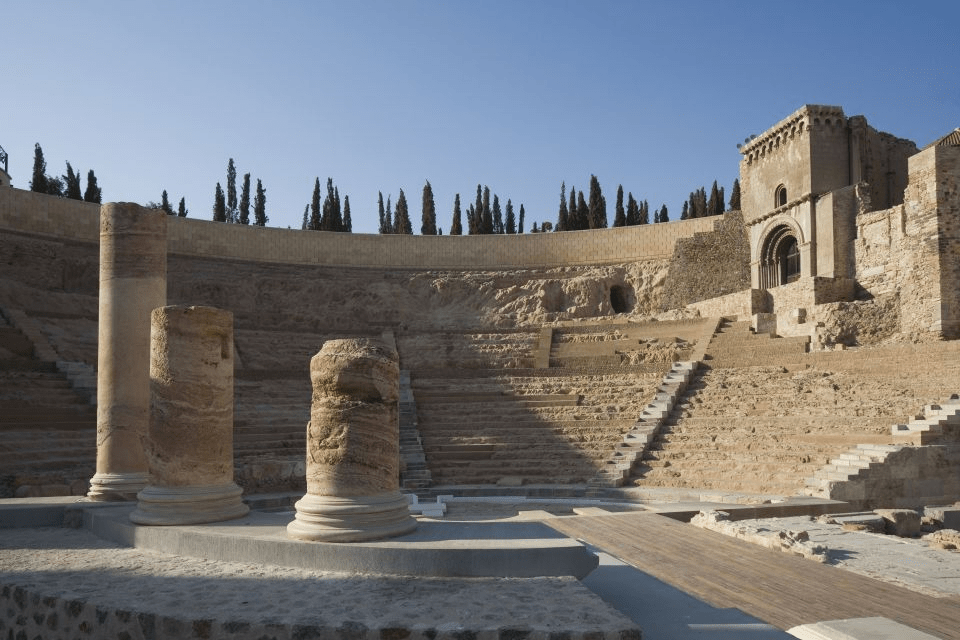
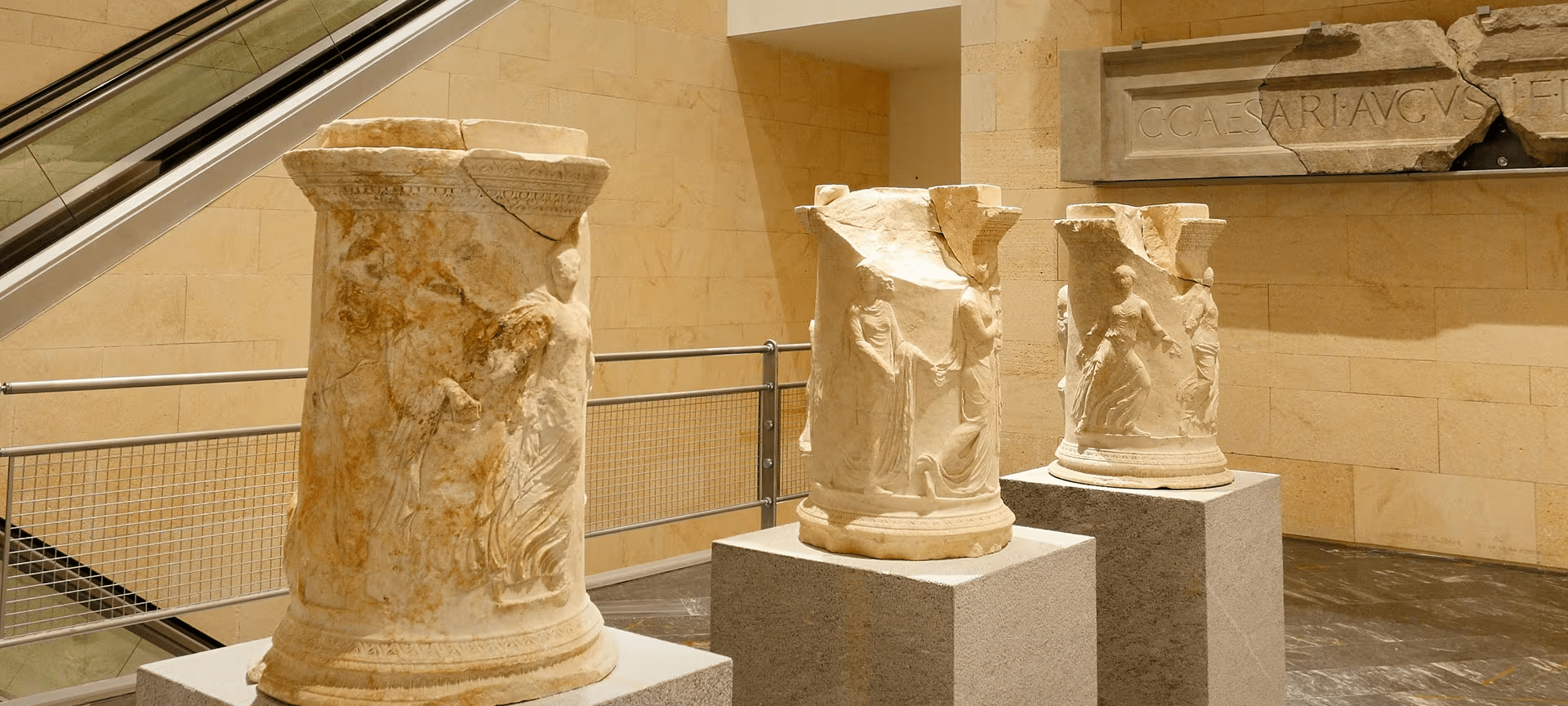
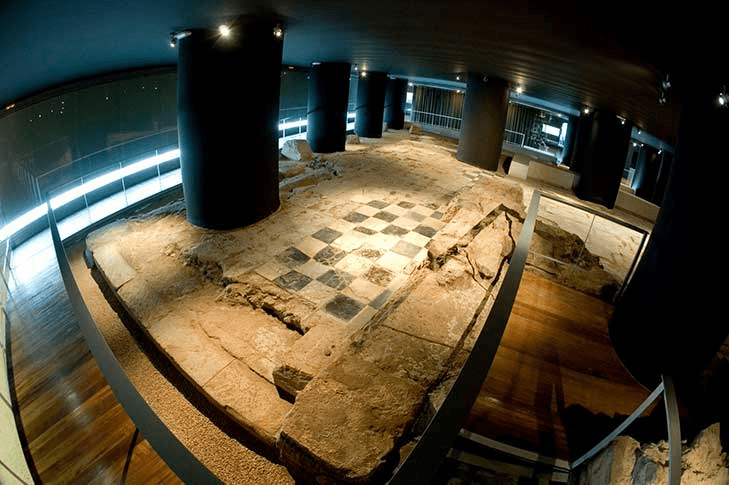
image from inside Augusteum museum showing some of the pillars and vestiges from the original construction

The Augusteum of Murcia: A Journey Through Roman Heritage

Augusteum stands as a remarkable testament to the city’s Roman past. This ancient temple, dedicated to the imperial cult of Emperor Augustus, offers a fascinating glimpse into the architectural grandeur and religious fervor of Rome’s provincial outposts.

Constructed during the Roman Empire’s zenith, the Augusteum was a center of worship and a symbol of Rome’s far-reaching influence and its integration of local cultures into the imperial framework. As archaeological excavations continue to unearth its secrets, the Augusteum in Murcia reveals the intricate details of Roman urban planning, art, and religious life, providing invaluable insights into the region’s historical and cultural evolution.

This construction symbolizes the power and influence of the imperial power and also works as an archaeological site that helps to comprehend the past of this region and the main elements of its culture.

Here, we will show you everything you need to know about this marvelous piece of Roman archaeology. Whether you’re a history fan or want to better plan your trip to Murcia, make sure to pay attention to each item, and you’ll become an expert on this museum, which is considered one of the most important in all of Europe.

Table of Contents

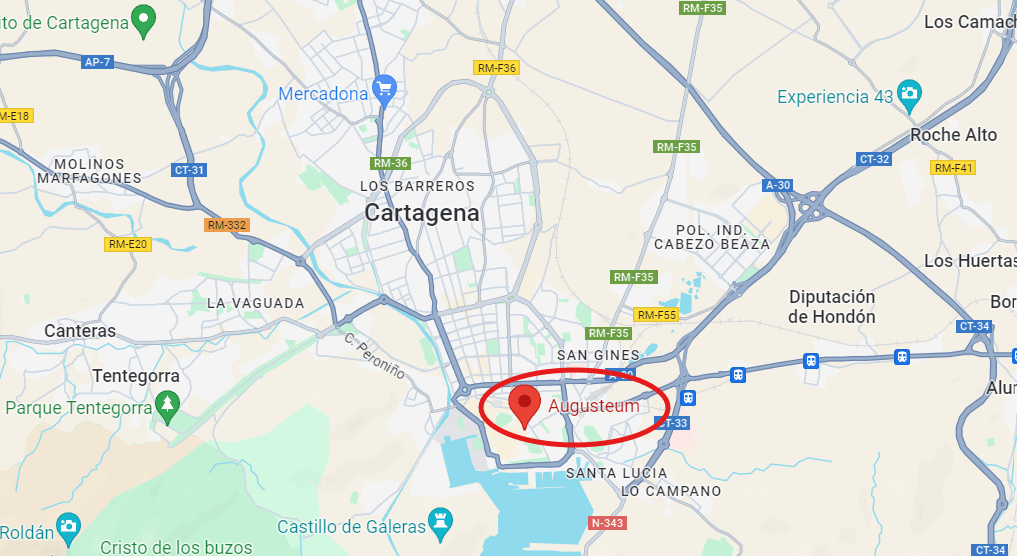
Location of Augusteum

map of Murcia showing the region of Cartagena with Augusteum highlighted

Even though the museum makes clear reference to Emperor Augusto and the Roman Empire, this temple is located in Murcia, Spain, specifically in Cartagena, one of the most sought-after destinations during high and low season. This privileged location brings numerous advantages for tourists trying to visit a piece of ancient Rome in Spain.

It is a few meters south of the city centre and near other unique attractions. This means you don’t need to worry about renting a car or looking for transportation options to get to the marble building.

If you’re looking for the perfect vacation destination, no doubt Cartagena in Murcia is your go-to option. The place offers a large variety of options that will please all kinds of people. Whether you’re looking for a cultural activity like the Augusteum or a sunny beach to practice extreme sports, the place has everything for you.

Who Was Octavio Augusto
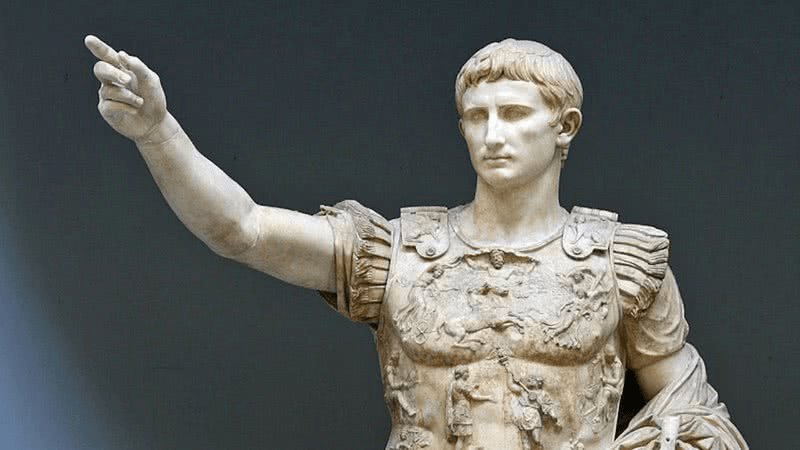
statue from emperor Octavio Augusto

We know the entire temple is dedicated to Augustus and its legacy to the Roman Empire structure, but who was he? Here’s everything you need to know about one of the most influential figures in the world’s history.

Gaius Julius Caesar Augustus was the founder of the Roman Empire, structuring the nation economically and strategically. He was responsible for Rome’s most peaceful age back then, beginning a process that would help structure the imperium without the need for armed conflicts against the other nations of the time.

His reign as the first emperor lasted from 27 BC to 14 AD, and his history is marked by victory and prosperity for his people. It is undoubtedly one of the most iconic figures to step on what today is known as the European land and an example of how to be an administrative figure to an entire nation.

What You Need to Know Before Visiting Augusteum
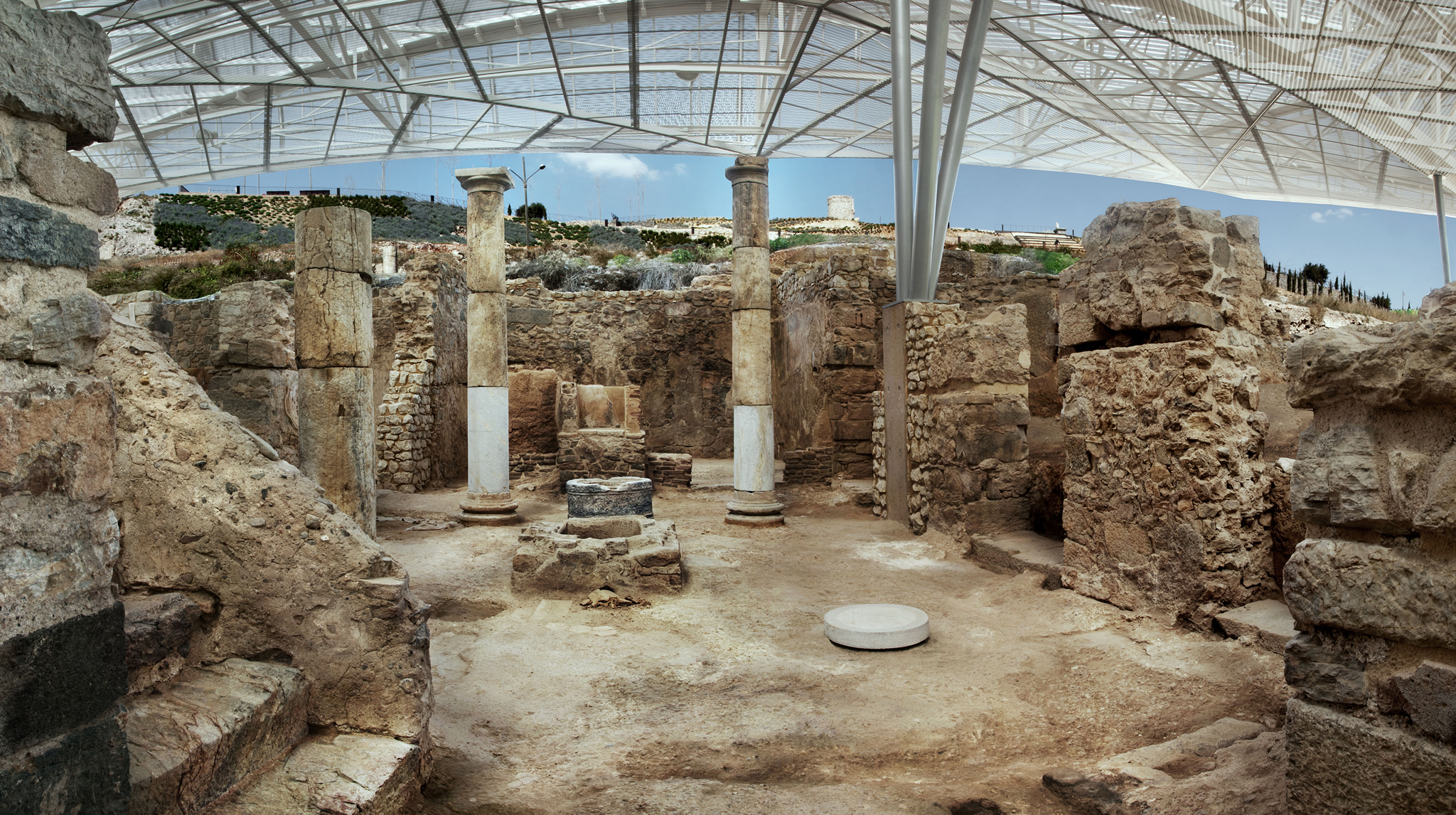
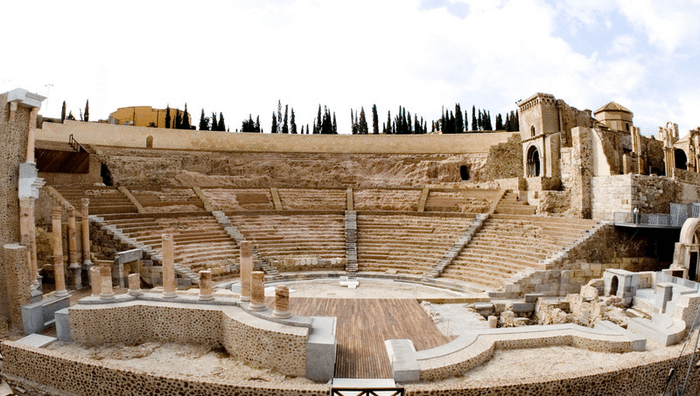
image showing ruins and remainings from the Roman Empire inside the museum

Now, we will show you some of the main details you need to know to better plan your trip to Spain and visit this unforgettable site. From aspects of the richly decorated rooms to transportation, we will cover everything to ensure you have the best experience possible.

Make sure to pay attention to each item below, and you’ll have an unforgettable experience. Here’s all you need to know:

Part of the Historical Center Plaza
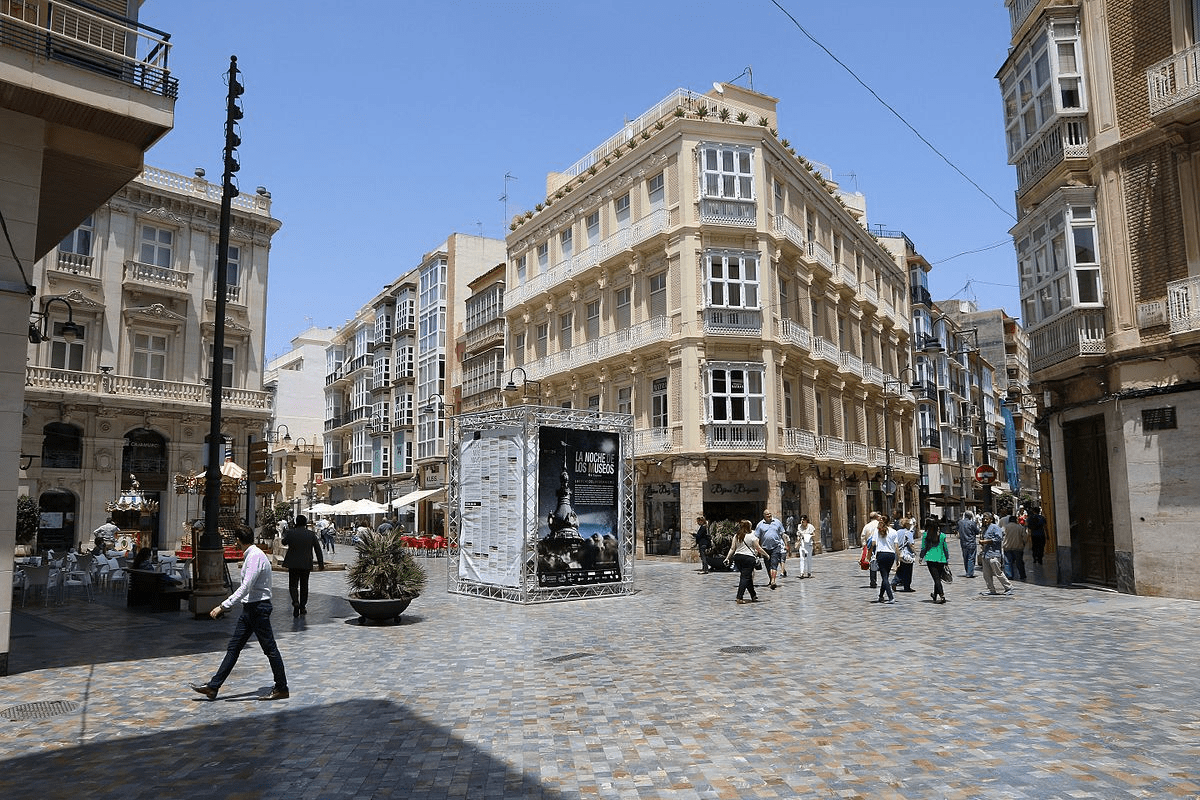
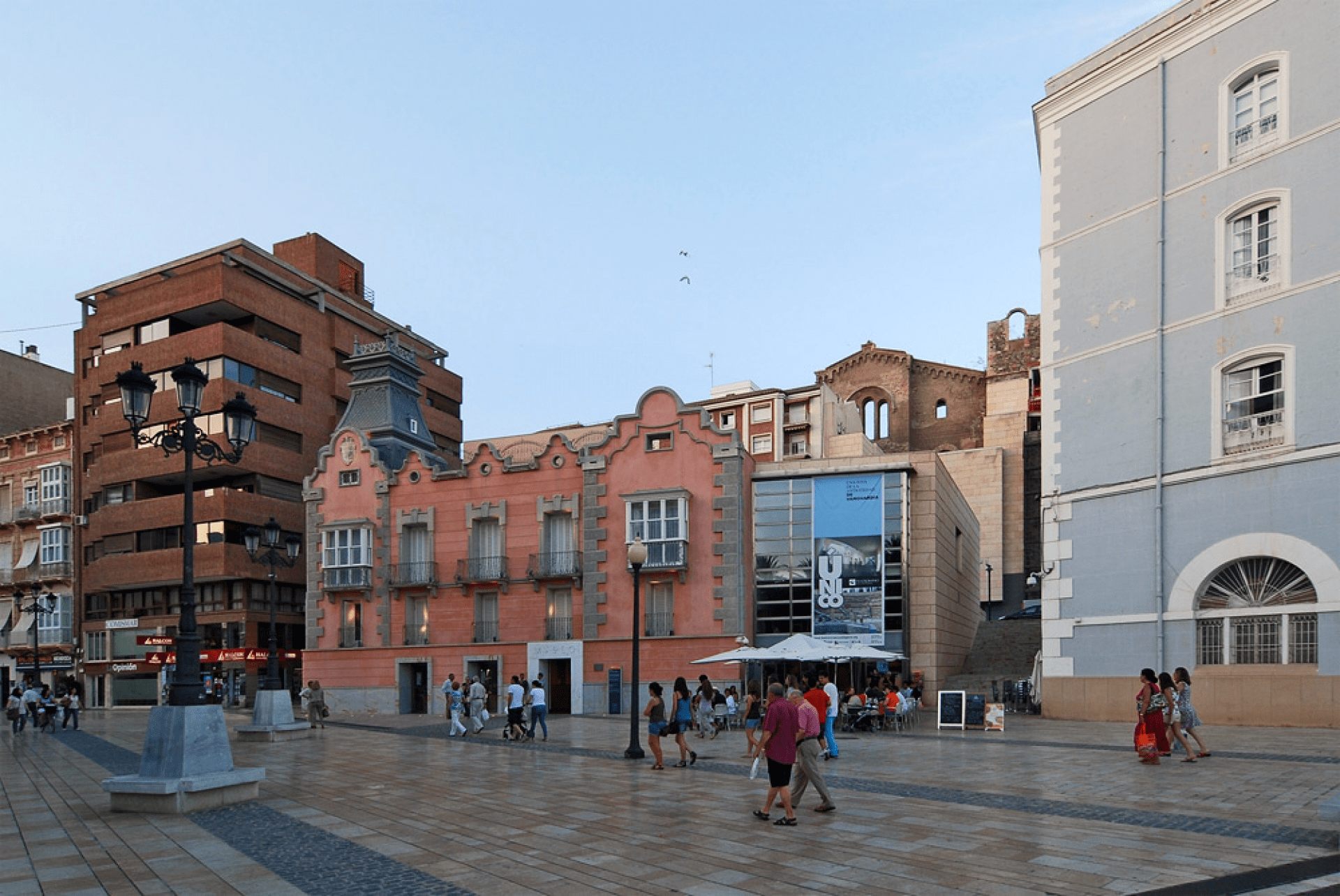
picture showing the center of Cartagena with people walking through the streets

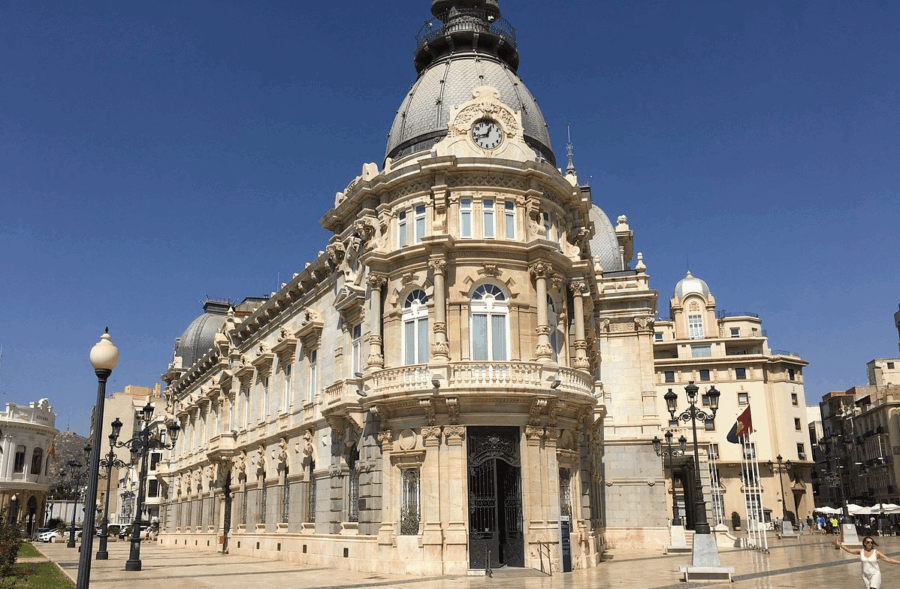
The center plaza is one of the most essential parts of the entire municipality and features major buildings, including tourist attractions and government buildings. The Augusteum is next to it, being part of the cultural venue itinerary you can visit. At the plaza, you’ll also find the local senate of Murcia and other amazing venues, like the Roman Theater. It’s the nerve centre of Cartagena, especially regarding the Roman heritage of this land.

During high season, you can quickly go to the region and spend an entire day visiting the numerous attractions available without needing transportation from one place to another. Everything is nearby, and with just a short walk, you can access whatever place you want. Each place has its interesting collection for you to explore and discover.

Notice that some of the attractions are not available during the low season, which goes from September to November, or during the medium season, from December to May, so if you want to get the best out of your vacation and find the widest variety, make sure to go during summer.

What You’ll Find at the Temple

image from inside the museum showing a space dedicated to events

The site is pretty big, and there’s a lot to explore, especially items and relics that were recovered directly from Augustus’s era. Some walls are even the original structure from that time, with marble and other remains from centuries ago.

Right at the entrance, you’ll find a double portico leading to the main areas dedicated to tourists, where they preserve some of the most important items, including statues from Octavium, God Apollo, and other figures from that time. This is one of the most crowded places in Augusteum and also one of the best if you want to learn more about Roman culture and their beliefs at that time.

After the room containing the statues, you’ll also find two nymphaeum at the sides and, after that, two rooms dedicated to worship. Each room is filled with artifacts and items gathered directly from Octavium’s era and government.

You can even see the honorary pedestals dedicated to the members of the imperial family and influential figures and patrons of the city. In every direction you look, you’ll find tons of interesting objects to see, take pictures of, or even touch, depending on them. Make sure to pay attention to the signs next to each item as some of them should not be touched or handled, like the theatrical masks that are stored inside a glass panel in the statues room.

Prices and Tour Structure
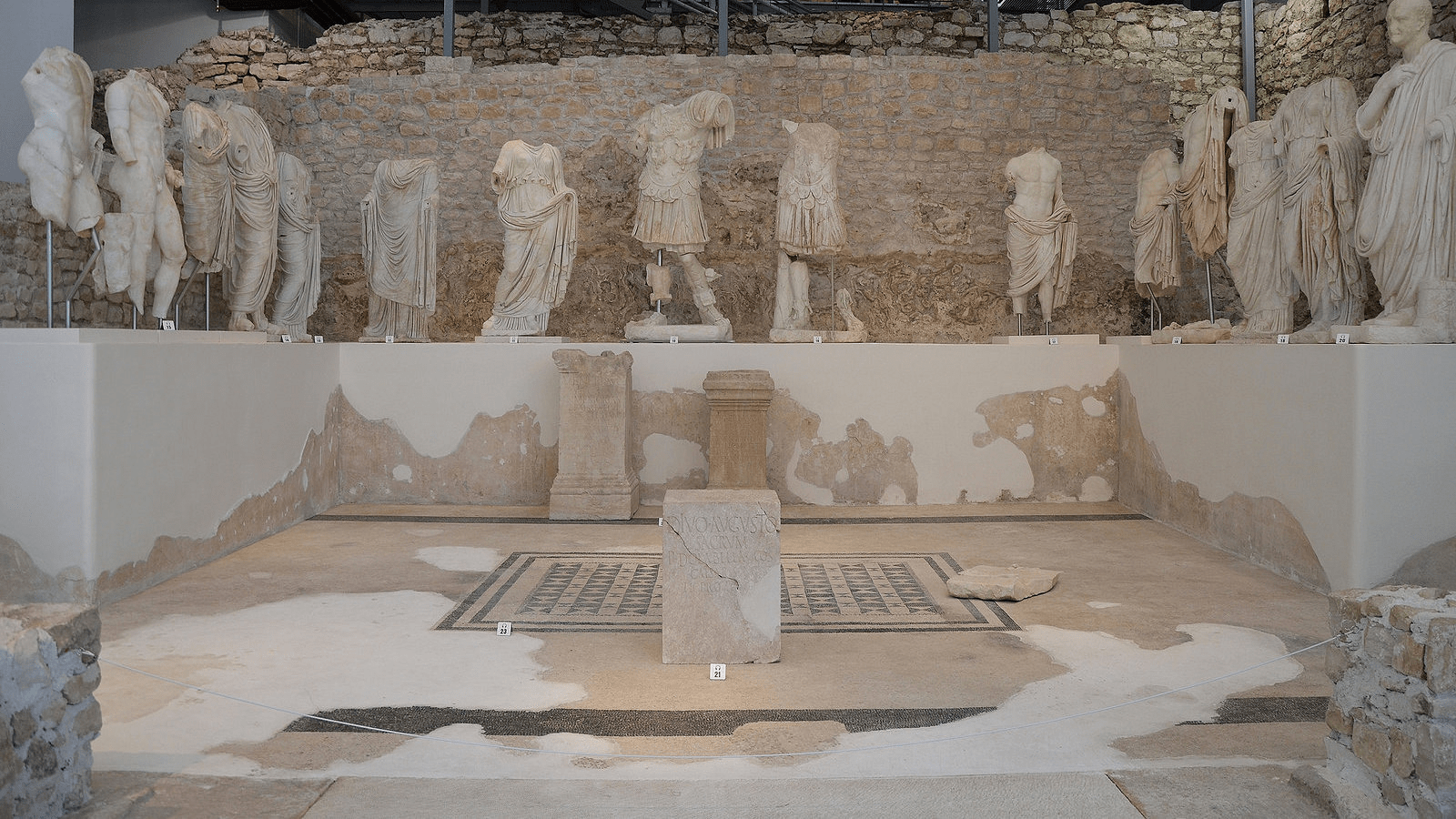
picture of one of the exhibitions from the museum showing multiple statues

As you might expect from a museum of this kind, there’s an admission fee for accessing the site and enjoying the exhibitions. Thankfully, this fee is considerably low, and you can easily enjoy everything this place offers at an affordable price.

The standard ticket costs 2,50 euros per person, with a special tier that costs 2 euros for selected cases (online booking, students, under 12yo, and others). Also, kids under three years old don’t have to pay to enter the museum and can enjoy the entire experience for free.

All the exhibitions are available in Spanish and English, ensuring you’ll understand well even though your Spanish isn’t the best. Augusteum’s staff also understands both languages, so if you have any questions or problems, they are ready to help you.

Regarding adaptation, the Museum of Emperor Augustus is also a great option. It has ramps and elevators for people to move around easily and adapted toilets for a better experience. Whether you have mobility problems or any other kind of disability, the place is adapted and ready to provide you with the best time possible.

Excavations and Archaeology
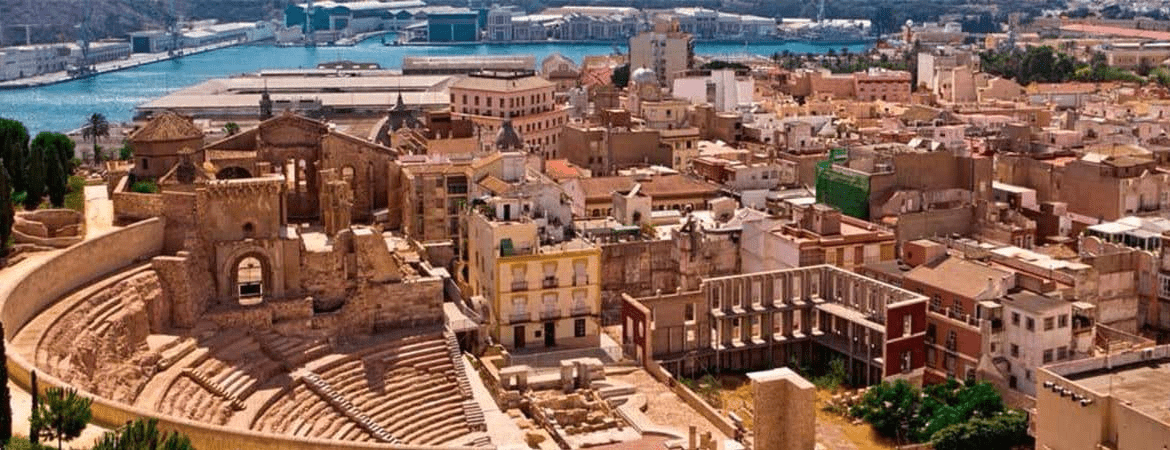
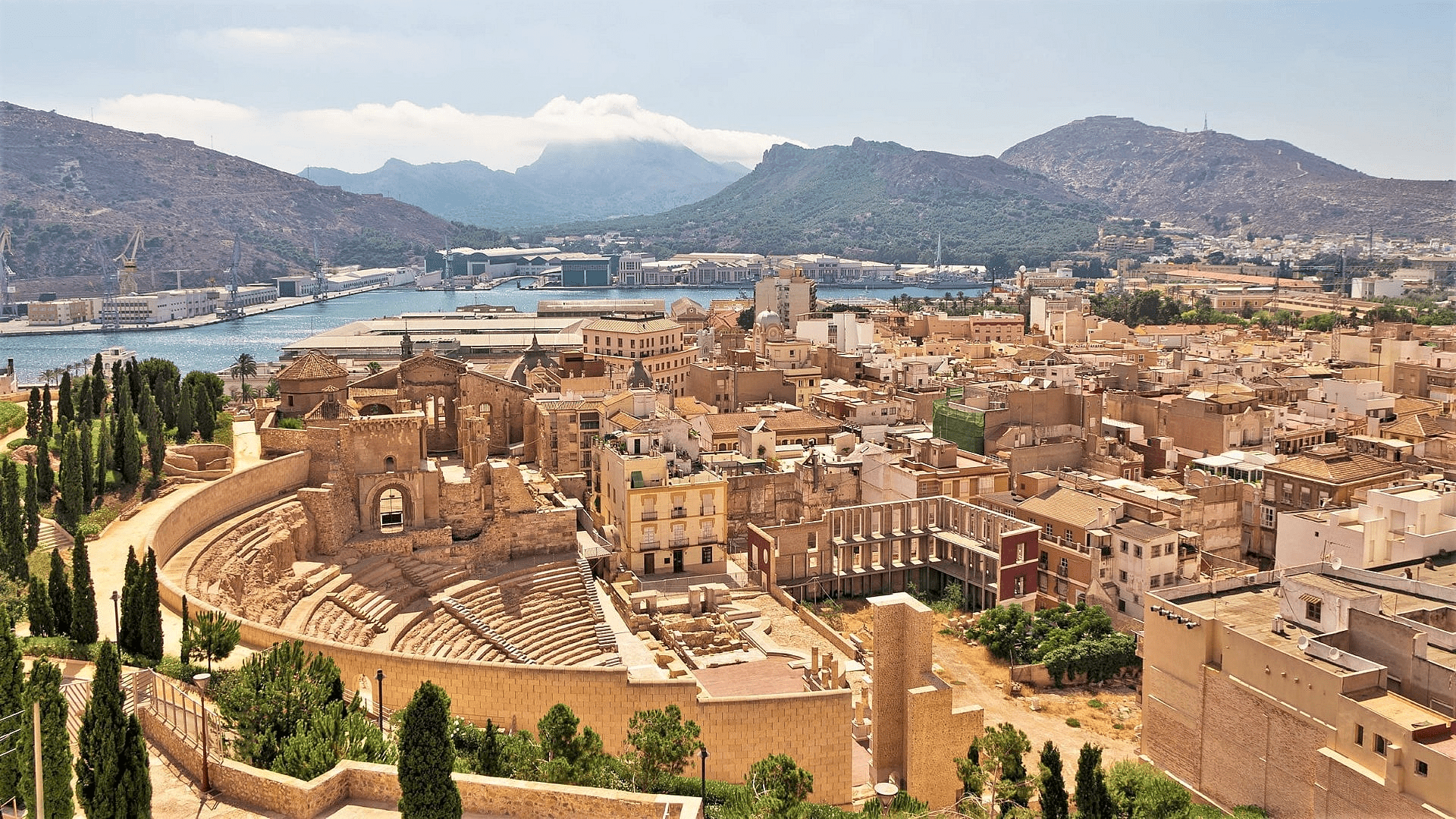
image showing the municipality of cartagena during high season

Surprisingly, the plan of building a museum wasn’t the first idea from the government. The initial plan was to build a block of buildings near the center in a privileged location.

However, during excavations done by archaeologist Luis de Miquel in 1991 and 1992, they found two sites containing vestiges and ruins from centuries ago. After carefully studying what was found underground, it was decided that the structure should be preserved underground and the construction should be suspended.

A few years later, this area was converted into what we know today as the Augusteum Museum, with the official opening happening in 2002. The site concentrates all the main relics and vestiges found during the excavations, but this work never stops, and there might be even more items waiting to be discovered around the area.

It is also essential to know that the museum passed through design renovations right after its opening, with a brand-new look revealed in 2003. This design is used up to this day.

Is Visiting Augusteum Worth It?
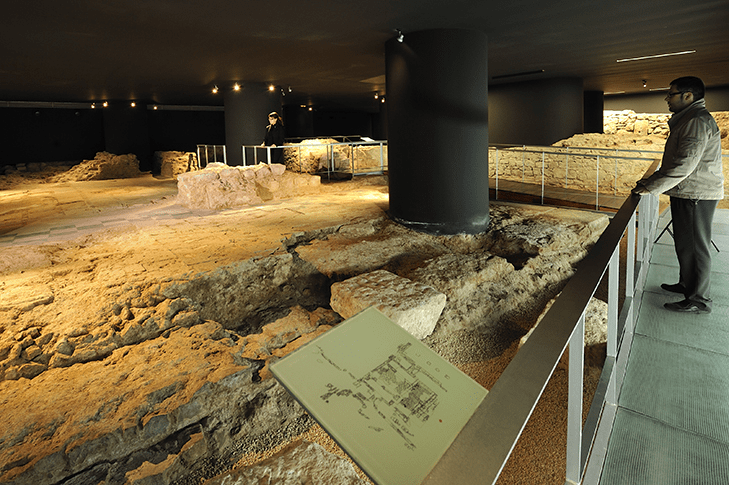
picture from the museum showing ancient structures from the Roman Empire

Spain has unique activities you can do, and the Augusteum is the perfect example of that. The attraction is the perfect place to go during low and high season and will surely please all kinds of people.

Seeing vestiges and objects from years ago is just the beginning of what you’ll find. Prepare to learn much about Octavian and its contribution to the Roman Empire, like the five hills that protected the entire structure. From his legacy to strategy to the knowledge in defense, all of it was carried through the millenniums and contributed to Roman history being one of the most successful ones. If you want to learn more about this rich past and cultural contribution, this is the place to go.

I definitely recommend it, and during my time there, I learned a lot about Roman history and how it impacted the Spanish culture, especially in that region. Whether you’re going alone or with your family, it is one of the best tourist activities available in Murcia.

Now, it’s time to pack your luggage and prepare for an unforgettable experience. Respect the rules and recommendations of the place, and you’ll have the best time at the museum.

Enjoy Your Private Paradise in Villa Murcia!

Piscina com águaO conteúdo gerado por IA pode estar incorreto.

Looking for the perfect place to stay in Murcia? We’ve got just the spot for you!

Villa Murcia – Your Private Paradise

Wake up to coffee on a sun-drenched terrace, unwind in a warm jacuzzi after a day of exploring, and end your evenings with dinners in the summer kitchen. Nestled in charming Santiago de la Ribera, Villa Murcia offers more than just a holiday—it’s your personal oasis of comfort, style, and unforgettable moments.

Highlights:
✔ Spacious living room with a large sofa and open kitchen – perfect for shared memories
✔ Three elegant, air-conditioned bedrooms with private terraces – your peaceful retreat
✔ Extra fold-out sofa in the living room – ideal for additional guests

Whether it’s a romantic escape, a family getaway, or a relaxing break with friends – Villa Murcia is your dream stay.
Book now and experience the magic of the Spanish sun!

Read More
Episcopal Palace Of Murcia

Episcopal Palace Of Murcia: History and Art in One Place. 

History, culture, architectural beauty, cuisine (incredible and delicious), and a beach that will leave anyone breathless… all in one place. When you put it this way, this utopian paradise seems made up, but it isn’t. The region of Murcia, in Spain, is one of the favorite destinations for tourists looking for a place with all these characteristics. The city really has a lot of history and beauty to tell in every corner you go.

One of the places that tells the story of the city is the Episcopal Palace. This historic building, located in the heart of the town, was declared a Property of Cultural Interest in 1992. It is a landmark of great historical and religious architectural importance in the region. The building, a magnificent example of a Rococo style, not only symbolizes ecclesiastical power in the area but also reflects Murcia’s rich cultural monumental heritage. Today, we will learn a little more about it.

The Diocese of Cartagena

Murcia’s Cathedral
Murcia’s Cathedral – Next to the Episcopal Palace.

The Episcopal Palace is the seat of the Diocese of Cartagena, one of the oldest in Spain, with a history rooted in the Roman era. For those who don’t know what it is, it is basically an ecclesiastical constituency of the Catholic Church in Spain, which has played a crucial role in spreading Christianity in the region and preserving religious traditions over the centuries.

José Manuel Lorca Planes has been Murcia’s current bishop since July 18, 2009. As the episcopal seat, the palace is an administrative and spiritual center, reflecting the church’s continued importance in the city’s cultural and social life.

Construction Of The Palacio Episcopal

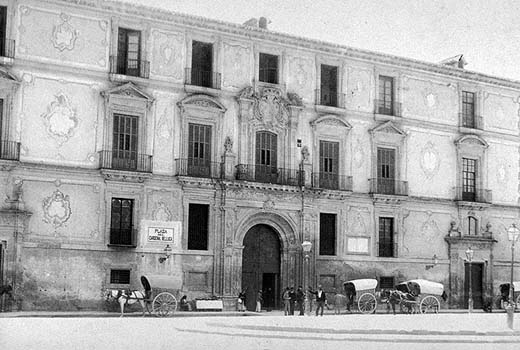
Old Picture of the Palace
La Opinion De Murcia

In the past, the old Episcopal Palace was also located in Plaza del Cardenal Belluga. It was located in the same place where the current building stands today but on the opposite side of the square.

Due to the construction of other buildings in the square and the deterioration of the palace at the time, it was decided to build a new building. The then-new location was where the Manor House of the Marquis of Los Vélez had previously been located. The real driving force behind this historic building was Bishop Juan Mateo López. After his death, his successor, Diego de Rojas y Contreras, continued the construction.

Construction began in June 1748. The work was carried out by local masters associated with Jaime Bort (a famous Spanish architect whose most important work is the facade of the Cathedral of Murcia), such as Pedro Pagán, José Alcani, and Martín Solera, who also worked on the cathedral’s façade.

Inside of the patio of Episcopal Palace
Turismo E Region De Murcia

By 1757, the work was progressing very slowly, which led the Cathedral Chapter to ask Bishop Diego de Rojas y Contreras to find a new director in Madrid. He requested a new project, revised by José López, a disciple of Bort, who took over the supervision of the works. After another interruption in 1761, Baltasar Canestro, an Italian architect, took over the project in 1765 and completed it in 1768.

Architecture Of The Palace

Plaza del Cardinal Belluga

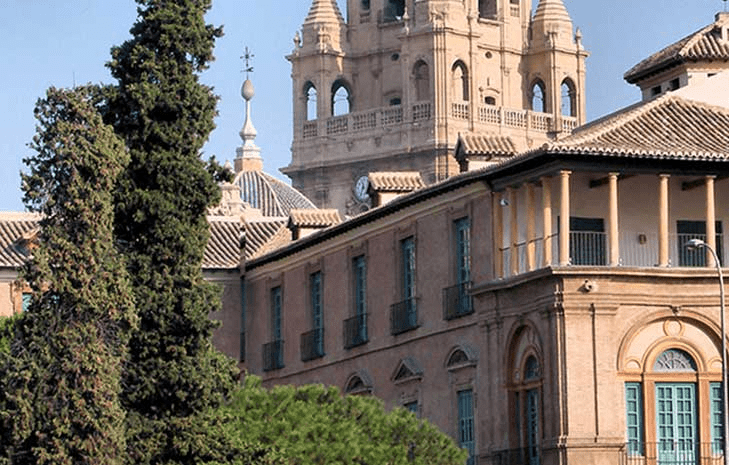
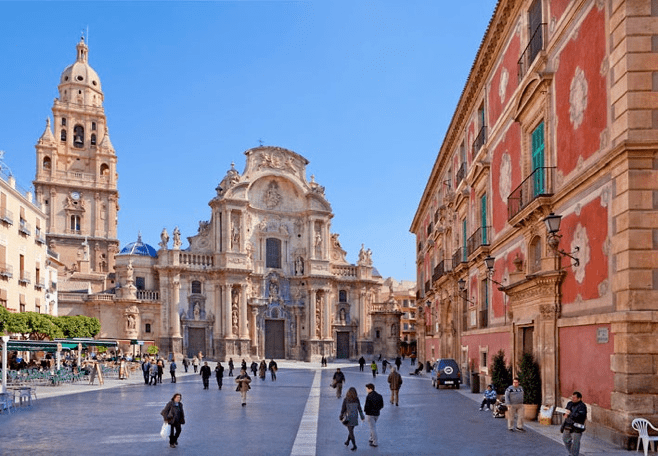
The range of styles around the Palace, in the Plaza del Cardinal Belluga (Cardenal Belluga Square), is vast. There, we find the presence of both civil and religious power in the form of the Episcopal Palace, the City Hall, and the Cathedral of Murcia. In the space, you will find buildings of all types, from Baroque to eclectic buildings with modernist touches.

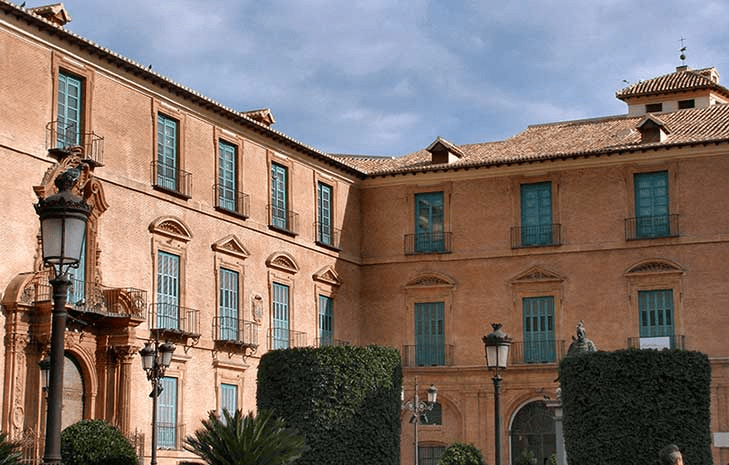
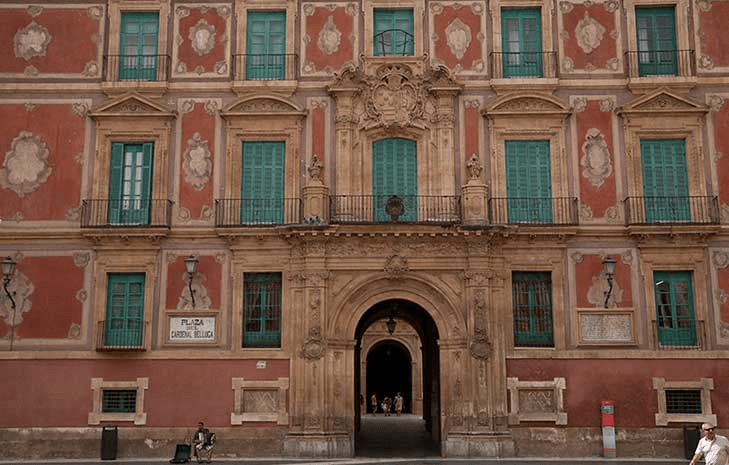
Main facade of Episcopal Palace Of Murcia, with sober volumes and delicate colours.
Turismo E Region De Murcia

The Episcopal Palace of Murcia is a remarkable example of Baroque architecture, with a derivative style marked by Italian and French Rococo trends. The building has a square floor plan decorated almost entirely with shields of different shapes and colors and features delicate decorative grace, evident in its beautiful facades.

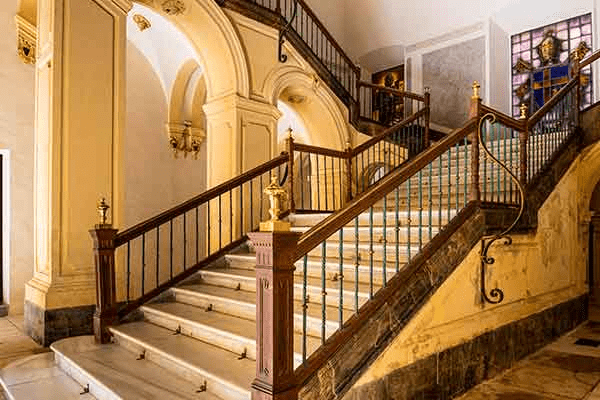
Main Staircase of Episcopal Palace
Turismo de Murcia

The main entrance to the Palace, known as Puerta del Perdón, is a masterpiece itself, with its arched door and ornate ironwork. The palace’s interior features a grand staircase that rises from the entrance hall. The staircase is decorated with intricate balustrades and decorative elements, making it an actual work of art and perfect for taking a photo and keeping the place in your memory.

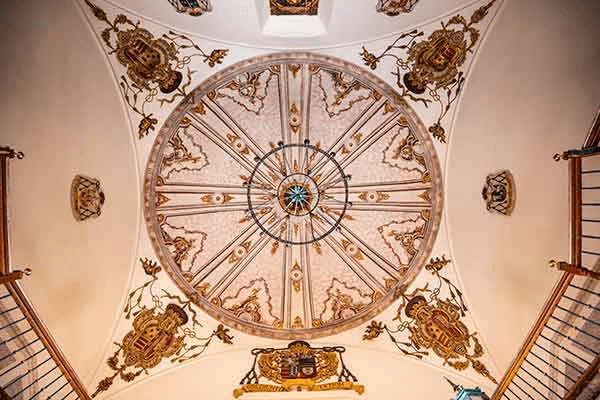
Palace ceilings
Turismo de Murcia

Be careful with your neck and possible pain! Looking at the palace ceilings, decorated with beautiful frescoes and paintings depicting religious scenes and historical events, is addictive and very difficult to stop.

Palace's first floor, and the portraits of all the bishops of the Diocese
Vicente Vicéns / AGM – La Verdad

On the palace’s first floor, you can see the portraits of all the bishops of the Diocese of Cartagena since its foundation.

The Salón del Trono, or Throne Room, is one of the most impressive rooms in the Palace. It features a coffered ceiling, intricately carved woodwork, and a large throne that was once used by the bishops of Murcia.

chapel in the Palace
TripAdvisor © Robert Bovington

Two other parts of the building worth mentioning are the courtyard, which is arranged in three Doric arcades and a more compact upper section, and a small circular chapel in the Rococo style that is open 24 hours a day.

Stage Of Important Historical Events

The palace has played significant roles throughout its history. During the Spanish War of Independence, it was used as a headquarters for French troops. It later served as a temporary residence for members of the Spanish royal family during official visits, such as those of Queen Elizabeth II in 1862 and King Alfonso XII in 1879.

The Bishop’s Viewpoint

The Bishop's Viewpoint
Turismo de Murcia

The “Hammer of the Palace” (Martillo del Palacio) is one of the Episcopal Palace’s distinctive architectural features. This belvedere-like structure, or large balcony, projects from the main building and offers a privileged view over the Segura River and the Paseo del Arenal.

This part of the palace is known as the “Bishop’s Viewpoint” and was built before the main body of the building. In addition to serving as a vantage point, the Hammer also includes an exhibition room, the Sala San Isidoro.

Important Information for Visitors

The Palace is open to the public from Monday to Friday from 9 a.m. to 2 p.m. and from 5 p.m. to 8 p.m. The opening hours in August are different, and the space is open from Monday to Friday from 9 a.m. to 2 p.m.

It is advisable to check the opening hours on the official website or contact the palace directly for the most up-to-date information, especially during peak tourist seasons.

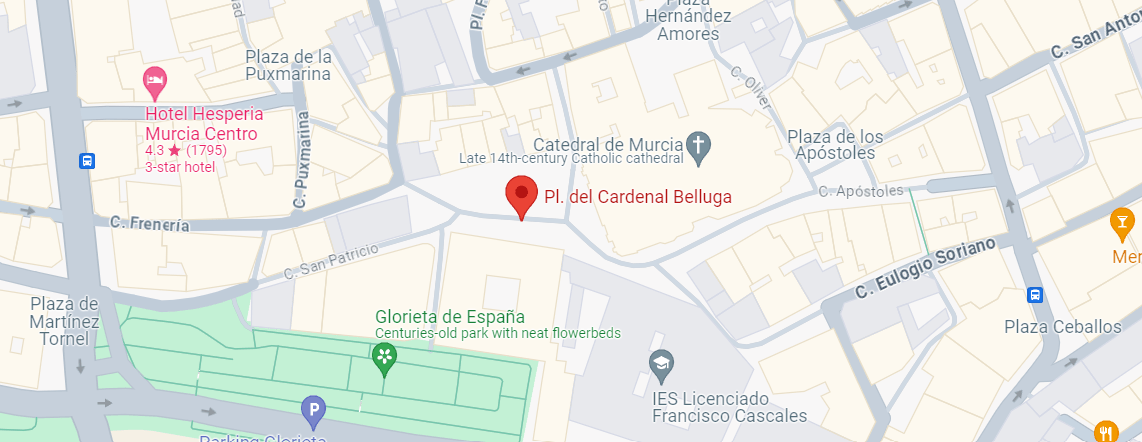
Location of the Palace in the map

Since it is located in Plaza del Cardenal Belluga, one of the most central and accessible squares in the city, it is very easy to reach and find the building. Visitors can reach the site in several ways:

  • Public Transport: Several bus lines stop near the palace, providing easy access from different parts of the city. Murcia train station is also a short walk away, connecting the city to other regions.
  • Car: For those who prefer to drive, there are several parking options nearby, including the Plaza Belluga underground car park. However, street parking may be limited and may incur charges.
  • On Foot: Due to the palace’s central location, many visitors choose to walk through Murcia’s charming neighborhoods to reach their destination, exploring other attractions and points of interest along the way.

Enjoy Your Private Paradise in Villa Murcia!

Piscina com águaO conteúdo gerado por IA pode estar incorreto.

Looking for the perfect place to stay in Murcia? We’ve got just the spot for you!

Villa Murcia – Your Private Paradise

Wake up to coffee on a sun-drenched terrace, unwind in a warm jacuzzi after a day of exploring, and end your evenings with dinners in the summer kitchen. Nestled in charming Santiago de la Ribera, Villa Murcia offers more than just a holiday—it’s your personal oasis of comfort, style, and unforgettable moments.

Highlights:
✔ Spacious living room with a large sofa and open kitchen – perfect for shared memories
✔ Three elegant, air-conditioned bedrooms with private terraces – your peaceful retreat
✔ Extra fold-out sofa in the living room – ideal for additional guests

Whether it’s a romantic escape, a family getaway, or a relaxing break with friends – Villa Murcia is your dream stay.
Book now and experience the magic of the Spanish sun!

Palacio Episcopal: A Must-See In Murcia!

Episcopal Palace Of Murcia
Turismo E Region De Murcia

Murcia is a city with many tourist attractions. With every step you take in the city, you find yourself in a new place with a rich history and beauty. The Episcopal Palace is one of the most important buildings in Murcia, but it often gets forgotten from the list of places to visit. The building is a must-see for anyone who wants to understand more about the history, architecture, and cultural importance of the city.

Read More
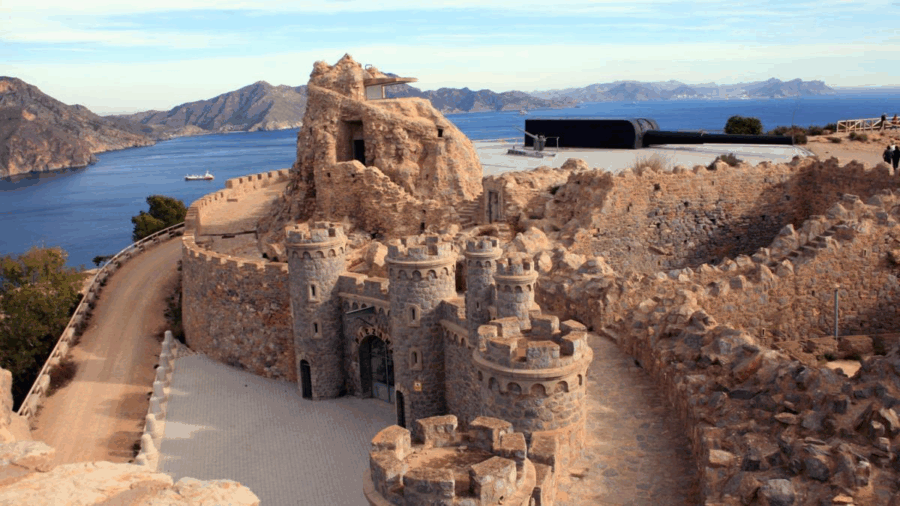
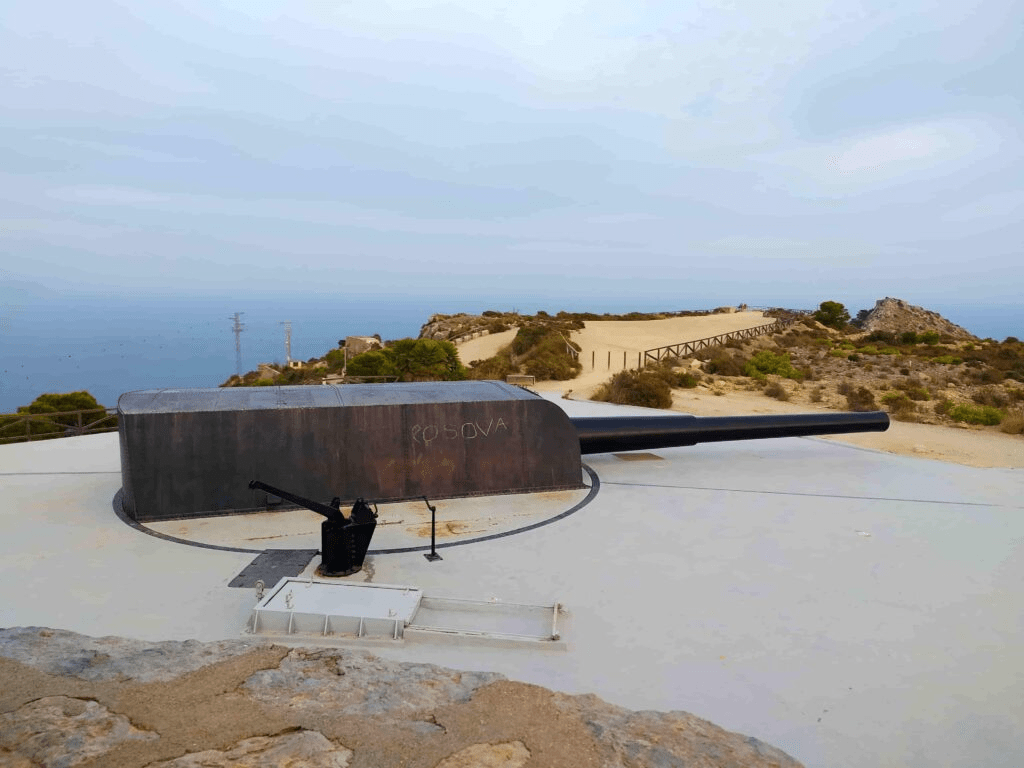
picture from bateria de castillitos showing the sea on the background

The Amazing World of Bateria de Castillitos: Strength and Strategy

Hidden in one of the most beautiful spots of Cartagena Bay lies Bateria de Castillos, a relic from the Spanish Civil War, representing the strength and power of the military division of Murcia Region. This important port and defense acted as one of the most important military buildings during numerous conflicts and caused a devastating efficiency in repelling enemy forces.

Now, Castillitos Battery serves as a memory from these massive conflicts and a must-visit for history fans or tourists looking for a cultural attraction and spectacular views. Join us as we see what this fantastic medieval castle offers and why Murcia should be your next destination when planning your trip.

From the public transport you can take to get there to the history behind the two massive guns mounted on this fortress, we will cover every aspect. Here’s your definitive guide on Castillitos Battery and its marvelous construction:

Table of Contents

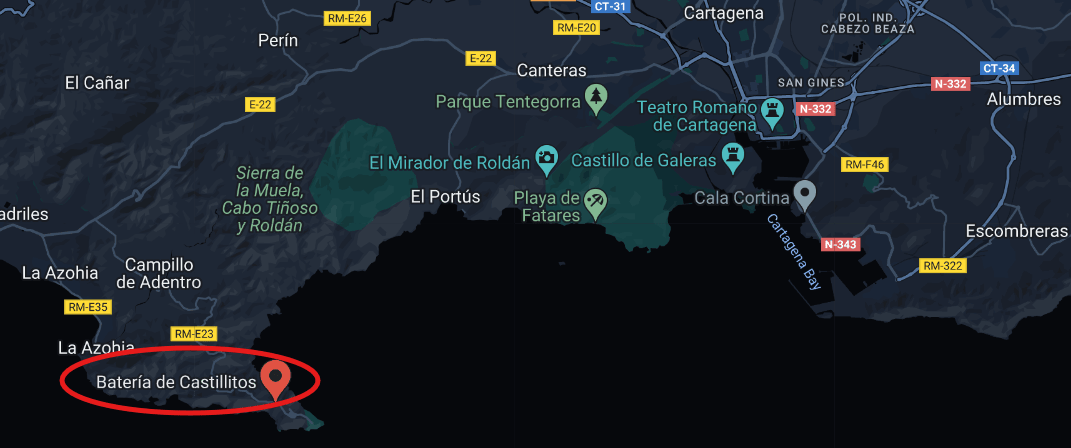
Location of Bateria de Castillitos

map from cartagena, in Murcia, with Castillitos battery highlighted

As we mentioned, the castle is located in one of the most sought-after tourist spots in Spain, Murcia, specifically in Cartagena. The municipality holds some of the most exciting attractions in the entire country. It is also the perfect destination for everyone, whether you’re looking for something more cultural or a great beach to practice extreme sports.

The battery lies minutes away from the city centre and is accessed through a region known as Campillo de Adentro. As soon as you enter the region, you’ll start to notice numerous historical buildings and vestiges from the old times of this mysterious site.

Campillo de Adentrum is easy to find, and there are several ways to access the road, including cab services, tour transportation, and many others, which dismiss the need to rent a car just for this task. It is a great attraction for the entire family and has numerous secrets waiting to be unveiled.

What You Need to Know Before Visiting Castillitos Battery

image showing one of the stone paths inside the fortress

Going to Batería de Castillitos is a ton of fun and holds numerous surprises that will stay in your head forever, but there are some things you should know to get the best out of this experience. Here, we will show you the main details and curiosities to help you better plan your trip and get the best out of this tourist attraction that gathers thousands of people annually. From the history behind its gun control bunkers to the structure of the castle and what you’ll find there, here’s everything you need to know about this marvelous jewel from the past:

Price and Guided Tour

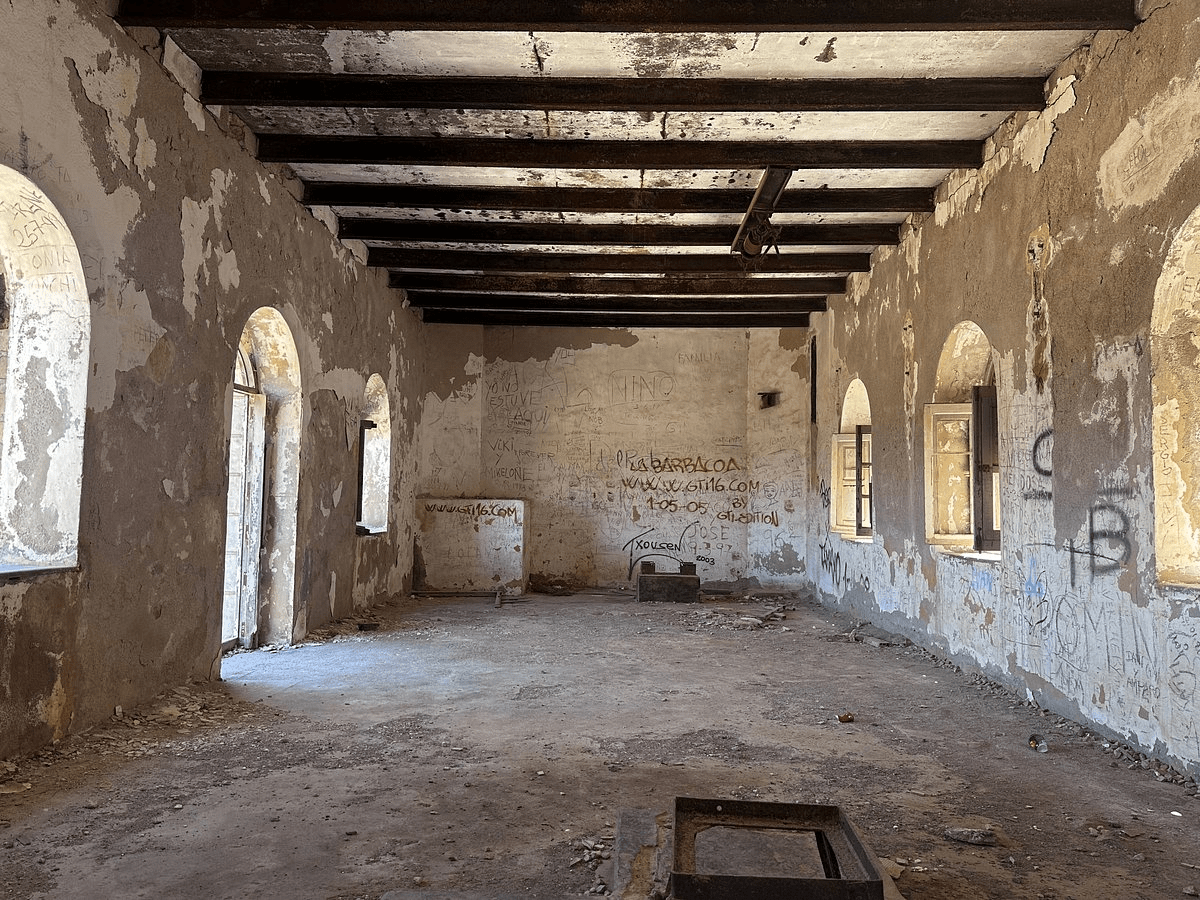
picture from one of the rooms inside the castle

You’d be surprised to know that this tourist venue is free, so you don’t have to pay anything to enjoy its stunning views. Still, some companies offer customized tours and experiences, like jeep rides throughout the region, with prices ranging all the way to 400 euros.

But if you don’t want to spend that kind of money, don’t worry. Visiting the outside of Sierra de la Muela and other parts next to the castle is free and will not disappoint you. The castle and its structure are available for all visitors and are open throughout the entire day for visiting and viewing the gun battery, military arsenal, and many other exciting attractions available at the site.

Notice that some rooms are closed and inaccessible for visitors to enter. If you’re in doubt, look for someone responsible for maintaining the area and ask them if it is accessible.

Respect the rules and regulations of the place. This way, you’ll have the best experience possible and ensure the best experience for you and those around you.

Road to the Castle and Parking Lot

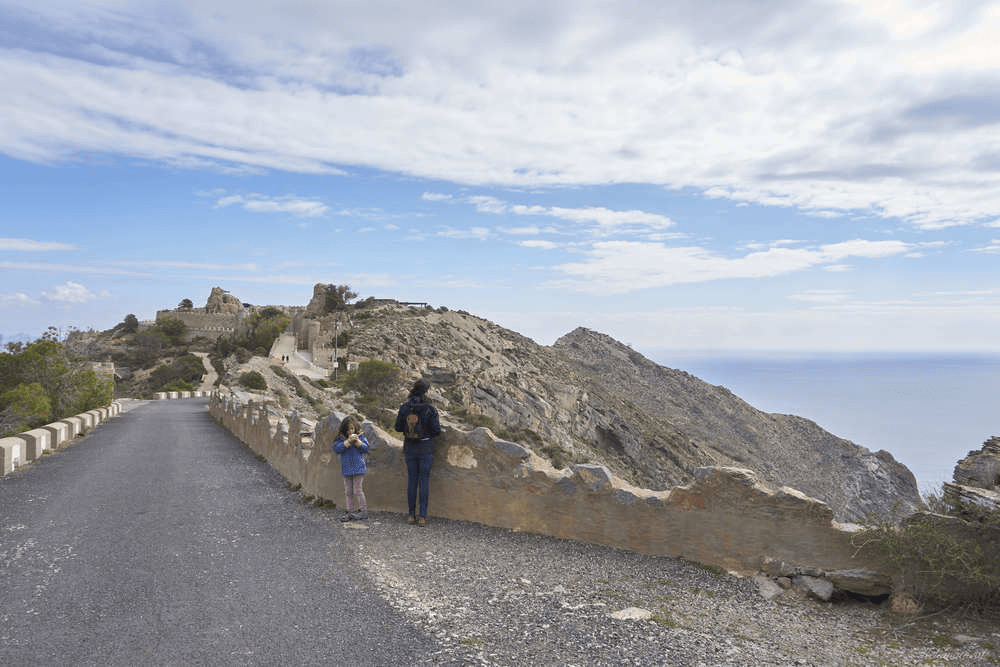
picture from the road leading to the area of the castle

The biggest flaw in Bateria de Castillitos is the terrible road you have to cross to get to the site. Some paths are hard to navigate, and the signs don’t help. The road is definitely not recommended for inexperienced drivers. In this case, make sure to take alternative transportation to the location, like a bus, car ride app, or something else.

On the other hand, if you’re an experienced driver looking for a challenge, this road will surely test your skills. Arriving at the location, you’ll find tons of other cars trying to find a parking spot. Even though the place has dozens of parking spots, it is almost impossible to find a free spot to park your car as soon as you arrive.

This can cause enormous stress, so we recommend choosing another transportation method instead of driving through the road leading to the attraction. There are options for all budgets, and you avoid all kinds of problems.

Purpose of the Gun Battery

picture from the gun battery inside the fortress

When it comes to Batería de Castillitos, the part that most catches tourists’ attention is the fortification’s gun battery. It has two main big guns that point at sea level, each one in an opposite direction to cover the entire area.

The main objective was to spot and prevent enemy ships entering the region from causing any damage to the structures or soldiers. Even though the war wasn’t fought only on the sea, this was the main area of occupation of this fortress and its efforts.

Everything was built to fight against naval forces, and even the actual altitude of the castle was carefully projected, considering the advantage in combat against enemy ships and other naval structures. It is a relic that reflects how war strategy was back then and how much effort was put into each action to ensure the best results possible and a victory for their soldiers.

The two cannons were the Spanish artillery’s most powerful weapon. They were prepared and used during the Spanish Civil War in 1937, specifically against Franco’s Nationalist fleet.

Other Spots to Visit

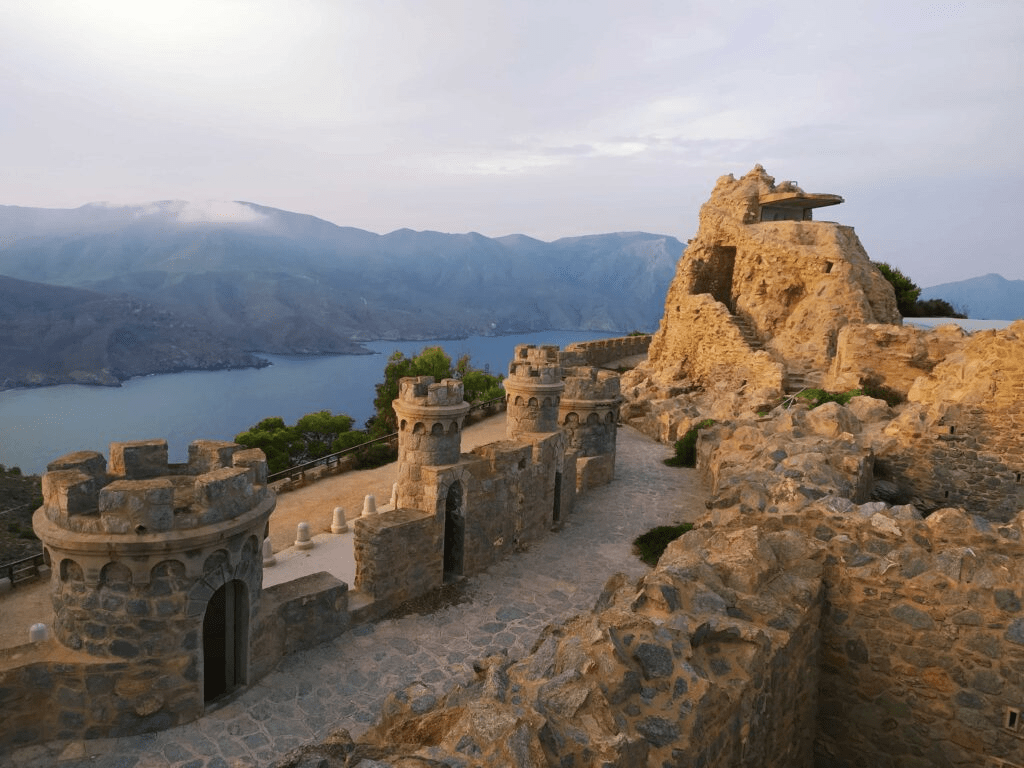
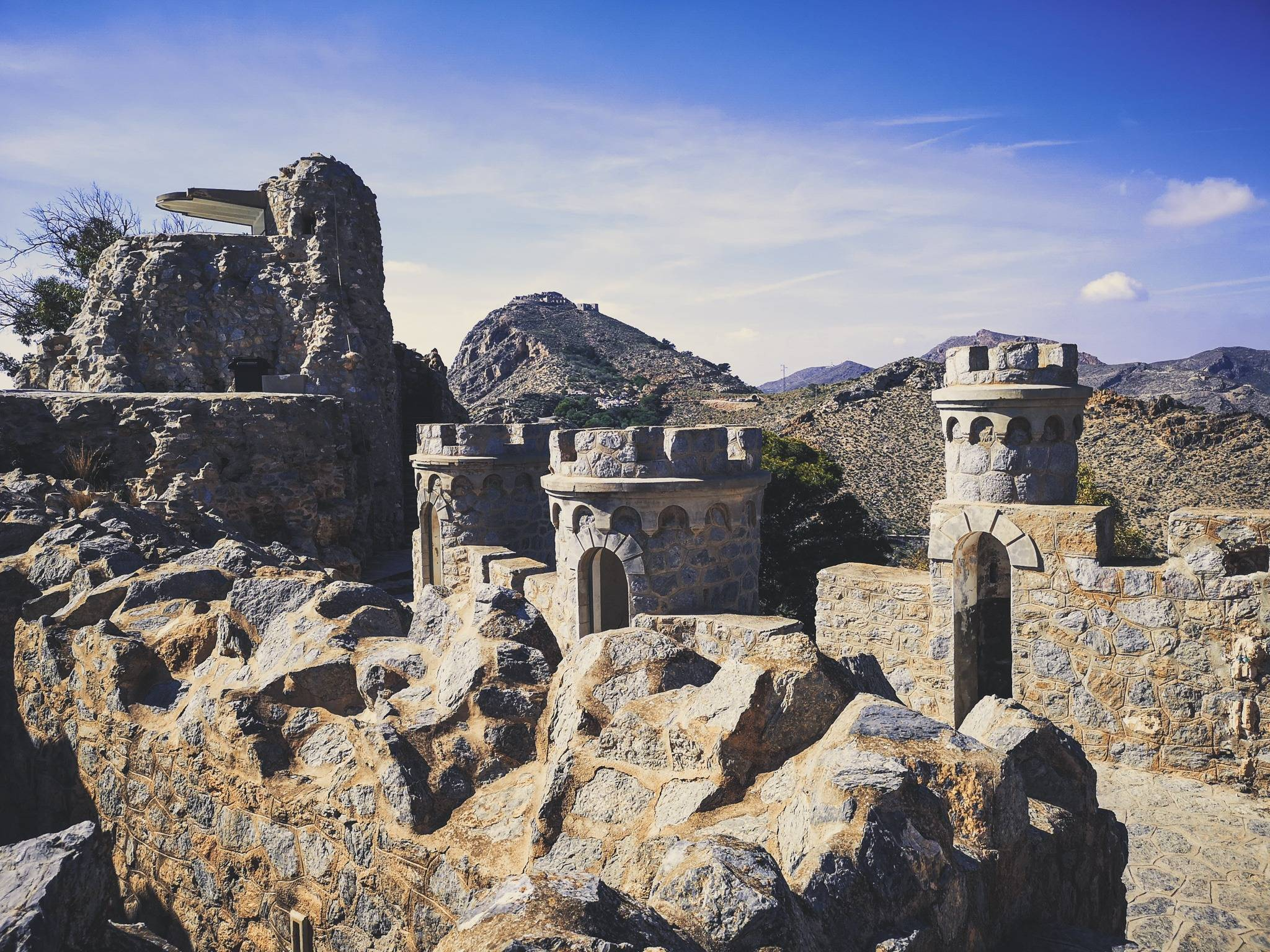
image showing the towers inside bateria de castillitos

One of the great things about Bateria de Castillitos and almost any tourist attraction of Cartagena is that you’ll always have tons of other options nearby. You don’t need to worry about what you’ll do during the rest of your day, and every spot in the region has multiple options for how to do it.

For example, a few meters away from the fort, you’ll also find Roldán Nature Reserve, Cabo Tiñoso Cape, and many other notable spots that will give you unforgettable memories, whether you’re traveling alone or with your family. They are all nearby, and if you like to go for a good walk, you can go to them on foot without needing any kind of transportation.

These two locations hold some of the best views in the entire region of Murcia and we highly recommend visiting them if you’re looking for an experience to connect with nature and enjoy some good views.

The Structure

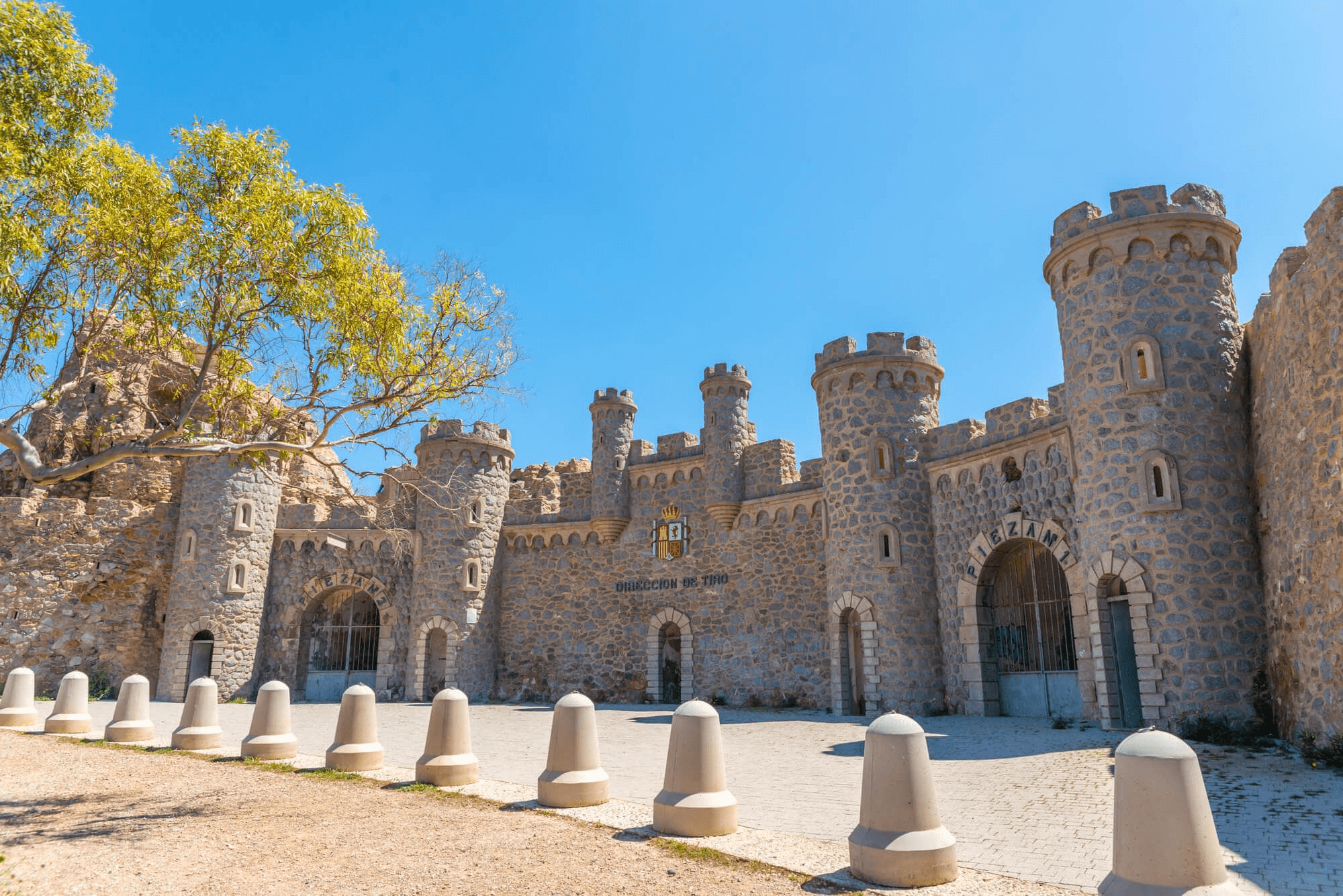
image from the entrance of the place

If you’re wondering what you’ll find in this marvelous building, you’ll be glad to know that there are many rooms and parts to explore. From the four towers at the entrance of the castle to the corridors surrounded by stones and memories from the past, everything here will catch your attention.

Most of the interesting things are located in the outside of the fortifications. This includes the weapons and watchtowers used to spot enemies and ships. Be careful with the corridors and rooms since some can be narrow.

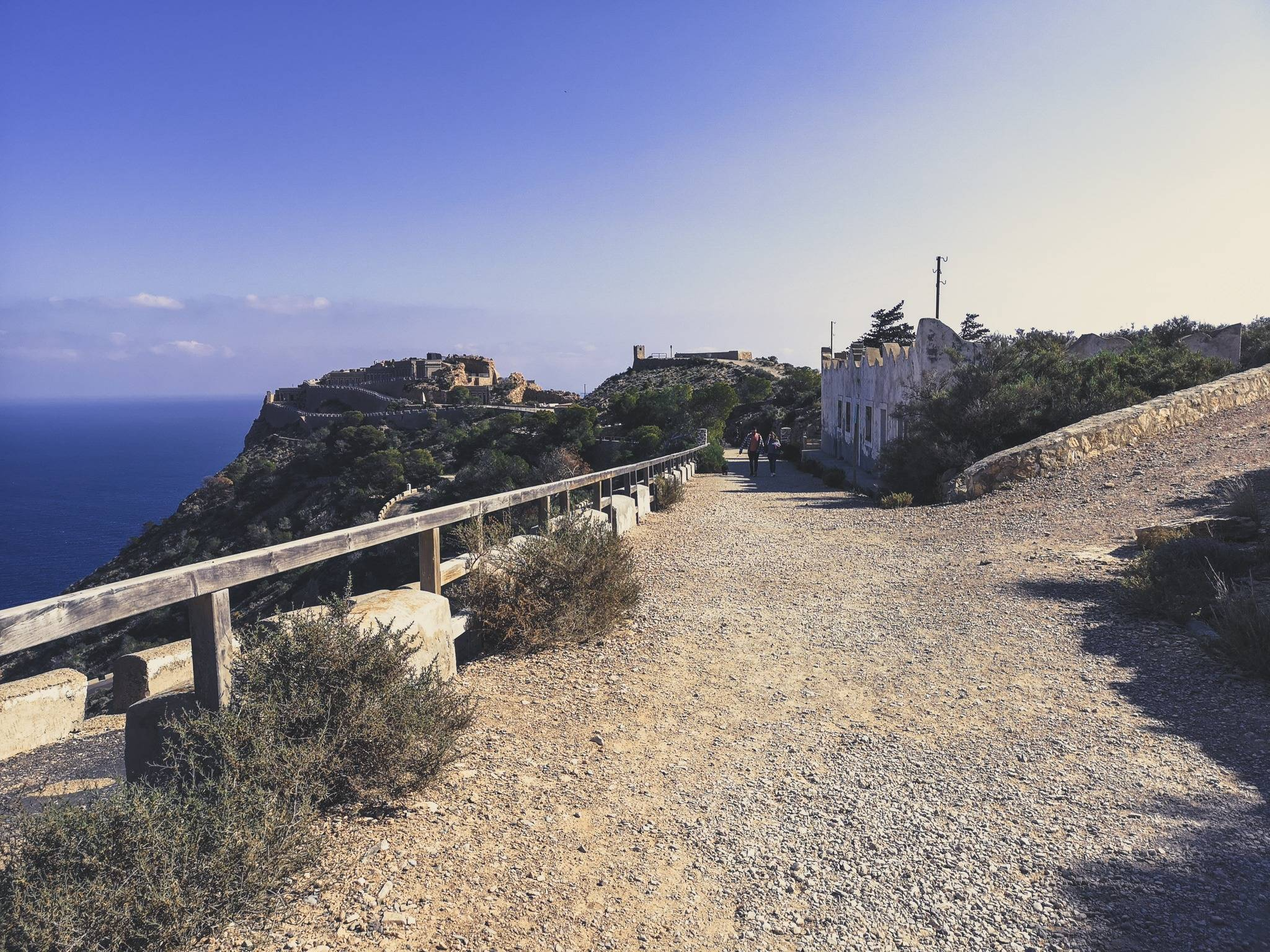
Notice that part of the structure is built at the edge of a cliff, so it is always recommended to be careful where you walk and what you do. If you’re taking your kids with you, make sure to always keep an eye on them since some places can be really dangerous.

Abandoned Tunnels

picture of tourists walking through the area of the fortress

Along with the standard structure on the surface, the fort also has underground tunnels used by soldiers to quickly move between places or escape from an attack on the castle. Some of these tunnels are accessible, and you can walk through them while exploring the castle. Be careful not to get lost when exploring them. It is always recommended to go with someone else to avoid problems trying to find your way back to the main structure.

Some of these tunnels are inaccessible for safety reasons, and you should not trespass on them. Respecting this will ensure a safe experience for yourself and those around you.

Enjoy Your Private Paradise in Villa Murcia!

Piscina com águaO conteúdo gerado por IA pode estar incorreto.

Looking for the perfect place to stay in Murcia? We’ve got just the spot for you!

Villa Murcia – Your Private Paradise

Wake up to coffee on a sun-drenched terrace, unwind in a warm jacuzzi after a day of exploring, and end your evenings with dinners in the summer kitchen. Nestled in charming Santiago de la Ribera, Villa Murcia offers more than just a holiday—it’s your personal oasis of comfort, style, and unforgettable moments.

Highlights:
✔ Spacious living room with a large sofa and open kitchen – perfect for shared memories
✔ Three elegant, air-conditioned bedrooms with private terraces – your peaceful retreat
✔ Extra fold-out sofa in the living room – ideal for additional guests

Whether it’s a romantic escape, a family getaway, or a relaxing break with friends – Villa Murcia is your dream stay.
Book now and experience the magic of the Spanish sun!

Conclusion: Is Visiting Bateria de Castillitos Worth It?

image of the fortress showing the sea

Castillitos Battery offers an amazing experience that includes fun activities and some of the best views in Spain. But is it worth booking a flight to visit this spot?

In my opinion yes. During my time at Bateria de Castillitos, I had tons of fun, and there were endless possibilities of what to do and where to go.

Not only that, but Cartagena is one of the best places in Spain if you’re looking for variety. Everything is nearby, and you can spend weeks without repeating the same activity or eating at the same place.

In my opinion, the biggest flaw when it comes to this activity is the road that leads to the fortress. The path is scary to drive through, and if you’re not an experienced driver with good handling, don’t even think of renting a car and getting behind the wheel to go to the attraction.

Aside from that, it is a great experience and a must-go if you’re planning a trip to Murcia and its beautiful region. Now that you know everything, it is time to start packing your luggage and prepare to discover one of the best tourist spots in the entire area. Respect the place’s rules and recommendations, and you’ll have the best time possible.

Read More
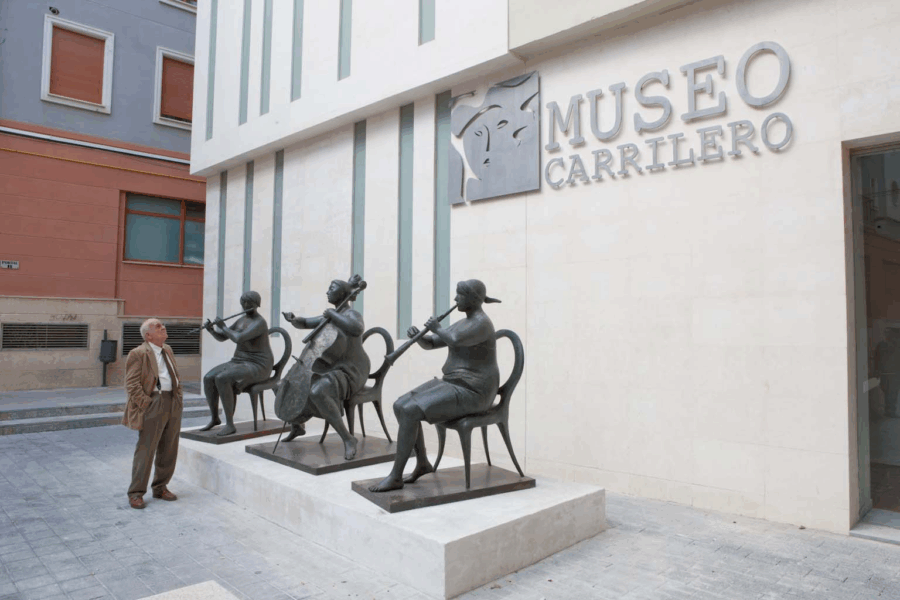
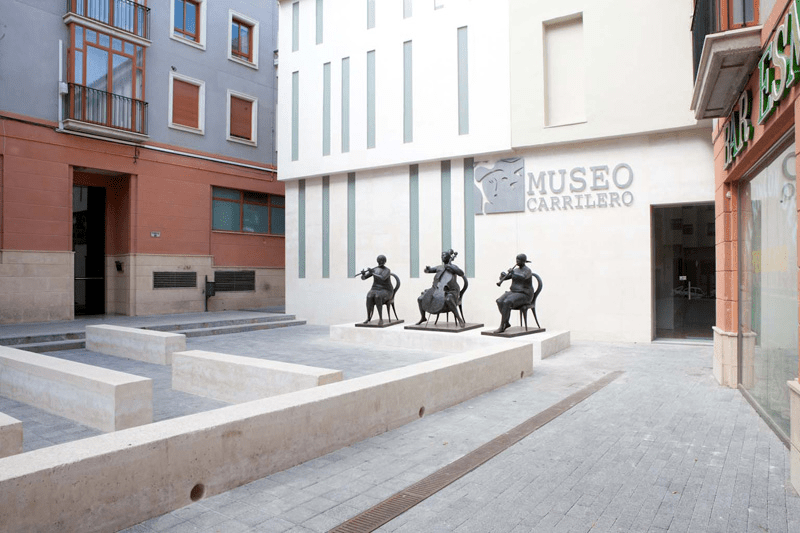
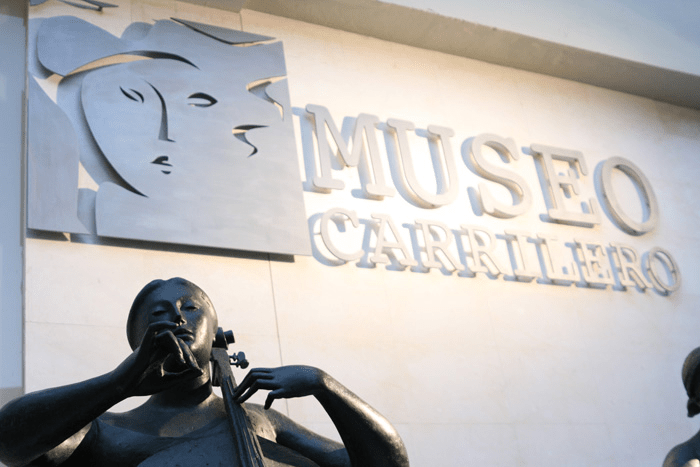
Museo Carrilero building with life-size sculptural group at the entrance, representing a trio of instrumentalists

Museo Carrilero: The Art of Jose Carrilero in Caravaca de la Cruz 

Caravaca de la Cruz is a mountainous municipality in the northwest of the autonomous community of Murcia, Spain. The city is very important to the region due to its Catholic cult, culture, famous festivals, medieval layout, and imposing walled enclosure. However, few people know that it is also home to extraordinary museums, including the Carrilero Museum.

This museum is a unique destination for art lovers, especially those fascinated by sculptures. It is dedicated to the life and work of the renowned sculptor José Carrilero for the permanent exhibition of 90 works of this author: sculptures, paintings, and medals. Today, we are going to learn a little more about this place.

Table of Contents

The Career and Style of Jose Carrilero

It’s only fitting to start by understanding who José Carrilero was in order to appreciate why this man, so passionate about art, has a museum dedicated in his honor.

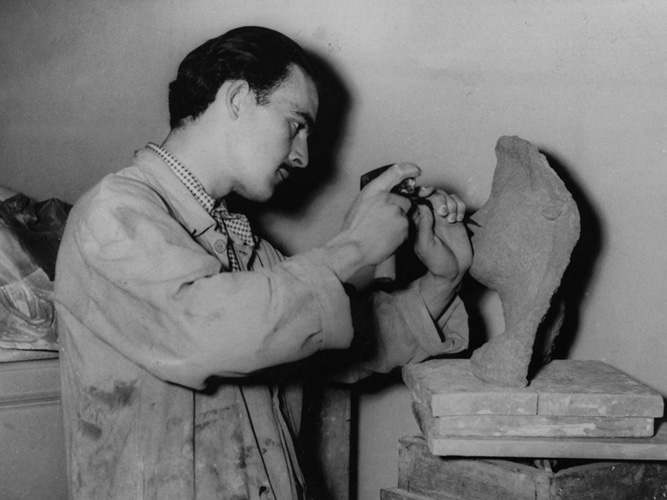
Jose Carrilero, the men wich the Museo Carrilero is dedicated

Jose was born in Caravaca de La Cruz in 1928, but his family moved to Murcia when he was three years old. Ten years later (at the age of 13), he began his artistic journey and started studying at the School of Arts and Crafts of Murcia, where he was influenced by masters such as Luis Garay and Clemente Cantos.

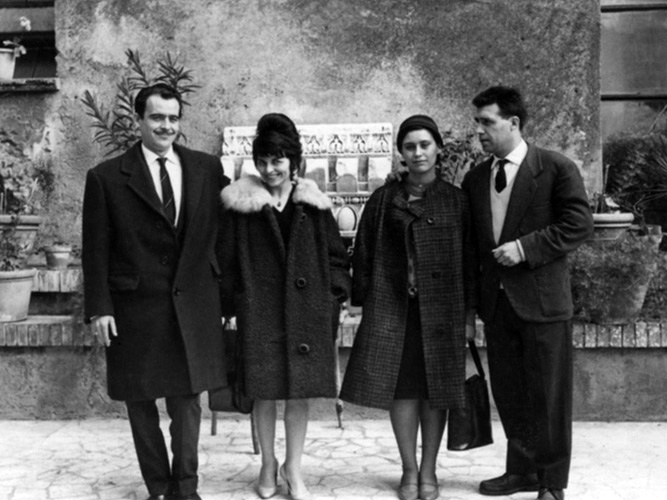
Jose at the Spanish Academy of Fine Arts in Rome

Jose Carrilero at the Spanish Academy of Fine Arts in Rome

In 1952, Carrilero moved to Madrid to study at the Real Academia de Bellas Artes de San Fernando, where he completed his training and later received a scholarship to study at the Spanish Academy in Rome. His stay in Rome was transformative, exposing him to new artistic influences. During this time, Carrilero formed the group “Los Seis Escultores”.

The group consisted of Jose Carrilero Gil, Joaquín García Donaire, César Montaña, Benjamín Mustieles, and Jesús Valverde. They never intended to create their school; instead, they were simply a union based on shared affinities and a passion for art. The group held its first exhibition in 1964 at the General Directorate of Fine Arts in Madrid and was part of the New Figuration movement.

Jose Carrilero, the men wich the Museo Carrilero is dedicated

Carrilero’s style focuses on human figuration, often characterized by robust and expressive forms. He works with various materials, including bronze, and his works capture the essence and emotion of human figures in different postures and situations.

Carrilero Museum

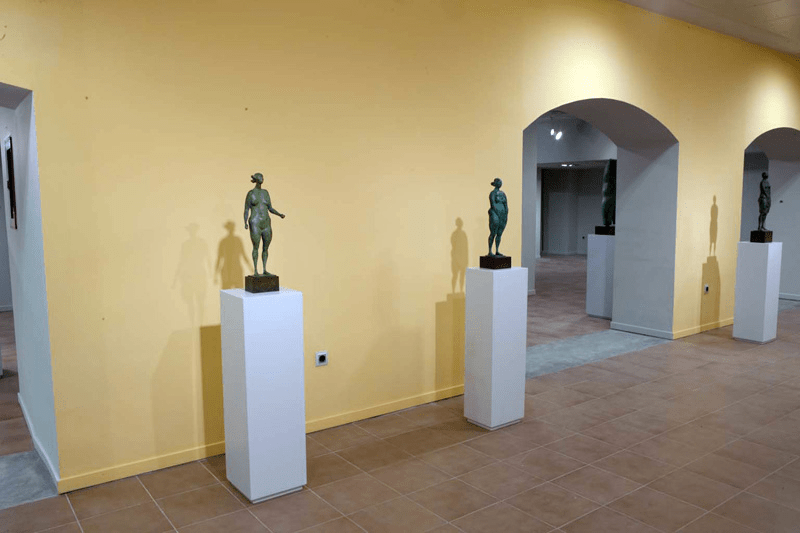
Sculptures exhibition inside the Museo Carrilero bulding

The Museo Carrilero is housed in a former 17th-century palatial house originally built by Don Luis de Gadea Sahajosa. The building, which covers an area of ​​approximately 650 square meters, has been restored to house Carrilero’s collection but was once a noble residence that served various purposes over the centuries, including as a Civil Guard barracks.

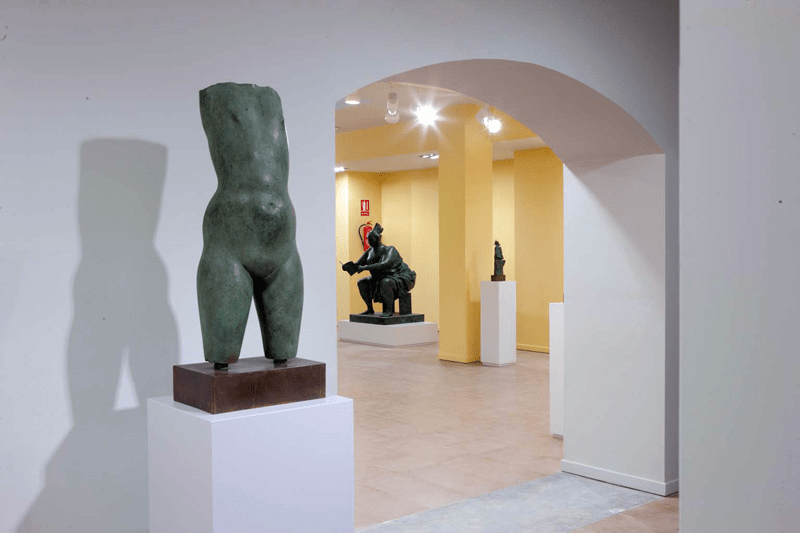
The building comprises four exhibition rooms, a multipurpose room, and other service facilities. Pictorial works and more miniature sculptures are exhibited on the upper floors, while the basement is mainly dedicated to large-scale bronze sculptures.

Entrance to Museo Carrilero with  life-size sculptural group at the entrance, representing a trio of instrumentalists

The Museo Carrilero houses a selection of 90 works donated by the famous sculptor. One of the most impressive attractions is the life-size sculptural group at the entrance, representing a trio of instrumentalists—a flutist, a cellist, and a trumpeter—a recurring theme in Carrilero’s work.

The entire collection in Museo Carrilero is very interesting. Art lovers will undoubtedly be captivated by everything from the commemorative bronze medallions to the naturalistic depictions of trees and other elements of nature.

Sculptures exhibition inside the Museo Carrilero bulding

Carrilero is known for capturing his subjects’ volume, essence, and movement, often ignoring facial details, and that is precisely what we see in this collection. In these works, beauty and facial expression are secondary, and it is clear that the artist preferred to emphasize form and volume to convey a clear and impactful message.

Museo Carrilero Opening Hours

The Museo Carrilero has different opening hours throughout the year:

  • From May 1st to September 30th: Monday to Sunday: 10:00 to 14:00 and 16:00 to 20:00
  • From October 1st to December 31st: Monday to Sunday: 10:00 to 14:00 and 16:00 to 19:00

I suggest checking the updated opening hours before visiting, especially during holidays or special events, to ensure a smooth and well-planned experience.

How To Get To The Museo Carrilero

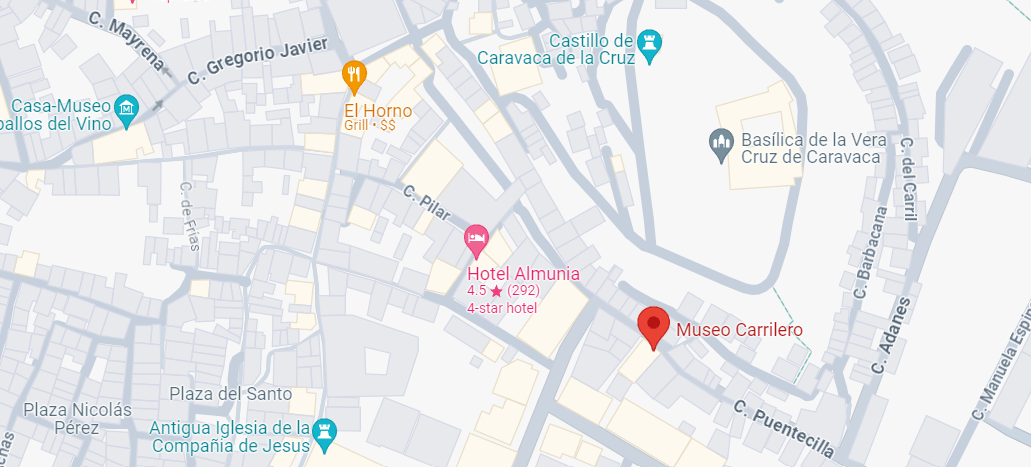
Location of the Museo Carrilero

The Museo Carrilero is at Plaza Jose Carrilero, s/n, 30400, in Caravaca de la Cruz. You can follow these directions:

By Car

  • From Murcia: Take the RM-15 towards Caravaca de la Cruz. Depending on the traffic, it will take you approximately one hour. Once in Caravaca de la Cruz, follow the indication to Centro Urbano, where you will find the Museo Carrilero.
  • From Albacete: Take the A-30 in the direction of Murcia, then at the junction, take the turning off for the RM-15 in the direction of Caravaca de la Cruz. The journey takes approximately two hours.

By Bus

If you prefer public transport, there are regular bus services from Murcia and surrounding towns to Caravaca de la Cruz. The most famous companies operating these routes are LATBUS and ALSA. I recommend you check the companies’ websites for the latest timetables and departure points before your trip.

On Foot or by Taxi

If you are already in Caravaca de la Cruz, you could conveniently walk to the museum, especially if your accommodation is centrally located in the city. However, if you wish so, you can get a local taxi to drive you there.

You can quickly get to the Museo Carrilero since it is well-indicated. The city is one of the most popular historical cities and therefore offers a great time to be between art lovers and holidaymakers, all alike.

Museo Carrilero In Caravaca De La Cruz

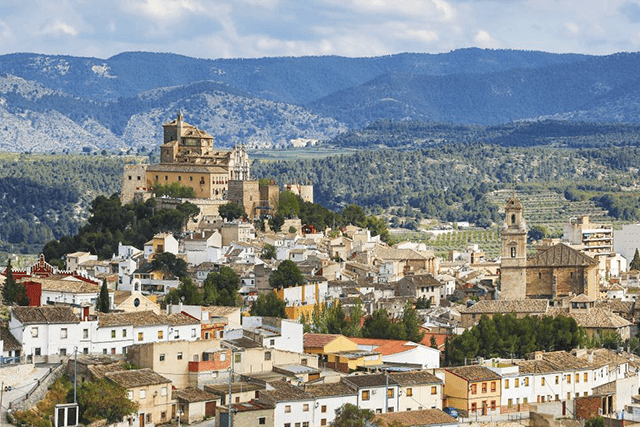
Besides the Museo Carrilero, Caravaca de la Cruz has much more to offer in terms of tourism. It has a diverse range of monuments that tell and express the town’s historic and ancient past. It has become an important city for tourists and pilgrims because it is a city rich in different cultures.

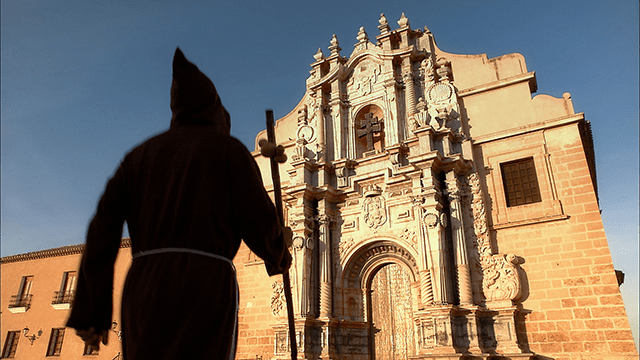
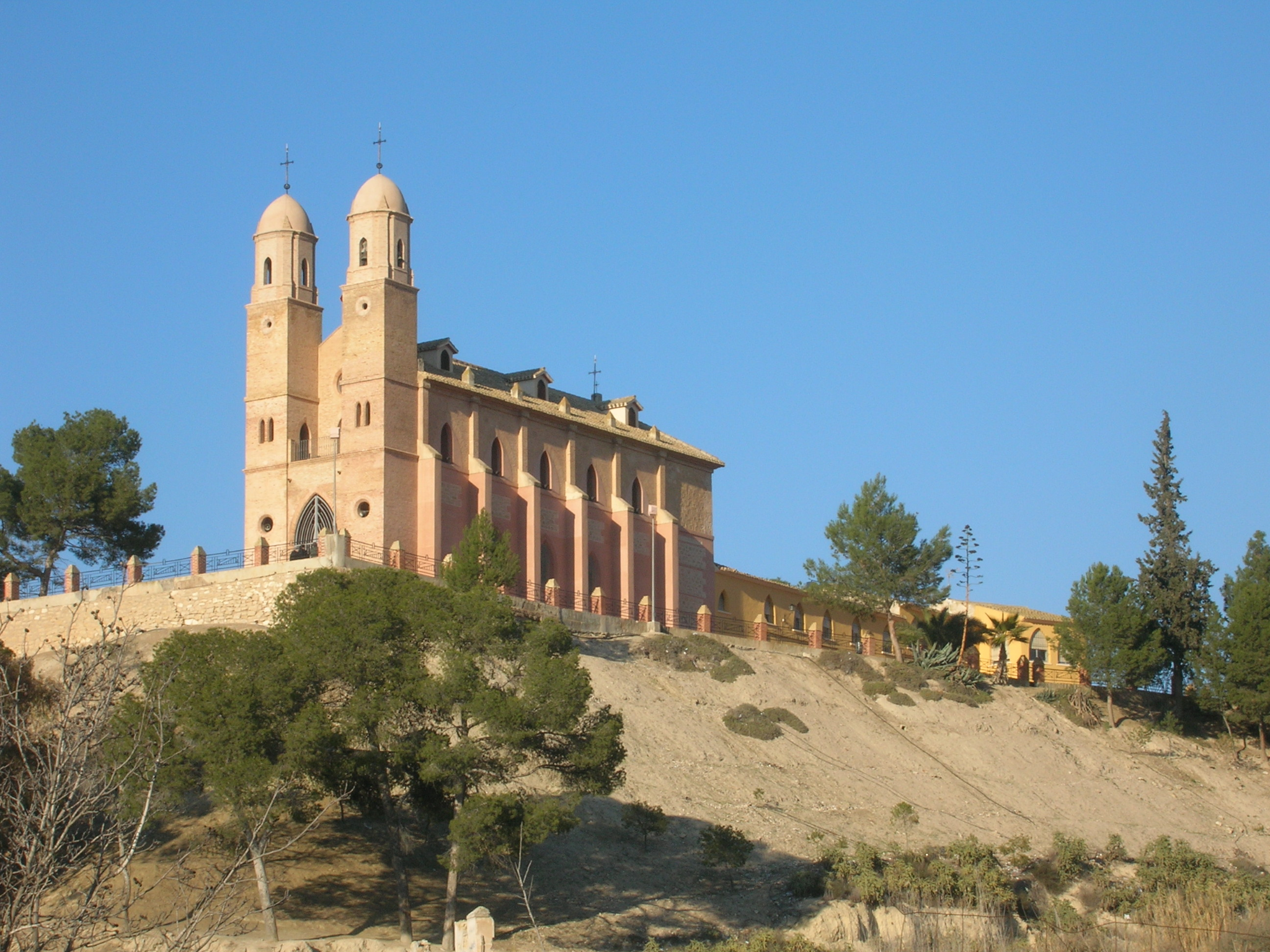
Image of Basilica-Sanctuary of the True Cross, located in  Caravaca deLa Cruz, where Museo Carrilero is located.
Basilica-Sanctuary of the True Cross – DMC Spanien

The region has a rich ancient history and has been inhabited by the Argaric, Iberian, and Roman cultures. Each of these civilizations left its mark on the cultural and architectural landscape of the city. However, the origins of its urban structure are predominantly attributed to the period of Arab domination, which significantly shaped the city’s identity.

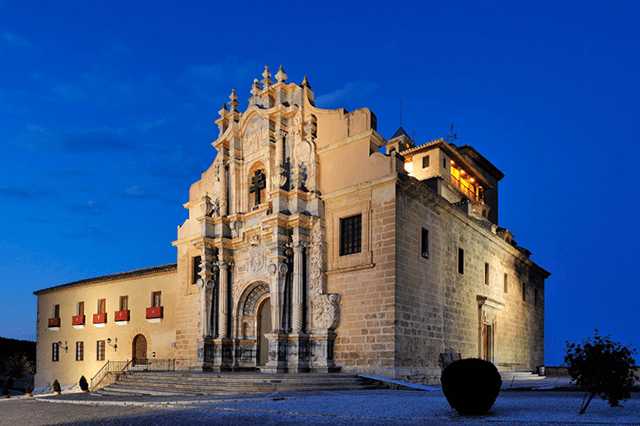
Image of Basilica-Sanctuary of the True Cross, located in  Caravaca deLa Cruz, where Museo Carrilero is located.
Basilica-Sanctuary of the True Cross – DMC Spanien

One of the most famous things about Caravaca is its designation as one of the five holy places in Christianity to which the privilege of the Perpetual Jubilee Year was granted. This fact is connected to the Basilica-Sanctuary of the True Cross, which accommodates an important reliquary of the True Cross. Thus, it is a very popular place for pilgrimages and other religious manifestations that attract thousands of visitors worldwide.

I know the place sometimes sounds “too religious,” and yes, it is religious, but the city itself is so nice, with narrow streets and old houses at the sides that make you feel like you are going back in time. I speak for myself: I have my beliefs, but I am not very religiously focused. However, there was not a minute when I was not amazed in Caravaca.

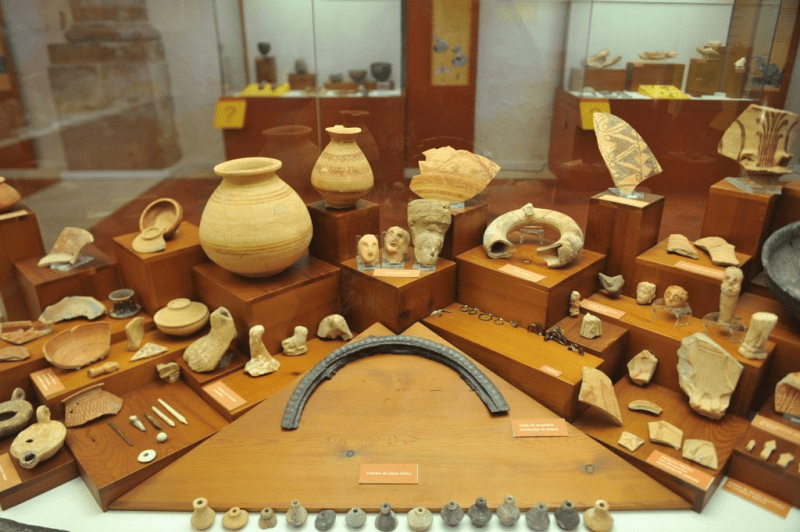
Area Inside the building of Archeological Museum
Archeological Museum – Murcia Today

Other points I really enjoyed include the Caravaca Castle, a historic fortress with panoramic views of the city (perfect for taking photos), and the Municipal Archaeological Museum, which displays artifacts from the different civilizations that occupied the region. The city is also famous for its Fiestas de la Vera Cruz, celebratedin May, which includes religious events and an impressive horse parade known as “Caballos del Vino.”

In general, there is no shortage of places to visit. Every step is a new story and an incredible area to take photographs. If you are ever considering visiting Murcia, do not leave this city off your list because it will undoubtedly be worth it!

Enjoy Your Private Paradise in Villa Murcia!

Piscina com águaO conteúdo gerado por IA pode estar incorreto.

Looking for the perfect place to stay in Murcia? We’ve got just the spot for you!

Villa Murcia – Your Private Paradise

Wake up to coffee on a sun-drenched terrace, unwind in a warm jacuzzi after a day of exploring, and end your evenings with dinners in the summer kitchen. Nestled in charming Santiago de la Ribera, Villa Murcia offers more than just a holiday—it’s your personal oasis of comfort, style, and unforgettable moments.

Highlights:
✔ Spacious living room with a large sofa and open kitchen – perfect for shared memories
✔ Three elegant, air-conditioned bedrooms with private terraces – your peaceful retreat
✔ Extra fold-out sofa in the living room – ideal for additional guests

Whether it’s a romantic escape, a family getaway, or a relaxing break with friends – Villa Murcia is your dream stay.
Book now and experience the magic of the Spanish sun!

A Museum For Art Lovers

Entrance to Museo Carrilero building

In short, the Museo Carrilero not only preserves and celebrates the work of one of the most important contemporary Spanish sculptors, Jose Carrilero, but also serves as a vital cultural link in Caravaca. With a diverse collection of sculptures, medals, and sketches, the museum offers an in-depth look at Carrilero’s talent and artistic evolution.

Caravaca is a popular tourist destination, but the museum is often overlooked. If you’re planning a city tour, visiting the Carrilero Museum is a unique opportunity to appreciate art and explore the rich history of the person who originated the city!

Read More
image showing the entrance to Siyasa Museum in Spain

Exploring the Ancient World: A Visit to the Siyasa Museum

Situated in one of the most sought-after regions of Spain, Siyasa Museum offers a captivating glimpse into the area’s rich cultural and archaeological heritage. This museum stands as a testament to the town’s significant historical legacy, featuring detailed models of ancient Arab constructions, meticulously preserved artifacts, and exhibits that narrate past stories.

The museum is renowned for its extensive collection that spans various epochs, with a particular emphasis on the Islamic period when Cieza thrived as a bustling urban center. Visitors to the Siyasa Museum are transported back in time, exploring the intricate details of ancient architecture and the daily lives of its inhabitants. This treasure trove of history is a must-visit for anyone intrigued by Spain’s diverse culture and legacy.

Here, we will show you everything about one of the country’s most important monuments. Make sure to take a look at each item to better plan your trip to Murcia if you consider visiting this hidden piece of history.

Table of Contents

Where Is Siyasa Museum Located

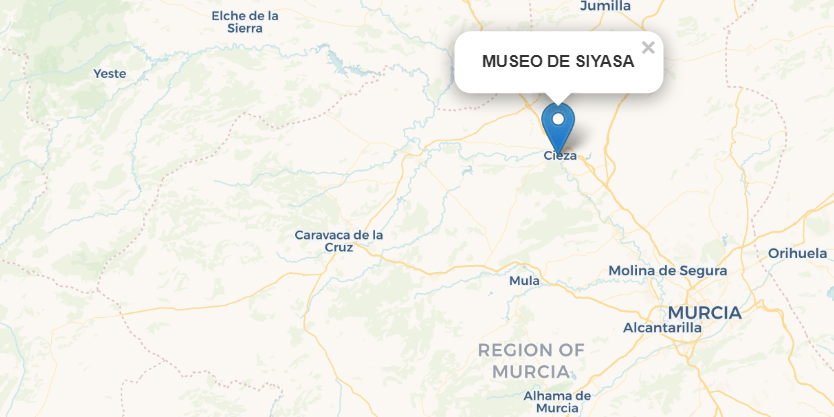
map showing the region of Murcia in Spain with the museum of Siyasa highlighted

The museum, also known as Museo de Siyasa, is located in Murcia, specifically in the region of Cieza, one of the most sought-after destinations in Spain. The area has one of the richest cultures in Europe, with vestiges and important archeological sites dating back to prehistory.

Each town has its role in keeping these historical discoveries alive, preserving the culture and knowledge from all eras. From houses with the original architecture from centuries ago to artifacts being exhibited around the place, this is the perfect place for history enthusiasts and people who want to know more about the world from the past.

Cieza is also far beyond just a museum exhibition. The area is full of incredible places to visit, including parks, restaurants, entertainment attractions, and many other activities waiting for you. Every place is close to each other, so don’t worry about renting a car or anything like that to move around.

Museo de Siyasa Opening Hours

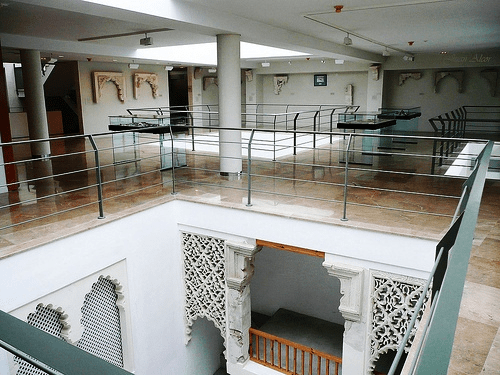
image showing the interiors of one section of the museum

If you plan on going to the museum, it is essential to know that it has a different timetable depending on the month and day you visit. It separates the year into two different periods at different times.

Winter:

  • From August 23 to June 14
  • Tuesday to Saturday: 11 a.m. to 1:30 p.m. and 5:30 p.m. to 9 p.m.
  • Sundays and public holidays: 10:30 a.m. to 2 p.m.
  • Mondays closed.

Sunday:

  • From June 15 to August 22.
  • Tuesday to Saturday: 9 a.m. to 2 p.m.
  • Mondays, Sundays, and holidays closed.

If you have any questions or doubts about the period you want to visit the museum, you can also check their website and see all the details regarding Museo de Cieza. They have all the necessary information available in Spanish and English for easy understanding.

Prices and Tour Model

image of the third floor of the museum showing multiple artifacts from prehistory

It is crucial to know that visiting Museo de Cieza is not free, and there are different price models for the tour. The value is meager, making it one of the cheapest attractions in Murcia.

Every option gives you access to the same experience, and there’s no level difference between them. Here is the price structure and how much it costs:

  • Standard Ticket: 2.10 euros
  • Reduced Ticket 1.10 euros
  • Special Reduced 0.60 euros

It is vital to note that the special reduction applies to individual cases. If you want to know who can apply to this tier, make sure to call the museum (+34 968 77 31 53) for detailed information so you avoid any surprises or problems during your trip.

Notice that every person will gain access to the same rooms and guided features, regardless of which ticket they purchase. You don’t have to worry about having a reduced experience or a different tour, and you will enjoy everything this amazing piece of the past has to offer in terms of history, culture, and entertainment.

The History Behind Museo de Siyasa

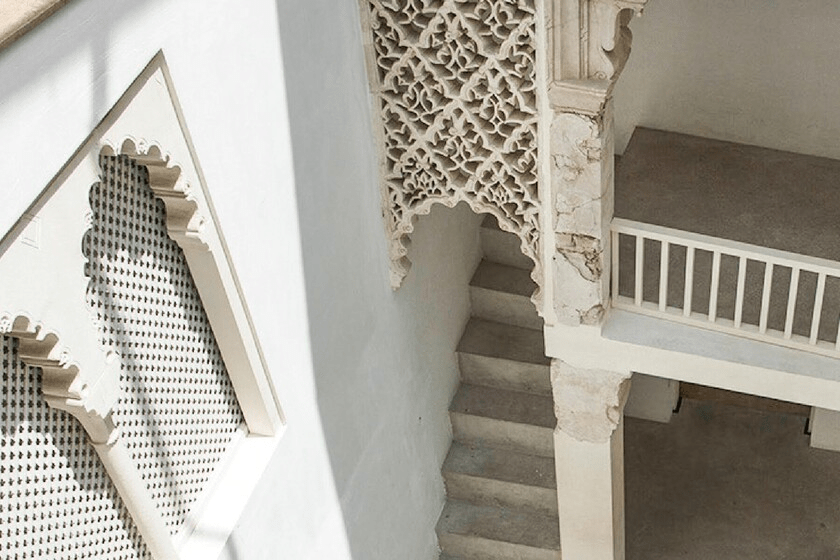
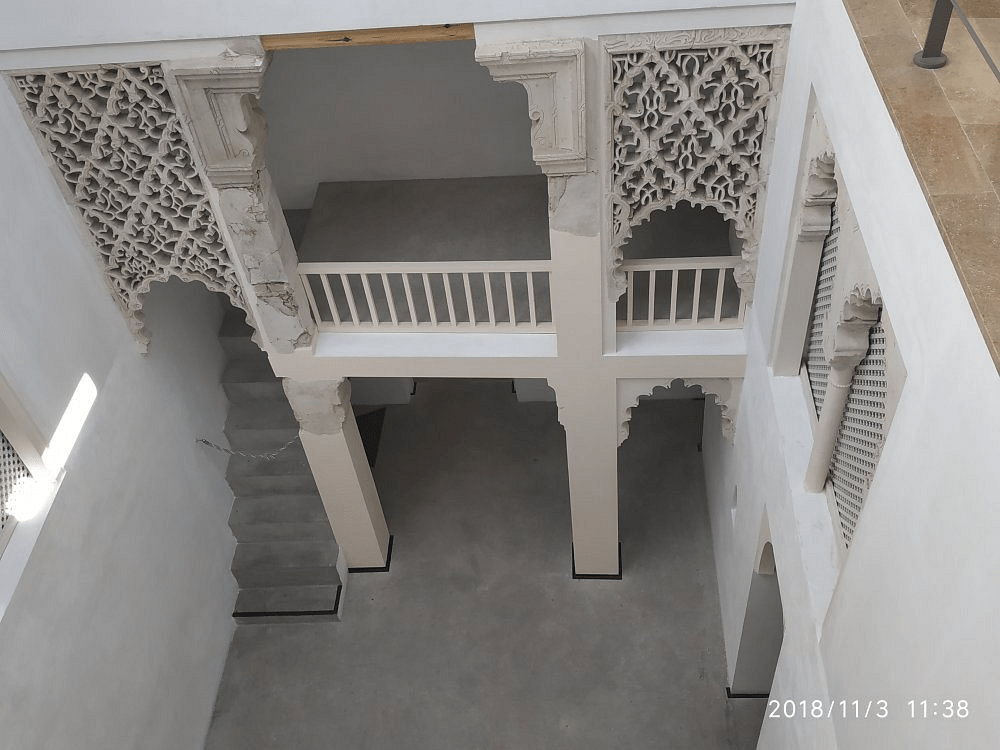
picture taken from the third floor of the museum showing the stairs

As we mentioned, the archives and artifacts of this particular museum focus on the Middle Ages during the Islamic period in Europe, when this region was known as Medina Siyâsa, a city symbol of strength and wealth in the region.

This is reflected in almost all walls and rooms of the place, whether through the architecture, the items exhibited, the machinery that users can interact with, or anything else. But don’t think that’s the only thing you’ll see at this fantastic archive.

Museo de Siyasa features models and relics from numerous periods. Even prehistoric assets can be found on the site. The best way to learn more about the arches and other items you’ll see around the place is to ask for a professional guide to show you the place and tell the main curiosities about each item, model, and relic from the past you see along the way. It’s the perfect way to teleport you back and make you feel like you were in the old Cieza.

Don’t worry if your Spanish is not the best. All the museum guides and employees speak both Spanish and English. The entire tour is also available in English so you can enjoy the best experience possible when unveiling these awesome relics from the past.

What You’ll Find in Each Level of the Museum

Museo de Siyasa is divided into four levels that separate the exhibits and the period they represent. Here, we will show you each of them and what to expect from the relics and assets displayed there.

Make sure to look at each of the levels to plan your visit to the place better and to help you find yourself inside the building. Here’s what each level of Museo de Siyasa holds:

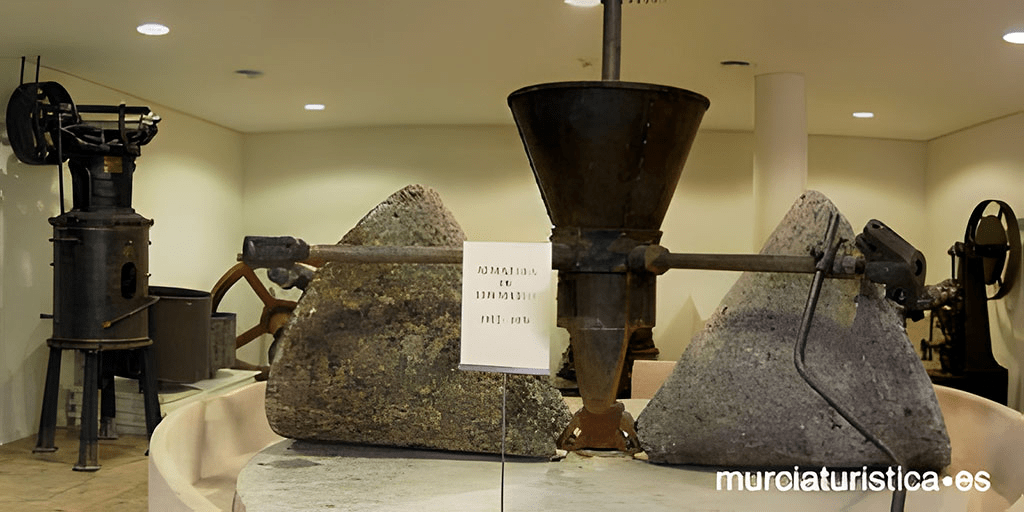
  • Level 0

This is the museum’s first level, where you’ll find the heavy machinery and other artifacts from the Mateos oil mill. From the 18th century, you’ll also find shields, weapons, and war artifacts used in actual conflicts inside and outside the country.

image of the machinery available on the underground of the museum
  • Level 1

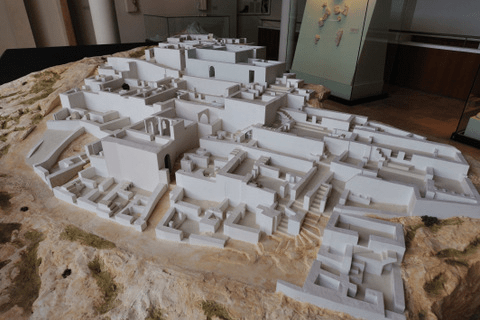
Moving on to the next level, you’ll find official reproductions of houses number 6 and 10 from the old city of Medina Siyâsa. These official replicas are carefully preserved and projected to provide the most immersive experience possible and make you feel like you were living in Cieza during that time. Be careful with what you touch through this section, as many items are not intractable according to the rules of the place. Make sure to ask the guide before taking any action.

image showing a sculpture of a replica of the city built on a stone
  • Level 2

Level 2 has some variety in its archives, and you can find all sorts of assets throughout the floor, but mainly paleontology items dating back to prehistoric times. You’ll also find exciting items from the Iberian culture and Romanization of the territory. Lastly, the floor also has a section dedicated to items from the Middle Ages and medieval items. These items include swords, vests, and other sorts of assets that were preserved from this period.

image showing the items being exhibited at the museum
  • Level 3

The last level holds all the items taken directly from the original region of Medina Siyâsa. There, you’ll find the city’s remains, including columns, materials used to build the houses, rocks, and many other items that will please any history enthusiasts.

It was one of my favorite spots when visiting the museum, and I highly recommend it. It’s the perfect place to learn more about Murcia and its rich culture.

Cieza Beyond the Museum

image of one of the churches available near the museum

If you plan to visit this peculiar part of Murcia, remember that its historical heritage and culture go far beyond just the museum itself. Many buildings and tourist attractions were built centuries ago and tell details about these people’s history and help us understand how things were in the past.

One example is Ermita de San Bartolomé, an old church that is visited by tourists all over the world throughout the year, whether because of its amazing looks or because of its meaning to the entire region. You can also visit other historical buildings, like the old Casino, and many others.

The good news is that everything is pretty close and you can see all the main attractions in one day. However, it is important to note that the region of Cieza is considerably far from the main airports, and you might need a car ride service, like Uber, to arrive in the city. If you’re visiting Spain on your next vacation, this is undoubtedly the perfect place to go.

Enjoy Your Private Paradise in Villa Murcia!

Piscina com águaO conteúdo gerado por IA pode estar incorreto.

Looking for the perfect place to stay in Murcia? We’ve got just the spot for you!

Villa Murcia – Your Private Paradise

Wake up to coffee on a sun-drenched terrace, unwind in a warm jacuzzi after a day of exploring, and end your evenings with dinners in the summer kitchen. Nestled in charming Santiago de la Ribera, Villa Murcia offers more than just a holiday—it’s your personal oasis of comfort, style, and unforgettable moments.

Highlights:
✔ Spacious living room with a large sofa and open kitchen – perfect for shared memories
✔ Three elegant, air-conditioned bedrooms with private terraces – your peaceful retreat
✔ Extra fold-out sofa in the living room – ideal for additional guests

Whether it’s a romantic escape, a family getaway, or a relaxing break with friends – Villa Murcia is your dream stay.
Book now and experience the magic of the Spanish sun!

Time to Plan Your Visit to the Siyasa Museum

picture from inside the museum showing glass pannels for displaying items

Murcia is one of the most diverse cities in Spain, especially when it comes to tourism. Hundreds of attractions of all kinds are waiting to be discovered, whether you want to spend the day with your family at the beach, have dinner in a fancy restaurant, or visit the dozens of museums around the area.

Museo de Siyasa is one of the most famous and also a personal recommendation. The place is filled with relics and curiosities that will give you a great time and teach you many new things. During my time in Spain, this was one of my favorite attractions and surely a place I want to visit again.

Now that you know everything about this vestige from Islamic Spain, it is time to start preparing for this magical journey. Respect the rules and recommendations of the place, and you’ll have an unforgettable experience.

Read More
Salzillo Museum by Murcia

Salzillo Museum – A Spiritual Centre of Murcia

In the heart of Murcia, Spain, the Salzillo Museum (Museo Salzillo) celebrates the amazing work of Francisco Salzillo, an 18th-century sculptor known for his detailed and beautiful religious sculptures. This museum is filled with his intricate creations, offering a special look into Spanish religious art.

Visitors to the museum can explore a world where art and history come together, showcasing the significant impact Salzillo’s work has had on Spain’s artistic heritage. Whether you love art, are interested in history, or are just a curious traveler, the Salzillo Museum offers a fascinating and enriching experience, highlighting the lasting legacy of a master artist.

Table of Contents

Localization

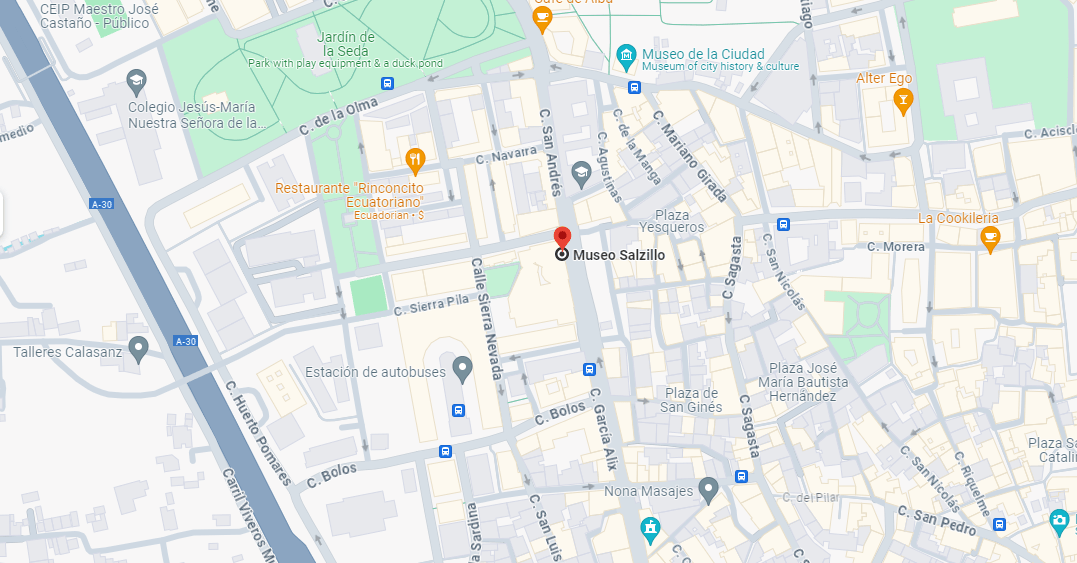
Museo Salzillo on Google Maps
Plaza San Agustín, 3
30005 Murcia (Region of Murcia)

About the Museum

This facility dedicated to Murcian sculptor Francisco Salzillo – a famous sculptor born in 1707 – has several exhibition rooms that display the magnificent sculptures made by the author for the Holy Week processions, which are owned by the Confraternity of Nuestro Padre Jesús Nazareno. The exhibition also includes a nativity scene by Salzillo: a work made with extraordinary delicacy, comprising more than 500 elements and evoking the rural region of Murcia at the time.

Francisco Salzillo’s sculptures became very popular in Murcia due to the romantic and legendary aura around his religious work, which resonated deeply with the faithful people. After his death, the idea of creating a museum arose in the 19th century, inspired by the devotion shown at the Church of Jesus where his Easter floats were kept by the Confraternity of Our Father Jesus, which has been carrying them in processions since 1601.

Isidoro de la Cierva was the first to push for the creation of the museum, working with the Confraternity and commissioning the first design for a building, which was never built.

If that original plan had been realized, the museum would have been three times larger than it is now. However, in the 1970s, the Salzillo Museum expanded by adding the Renaissance façade of Riquelme Palace from Jabonerías Street.

The current building has been transformed with the restoration of the floats in the 1990s and the remodeling of the Church of Jesus to resemble a theater, allowing visitors to view the grandeur of the floats from the balconies.

Francisco Salzillo
Painting of Francisco Salzillo

Unlike the great sculptors of the 17th century, such as Juan Martínez Montañés or Gregorio Fernández, Francisco Salzillo did not focus heavily on the dramatic elements in his scenes. Instead, he explored naturalistic ideas of idealized beauty, marking a shift from the Baroque style to Rococo and Neoclassicism.

Salzillo started what is known as the Murcian School of Sculpture, which has continued to influence art up to the present day. His early followers, as well as those who came later, have kept Salzillo’s artistic styles and themes alive.

Most Important Works

  • La Cena (The Last Supper): Created in 1763, it features thirteen figures (Jesus and the 12 Apostles) seated around a table.
  • La Oración del Huerto (The Agony in the Garden): Created in 1754, this piece depicts an angel presenting the chalice to Jesus on one side, and the three sleeping apostles under a palm on the other.
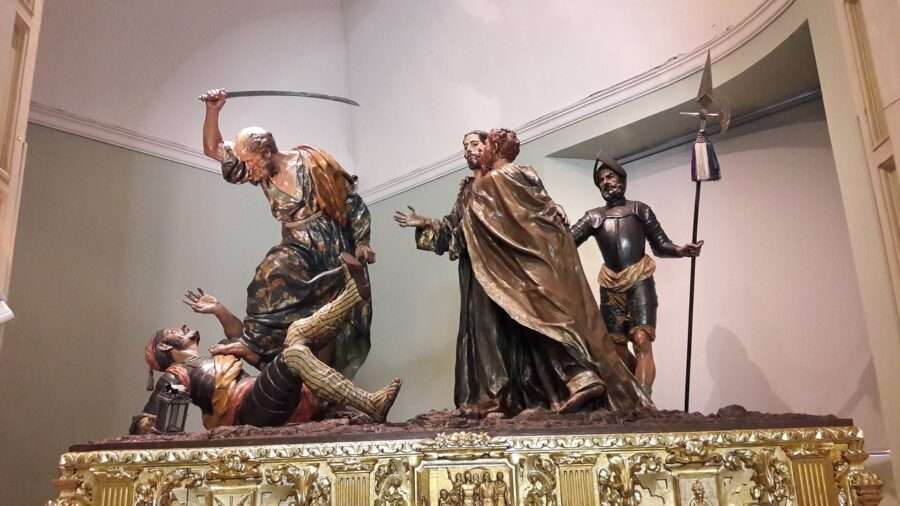
  • El Prendimiento or El Beso de Judas (The Arrest or The Kiss of Judas): Created in 1754, it highlights the contrast between the faces of Jesus and Judas, comparing the beauty and kindness of Jesus with the ugliness and evil of Judas.
  • Jesús en la Columna or Los Azotes (Jesus at the Column or The Flagellation): Sculpted in 1777, this piece portrays Jesus’ serene and resigned expression as he endures the lashes.
  • Santa Mujer Verónica (The Holy Woman Veronica): Created in 1755, it shows Saint Veronica with a sorrowful expression, holding the cloth imprinted with Jesus’ face.
  • La Caída (The Fall): Created in 1752.
  • San Juan (Saint John): Created in 1756.
  • La Dolorosa (The Virgin of Sorrows): Created in 1756.
  • El Belén (The Nativity Scene): Created between 1780 and 1800, it was initiated by Salzillo and expanded by his disciple Roque López. This set includes 556 mud figures, each approximately 30 cm tall.

Outskirts of the Museum

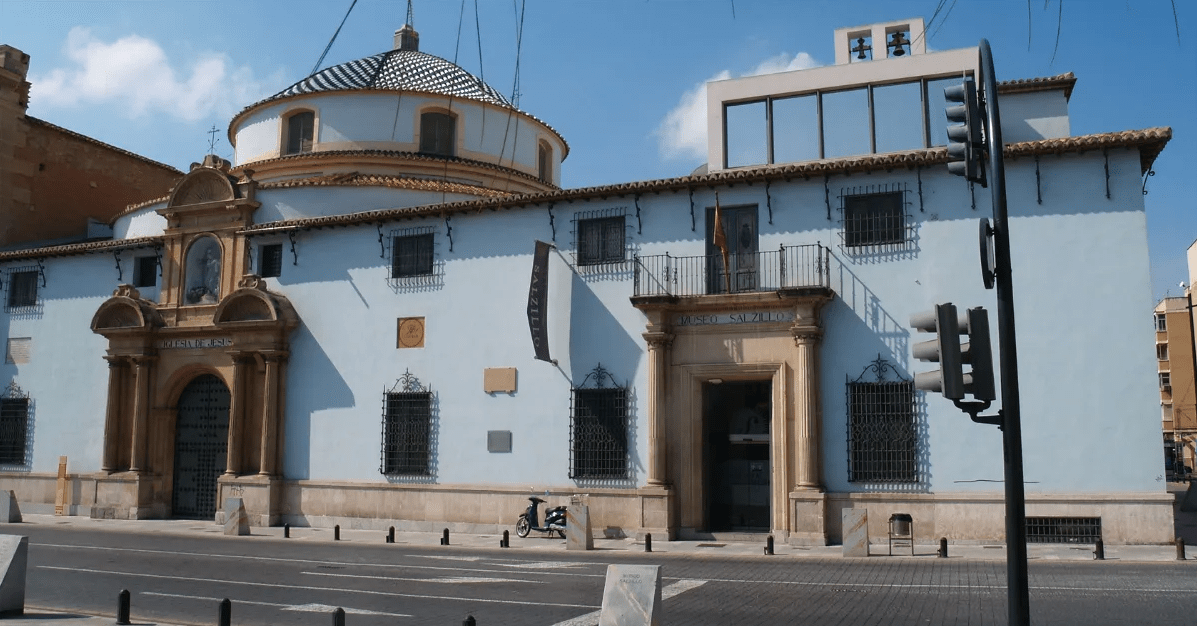
Outside the Salzillo Museum

Opened in 1960 and extensively renovated in 2002 by architect Yago Bonet Correa, the Salzillo Museum blends different styles. The Baroque art is still present, watched over by the Church of Jesus, the home of the Brotherhood of Jesus, which was declared a historical monument in 1935. Contemporary art, added in 2002, exists alongside it, creating a harmonious mix.

Outside, the museum features a magnificent portal from the ancient Renaissance Palace of Riquelme, which was previously located near Plaza de San Bartolomé but no longer exists. The same family commissioned Salzillo to create the nativity scene in 1776, a project that occupied him until his death in 1783.

The carving that names the Brotherhood, “Nuestro Padre Jesús” (Our Father Jesus), is an anonymous work from the 16th or 17th century and the only one not made by Salzillo. The museum also highlights 556 figures forming the famous “Belén” (Nativity scene), ordered by the Marquis of Riquelme, and includes an interesting collection of original clay sketches.

Inside the Museum

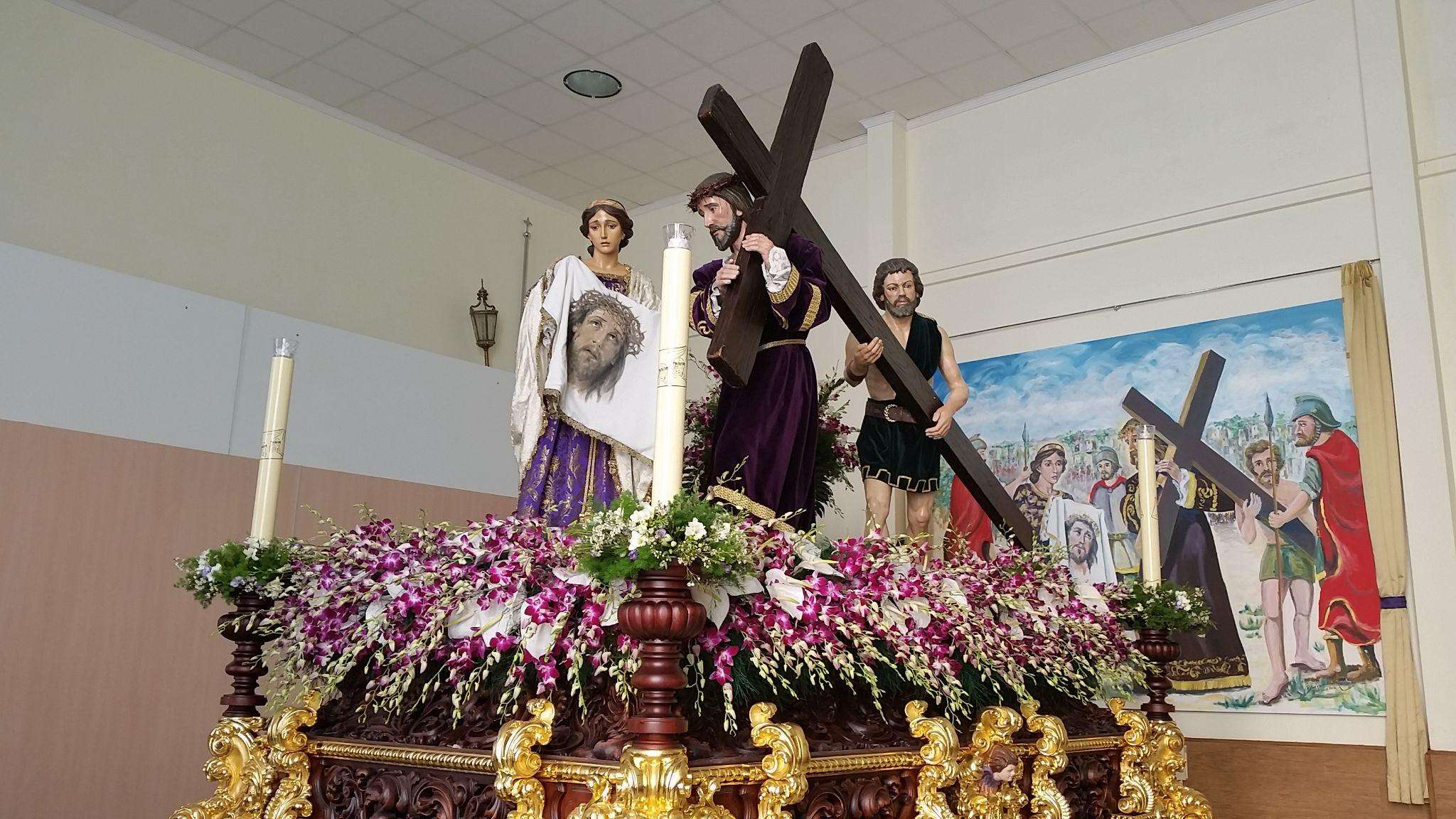
Inside the Salzillo Museum, visitors are greeted with an impressive collection of Francisco Salzillo’s most celebrated works. The centerpiece of the museum is undoubtedly the stunning set of Easter floats, which depict scenes from the Passion of Christ.

Other intricate sculptures include “La Caída” (1752), “La Verónica” (1754), “San Juan” and “La Dolorosa” (1752-1777), “La Santa Cena del Señor” (1763), “La Oración en el Huerto” (1752), “El Prendimiento” (1765), and “Cristo amarrado a la columna” or “Los Azotes” (1776-1777). Each float is a masterpiece of Baroque art, showcasing Salzillo’s exceptional ability to convey deep emotion and drama through detailed expressions and lifelike poses.

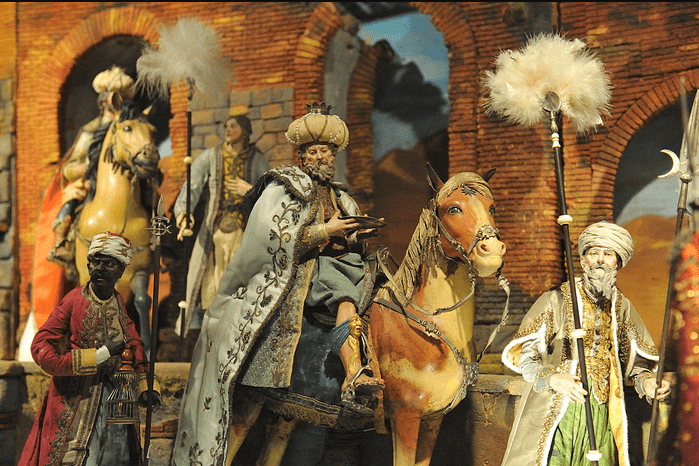
Part of the Nativity scene

Another highlight of the museum is the famous Nativity scene, or “Belén,” which consists of 556 figures. This elaborate display was commissioned by the Marquis of Riquelme in 1776 and remained a focus of Salzillo’s work until his death in 1783. The Nativity scene is a remarkable testament to his skill in creating detailed and expressive figures, each one bringing a unique character and story to the overall tableau. Visitors can admire the craftsmanship and attention to detail in each figure, from the Holy Family to the various animals and townspeople.

The museum also houses a collection of original clay sketches by Salzillo, providing a fascinating insight into his creative process. These sketches reveal the meticulous planning and artistry that went into each sculpture, offering a behind-the-scenes look at how these masterpieces were brought to life. Additionally, the museum includes various other religious sculptures and artifacts that highlight the extent of Salzillo’s work and his significant influence on Spanish religious art.

Inside the Church of Jesus
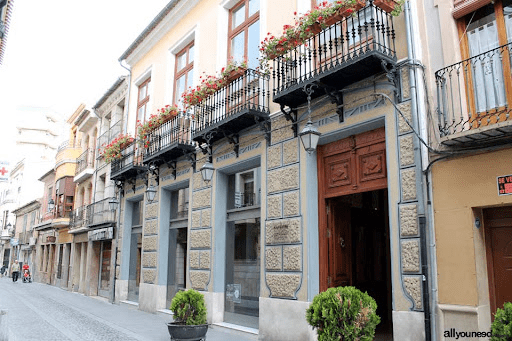
Source: allyouneed

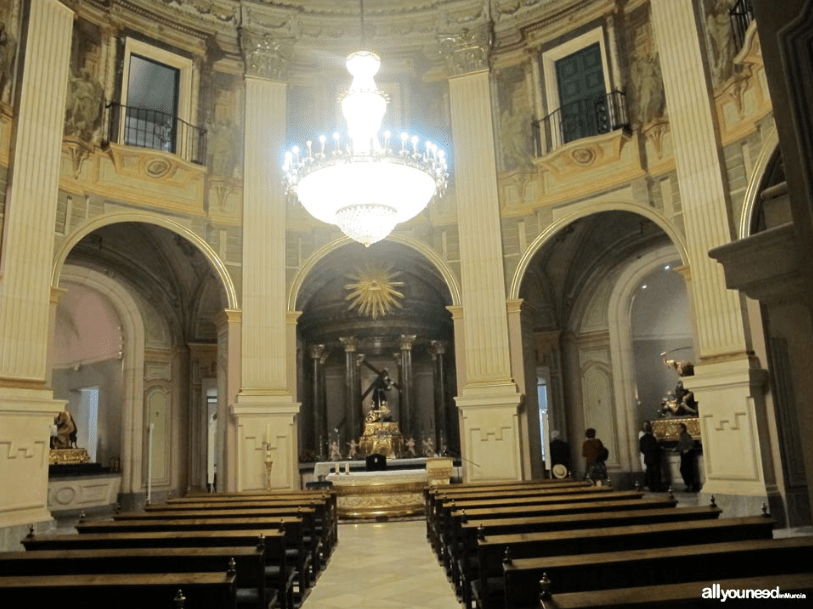
A unique feature of the museum is the restored Church of Jesus, which has been transformed to resemble a theater. This allows visitors to view the grandeur of the Easter floats from the balconies, providing a perspective that enhances the appreciation of their size and detail. The combination of Baroque and contemporary elements in the museum’s architecture creates a harmonious blend of old and new, enhancing the overall visitor experience.

Enjoy Your Private Paradise in Villa Murcia!

Piscina com águaO conteúdo gerado por IA pode estar incorreto.

Looking for the perfect place to stay in Murcia? We’ve got just the spot for you!

Villa Murcia – Your Private Paradise

Wake up to coffee on a sun-drenched terrace, unwind in a warm jacuzzi after a day of exploring, and end your evenings with dinners in the summer kitchen. Nestled in charming Santiago de la Ribera, Villa Murcia offers more than just a holiday—it’s your personal oasis of comfort, style, and unforgettable moments.

Highlights:
✔ Spacious living room with a large sofa and open kitchen – perfect for shared memories
✔ Three elegant, air-conditioned bedrooms with private terraces – your peaceful retreat
✔ Extra fold-out sofa in the living room – ideal for additional guests

Whether it’s a romantic escape, a family getaway, or a relaxing break with friends – Villa Murcia is your dream stay.
Book now and experience the magic of the Spanish sun!

Summary

Salzillo Museum offers a rich and immersive journey into the world of Francisco Salzillo. With its extensive collection of his sculptures, the detailed Nativity scene, original sketches, and the beautifully restored Church of Jesus, the museum provides a comprehensive look at the legacy of one of Spain’s most important Baroque artists. Visitors leave with a deeper understanding and appreciation of Salzillo’s work and his lasting impact on the art world.

Read More
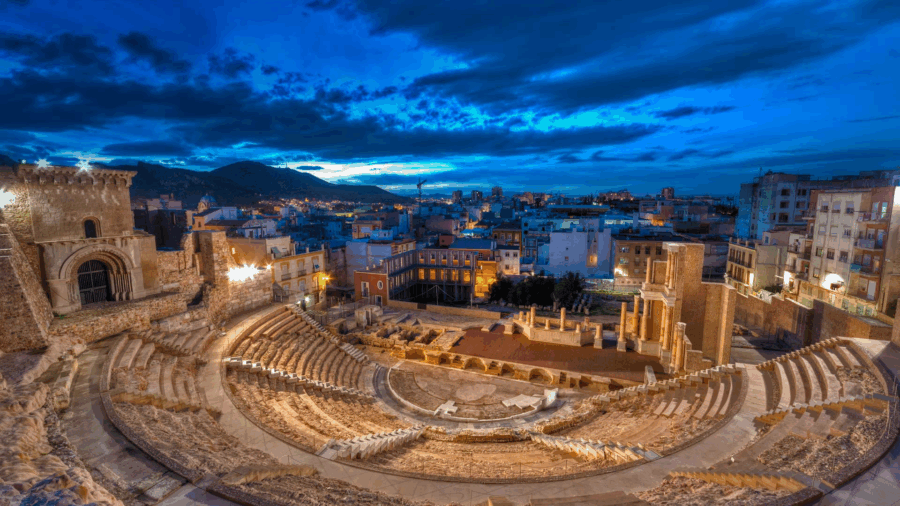
image showing the roman theater of cartagena during night

Echoes of the Past: Exploring the Roman Theater of Cartagena

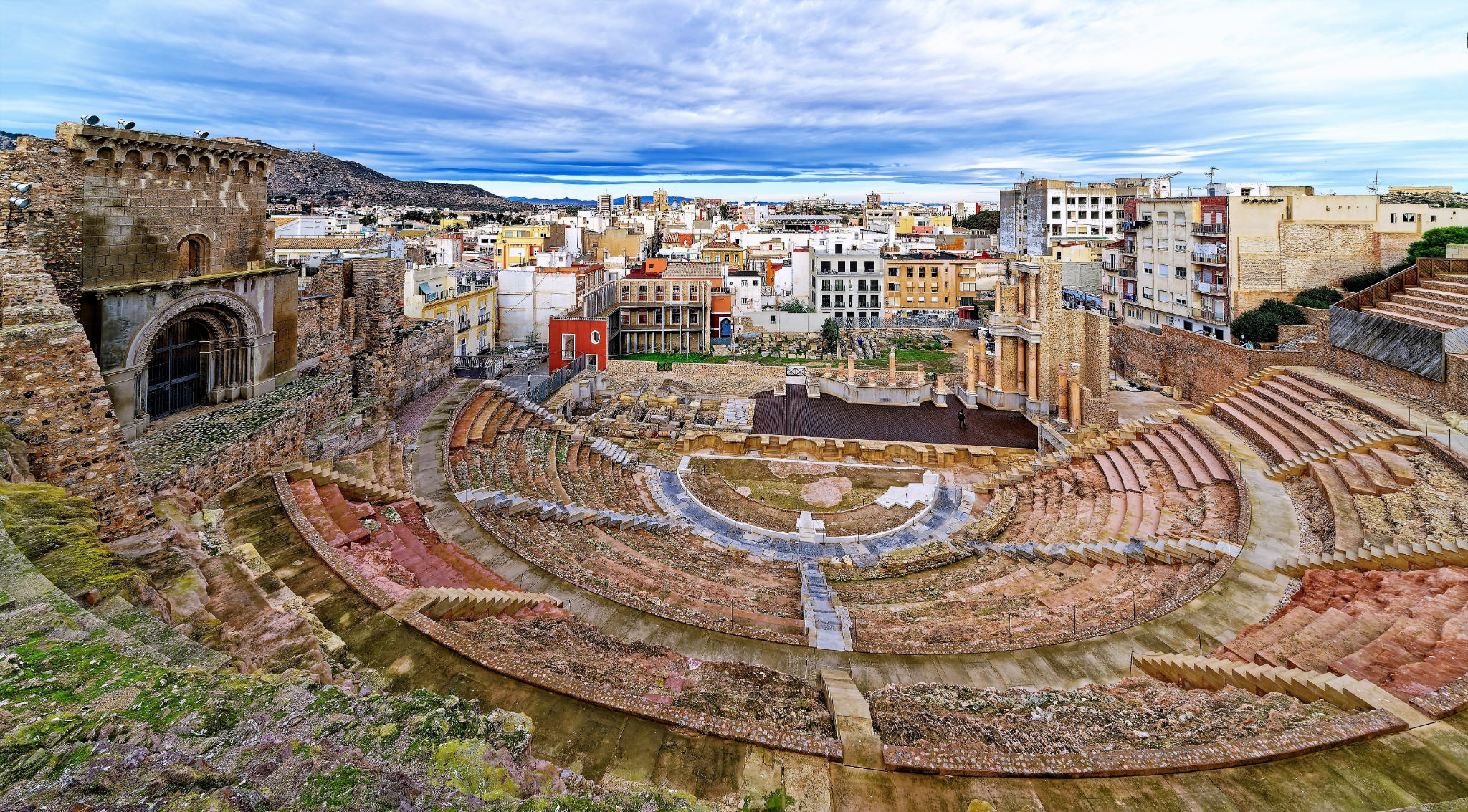
Discovered in the late 20th century, this magnificent structure dates back to the 1st century BC, offering a captivating glimpse into the grandeur of Roman civilization. Once a bustling hub of entertainment and social gatherings, the theater has been meticulously restored to reflect its former glory. It invites visitors to step back in time and experience the splendor of a bygone era. From its impressive architectural design to the stories etched into its stones, the Roman Theater of Cartagena stands as a symbol of the historical preservation and grandeur of a nation.

Here, we will unveil the main curiosities and facts about one of the most iconic buildings in Cartagena, Spain. From its history and meaning to the ancient Romans to the vital role it plays in modernity, we will discuss everything about the Roman Theater Museum, a triumph from the government of Emperor Augustus that still attracts people from all over the world.

Here’s everything you need to know about Roman Theatre:

Table of Contents

Year of Construction and Location of the Roman Theater

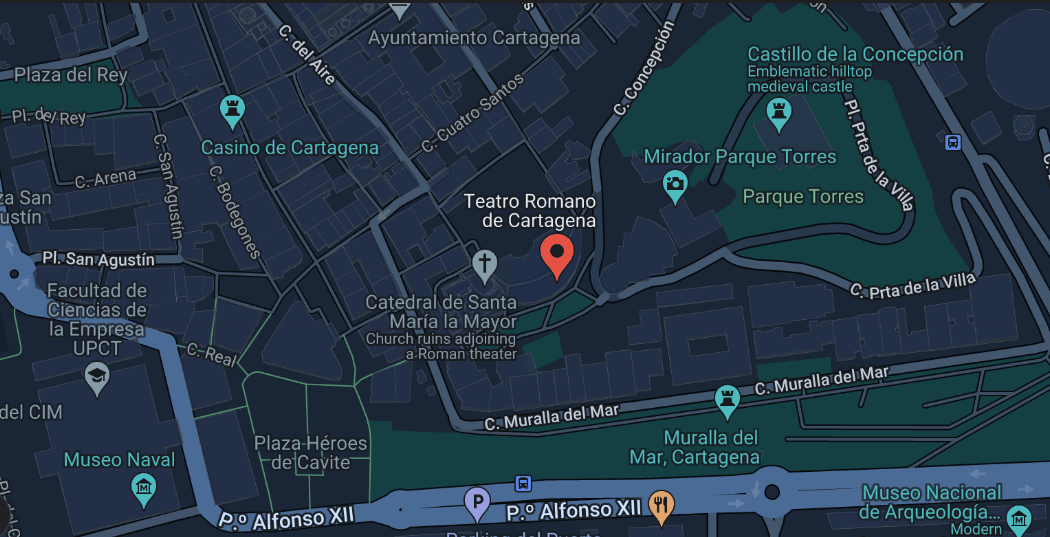
map highlighting the teatro romano de cartagena along with other attractions nearby

Although the remains of the original structure are still in pretty good shape in one of the town’s most important parts, its construction dates back thousands of years. The original amphitheater was built between 5 and 1 BCE.

Divided into multiple rooms and sections, it was capable of accommodating 6,000 people on the site and the people presenting themselves on the stage. It was a huge construction, especially for that period, and one of the most important of all the Spanish territories as we know it today.

Back in the days when it was built, the theater was located in a place known as Colonia of Cartago Nova, which is now Cartagena, Murcia. Nowadays, it is one of the most visited tourist spots in the region and a must-go if you’re visiting Spain. It’s in the central part of the city, making it even easier to go, regardless of where your accommodation is located.

Facts and Curiosities About Roma Theater Museum

image of the theater with the city on the background

The construction and symbology behind the museum are not the only surprising aspects of this incredible piece of architecture. There are many aspects that contribute to its importance, not only for the city of Cartagena but for the entire world, as the remains of an ancient time.

Here, we will discuss some of these aspects and unveil the hidden secrets of one of Cartagena’s most essential parts. Make sure to take a look to understand this piece of art better, whether you plan on going to Spain or are just curious about this jewelry from the old times.

Here’s everything you need to know before planning a visit to Roman Theatre Museum:

Ticket Prices

image showing the ticket prices to tour the museum and theater

If you plan to tour the museum, it is important to know that it is not free. To enter the museum or the theater itself, you need to pay for the ticket, which also gives you the right to a guided tour around the marble corridors.

There are different tours and ticket tiers you can purchase when visiting the place. Notice that these tickets don’t give you access to the temporary exhibitions or special events on the grounds of the theater. You’ll need to purchase tickets for these events separately on the official website or the official venue where they’re being offered.

When doing the tour around the place, you’ll be guided through the orchestra pit, the abandoned excavations below the stage, and many other interesting facts about the theater. The official guides will also tell you curiosities about the place and its structure, including the Corinthian columns, the excavation process, and many fun facts about this jewel raised centuries ago.

The tour prices can vary from 2 to 6 euros depending on the group you’re going with and each one’s characteristics, including age, disabilities, and other factors. You can visit the museum and theater’s official website to read each detail regarding the pricing system and which ticket type fits the experience you’re looking for.

Renovation Process

image of inside the roman theater

The theater’s materials and structures are in great shape, from the entrance to the rooms inside the construction. However, to keep such great shape, modern professionals needed a little help.

Some parts of this martyr of the city were destroyed and renovated to keep the building safe and make it last much longer instead of becoming just a ruin in the middle of the town. This process was done in different parts of the city. It involved countless hours of work from architects and archaeologists, as well as performances from many other professionals, to ensure the best result possible.

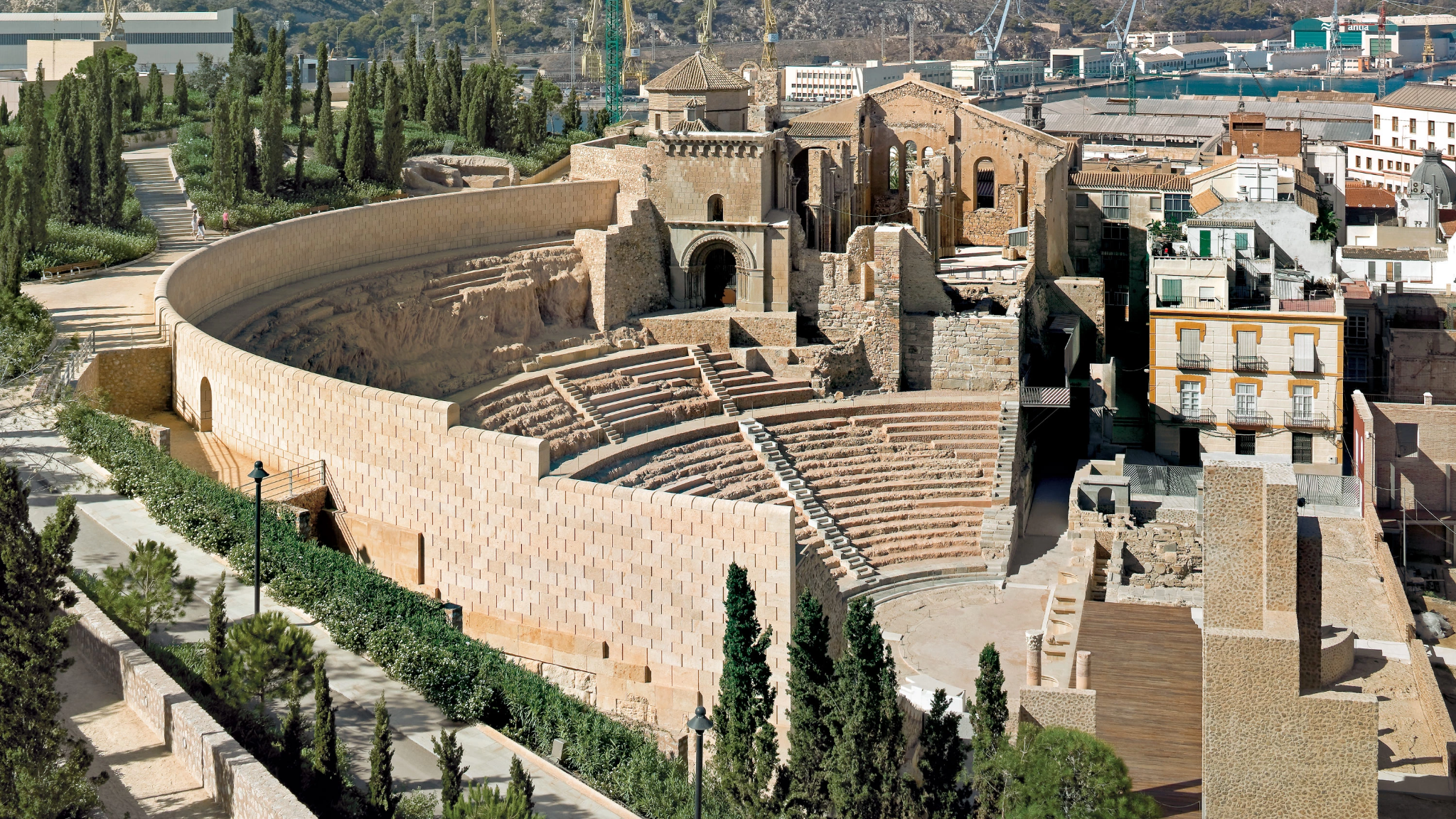
The museum and theater renovation project, led by the architect Rafael Moneo, took several years to complete. The basic renovations were finished in 2003, while the museum project, designed by the same architect, was finished in 2008.

Once both works were completed, the place started to be occupied once again by the thousands of visitors who came from all over the world to see its glory. Even though some new elements were added to the sectors and the overall building area, they were all done considering the time it was built and the architectural elements of the time. The aesthetics and architecture of the place are still well-established and will make you feel like part of the Roman Empire in every new area you enter.

Shops and Stores Inside

image showing the main stage of the roman theater

If you want to take a piece of this experience home with you, there’s the perfect place for that. Inside the museum, you can also find stores, including the official gift shop, which is ideal for finding souvenirs to give to your friends or purchase for yourself. From shirts to art pieces and keychains, there’s a wide variety of options to choose from and take this unforgettable experience home with you.

However, the souvenir shop is not the only store inside the museum. You can also find a coffee bar where you can rest and drink a delicious coffee while enjoying the beauties this place offers. It is truly a unique experience, and I recommend it if you have the opportunity.

It was one of my favorite parts of the entire tour, not only because of the stunning views around the place but also because of the service quality.

It is essential to highlight that you don’t need to purchase a ticket to access the cafeteria. The place is free to enter and is right next to the Roman Theater.

Near Important Historical Places

image showing the museum and coffee shop from the roman theater

The good thing about Cartagena is that there’s an infinity of possibilities and places to visit. Along with the Roman Theater of Cartagena, you have tons of historical buildings that carry a lot of history and fantastic architecture.

Some of these buildings are the Town Hall, right in front of the museum, and the amazing church Catedral de Santa María la Mayor, which are must-visits if you’re touring the region. It’s the perfect way to mix fun and culture in one of the best places in Europe.

The best part is that you can do this entire tour without using a car to move from one place to another. Everything is basically on the same square, and you can see all of the attractions on the same day, leaving the other ones available to explore the other marvels of this region, including beaches, natural reserves, and many others.

Temporary Activities and Exhibitions

image showing the city of Cartagena along with the roman theater in the middle

If you think the museum and theater are the only places where you can tour and admire the architecture, you’re completely wrong. There’s much to do in the place, including some awesome activities.

During the year, if you’re lucky enough, you’ll find tons of temporary exhibitions around the theater, including even some presentations occasionally. They constantly vary and add even more possibilities to what to do when visiting Cartagena. If you like culture and exploring different kinds of art, this is the perfect place to go. The price of these exhibitions also varies, and some can even be free, so check the website and look at these numbers.

Along with the exhibitions, the Roman Theater also promotes educational workshops throughout the months, making it one of the best alternatives if you have kids. They offer activities for all ages and tastes, so you’ll definitely find the perfect one for you and your family.

The activities have limited capacity, so check this out with the place’s administration. Like the exhibitions, the workshops can be charged, and their prices depend on the activity.

Accessibility

image of the ruins of the roman museum along with the city on the background

If you’re worried about accessibility, you’ll be happy to know that most places are adapted to welcome people with disabilities. Notice that this doesn’t apply to every region, especially when it comes to the theater, and you might find some stairs along the way. The good news is that, even in those regions, you’ll have tour guides to help you have the best experience possible.

When it comes to the museum, every room is adapted and will provide everything you need to move around the rooms without any issues or surprises. It’s the perfect place for everyone to enjoy.

Also, don’t worry about your Spanish. Every guide and worker knows how to speak English and will provide the information you want, whether it’s a question or anything else.

Enjoy Your Private Paradise in Villa Murcia!

Piscina com águaO conteúdo gerado por IA pode estar incorreto.

Looking for the perfect place to stay in Murcia? We’ve got just the spot for you!

Villa Murcia – Your Private Paradise

Wake up to coffee on a sun-drenched terrace, unwind in a warm jacuzzi after a day of exploring, and end your evenings with dinners in the summer kitchen. Nestled in charming Santiago de la Ribera, Villa Murcia offers more than just a holiday—it’s your personal oasis of comfort, style, and unforgettable moments.

Highlights:
✔ Spacious living room with a large sofa and open kitchen – perfect for shared memories
✔ Three elegant, air-conditioned bedrooms with private terraces – your peaceful retreat
✔ Extra fold-out sofa in the living room – ideal for additional guests

Whether it’s a romantic escape, a family getaway, or a relaxing break with friends – Villa Murcia is your dream stay.
Book now and experience the magic of the Spanish sun!

Time to Plan Your Visit to the Past

picture of one of the attractions inside the museum showing art pieces from the original theater

Cartagena is home to some of the most interesting historical buildings in Spain, and the Roman Theater is definitely one of the highlights of this region. Featuring the original architecture of thousands of years ago and modern elements to enhance the experience, it is the perfect tourism destination if you’re looking for a cultural experience.

The prices are meager, and there are many possibilities inside the place, including workshops, exhibitions, and many curiosities to discover. Don’t forget to also take a look at the shop and take a piece from this incredible experience home.

Now it’s time to organize your trip to Murcia and pack your luggage to visit this stunning relic from the past. It’s an experience that will surely surprise you and stay in your head forever.

Read More
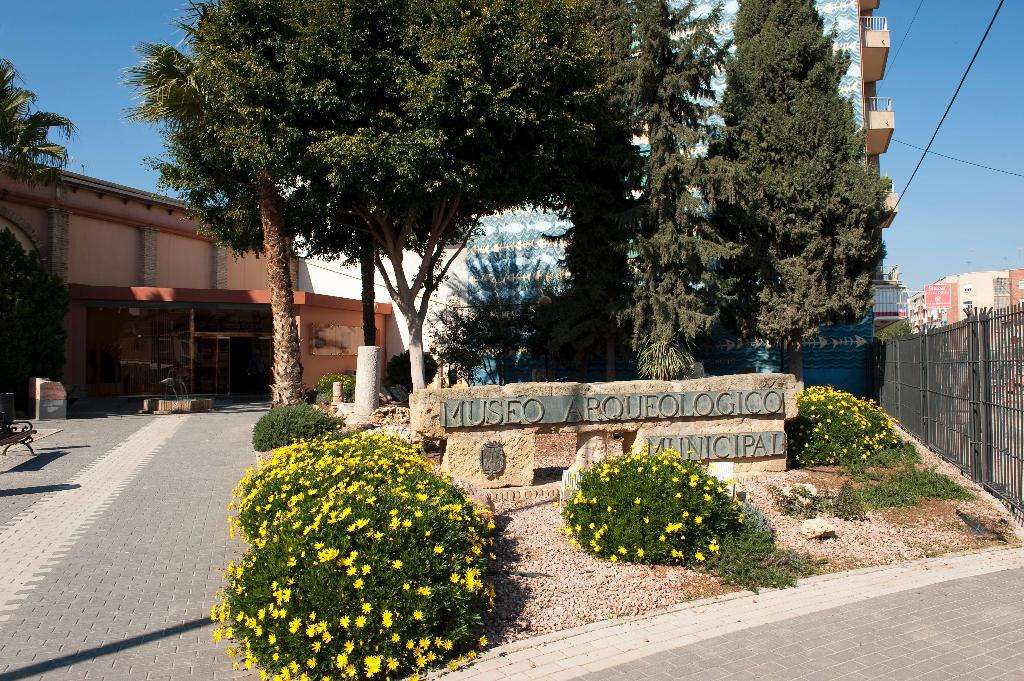
Municipal Archaeological Museum of Cartagena by Murcia

Unveiling the Municipal Archaeological Museum of Cartagena

The Municipal Archaeological Museum of Cartagena is a respected institution dedicated to the preservation, scholarly inquiry, and public exhibition of archaeological artifacts telling the rich history of Cartagena. As an integral member of the Regional Network of Museums of Murcia, its origins trace back to October 25, 1943, under the inaugural directorship of Antonio Beltrán Martínez.

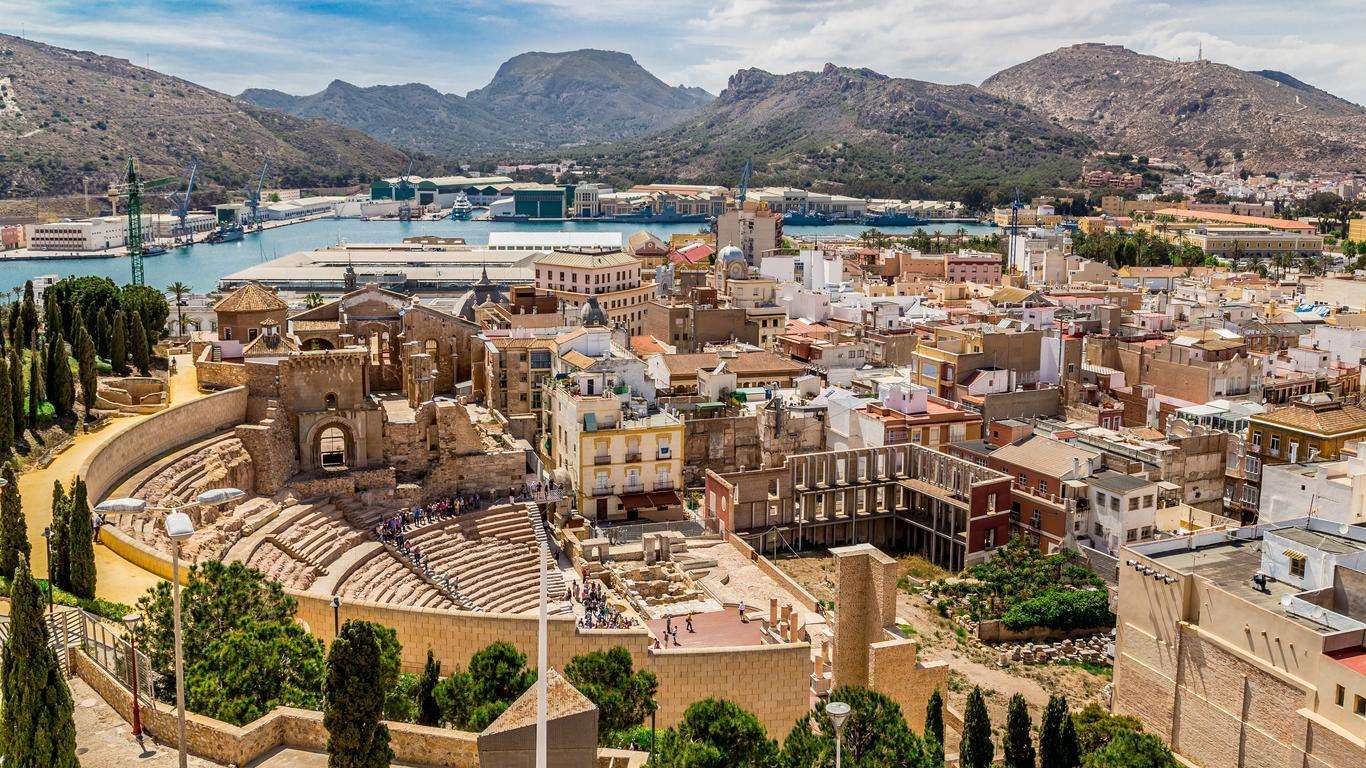
We will delve into the exhibition and artifacts that chronicle the city’s captivating past. The museum offers a captivating journey through time, from its Phoenician origins to its Roman conquests.

Table of Contents

Opening Hours and Location

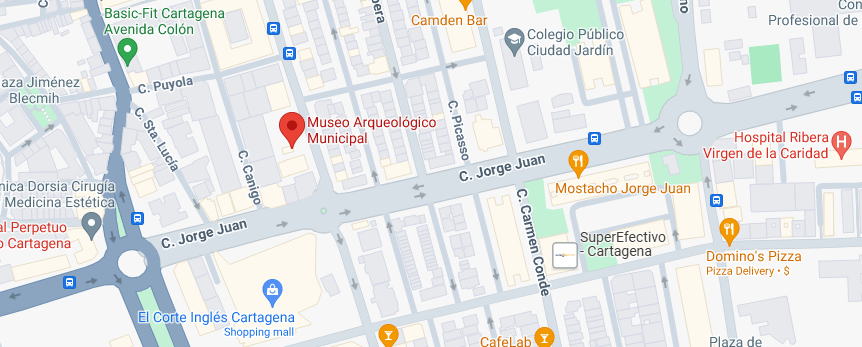
Museum of Cartagena location

Municipal Archaeological Museum of Cartagena

Monday

Closed

Tuesday

10:00 – 14:00

17:00 – 20:00

Wednesday

10:00 – 14:00

17:00 – 20:00

Thursday

10:00 – 14:00

17:00 – 20:00

Friday

10:00 – 14:00

17:00 – 20:00

Saturday

11:00 – 14:00

Sunday

11:00 – 14:00

Museum in a Nutshell

Rooted in various archaeological collections, especially the admirable collection of Roman epigraphs, the museum started in the late 16th century, and Cartagena has been taking care of these artifacts since then. These priceless remnants were the foundation of the museum’s collection.

The museum’s exhibits span a diverse historical spectrum from the Middle Paleolithic era to more recent periods, comprehensively portraying Cartagena’s historical evolution. Given the Roman influence on Cartagena, its most extensive collections are from this epoch.

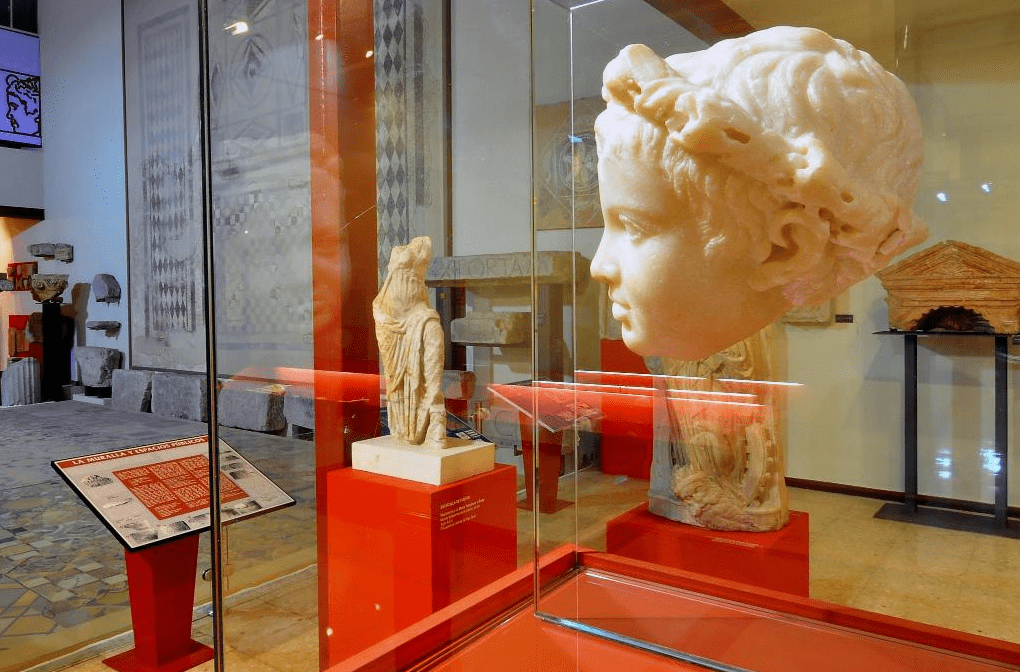
The Latin epigraphy collection is particularly noteworthy, complemented by ceramics, architectural fragments, sculptures, structural remains, mining relics, commercial paraphernalia, and other artifacts. Together, these artifacts afford profound insights into Cartagena’s multifaceted historical trajectory.

Beyond its exhibition spaces, the museum actively engages in archaeological excavations within the urban confines, notably in the ancient Carthago Nova site. These excavations enrich the museum’s collections and yield invaluable historical insights. The museum maintains additional facilities to promote these endeavors, including workspaces, a library, and workshops, including photographic and restoration laboratories.

Museum’s History

Established on October 25, 1943, under the leadership of Antonio Beltrán Martínez, the Municipal Archaeological Museum traces its origins to a diverse array of archaeological collections, originating from the legacy of Roman epigraphs collected by the city of Cartagena since the late 16th century.

Initially housed on the ground floor of the current Royal Economic Society of Friends of the Country of Cartagena, the museum’s collections expanded over time. Especially with contributions from the Sierra Minera area of Cartagena-La Unión, gathered by the Economic Society of Friends of the Country since the late 19th century. In 1945, the museum relocated to a building on Baños del Carmen Street, now known as Plaza de Juan XXIII, to accommodate its growing collection.

In 1967, the discovery of the San Antón necropolis prompted Pedro San Martín, the museum’s director, to propose to the city council the construction of a new museum headquarters around the site to facilitate its preservation in situ. Subsequently, the council oversaw the acquisition of the necessary land and funded the museographic refurbishment works for what would become the new Archaeological Museum. Despite delays, the museum was eventually inaugurated in 1982.

Into the Museum

Museum's exteriors

The museum offers a comprehensive journey spanning from prehistory to the 19th century. Situated on the former site of the late Roman San Antón necropolis, the tour meticulously follows a chronological sequence, beginning with the Paleolithic and Bronze Ages, progressing through the Roman era, and culminating in architectural artifacts and lower arts from the 19th century. Notably, the San Antón necropolis stands out as a focal point, seamlessly integrated into its architectural context.

Exhibition Space

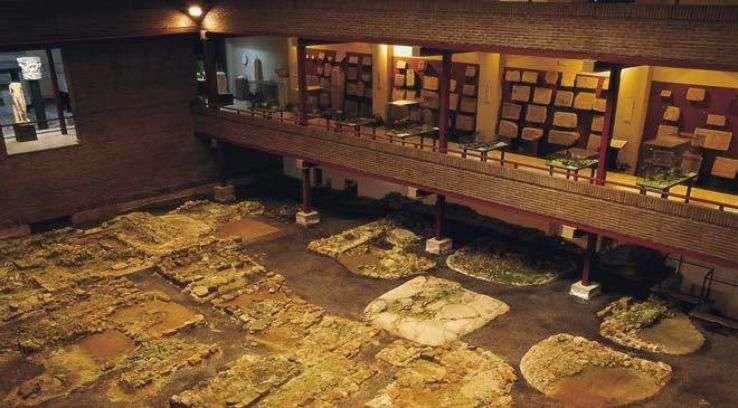
Necropolis inside the museum

In the exhibition of materials, a didactic approach has been meticulously followed, organizing the displays with a chronological orientation on the first floor and adopting a thematic focus on sites and exhibitions on the second floor. The necropolis, positioned centrally, serves as the focal point visible from all vantage points along the permanent exhibition route.

The showcased materials span from the Middle Paleolithic era to nearly the present day. However, due to Cartagena’s profound Romanization, artifacts from this period are both abundant and meticulously curated. What caught my attention was the collection of Latin epigraphy, ceramics, architectural elements, sculptures, construction remnants, mining tools, and commercial artifacts. All of them vividly depict the diverse historical epochs through which the city has evolved.

Artifacts and sculptures from the Roman era

Regular archaeological excavations within the urban area surrounding the ancient Carthago Nova often result in more artifacts for the museum and invaluable insights into Cartagena’s history, as I’ve written above. During “the night of the museums,” this museum graciously opens its doors free of charge during this event, allowing visitors to engage with its offerings without financial constraint.

Events

Beyond its archaeological treasures, the museum serves as a hub for educational outreach and cultural exchange, hosting workshops, lectures, and temporary exhibitions that engage visitors of all ages. By fostering a deeper understanding of Cartagena’s heritage, the museum plays a vital role in preserving the city’s legacy for future generations. You can track all of the upcoming events on the museum’s official website.

About Cartagena

view on the Cartagena

Cartagena, where the Municipal Archeological Museum is located, is a fascinating place for sightseeing. As a matter of fact, it’s been built around the archaeological site of a burial necropolis. The city, thanks to its location on the coastline of the region of Murcia, has been inhabited by different cultures over the years, which has left its mark in the form of artistic and cultural heritage. You can admire numerous sites related to the city’s history and the sea. Here, you will find remnants of the culture and architecture of the Carthaginians, ancient Romans, and Arabs.

Places Worth Visiting

The rich cultural heritage is mainly concentrated around the old town, whose boundaries are marked by the seawall built by the order of Charles III in the 17th century. A must-see on the map for history fans is the Roman Theater. Entry costs €6, and the price includes a guided visit.

For fans of the “underwater world,” a key point on the map of Cartagena should be the Museum of Underwater Archaeology and the Museo Naval el submarino Isaac Peral. Here, you will find a lot of curiosities and historical artifacts with ties to the underwater world.

I personally recommend the Naval Museum, where you will see the world’s first prototype submarine! Another honorable mention is Casa de la Fortuna – a 2,000-year-old residence from the Roman period.

If we want to see Cartagena from above, a great place to do so is Colina de La Concepción. We can get to the hill using the elevator and then reach the mezzanine, from which there is a beautiful panoramic view of the entire city. In addition to the observation deck, on the hill is the Castillo de la Concepción, which has a beautiful amphitheater.

Enjoy Your Private Paradise in Villa Murcia!

Piscina com águaO conteúdo gerado por IA pode estar incorreto.

Looking for the perfect place to stay in Murcia? We’ve got just the spot for you!

Villa Murcia – Your Private Paradise

Wake up to coffee on a sun-drenched terrace, unwind in a warm jacuzzi after a day of exploring, and end your evenings with dinners in the summer kitchen. Nestled in charming Santiago de la Ribera, Villa Murcia offers more than just a holiday—it’s your personal oasis of comfort, style, and unforgettable moments.

Highlights:
✔ Spacious living room with a large sofa and open kitchen – perfect for shared memories
✔ Three elegant, air-conditioned bedrooms with private terraces – your peaceful retreat
✔ Extra fold-out sofa in the living room – ideal for additional guests

Whether it’s a romantic escape, a family getaway, or a relaxing break with friends – Villa Murcia is your dream stay.
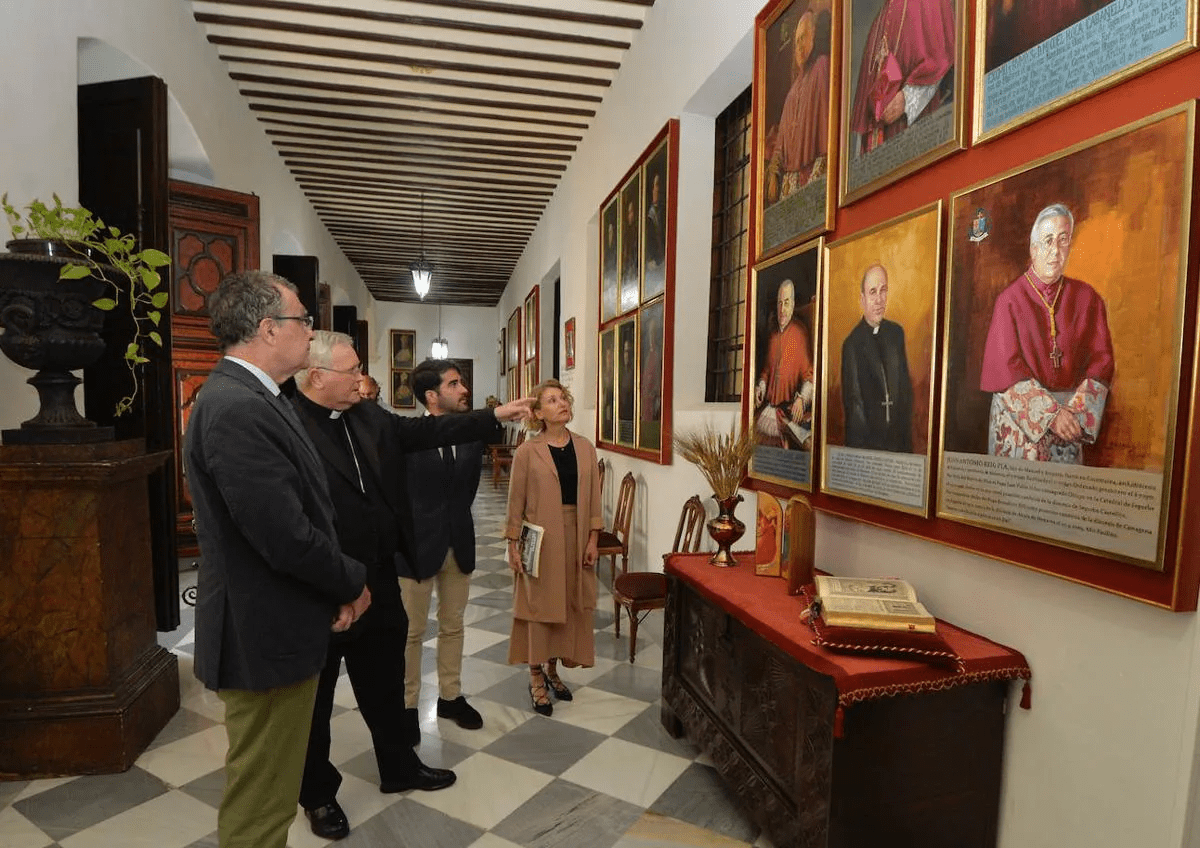
Book now and experience the magic of the Spanish sun!

Conclusion

The Municipal Archaeological Museum of Cartagena is a testament to the city’s rich and diverse heritage. Through its captivating exhibits and insightful displays, the museum offers visitors a journey through time, unraveling the mysteries of Cartagena’s ancient past. Each artifact tells a story of resilience, ingenuity, and cultural exchange from the Phoenician settlers to the Roman conquerors.

Read More
picture from the MURAM showing its architecture

Cartagena Museum of Modern Art: 8 Reasons to Go Right Now

If you’re a fan of art exhibits, we have the perfect suggestion for where to go on your next vacation. Spain is full of tourist attractions of all kinds, including beaches, traditional food, and the famous Museo de Arte Moderno de Cartagena.

This is a paradise for art enthusiasts and features rare pieces from Colonial times and artistic creations from famous names like Alejandro Obregón, being a must-go if you’re passing nearby. Here, we will show you some of the main reasons why the paintings and architecture pieces of the modern art museum should be the next item on your vacation list. Make sure to take a look at all aspects of this incredible place and the main curiosities you should know before going to this unforgettable experience.

Table of Contents

What Is Cartagena Museum of Modern Art and Where It’s Located

picture from the front side of the museum of modern art of Cartagena

Known as Museo Regional de Arte Moderno (MURAM), it is an art gallery located in Murcia, Spain. The museum already housed exhibitions of all kinds, including paintings, illustrations, sculptures, and all kinds of art.

If you want to find out more about local artists, the history of Cartagena, and other curiosities, this is the perfect location in the town to do this. The place will satisfy your curiosity thanks to a variety of exhibitions thoughtfully curated to welcome visitors from all corners of the globe.

If lounging on the beach isn’t your idea of a perfect vacation, then this alternative destination is a must-visit. It’s one of the top museums in the region, offering unforgettable experiences that will make your trip truly memorable. Whether you’re a history buff, an art enthusiast, or simply curious about the culture, this place belongs on your go-to list.

What You Need to Know Before Your Visit

Now, we will show you the main aspects and curiosities about the Museum of Modern Art of Cartagena you need to know before packing your luggage for this incredible adventure.

From the types of exhibitions you can find to nearby attractions, we will cover everything you need to know to have a great time visiting it. Here are the main aspects and curiosities of the Cartagena Museum of Modern Art.

More Than Just Paintings

picture showing multiple scullptures being displayed at the museum of modern art in Murcia

Many people think that museums are restricted only to paintings and illustrations, when in fact, the art displayed goes far beyond that. Since it’s a modern art museum, the participant art pieces are usually very experimental and eye-catching, evoking curiosity in those passing through the rooms of the building.

This doesn’t mean you can’t find display galleries consisting of paintings. They’re very present, going from creations of new local artists to worldwide known industry names.

The palace is filled with different attractions that will please all kinds of tastes and teach you lots of new things about the local culture and the world’s history.

Eye-Catching Architecture

image from the MURAM showing its outside

Visiting the site and exploring the multiple corridors, you will notice that the architectural choices that mix modern and classic elements create an experimental and creative atmosphere. Everything is designed to draw attention to the art pieces and the looks of each room, highlighting the architectural design and the collections. The museum is composed of multiple rooms and sections used to separate the displayed collections and exhibitions.

When I first visited the museum, it was a magical experience, and I didn’t know what to look at, the arts, or the building’s design. Everything is stunning and carefully planned to create visuals you’ll never forget. Each room is distinct and features unique looks, making you feel like entering in a completely different world for each collection being exhibited.

By doing the complete tour guide throughout the gallery, you’ll be able to appreciate works of all kinds from artists worldwide, creating an entertaining and culture-rich experience.

Don’t Worry About Your Spanish

As we mentioned, Museo de Arte Moderno de Cartagena is ready to receive guests from all around the world. Thus, both the painting information and guided tours are available in English, so everyone can easily understand their content. Even though a large part of the population only speaks Spanish, you still won’t have problems finding what you’re looking for during your trip.

The staff at both the museum and other nearby attractions are there to assist you every step of the way. Whether you’re seeking details about a specific collection or directions to another site, they’re always ready to lend a hand. With their help, you won’t miss a single piece of the incredible history behind each item showcased in one of the country’s largest museums.

Get Ready to Discover Local Artists

picture from one of the art rooms inside the museum of modern art in Cartagena

One of the most interesting things about modern art museums is discovering new names that might become the next generation of prominent artists. When you visit Spain and this museum, you’ll encounter classic paintings by renowned artists such as Enrique Grau and Salvador Dalí. Yet, what truly sets it apart is its diverse array of collections crafted by emerging young artists, pushing the boundaries of creativity far beyond traditional painting or sculpture. It’s a vibrant showcase of both timeless masterpieces and cutting-edge contemporary art that promises to captivate and inspire.

The city constantly changes the rooms and exhibitions, so every time you visit the museum, you can find a different artist to learn about or check their work. Along with the pieces that are constantly rotating, you can also find other art pieces from renowned artists that are displayed throughout the entire year in the same spot, like some of the creations from Dali.

Lessons and Other Activities

image from the city of Cartagena in Spain

One of the best parts about the Cartagena Museum of Modern Art is that numerous activities are happening inside the facility. One of the most common examples is occasional lessons about art history and architecture.

When I visited MURAM, along with the dozens of art collections, there were also art history lessons available for kids, showing how diverse the environment can be when it comes to activities. Even though I wasn’t able to participate in the class, it was fantastic to see how they managed to perfectly mix entertainment and education to catch the attention of people of all ages and kinds.

They’re open for those who purchase a ticket to enter the museum. It is a great way to learn about the place’s culture and the stories behind famous paintings and artists. The museum also participates in an initiative called Museums Regional System, which unites the main museums of the region to exchange visitors and provide people with a complete experience when visiting Murcia. You can do a tour by going through the main art galleries of the region and seeing all kinds of art, from modern creations to surreal and futuristic pieces.

It’s a Renovated Building

One of the reasons why this museum’s contrast between modern and classic elements is so unique is because it was built in a renovated building centuries ago. The famous designer Martín Lejárraga idealized and signed the entire project.

With your MURAM ticket, you’ll gain entry to the museum’s exhibits and a guided tour. Wander through modern and old rooms, witnessing the contrast firsthand.

Discover the history behind the building and its importance to the city while viewing antique furniture and objects. English-guided tours are available, making it a must-do activity for anyone visiting the city, whether alone or with others.

Close to Many Other Attractions

One of the nicest parts about the museum is that you don’t have to spend your entire day there. There are other attractions nearby that you can visit after finishing your tour, as Murcia is the seventh largest city in the whole country and has endless activities you can do.

During my last trip, I was able to visit the museum’s main attractions, as well as the Cathedral de Santa Maria and Museo Salzillo, all in one day. The best part is that you can do all of that without taking any special transportation since they’re fairly close to each other and easy to locate.

Along with the museum, you’ll also find the “shore excursion for cruise guests,” “Roman exploration in Cartagena,” a trike tour throughout the city, and many other fun options to make your trip to Spain unforgettable.

You have numerous options, each offering a unique experience. You can spend the day visiting multiple museums or diversify your activities between visiting monuments, eating traditional food from the region, and all the opportunities this incredible place offers.

It’s Open Throughout the Entire Year

image showing an urban art collection in the MURAM

One of the best parts of the museum is that you can visit it throughout the year. Even though the collections being exhibited are constantly changing, the place is open for visits and guided tours all twelve months of the year, with rare exceptions like Christmas, for example.

You can always visit the Museum’s official website and check the main information regarding the place and the attractions. There, you’ll find articles about the lessons being offered, the collections displayed, the hours of the day when it’s open, and which days of the week the museum is open for visitors.

This way, you can better plan your days when going to the museum and choose the best date based on the lessons and available activities. The website is also available in Spanish and English so everyone can understand the information and find what they want.

Conclusion on the Cartagena Museum of Modern Art

picture showing the MURAM

This museum is undoubtedly the perfect tourist spot if you seek something different from the traditional beaches and mountains. If you’re looking for an urban activity that is both fun and full of culture, this is the one to go with. The Museo Regional de Arte Moderno de Cartagena is one of the best you can find in the entire city, and its variety can please people of all tastes in art.

Whether because of its bold and outstanding mix of architecture or the creative and beautiful collections displayed throughout the rooms, the museum will deliver an unforgettable experience that will stay with you forever.

Visiting this spot was one of the best vacations of my life and positively surprised me in every aspect. You can spend an entire day inside the building without even noticing.

Now that you know everything, it is time to add MURAM to your go-to list the next time you visit Spain. Whether you want to spend time alone or with others, this is the perfect pick.

Enjoy Your Private Paradise in Villa Murcia!

Piscina com águaO conteúdo gerado por IA pode estar incorreto.

Looking for the perfect place to stay in Murcia? We’ve got just the spot for you!

Villa Murcia – Your Private Paradise

Wake up to coffee on a sun-drenched terrace, unwind in a warm jacuzzi after a day of exploring, and end your evenings with dinners in the summer kitchen. Nestled in charming Santiago de la Ribera, Villa Murcia offers more than just a holiday—it’s your personal oasis of comfort, style, and unforgettable moments.

Highlights:
✔ Spacious living room with a large sofa and open kitchen – perfect for shared memories
✔ Three elegant, air-conditioned bedrooms with private terraces – your peaceful retreat
✔ Extra fold-out sofa in the living room – ideal for additional guests

Whether it’s a romantic escape, a family getaway, or a relaxing break with friends – Villa Murcia is your dream stay.
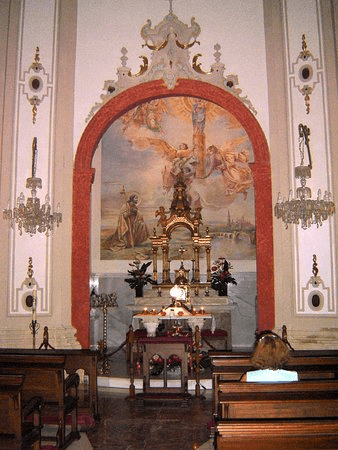
Book now and experience the magic of the Spanish sun!

Read More
image from the military museum of Cratagena showing numerou tanks and artillery weapons

Historical Military Museum of Cartagena: Complete Travel Guide

A museum always represents the history of a particular place, but the Historical Military Museum of Cartagena carries a more profound significance. Military museums are not typical due to the immense effort required to preserve them, which is why this particular military museum is so unique. The Historical Military Museum of Cartagena exemplifies Spain’s commitment to safeguarding its military heritage.

The Historical Military Museum of Cartagena in Spain, also proudly dubbed the “Museo Histórico Militar de Cartagena,” serves as a historical repository, housing many of the weaponry and artillery known to history. A journey through this historically revered place provides an experience that will immerse you in some of the most famous conflicts in the country’s history, such as the War of the Spanish Independence and the Spanish Civil War. Tourists keen on military history will immerse themselves in the museum’s vast display of weaponry, ranging from cannons, knives, swords, anti-aircrafts, and more.

Here we will show you why the museum is the perfect destination for the next time you visit the city of Cartagena. From why it is such an important monument to what you need to know before going, here’s your complete guide:

Table of Contents

History

image showing the entrance for the Military Museum

The Historical Military Museum of Cartagena is strategically situated to relish the city’s military history. Cartagena has always had a strong military history, being documented as a “fortified city” since 250 B.C. Whether through its modern artillery pieces or the strategic places where the defenses were located. The city and its entire country have always played an important role in the world’s history when it comes to conflict and military decisions.

Located in Calle Lopez Pinto, the vast museum is easily accessible and featured in an area with numerous tourist attractions that gather people from all over the world to appreciate these fragments of history. This legacy renders it a pivotal locale for unraveling the genesis and progression of military architecture across the continent.

Establishment and Founding Principles

The Historical Military Museum of Cartagena was built to showcase the history of artillery and military units that have been stationed in the city of Cartagena from the 15th century to the present day. The museum is further dedicated to showcasing the unique cultural heritage of the city, its contributions to the conflicts around the world, and how resilient Spain has been throughout the centuries.

More than just a mere exhibition of weapons and other kinds of equipment, the military museum dedicated to the Spanish army history is the best lesson you could have on the events that happened during that time. The museum’s two floors are full of objects and documents that will immerse you in this world and deliver a great experience you’ll never forget.

Why the Historical Military Museum Is a Must-Go

picture of an artillery exhibition at the military museum in the city of Cartagena

Undoubtedly, the Military Museum of Cartagena is one of the most popular tourist spots in the city. But why is it so popular among local citizens and people from all over the world?

Here, we will show you some of the reasons that make this the perfect attraction for visiting Spain, whether alone, with your family, or anyone else. Make sure to look at the museum’s main aspects so you can plan the perfect trip that will give you a fun time and unforgettable memories.

Real Tanks and Vehicles

picture of an anti-aircraft weapon being displayed in a museum

Some of the most famous exhibits available in the multiple rooms of the museum are the actual models of vehicles and tanks; you can not only see them but also touch their structure. Looking at these giant metal creations through photos is one thing, but seeing them in person and being able to touch them makes it much more memorable.

It’s essential to note that certain vehicles may be off-limits for touching or entering due to their fragile nature. Always be sure to read the rules and heed the recommendations to avoid any potential problems during your visit.

Most of the military equipment and vehicles are located on the ground floor, especially around the central courtyard, but there are several rooms on the second floor that also feature that kind of machinery.

From cars to anti-aircraft guns, all the models featured were real and produced during that time. These vestiges of the old wars tell a lot about the country’s culture and history, being not only a symbol of that time but something that makes us reflect on multiple aspects of the world’s formation and organization.

You Can Spend Hours in the Building

image of the street where the "parque de artilleria" is located

The centuries of history reunited in this museum make it one of the largest in the entire region, so prepare to spend a lot of time exploring each room and collection you’ll find along the way. Each floor and part of this historical place holds a surprising and vital piece of history, whether a document or the soldier uniforms used during the conflicts. The place features numerous corridors and areas that can easily lead to getting lost. To navigate smoothly and ensure you don’t miss out on anything, it’s best to stick close to your guide. They’ll help you stay on track, ensuring you make the most of your visit without any confusion.

There are many helpful signs and maps to help you find the way to go in case you get lost. They’re all available in English, so you can find your way back, even if you don’t speak Spanish.

It Still Has the Original Structure

image showing one of the builings of the military museum

Another reason the historical military museum of Cartagena is so interesting is that even after over two centuries, its structure is still the same. The original building was created in 1777 and signed by the architect Mateo Vodopich.

Even though its construction started in 1777, the final steps of its construction were only finished almost a decade later, in 1786, due to internal conflicts in the country and other structural problems along the way. The building symbolizes strength and perseverance for the citizens of Cartagena and reflects the spirit of fighting for what is right and protecting others.

This strength and perseverance perfectly describe the building, especially when considering it survived two of the most tense conflicts in the country: the War of Independence between 1808 and 1814 and the Spanish Civil War between 1936 and 1939. This is also part of the reason why the museum is so full of culture and history, with so many exciting attractions that will take you centuries back in time.

Every corner I looked at was unique and told a story about the place. It felt almost magical to see the contrast between renovated parts and original constructions.

It’s Completely Free

picture of the museum showing a weapon used druing the war

Another compelling reason to add this attraction to your list when visiting Spain is that it’s completely free of charge. Many people are unaware of this, but Cartagena boasts a range of museums offering free admission to all visitors. This includes the Historical Military Museum of Cartagena Pl, Puerta de la Serreta, and many others, each offering unique characteristics and attractions that will captivate your attention and provide valuable insights into the country’s history.

I was so surprised when visiting the place for the first time to know that not only the Historical Military Museum but most of the surrounding museums didn’t require any kind of ticket or reservation to get into the building. This allowed me to spend the day going from one place to another without having to worry about how much I’d have to spend or which museums to go to.

You can spend the whole day visiting different museums and all the exhibitions they have to offer without spending a single coin. I highly recommend visiting Plaza de la Aduana when going to the country. It is the oldest square in the region and has endless attractions and museums that will catch your interest.

From art museums to military structures, there’s so much to see and plenty of fun activities that will make you want to stay in the area forever. Murcia is the best place to go in Spain if you’re looking for entertainment and a diversity of possibilities.

What You Need to Know Before Going

Got interested in the historical military museum of Cartagena and want to see the numerous attractions and surprises it holds? There are some things you should know about to ensure the best experience when visiting the facility.

The Facility Is Divided Into Sections

image of a room with multiple kinds of ammunition

One of the main aspects you should know about the museum when visiting is that there are different buildings dedicated to a specific type of attraction or equipment. For example, one of the most famous ones is the artillery building. As the name suggests, it is a building dedicated to ammo, weapons, and other objects used during the country’s multiple wars. The advantage of going on the guided tour is that you ensure you see all the buildings and don’t miss anything.

Due to the size of the Historical Military Museum, it is pretty easy to get lost or forget to go to a specific building. Consider this when planning how you’ll spend your time there. Once you cross the enormous entrance and get into the facility, you can explore the museum however you want. That’s why tracing your route is always recommended. The division into different buildings allowed me to easily explore the entire facility without missing anything or feeling lost inside the numerous rooms.

Guided Tour Available in English

image from one of the rooms in the museum showing different military supplies and machines

Both the signs and guides offer translated options for visitors around the world. You can do the complete tour without understanding a single word in Spanish and still enjoy the entire experience.

Both the hosts and volunteers at the museum are trained to receive guests from all countries and cultures, so as long as you speak English, there’s nothing to worry about. The rules and signs talking about the objects also have translated versions along with the originals.

Other Attractions Nearby

picture from the city of Cartagena

Another good side of the museum’s location is that it is near many other attractions, so you don’t have to spend the entire day there. You can visit numerous restaurants, museums, and parks, and the best part is that you can do all of that on foot.

You can explore numerous attractions in Cartagena without taking the road or using a car to go between places. Along with the museum, you also have Santuario de Nuestra Senora de la Soledad del Monte Calvario, Cerro del Molinete Archeological Park, and many other places you can visit on a short walk from there.

The city has numerous adventures and possibilities, making it an unforgettable trip. Whether you want to learn more about the history of the country and its culture or just have some fun, there’s always the perfect pick for everyone.

Conclusion on the Historical Military Museum of Cartagena

image showing the entrance of the "Museo Militar"

Military museums are always both entertaining and culture-rich experiences, helping us understand more about the old times and the conflicts. Cartagena is home to one of the biggest ones, with multiple buildings and floors that tell countless stories of resistance, fight, and glory, being the perfect venue to add to your next trip.

Prepare for a breathtaking experience where you can enter real tanks to see their inside and operations along with real documents retrieved from real wars not only in the country but also around the world. If you want to learn more about history in the most practical way possible, this is the place for you.

Now that you know everything about the Military Museum, it is time to start packing your luggage for this unforgettable experience. Whether you’re traveling alone, with your family, or anyone else, this is an experience you can’t miss.

Enjoy Your Private Paradise in Villa Murcia!

Piscina com águaO conteúdo gerado por IA pode estar incorreto.

Looking for the perfect place to stay in Murcia? We’ve got just the spot for you!

Villa Murcia – Your Private Paradise

Wake up to coffee on a sun-drenched terrace, unwind in a warm jacuzzi after a day of exploring, and end your evenings with dinners in the summer kitchen. Nestled in charming Santiago de la Ribera, Villa Murcia offers more than just a holiday—it’s your personal oasis of comfort, style, and unforgettable moments.

Highlights:
✔ Spacious living room with a large sofa and open kitchen – perfect for shared memories
✔ Three elegant, air-conditioned bedrooms with private terraces – your peaceful retreat
✔ Extra fold-out sofa in the living room – ideal for additional guests

Whether it’s a romantic escape, a family getaway, or a relaxing break with friends – Villa Murcia is your dream stay.
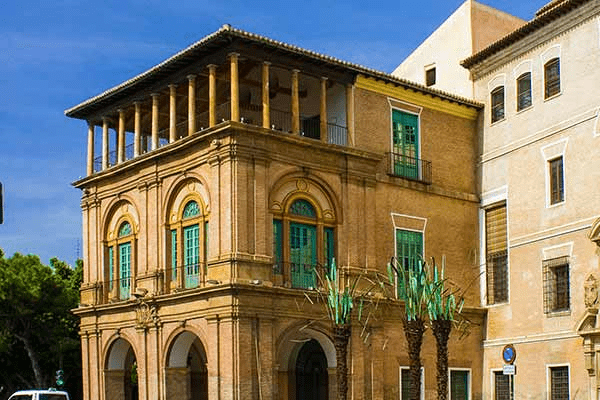
Book now and experience the magic of the Spanish sun!

Read More

Page 1 of 2

Powered by WordPress & Theme by Anders Norén