


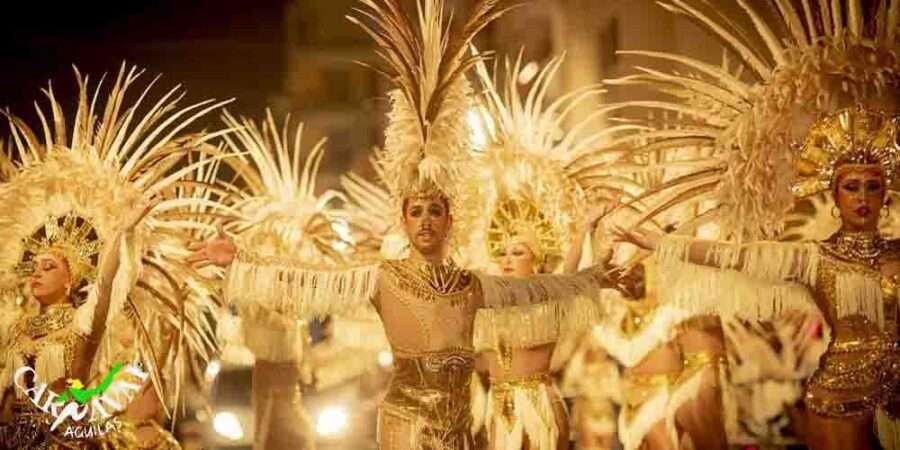
The entire world is full of impressive carnivals, such as the Carnival of Rio de Janeiro, the Carnival of Venice, and the Carnival of Santa Cruz de Tenerife. But there are also smaller yet equally fascinating ones, like the Aguilas Carnival, a precious festivity that takes the best of the tradition and religious heritage of the south of Spain.
If you’re thinking of visiting Spain this year or next, especially the Murcia region and its surroundings, a go-to destination is the Aguilas Carnival. In this article, you’ll discover why this event is an iconic celebration you will never forget!
Table of Contents:
- The Aguilas Carnival | A Majestic Festivity in the Murcia Region
- What Is the Águilas Carnival in the Region of Murcia?
- Traditional Characters of the Festivity
- Key Dates of the Aguilas Carnival
- Aguilas Carnival Location
- The History Behind the Aguilas Carnival
- Enjoy Your Private Paradise in Villa Murcia!
- Visit the Aguilas Carnival in the Region of Murcia
What Is the Águilas Carnival in the Region of Murcia?
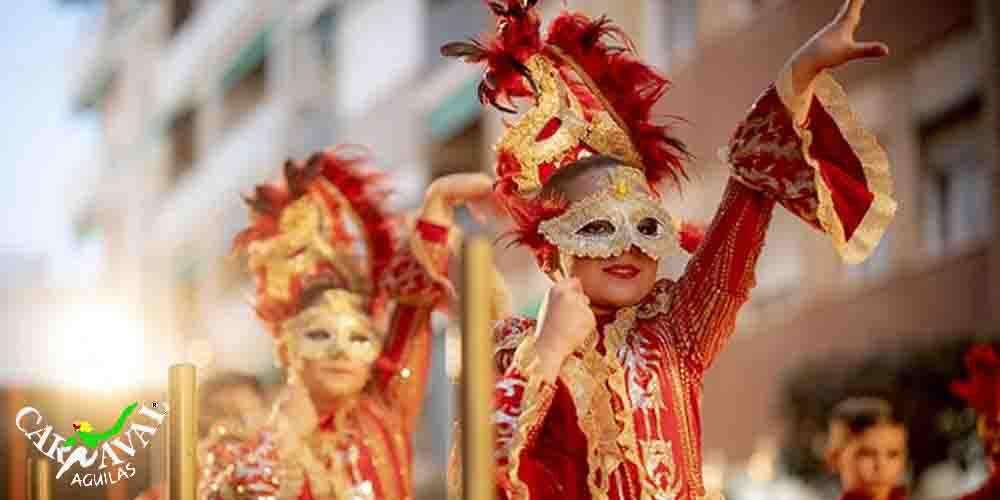
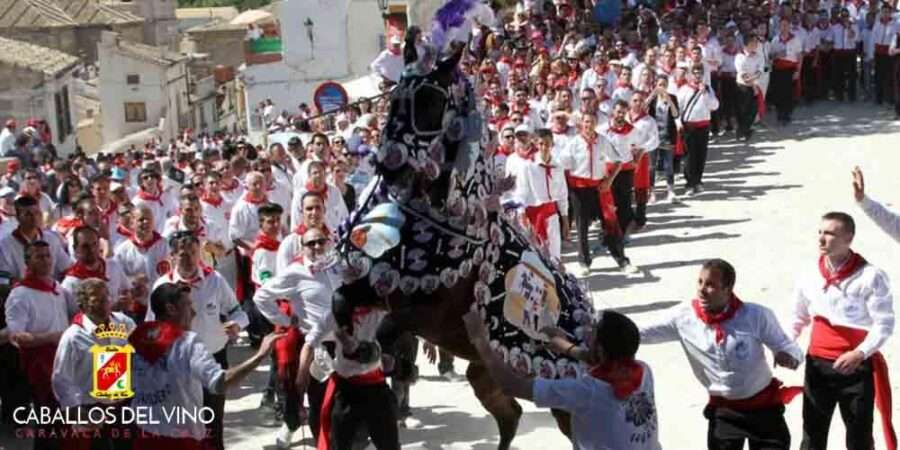
The Aguilas Carnival – or Carnaval de Águilas, in Spanish – is the major carnival in the Murcia region and one of the biggest carnival festivities in Spain. It’s a pre-Lenten festivity that starts on the first Thursday of February and finishes on Shrove Tuesday, the day before Ash Wednesday, which is the first day of Lent.
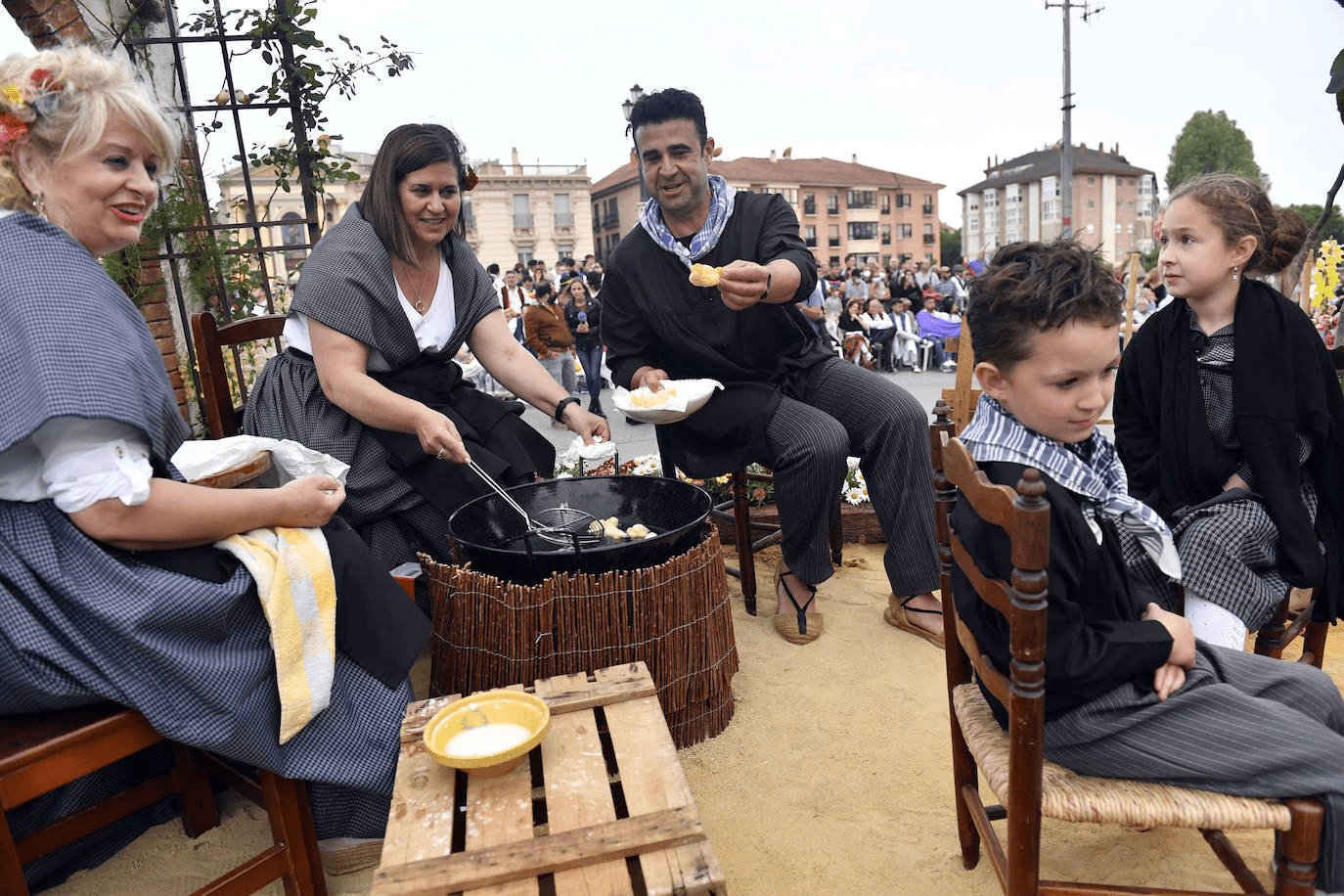
The Águilas Carnival is the last opportunity for visitors and locals to enjoy before Lent and Easter. This way, they wear costumes with plenty of fantasy and colour and enjoy all the events during the week.
Currently, the Águilas Carnaval has the title of Fiesta de Interés Turístico Internacional, awarded by the Secretaría de Estado de Industria, Energía y Turismo del Gobierno de España.
Day Carnival
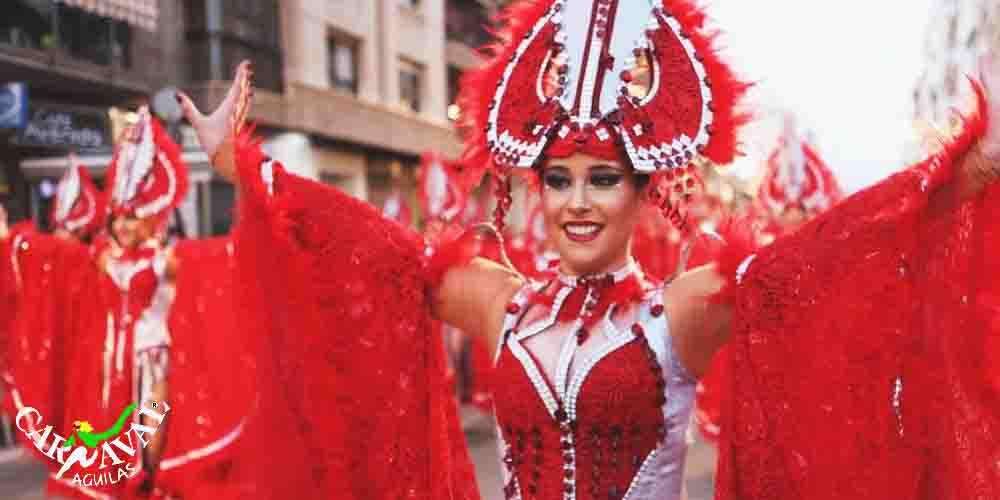
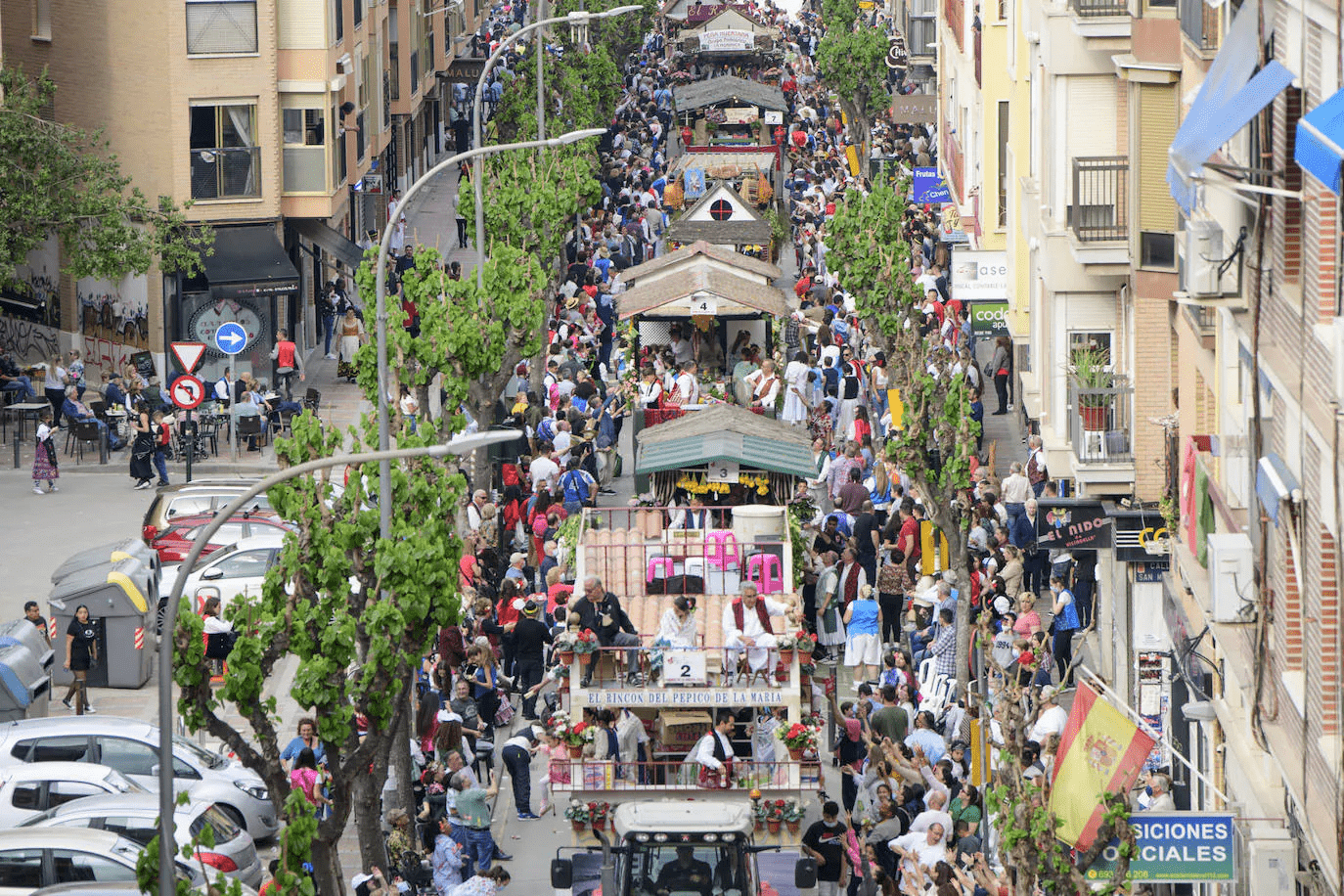
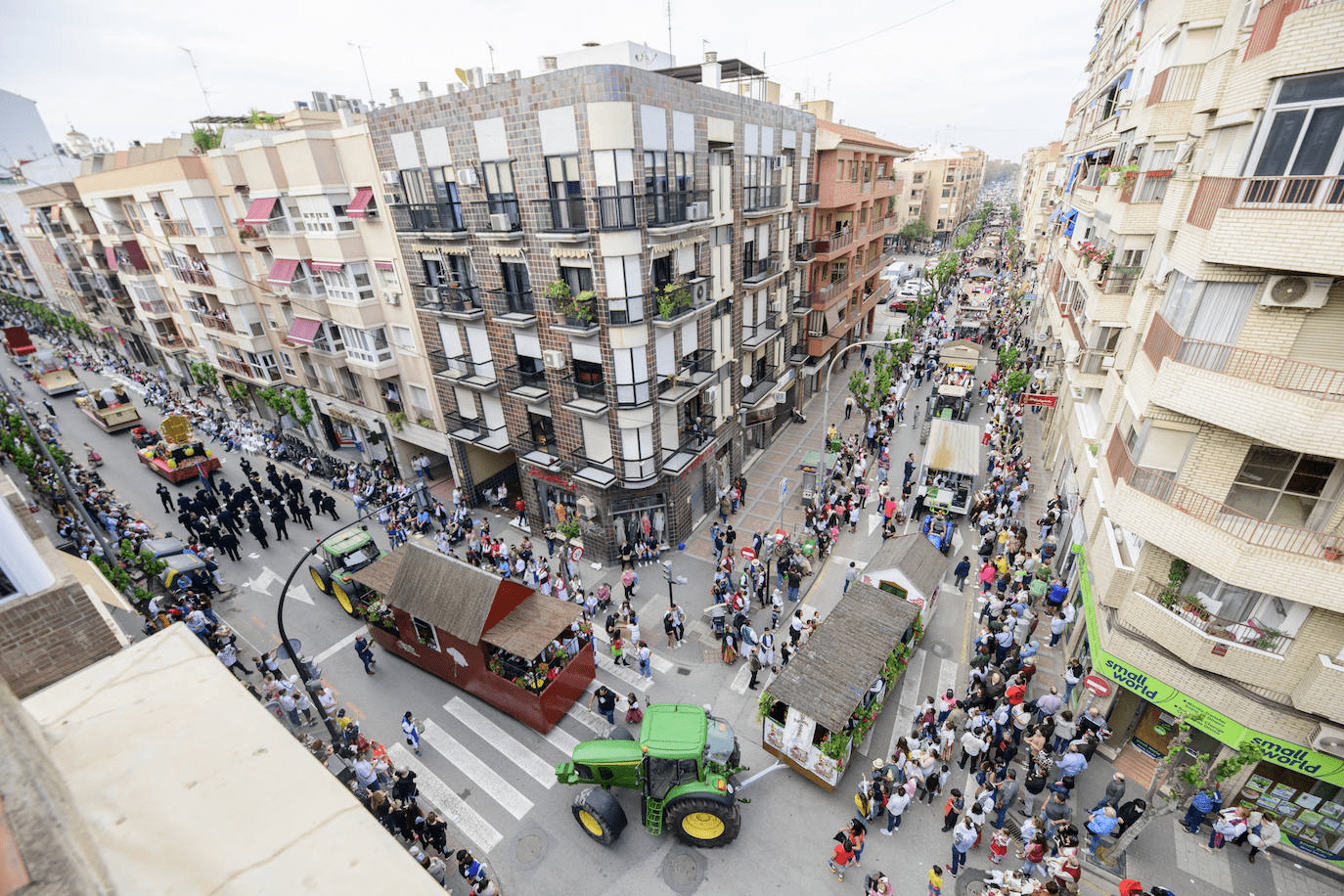
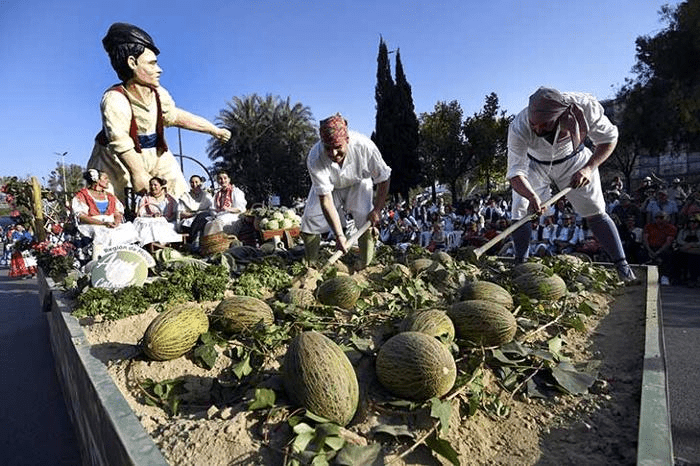
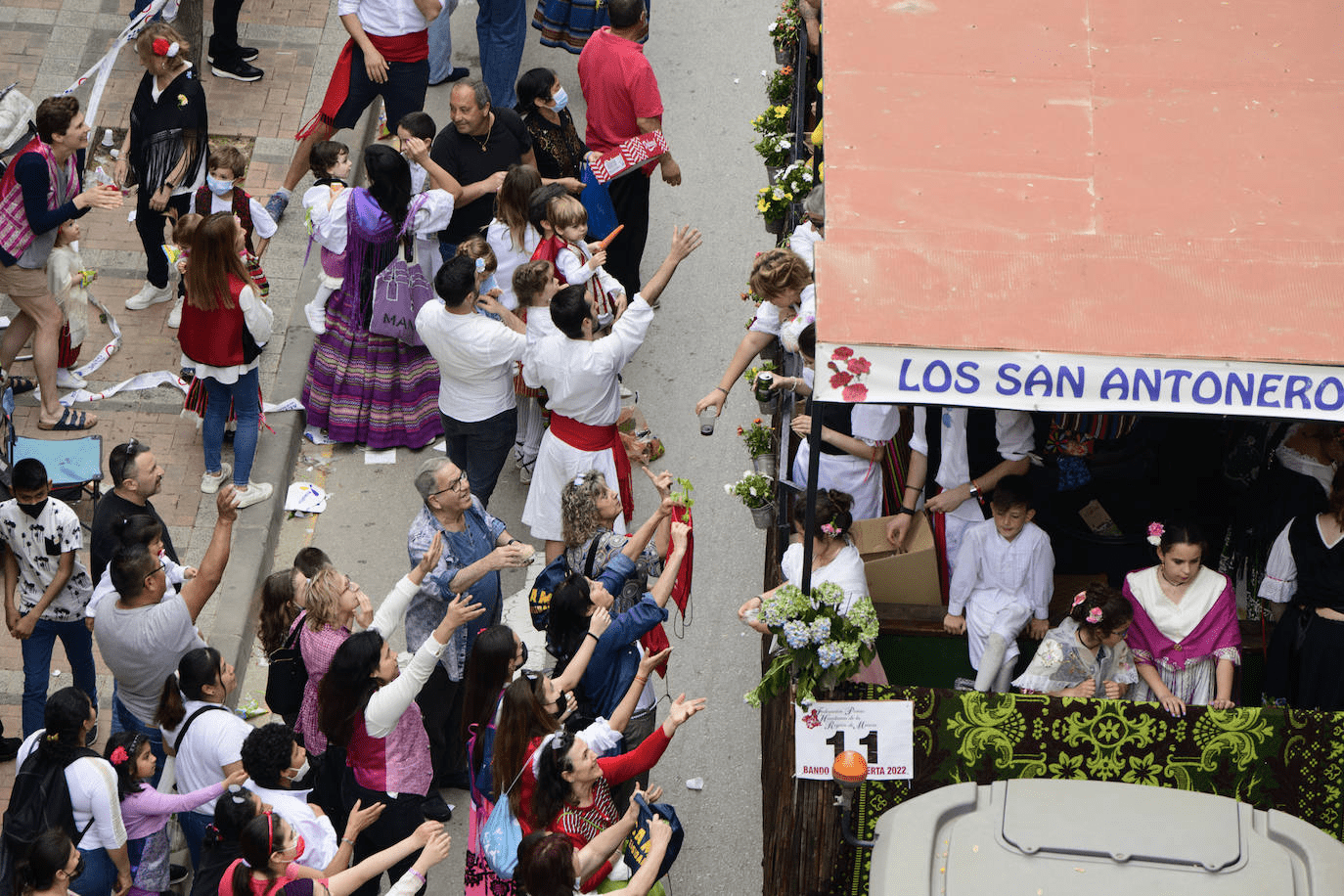
Some of the elements that characterize this carnival are the Peñas and their floats that wander by the streets of Águila. The Day Carnival emphasizes the luxury, gloom, and beauty of the cultural heritage.
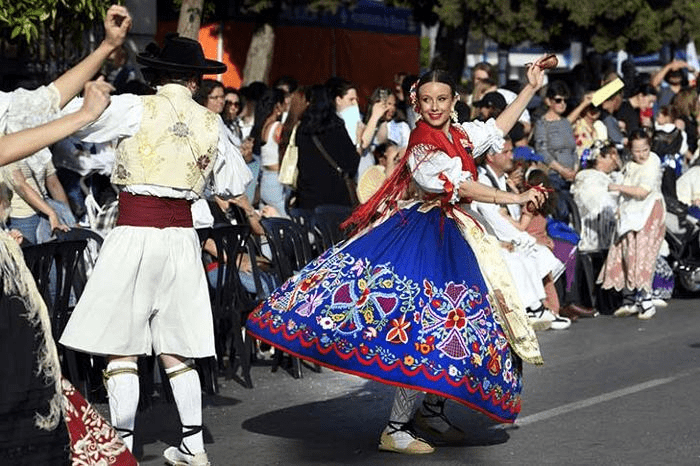
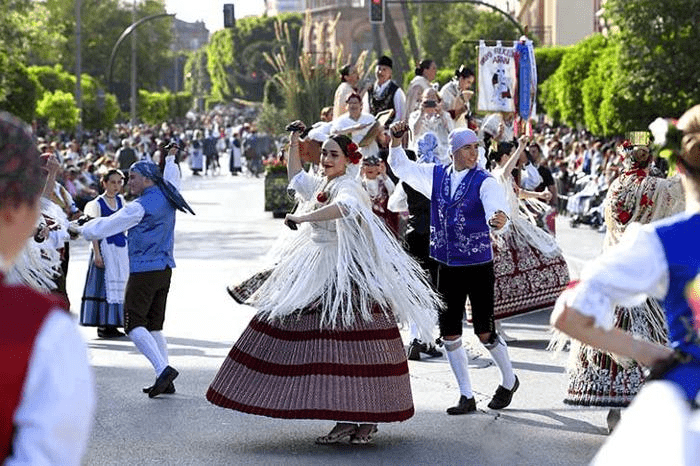
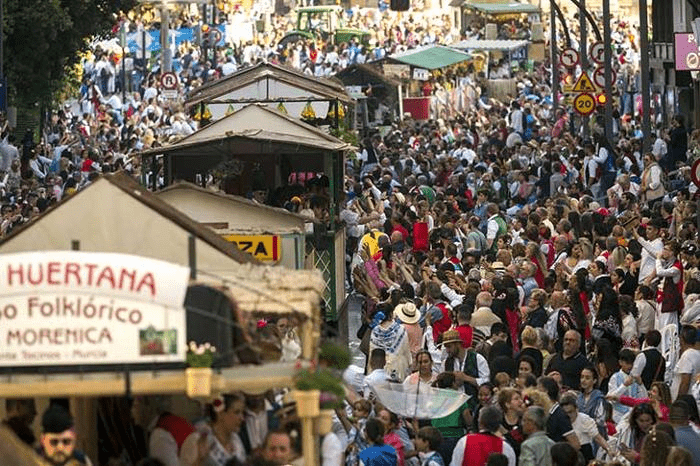
Extravagant costumes fill the streets of Águilas with sequins, colorful fabrics, feathers, and more. The vibrant parades transform Águilas into a lively environment brimming with parties and musical entertainment. They take place in Avenida Juan Carlos I and Calle Rey Carlos III, in the center of the city. The parade of visiting “Comparsas” (or Carnival troupes) is also a crucial one during the Day Carnival.
The Day Carnival is the luminous face of the festival, which emphasizes the joy of entering one of the most important Christian celebrations of the year, Lent.
Night Carnival
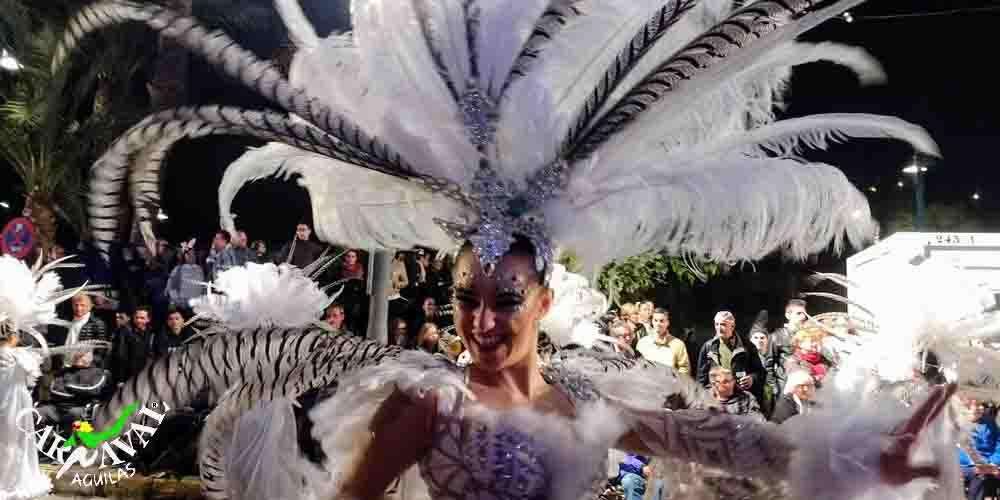
The Night Carnival is more spontaneous than the Day Carnival, with wit and popular mischief. During Carnival Monday, the locals and visitors wear their most impressive clothes to give free rein to their imagination. The traditional Carnival performances of Los ciegos, ciegos perdíos at the Auditorio y Palacio de Congresos Infanta Doña Elena is also celebrated during the Night Carnival.
The Night Carnival takes place in the Plaza de España Midnight. As night falls, locals and visitors gather in the Plaza de España with incredible costumes and masks. Here, people start to dance and celebrate the festivity with live entertainment, competitions, music, acting, and more.
Some of the fiesta’s most particular elements include the famous Cascarones de Confeti (eggs full of confetti, which the people throw during las fiestas to fill the celebration with bright colors) and the Cuerva (a traditional drink based on wine and a blend of fruits), which captivates people and encourages them to dance and celebrate for hours.
In the last decade, the paper costume competition has gained considerable popularity. Recently, visitors have been able to see spectacular disguises made entirely of paper that reflect the true spirit of the carnival.
Traditional Characters of the Festivity
This magnificent event brings together thousands of people from the area of Murcia, the country, and all over the world and tells them a magnificent story of joy, happiness, delight, party, and repentance. As such, this story entails several characters that play a crucial role throughout the Aguilas Carnival. Let’s meet them!
Doña Cuaresma
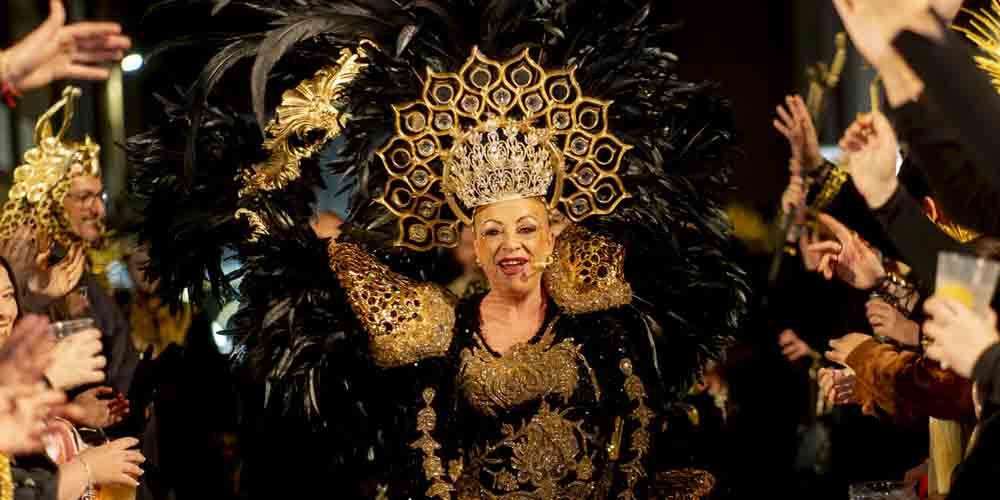
Doña Cuaresma (Mrs. Lent), as her name indicates, depicts the abstinence and sobriety that come with the upcoming Lenten period. According to the tradition and spectacle, Doña Cuaresma is in a perpetual struggle against Don Carnal, who represents the opposite, the extravaganza, and delirium.
In this perpetual competition, Doña Cuaresma loses against Don Carnal on the first Saturday of fiestas, the Saturday before parades. Still, Doña Cuaresma wins in a further encounter against her perpetual enemy.
Don Carnal
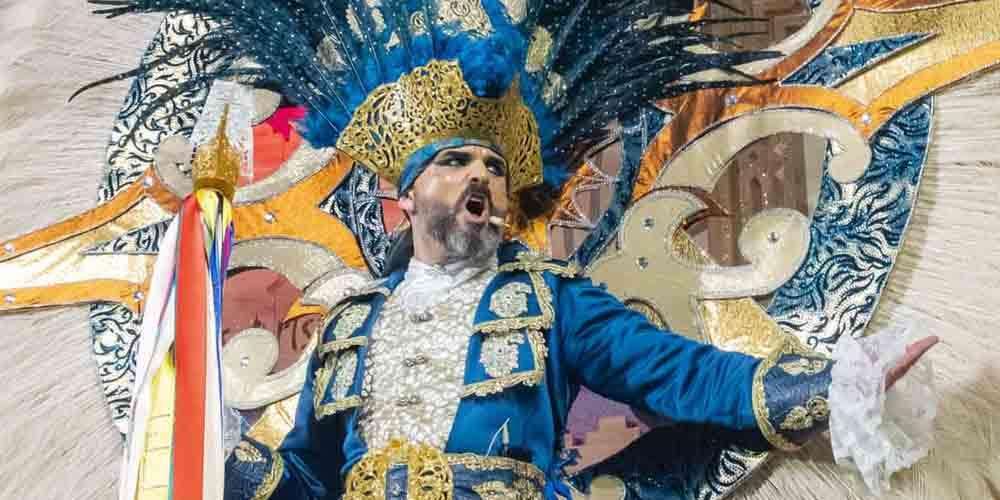
Don Carnal (Carnival Man) is the direct opponent of Doña Cuaresma. This character represents the Roman God Janus and the excitement, jubilee, and euphoria of the festivity, as well as the heart of the celebrations and the desires and spirits of Spaniards and foreigners.
Don Carnal temporarily defeats Doña Cuaresma, which marks the beginning of activities and the main events of the Carnival. Later, at the end of the celebrations, this carnival man is defeated by Doña Cuaresma in a singular battle in Playa la Colonia on the Piñata Saturday. After his loss, people put a doll inside a bonfire on the beach, and fireworks decorate the sky as a part of the final celebration.
The burning of the doll depicts the end of joy and fun, whose representation is the image of Don Carnal’s body. The beaches and sea are the perfect place to put an end to festivities and start with Lent.
La Musa
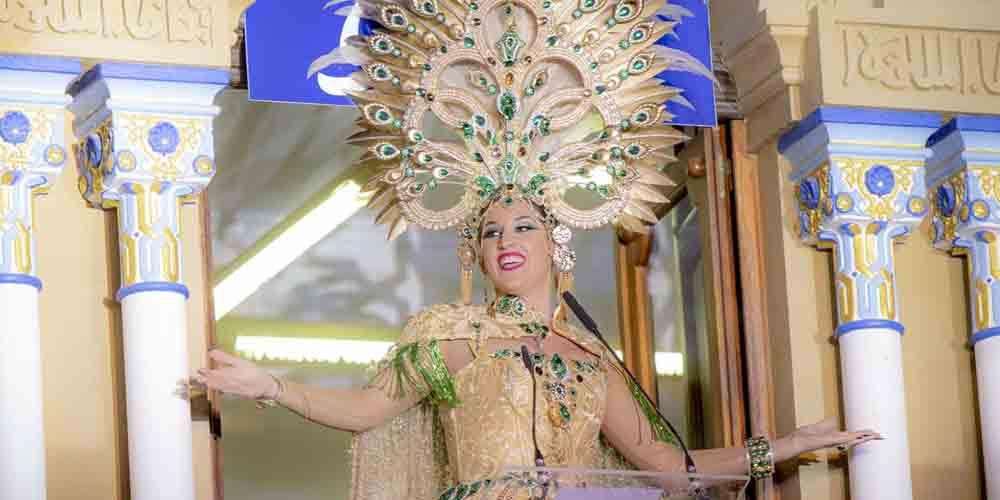
La Musa (The Muse) is the queen of the Águilas Carnival and represents happiness, glee, humor, and creativity delight. She’s a female version of Don Carnal since it fills hearts with joy and beauty during the carnival.
La Musa is the first character to appear during the festivities before Doña Cuaresma, glooming as a shine of light on the stage. La Musa is noticeable during the entire party, which lasts an entire week and keeps the streets of the town filled with grace and glitter.
La Mussona

La Mussona is an ancient creature, half-human, half-beast, which depicts the two souls living in the human heart. It‘s wild and civilized simultaneously.
La Mussona commonly wears a costume elaborated with materials from beaches and the sea, which gives it a marine aspect. An intriguing characteristic of La Mussona is that it can be depicted by a man or a woman.
Although La Mussona can represent the fear and despair of hearts, it also calls for order and peace since a musician tamer plays chilling music for relaxation alongside the creature.
Key Dates of the Aguilas Carnival

The Aguilas Carnival lasts two weeks, and the number of events and celebrations during that period can be a bit overwhelming. As such, below is a short list of the crucial benchmarks you shouldn’t overlook if you participate in celebrations.
- The Saturday before Shrovetide: A Gala takes place, during which participants from the previous carnival pass on their roles and powers to the current carnival.
- Sunday before Shrovetide: The Annual Carnaval de Águilas duathlon takes place in the Auditorio y Palacio de Congresos Infanta Doña Elena. The Annual Musica de Carnaval festival featuring town bands. The traditional contest of Paper Suits takes place in the first hours of the carnival.
- Carnival Thursday. One of the most important characters of the Carnival, La Mussona, is released from the town’s castle. This creature roams through the streets, scaring children.

- Carnival Friday: Children’s battle between Doña Cuaresma (Mrs. Lent) and Don Carnal (Carnival Man).
- Carnival Saturday: Adults battle between Don Carnal (Carnival Man) and Doña Cuaresma (Mrs. Lent)
- Carnival Sunday: Parade.
- Carnival Monday: Parade and Night Carnival.
- Shrove Tuesday: Grand Parade.
- Third Saturday. The burning of Don Carnal.
- Friday of Lent: Parade. Fireworks.
- Saturday of Lent: Certamen de Chirigotas and award.
Aguilas Carnival Location
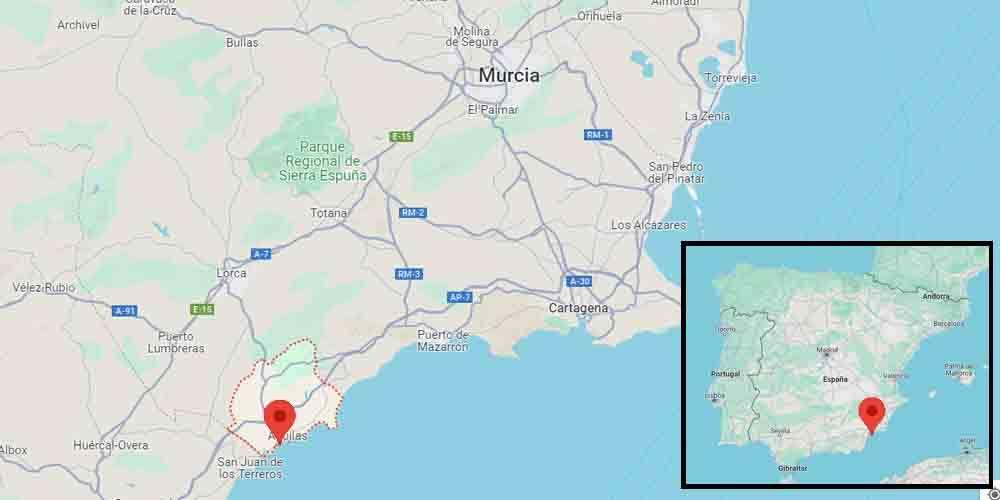
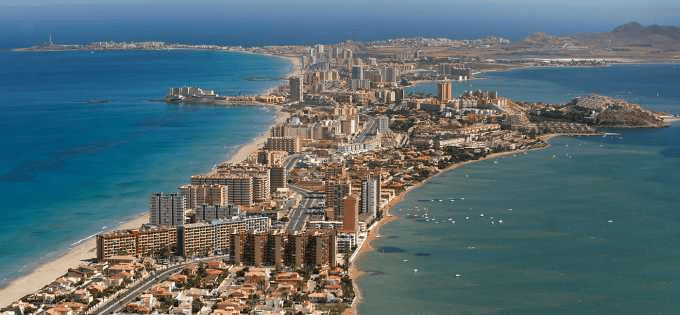
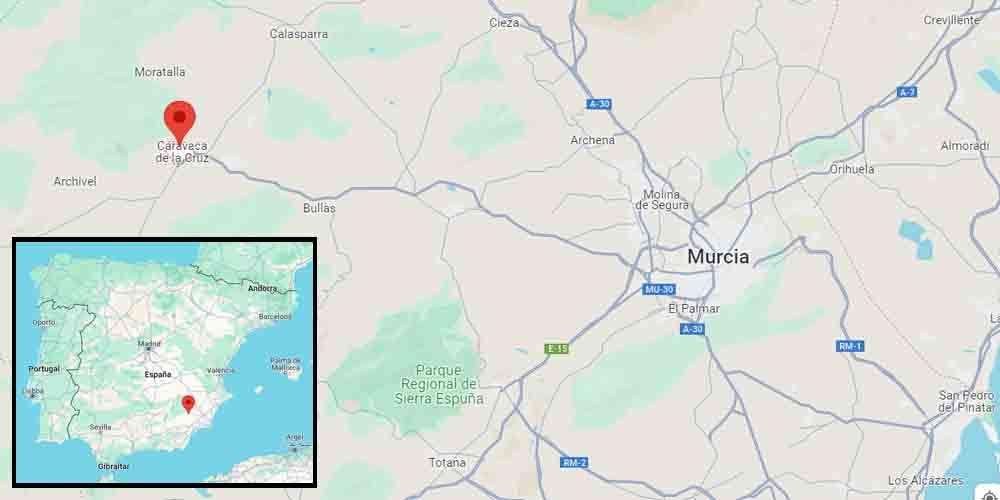
The Aguilas Carnival takes place before the Cuaresma, between the first Saturday of February and the first Saturday of Cuaresma. In total, the Aguilas Carnival lasts the two weeks before Cuaresma in the town of Águilas, on the Mediterranean coast of the region of Murcia, Spain.
You can easily get to Aguilas Carnival by car from two nearby international airports: the San Javier Airport in Murcia and the Alicante Airport in Alicante. You can also get the Águilas Carnival directly from Madrid. Murcia is three hours from Madrid by car.
The History Behind the Aguilas Carnival
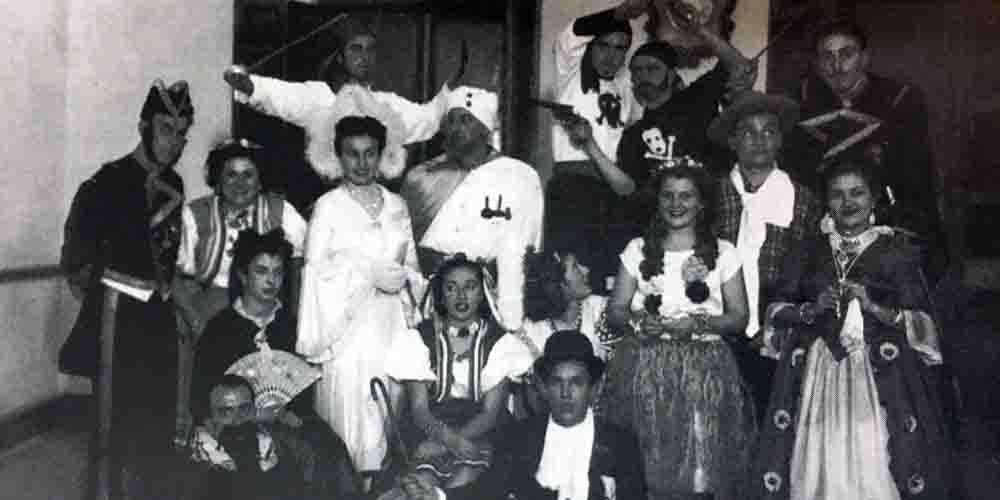
The Aguilas Carnival dates back to the first half of the 19th century. Oral testimonials tell us about the carnival in the first years of this century, although the first visual records date from 1903. It seems that this carnival has been celebrated since the founding of the town of Águilas by King Carlos III of Spain at the end of the 18th century.
Enjoy Your Private Paradise in Villa Murcia!

Looking for the perfect place to stay in Murcia? We’ve got just the spot for you!
Villa Murcia – Your Private Paradise
Wake up to coffee on a sun-drenched terrace, unwind in a warm jacuzzi after a day of exploring, and end your evenings with dinners in the summer kitchen. Nestled in charming Santiago de la Ribera, Villa Murcia offers more than just a holiday—it’s your personal oasis of comfort, style, and unforgettable moments.
Highlights:
✔ Spacious living room with a large sofa and open kitchen – perfect for shared memories
✔ Three elegant, air-conditioned bedrooms with private terraces – your peaceful retreat
✔ Extra fold-out sofa in the living room – ideal for additional guests
Whether it’s a romantic escape, a family getaway, or a relaxing break with friends – Villa Murcia is your dream stay.
Book now and experience the magic of the Spanish sun!
Visit the Aguilas Carnival in the Region of Murcia

The great Carnival of Águilas on the Mediterranean coast of Murcia is waiting for you. Probably, the next iteration in 2025 will be one of the best ones and a perfect excuse to celebrate life before the abstinence of Lent and Eager.
Besides, keep in mind that the region of Murcia is full of interesting places to visit throughout the year, in winter and summer, from incredible and traditional cities and festivities to beautiful and warm beaches with the best sand of the Mediterranean Sea.
Make Murcia your next destination!