


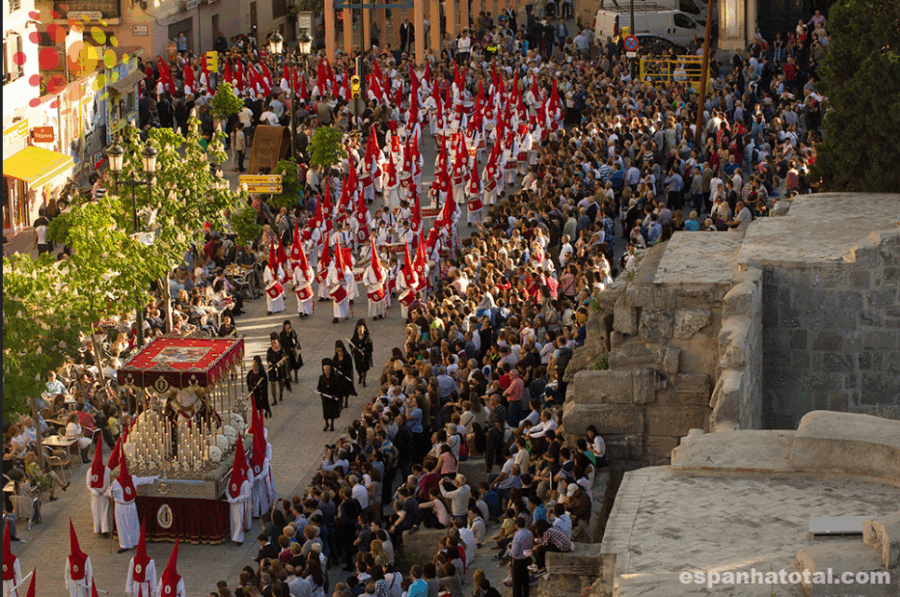
Between March and April, Spain undergoes a remarkable transformation. People across the country immerse themselves in the vibrant and deeply traditional celebrations of Holy Week (Semana Santa). This extraordinary time of year is known around the world for its intensity and cultural significance.
We will present what you need to know to understand how Holy Week is celebrated in Spain, especially in Murcia, and help you plan your trip better. Keep reading to find out more!
Table of Contents
- Holy Week In Murcia: A Celebration of Faith, Tradition and Devotion
- About The Holy Week
- Spain during Holy Week
- Murcia In The Holy Week
- Experiencing Holy Week in Murcia
- Enjoy Your Private Paradise in Villa Murcia!
About The Holy Week
Holy Week is a Christian holiday commemorating Christ’s last days on Earth, a time dedicated to celebrating his passion and resurrection. This period is marked by several traditions and ceremonies, including Maundy Thursday, commemorating the Last Supper, Good Friday, observing Jesus’s crucifixion, and Easter Sunday, celebrating his resurrection. It is a time of reflection, prayer, and celebration for Christians worldwide.
I spent a few days in this saint week in Murcia, a city in Spain, and I must say the experience was unbelievable. Below, I will share some of the most interesting facts about this annual event.
Spain during Holy Week
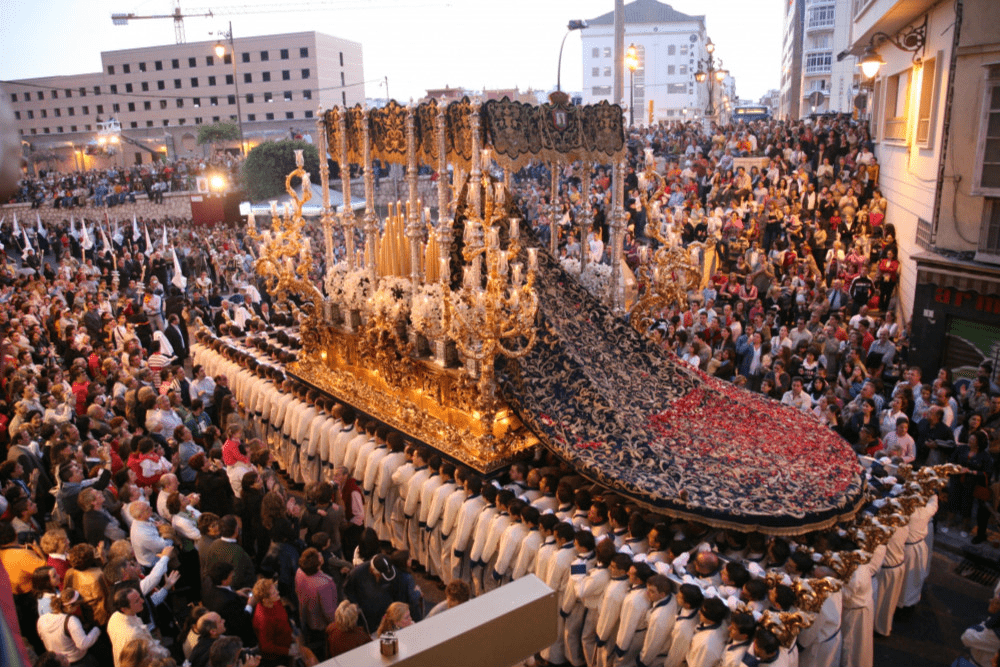
As one of the most traditional festivals in Spain, Holy Week is full of meanings and legacies that date back centuries. One of the main traditions is the cofradías and brotherhoods responsible for processions in all Spanish cities and towns.
The Dates Of Holy Week
Most Spanish Holy Week celebrations occur between Palm Sunday and Resurrection Sunday, emphasizing the Jueves Santo (Holy Thursday) and Viernes Santo (Good Friday) processions.
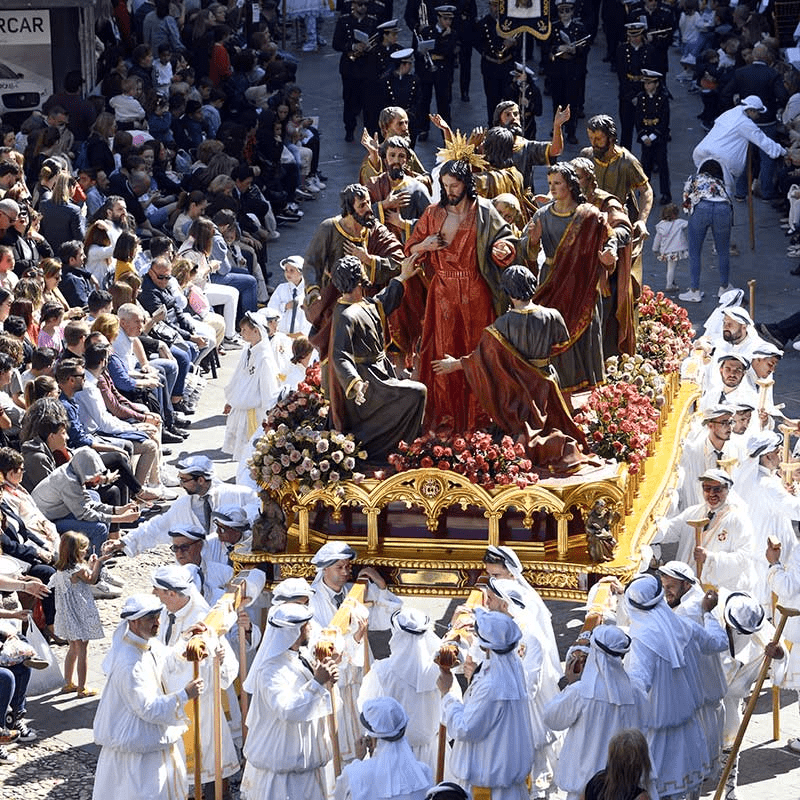
Holy Week is an event that lasts a week (Easter week) and culminates in Easter day. Here are some of the key dates and celebrations:
- Palm Sunday: Marks Jesus’ entry into Jerusalem.
- Holy Monday commemorates the day Jesus expelled the merchants from the temple and the anointing of the Virgin Mary (Lazarus’s sister) on Jesus.
- Holy Tuesday: When Jesus anticipates the betrayal of Judas.
- Holy Wednesday: The day that Judas met with the assembly of wise men to plan Jesus’s betrayal in exchange for 30 silver coins.
- Holy Thursday: Represents the Last Supper of Jesus with his disciples. On this day, the church bells in all the churches in Spain are silenced until Easter Sunday
- Good Friday procession (Viernes de Dolores): Christ’s passion, crucifixion, and death are remembered.
- Holy Saturday (Easter Vigil): It is the day of waiting for the resurrection of Jesus.
- Easter Sunday (Domingo de Resurrección): Celebrates the resurrection of Jesus.
What Is The Best Place For Holy Week In Spain
Although Holy Week is more associated with cities in Andalusia, Castile, or Aragon, the festival is, in fact, celebrated in all corners of the country, from Galicia to Murcia, from Extremadura to Catalonia. Religious processions and celebrations occur in large cities and small villages with equal fervor. Each region adds its own traditions and characteristics to the celebrations, making Holy Week a diverse celebration rich in culture and spirituality.
Holy Week Celebration Spaces
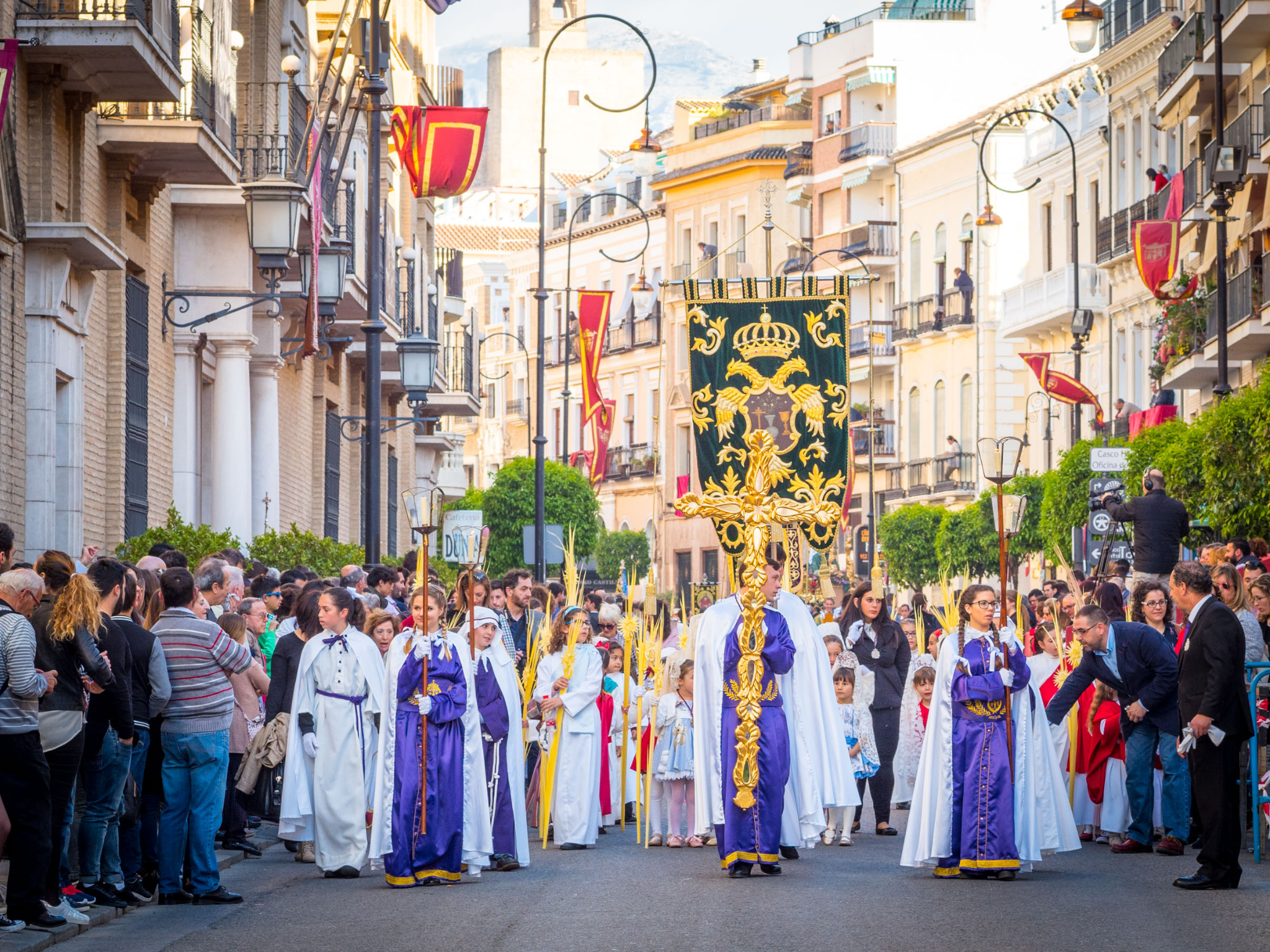
In most cities in Spain, Holy Week is celebrated in two spaces. The first is the interior of churches and temples, where masses and other liturgical acts typical of Easter are celebrated. The second and most important space is the streets of cities and villages in Spain, where processions occur. These streets are the central axis of Holy Week.
Researching the most important processions is convenient, as there are so many that it is only possible to attend a few. When I was there, I had to choose some to participate in, so I researched the most essential ones regarding the city’s history which allowed me to see more saints.
What Does Spain Do During Holy Week?
During Holy Week, Spain celebrates several traditions. Processions via the streets, unique meals, and the silencing of church bells from Maundy Thursday to Easter Sunday are some practices that happen in the week. These often involve confraternities carrying elaborate steps accompanied by silent crowds or the sound of drums and sacred music. The unique Holy Week delicacies include traditional dishes, including torrijas and bacalao.
Are Things Closed During the Holy Week in Spain?
You must be aware that many things may be closed during the Semana Santa in Spain, especially on important days like Holy Thursday and Good Friday, which are holy days for the country. This includes banks, offices, and some stores. However, most restaurants, bars, and tourist sites generally remain open, albeit with possibly reduced opening hours. When I was there, I felt that there were limitations on commerce, but the experience with the local culture was worth it.
Murcia In The Holy Week
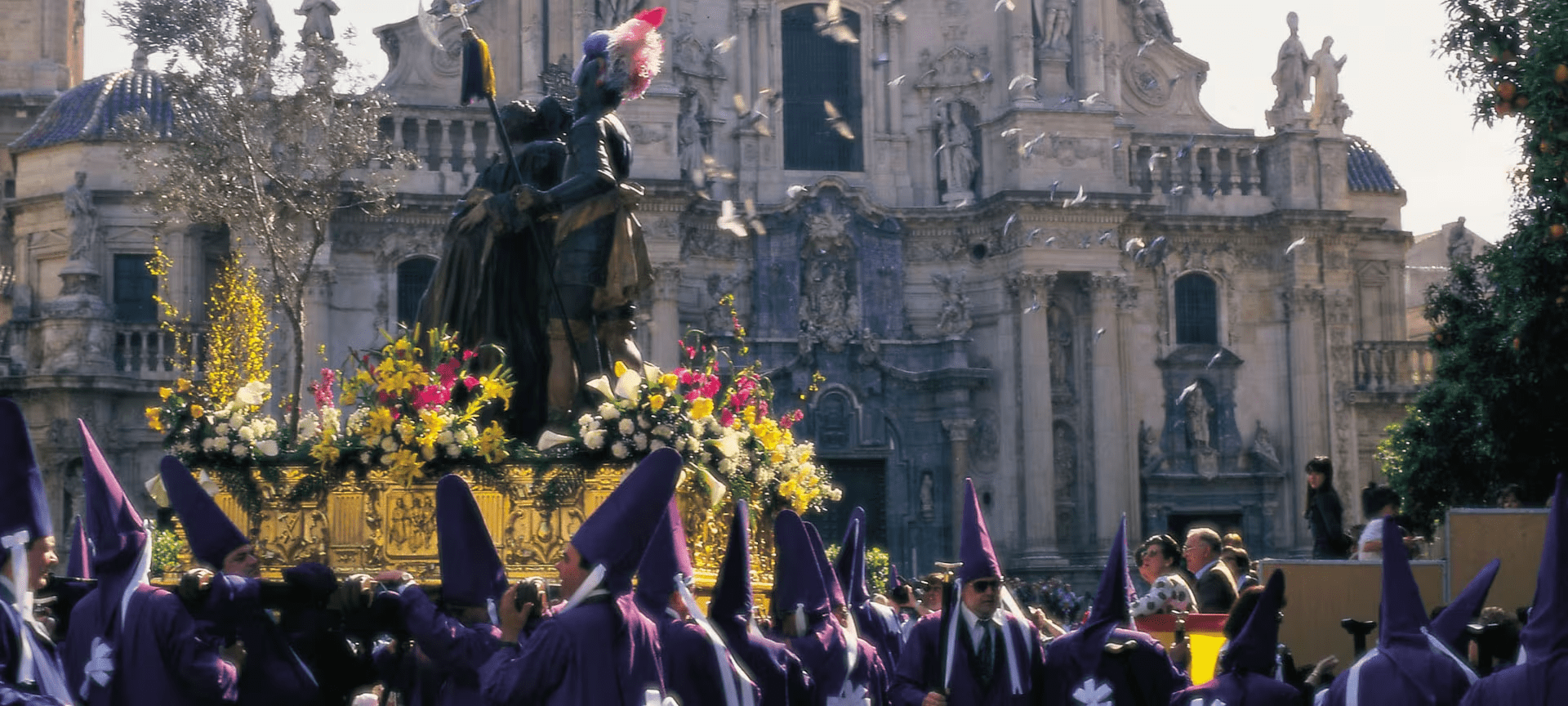
The Semana Santa de Murcia is a religious festival declared of International Tourist Interest. It is one of the most important in Spain, both for its excellent sculptural heritage and style, which originated in the 18th century. It’s a unique way in Spain to celebrate passion!
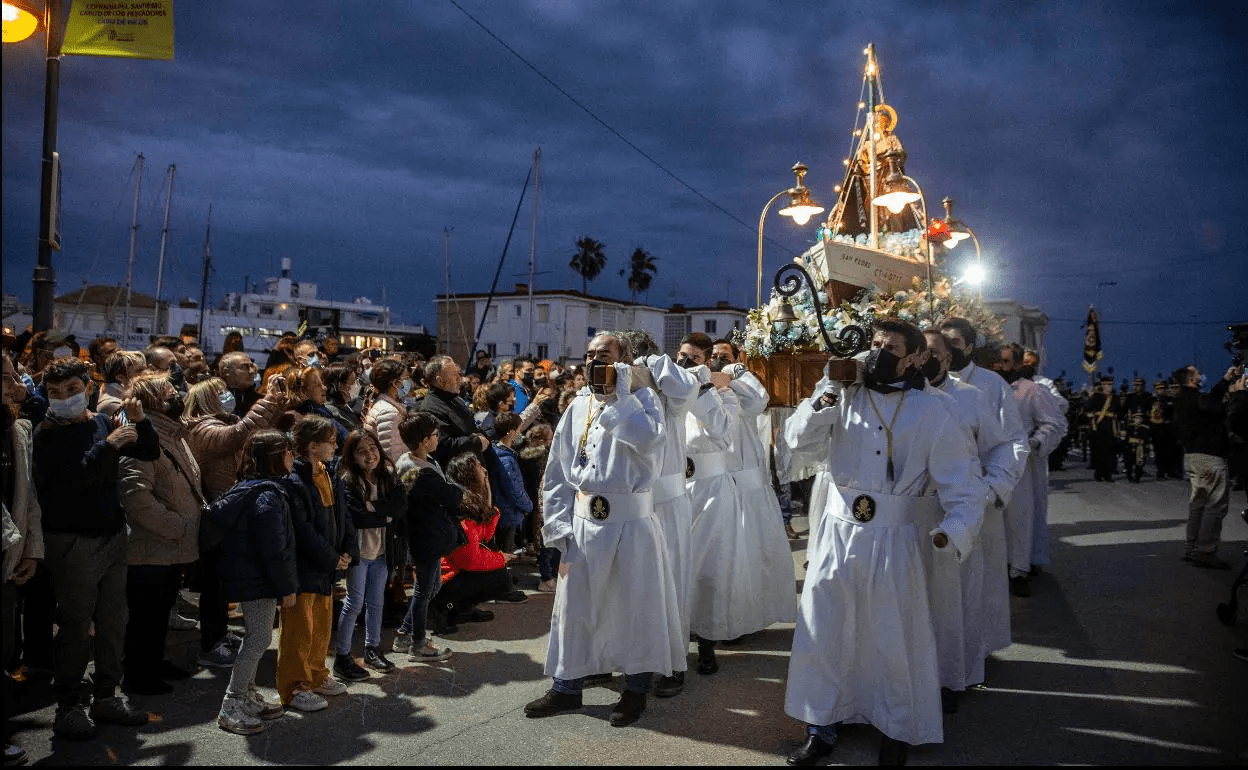
It is a week of colorful processions. Rows of penitents in full costume accompany the “pasos” (sculpted tableaux), representing the last days of Jesus’s life through each town’s streets. These pasos are carried on enormous “tronos” adorned with flowers, their bearers swaying to the beat of throbbing drums as the parades pass between the crowds.
What are the Processions In Murcia For Easter?
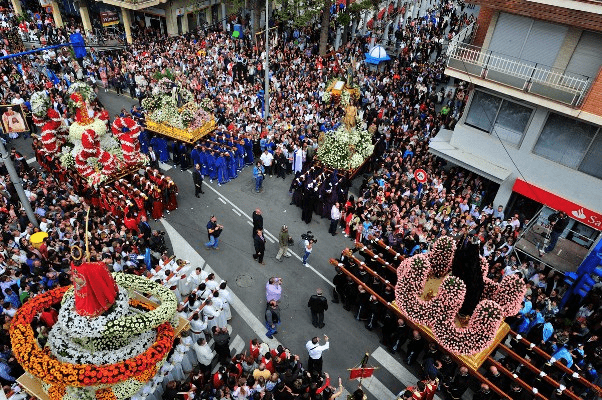
During Holy Week in Murcia, processions vary in style and environment, from the most sober to the most festive. Some more severe processions, including those of Refugio, Rescate, Cristo de la Fe, Cristo de la Sangre, Salud, Retorno, and Cristo Yacente, no longer distribute chocolates to the general public. One of the most stunning is the Procession of Silence, which takes place on Thursday.
Religious associations organize processions, which can be brotherhoods or fraternities. Brotherhoods bring together people of different origins, social status, or professions, while brotherhoods unite people of a particular profession (for example, a fisherman’s brotherhood).
These brotherhoods and confraternities carry on their shoulders, or on a platform with wheels, a step with sculptures representing the Passion of Christ with images of virgins or saints belonging to the churches. Each brotherhood or fraternity has its own route. Some walk for more than 10 kilometers, while others take shorter routes and, along them, carry the symbols and colors that reflect their stories.
The most vital procession is the “Los Salzillos,” which begins on Good Friday at 7 am. Then, the primary ray of sunlight, called the “kiss,” touches the banner of the lay brotherhood, Cofradía de Nuestro Padre Jesús Nazareno, or the face of the Virgin of Sorrows. Other amazing processions encompass La Cena, La Oración en el Huerto, El Prendimiento, Los Azotes, La Mujer Verónica, La Caída, Nuestro Padre Jesús Nazareno (now not the one in Salzillo), San Juan, and La Dolorosa.
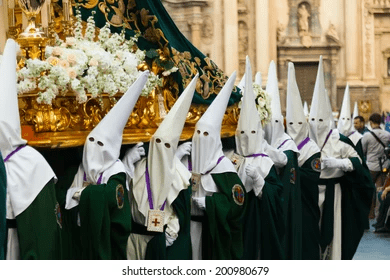
On Friday night, the processions of the Cristo de los Angeles Misericordia, the Church of San Esteban, the Santo Sepulcro, and San Bartolomé take place, which may be visible parading collectively around the Trapería. On Saturday, the Christ Yacente procession leaves Santo Domingo and stands out as one of the most remarkable moments of Holy Week in Murcia, especially when it passes underneath the Santo Domingo Arch.
Open-Air Museums
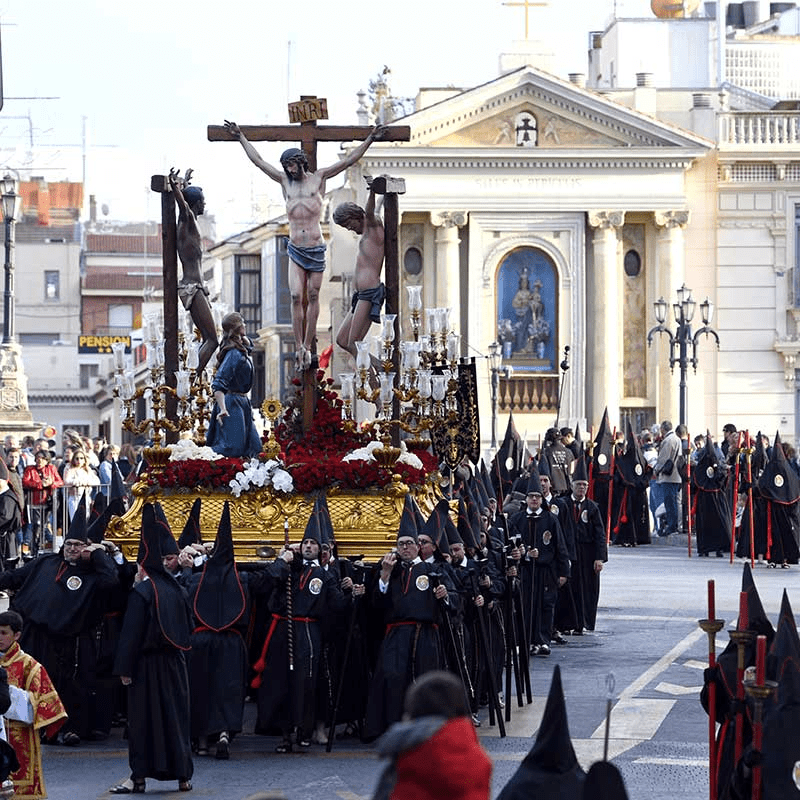
Visiting Murcia during Holy Week means contemplating the artistic treasures of the impressive floats that flood the streets, transforming them into open-air museums. Furthermore, it is an opportunity to see images that remain inside churches, the historic centre, and convents during the rest of the year.
Annual Chance To Watch The Brotherhoods
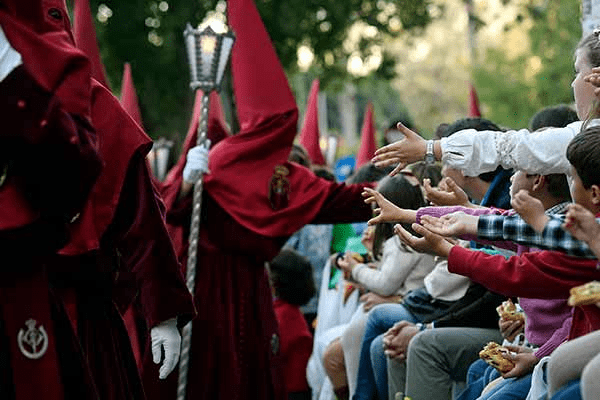
The generosity of the inhabitants of Murcia is evident in the processions, where sweets are distributed to the public. Several processions take place, with each brotherhood parading only once a year.
The Beauty And Realism Of Sculptures
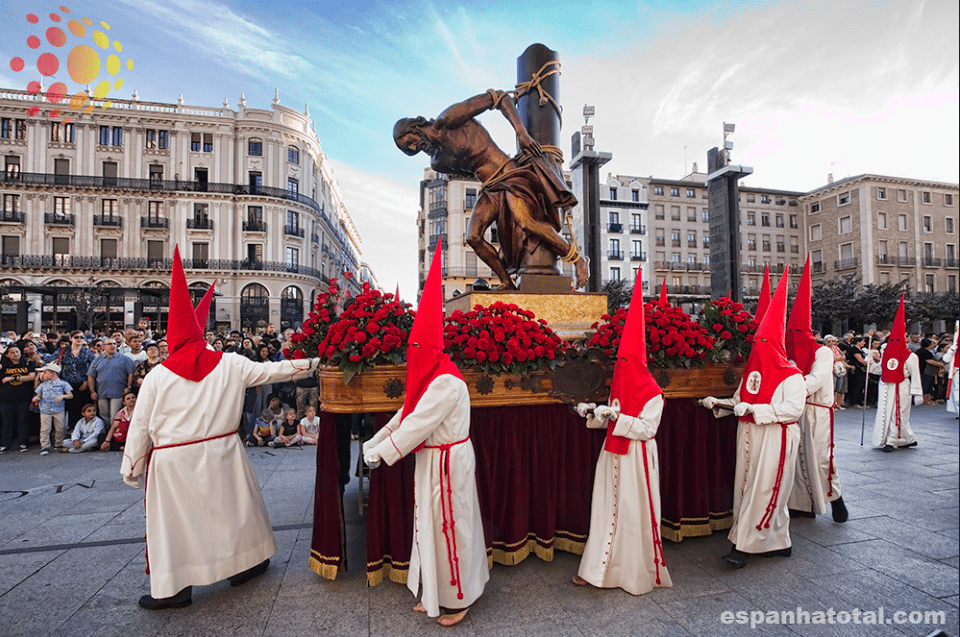
The sculptures of renowned Baroque sculptor Francisco Salzillo, along with those of his father Nicolás, his disciple Roque López, and Nicolás de Bussy, are highlights of Holy Week in Murcia.
Experiencing Holy Week in Murcia
Murcia during the “Semana Santa” is incredible, and I’m sure that if you go, you will love it. The traditions reflect Spain’s deep devotion and rich cultural heritage during this sacred period. The city transforms into a place marked by faith, tradition, joy, and great devotion, creating scenes that captivate and inspire everyone.
Enjoy Your Private Paradise in Villa Murcia!

Looking for the perfect place to stay in Murcia? We’ve got just the spot for you!
Villa Murcia – Your Private Paradise
Wake up to coffee on a sun-drenched terrace, unwind in a warm jacuzzi after a day of exploring, and end your evenings with dinners in the summer kitchen. Nestled in charming Santiago de la Ribera, Villa Murcia offers more than just a holiday—it’s your personal oasis of comfort, style, and unforgettable moments.
Highlights:
✔ Spacious living room with a large sofa and open kitchen – perfect for shared memories
✔ Three elegant, air-conditioned bedrooms with private terraces – your peaceful retreat
✔ Extra fold-out sofa in the living room – ideal for additional guests
Whether it’s a romantic escape, a family getaway, or a relaxing break with friends – Villa Murcia is your dream stay.