

Tag: park

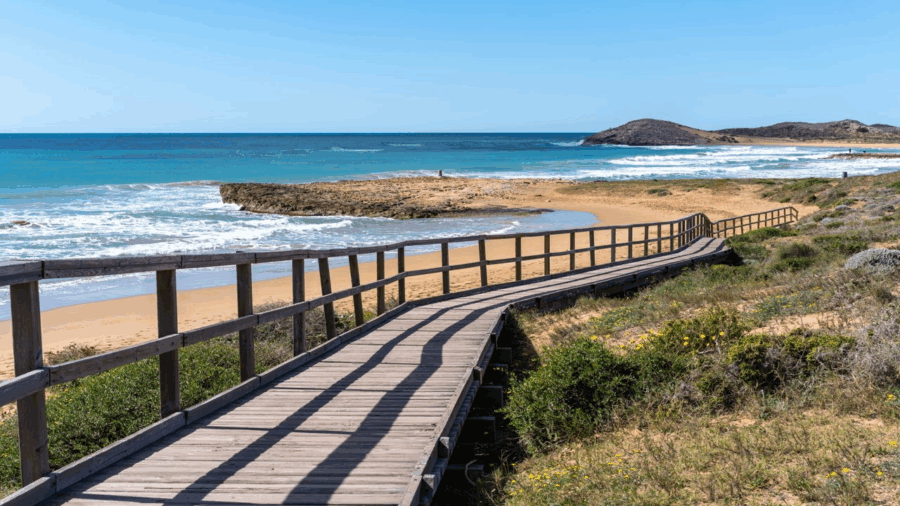
image from Calblanque park showing a wooden path leading to the beach

Calblanque Regional Park: Unveiling This Natural Beauty

Spain is known for its incredible cuisine and traditions that attract tourists from not only Europe but all over the world. However, one thing that is usually overlooked is the numerous natural beauties and parks across the country.

Murcia is also home to some of the most important locations of this kind. One regional park that is highlighted, thanks to its landscapes and beauties, is Calblanque.

With a beautiful view of the blue sea and the golden-coloured beaches around it, the park on the Mediterranean coastline is a must-go if you’re around the region or looking for a destination for your next trip. Here, we will show you why.

Make sure to take a look at all aspects below, and you’ll know exactly what to expect and do when visiting this piece of paradise located on the south-east coast of Spain. Here’s everything you need to know about this enormous natural wealth that will make you want to stay there and enjoy the views forever.

Table of Contents

Where Is Calblanque Regional Park Located?
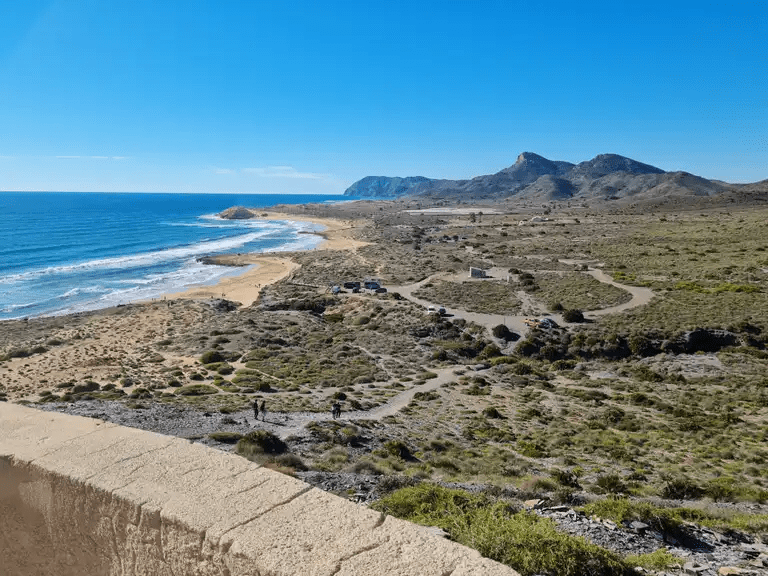
image showing the green fields from Calblanque park

If you don’t know, this hidden beauty is located in Monte de las Cenizas, right next to Mar Menor and the cities of Cartagena and La Unión in Murcia. It’s a famous tourist attraction with everything you need for a great sunny walk, whether you go through the coast’s fine golden sand or the lonely coves covering the entire region and giving this place its distinct look.
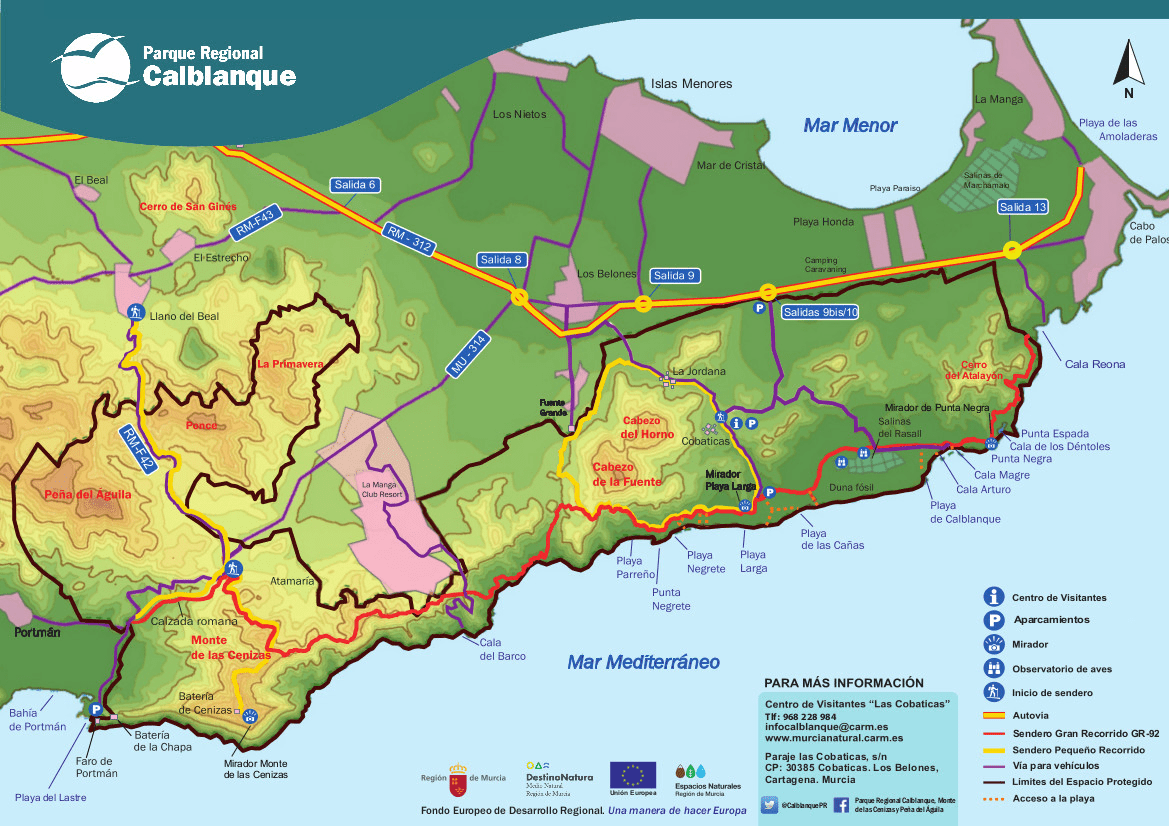
Its location is easily accessible, and you don’t have to be a professional hiker to take this tour throughout the park. In fact, you can have an experienced guide to help you if you visit the information centre or explore the place on your own. The best option is up to you and what you expect from the experience when visiting this place. No matter which option you choose, respect the rules and recommendations of the place to have the best experience possible when enjoying this incredible land. It has numerous entrance points and places you can use to access the area, but the main entrance’s address is 30385 Cartagena, Murcia, Spain. It is easily accessible, and one of the main roads passes right next to it.

What You Need to Know Before Visiting the Park

Now, we will show you the main aspects and details you should know about before packing your luggage to visit the arid mountains of Calblanque Regional Park. Make sure to take a look at all items to better plan your trip and ensure no surprises along the way.

Here is everything you need to know:

One of the Most Diverse Terrains of All Europe
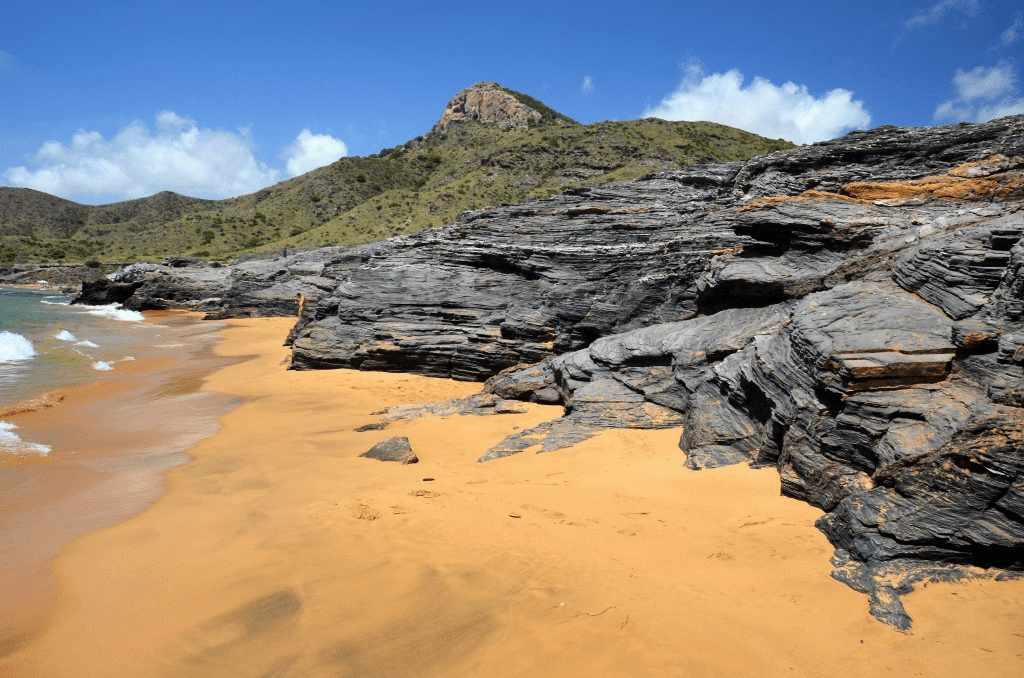
image showing the golden sand and natural rock formations from Calblanque

Calblanque is not your average natural park formed of sand and some mountains. The diversity of terrains here is one of the biggest in the entire continent.

Along with the sandy areas, you can also find fossil dunes, salt flats, and many other areas that tell the story of this region and the natural transformations that occurred there throughout the centuries. These different terrains also generate unique landscapes and various views that will shock you.

You can start exploring the mountain massifs and, in just a few steps, access Calblanque Beach, which will make you feel like you’re in a totally different place. This is one of the park’s most unique aspects, and it’s why so many people visit this spot daily.

Another aspect that completely changes the landscape is the seasons and climate. Depending on when you visit, you can observe sea birds flying under the sunlight or see the gray skies of a rainy landscape. It’s a magical experience that catches your eye every place you look.

Diverse Plants and Animals

underwater picture showing fish in Calblanque beach

As we mentioned, the place has a variety of formations, from white salt lakes to muddy mountains. As you walk through the park, you will naturally find a variety of plant species.

But that doesn’t stop there. One of the most remarkable characteristics of Calblanque is the number of species you can find around the place. From Bonelli’s Eagles to beech martens and even rabbits chilling in the fields, the fauna of this place is truly outstanding and will grant you incredible pictures.

When I visited the park for the first time, I was surprised to see flamingos, reptiles, and all kinds of species walking through the region. This natural formation creates a great place for these species to grow and show their beauty to the tourists walking around the cliffs and other terrains of the area.

Great Beaches to Explore
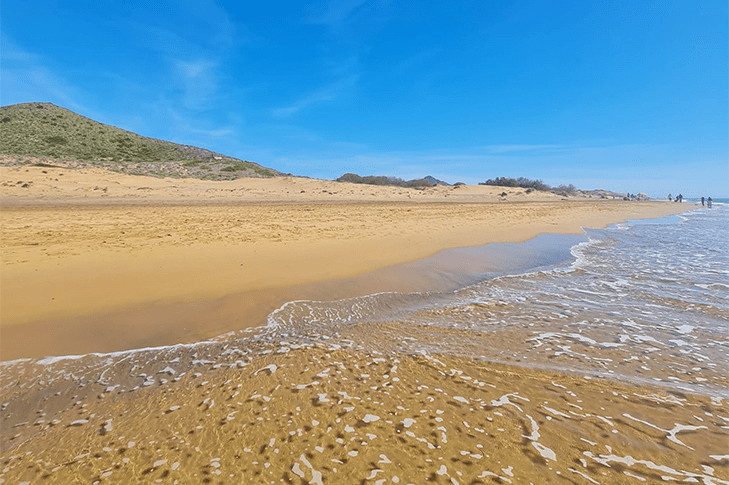
image showing the golden sand and crystal water of Calblanque

When people think of parks, they often picture grass fields or green hills that you can climb for great views. But Calblanque is more than that. Along with putting your foot in the grass and climbing these hills, you’ll also experience walking in the golden sand of the numerous Calblanque beaches you’ll find along the way. The regional park is huge; thus, you’ll find tons of beaches and landscapes to explore. You can even see spots where you can swim with fish and enjoy the crystal-clear waters of Murcia.

When visiting the park, be sure to read the signs at the entrance. Some areas are not suitable for swimming, and it’s important to avoid doing so. This ensures your safety and helps preserve the local fauna and flora.

Great Location
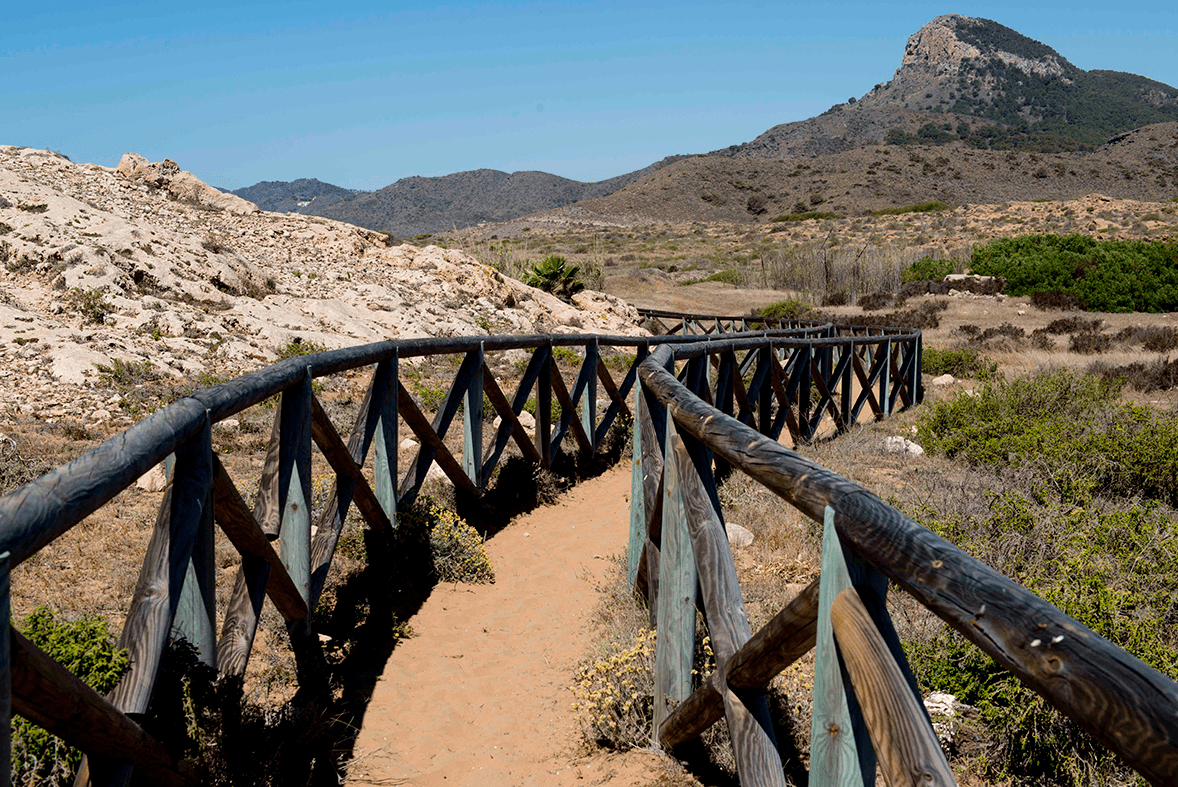
image showing a path through the regional park

One of the best parts of Calblanque is its proximity to everything. You probably won’t spend an entire day at the park, and having all the nearby tourist attractions helps you make the most of your vacation.

Whether you want to explore Cabo de Palos, Cabezo de la Fuente, Cala de los Déntoles, or any region closer to the center of Murcia, you can reach all these places with a short walk or a quick Uber ride. You don’t need to rent a car.

Cartagena and La Unión municipalities are very close, and after a short walk enjoying the views, you’ll be back to the urban feeling of exploring the cities.

Cartagena is a tourist paradise thanks to the infinite possibilities and activities there. You can enjoy a sunny day at Cala Reona or explore the local cuisine in one of the numerous restaurants available without spending more than a couple of minutes driving.

I spent half of the day in Calblanque, and for the rest of the evening, I went to the municipality of La Unión to see the historical buildings and great restaurants available there. It’s a great place to eat seafood and grab a glass of wine at night.

Pay Attention to Rules and Recommendations
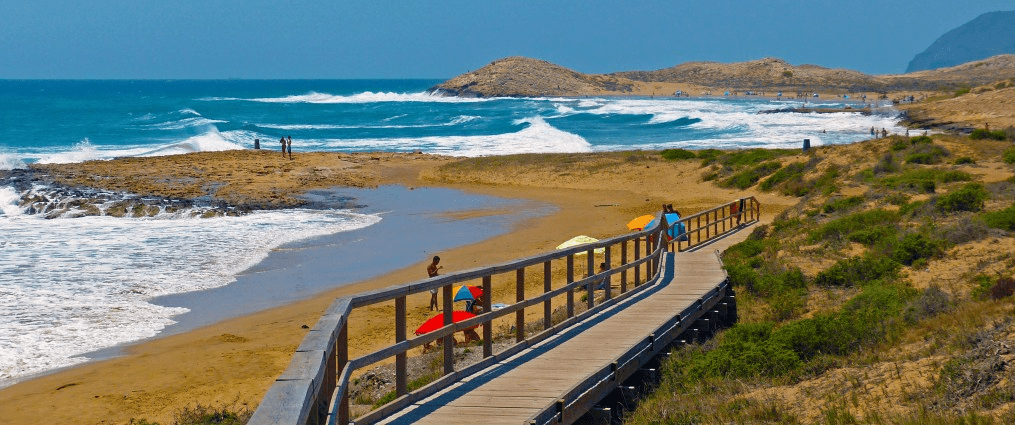
image showing multiple people enjoying the sun at Calblanque beach

Lastly, it is indispensable to pay close attention to the rules and regulations on the board as you enter the park and the information centre. They contain a series of recommendations that ensure your safety and help preserve the natural beauty and life of this area.

As a protected natural reserve, it’s important to respect the rules to ensure a memorable experience that will stay with you for a long time. If you need assistance, don’t hesitate to ask the guides or locals. They’ll be happy to help and answer any questions you might have.

And don’t worry about your Spanish. The guides also understand English and are ready for any kind of problem that might appear along the way and as you explore the park. It is always recommended that you go with someone else. This helps prevent accidents and ensures everyone gets home safe after an amazing day exploring the fossil dunes and everything that the Calblanque Regional Park has to offer.

During my visit to the park, I had no problems with the guided tour, and the entire experience was incredible. The guides were extremely polite and helpful, making the experience even better.

Final Thoughts on Calblanque Regional Park

If you’re looking for the best destination for your next trip or vacation, Spain is an option that should never be overlooked. But beyond the classic destinations of the country and activities, one of the best things you can do when visiting the region is go to its regional parks and protected areas.

They hold outstanding beauties and landscapes you’ll never forget. They are very common, especially in the region of Murcia, and the natural formations create unique looks for each one of them. Make sure to respect the rules and orientations of the area, and you’ll have the best time of your life.

Now that you know everything, it is time to start packing your luggage to visit this piece of paradise. Whether you go alone or with your family, your vacation will be great.

Enjoy Your Private Paradise in Villa Murcia!
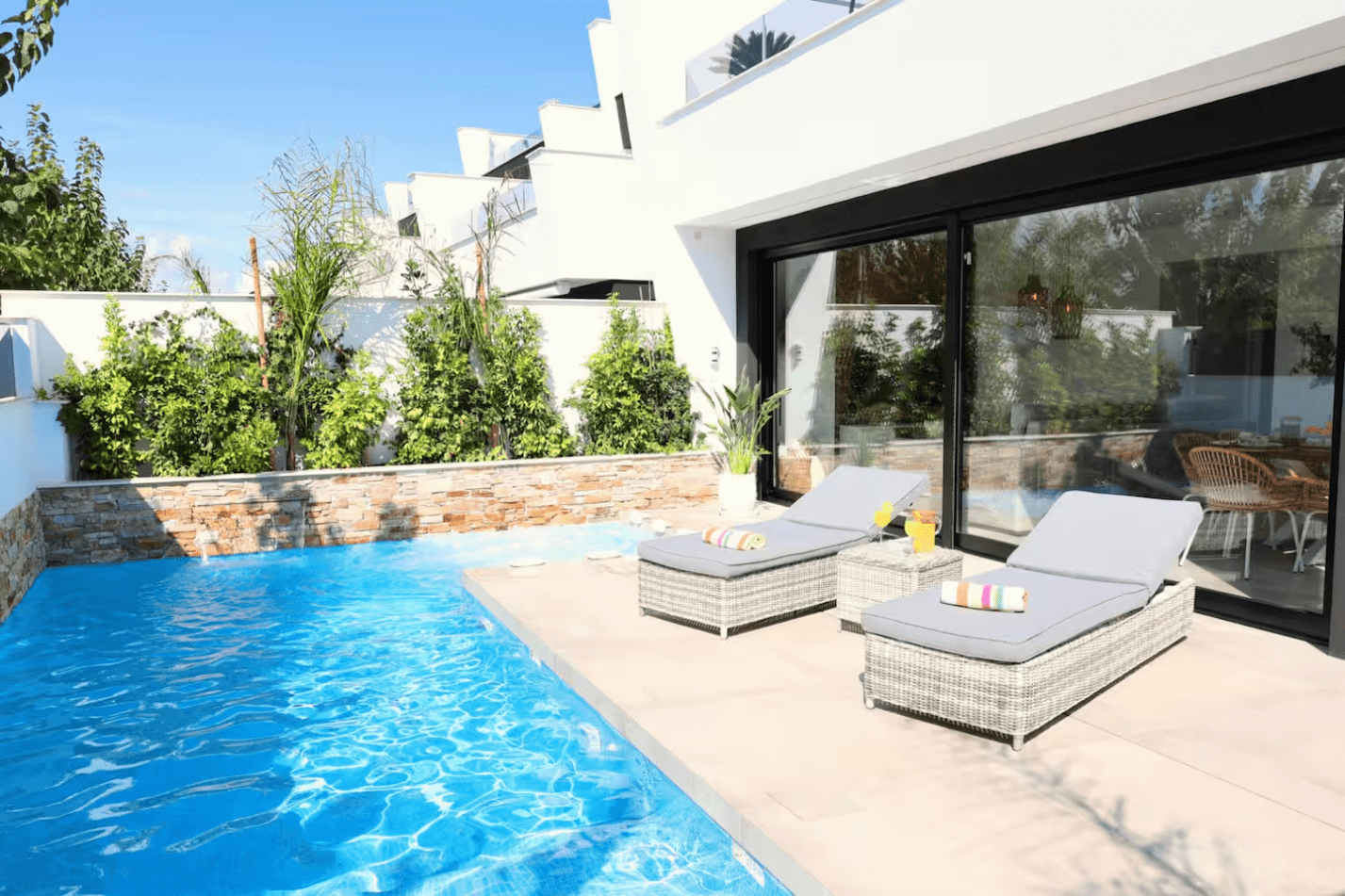
Piscina com águaO conteúdo gerado por IA pode estar incorreto.

Looking for the perfect place to stay in Murcia? We’ve got just the spot for you!

Villa Murcia – Your Private Paradise

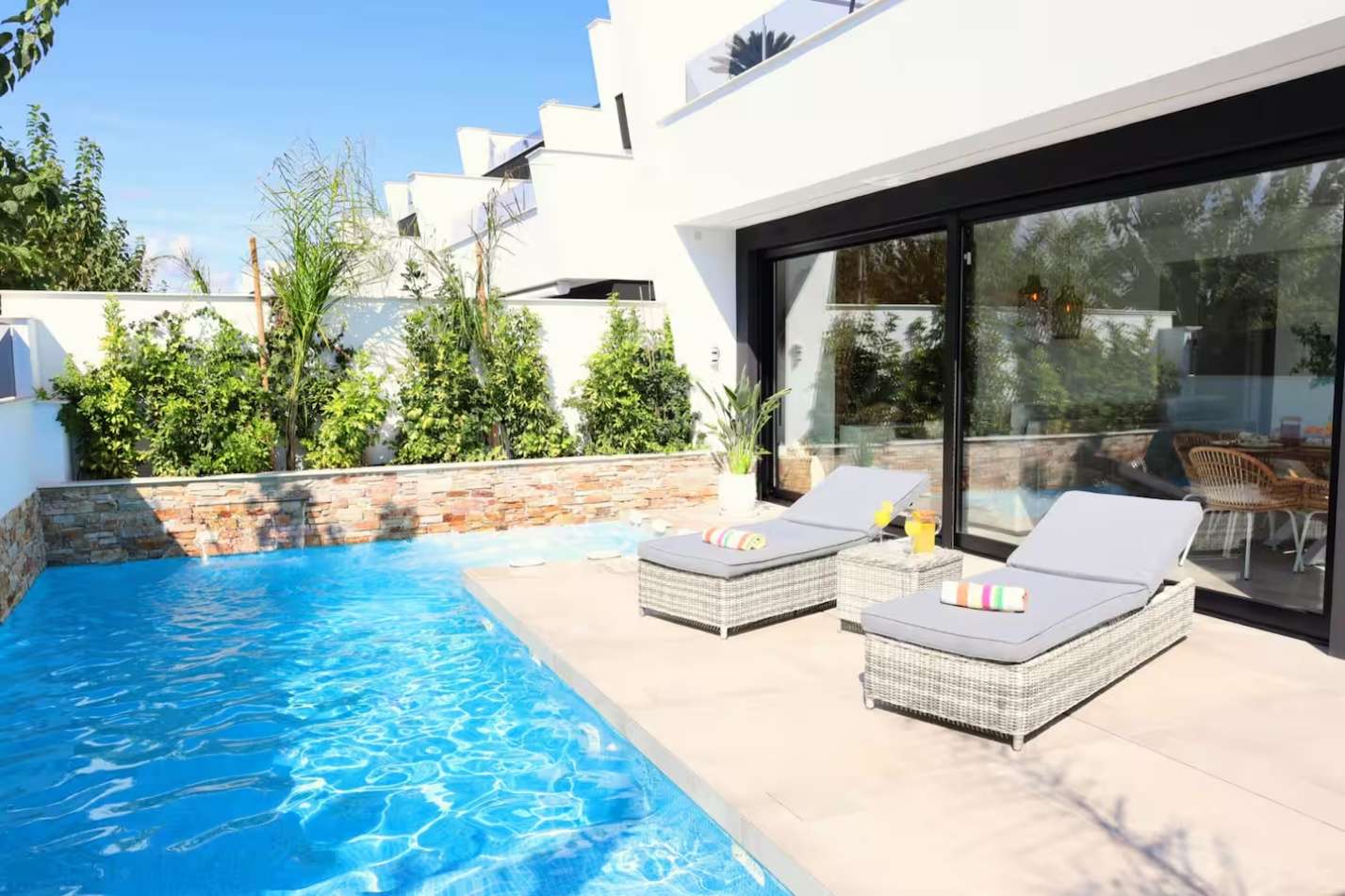
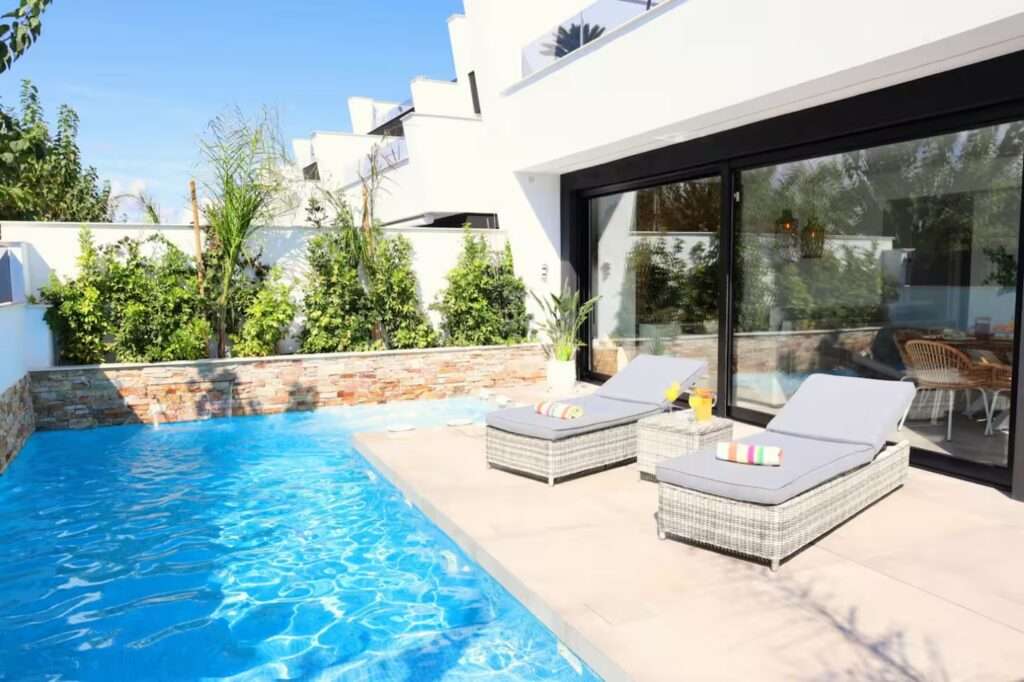
Wake up to coffee on a sun-drenched terrace, unwind in a warm jacuzzi after a day of exploring, and end your evenings with dinners in the summer kitchen. Nestled in charming Santiago de la Ribera, Villa Murcia offers more than just a holiday—it’s your personal oasis of comfort, style, and unforgettable moments.

Highlights:
✔ Spacious living room with a large sofa and open kitchen – perfect for shared memories
✔ Three elegant, air-conditioned bedrooms with private terraces – your peaceful retreat
✔ Extra fold-out sofa in the living room – ideal for additional guests

Whether it’s a romantic escape, a family getaway, or a relaxing break with friends – Villa Murcia is your dream stay.

Book now and experience the magic of the Spanish sun!

Read More
La Manga Club West Coursestands out among the three courses at La Manga Club

La Manga West Course: A Golfing Jewel on the Spanish Coast

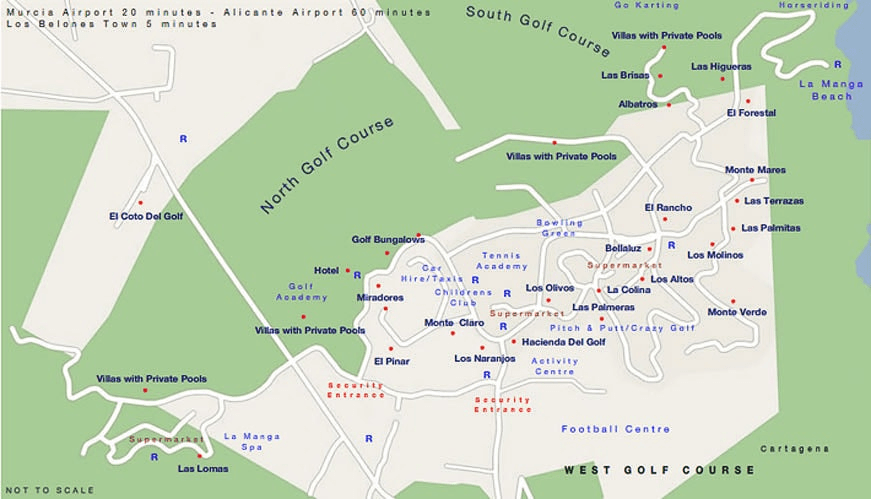
The La Manga West Course, situated in the recognized La Manga Club Resort in Murcia, Spain, is an outstanding golfing destination known for its challenging layout and scenic beauty. The West Course stands out among the three golf courses at La Manga Club, presenting a unique golfing experience that contrasts with the resort’s North and South Courses​​.

Read this article and learn all the necessary information about this incredible golf course!

Table of Contents

History Of The Golf Course

The West Course at La Manga Club opened as a nine-hole course in 1986 and was initially named the Atamaria Course and later La Princessa. In 1996, the renowned golf course architect Dave Thomas redesigned and expanded it into an 18-hole course. This result has transformed the course into one of the most challenging in the Spanish region.

Since its opening, the course has been acknowledged for its congruous integration with the natural landscape. It features undulating and tight fairways surrounded by dense Mediterranean vegetation.

The course has quickly become a favorite among golfers visiting La Manga Club, described as the resort’s “crown jewel.” This reputation has been cemented over the years as the course has been included in several prominent rankings and hosted numerous prestigious golf tournaments.

Layout and Features

Designed by the famed golf course architect Dave Thomas, the West Course is celebrated for its strategic complexity and picturesque views (and being quite different from the other two courses in the club).

While it is known for its rugged, challenging terrain with narrow fairways and rolling hills, the North Course offers a more open design with wide fairways and undulating greens. The South Course, on the other hand, is a championship course that hosts international competitions, characterized by its length, strategic bunkers, and lakes that test players’ skill and endurance.

The West Course stretches 5,714 meters and winds through undulating terrain. It features significant elevation changes and dense tree-lined fairways.

The beautiful course is characterized by its “barrancas”— natural storm gullies that present both aesthetic beauty and formidable hazards. The front nine holes demand accuracy to navigate these gullies, while the back nine, set higher among the hills, offers a more open but challenging experience​.

Challenge and Strategy

Strategy on the West Course is crucial due to its rugged topography, difficult terrain, and the presence of natural obstacles such as ravines and dense vegetation.

The course has many elevations and ravines (known locally as “barrancas”), which require precise and well-planned shots.

While playing the course, it became evident how important it is to plan your shots carefully, which made accuracy very important. Another thing that made everything more challenging was the presence of many narrow fairways surrounded by dense trees, some holes around lakes, and well-positioned bunkers.

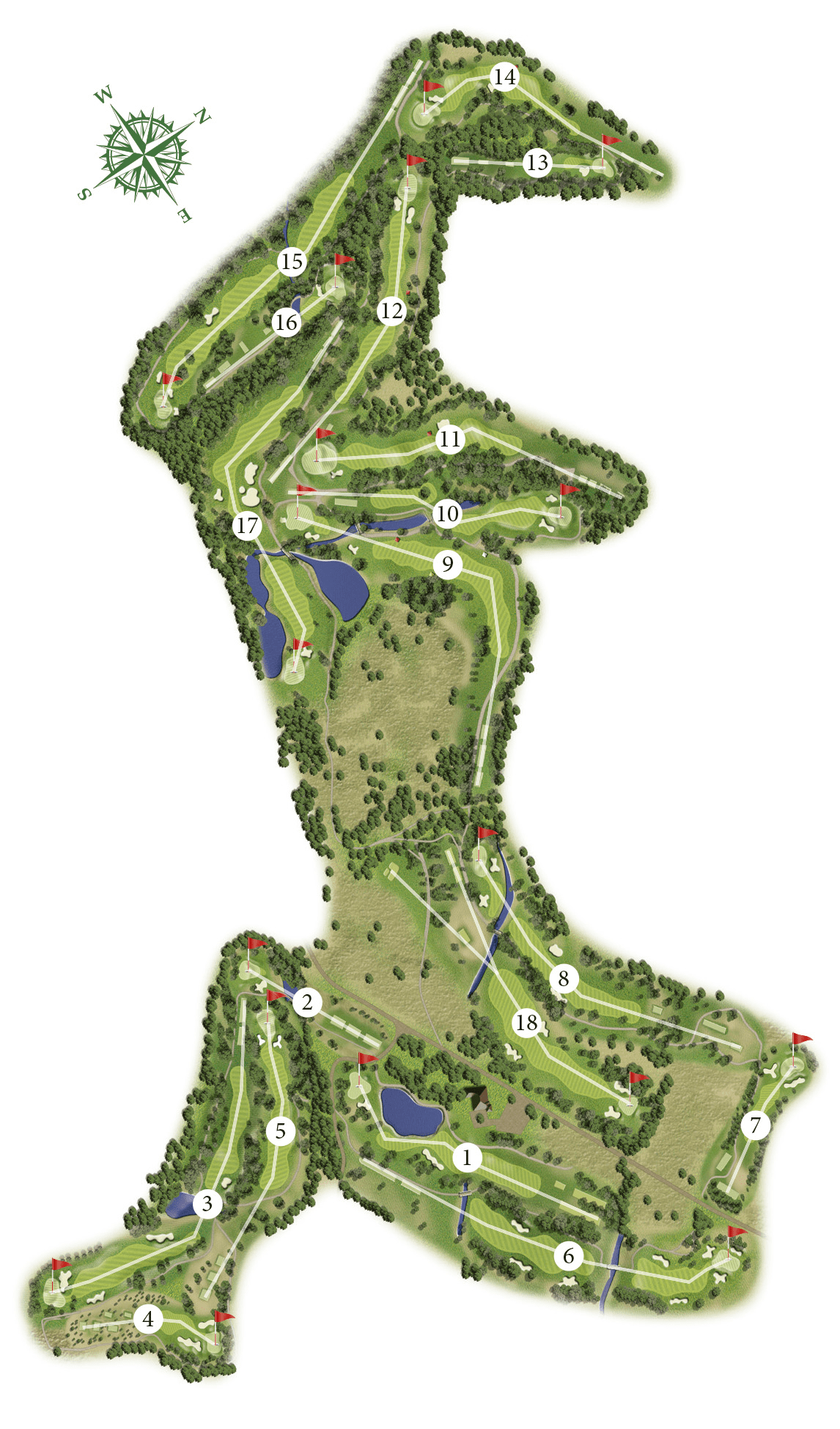
The undulating land, fast greens, and outstanding views make this course quite exciting to play. The course’s routing sees the first six holes form a loop around the main clubhouse, followed by a stretch of narrow, challenging holes leading to the back nine. This layout provides constant changes in direction and elevation, ensuring a varied and engaging round​.

Different Challenge In Each Hole

As already mentioned, the course has 18 great holes, each presenting a different challenge. I could describe each hole to you; they all offer something different. However, from my experience, I want to mention a few that were the highlights of my round.

  • Hole 3 (Par 5): This hole stands out for its challenging tee shot over a ravine. The green is well-protected and difficult to reach, so I needed to make a precise shot to avoid severe penalties.
    La Manga West Course Map - A hilly land with each fairway surrounded by trees, together with barrancas and water hazards.

  • Hole 9 (Par 5): One of the most iconic holes on the course, it features an uphill tee shot followed by a steep descent to a large green, protected by a ravine in front and a lake behind. It demands accurate driving to avoid the ‘barrancas.’
  • Hole 10 (Par 4): I believe this is one of the most difficult holes on the course. The elevation and need for precision make it a real test.
  • Hole 16 (Par 3): I was informed that it is considered one of the most difficult holes. It does not allow room for error; any shot outside the green can result in severe penalties. It is an ideal challenge for more tactical golfers.
  • Hole 18 (Par 4): This is an impressive final hole. The tee shot is taken from a considerable elevation with panoramic views of the resort and the sea in the background. For me, it should be considered the signature hole. It combines the scenic beauty of the La Manga region with a significant technical challenge! It is a great finishing hole to a great course.

La Manga Club – Experience and Infrastructure

The La Manga West Course is located at the La Manga Club, a resort created almost 50 years ago and founded in 1972 by Gregory Peters, a golfer and businessman from California. The resort pioneered the area and focused primarily on golf when few knew about the sport.

Amenities for Various Sports

The resort is not only a golfing haven but also boasts amenities for various sports, making it a versatile destination for athletes and families alike​. The wide range of activities, including cycling, running, swimming, cricketing, and more, thrilled me.

In addition, this center of convenience and luxury offers a variety of amenities to suit players and visitors alike. This sophisticated space includes:

  • A Pro Shop is well-stocked with golf equipment, clothing, and accessories, allowing players to equip themselves before a round properly. You can also have access to information about renting a buggy and important accessories for your departure as a course planner.
  • Modern changing rooms have all the necessary amenities for players to prepare or freshen up after a game.
  • Event and conference facilities are suitable for corporate meetings and personal celebrations​.

Academy & Practice Center

If you are not an expert, you can take golf lessons and enjoy the West Course with a professional instructor team. They provide many English, Spanish, and French lesson options for adults or kids in both individual and group settings.

I had the privilege of staying at the facility for a few days, and the academy classes were instrumental in maximizing my experience on the courses.

The space ensured that all my learning and practice objectives were met with its two cutting-edge classrooms, four dedicated group classrooms, an expansive 45-bay training area, and top-notch short-game facilities. Moreover, the staff and instructors (who are Golf Experts) delivered service of the highest caliber, further enhancing my time there.

Bar and Restaurants

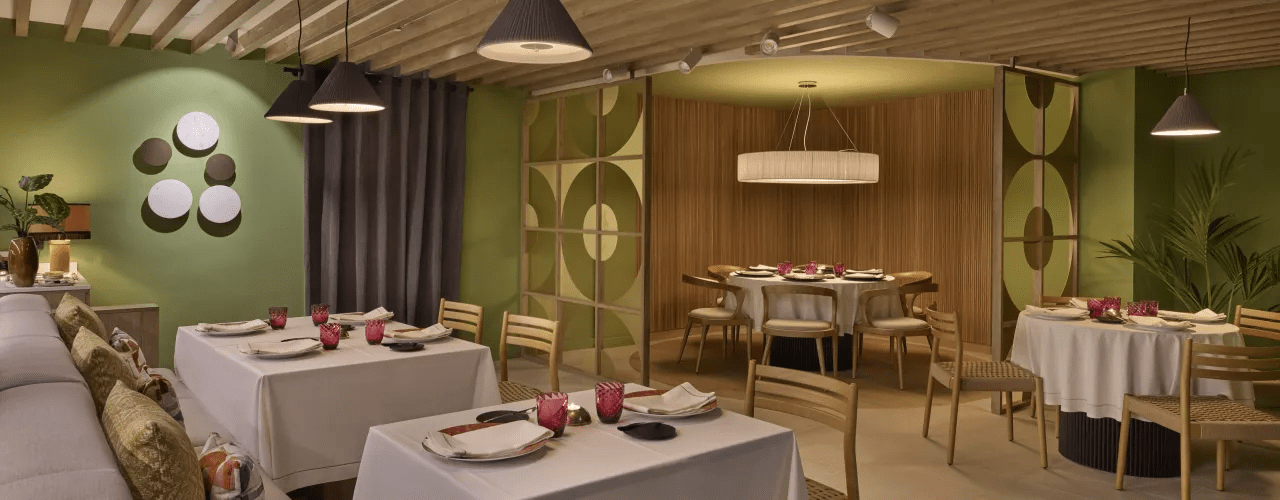
The resort offers an impressive variety of bars and restaurants, ranging from international proposals to the authentic flavors of Mediterranean cuisine and traditional local dishes. With 12 gastronomic options, the resort ensures that all palates are catered for.

As there were many options, it’s interesting to highlight the ones I liked the most. Among them is the Asia restaurant, probably my favourite, where I tasted the best of Southeast Asian cuisine and experienced a true gastronomic journey through the East.

At Don Luigi Trattoria, Italian cuisine is the star, with pizzas and plates of pasta prepared in the traditional way.

For those who enjoy incredible snacks and drinks in a relaxed atmosphere, 37 Spikes & Sports Bar is the perfect choice. In Amapola, the emphasis is on Mediterranean food and local Spanish dishes, which offered me an authentic and sophisticated culinary experience.

Accommodations and Leisure

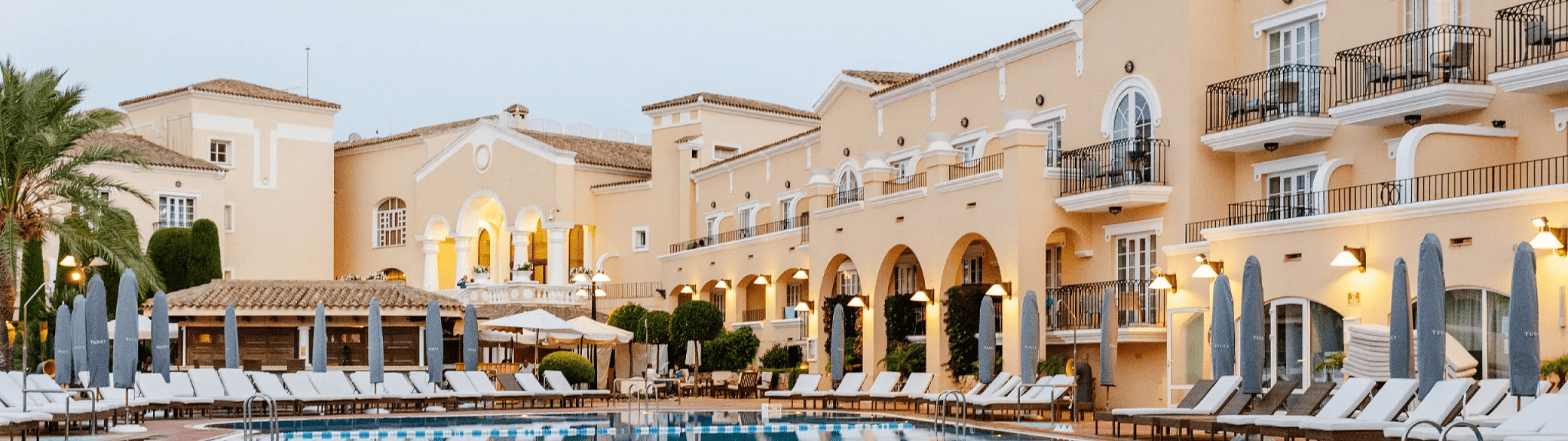
Over the years, the complex has expanded its facilities, including a hotel, apartments, and leisure spaces such as an outdoor swimming pool, children’s pool, gym, play areas, and an incredible spa.

The resort is incredibly complete, and while I wasn’t playing golf, I had no problems finding something to do!

Enjoy Your Private Paradise in Villa Murcia!

Piscina com águaO conteúdo gerado por IA pode estar incorreto.

Looking for the perfect place to stay in Murcia? We’ve got just the spot for you!

Villa Murcia – Your Private Paradise

Wake up to coffee on a sun-drenched terrace, unwind in a warm jacuzzi after a day of exploring, and end your evenings with dinners in the summer kitchen. Nestled in charming Santiago de la Ribera, Villa Murcia offers more than just a holiday—it’s your personal oasis of comfort, style, and unforgettable moments.

Highlights:
✔ Spacious living room with a large sofa and open kitchen – perfect for shared memories
✔ Three elegant, air-conditioned bedrooms with private terraces – your peaceful retreat
✔ Extra fold-out sofa in the living room – ideal for additional guests

Whether it’s a romantic escape, a family getaway, or a relaxing break with friends – Villa Murcia is your dream stay.
Book now and experience the magic of the Spanish sun!

Conclusion

In conclusion, the West Course offers a golfing experience, nestled in a unique setting amidst small mountains and natural contours. With its breathtaking views and challenging layout featuring small greens and blind spots, players are rewarded for accurate drives and punished severely for errant shots.


The course’s amazing variety of holes, from the hilly terrain to the picturesque water hazards, ensures that each round is a memorable adventure. Whether you’re a seasoned golfer or a beginner, visiting the West Course will be a great experience, with its superb management, excellent maintenance, and stunning views.

So, grab your clubs, book your tee time, and prepare for an enjoyable round on this fun course filled with remarkable challenges and unforgettable moments.

Read More

Exploring the Arqueológico Cerro del Molinete Park in Cartagena

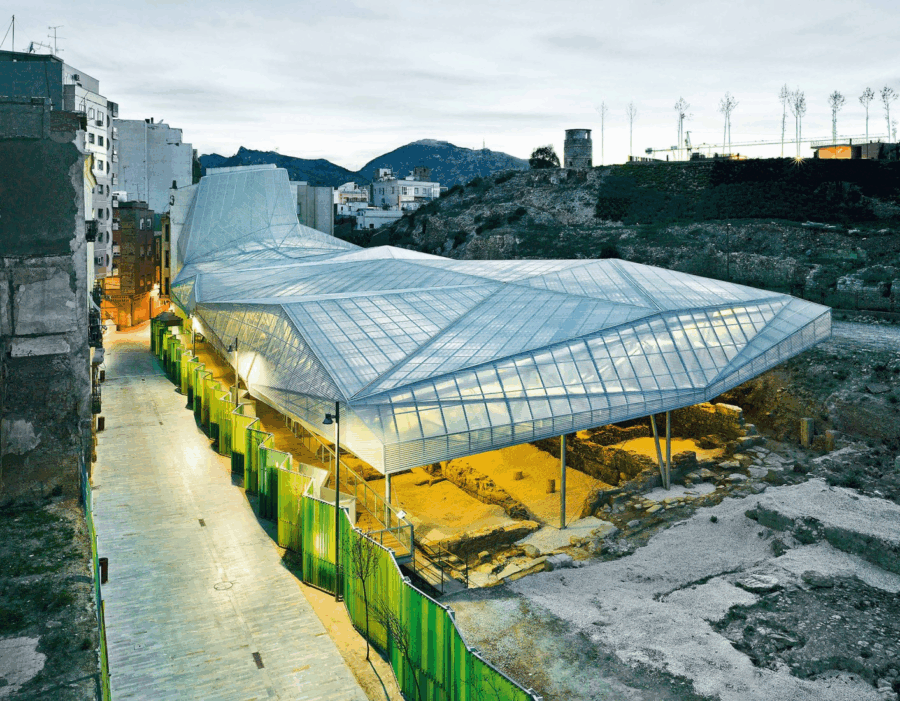
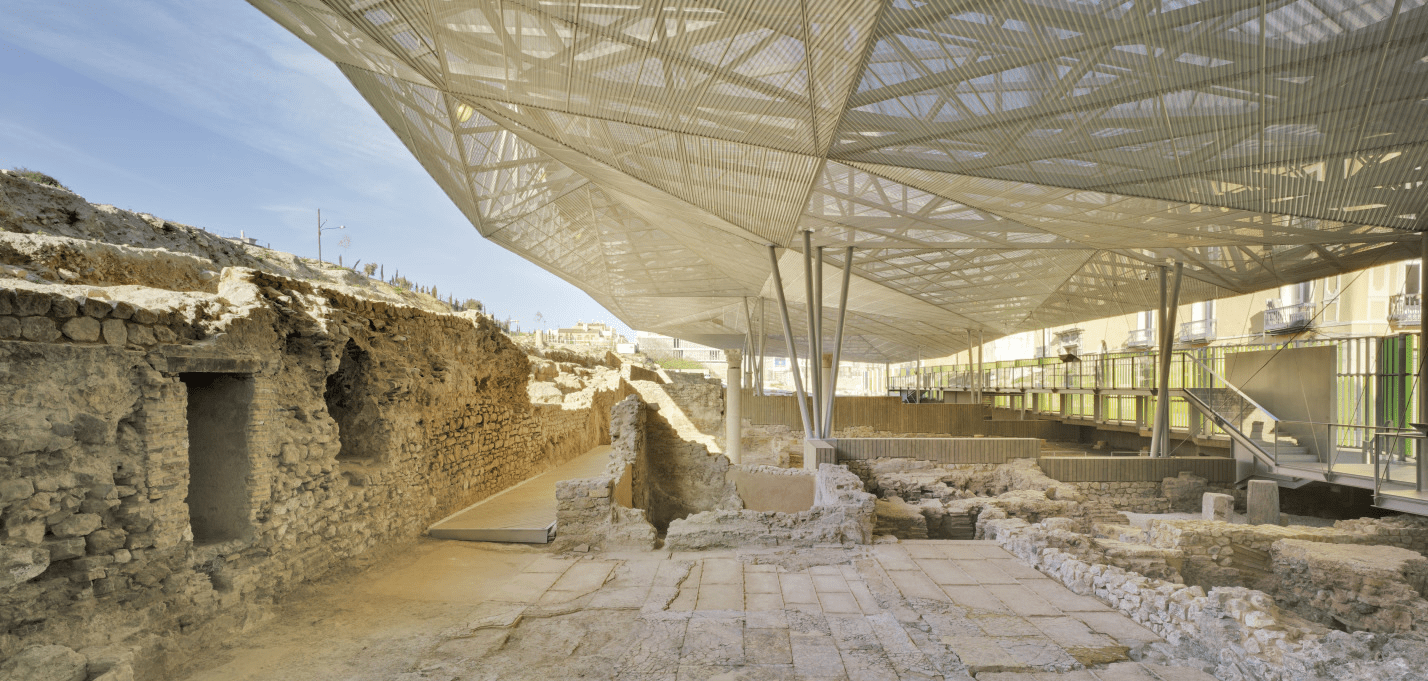
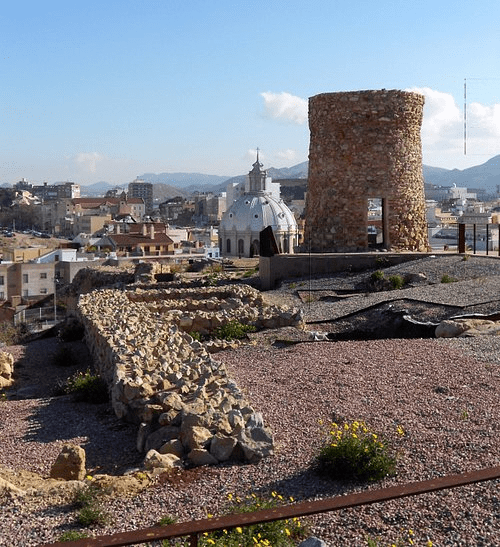
Nestled in the vibrant urban environment of Cartagena, Murcia, the Molinete Archaeological Park (Parque Arqueológico del Molinete) offers a fascinating glimpse into Spain’s rich Roman heritage. Positioned on the historic Cerro del Molinete, this park beautifully integrates the ancient ruins of a Roman forum, thermal baths, and other significant structures into the modern cityscape, creating a seamless blend of past and present. This unique site highlights the grandeur of what once was a bustling Roman city and showcases the innovative ways historic preservation can be woven into the fabric of contemporary life. Whether you are a history enthusiast, an art lover, or simply looking for a distinctive place to explore, the Molinete Archaeological Park promises a compelling visit filled with the continuous perception of history and innovation.

Table of Contents

Overview and History of Molinete Archaeological Park

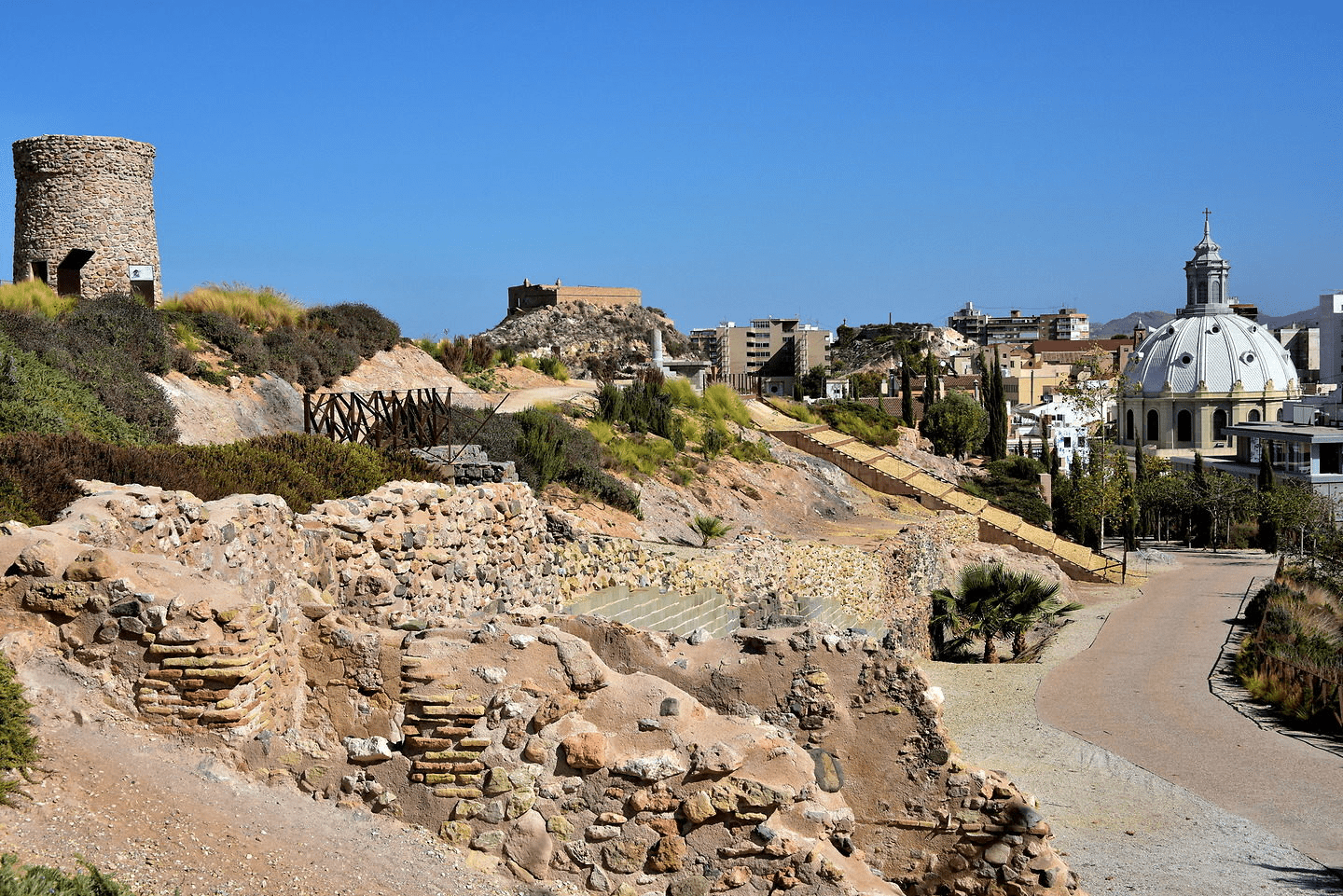
The Molinete Archaeological Park, beautifully sited on Molinete Hill, one of Cartagena’s emblematic five hills, is a vivid tapestry of history layered through centuries. This park is not just a site but a chronicle of life from the Roman era to modern times, encapsulated within the bustling urban environment of Cartagena, Murcia, Spain.

Ancient Foundations and Roman Grandeur

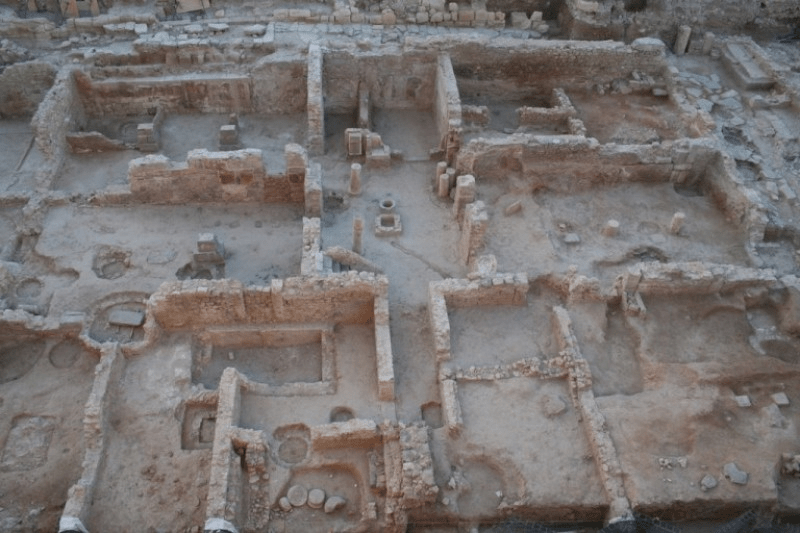
The story of Molinete Park begins in the Roman period when the area was developed as part of a thriving urban center. The hill itself played a significant role, hosting a complex that included a forum, a commercial hub, and thermal baths, each a cornerstone of Roman daily life. These structures weren’t merely functional; they demonstrated architectural prowess and social order. The remains found at the site, from intricate mosaics to expansive colonnades, hint at a culturally rich and aesthetically magnificent past.

Over the years, archaeological excavations have uncovered extensive parts of this once-flourishing Roman town. Fundamental discoveries include the forum, the center of civic life, and luxurious domus (homes) with elaborate designs, showcasing the wealth that once permeated through this hill.

Transition through Time

As centuries passed, Molinete Hill saw various phases of occupation and abandonment. The area was transformed repeatedly, with each layer of history adding to the complex narrative of the site. The buildings and structures underwent cycles of destruction and renewal, affected by fires, conquests, and natural decay. Yet each destruction phase was followed by a reconstruction period, where new structures were built over the old, creating a palimpsest of historical layers.

Modern Rediscovery and Preservation

The modern chapter of Molinete Hill began with its rediscovery and the subsequent decision to integrate these ancient treasures into the heart of contemporary Cartagena. Led by visionaries like Pablo Sigüenza, the restoration and conservation project aimed to preserve the remains and make them a central part of the city’s cultural landscape. This project was a meticulous effort involving detailed archaeological and architectural work, ensuring that the essence of the Roman structures was maintained while making them accessible and understandable to visitors.

Today, the Molinete Archaeological Park is a testament to Roman architecture’s and urban planning’s enduring legacy. It serves as a bridge between the past and the present, offering visitors a unique opportunity to walk through history in an urban setting. The park is free and open to the public, inviting people from around the world to explore its ancient paths and learn about the dynamic history of this extraordinary place.

Through its ongoing journey from a bustling Roman hub to a serene archaeological park, Molinete Hill continues to symbolize continuity and change, embodying the spirit of Cartagena through the ages.

The Architectural Features and Restoration Efforts at Molinete Park

Molinete Archaeological Park, situated on the historically rich Molinete hill in Cartagena, Murcia, showcases ancient Roman architecture and modern restoration efforts that blend historical authenticity with contemporary accessibility. The park is celebrated for its archaeological significance and the innovative approaches taken to preserve and present its ancient structures.

Architectural Highlights of Molinete Park

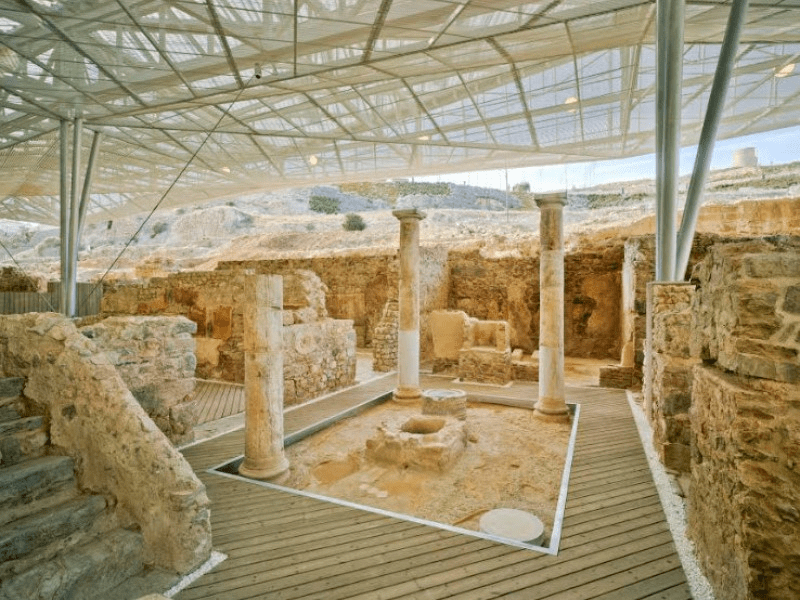
The core architectural features of Molinete Park include remnants of a Roman forum, luxurious residential buildings known as Domus, and well-preserved thermal baths. These elements collectively highlight Roman engineering and urban design.

Roman Forum

This was the centerpiece of Roman public life, where commerce, administration, and justice converged. The layout of the forum at Molinete Park, with its foundational structures and columns, gives visitors a sense of the scale and grandeur typical of such a significant Roman meeting place.

Domus (Homes)

The homes unearthed in the park illustrate the domestic architecture of the Roman elite. These residences were often elaborate, with intricate floor mosaics, wall paintings, and private courtyards. Each domus tells a story of its inhabitants’ social and economic status, reflected in the luxury of their private living spaces.

Thermal Baths

Essential to Roman social life, the baths at Molinete Park display sophisticated engineering. The hypocaust system, a method of underfloor heating used in ancient Roman buildings, is a highlight, showcasing the Romans’ advanced understanding of technology and comfort.

Restoration and Conservation

The restoration efforts at Molinete Park have been guided by a philosophy of preserving the integrity of the Roman structures while making them understandable and engaging for modern visitors. These interventions have been multifaceted, involving both structural stabilization and educational enhancements:

Structural Stabilization: The park’s restoration team, led by figures like Pablo Sigüenza, has focused on reinforcing the existing ruins without altering their original appearance. Techniques include careful excavation, consolidation of weakened structures, and sometimes subtle additions to suggest partially destroyed elements’ original form and function.

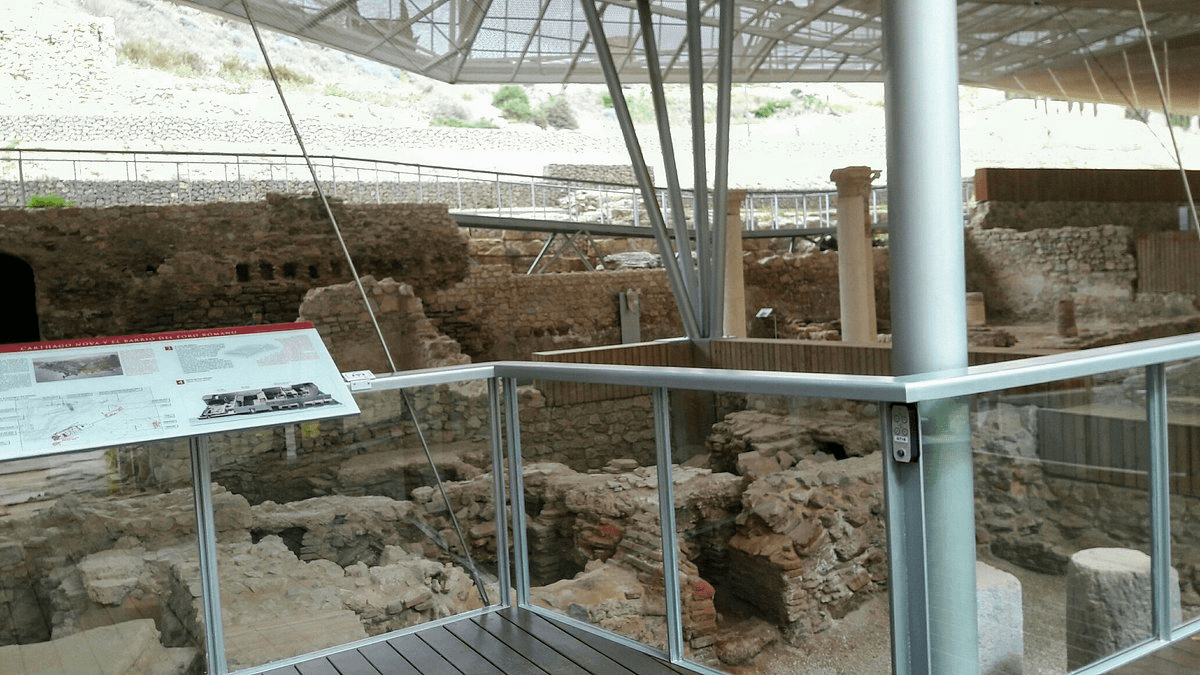
Access and Education: A key part of the restoration project has been improving access to the site. Modern additions like staircases and footbridges allow visitors to explore the site without causing damage to the ruins. Informative panels and digital guides in multiple languages, including English, offer insights into the daily lives of the Romans who once inhabited these spaces.

Integrative Design

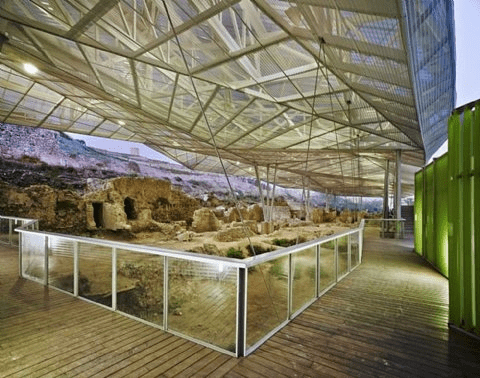
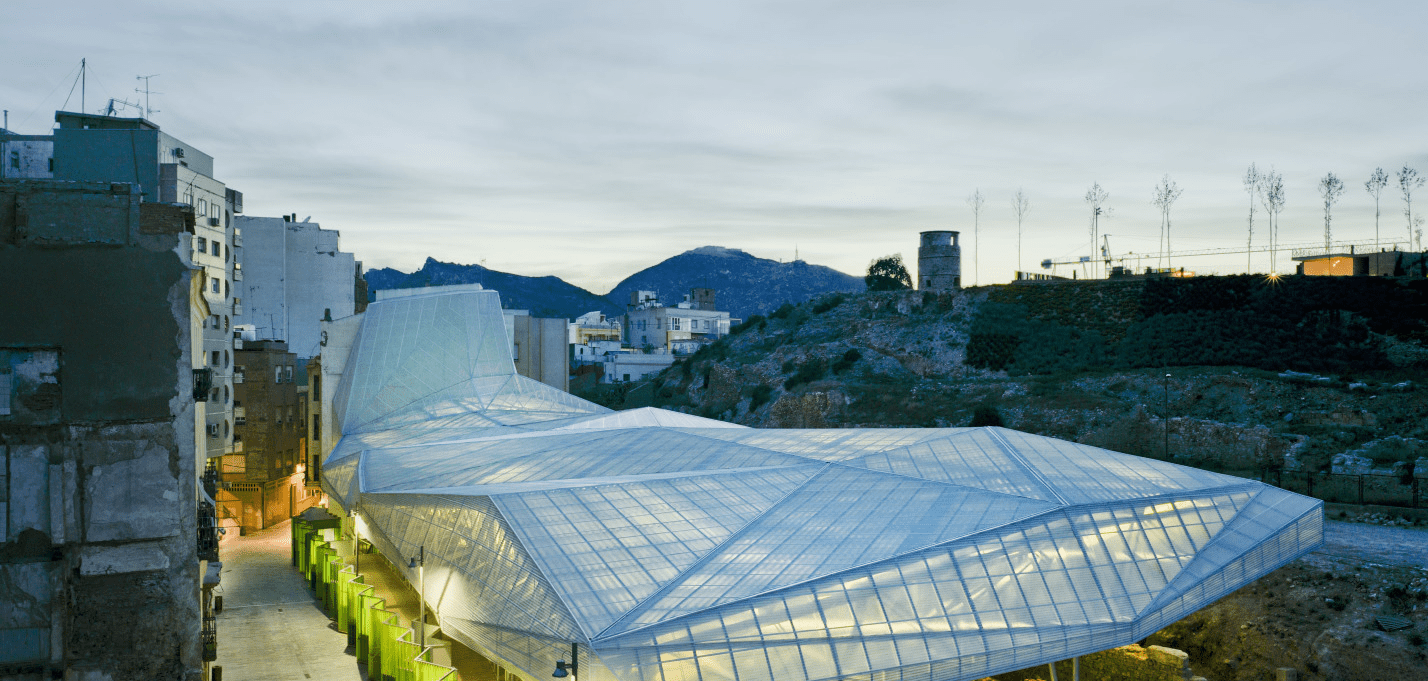
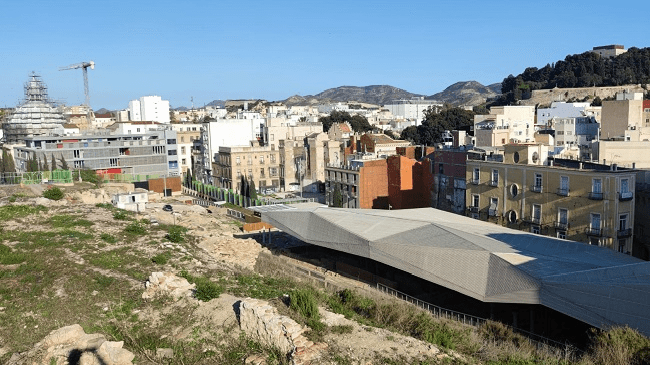
A particularly innovative aspect of the park’s design is using a protective cover over the archaeological remains. This cover protects the site from environmental damage and integrates it into the surrounding urban landscape. it acts as a physical and symbolic link between the old and the new, inviting the community and visitors to engage with the history beneath their feet.

Impact of Restoration

The careful restoration and thoughtful presentation of Molinete Park have transformed it into a cultural landmark that educates and inspires. By preserving its historical structures and making them accessible, the park serves as a model for archaeological sites worldwide, demonstrating how ancient history can be effectively woven into the fabric of modern urban life.

These efforts ensure that Molinete Park continues to be a place of learning and discovery, where the echoes of the past meet the continuous foot traffic of the present, creating a dialogue between epochs that enriches our understanding of both.

Visitor Information and the Surrounding Area of Molinete Archaeological Park

Molinete Archaeological Park offers a unique blend of ancient history and modern architecture. Understanding the opening times, access details, and the vibrant surrounding area enhances the overall experience for those planning a visit.

Visiting Molinete Archaeological Park

Opening Times: Molinete Archaeological Park welcomes visitors year-round, with gates opening at 9:00 AM daily. This early opening time allows visitors to enjoy the tranquil atmosphere and explore the ancient ruins in the refreshing morning air. However, it’s recommended to check the park’s official website or contact the municipality of Cartagena for any updates or changes to the opening hours.

Access and Price: Access to Molinete Park is facilitated by a series of modern interventions, such as well-placed staircases and footbridges, that ensure safety and accessibility while preserving the integrity of the ancient ruins. The park is accessed primarily through Calle Pólvora, a significant street near many of Cartagena’s historical sites. Admission to the park is generally free, making it an accessible option for all visitors.

Address and Contact Details: Cerro Del Molinete, C. Pólvora, s/n, 30203 Cartagena, Murcia, Spain. Phone: +34 968 50 00 93

The Surrounding Area

Molinete Park is not just a standalone historical site but part of a larger tapestry that makes up Cartagena’s urban and cultural landscape. The park is nestled in the middle of the city, surrounded by historical buildings and modern structures, creating a dynamic and visually intriguing environment.

Cultural and Architectural Influence

The influence of various periods is evident in the surrounding buildings. From the Roman architectural details visible in the ruins themselves to more modern developments, the area is a living series of historical layers. Notable is the architectural style influenced by various periods, including a touch of Italian Renaissance brought over by architects who admired Italy’s classical and baroque styles.

Nearby Attractions

Just a short walk from the park are other significant historical sites and cultural institutions, making it easy for visitors to spend a full day exploring. Valencia Street, with its vibrant eateries and shops, offers a contemporary contrast to the ancient world of the park, providing visitors with a taste of modern Spanish life.

Integration with Urban Life

The design interventions, such as the roofing over some of the archaeological structures, protect the ruins from environmental elements while integrating them into the cityscape. This blend of old and new symbolizes Cartagena’s identity, a city deeply rooted in its history but continuously evolving.

Molinete Archaeological Park and its surrounding areas offer a rich tapestry of history and modernity, where ancient structures and contemporary life meet. It serves as a single space where the past and present of Cartagena are continuously intertwined, offering visitors a comprehensive and immersive experience. Whether you are a history buff, architecture enthusiast, or simply searching for a unique place to explore, Molinete Park and its neighborhood promise a memorable visit.

Enjoy Your Private Paradise in Villa Murcia!

Villa in Spain

Looking for the perfect place to stay in Murcia? We’ve got just the spot for you!

Villa Murcia – Your Private Paradise

Wake up to coffee on a sun-drenched terrace, unwind in a warm jacuzzi after a day of exploring, and end your evenings with dinners in the summer kitchen. Nestled in charming Santiago de la Ribera, Villa Murcia offers more than just a holiday—it’s your personal oasis of comfort, style, and unforgettable moments.

Highlights:
✔ Spacious living room with a large sofa and open kitchen – perfect for shared memories
✔ Three elegant, air-conditioned bedrooms with private terraces – your peaceful retreat
✔ Extra fold-out sofa in the living room – ideal for additional guests

Whether it’s a romantic escape, a family getaway, or a relaxing break with friends – Villa Murcia is your dream stay.

Book now and experience the magic of the Spanish sun!

Conclusion

Molinete Archaeological Park, with its carefully preserved ruins and thoughtful, modern interventions, stands as a testament to the rich historical tapestry of Cartagena. The seamless integration of ancient structures with contemporary elements like staircases, footbridges, and protective roofing exemplifies how history and modernity coexist harmoniously. Each building and structure within the park, from the remnants of Roman palaces to the expansive forum, tells a unique story. At the same time, the interventions ensure their narratives continue into the present.

As we reach the end of our exploration of Molinete Park, it’s clear that this site is more than just an archaeological area; it is a cultural bridge connecting the past with the present. The thoughtful case of blending old with new invites visitors to step back in time while enjoying the comforts and accessibility of modern design. Molinete Park is not just a place to visit; it is an experience offering a profound connection to Cartagena’s history and ongoing story. Whether you are drawn by the allure of Roman history or the architectural marvels of today, Molinete Park provides a compelling reason to explore and appreciate the enduring legacy of this historic city.

Read More

Powered by WordPress & Theme by Anders Norén