

Tag: Murcia Page 2 of 8

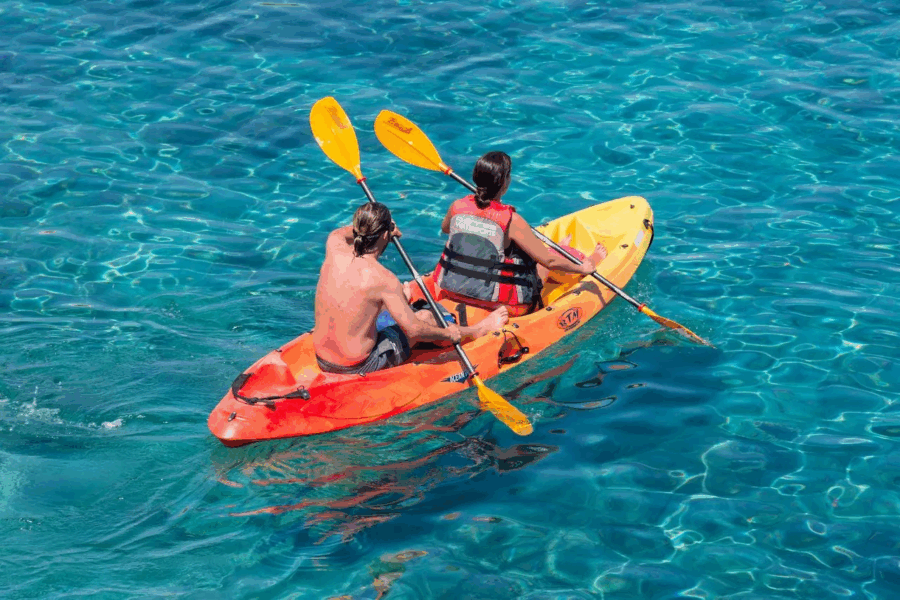
picture of two people inside a kayak

Paddling Through Paradise: Kayak Murcia Spots

Murcia, a sun-soaked gem in southeastern Spain, is a paradise for outdoor enthusiasts and adventure seekers. Known for its diverse landscapes, outstanding beaches, and vibrant culture, Spain offers a unique blend of natural beauty and historical charm. One of the best ways to experience this region is from the water, and kayaking provides the perfect vantage point. Whether paddling through the calm, crystal-clear waters of the Mar Menor, navigating the winding rivers surrounded by lush greenery, or exploring hidden coastal caves and coves, kayaking in Murcia promises an unforgettable adventure. Here, we will tell you everything you need to know to have the best time possible in the activity.

Make sure to take a look at each item below and get ready for a breathtaking experience. We will show you the best places to enjoy kayaking, whether alone or with a group of friends.

Here’s what you need to know:

Table of Contents

Why Murcia Is the Perfect Spot for Kayaking
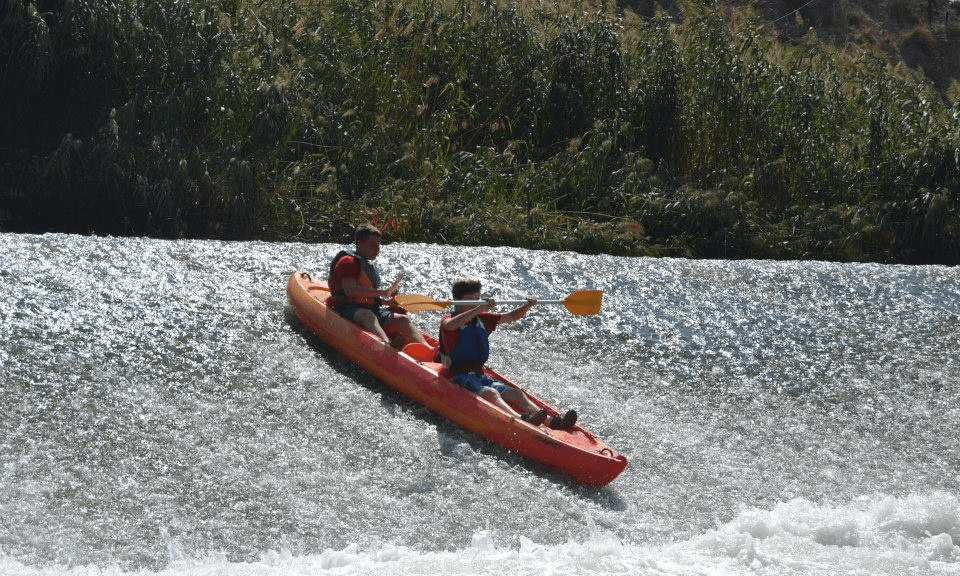
image of two people rafting using a kayak

There are several reasons why visitors from all over the world come to Murcia when looking for a sport, such as kayaking. Whether because of the weather conditions or the stunning views of the sea, the Spanish piece of paradise is recommended for all water lovers looking for a place to practice extreme sports.

Whether during the day or night, regions like Cartagena are always full of life and perfect for enjoying a fun time with friends. There are many beaches and rivers near the centre, so you can access every region without needing to rent a car or anything like that.

This paradise, located in one of the most sought-after parts of Spain, is a must-go for any watersports fan, whether on a board, paddle, or anything else. There’s much to do and spend time that you’ll never want to leave.

Best Spots for Kayaking in Murcia
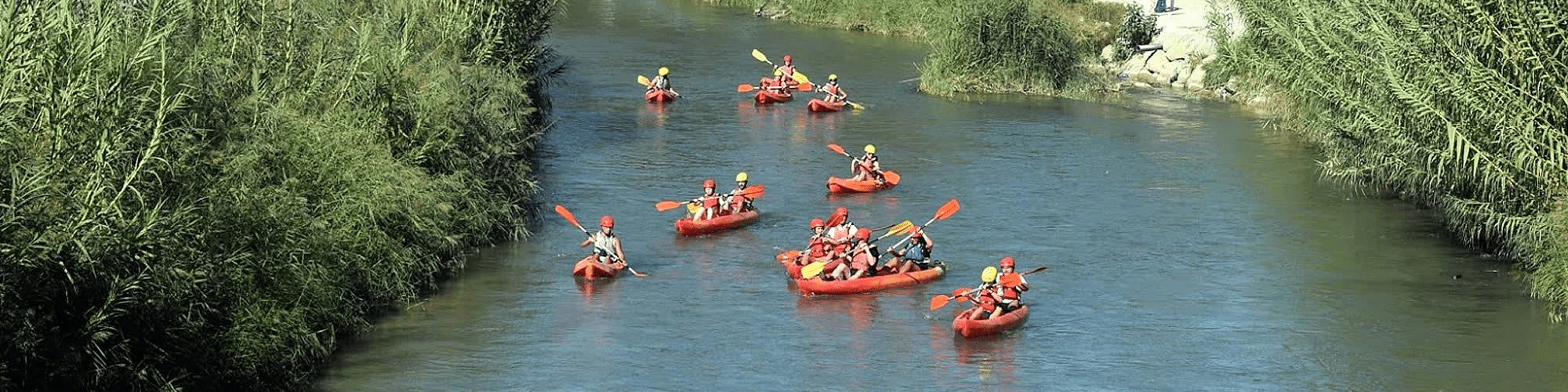
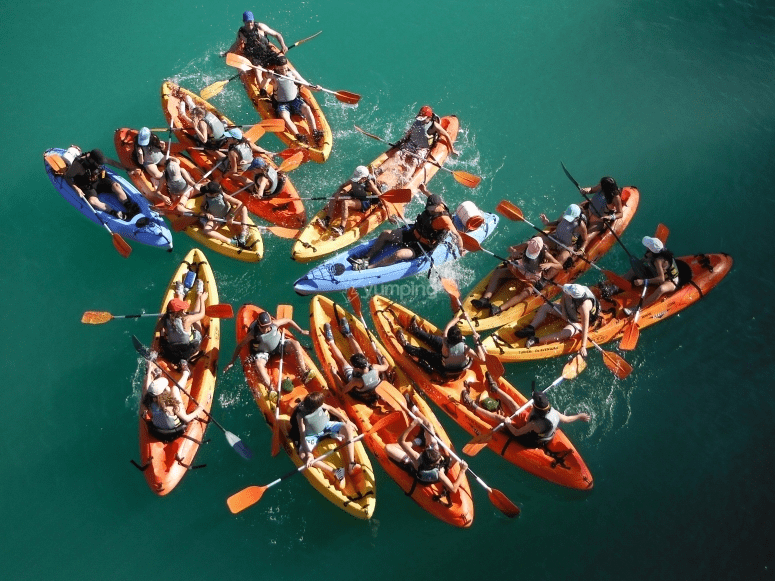
image of a group rafting through a river together

Now, we will show you some of the best kayaking experiences in this part of Spain. Don’t worry, though, because we will cover more than just beaches and pristine waters. We will also check on rivers you can travel through and extreme options that will please every kind of public.

Make sure to always check dates and availability on the booking website to ensure the spot will be available when you visit the country. Here are the recommended places for kayaking in Murcia:

Almadenes Canyon
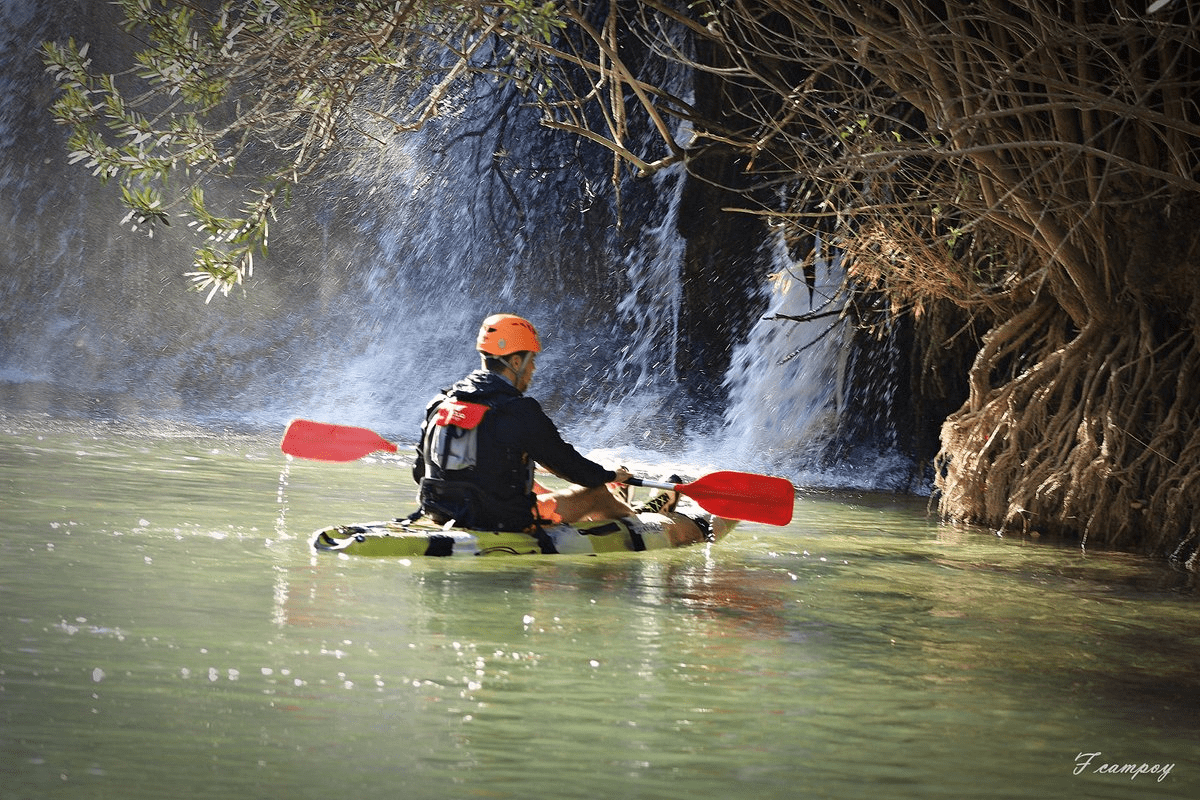
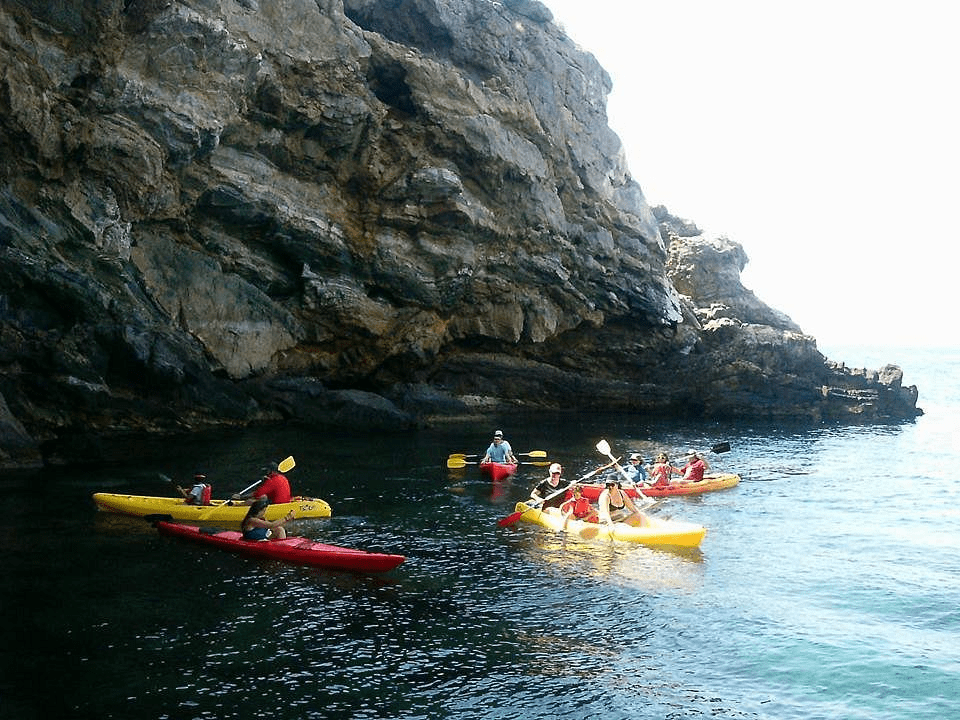
image of a person exploring a river using a kayak

If you are looking for adrenaline and a thriving experience suitable for any age and person, this spot in a natural reserve is the perfect pick. The Almadenes Canyon is one of the region’s most praised points in terms of reviews.

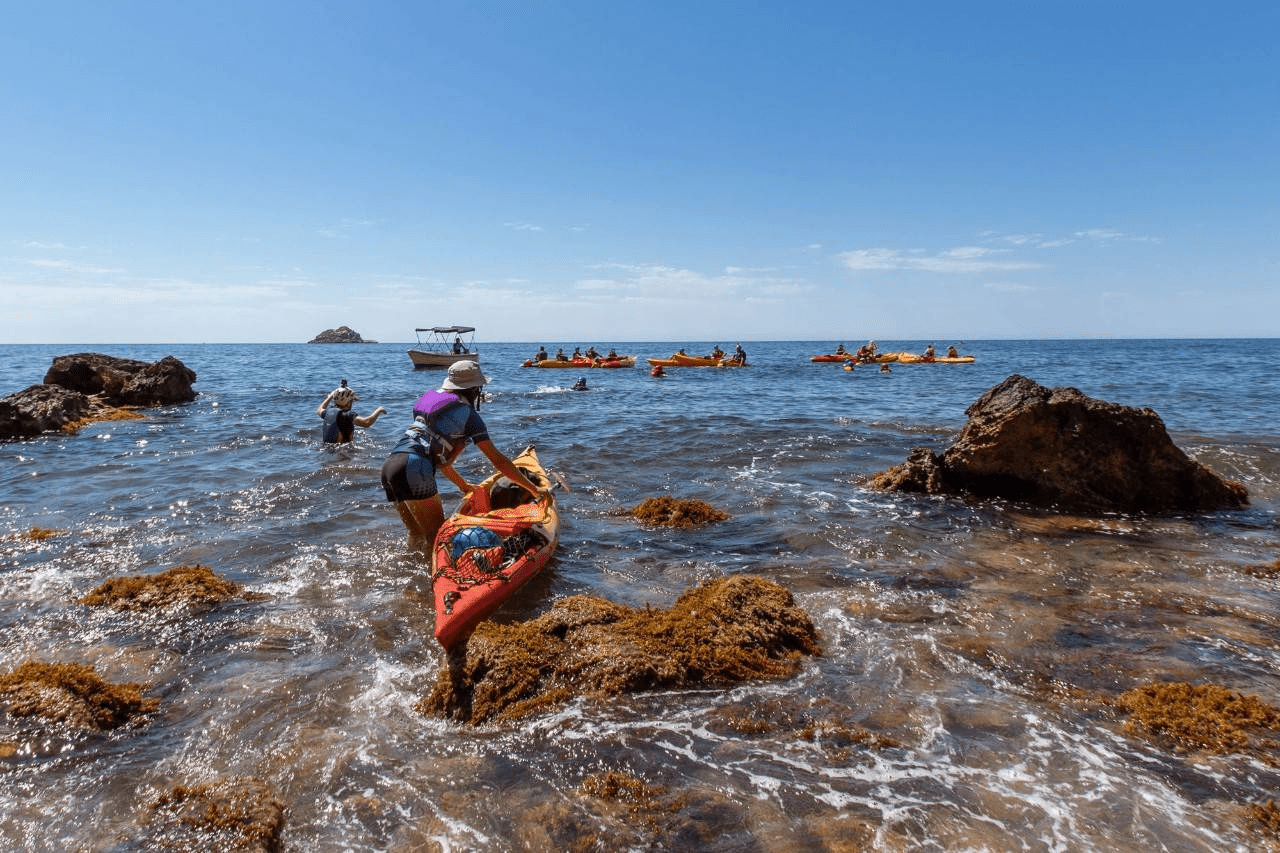
It’s an amazing adventure that I surely recommend. It mixes the adrenaline of rafting with the chilling activity of exploring the area’s caves. The entire ride takes approximately 3 hours, and you’ll be guided by professionals throughout. They ensure that everyone arrives safely and without surprises along the way. Upon arrival, you’ll be provided with a paddle and suit for your entire ride.

It’s one of the most comprehensive locations for kayaking, offering some of the most stunning views in the country depending on the time of year. My trip there was unforgettable, and I highly recommend it; it was one of my favorite experiences in Murcia.

Cartagena
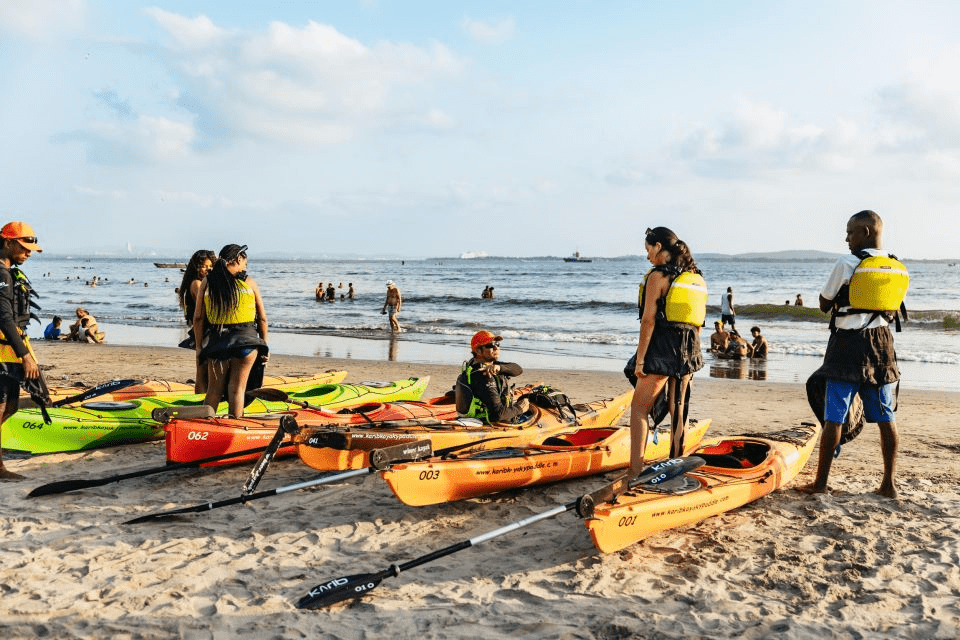
image showing multiple kayaks on the sand in the beach

Cartagena is much more than a perfect site for booking kayak rentals. Considered the heart of Murcia, it is one of the most sought-after destinations.

The place has everything you request, from fun activities to good food and comfortable accommodations. But it can also be very crowded during summer.

If you’re looking for a variety of entertainment, this is the best option. There are facilities for all kinds of sports, offering numerous fun places to explore when kayaking, whether at the beach or in a cave. Notice that some options are out of the region of Cartagena, but don’t worry. The company responsible for the activity will transport you and the equipment directly to the site.

The good thing about Cartagena is that everything is very close, and you don’t need a car to move around. Everything is a few minutes away from the center, and you can go on foot, making it even better in the summer when it’s tough to find available parking spots.

Puerto de Mazarrón
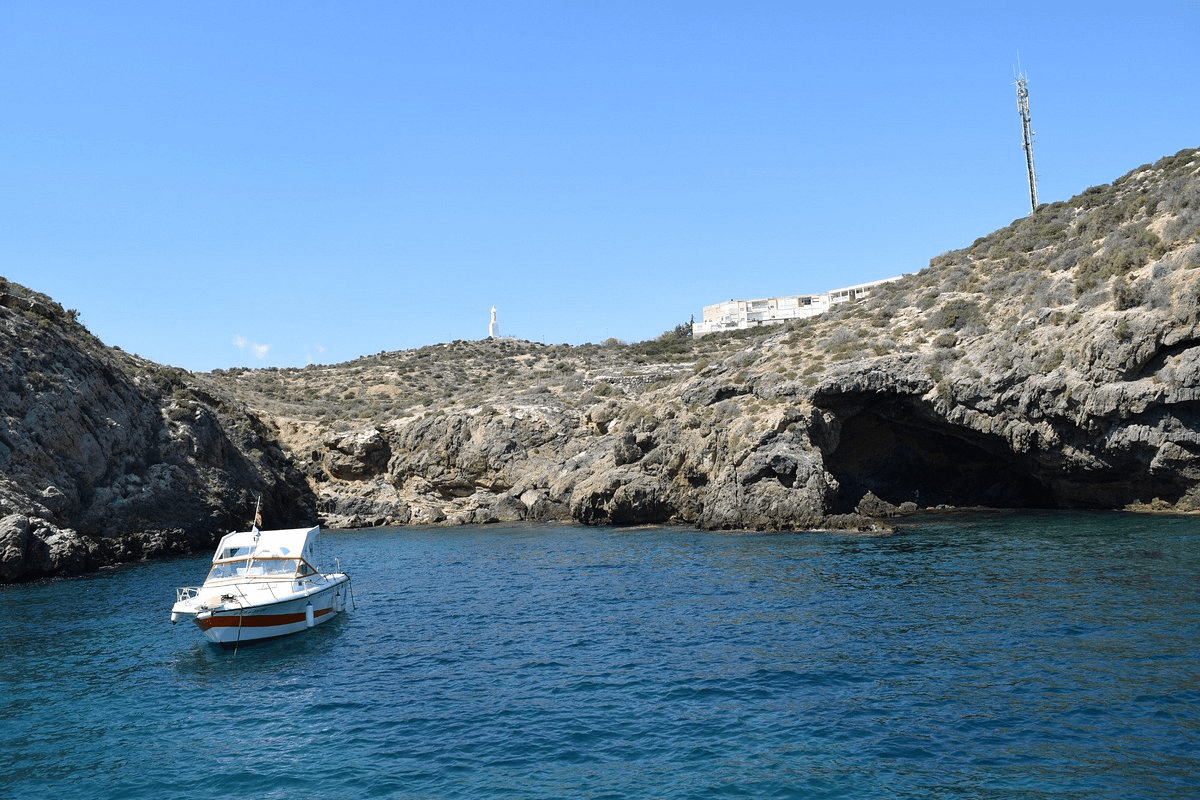
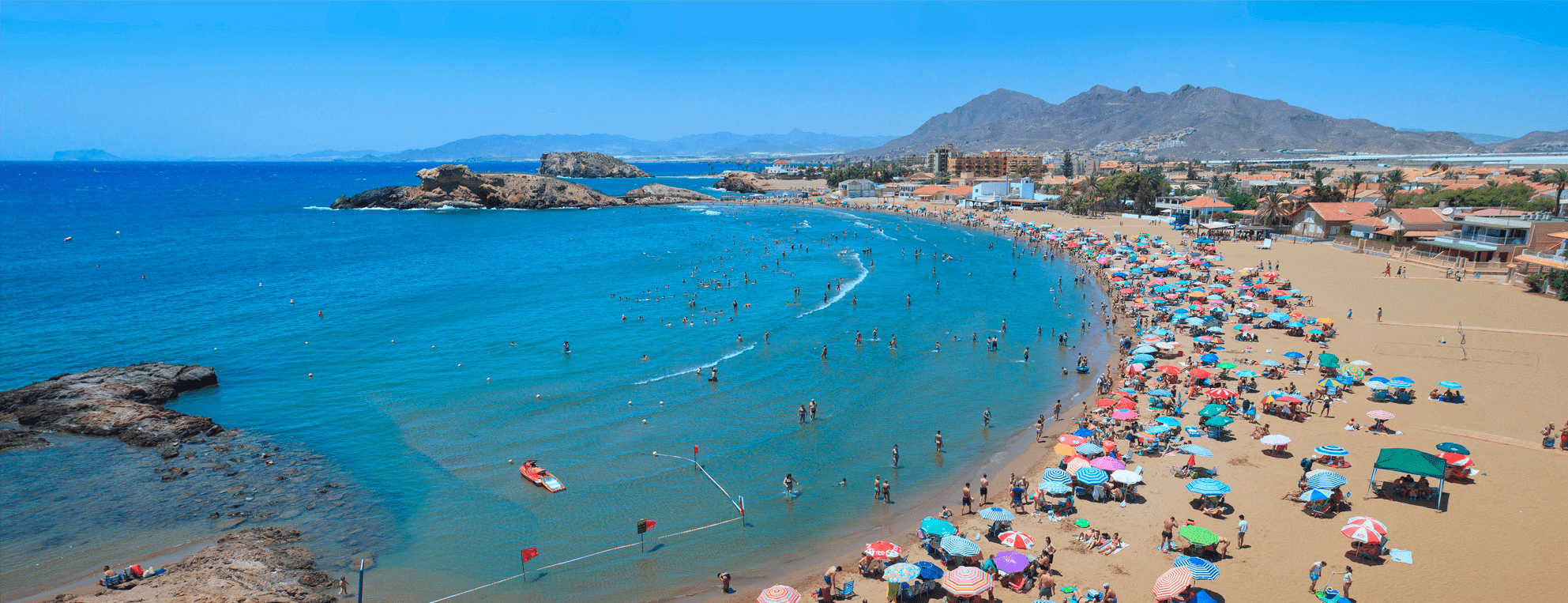
image showing the coast of Murcia

If you’re looking for calm waters to explore and more chilling options, Puerto de Mazarron in San Javier might be one of the best choices. The place is full of natural formations that will stay in your head forever, including caves, mountains, and one of the clearest waters in Europe. It is also perfect for scuba diving and other activities.

Another option is Grimpola Escuela Nautica, one of Spain’s main aquatic schools. It offers lessons and courses in many sports, including kayaking. The school also features exclusive excursions to the region’s marvelous places, providing one of the best experiences.

They’re available throughout the entire year, but we highly recommend visiting them during summer, when the water is warmer, and you can enjoy the best sunny views. Make sure to email them to check on availability or to change any aspect of your booked ride.

Calasparra
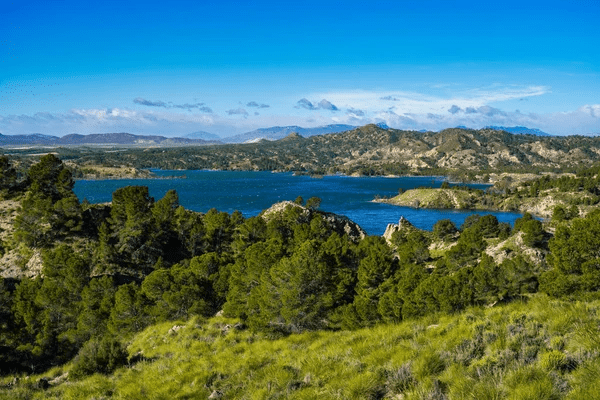
image of calasparra showing the green fields with the river on the background

Our last spot is one of the most underrated regions, which can be very attractive if you’re looking for a calm spot without many people. Calasparra is a municipality known for its historic buildings and incredible architecture, which catch the eyes of everyone passing through the region.

But another thing that makes this area special is the numerous lakes and waters you can navigate using a kayak. It’s a natural paradise that should be on your list of options when visiting the country.

Don’t forget to visit the urban area of the municipality to check out some of the most beautiful constructions you’ll ever see. There are tons of original buildings from centuries ago that will take you on an unforgettable journey to the past, mixing culture and fun.

The only thing you’ll need to care about is transportation. Among the regions listed, this is one of the most distant ones, especially when compared to the airports. Having a rented car can be very helpful and save you some money, but you can also stick with car ride apps like Uber.

What You Need to Know Before Traveling
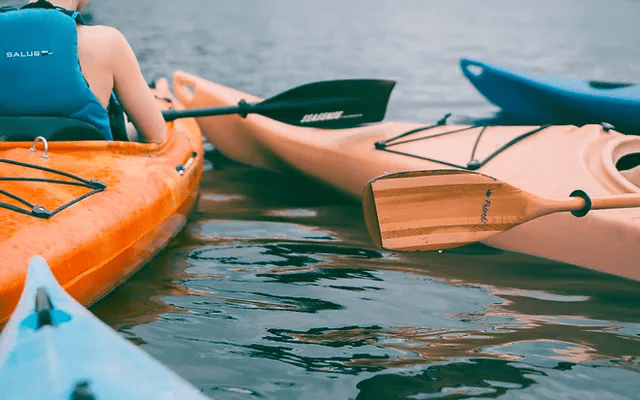
image of two kayaks on the water

If you plan on doing this kind of activity, whether in a group or alone, there are some essential things you need to know before packing your luggage. From safety tips to important aspects of the activities, we will cover the main ones and how to ensure the best results possible.

Here are the crucial aspects of kayak:

It’s a Dangerous Sport
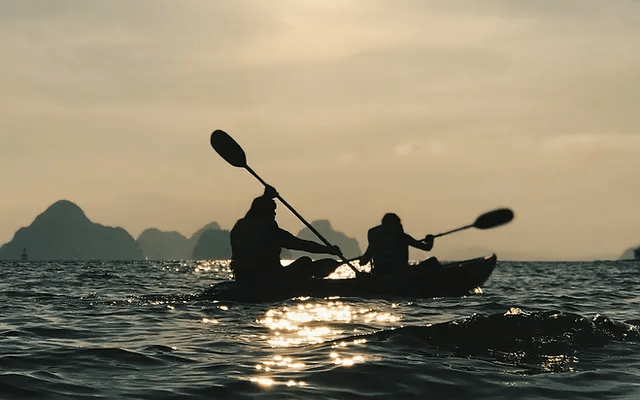
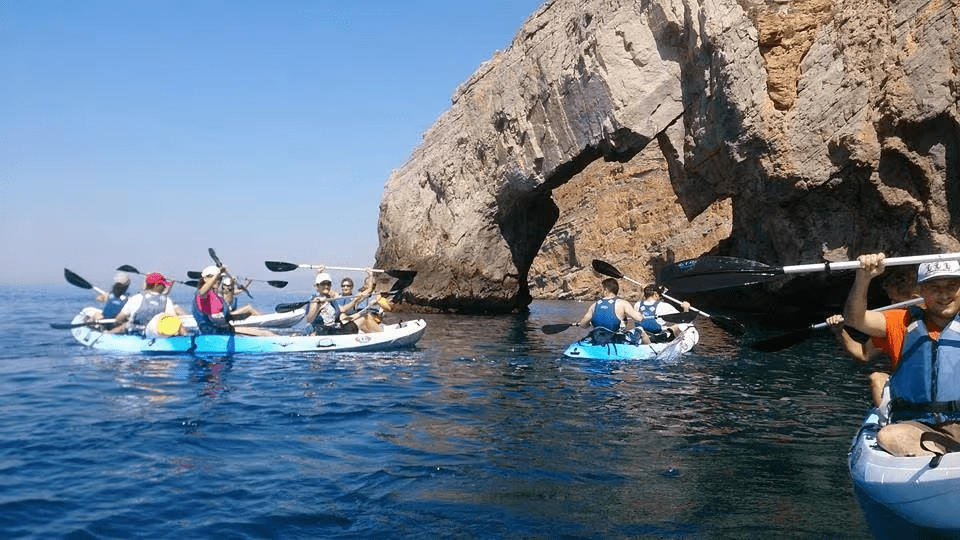
image of two people navigating through the sea with a kayak

It is important to remember that, even though kayaking is a very fun activity, it can also be very dangerous depending on the area you practice it and the tour you hire. This is something to keep in mind, especially when taking kids along for the adventure.

Depending on the risk of the activity, some places and companies might have age restrictions for kayak rides. Always check this aspect before hiring any service in the region.

In addition, always follow the safety instructions to ensure the best experience for yourself and those around you. This is one of the most vital aspects of kayaking and should always be discussed with the professionals guiding you.

Check Your Equipment
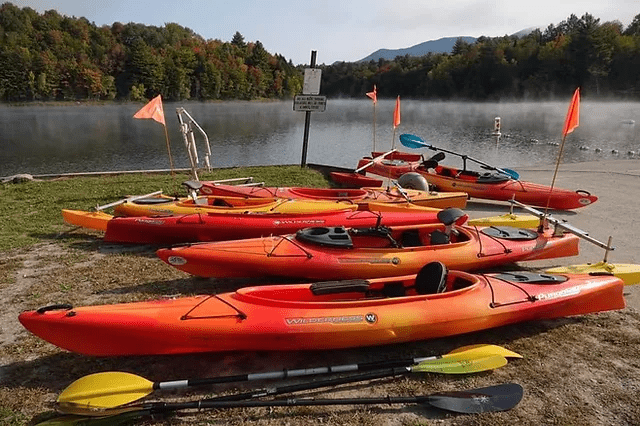
image showing multiple kayaks on the shore

Another crucial safety tip is always checking your equipment before entering the water. Make sure to check the kayak, your suit, paddle, and everything else to avoid any surprises along the way.

This is important, especially when using rented equipment, since many people use it daily. Even though the place renting them needs to check them before giving them to you, mistakes can happen, and taking a careful look at the tools before using them is the best way to avoid bigger problems.

Check the Availability Before Traveling
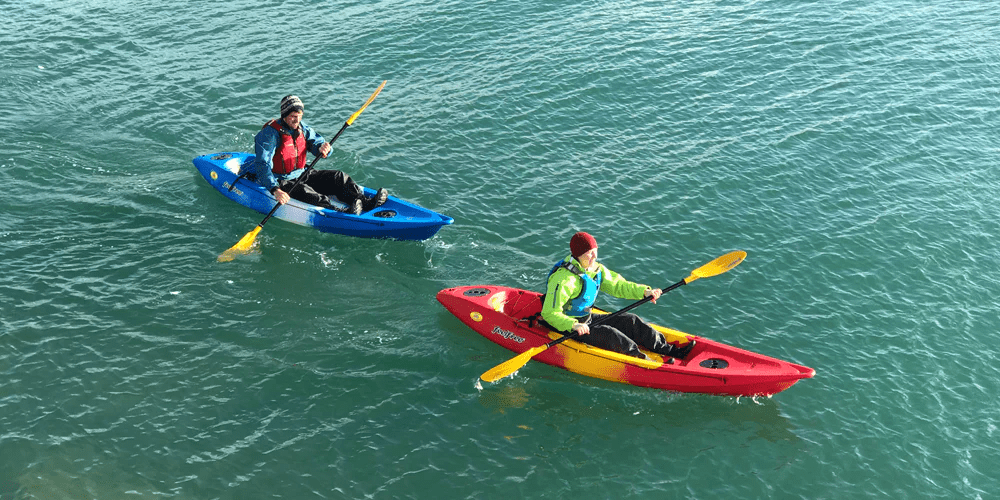
picture of two people kayaking together

Even though you can sign up for the tour the day you want, you should always check availability first. Some places even require that action to take you on the activity.

This ensures you’ll have equipment and enough slots for everyone on the team. If you don’t do that, the place might be booked entirely, meaning you won’t be able to go. You can always email the tour companies to book the experience and ask any questions you might have about it.

Enjoy Your Private Paradise in Villa Murcia!
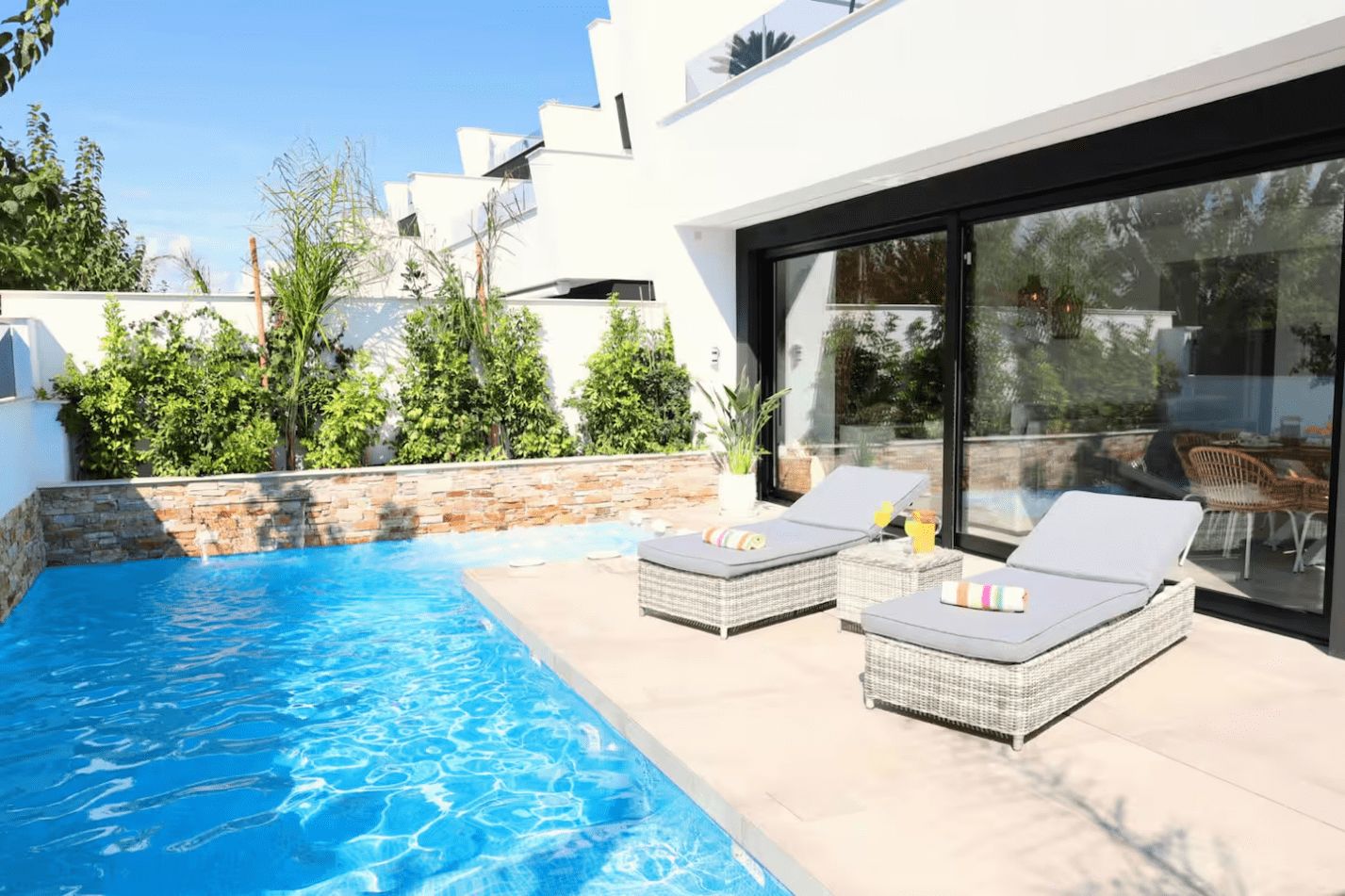
Piscina com água

O conteúdo gerado por IA pode estar incorreto.

Looking for the perfect place to stay in Murcia? We’ve got just the spot for you!

Villa Murcia – Your Private Paradise

Wake up to coffee on a sun-drenched terrace, unwind in a warm jacuzzi after a day of exploring, and end your evenings with dinners in the summer kitchen. Nestled in charming Santiago de la Ribera, Villa Murcia offers more than just a holiday—it’s your personal oasis of comfort, style, and unforgettable moments.

Highlights:
✔ Spacious living room with a large sofa and open kitchen – perfect for shared memories
✔ Three elegant, air-conditioned bedrooms with private terraces – your peaceful retreat
✔ Extra fold-out sofa in the living room – ideal for additional guests

Whether it’s a romantic escape, a family getaway, or a relaxing break with friends – Villa Murcia is your dream stay.

Book now and experience the magic of the Spanish sun!

Time to Pack Your Items and Go Kayaking
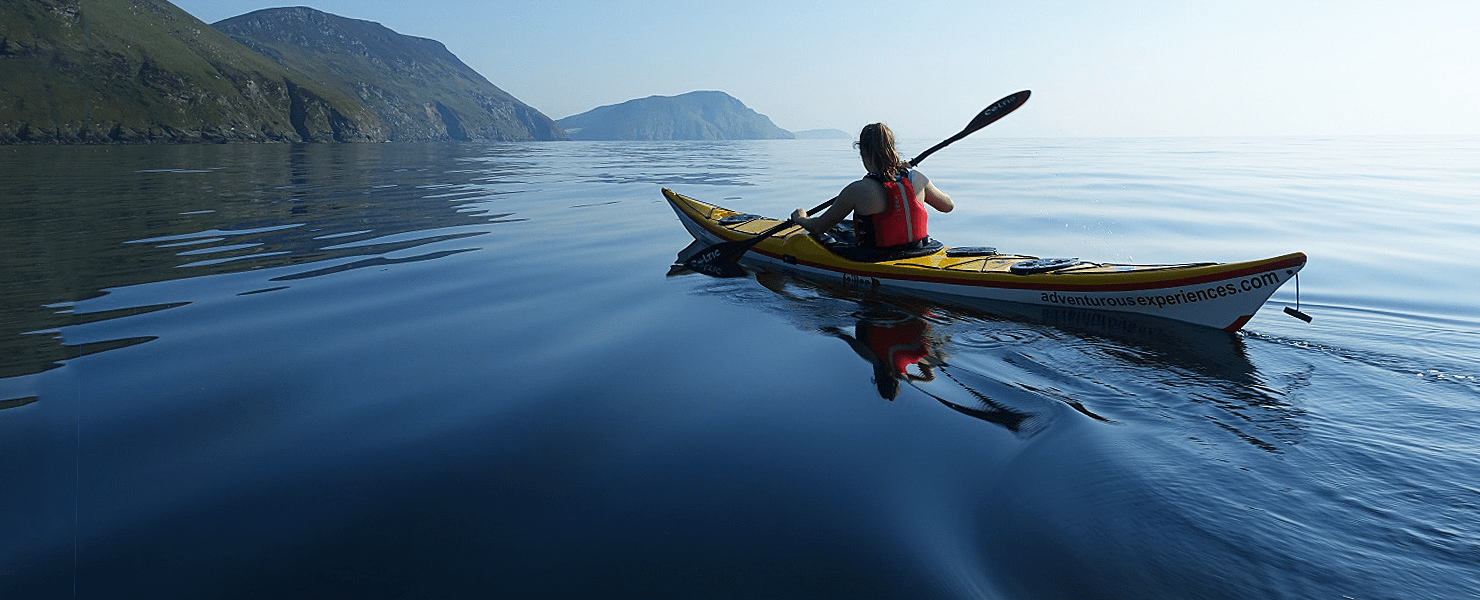
image of a person kayaking in the river

If you’re looking for a fun activity to do on your vacation, kayaking might be one of the best options, mixing the adrenaline of rafting with the chilling and charming experience of exploring caves and other beauties around the coast of Spain. There’s no better place to do that than Murcia, presenting a variety of possibilities and options that you won’t find anywhere else.

Places like Almadenes Canyon and dozens of others throughout the area will surely catch your attention and provide a breathtaking adventure that will stay in your mind forever. Make sure always to check your equipment and the rules to ensure the best time when exploring these places.

Now that you know everything you need, it is time to prepare your gear for this fantastic water adventure. Keep all the items above in mind, and you’ll have the best vacation possible.
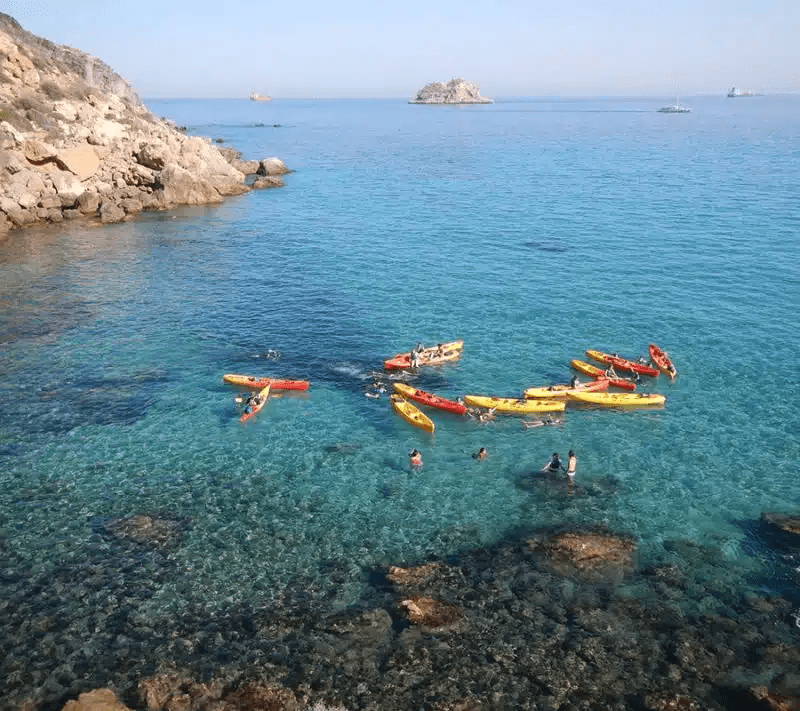
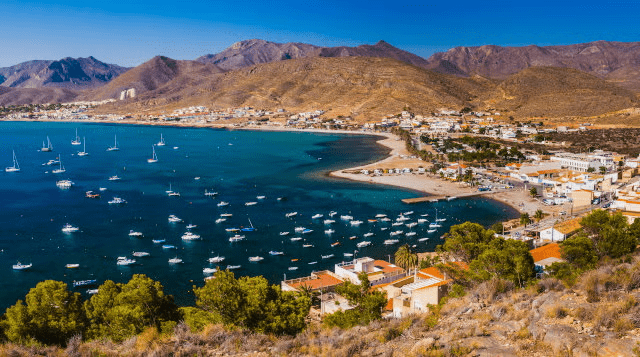
Read More
La Azohia Kayaks

La Azohia Kayak: 5 Best Spots for Kayak Lovers   

La Azohía is a small fishing village in the Murcia region, located in the southeast of Spain. This charming place is famous for its clear waters and golden sandy beaches surrounded by green vegetation, but most importantly, for being one of the best places in the region for kayaking. La Azohía has a unique blend of natural beauty and perfect conditions for water sports, with kayaking being one of the most popular. Every year, the region attracts enthusiasts worldwide; both beginners and professionals can have an unforgettable experience here.

La Azohia is usually the meeting point for kayaking tours in the region. As a person who loves kayaking and has been to the village, I didn’t miss the opportunity to visit some places in the region and practice the sport. I listed the 5 places I liked the most in this article.

Table of Contents

The Natural Wonders of La Azohía

The coastline of La Azohía is framed by a series of caves, cliffs, and coves that give it a varied and beautiful appearance. The calm blue waters of the Mediterranean provide kayakers with a safe and pleasant place to practice this sport; they also have good underwater visibility, allowing those paddling to see the marine fauna easily. During your kayaking journey in the area, you will discover secret caves and majestic grottos that will blow your mind!

The Best Kayaking Areas in La Azohía

Several areas in La Azohía (and close to it) are particularly popular with kayakers. Each offers a unique experience and is worth exploring:

Playa de La Azohía

La Azohía beach itself is a popular starting point for many kayakers. It is a convenient place to start your kayaking adventure with calm waters and a well-equipped infrastructure beach (access to ramps, beach bars, public restrooms, etc.). It’s a wonderful and paradisiac beach, and there are a lot of aquatic sports companies close by, which makes everything easier. You can follow several routes along the coast from the beach, exploring the different coves and caves.

Cabo Tiñoso

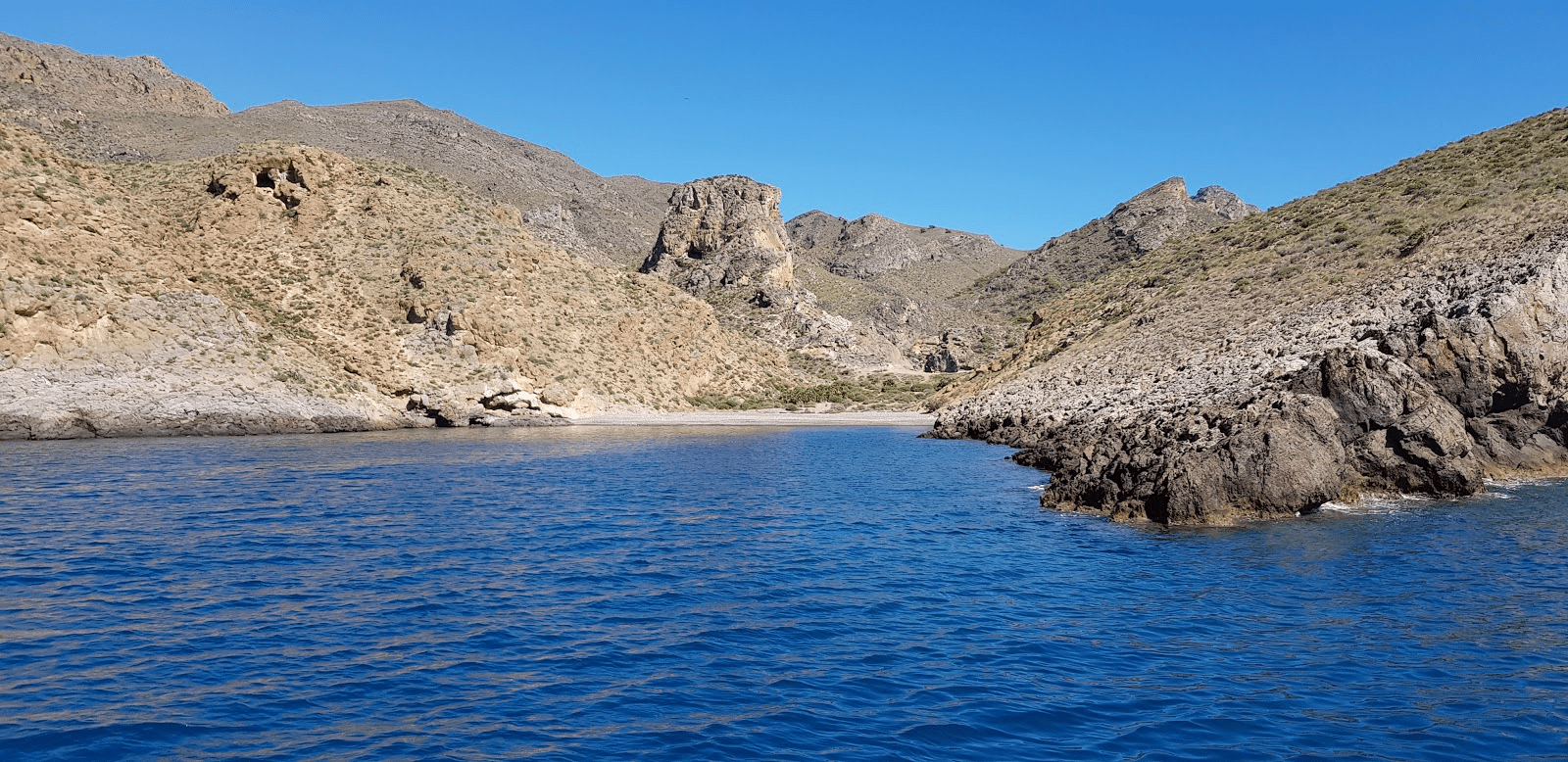
In the extreme south of the Region of Murcia, between the bays of Cartagena and Mazarrón and forming part of the Sierra de la Muela Natural Park, lies the Cabo Tiñoso natural area, one of the most impressive areas to explore by kayak.

The area has great vertical ecological value and is therefore protected. To begin with, it is a Special Protection Area for Birds (SPA), as around 400 different types of plants live in the area. There are also dozens of birds of prey, such as the peregrine falcon and the eagle owl, who fly over it daily. It also has numerous habitats of community interest, some of the highest priorities in Europe.

In addition, a large part of its coastline is a Marine Reserve due to the uniqueness of its geology, which tends to form caves. The clarity of its waters and currents makes it a great biodiversity place, perfect for fauna regeneration. As such, there are many diving schools in La Azohía, which is the gateway to this natural area.

Playa De Calacerrada

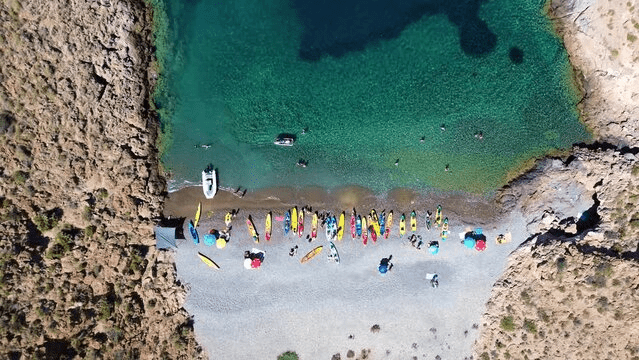
Cala Cerrada is a small, secluded beach renowned for its tranquility and natural beauty. Situated near La Azohía, it offers a perfect retreat for those seeking serenity away from busier areas. Accessible only on foot through the mountains or by boat, it remains wonderfully uncrowded.

The beach’s waters are shallow and perfect for kayaking, as there are practically no waves. And because they are Mediterranean waters, the temperature is milder than in other places.

The rocks make this beach a natural harbor, and it is nice to walk along it and see little fish and plants. The cove is surrounded by cliffs and Mediterranean vegetation, creating a picturesque and untouched setting.

Cave “of the Virgin” (or Neptune)

Normally, it is necessary to go from Azohía to Portus and then to Cala Aguilar, where this incredible cave is located.

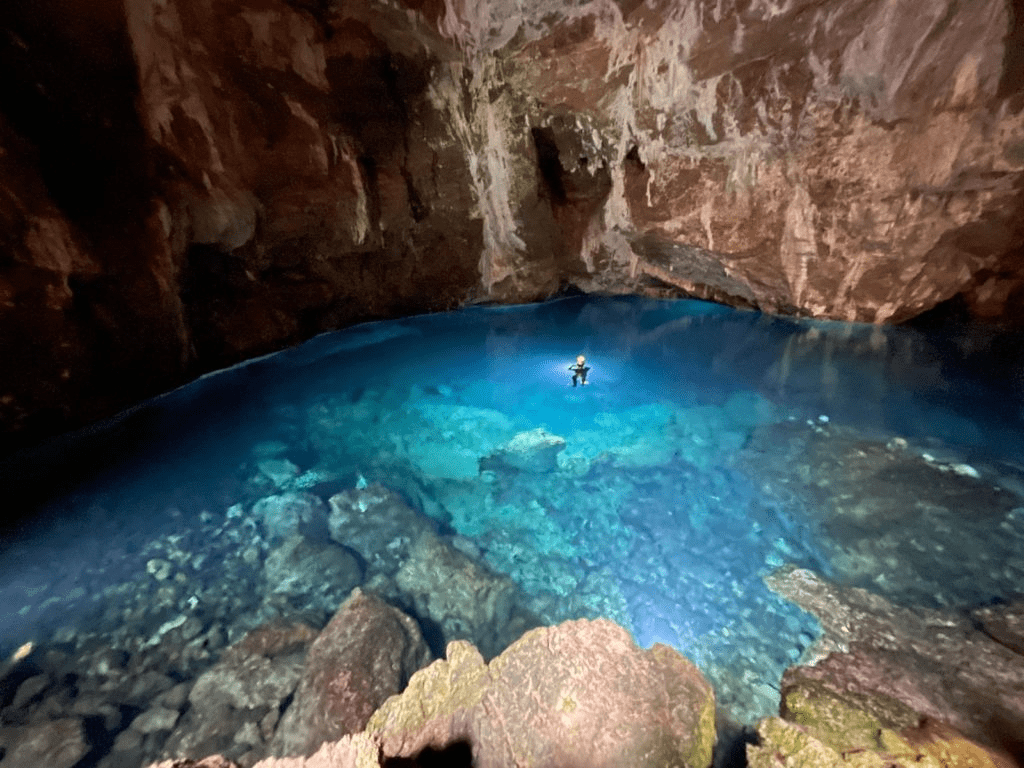
Cala Aguilar itself is wonderful. With clear, calm waters, it is a great place to kayak around the cove. But the tour’s highlight is, without a doubt, the cave. You can access the cave by diving in, so you must get out of the kayak to enter (and probably be with an instructor if you are not a diving expert). There, you can swim, dive, and practice snorkeling. The first thing anyone who arrives by sea sees is an interesting image of a holy Virgin made of tiles.

Inside, over 20 meters high, we find specimens of palm hearts (Chamaerops Humilis) almost three meters high, overdeveloped by the continuous search for rays of light illuminating the large room covered by seawater, which flows through an opening about 10 meters deep.

The experience of visiting this cave is phenomenal and indescribable, as if it were a secret of nature. It was one of the best experiences of my life.

Baía de Mazarrón

The Baía de Mazarrón is a bay located between Cape Cope and Cape Tiñoso and belongs to the municipalities of Cartagena, Mazarrón, Lorca, and Águilas.

Its coastline is approximately 49 kilometers long, of which only 16 kilometers are urbanized. In other words, there are a lot of empty beaches to be discovered.

The bay is sheltered by rocky promontories, which reduce the action of waves and currents, making it a safe and ideal environment for rowers of all experience levels. In addition, the Bahía de Mazarrón is surrounded by a stunning landscape and rich marine and plant biodiversity, including dolphins, sea turtles, and several species of birds.

Tips for an Unforgettable Kayaking Experience

To ensure a safe and enjoyable experience in La Azohía, it is important to follow some tips and recommendations:

  1. Choose a kayak company/school: If you are a beginner, it is the best choice to go with someone who understands the sport. Typically, regional companies offer group or family tours, but there are also individual plans. It is best to be safe and return home safely.
  2. Choose the Right Equipment: Make sure you use a kayak that is appropriate for your level of experience. Several types of kayaks are available, from inflatable to rigid models, each with its own specific advantages.
  3. Use Safety Equipment: Always wear a life jacket and, if possible, bring a helmet to protect your head in case of falls or collisions.
  4. Know the Weather Conditions: Check the weather forecast and sea conditions before leaving. Avoid leaving on days with strong winds or rough seas, especially if you are a beginner.
  5. Stay Hydrated and Protect Yourself from the Sun: Bring enough water to stay hydrated and use sunscreen to protect yourself from UV rays.
  6. Respect Nature: Keep clean and avoid disturbing marine life. Do not leave trash on the beaches or water; respect protected areas.

A Paradise Of Kayaking

Kayaking is an incredible experience that allows you to explore great places, landscapes, and the water’s edge. Depending on the kayak model, the tour can be done in any natural aquatic space with one or more people.

This activity is a great option in warm climates, such as the Mediterranean, as it involves exploring waterfalls, rivers, beaches, and lakes. This activity will certainly make you live great moments.

La Azohía in Murcia is undoubtedly one of the best destinations for kayaking in the Mediterranean region. With its rocky beaches that transform the waters into veritable natural pools and rich biodiversity, the region offers an unforgettable experience for all visitors. Whether you are a seasoned adventurer or simply want to enjoy a peaceful place and connection with nature, La Azohía is the perfect place. Consider including this beautiful, serene paradise in your itinerary when planning your next adventure.

Enjoy Your Private Paradise in Villa Murcia!

Piscina com água

O conteúdo gerado por IA pode estar incorreto.

Looking for the perfect place to stay in Murcia? We’ve got just the spot for you!

Villa Murcia – Your Private Paradise

Wake up to coffee on a sun-drenched terrace, unwind in a warm jacuzzi after a day of exploring, and end your evenings with dinners in the summer kitchen. Nestled in charming Santiago de la Ribera, Villa Murcia offers more than just a holiday—it’s your personal oasis of comfort, style, and unforgettable moments.

Highlights:
✔ Spacious living room with a large sofa and open kitchen – perfect for shared memories
✔ Three elegant, air-conditioned bedrooms with private terraces – your peaceful retreat
✔ Extra fold-out sofa in the living room – ideal for additional guests

Whether it’s a romantic escape, a family getaway, or a relaxing break with friends – Villa Murcia is your dream stay.

Book now and experience the magic of the Spanish sun!

Read More
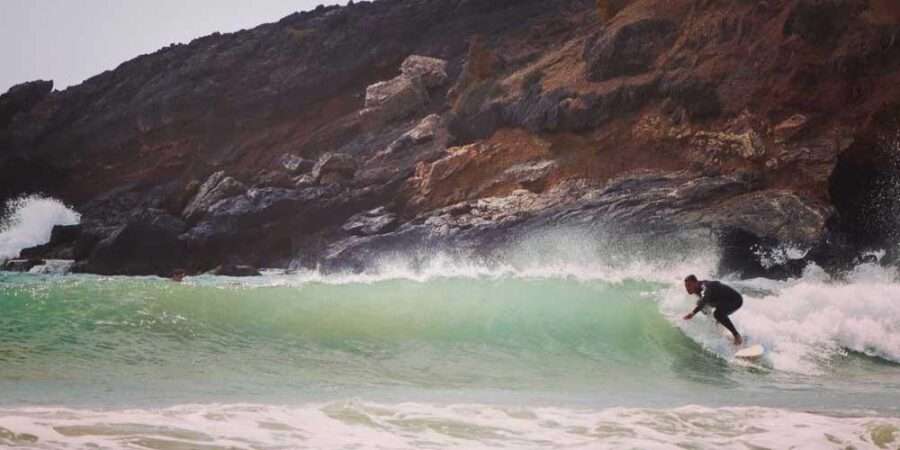
Surfing Murcia | Meet the Best Beaches and Coves Where Surfing!

Surfing Murcia | Meet the Best Beaches and Coves for Surfing!

Every summer, tourists from all over Europe seek out the best beaches for surfing. While Australia and Chile are renowned for having some of the best surfing spots in the world, Spain—particularly the Murcia region—boasts incredible beaches where surfers can ride the waves and sail the seas. Here, we highlight some of the top beaches for surfers eager to master their skills and enjoy the crystal-clear waters of the Mediterranean Sea.

Table of Contents:

What Are the Best Places in Murcia Where Surfing

We’ve chosen seven great surfing spots in the Murcia region. Then, check the following information and plan your next holiday destination.

Playa Paraíso, Cartagena

Playa Paraíso, Cartagena

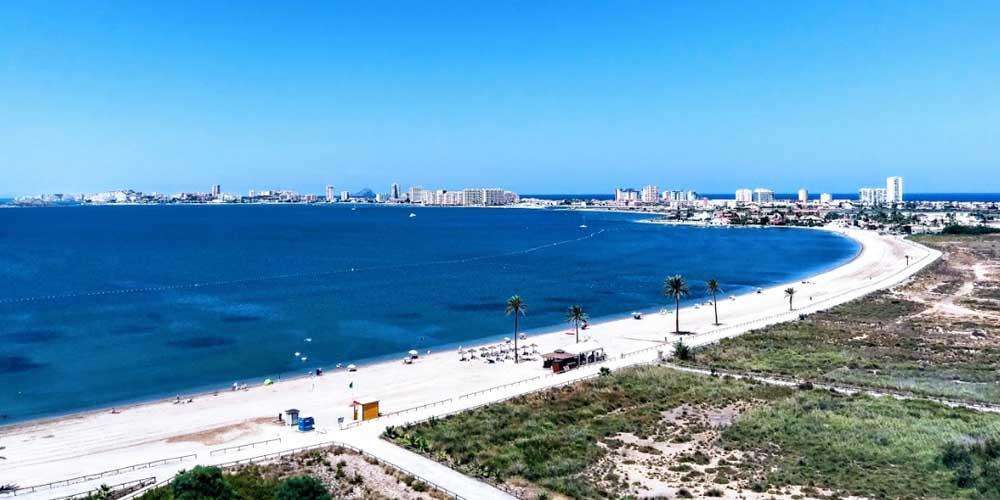
Playa Paraíso is a semi-urban beach in the southern area of ​​the Mar Menor, in the municipality of Cartagena. It is 20 meters wide and 1,200 meters long.

In summer, Playa Paraíso is usually very crowded due to its unbeatable location, weather conditions, and fine sand. The winds that usually occur in this area of ​​the Mar Menor make this beach a great place to surf all year round.

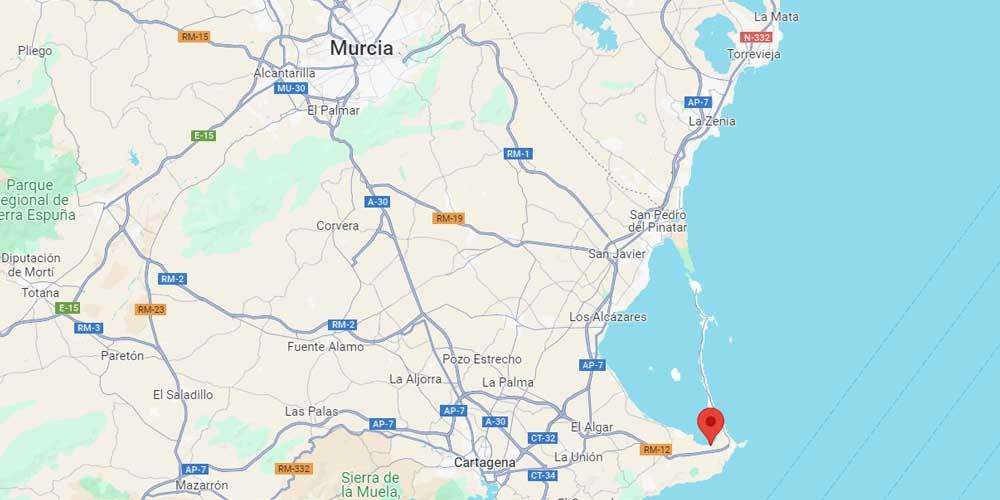
Playa Paraíso, Cartagena location

Playa Paraíso has the necessary facilities to live a great surfing experience, such as footbaths, trash cans, toilets, umbrella rentals, a tourist office, and more.

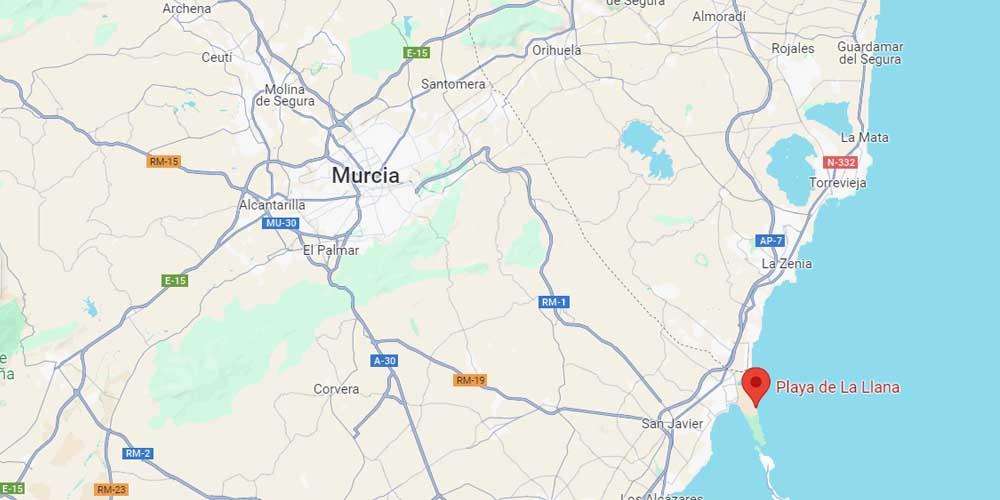
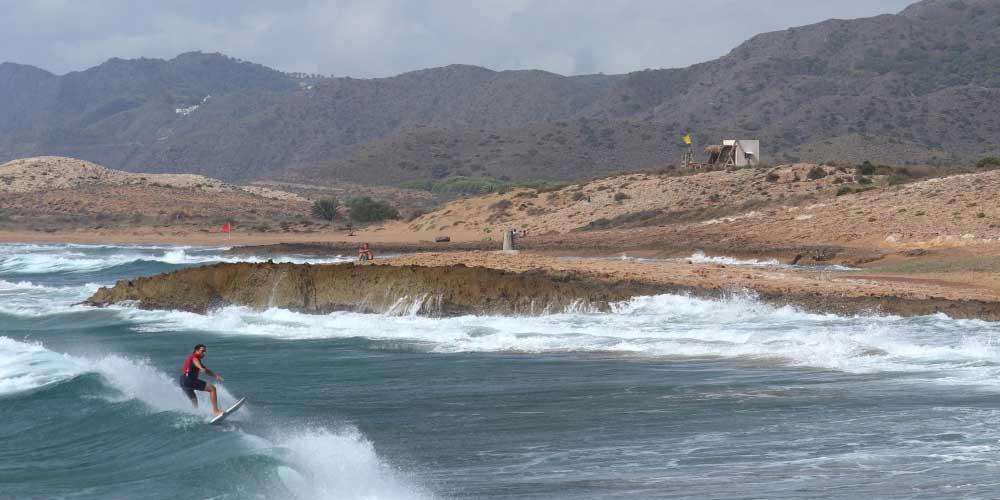
Playa de la Llana, La Manga

Playa de la Llana La Manga, Murcia

La Playa de la Llana, or Llana Beach, is a beach located in San Pedro del Pinatar, at the northern end of La Manga. This thin strip has a magnificent climate and landscapes. Although most of the coastline here is quite calm, Playa de Llana has good waves for safe surfing.

Playa de la Llana La Manga Location

In addition, its sands are smooth and fine, so you will not have problems with falls or rubbing against the ground. In addition, here you can find the Jaws School Murcia, a surf school where you can take classes to improve your windsurfing, kitesurfing, wakeboarding, and surfing skills in general.

Calblanque, Cartagena

Calblanque, Cartagena

Calblanque is a National Park located between the municipality of Cartagena and La Unión. It has several coves and beaches, which present the best conditions for surfing throughout the year. In this context, Calblanque Beach, located within the park, is a natural sanctuary with high waves, which makes it a surf beach for experienced surfers.

Calblanque, Cartagena location

Calblanque Beach has variable spikes, offering different sizes of waves, including tubes and walls to maneuver the board. This beach is also perfect for bodyboarding or simply watching the surfers ride through the waves and land on the sand.

Although November, December, and January are the best months of the year to surf here, the summer months also present a good opportunity to practice at a beginner level.

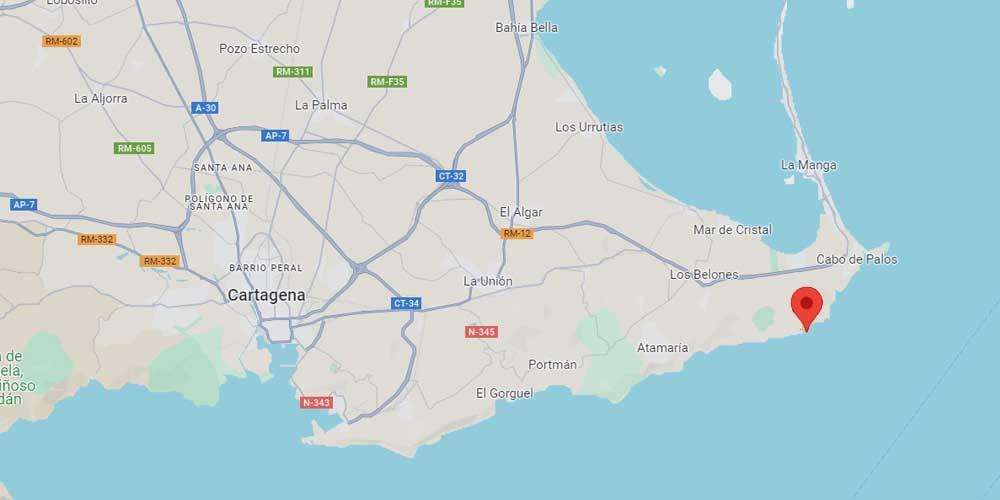
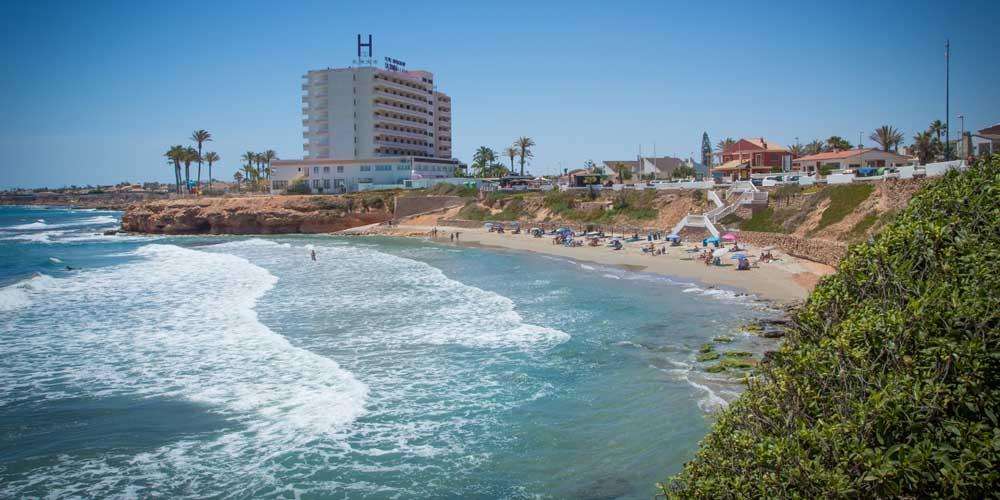
Cala Cerrada, Alicante

Cala Cerrada Alicante

The Cala Cerrada, or Cerrada Cove, is a small beach in Orihuela, Alicante, near the northern end of the border with Murcia. Here, the surf is poor to fair, with waves between 0.9 and 1.5 meters high.

Cala Cerrada location

According to surfing professionals, Cala Cerrada is one of the eleven beaches in the municipality of Orihuela that offers all the necessary conditions and characteristics to enjoy and improve surfing. Even so, as Cala Cerrada is usually crowded, free surfing is only authorized in the low season.

Playa Honda, Cartagena

Playa Honda, Cartagena

Playa Honda is an urban beach with soft sand and warm, crystal-clear waters. It is 20 meters wide and 1,000 meters long, located in the southern area of ​​the Mar Menor, next to Playa Paraíso.

Thanks to its depth, which is a little greater than that of other beaches in the area, Playa Honda has good waves, which represents a great option for those who want to start this practice or already have some knowledge of surfing.

Playa Honda, Cartagena location

One of the notable aspects of Playa Honda is its impressive vegetation on its perimeter, which creates a great environment for surfing in a quiet environment. Although Playa Honda is usually very crowded in the summer, you can still find wonderful waters for surfing, sailing, and other similar activities.

Playa del Mojón

Playa del Mojón Murcia

Playa del Mojón is an isolated beach located in the municipality of Mazarrón, southwest of Murcia. It is a small beach 50 meters wide and 600 meters long. Being far from major settlements, this beach is not very crowded most of the year, which is good if you are looking for a quiet place to reflect on surfing and practice this sport without pressure or prying eyes.

Playa del Mojón location

As Playa del Mojón has some rocks at the ends, both to the east and west, it has controlled waters and waves, which you can use to practice your technique and basic concepts. It also has interesting flora and fauna, especially native birds. So, if you love surfing in nature, this is your place.

Playa de la Casica Verde, Águilas

Playa de la Casica Verde, Águilas

The last beach on this list is in Águilas, a majestic city located near the border of Murcia with Almería. Águilas is well known for its surf circuit, which features the El Piojo, La Carolina, and La Casica Verde beaches.

Playa de la Casica Verde, Águilas location

The latter, Playa La Casica Verde, stands out for its surf camp, which you can visit throughout the year and take surfing, sailing, and bodyboarding classes. The surf classes here last between 6 and 8 hours, and you have professional teachers and resources to learn all the basics of this sport efficiently.

Enjoy Your Private Paradise in Villa Murcia!

Piscina com água

O conteúdo gerado por IA pode estar incorreto.

Looking for the perfect place to stay in Murcia? We’ve got just the spot for you!

Villa Murcia – Your Private Paradise

Wake up to coffee on a sun-drenched terrace, unwind in a warm jacuzzi after a day of exploring, and end your evenings with dinners in the summer kitchen. Nestled in charming Santiago de la Ribera, Villa Murcia offers more than just a holiday—it’s your personal oasis of comfort, style, and unforgettable moments.

Highlights:
✔ Spacious living room with a large sofa and open kitchen – perfect for shared memories
✔ Three elegant, air-conditioned bedrooms with private terraces – your peaceful retreat
✔ Extra fold-out sofa in the living room – ideal for additional guests

Whether it’s a romantic escape, a family getaway, or a relaxing break with friends – Villa Murcia is your dream stay.

Book now and experience the magic of the Spanish sun!

Murcia is one of the Best Places for Sailing and Surfing in Spain

Most of the coastline of the Region of Murcia has some of the best beaches in all of Europe for surfing, bodyboarding, sailing, and other water sports and activities. The beaches we have summarized in this short article are just a few that we think you should visit while traveling through Murcia, but feel free to visit other coves and beaches in the surrounding area that can provide you with similar surfing experiences and opportunities. You just have to grab your map, your bag, and your car and stroll along the magnificent coast of Murcia.

Read More
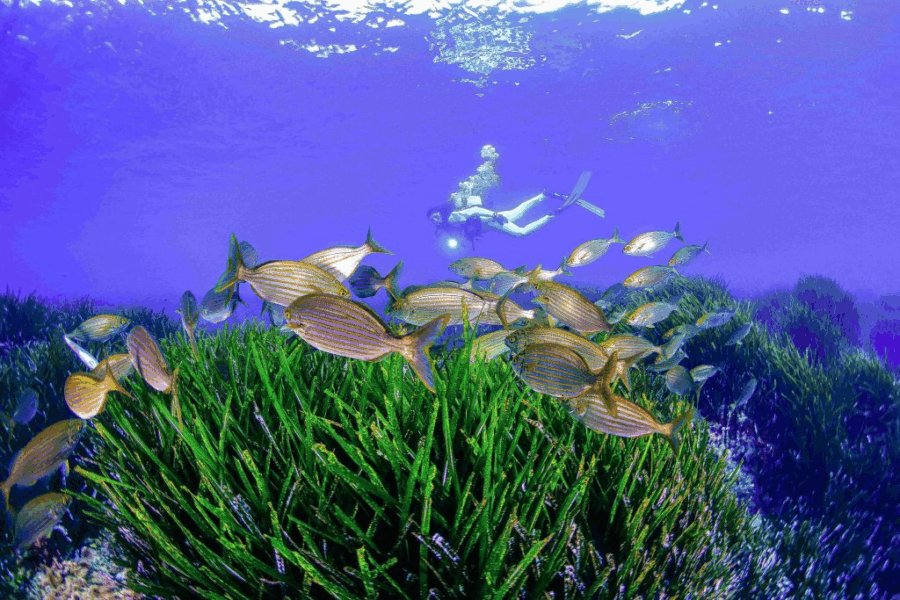
picture taken underwater showing fish swimming and a professional swimmer on the background

Snorkel Murcia: Discover the Underwater Wonders

Murcia is a hidden gem for snorkeling enthusiasts. This Mediterranean region boasts an array of pristine beaches, crystal-clear waters, and a rich underwater world waiting to be explored.

Murcia offers an unparalleled aquatic adventure whether you’re a seasoned snorkeler or a curious beginner. From the vibrant marine life darting through lush seagrass beds to the intriguing underwater rock formations and ancient shipwrecks, every snorkeling spot in Murcia tells its own unique story.

Join us as we explore the best snorkeling locations in Murcia. We will also cover the essentials for better trip planning and getting the best experience possible when exploring the water in one of the most beautiful places on the Mediterranean coast.

Here’s what you need to know for snorkelling in Murcia:

Table of Contents

Why Choosing Murcia for Your Snorkel Excursion

image of a person snorkeling and the other one swimming at the beach

There are many reasons why Murcia is the perfect pick for your next vacation, whether you want to go alone and enjoy the crystal waters or take the family with you to explore the numerous underwater secrets. One of them is the variety of options in the territory.

There are tons of beaches to explore and different experiences to enjoy, making it the perfect place for people of all kinds and ages.

Spain is one of the most sought-after destinations in Europe for sea lovers, and Murcia will definitely surprise you with its beauty. Moreover, the region also has calmer beaches than other locations in the continent, which can be very attractive if you want to take children with you on this adventure.

What You Need to Know Before Preparing for the Adventure

image of multiple people doing a boat tour in Cartagena

Before going on the adventure, there are some essential aspects to consider. Here, we will show you the main ones that will give you the best swimming experience in the Spanish underwater world.

Make sure to pay attention to each aspect listed for a safe dive without any surprises along the way. Here’s everything you need to know:

Age Restrictions

image of a family swimming together at the beach

One thing to pay attention to when organizing your trip and snorkeling activities is the age restriction of each place. Some places don’t allow children to swim or require a parent to accompany the child so that they can enjoy the experience. Everything will depend on the place you go for snorkeling and its rules. It is always important to check this aspect before planning your trip.

Snorkeling is a fun and chilling experience, but it can also be dangerous. It is always recommended that you know how to swim independently and be confident in the water.

Scuba Murcia in Cabo de Palos is one of the most common companies that are hired for snorkeling. They allow kids six years old or more to participate in the activities. Every place has its own age restrictions and rules, so it is important to double-check before hiring the services.

Safety and Equipment

picture showing snorkeling equipment on the sand

It is also important to check your equipment before going snorkeling to prevent accidents. Whether you’re a professional and have your own equipment or plan on renting it, make sure to always check the mask, snorkel, and other parts of the gear to prevent accidents or problems.

Moreover, always follow the safety tips and recommendations from the professionals and guides helping you through the experience. Whether you swim for an hour or for long periods, these tips can save your life.

Best Time of the Year for Snorkeling

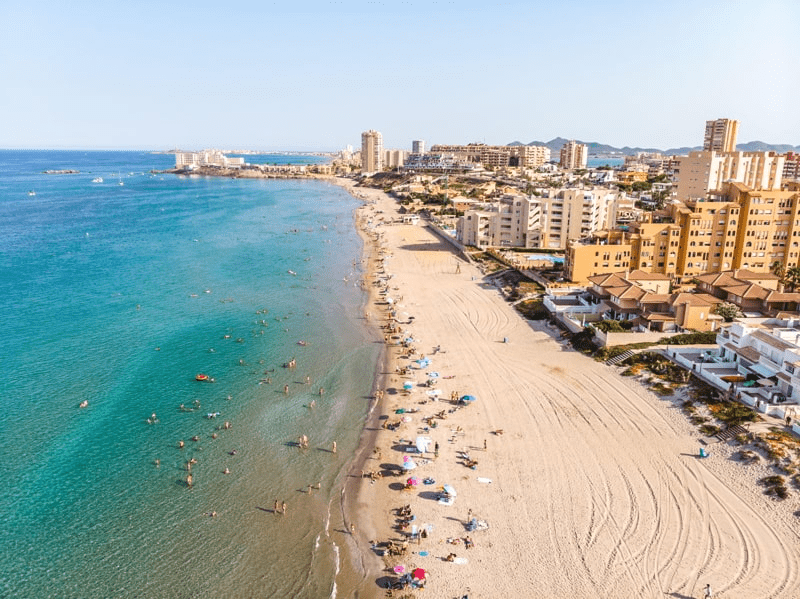
image of the beach in Cartagena showing the city on the background

You can take a dip into the warm waters of Murcia throughout the entire year, but summer is the season when it really shines for snorkelling or practicing any watersport. The water temperatures are seldom too cold, but in the summer, they get even better and are pleasant to stay in for long periods. Combined with a swimsuit, it is the perfect time of the year to observe the underwater world.

If you want to get the best out of your experience, we recommend any shiny morning from June to August. The summer climate helps you stay in the water for extended periods while still feeling comfortable.

Regardless of which season you choose to visit Murcia, always use sunscreen to protect yourself from UV light and other harmful rays from the sun. This way, you ensure a great trip from beginning to end.

Best Places for Snorkeling in Murcia

As we mentioned, the variety of beaches and activities available in this part of Spain attracts many visitors. Here, we will cover some of the best ones for swimming and exploring life underwater.

Make sure to take a look at each recommendation to better plan your trip and understand what you’ll need to enjoy this incredible experience. Here are our personal recommendations on where to go snorkelling in Murcia:

Playa de Isla Plana

image of playade isla plana

If you’re looking for beautiful views on the coast and underwater, Isla Plana might be the perfect destination for your snorkelling activities. Located right next to the center of Cartagena, this paradise is formed by a beautiful blue sea and rock formations that give it an unforgettable look.

It is also one of the best destinations for kids since the water is very calm and great for those not experienced in the activity. The marine life in the area is also pretty diverse, making it even more fun to observe.

This site is recommended for other sports as well as boat rides. There’s a variety of activities and even nearby islands to explore, which feature an even bigger marine variety. It’s perfect for kids and people of all ages.

Cabo de Palos

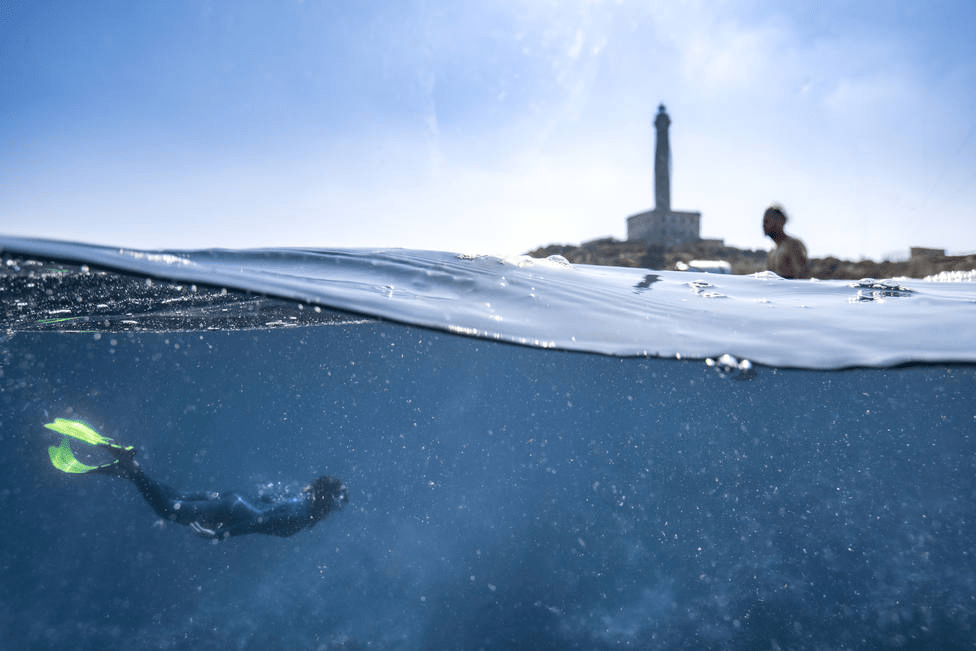
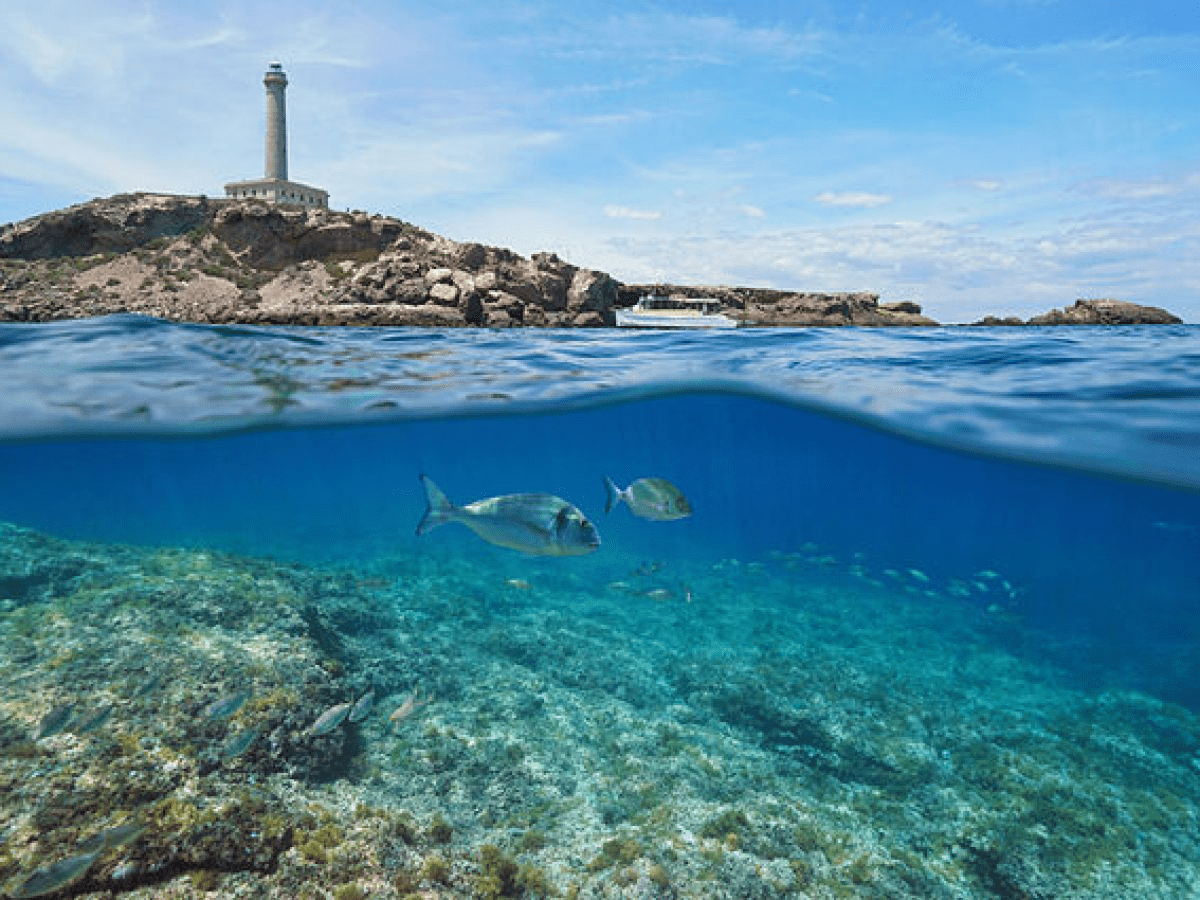
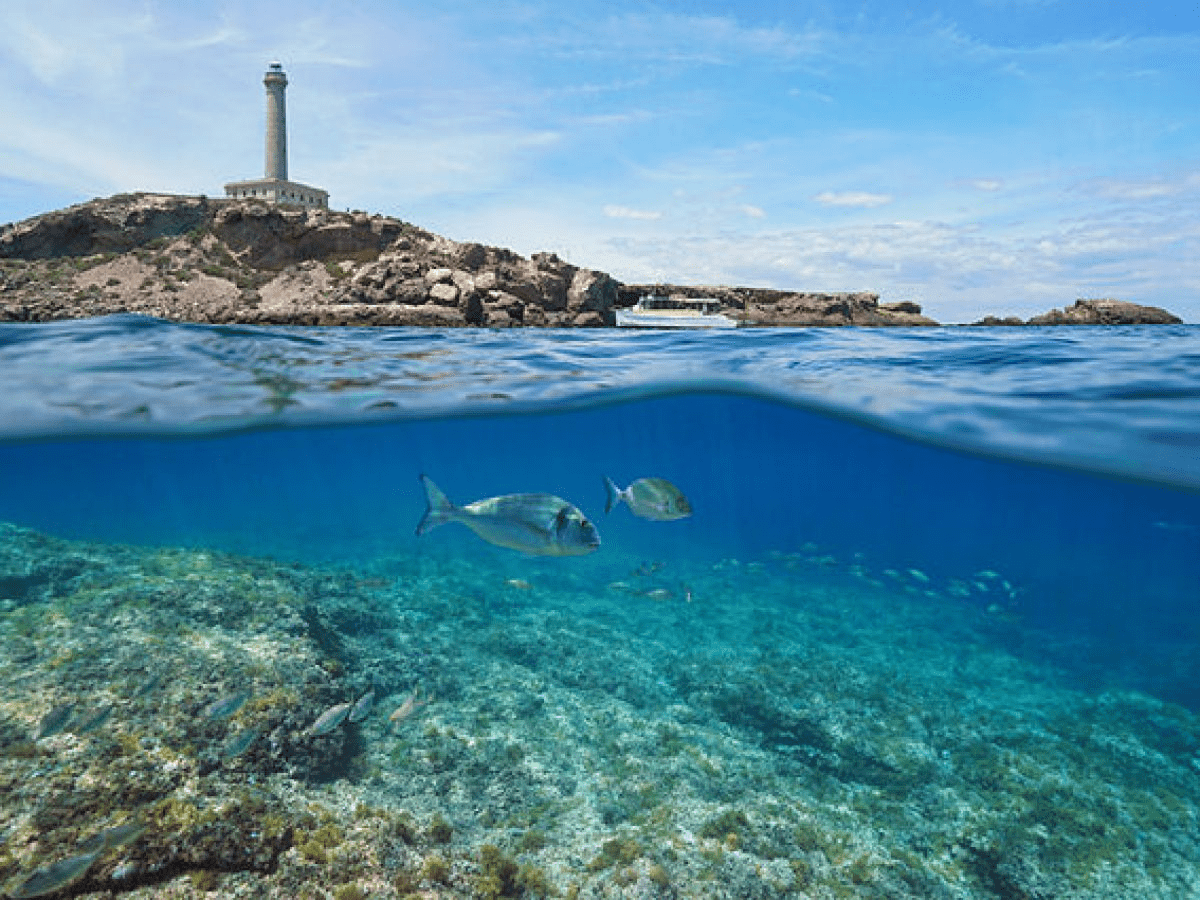
image of Cabo de Palos showing fish underwater and the lighthouse on the background

Cabo de Palos is another great diving site if you’re looking for crystal-clear water and breathtaking views. It is also located in Cartagena, so you can dive and enjoy the rest of your day visiting the other beaches and spots in the region.

Cabo de Palos is also one of the most complete beaches in terms of structure you can find in all of Murcia. It has everything you need for a perfect day, including showers, restaurants, lifeguard booths, and anything else.

If you’re walking around the beach, don’t forget to also visit Farol Cabo de Palos. The lighthouse is one of the most famous attractions in the region and one of the most beautiful in all of Murcia.

Cabo Tinõso

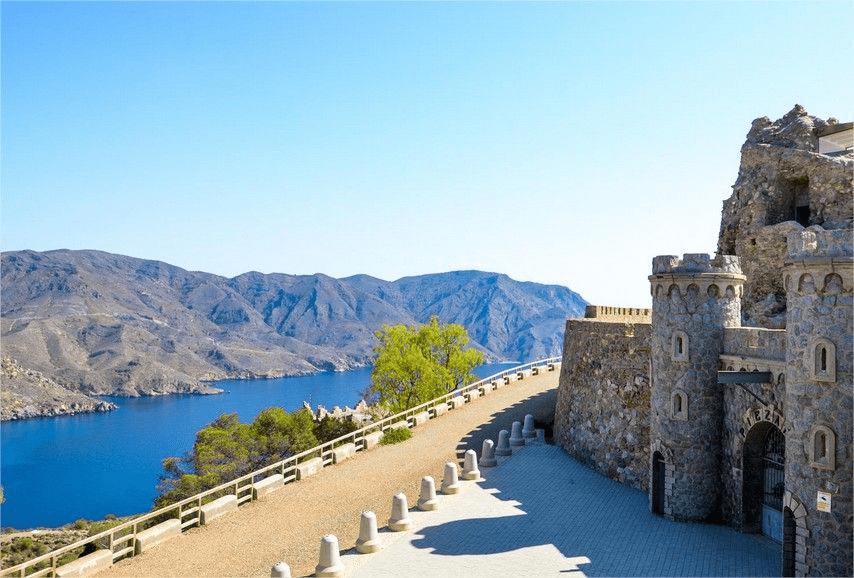
image of Cabo Tinõso showing the old castle on the side

If you like visiting historical places and walking through remarkable architectural vestiges from the past, you need to visit Cabo Tinõso. The place features one of the oldest castles in the region and continues to attract tourists from all over the world to see its stunning views.

Along with these elements, it is also one of the best sites to dive into and observe vast marine life. Exploring the underwater area here is the best experience you can have as you’re visiting one of the clearest waters in the entire Mediterranean.

But be careful. Rocks and mountains surround this region, and it is one of the most difficult to access. Professional transportation to the area, whether by boat or any other method, is always recommended. These experienced guides can help you find the perfect place for snorkelling and give you life-saving advice on what to do and avoid.

Enjoy Your Private Paradise in Villa Murcia!

Piscina com água O conteúdo gerado por IA pode estar incorreto.

Looking for the perfect place to stay in Murcia? We’ve got just the spot for you!

Villa Murcia – Your Private Paradise

Wake up to coffee on a sun-drenched terrace, unwind in a warm jacuzzi after a day of exploring, and end your evenings with dinners in the summer kitchen. Nestled in charming Santiago de la Ribera, Villa Murcia offers more than just a holiday—it’s your personal oasis of comfort, style, and unforgettable moments.

Highlights:
✔ Spacious living room with a large sofa and open kitchen – perfect for shared memories
✔ Three elegant, air-conditioned bedrooms with private terraces – your peaceful retreat
✔ Extra fold-out sofa in the living room – ideal for additional guests

Whether it’s a romantic escape, a family getaway, or a relaxing break with friends – Villa Murcia is your dream stay.

Book now and experience the magic of the Spanish sun!

Time to Grab Your Equipment and Go to Murcia

image of a person swimming in the sea

Snorkeling is one of the most fun activities to do, especially in the summer. The mysterious underwater world and its numerous beauties attract thousands of tourists yearly to experiment with this unforgettable experience.

One of the best places to do this kind of activity is Murcia, Spain. Thanks to the crystal clear waters and the variety of possibilities, the place is one of the most sought-after destinations for diving and practicing watersports.

From Cabo de Palos to Isla Plana, the entire territory is perfect for swimming and enjoying a vacation full of unforgettable experiences. Remember to check aspects like age restrictions and your equipment before embarking on these adventures to ensure a flawless experience and avoid any problems.

Now that you know everything, it is time to adventure in the submerged world. Follow the abovementioned aspects, and you’ll have the best vacation.

Read More
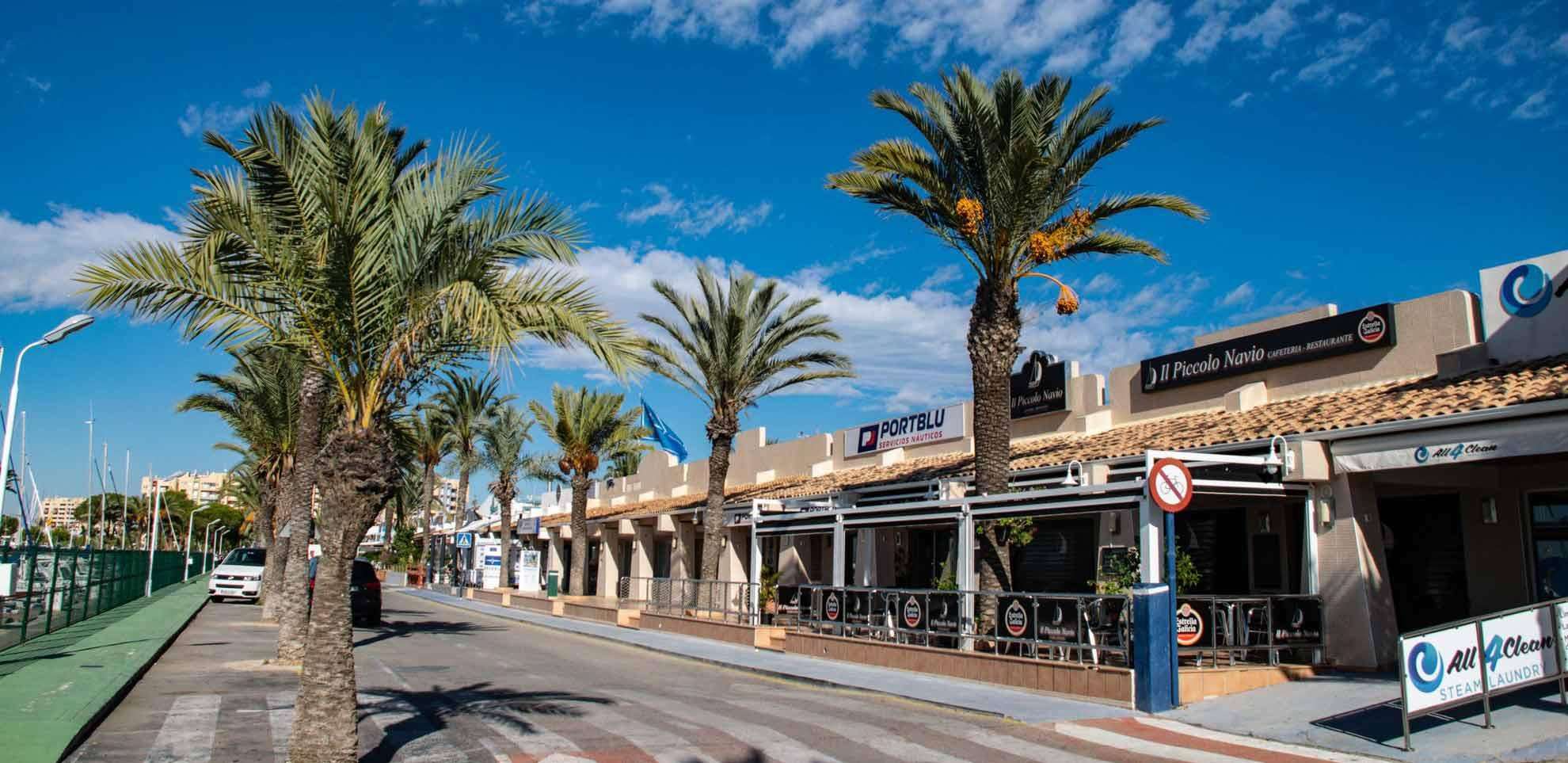
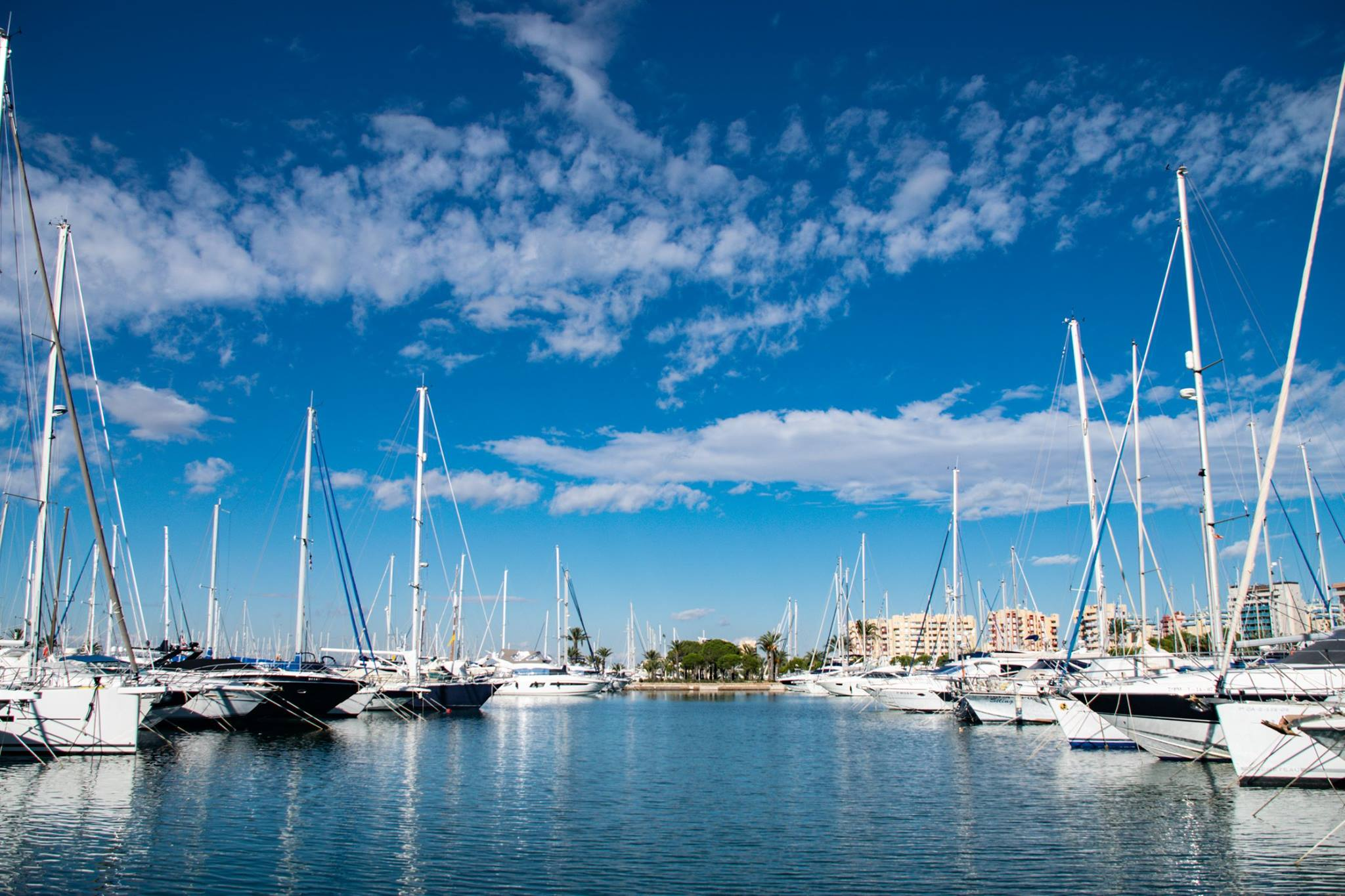
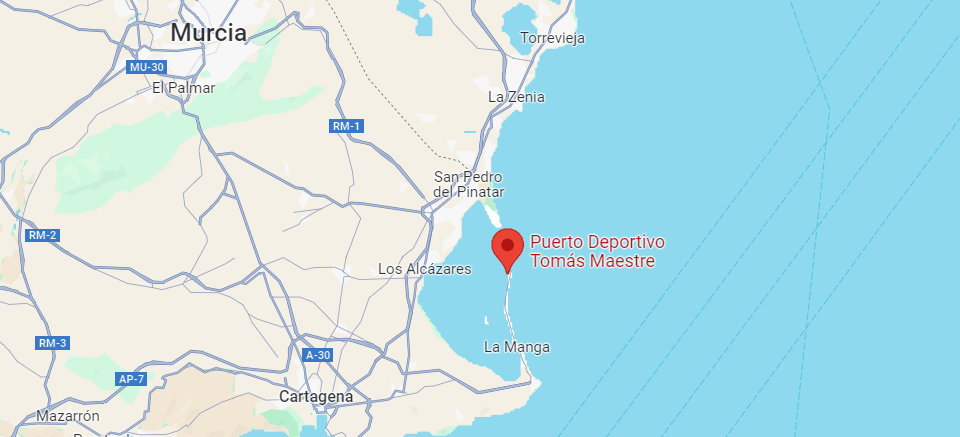
puerto deportivo tomás maestre, in San Javier.

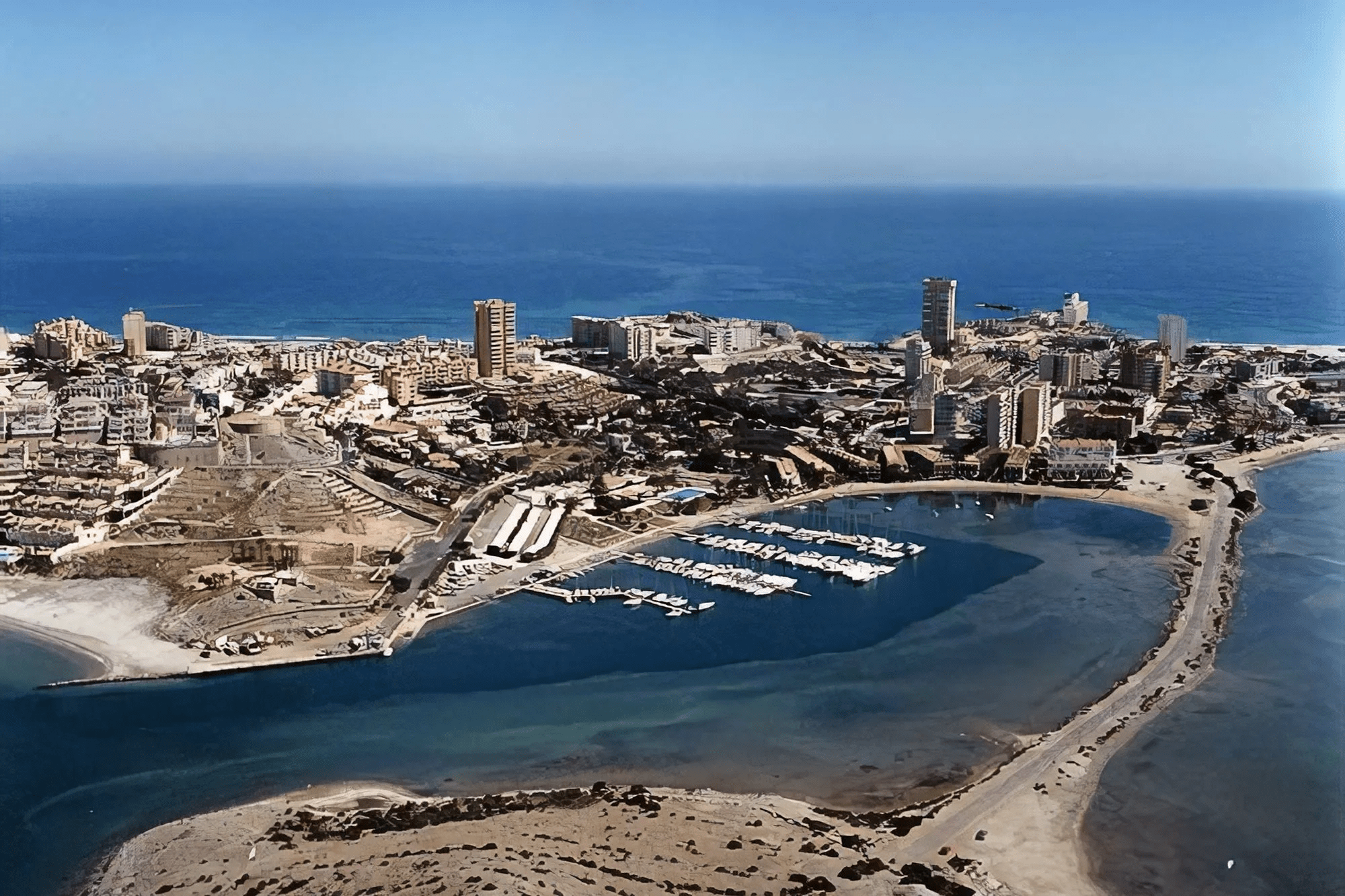
Puerto Deportivo Tomas Maestre: Leisure Oasis in La Manga

Have you ever heard of La Manga Del Mar Menor? This destination, located in the region of San Javier in Murcia, Spain, is well-known for being ideal for water sports, thanks to its unique location between the Mediterranean Sea and the Mar Menor.

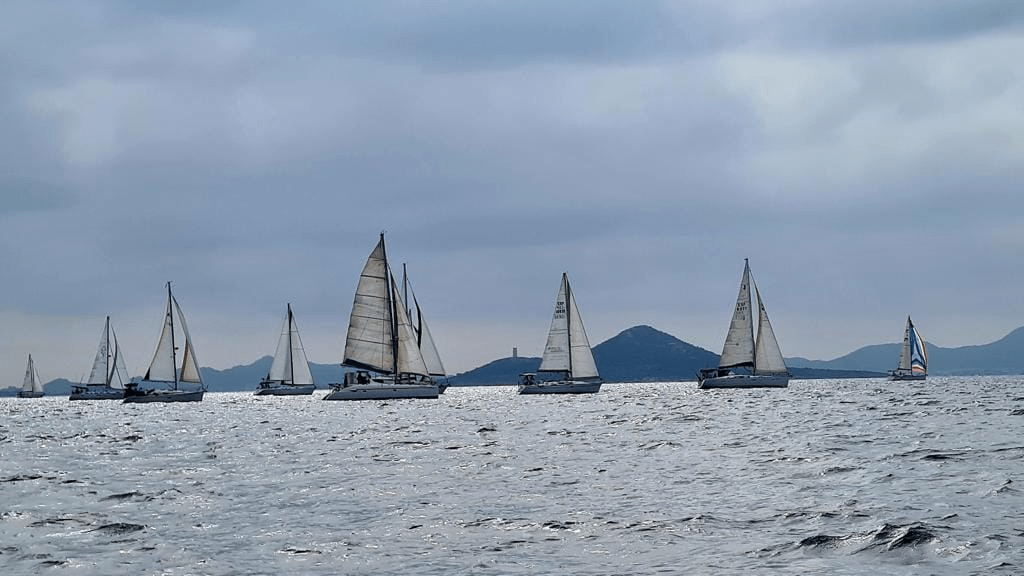
Due to the calm waters and favorable winds, the narrow stretch of land offers ideal conditions for activities such as sailing, windsurfing, and kitesurfing. In addition, it is very popular with people looking for beaches on their vacations.

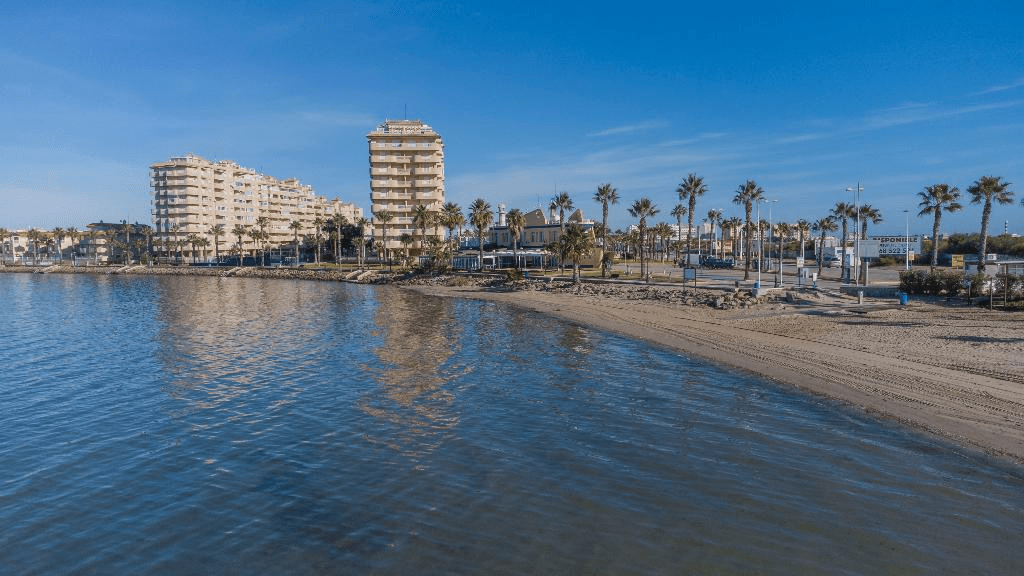
With this in mind, the region has developed a very complete infrastructure with many marinas. One is Puerto Deportivo Tomás Maestre, located at the northern end of La Manga. It is the largest marina in the area and one of the largest and best-equipped in the Mediterranean. The port offers a wide range of services and easy access to both the Mar Menor and the Mediterranean via the Estacio Canal.

On my trip to La Manga, I had the opportunity to get to know and enjoy the entire structure of the port, and today, I will share a little of the experience with you.

Table of Contents

Brief History of Puerto Tomas Maestre

In the 1850s, the area of ​​La Manga Del Mar Menor became private property, with the influential Maestre family acquiring much of the land in the north.

The person responsible for transforming La Manga into its current status as a popular tourist destination is Tomás Maestre Aznar, born in 1925. In 1956, he successfully persuaded his uncle to transfer the rights to the northern part of La Manga, allowing him to embark on his own venture in the area. With the help of Manuel Fraga, who served as Minister of Tourism during General Franco’s regime, Aznar began his development efforts in 1961.

It was with this support from the central government that La Manga was able to establish itself as a thriving tourist center.

The initial proposals for this transformation were given the green light between 1966 and 1968. As a result, the region of La Manga del Mar Menor gradually evolved into its current form, characterized by many beachfront developments, bungalows, shopping centers, and restaurants.

Founded in the 1970s, Puerto Deportivo Tomás Maestre grew into one of the main Mediterranean marinas. Situated at the north end of La Manga, this vast facility offers more than 1,800 boat berths and various services, including—but not limited to—sailing schools, boat rentals, restaurants, and shops. The port is accessed through Canal del Estacio, which links Mar Menor to the Mediterranean, thus facilitating easy and quick access for sailors.

Services Offered

One of the things I found most interesting when visiting Porto Deportivo Tomar Maestre was the amount of things the resort offers. Even for me, who doesn’t have a boat and knows little about sailing, there was no shortage of options to keep me entertained.

Commercial Zones

Commercial Zones
Puerto Deportivo Tomas Maestre

Puerto Tomás Maestre has two commercial areas: Cornisa de Levante and Cornisa de Poniente. Puerto Tomás Maestre has two shopping areas: Cornisa de Levante and Cornisa de Poniente. Both areas are complete – you can find everything you need, from shops to food, there. These areas are a paradise for boat lovers, as you can find all kinds of shops and boating facilities there.

Manga Norte Restaurant - One of the many options Puerto Tomas Maestre has in you comercial zone
Manga Norte Restaurant – One of the many options Puerto Tomás Maestre has in your commercial zone

Visitors and users will find various gastronomic options in these areas, including restaurants, seafood restaurants, ice cream parlors, and cafes. There are 16 options, covering all tastes and budgets.

One of the restaurants I liked the most was Manga Norte Restaurant. The gastronomic experience was incredible. All the dishes my family and I ordered were very tasty, and we had very pleasant service.

In addition, there are two boutiques, Cosas and Otapana, which are clothing and nautical equipment stores, as well as laundry, pharmacy, and ambulance services.

Sailboat Rentals and Nautical Schools

The port is home to 12 highly rated sailing charter companies and schools offering various options for learning and practicing water sports. The Escuela Náutica el Marino, for example, is the first sailing school in the Murcia region. With many years of experience, it offers a complete structure for those who want to learn to sail.

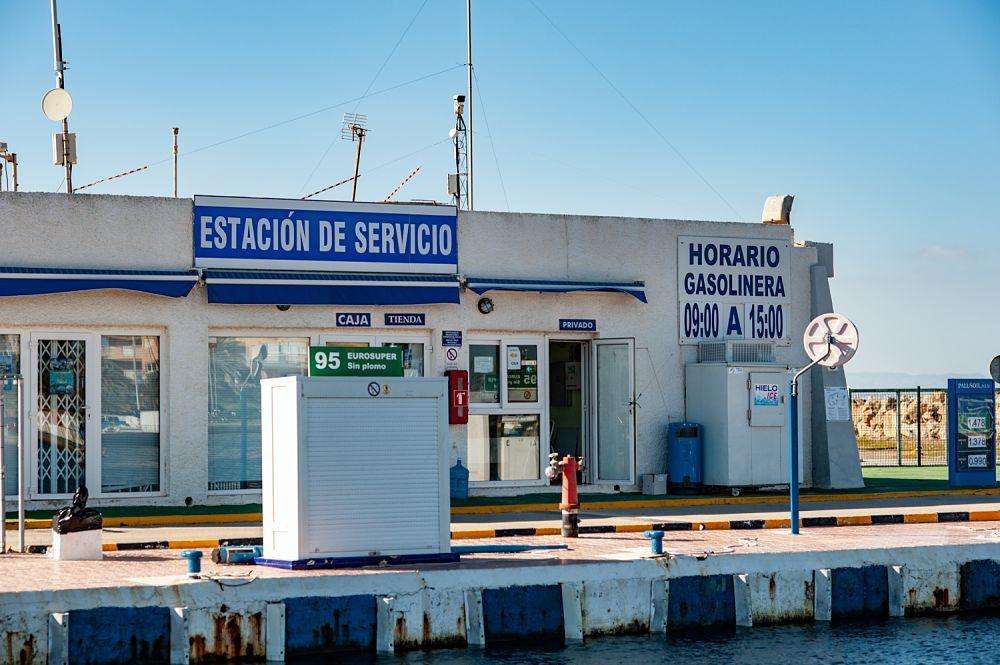
Gas Station

Open 365 days a year, the station offers diesel and gasoline for fishing and large vessels. The Mini Market provides ice, drinks, food, lubricants, and nautical materials.

Services for Users

The port has many facilities:

  • Water and electricity supply.
  • Service buildings, 24-hour marina, and parking.
  • Garbage collection, weather information, VHF channel 9, public telephone, access stairs, fire-fighting, and first aid system.
  • There is a repair area, gas station, toilets, showers, Wi-Fi, video surveillance, waiting dock, swimming pool, gym, spa, beam lift, and crane.
  • Correspondence and captaincy.

Mooring

For those who own boats, the port offers around 1,800 berths for vessels ranging from 7 to 30 meters long, with two waiting piers for larger vessels. The area accommodates different sizes of boats, providing a pleasant environment for walks and meetings of different nationalities.

Nautical Services

In the extensive Industrial Zone, many companies, including two of the best nautical companies in the region, offer mechanical and electrical repair, painting, and osmosis treatment services. The dock area, both internal and external, has a 5-ton “bridge crane,” a 10-ton “feather crane,” an 80-ton “TraveLift,” and another 12 tons.

Location of the Port

Location of puerto deportivo tomás maestre, in San Javier. Puerto Deportivo Tomás Maestre is situated at the northern tip of La Manga del Mar Menor. Its privileged location allows easy access to the Mar Menor and the Mediterranean Sea via the Canal del Estacio.

The port is surrounded by beautiful landscapes and beaches. It is a 3 to 5-minute walk to the beaches of Playa Mistral and Playa Del Estacio and a 5-minute drive from Playa Ensenada del Esparto. Its rich marine biodiversity makes it an ideal starting point for exploring the calm waters of the Mar Menor or venturing into the open waters of the Mediterranean.

Puerto Deportivo Tomas Maestre Is in a Region of Great Leisure

If you plan to visit the port but don’t want to stay there, that’s not a problem. In addition to this incredible port, the La Manga del Mar Menor region is a destination full of leisure options. The region has many beaches, most of which are well-equipped with lifeguards, public restrooms, and spaces for people with reduced mobility, among others.

The region is also well-known for offering a variety of activities, from water sports to golf (such as at La Manga Club) and relaxation in luxurious resorts.

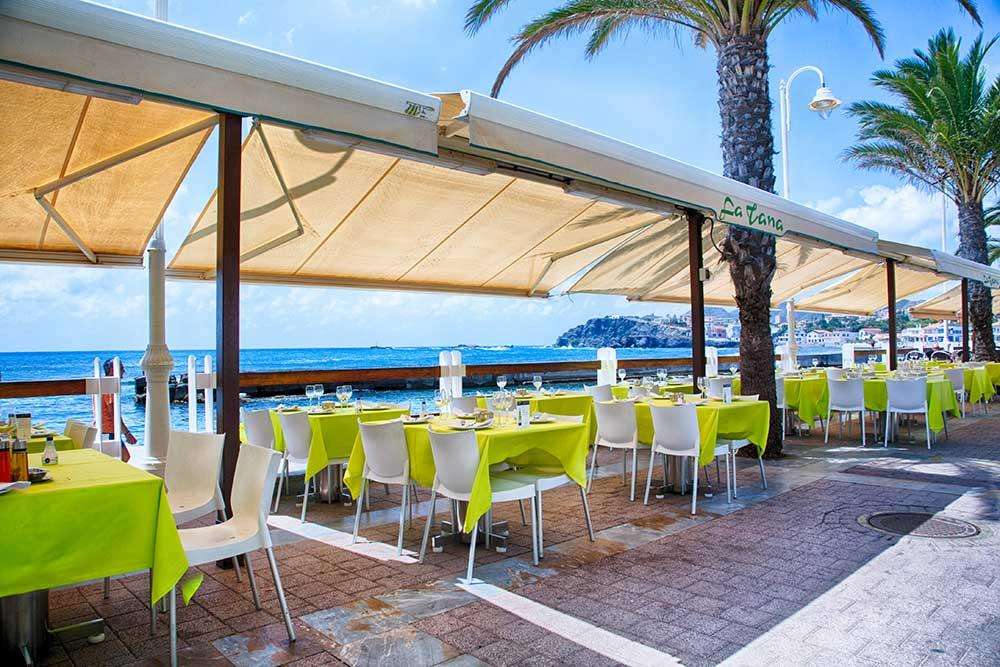
Gastronomy is another highlight of the region. Famous restaurants such as La Tana Restaurant, which specializes in seafood, and Paquebote, known for its Mediterranean cuisine, offer unforgettable culinary experiences.

The experience of visiting this region of Murcia is simply incredible and complete.

Puerto Deportivo Tomas Maestre: A Must Go!

The port is a starting point for nautical adventures and a vibrant sightseeing, shopping, and relaxation place. Its diverse dining and leisure options make it a perfect destination for sea and water sports lovers. If you plan a trip to the La Manga region, visiting the port is a must-go! The facilities, the friendly staff, and all the activities available there will not disappoint you!

Enjoy Your Private Paradise in Villa Murcia!

Piscina com água

O conteúdo gerado por IA pode estar incorreto.

Looking for the perfect place to stay in Murcia? We’ve got just the spot for you!

Villa Murcia – Your Private Paradise

Wake up to coffee on a sun-drenched terrace, unwind in a warm jacuzzi after a day of exploring, and end your evenings with dinners in the summer kitchen. Nestled in charming Santiago de la Ribera, Villa Murcia offers more than just a holiday—it’s your personal oasis of comfort, style, and unforgettable moments.

Highlights:
✔ Spacious living room with a large sofa and open kitchen – perfect for shared memories
✔ Three elegant, air-conditioned bedrooms with private terraces – your peaceful retreat
✔ Extra fold-out sofa in the living room – ideal for additional guests

Whether it’s a romantic escape, a family getaway, or a relaxing break with friends – Villa Murcia is your dream stay.

Book now and experience the magic of the Spanish sun!

Read More
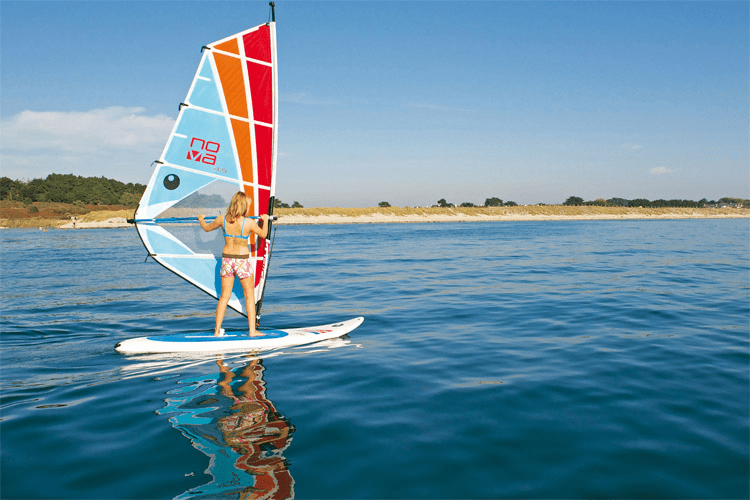
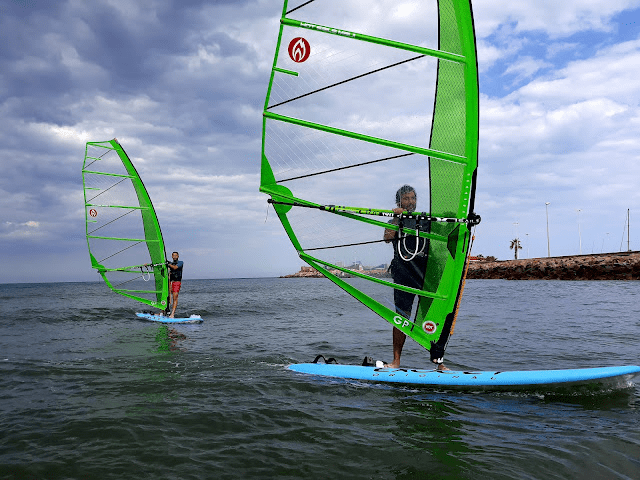
picture of a person doing windsurf

Windsurfing Murcia: Best Spots

Windsurfing is one of the most attractive sports for those looking for adrenaline. However, many factors need to be considered in order to practice it, including the equipment used, the place, and the climate conditions. Good winds and a clean space without many tourists bathing are must-haves for a good experience with windsurfing.

Murcia, Spain, is one of the best places to find these and have a great experience, whether as beginners or experienced windsurfers. There are various stunning beaches around the region of La Manga and Mar Menor that are considered paradise for watersports fans.

Here, we will show you everything you need to know for the perfect experience when windsurfing at any beach in the region of La Manga. This guide will include the best spots, when to visit the beach, and everything you need for the best vacation ever, whether you’re a beginner in the surfing world or an experienced professional with the board.

Here’s what you need to know about windsurfing in Murcia:

Table of Contents

Is Windsurfing in Murcia for Everyone?

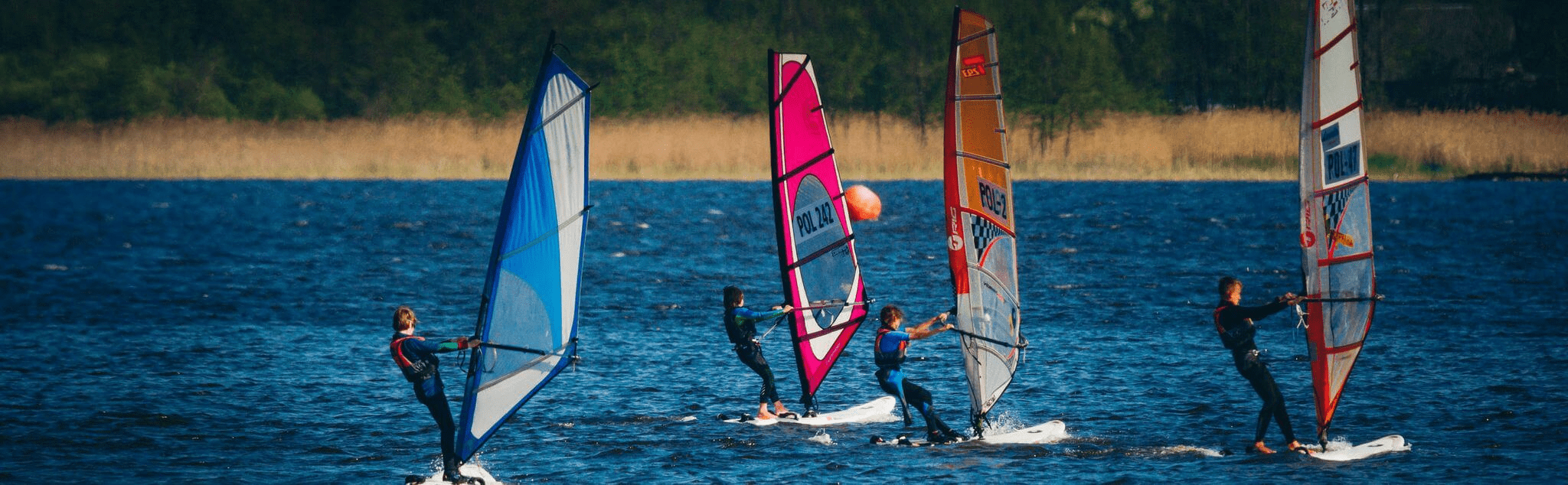
picture of multiple people windsurfing together

As we mentioned, Murcia offers the perfect sport experience for all kinds of people, from beginners to experienced surfers. However, some aspects should be considered, especially if it’s your first time with a windsurfing board.

Taking children to do this sport is not recommended as it can be dangerous, especially depending on the beach of your choice. They can have strong winds and waves that can give a tough time even to the more experienced divers.

Some schools and equipment rental companies offer options for kids and teenagers, including body suits, boards, and everything else you need to enjoy your activities in the water. Remember to always be careful and keep an eye on your kids if you plan on taking them to the activity with you.

What You Need for Windsurfing

image of two windsurf boards

As you know, windsurfing is an extreme sport that requires proper equipment and preparation. Whether you want to sail the sea and have casual fun in the water or you’re an experienced enthusiast looking for the best way to experience it, finding the right equipment and following the recommendations are always important.

First, you’ll need a board and a sail attached to it. The sails use the force of the wind to keep you moving in the water and gain speed to travel across waves and the water.

It is also strongly recommended to use a proper suit. It is the same suit you use to dive or practice other watersports, like scuba diving or kitesurfing, for example.

They not only help preserve body temperature in the water, which is essential, especially in the winter, but they also protect you from the sun’s UV light, which can be very high during summer. This makes them a must-have during all seasons for both enthusiasts and professionals. Don’t forget to take sunscreen with you to avoid sun damage.

Best Beaches for Enjoying Windsurf

image of a person windsurfing at the beach

As we mentioned, Murcia is the perfect area for windsurfing and for finding fun things to do during your trip. But which beaches are the best ones for the sport and have the best water conditions?

Here, we will answer those questions and give you some life-saving tips for the best experience. Make sure to take a look at each one, and you’ll surely embark on an unforgettable vacation.

Darsena de Dos Mares

image of Darsena de Dos Mares beach

Located in the famous region of La Manga, Dársena de Dos Mares is one of the best beaches for those looking for soft sand on their feet and agitated sea to practice extreme sports.

The place features a gorgeous view of the area’s natural beauty, and the shore is perfect to begin to learn the basics of standing on a board.

The farther you go, the bigger the waves you’ll find, being an excellent option for all levels of skills when it comes to windsurfing or any other sport of this kind. It’s a great option and is near many different beaches in the area, so you can always find something new to do. It is also near the center of Cartagena, which can be very helpful when taken into account.

Los Alcázares

image of Los Alcazares in Murcia

Los Alcázares might be the perfect place if you’re a beginner in windsurfing and are looking for a school or course to learn more about the sport. This place is very sought-after because the waters are calmer than La Manga and because it has some of the best schools for teaching watersports.

But that’s not the only reason this beach is a must-go in Spain. It is also one of the most gorgeous, and you’ll find everything you need to spend the day without going anywhere else. Food, drinks, activities, and everything here are perfect for tourists of all ages and profiles, whether they want to spend an hour or the entire day on the beach.

It is one of the best destinations for the sport and our personal recommendation if you’re visiting Murcia. I had an incredible time there and will definitely go back on my next vacation in Spain.

Puerto de Mazarrón

picture of Puerto de Mazarron in Spain

Our last suggestion is another of the most visited places in Murcia, with stunning views and a variety of activities that you won’t find anywhere else. The place is a reference for boat cruising and water activities, so it is no surprise that it is also one of the most attractive places for windsurfers.

It also has one of the most active nightlife in the entire country, so whether you choose to spend the day at the beach or enjoy the lights during the evening, this place will offer you infinite possibilities of what to do and where to go. The best part is that it is also close to Cartagena, so you can take a quick ride and see all the places listed above without having to travel long distances.

But what really attracts people to Puerto de Mazarrón are the courses available in every corner of the coast. If you’re a beginner and want to learn more about the sport, this is the place to stay. There are dozens of courses available, including some of the most complete ones that can turn people into experienced windsurfers in a few weeks.

Windsurfing School and Activity Suggestions

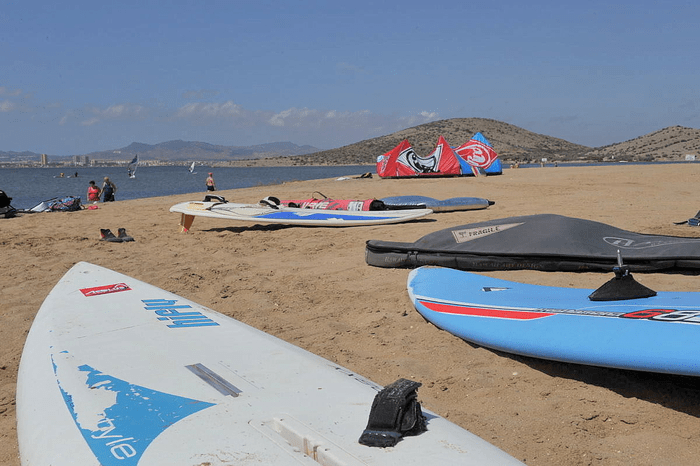
picture of multiple boards in the sand at the beach

Don’t know where to start when visiting Mar Menor for windsurfing? Don’t worry. We’ve got you covered. Whether you just want to rent equipment to practice the sport or take complete lessons to get better at this incredible activity, there’s always the perfect place in Murcia for that.

Here are our favorite ones and the main details you need to know:

Los Alcazares 5-Day Course

Los Alcazares Beach offers one of the best course options if you’re a beginner and want to learn more about the basics. Right at the coast, you can find a 5-day course that will take you through all the basics and make you improve in every aspect. It is more indicated for beginners as they teach the more fundamental aspects of the sport and don’t sail in strong winds.

Prepare for ten hours in the water, learning everything you need to start becoming a professional windsurfer. The course works on a 2-hour basis, totalizing the ten hours after five days. The starting hour and the dates will depend on the weather conditions. The total price is 90 euros per person, and you can check the official page of the activity to learn more about it.

Jaws School

Jaws School is another great option for beginners and intermediate surfers looking for help improving their abilities. It is one of the main watersports schools in Murcia and is located in San Pedro del Pinatar, a famous tourist spot in Spain.

The prices vary depending on the level, sport, and time and can go from 90 to 150 euros per person. You can also check their website to check the availability of the lessons.

Equipment Rental in La Manga

If you only need the equipment instead of complete lessons, La Manga has the perfect alternative. The rental store is in the middle of the region, and you can take it to any beach on the coast. It’s the perfect deal if you want to enjoy the Mediterranean winds and landscapes using professional equipment.

The rental costs 18 euros per board and gives you the right to use the equipment for 60 minutes. You can always rent it for more time as long as there are no reserves and the equipment is available.

Enjoy Your Private Paradise in Villa Murcia!

Piscina com água

O conteúdo gerado por IA pode estar incorreto.

Looking for the perfect place to stay in Murcia? We’ve got just the spot for you!

Villa Murcia – Your Private Paradise

Wake up to coffee on a sun-drenched terrace, unwind in a warm jacuzzi after a day of exploring, and end your evenings with dinners in the summer kitchen. Nestled in charming Santiago de la Ribera, Villa Murcia offers more than just a holiday—it’s your personal oasis of comfort, style, and unforgettable moments.

Highlights:
✔ Spacious living room with a large sofa and open kitchen – perfect for shared memories
✔ Three elegant, air-conditioned bedrooms with private terraces – your peaceful retreat
✔ Extra fold-out sofa in the living room – ideal for additional guests

Whether it’s a romantic escape, a family getaway, or a relaxing break with friends – Villa Murcia is your dream stay.

Book now and experience the magic of the Spanish sun!

Time to Start Windsurfing

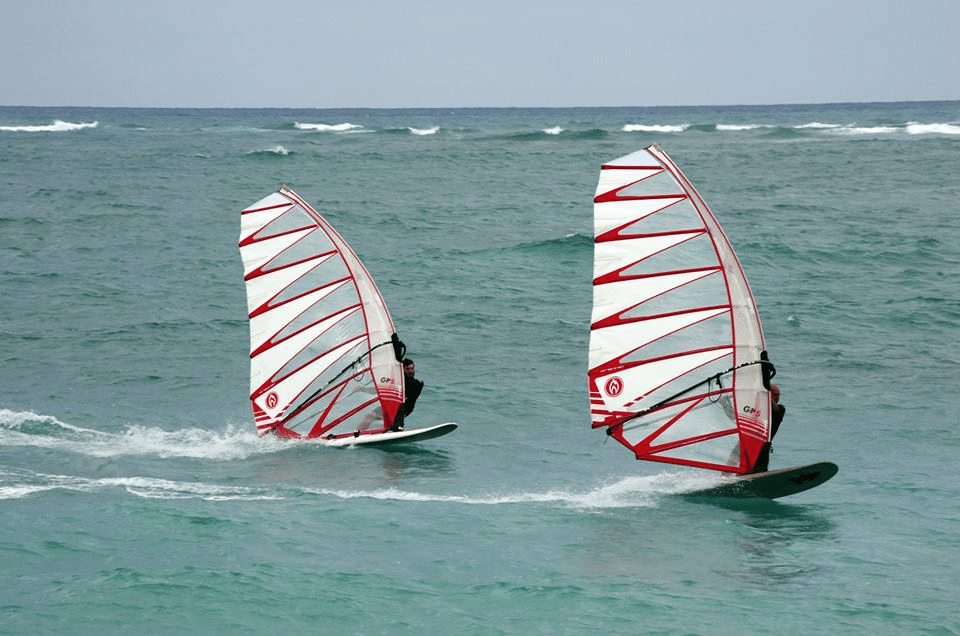
picture of multiple people windsurfing

Murcia’s winds will surely surprise any watersports fan looking for a place to spend their vacation and enjoy the adrenaline of these extreme sports. There are many possibilities for all kinds of public, from beginners to professionals.

The place is also famous for its weather and water conditions, which are perfect for this kind of practice. If you’re deciding where to spend your next vacation, there’s no doubt: this is the best place to go.

Now that you know everything, it is time to pack your luggage and prepare your equipment. Remember that this is a risky sport. Always follow all the recommendations and rules to ensure a good experience for yourself and those around you.

Read More
The Punic Wall

The Punic Wall of Cartagena: A Jewel of Antiquity

Located in the Murcia region of southeastern Spain, Cartagena is a city steeped in history and archaeology, making it one of the richest in the country. The Punic Wall (Muralla Púnica in Spanish) is a significant historical artifact among its treasures—a tangible trace that depicts the Carthaginian presence in the Iberian Peninsula. This piece delves into the historical and archaeological significance of the Punic Wall in Cartagena, and today, what remains of this historic wall is available to visit.

I had the opportunity to visit this space when I was in Cartagena, and discovering this part of the history of the Carthaginian civilization was a very cool moment. Today, I share with you what I learned.

Table of Contents

Origin and Construction

This wall’s history is based on many events that occurred in the BC period. It is a very complex and long story, but without going into all the details, I will summarize it for you.

The Punic Wars were conflicts between Rome and Carthage for control of the Mediterranean Sea. The name of the war comes from the name “puni” that the Romans gave to the Phoenicians. Carthage, located in North Africa, was an ancient Phoenician colony.

Rome and carthaginian civilization fought three wars (First Punic War, Second Punic War and Third Punic War)
O Príncipe Historiador

Rome and Carthage fought three wars throughout the 3rd and 2nd centuries BC, demonstrating the two cities’ military strength. The Romans defeated the Carthaginians at the end of the Third Punic War, destroyed the Carthaginian city, and conquered North Africa, expanding their dominions over the Mediterranean Sea.

The construction of the Punic Wall of Cartagena began in the late third century BC (around 227 BC) when the city was founded by Hasdrubal the Fair, a Carthaginian general who was also the brother-in-law of Hannibal Barca. In a brief period, Qart Hadasht (New city of Carthage), or Cartagena, became one administrative and political capital of Carthaginian interests in the Iberian Peninsula during the Punic Wars against Rome. This was because the city was located on a peninsula in the middle of a bay and had five hills, two of which were at the entrance to the isthmus, thus presenting a strategic point for military defense.

In this context, during the brief Punic rule over Cartagena (227-209 BC), the Carthaginians decided to fortify the Barcid capital in the Iberian Peninsula with a wall surrounding the town. The Punic Wall protected the city from enemy attacks and invasions, a sign of Cartagena’s strategic importance. Made mainly of sandstone, the original wall was about 3 meters wide and approximately 6 meters high, with defensive towers distributed along its perimeter. This defensive structure demonstrated Carthaginian military power and engineering, making it one of the most advanced fortifications of the time.

The ruins of the Punic walls that can be seen today belong to the stretch of land that extended to the entrance to the isthmus, between the hills of San José (Saint Joseph) and Monte Sacro (in ancient times called Aletes and Baal, respectively). During archaeological excavations, evidence of a fire was found, possibly during the battle or the looting that followed.

Archaeological Discoveries

The first significant excavations of the Punic Wall began in the 20th century, although some sections were already known. The archaeological effort has uncovered more than just the wall’s physical dimensions but also several relics—all contributing to a better understanding of what life in ancient Cartagena would have entailed.

An excavation on Calle San Diego 1987 revealed a large wall section, now known as the Punic Wall Interpretation Centre, part of the touristic consortium Cartagena Puerto de Culturas. The center provides information on the wall’s structural and operational aspects through its exhibits, which include artifacts unearthed at the site, including pottery, weapons, and household utensils.

Historical and Cultural Importance

The Punic Wall
Turismo E Region De Murcia – Between the two walls were the casemates, or inner rooms, used to house troops and store supplies and weapons.

The Punic Wall in Cartagena is one of the few examples of Carthaginian military architecture that remains to this day beyond the borders of Tunisia. Its preservation provides valuable insights into the military engineering and defensive strategies adopted by an important civilization of the ancient Mediterranean world. Furthermore, this wall constitutes evidence that reflects the great conflicts that took place between Rome and Carthage, both seeking control of the Western Mediterranean during the period known as the Punic Wars, which tells the story of many other magnificent structures lost to time.

Carthaginian rule was crucial as a naval base and a staging post for military expeditions into the Iberian Peninsula. The city was an economic and military hub, essential to Hannibal’s efforts during his famous campaign against Rome, including the march across the Alps.

Punic Wall Interpretation Center

punic wall interpretation centre
Turismo E Region De Murcia

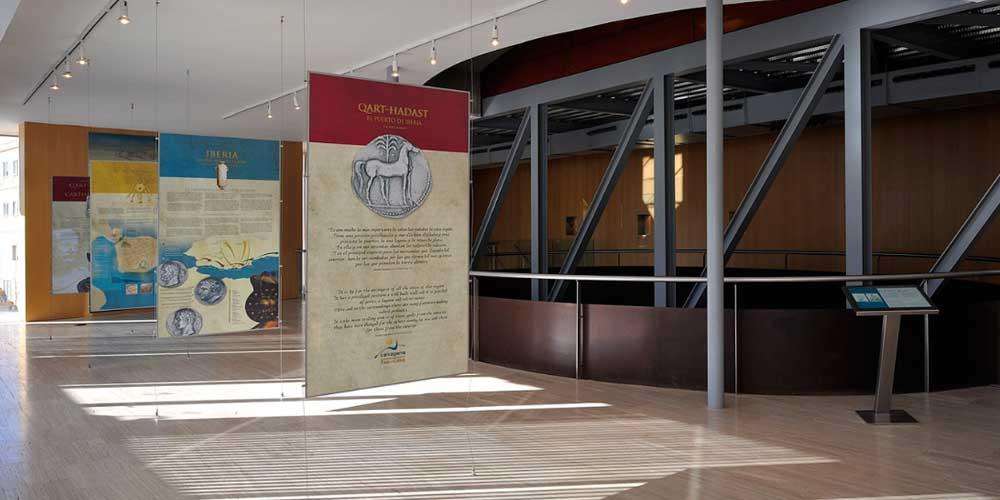
I explored a well-preserved section of the wall in the Interpretation Centre. In addition to the ruins themselves, the center offers detailed exhibits on the wall’s construction, function, and history. Exhibits include archaeological artifacts found during excavations, such as pottery, weapons, and household items.

Interactive Experience

The center enriches the visitor experience with a combination of traditional displays and modern technology. Virtual reconstructions, information panels, and interactive features bring history to life (and make the experience very fun!). I opted for a guided tour, which lasted approximately 30 minutes and provided an in-depth understanding of the Punic Wall’s historical and cultural significance.

Entry Fees

The cost of visiting the center is very affordable. I was with my family and had a discount on entering the center. Here are the prices:

  • General entry: €3.50
  • Reduced entry (for children under 12, students up to 25, Youth Card and Youth Card +, unemployed, pensioners, retired people, disabled people, large families (2 or more adults with 2 or more children under 12), large family card and groups of 20 people or more): €2.50
  • Children under 3, official tourist guides, and members of the Club Cartagena Puerto de Culturas (except activities) are admitted free of charge.

Opening Hours

You can visit the center the whole year:

  • High season (1 July to 15 September): Monday to Sunday, 10:00 am to 8:00 pm.
  • Mid season (15 March to 30 June / 16 September to 1 November): Tuesday to Sunday, 10:00 am to 7:00 pm. (Holy Week: Monday to Sunday)
  • Low season (2 November to 14 March): Tuesday to Sunday, from 10:00 am to 5:30 pm.

Accessibility

The Punic Wall Interpretation Centre is committed to accessible tourism, providing several facilities for visitors with special needs:

  • Elimination of architectural barriers: Ramps, glass floors, and balconies for a complete view of the remains from the upper floor.
  • Adapted bathrooms.
  • Audiovisual resources: With subtitles and voiceover in Spanish and English, catering to people with hearing and visual impairments.
  • Reduced rate: For people with disabilities, upon presentation of official accreditation.
  • Access permitted with guide dogs: With corresponding accreditation.

Audio Guides

For a more personalized and informative visit, the center offers audio guides in four languages: Spanish, English, French, and Russian. The cost of the audio guide is €2.

A Dive Into The History of Cartagena

The entire region of Cartagena (the whole of Murcia, in fact) is full of history and many opportunities for rich learning. If you plan to travel through the region, visiting this historic site is worth it. Many agencies offer package tours that include the wall. In addition to taking you down to the macabre ruins, these tours typically visit the Roman Theatre of Cartagena (Teatro Romano de Cartagena) and Casa de la Fortuna, which recreates first-century Roman life.

Today, the Punic Wall is a major tourist and educational destination in Cartagena. The Punic Wall Interpretation Center offers visitors the opportunity to explore the ruins and learn about the history of Carthage and its influence on the Iberian Peninsula. The center uses a combination of traditional exhibits and modern technology to bring history to life, including virtual and interactive reconstructions.

Enjoy Your Private Paradise in Villa Murcia!

Piscina com água

O conteúdo gerado por IA pode estar incorreto.

Looking for the perfect place to stay in Murcia? We’ve got just the spot for you!

Villa Murcia – Your Private Paradise

Wake up to coffee on a sun-drenched terrace, unwind in a warm jacuzzi after a day of exploring, and end your evenings with dinners in the summer kitchen. Nestled in charming Santiago de la Ribera, Villa Murcia offers more than just a holiday—it’s your personal oasis of comfort, style, and unforgettable moments.

Highlights:
✔ Spacious living room with a large sofa and open kitchen – perfect for shared memories
✔ Three elegant, air-conditioned bedrooms with private terraces – your peaceful retreat
✔ Extra fold-out sofa in the living room – ideal for additional guests

Whether it’s a romantic escape, a family getaway, or a relaxing break with friends – Villa Murcia is your dream stay.

Book now and experience the magic of the Spanish sun!

.

Read More
Interpretation Center of the Punic Wall | The History of Cartagena

Interpretation Center of the Punic Wall | The History of Cartagena

Cartagena is likely a city with some of the most important and vast cultural heritage from all of Spain and even the Mediterranean coastline. Shipwrecks, antique settlements, and a rich history characterize this wealthy city of the Murcia shore; thus, it’s a must-visiting destination you should meet this next season.

One of the buildings you can’t stop visiting is the Interpretation Center of the Punic Wall, an architectural-modern structure whose objective is to preserve a crucial part of the fortifications of the old city: the Punic Wall.

This center plays an important role in preserving the cultural heritage of the city and Spain. It is also a landmark of the ancient history of the cultures that coexisted in the territory. In the lines below, we discuss everything about this precious center.

Table of Contents:

What Is the Interpretation Center of the Punic Wall?

The ancient Punic Wall in Cartagena

The Punic Wall Interpretation Center in Cartagena, Spain, is a recovery, memory, and rehabilitation site whose main purpose is to preserve the rest of the Carthaginian wall, dating from the 3rd century BC.

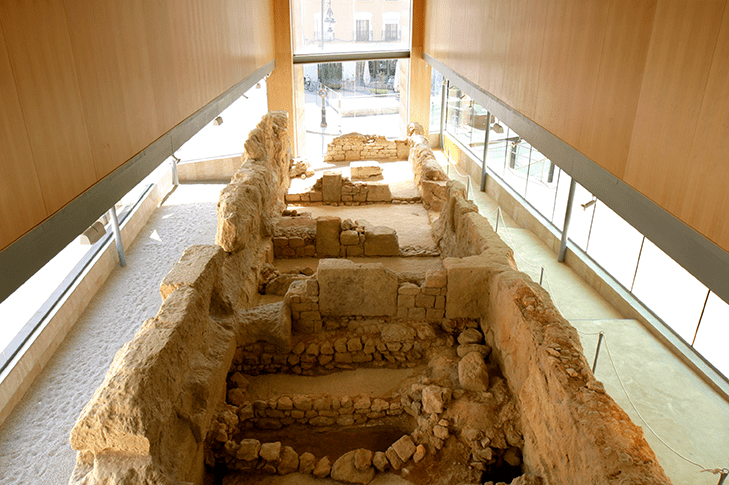
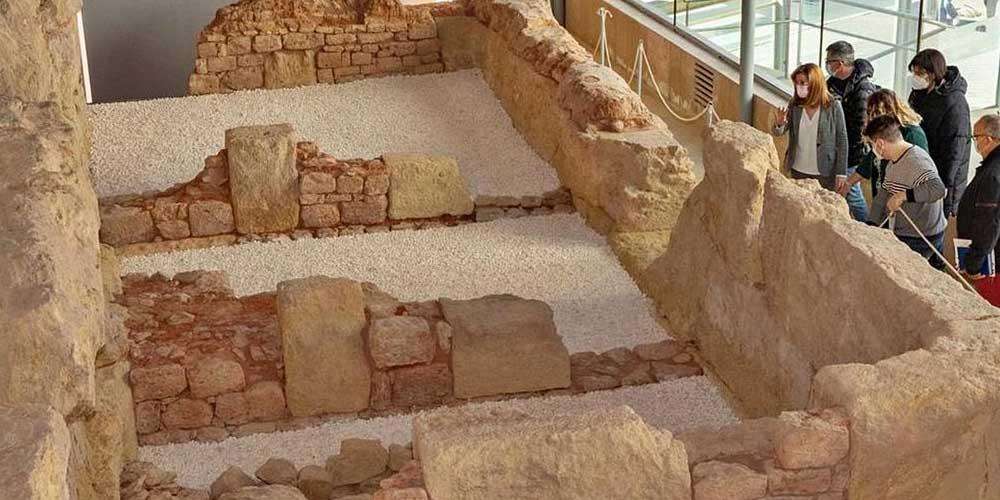
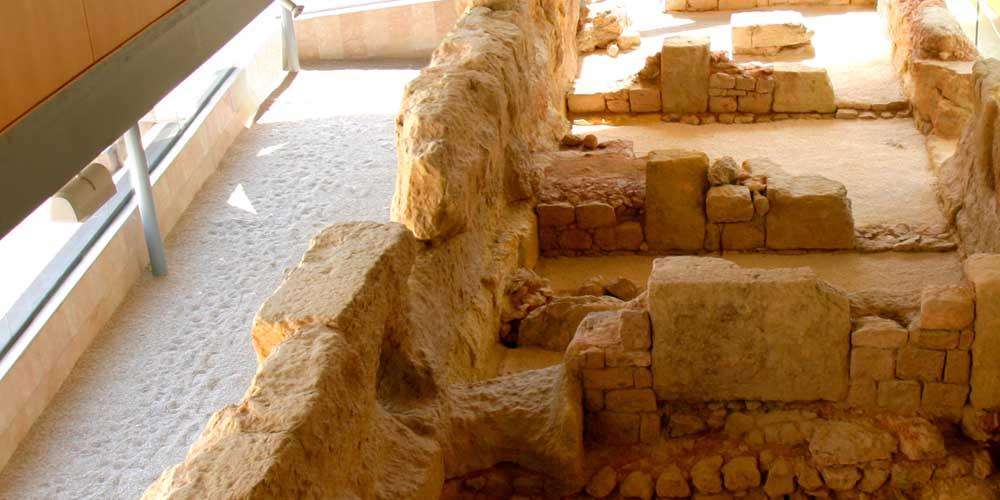
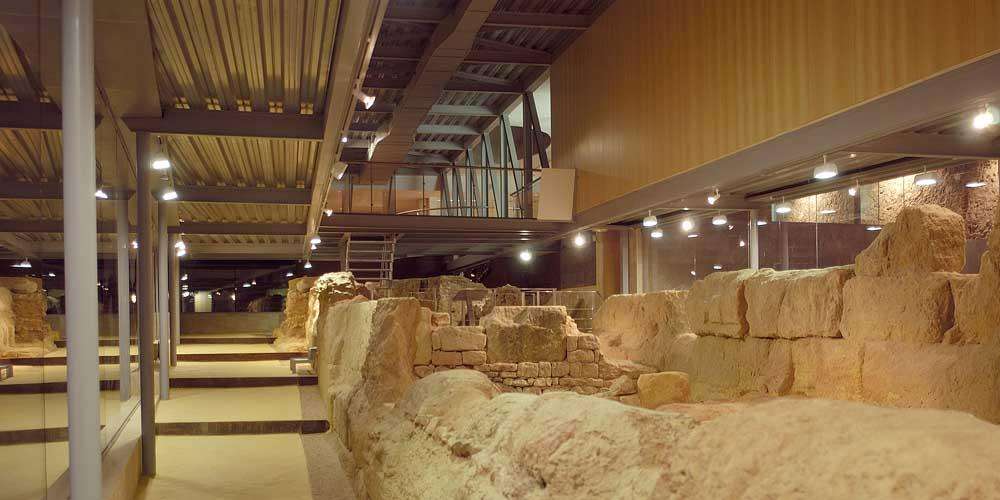
The Punic Wall Interpretation Centre effectively safeguards a 30-meter section of the original wall, which extended until the entrance of the isthmus between the Monte Sacro and San José hills.

The major wall consisted of two walls separated by 3 meters. Between the two walls were the casemates, or inner rooms, where the troops rested and stored supplies and weapons.

The Interpretation Center of the Punic Wall is part of the consortium Cartagena Puerto de Culturas.

What Were the Punic Wars?

The Punic Wars were war conflicts between the two powers that ruled the Mediterranean Sea in the 3rd century BC: the Romans and the Carthaginians. Most of the battles occurred in the Iberian peninsula, where the Carthaginian civilization destroyed and built cities to ensure its control of the region.

The Punic Wall, located in Cartagena, Spain, is a relic of the Second Punic War, which lasted between 218 and 201 BC. At that time, in 229 BC, Asdrúbal Barca, a Carthaginian general, founded the city of Qart Hadast (the current Cartagena). Under the Carthaginians, the city soon became the administrative and political capital of the south of the Iberian peninsula, and the wall was a perfect place to store weapons and supplies. It also served as a base of operations and the winter barracks of the armies.

In this context, Asdrúbal built the Punic Wall in 216 BC to protect the settlement from the Roman attacks led by the brothers Cneo and Publio Cornelio Escipión. However, the Punic Wall (La Muralla Púnica, in Spanish) failed to contain the attacks of the Roman General Scipio Africanus.

This archaeological site shows the ruins of this wall after the battle and through the years.

The Wall Remains

A small section of the Punic Wall in Cartagena

The Wall Remains is likely the most important Carthaginian archaeological site in Spain and the area. It is also the gem of the Interpretation Center since it reflects and tells an important part of the city’s and peninsula’s history.

This wall has a Hellenic design. The main material is sandstone extracted from local quarries. The original wall was over 3 meters high. The ruins you can see nowadays have a length of 30 meters and show clear signs of fire, probably due to the battle carried out there in the Second Punic War.

The Saint Joseph Crypt

The Saint Joseph Crypt at side the Punic Wall

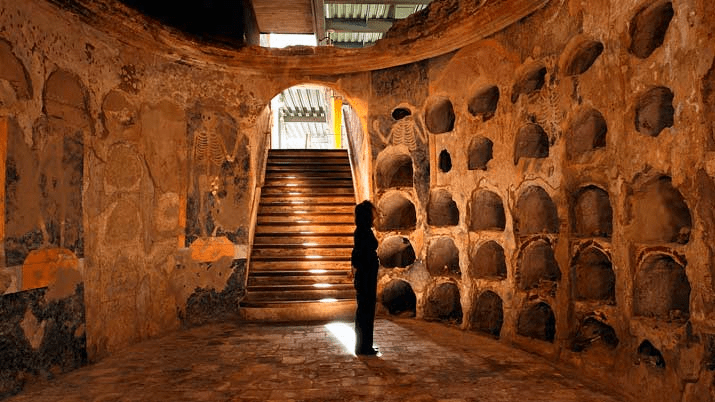
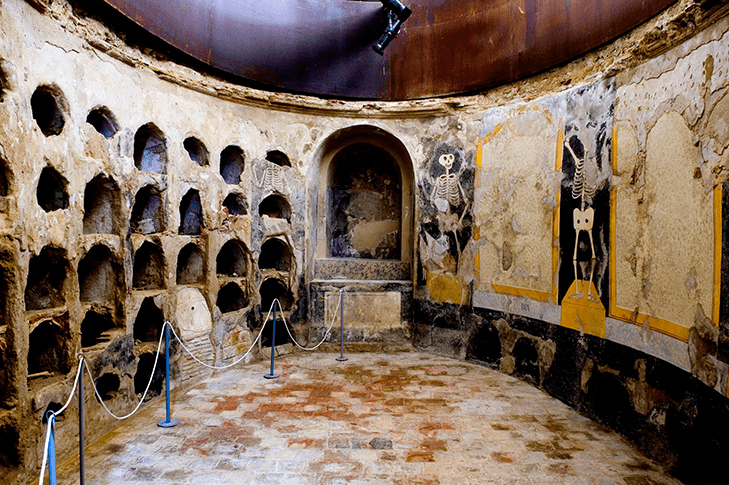
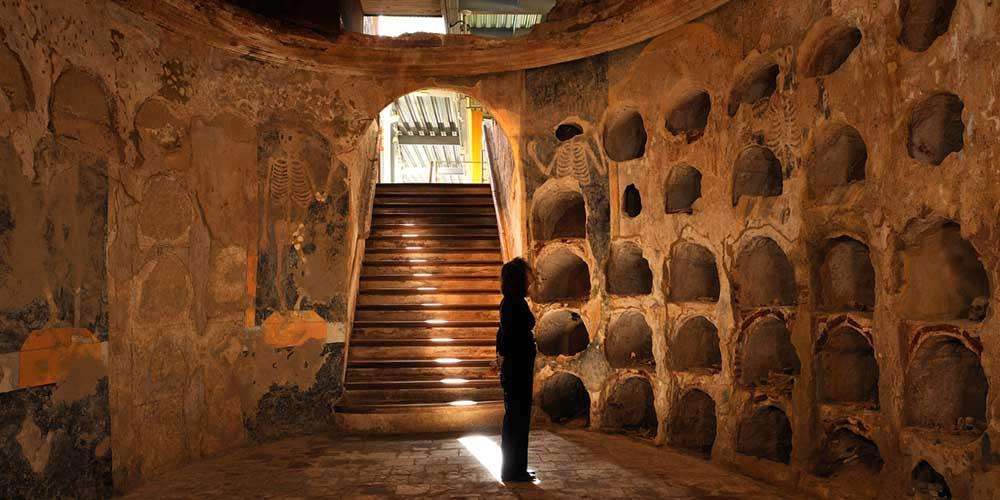
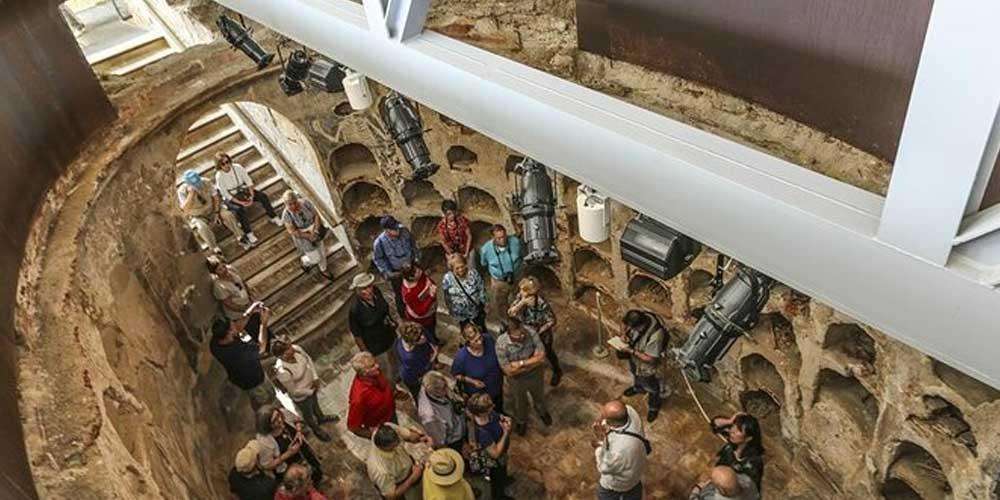
Next to the wall, and as an integral part of it, you can witness the funerary burial crypt of the hermitage of San Joseph. The Brotherhood reserved this space for its members. The wall dates from the 16th and 17th centuries. Its walls offer a dreadful representation of the Dances of Death.

This burial area was found during the excavations of the Carthaginian walls and presented a completely new scenario where ancient and Christian cultures met and nurtured each other. Let us remember that Rome was later the capital of the Christian religion.

This site has 110 burial niches spread over the two walls that built this elliptical crypt. Most of them are very narrow. The corpses were deposited within the niches inside wooden coffins and with plenty of funeral offerings, such as crosses, rings, and medals of saints.

Paintings depicting the “Dance of Death,” decorate the main walls of the niche, which was very much the fashion at that time.

The Exhibition Room

The Exhibition Room inside the Interpretation Center of the Punic Wall

The Interpretation Center has an Exhibition Room in which visitors can witness a series of panels explaining the Punic world, the first Punic War, and the Second Punic War, which is the one to which the center is dedicated.

The Exhibition Room resumes the fact behind Hasdrubal’s foundation of the city of Qart-Hadast in 229 BC and the subsequent conquest by the Roman General Publius Cornelius Scipio in 209 BC.

This exhibition also features Display cases—six glass cabinets displaying items found during the excavations, including Iberian fibulae (or brooches), a Carthaginian votive offering, Phoenician and Roman coins, and funerary offerings.

Location of the Interpretation Center of the Punic Wall

Location of the Interpretation Center of the Punic Wall

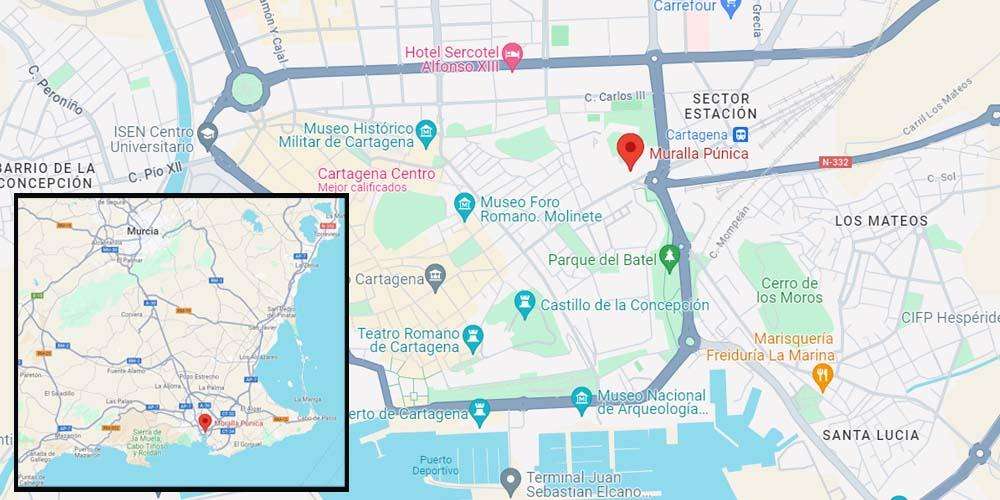
The Punic Wall Interpretation Center is located in Cartagena, Murcia, Spain, a coastal city located at the south end of the region of Murcia. Specifically, it’s in the center of the new city, built from the foundations of the antique city on what was formerly the outer edge of the Carthaginian city.

The Center is easily accessible from every part of the city.

Address: C/ San Diego, 25, 30202, Cartagena, Murcia, Spain

Phone: +34 968 500 093

Email: informacion@puertoculturas.com

Prices:

  • Individual: 3,5 euros
  • Reducida: 2,5 euros.

Discounts are available to students up to 25 years old, children under 12 years old, unemployed, Youth Card holders, retired people, people with disabilities, large families, and groups with more than 20 people. To prove your eligibility, you’ll need to bring your corresponding accreditation with you.

Opening hours:

  • High season (from July 1 to September 15) from Monday to Sunday from 10:00 a.m. to 8:00 p.m.
  • Mid-season (from March 15 to June 30 / from September 16 to November 1) from Tuesday to Sunday from 10:00 a.m. to 7:00 p.m. (Easter from Monday to Sunday)
  • Low season (from November 2 to March 14) from Tuesday to Sunday from 10:00 a.m. to 5:30 p.m.

The Punic Wall is closed on the following days:

  • January 1 and 6 and December 25.
  • January 5 and December 24 and 31 only in the afternoon.

Interpretation Center of the Punic Wall Architecture

Main hall of the Interpretation Center of the Punic Wall

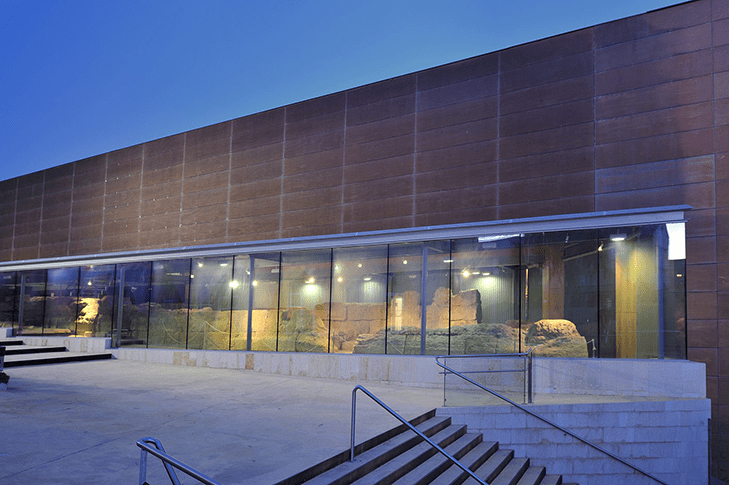
The Interpretation Center of the Punic Wall, part of the tourist consortium Cartagena Puerto de Culturas, boasts contemporary architecture. It protects the antique site and recreates the original elevation of the wall.

Through the two high volumes that we can see on the facade, the building brings back the original wall and its crucial role in the defenses of the ancient city.

Inside the building, open spaces rule the distribution of halls and areas. Platforms, glass walkways, steel stairs, and other lightweight structures connect the different areas. A light ceiling covers the entire building, which has a structure of steel girders from side to side. Crystalline walls cover most of the perimeter, allowing visitors to witness the wall and the building architecture from outside.

The Muralla Púnica Center entails a particular architecture for visitors with special needs: there are no architectural obstacles, whereas ramps, glass floors, and balconies facilitate the walk through the installations. These elements also allow people to witness the remains in their entirety from the upper floor. The building also has adapted toilets and audio-visual presentations with subtitles (English and Spanish) and voiceovers for people with hearing disabilities and impaired vision.

The Tour of the Museum

Interpretation Center of the Punic Wall Tour

The Interpretation Center of the Punic Wall offers visitors a teaching tour that provides a glance at this brief period of the city’s history. This tour features the following:

  • Audiovisual recreation. This video is a 3D presentation of life in Cartagena in the 3rd century BC. The video reconstructs the city and the daily life of the inhabitants of the antique settlement.
  • The Exhibition Room. A brief resume of the legendary past of the city.
  • The Wall. One of the oldest remains in the city and Spain.
  • The Crypt. In 1987, some contractors discovered the crypt during the construction of a car park in an old residence. Here are 110 members of the Brotherhood of Saint Joseph.
  • Display cases. The exhibition showcases valuable objects of the Roman, Carthaginian, and Phoenician cultures.

Visiting the Punic Wall

Cartagena is an ancient city full of history. Thousands of years ago, crucial battles for the Iberian peninsula and the Mediterranean powers took place in this city. Nowadays, the settlement is the ideal destination for tourists eager to experience stories featuring important characters, such as Hannibal and the Roman General Scipio Africanus.

In a nutshell, these ruins are magnificent and take you back to the Era of heroes, legendary Roman generals, and crucial battles in human history. All these elements make the Interpretation Center of the Punic Wall a place you should visit in Cartagena.

Enjoy Your Private Paradise in Villa Murcia!

Piscina com água

O conteúdo gerado por IA pode estar incorreto.

Looking for the perfect place to stay in Murcia? We’ve got just the spot for you!

Villa Murcia – Your Private Paradise

Wake up to coffee on a sun-drenched terrace, unwind in a warm jacuzzi after a day of exploring, and end your evenings with dinners in the summer kitchen. Nestled in charming Santiago de la Ribera, Villa Murcia offers more than just a holiday—it’s your personal oasis of comfort, style, and unforgettable moments.

Highlights:
✔ Spacious living room with a large sofa and open kitchen – perfect for shared memories
✔ Three elegant, air-conditioned bedrooms with private terraces – your peaceful retreat
✔ Extra fold-out sofa in the living room – ideal for additional guests

Whether it’s a romantic escape, a family getaway, or a relaxing break with friends – Villa Murcia is your dream stay.

Book now and experience the magic of the Spanish sun!

Read More
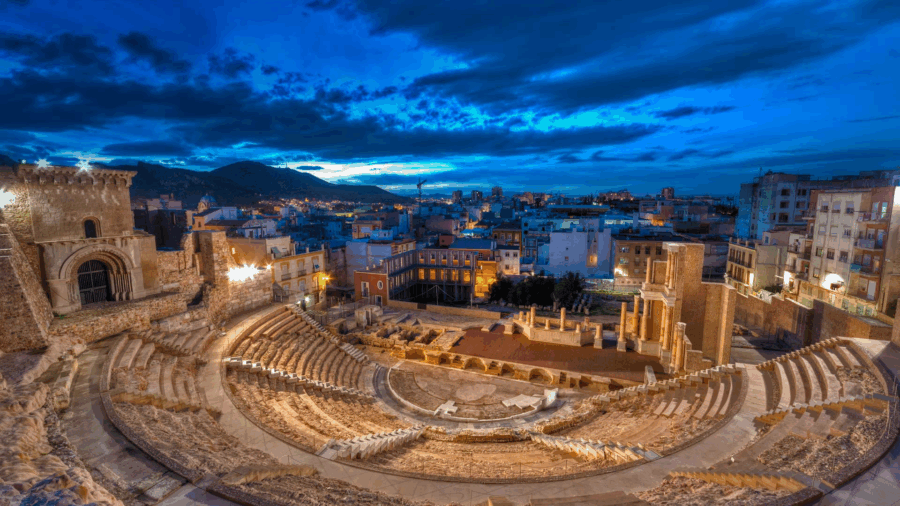
image showing the roman theater of cartagena during night

Echoes of the Past: Exploring the Roman Theater of Cartagena

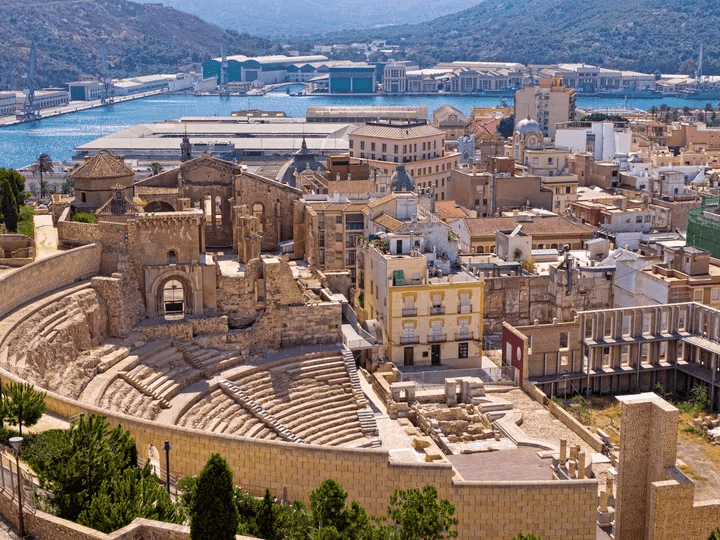
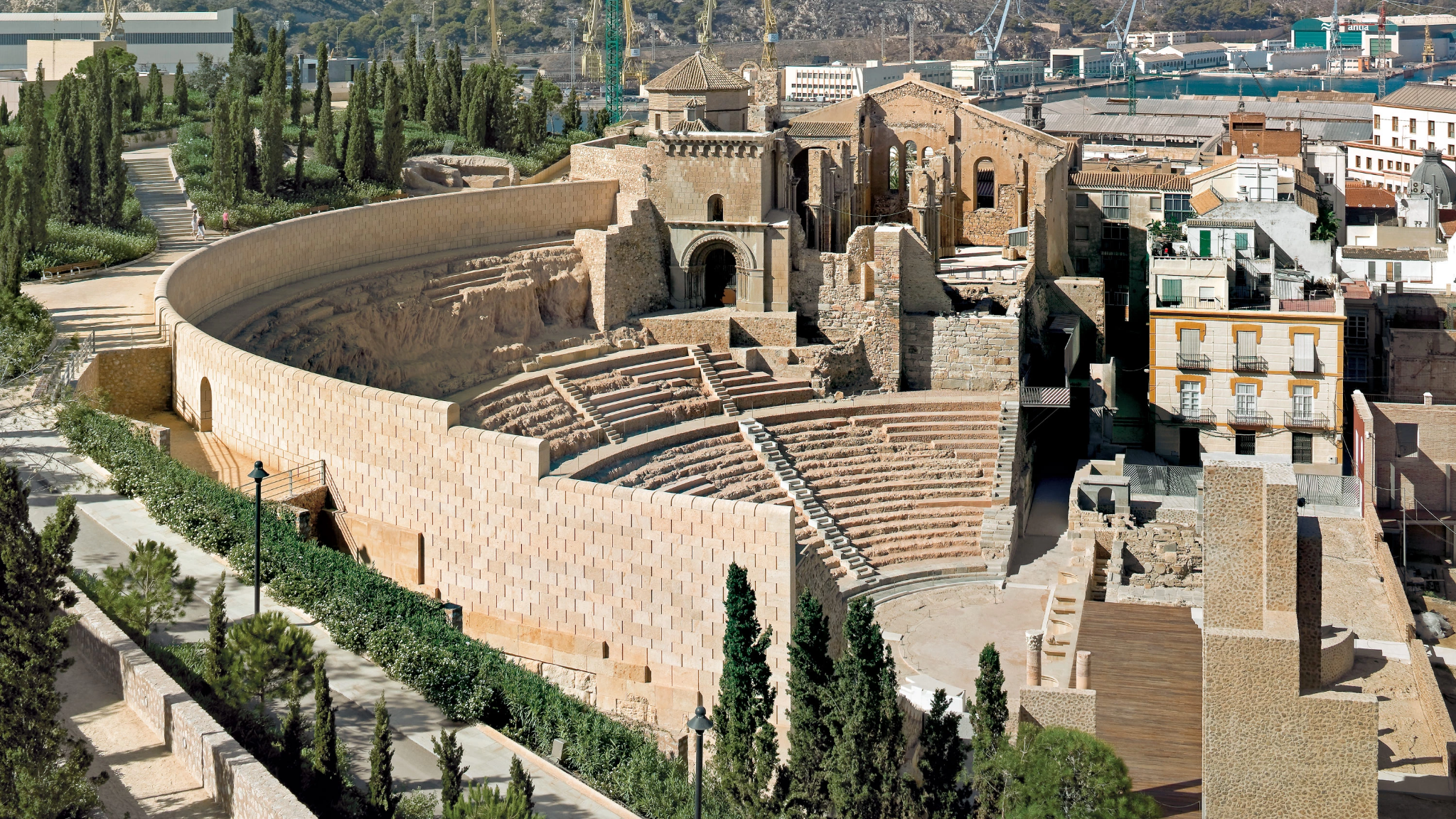
Discovered in the late 20th century, this magnificent structure dates back to the 1st century BC, offering a captivating glimpse into the grandeur of Roman civilization. Once a bustling hub of entertainment and social gatherings, the theater has been meticulously restored to reflect its former glory. It invites visitors to step back in time and experience the splendor of a bygone era. From its impressive architectural design to the stories etched into its stones, the Roman Theater of Cartagena stands as a symbol of the historical preservation and grandeur of a nation.

Here, we will unveil the main curiosities and facts about one of the most iconic buildings in Cartagena, Spain. From its history and meaning to the ancient Romans to the vital role it plays in modernity, we will discuss everything about the Roman Theater Museum, a triumph from the government of Emperor Augustus that still attracts people from all over the world.

Here’s everything you need to know about Roman Theatre:

Table of Contents

Year of Construction and Location of the Roman Theater

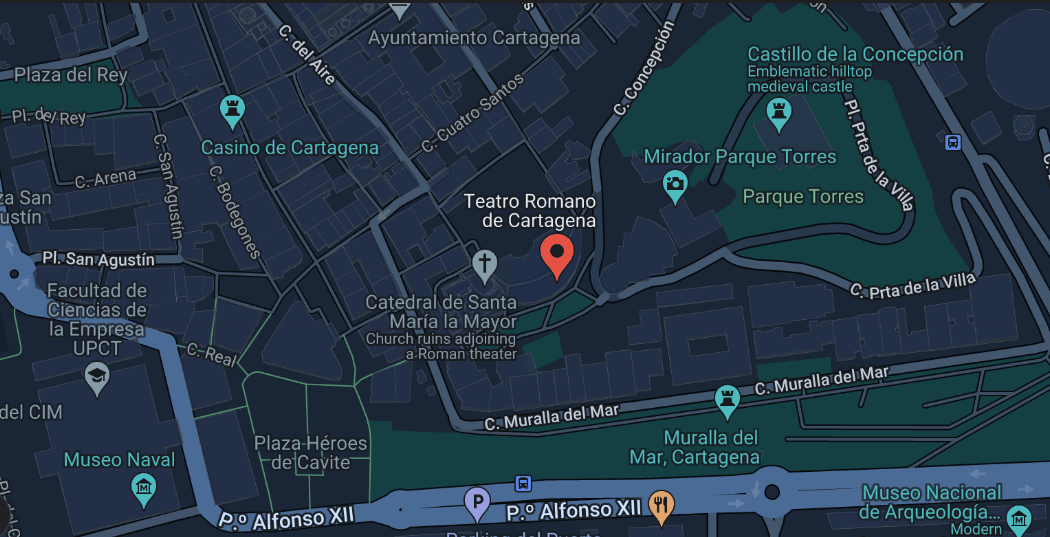
map highlighting the teatro romano de cartagena along with other attractions nearby

Although the remains of the original structure are still in pretty good shape in one of the town’s most important parts, its construction dates back thousands of years. The original amphitheater was built between 5 and 1 BCE.

Divided into multiple rooms and sections, it was capable of accommodating 6,000 people on the site and the people presenting themselves on the stage. It was a huge construction, especially for that period, and one of the most important of all the Spanish territories as we know it today.

Back in the days when it was built, the theater was located in a place known as Colonia of Cartago Nova, which is now Cartagena, Murcia. Nowadays, it is one of the most visited tourist spots in the region and a must-go if you’re visiting Spain. It’s in the central part of the city, making it even easier to go, regardless of where your accommodation is located.

Facts and Curiosities About Roma Theater Museum

image of the theater with the city on the background

The construction and symbology behind the museum are not the only surprising aspects of this incredible piece of architecture. There are many aspects that contribute to its importance, not only for the city of Cartagena but for the entire world, as the remains of an ancient time.

Here, we will discuss some of these aspects and unveil the hidden secrets of one of Cartagena’s most essential parts. Make sure to take a look to understand this piece of art better, whether you plan on going to Spain or are just curious about this jewelry from the old times.

Here’s everything you need to know before planning a visit to Roman Theatre Museum:

Ticket Prices

image showing the ticket prices to tour the museum and theater

If you plan to tour the museum, it is important to know that it is not free. To enter the museum or the theater itself, you need to pay for the ticket, which also gives you the right to a guided tour around the marble corridors.

There are different tours and ticket tiers you can purchase when visiting the place. Notice that these tickets don’t give you access to the temporary exhibitions or special events on the grounds of the theater. You’ll need to purchase tickets for these events separately on the official website or the official venue where they’re being offered.

When doing the tour around the place, you’ll be guided through the orchestra pit, the abandoned excavations below the stage, and many other interesting facts about the theater. The official guides will also tell you curiosities about the place and its structure, including the Corinthian columns, the excavation process, and many fun facts about this jewel raised centuries ago.

The tour prices can vary from 2 to 6 euros depending on the group you’re going with and each one’s characteristics, including age, disabilities, and other factors. You can visit the museum and theater’s official website to read each detail regarding the pricing system and which ticket type fits the experience you’re looking for.

Renovation Process

image of inside the roman theater

The theater’s materials and structures are in great shape, from the entrance to the rooms inside the construction. However, to keep such great shape, modern professionals needed a little help.

Some parts of this martyr of the city were destroyed and renovated to keep the building safe and make it last much longer instead of becoming just a ruin in the middle of the town. This process was done in different parts of the city. It involved countless hours of work from architects and archaeologists, as well as performances from many other professionals, to ensure the best result possible.
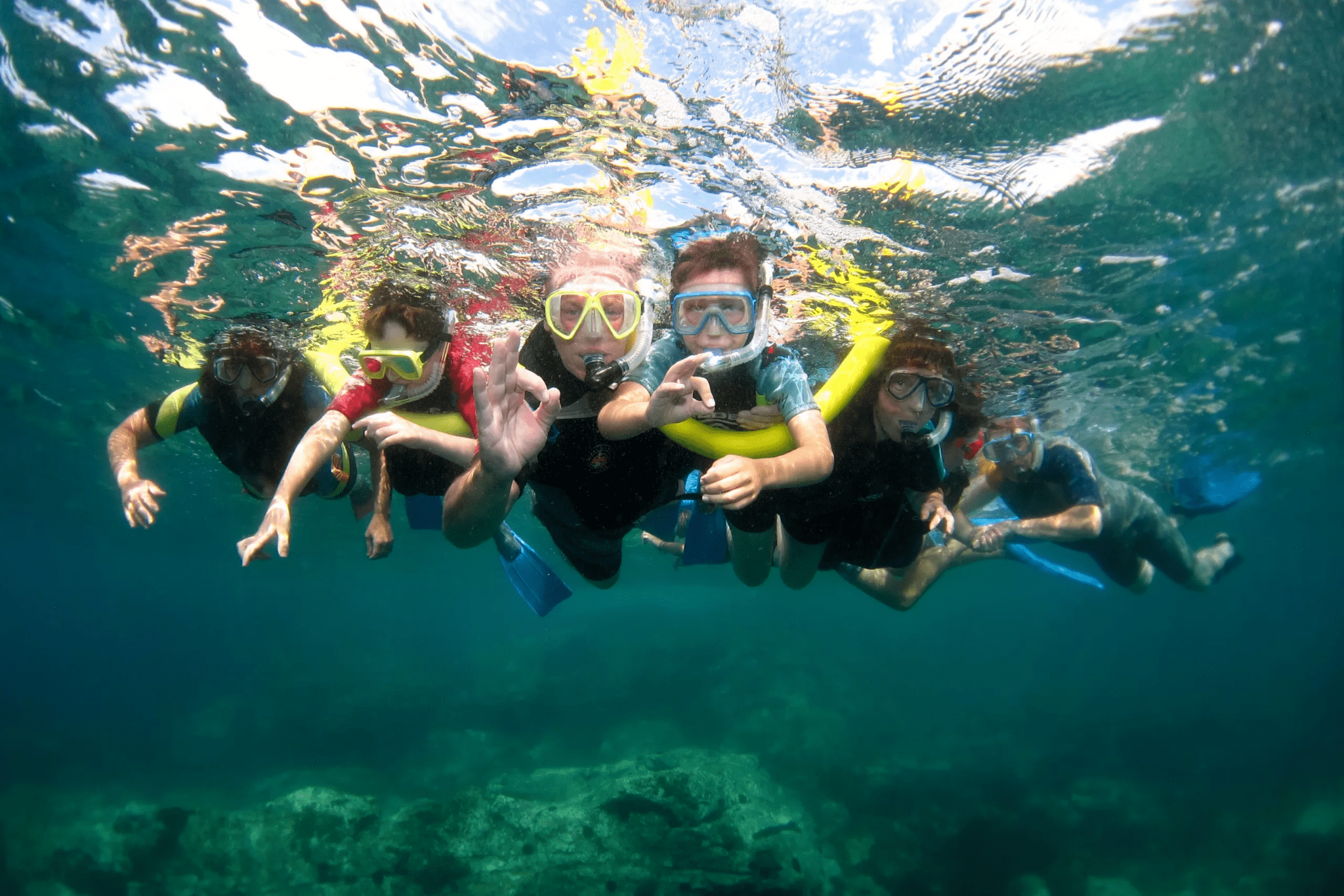
The museum and theater renovation project, led by the architect Rafael Moneo, took several years to complete. The basic renovations were finished in 2003, while the museum project, designed by the same architect, was finished in 2008.

Once both works were completed, the place started to be occupied once again by the thousands of visitors who came from all over the world to see its glory. Even though some new elements were added to the sectors and the overall building area, they were all done considering the time it was built and the architectural elements of the time. The aesthetics and architecture of the place are still well-established and will make you feel like part of the Roman Empire in every new area you enter.

Shops and Stores Inside

image showing the main stage of the roman theater

If you want to take a piece of this experience home with you, there’s the perfect place for that. Inside the museum, you can also find stores, including the official gift shop, which is ideal for finding souvenirs to give to your friends or purchase for yourself. From shirts to art pieces and keychains, there’s a wide variety of options to choose from and take this unforgettable experience home with you.

However, the souvenir shop is not the only store inside the museum. You can also find a coffee bar where you can rest and drink a delicious coffee while enjoying the beauties this place offers. It is truly a unique experience, and I recommend it if you have the opportunity.

It was one of my favorite parts of the entire tour, not only because of the stunning views around the place but also because of the service quality.

It is essential to highlight that you don’t need to purchase a ticket to access the cafeteria. The place is free to enter and is right next to the Roman Theater.

Near Important Historical Places

image showing the museum and coffee shop from the roman theater

The good thing about Cartagena is that there’s an infinity of possibilities and places to visit. Along with the Roman Theater of Cartagena, you have tons of historical buildings that carry a lot of history and fantastic architecture.

Some of these buildings are the Town Hall, right in front of the museum, and the amazing church Catedral de Santa María la Mayor, which are must-visits if you’re touring the region. It’s the perfect way to mix fun and culture in one of the best places in Europe.

The best part is that you can do this entire tour without using a car to move from one place to another. Everything is basically on the same square, and you can see all of the attractions on the same day, leaving the other ones available to explore the other marvels of this region, including beaches, natural reserves, and many others.

Temporary Activities and Exhibitions

image showing the city of Cartagena along with the roman theater in the middle

If you think the museum and theater are the only places where you can tour and admire the architecture, you’re completely wrong. There’s much to do in the place, including some awesome activities.

During the year, if you’re lucky enough, you’ll find tons of temporary exhibitions around the theater, including even some presentations occasionally. They constantly vary and add even more possibilities to what to do when visiting Cartagena. If you like culture and exploring different kinds of art, this is the perfect place to go. The price of these exhibitions also varies, and some can even be free, so check the website and look at these numbers.

Along with the exhibitions, the Roman Theater also promotes educational workshops throughout the months, making it one of the best alternatives if you have kids. They offer activities for all ages and tastes, so you’ll definitely find the perfect one for you and your family.

The activities have limited capacity, so check this out with the place’s administration. Like the exhibitions, the workshops can be charged, and their prices depend on the activity.

Accessibility

image of the ruins of the roman museum along with the city on the background

If you’re worried about accessibility, you’ll be happy to know that most places are adapted to welcome people with disabilities. Notice that this doesn’t apply to every region, especially when it comes to the theater, and you might find some stairs along the way. The good news is that, even in those regions, you’ll have tour guides to help you have the best experience possible.
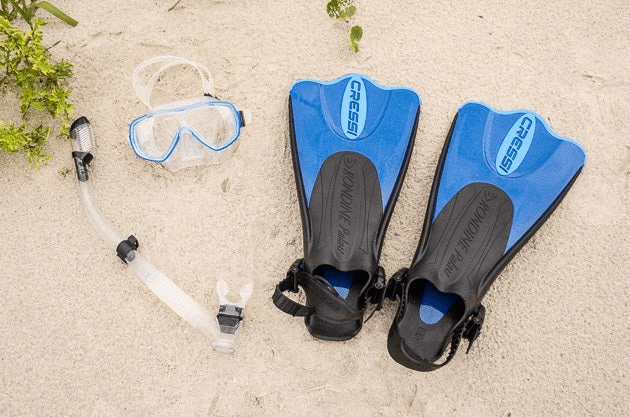
When it comes to the museum, every room is adapted and will provide everything you need to move around the rooms without any issues or surprises. It’s the perfect place for everyone to enjoy.

Also, don’t worry about your Spanish. Every guide and worker knows how to speak English and will provide the information you want, whether it’s a question or anything else.

Enjoy Your Private Paradise in Villa Murcia!

Piscina com água

O conteúdo gerado por IA pode estar incorreto.

Looking for the perfect place to stay in Murcia? We’ve got just the spot for you!

Villa Murcia – Your Private Paradise

Wake up to coffee on a sun-drenched terrace, unwind in a warm jacuzzi after a day of exploring, and end your evenings with dinners in the summer kitchen. Nestled in charming Santiago de la Ribera, Villa Murcia offers more than just a holiday—it’s your personal oasis of comfort, style, and unforgettable moments.

Highlights:
✔ Spacious living room with a large sofa and open kitchen – perfect for shared memories
✔ Three elegant, air-conditioned bedrooms with private terraces – your peaceful retreat
✔ Extra fold-out sofa in the living room – ideal for additional guests

Whether it’s a romantic escape, a family getaway, or a relaxing break with friends – Villa Murcia is your dream stay.

Book now and experience the magic of the Spanish sun!

Time to Plan Your Visit to the Past

picture of one of the attractions inside the museum showing art pieces from the original theater

Cartagena is home to some of the most interesting historical buildings in Spain, and the Roman Theater is definitely one of the highlights of this region. Featuring the original architecture of thousands of years ago and modern elements to enhance the experience, it is the perfect tourism destination if you’re looking for a cultural experience.

The prices are meager, and there are many possibilities inside the place, including workshops, exhibitions, and many curiosities to discover. Don’t forget to also take a look at the shop and take a piece from this incredible experience home.

Now it’s time to organize your trip to Murcia and pack your luggage to visit this stunning relic from the past. It’s an experience that will surely surprise you and stay in your head forever.

Read More
Playa Del Barco Perdido, in Murcia, Spain

Discover the Enchanting Playa Del Barco Perdido

Playa Del Barco Perdido is one of the most famous beaches in the La Manga region, located in the province of Murcia, Spain. This beach combines natural beauty, modern amenities, and a relaxing atmosphere, making it an ideal destination for tourists and locals.

It was definitely one of the beaches I liked the most in the region when I visited it. In this article, we will explore its features and the various leisure and gastronomic options the region offers.

Table of Contents:

Understand The Region

Many people get confused about what La Manga del Mar Menor is and how it works.

La Manga is located southeast of the Iberian Peninsula in the Region of Murcia. It is a strip of coastline 21 km long and between 100 and 1200 meters wide, stretching from Cabo de Palos to the Salinas Natural Park in San Pedro del Pinatar.

La Manga is a popular destination for tourists looking for diverse beaches and clear waters. The beaches facing the Mar Menor offer calm, shallow, and warm waters, ideal for families and quiet water sports. The beaches facing the Mediterranean Sea have slightly stronger waves and are perfect for activities such as surfing and sailing.

Playa Del Barco Perdido

The Playa del Barco Perdido lies in the southernmost stretch of sand on the Mediterranean shore of ​​La Manga del Mar.

Description

The beach is located within the jurisdiction of the Cartagena municipality and is so long that it is divided into three different sections. Due to its grandeur, it is divided into 3 “sectors” (each one with around 1800 meters of width): Playa de las Sirenas, Playa Entremares, and Playa Zeus. Each of these sections offers a unique experience for visitors:

  • Playa Entremares: It is the busiest and most popular at the entrance to La Manga.
  • Playa de las Sirenas: This section is known for its tranquility and clear waters, ideal for families and those seeking a quieter environment. In this section, the reason for the beach’s name lies in a shipwreck measuring almost 40 m long, just a few meters from the coast.
  • Playa Zeus: The southernmost section is less crowded and perfect for those seeking a little more privacy. It runs down to the border with the Gola de Marchamalo, the southernmost of the channels that permit the course of water between the Mar Menor and the Mediterranean.
Shipwreck in Playa Del Barco Perdido
Shipwreck just a few meters from the coast of La Serena Beach – Saber Es Prático

Climate

The climate in La Manga is typically Mediterranean, with hot, dry summers and mild winters. Summer temperatures can range between 25°C and 35°C, while winter temperatures rarely drop below 10°C. The region receives a significant amount of sunshine throughout the year, making it a popular holiday destination all year round. I was there in the middle of summer, and the weather was hot (but pleasant) every day. There were a few days when it rained in the late afternoon, but it was a very quick shower and a bit refreshing.

Amenities

As this is a very busy area, especially in summer, the three sections are very well structured in terms of services, having even received a Q Quality award in recognition of the services offered. There are three lifeguard stations spread across the beaches and three different Civil Protection points that offer medical and bathing assistance to the disabled.

Facilities on the sand include foot showers, sun loungers rentals, water sports equipment rentals such as jet skis, wooden walkways on the beach, bins, recycling collection points, and a children’s play area. Visitors can also count on a lifeguard and a first aid point manned in summer.

Accessibility

The La Manga area is very inclusive and accessible. At Playa Del Barco Perdido (and at almost all the other beaches), parking spaces are reserved for people with reduced mobility, and access for these bathers is clearly signposted.
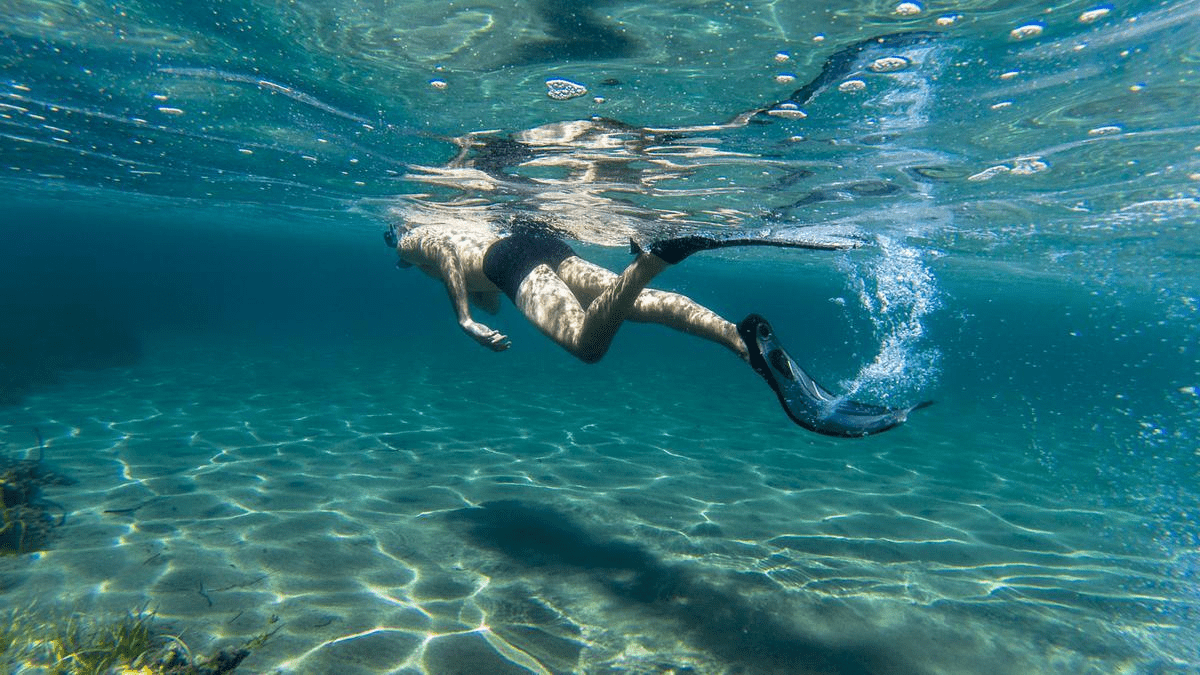
On the beach itself, there is a dedicated module for people with disabilities that provides adapted toilets, changing rooms, and shade, and an amphibious bathing chair is also available for use, with the assistance of volunteers from Civil Protection.

Where To Eat Nearby Playa Del Barco Perdido

Eating out at Playa Del Barco Perdido is very easy. The La Manga region has many restaurants and bars for all tastes and budgets. There are options on the beach itself, mainly Chiringuitos (kisoques). One that I really liked was Chiringuito Odesa Beach. Some of them offer, in addition to food and drinks, services such as chairs and umbrellas for customers who choose to eat on-site.
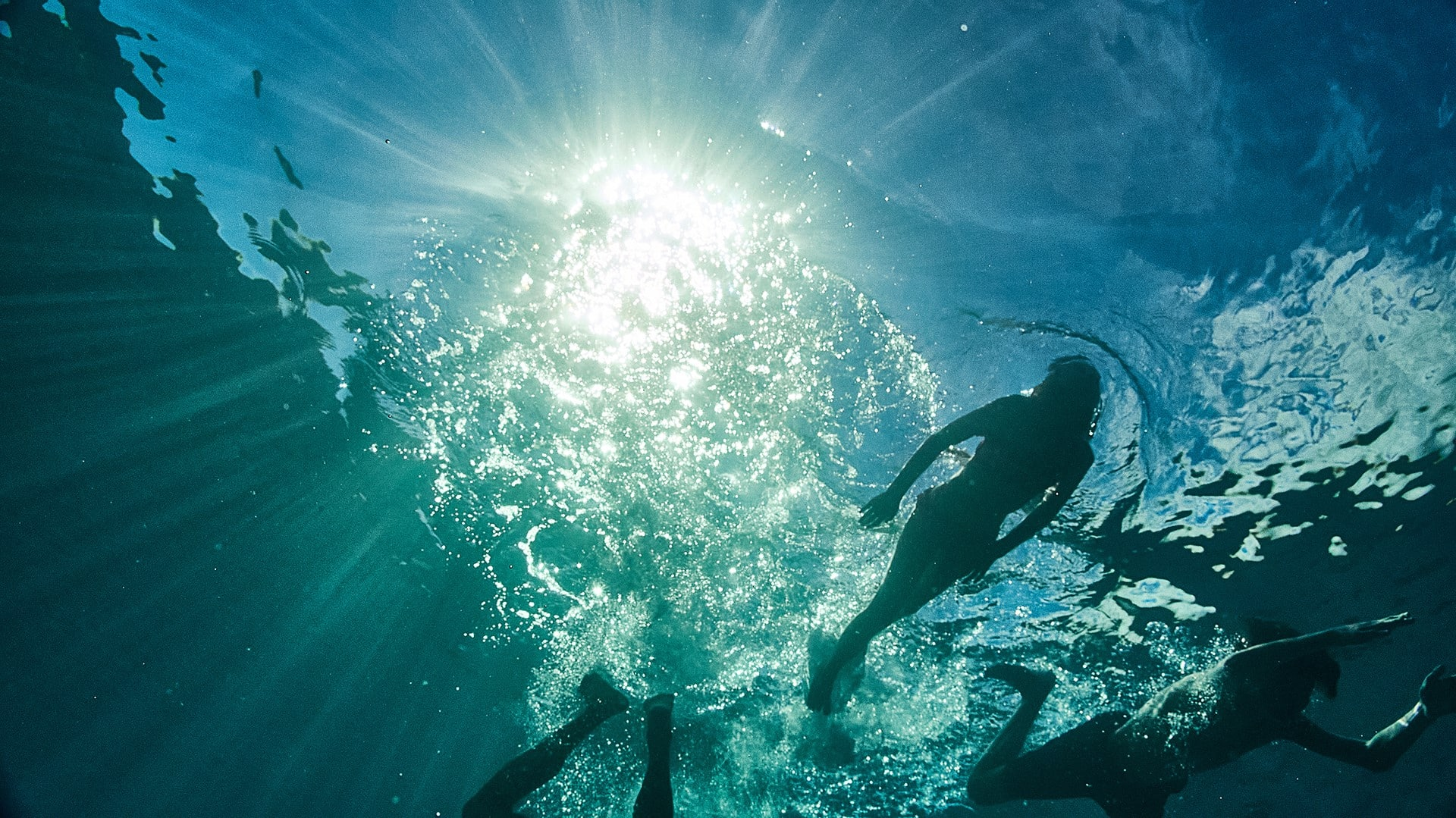
You can also find restaurants like El Parador del Mar Menor, Maloca, and Bonobo Playa. These restaurants are popular with tourists and are famous in the region as they have many positive online reviews. They offer Mediterranean dishes, Spanish cuisine, and seafood.
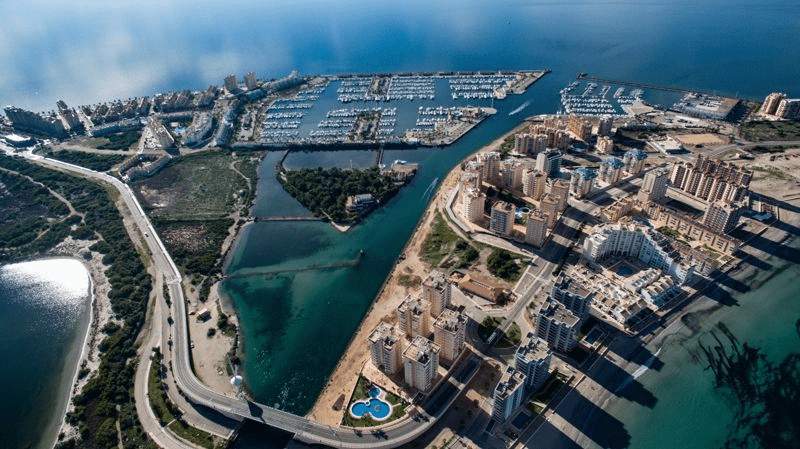
Bonobo Playa, in particular, is on Playa Del Barco Perdido (The other listed above, you might need a way of locomotion to get to). The restaurant is incredible, with a friendly, knowledgeable staff and good food. But the best of all, without a doubt, is eating with a view of this incredible beach!

Another option, next to Bonoboo, is Surfing. I want to highlight their cocktails, each one better than the last. This restaurant is also famous in the region and has many positive reviews online.

Leisure In The Playa Del Barco Perdido Region

In addition to enjoying Playa Del Barco Perdido, the La Manga region is well-known for its many leisure options. Some of the options include:

Water Sports

The region is a paradise for water sports enthusiasts. Windsurfing, kitesurfing, sailing, and diving are some of the most popular activities, and no matter which beach you’re on, you’ll find a company offering equipment rentals or sports lessons.

Club Nautico La Isleta is a popular destination (and very close to Playa Del Barco Perdido) for water sports enthusiasts. The club offers various services for visitors, including sailing, windsurfing, and paddle surfing. In addition, it has modern facilities such as a marina, restaurant, and leisure areas, providing a complete and enjoyable experience for the whole family.

Boat Trips And Tours

Exploring the Mar Menor and the Mediterranean via boat trips is a fantastic way to appreciate the region’s natural beauty.

Companies normally offer tours to places such as Isla Grosa, Isla Perdiguera, Isla del Barón, Cabo Roig, Cabo de Palos, Calblanque Natural Park, Cala Reona, and Playa de Pudrimel.

Isla del Ciervo

Isla del Ciervo is a small and charming island in the Mar Menor. It is a popular destination for hiking and boating, offering trails that provide panoramic views of the lagoon and coastline. The island is an excellent spot for bird-watching and for those looking for a peaceful escape in nature.

Cabo de Palos

Cabo de Palos is a picturesque coastal town kissing the Mediterranean Sea; it extends along one side to an untainted coastline leading towards Cartagena.

Less than 4 kilometers away, it boasts fame for its marine reserve, historic lighthouse (an ideal spot for cool photos), and favorable conditions for diving exploration.

How To Get To Playa Del Barco Perdido

Map of Playa Del Barco Perdido, in Murcia, Spain

To get to Playa Del Barco Perdido, you can take the RM-12 highway, the main access route to the area. This road connects the city of Cartagena to La Manga. The beach is located at the beginning of La Manga, around kilometer 0.5, and is easily accessible by car. Parking is available on the streets near the residential areas surrounding the beach.

In addition, a bus service operates along La Manga, making it easy to reach from different points on the peninsula. The bus stop in front of the beach is Las Sirenas—Cart.

Enjoy Your Private Paradise in Villa Murcia!

Piscina com água

O conteúdo gerado por IA pode estar incorreto.
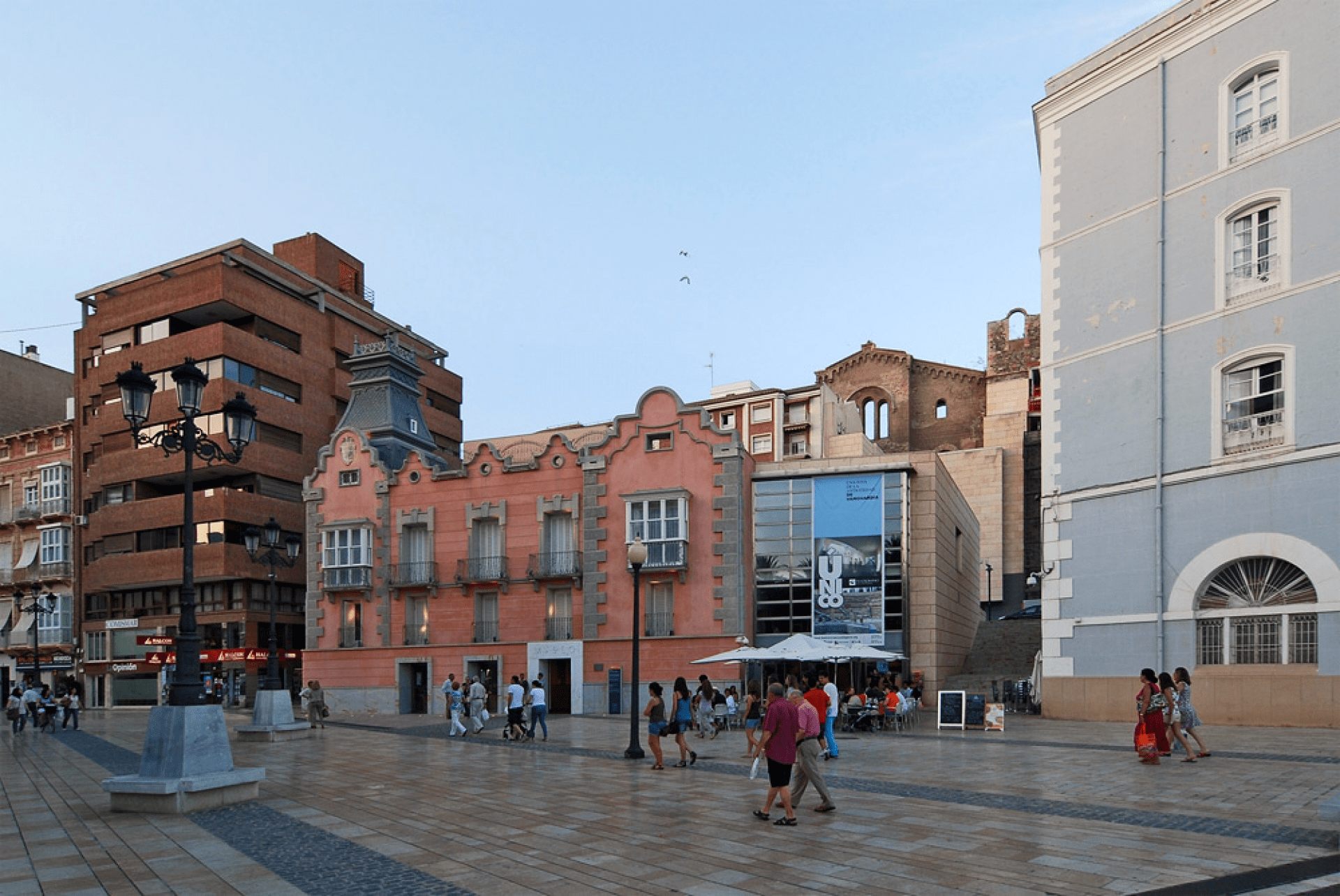
Looking for the perfect place to stay in Murcia? We’ve got just the spot for you!

Villa Murcia – Your Private Paradise

Wake up to coffee on a sun-drenched terrace, unwind in a warm jacuzzi after a day of exploring, and end your evenings with dinners in the summer kitchen. Nestled in charming Santiago de la Ribera, Villa Murcia offers more than just a holiday—it’s your personal oasis of comfort, style, and unforgettable moments.
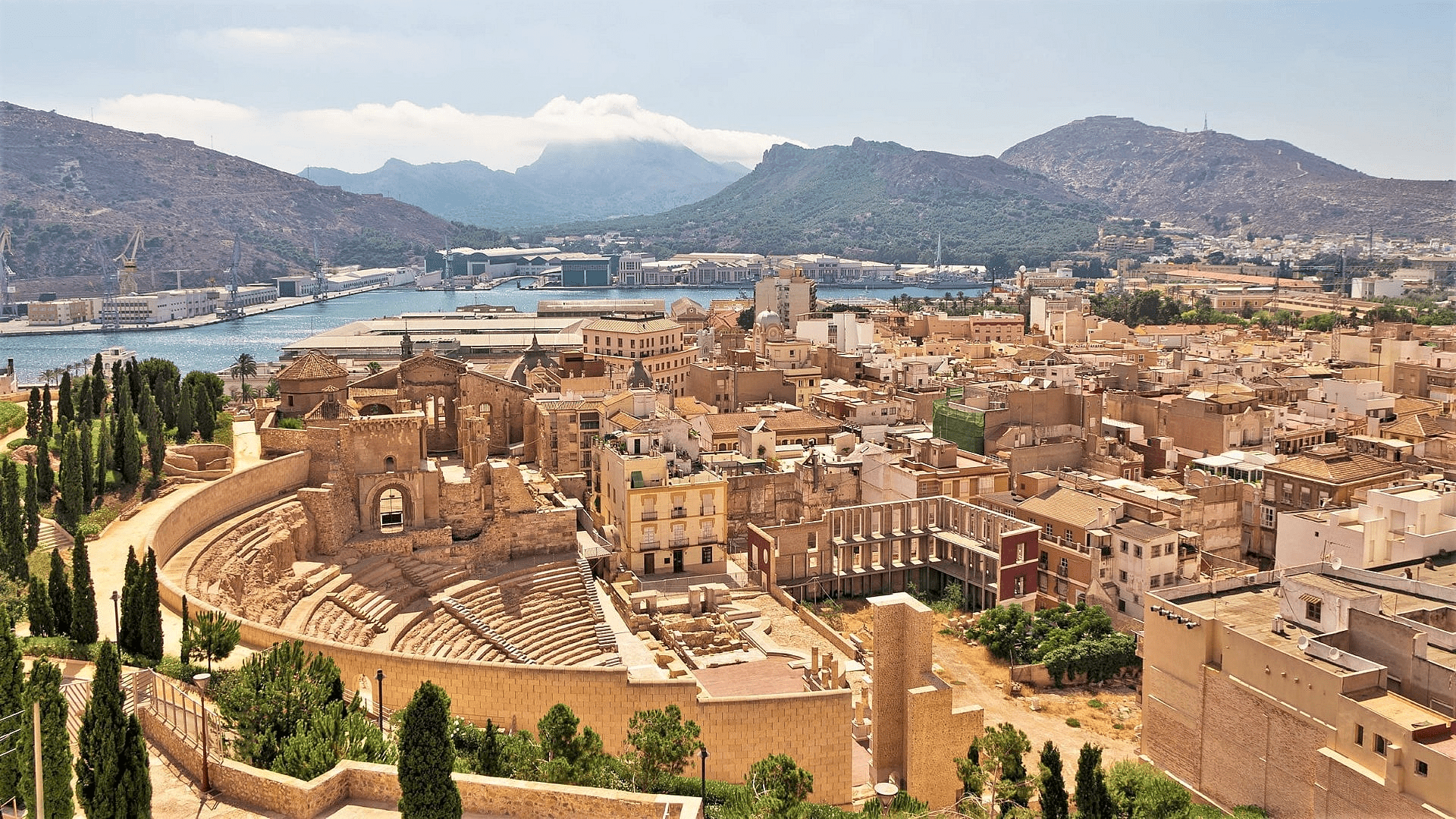
Highlights:
✔ Spacious living room with a large sofa and open kitchen – perfect for shared memories
✔ Three elegant, air-conditioned bedrooms with private terraces – your peaceful retreat
✔ Extra fold-out sofa in the living room – ideal for additional guests

Whether it’s a romantic escape, a family getaway, or a relaxing break with friends – Villa Murcia is your dream stay.

Book now and experience the magic of the Spanish sun!

Read More

Page 2 of 8

Powered by WordPress & Theme by Anders Norén