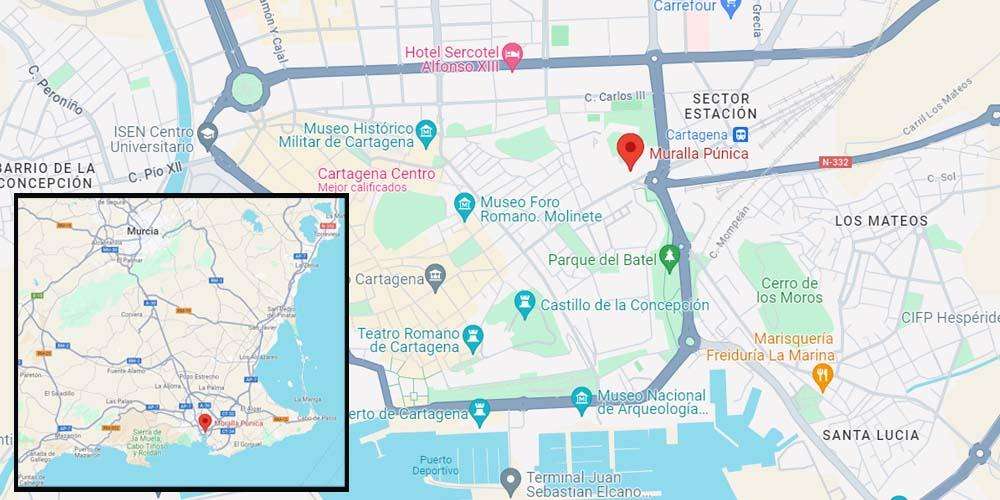



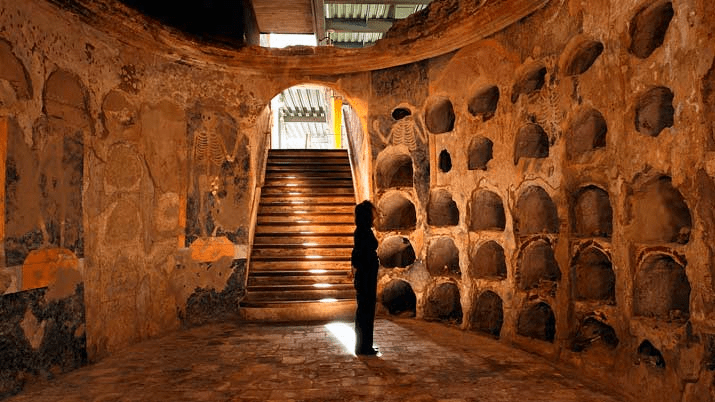
Located in the Murcia region of southeastern Spain, Cartagena is a city steeped in history and archaeology, making it one of the richest in the country. The Punic Wall (Muralla Púnica in Spanish) is a significant historical artifact among its treasures—a tangible trace that depicts the Carthaginian presence in the Iberian Peninsula. This piece delves into the historical and archaeological significance of the Punic Wall in Cartagena, and today, what remains of this historic wall is available to visit.
I had the opportunity to visit this space when I was in Cartagena, and discovering this part of the history of the Carthaginian civilization was a very cool moment. Today, I share with you what I learned.
Table of Contents
- The Punic Wall of Cartagena: A Jewel of Antiquity
- Origin and Construction
- Historical and Cultural Importance
- Punic Wall Interpretation Center
- A Dive Into The History of Cartagena
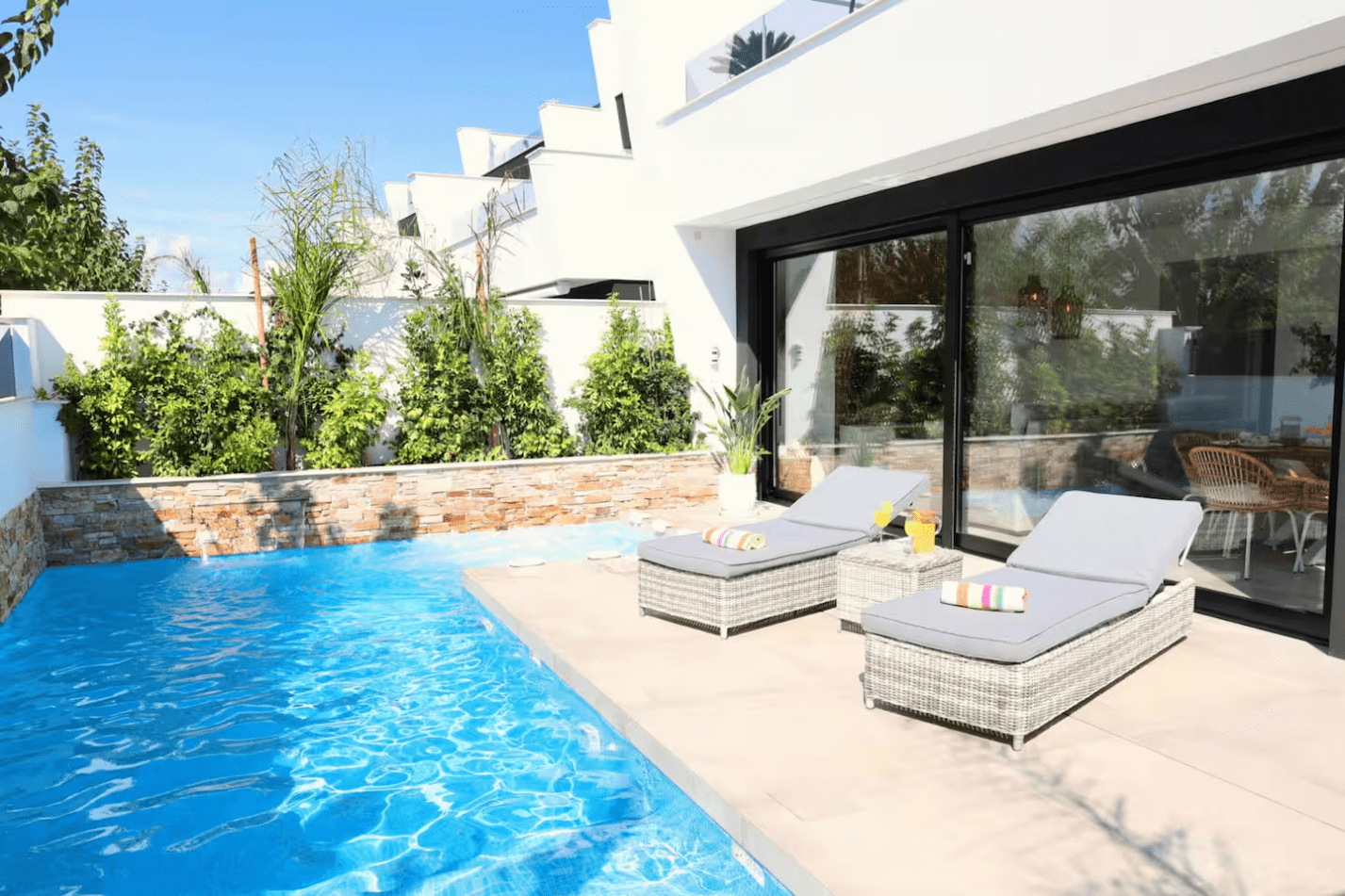
- Enjoy Your Private Paradise in Villa Murcia!
Origin and Construction
This wall’s history is based on many events that occurred in the BC period. It is a very complex and long story, but without going into all the details, I will summarize it for you.
The Punic Wars were conflicts between Rome and Carthage for control of the Mediterranean Sea. The name of the war comes from the name “puni” that the Romans gave to the Phoenicians. Carthage, located in North Africa, was an ancient Phoenician colony.
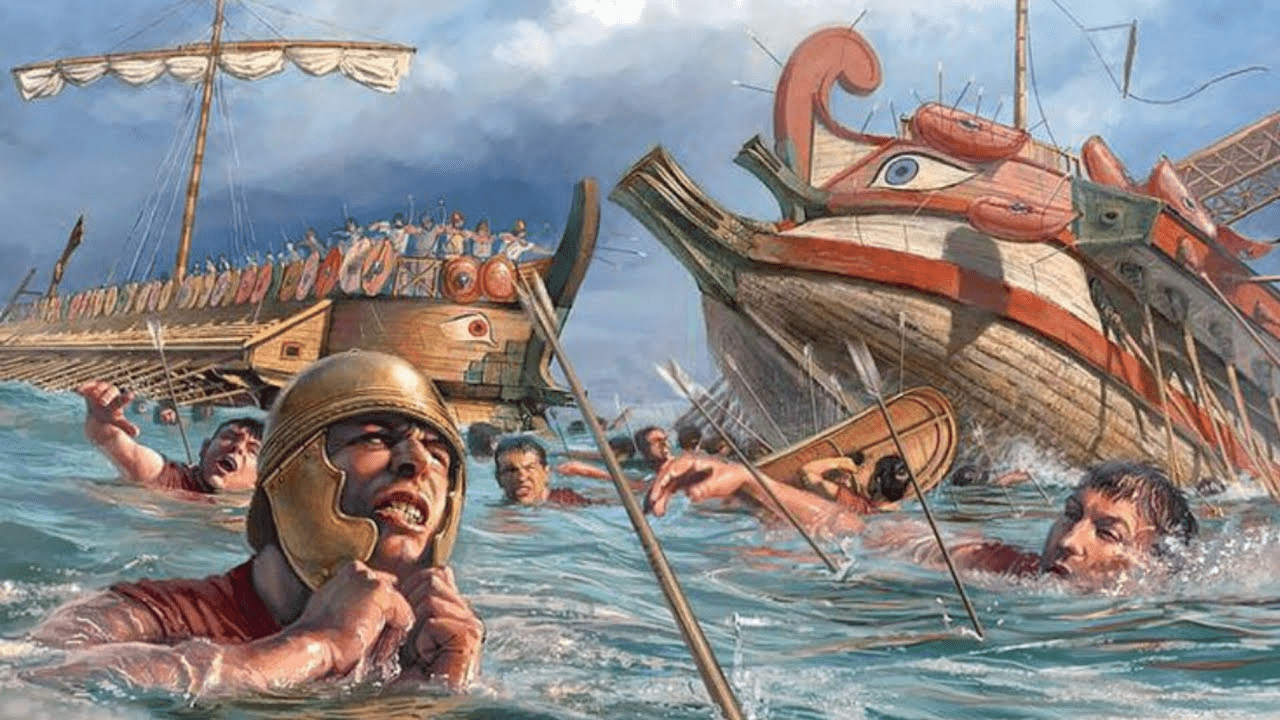
Rome and Carthage fought three wars throughout the 3rd and 2nd centuries BC, demonstrating the two cities’ military strength. The Romans defeated the Carthaginians at the end of the Third Punic War, destroyed the Carthaginian city, and conquered North Africa, expanding their dominions over the Mediterranean Sea.
The construction of the Punic Wall of Cartagena began in the late third century BC (around 227 BC) when the city was founded by Hasdrubal the Fair, a Carthaginian general who was also the brother-in-law of Hannibal Barca. In a brief period, Qart Hadasht (New city of Carthage), or Cartagena, became one administrative and political capital of Carthaginian interests in the Iberian Peninsula during the Punic Wars against Rome. This was because the city was located on a peninsula in the middle of a bay and had five hills, two of which were at the entrance to the isthmus, thus presenting a strategic point for military defense.
In this context, during the brief Punic rule over Cartagena (227-209 BC), the Carthaginians decided to fortify the Barcid capital in the Iberian Peninsula with a wall surrounding the town. The Punic Wall protected the city from enemy attacks and invasions, a sign of Cartagena’s strategic importance. Made mainly of sandstone, the original wall was about 3 meters wide and approximately 6 meters high, with defensive towers distributed along its perimeter. This defensive structure demonstrated Carthaginian military power and engineering, making it one of the most advanced fortifications of the time.
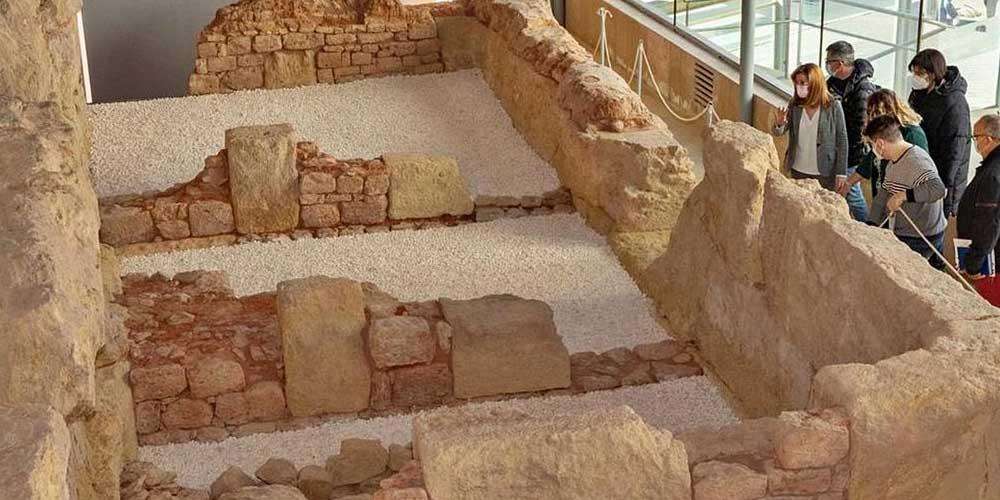
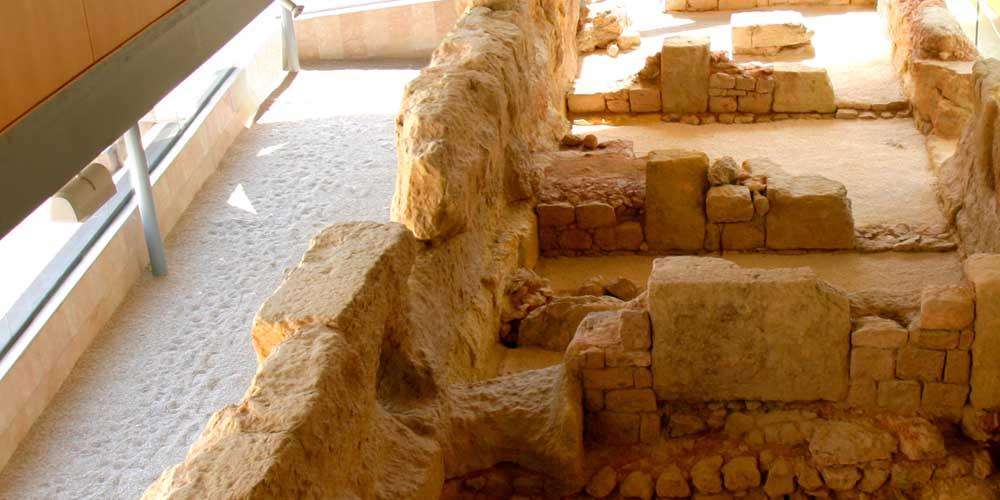
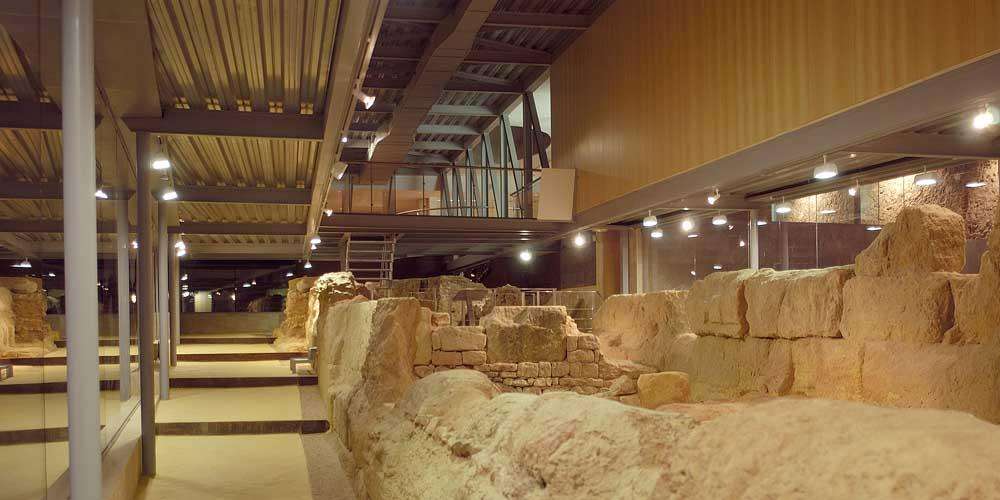
The ruins of the Punic walls that can be seen today belong to the stretch of land that extended to the entrance to the isthmus, between the hills of San José (Saint Joseph) and Monte Sacro (in ancient times called Aletes and Baal, respectively). During archaeological excavations, evidence of a fire was found, possibly during the battle or the looting that followed.
Archaeological Discoveries
The first significant excavations of the Punic Wall began in the 20th century, although some sections were already known. The archaeological effort has uncovered more than just the wall’s physical dimensions but also several relics—all contributing to a better understanding of what life in ancient Cartagena would have entailed.
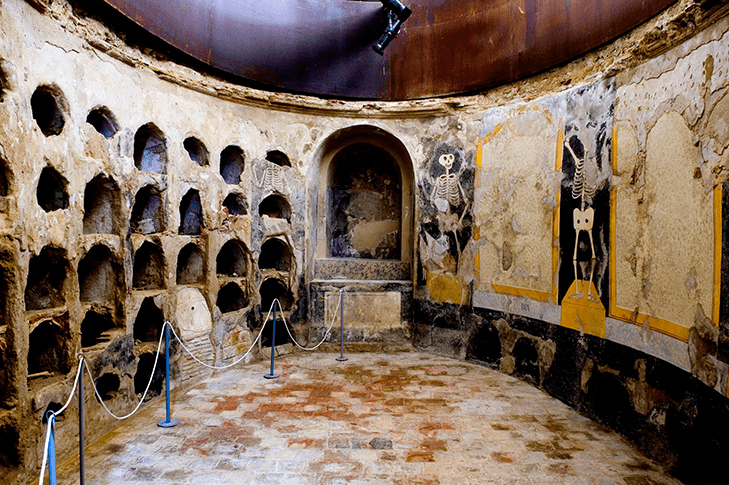
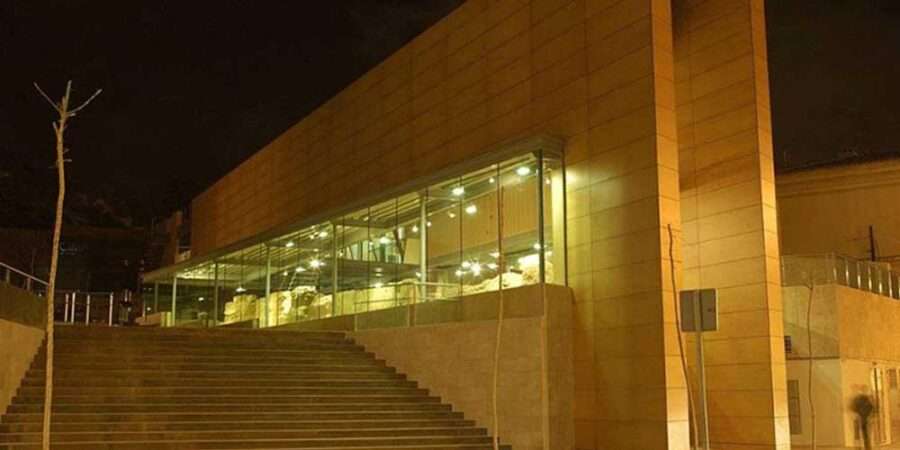
An excavation on Calle San Diego 1987 revealed a large wall section, now known as the Punic Wall Interpretation Centre, part of the touristic consortium Cartagena Puerto de Culturas. The center provides information on the wall’s structural and operational aspects through its exhibits, which include artifacts unearthed at the site, including pottery, weapons, and household utensils.
Historical and Cultural Importance
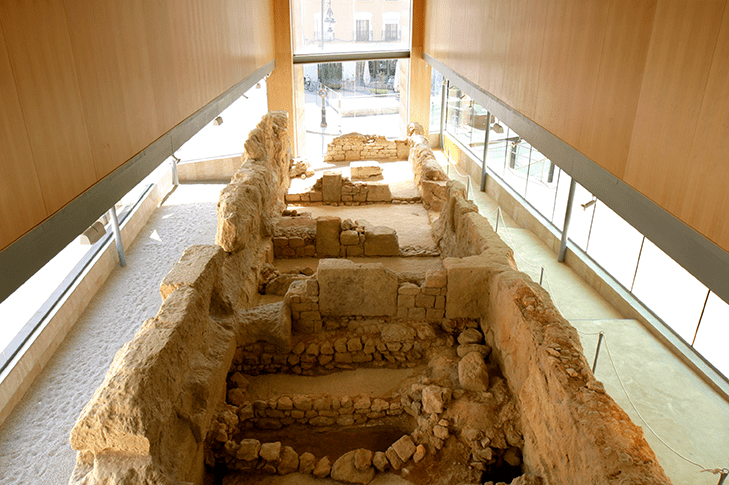
The Punic Wall in Cartagena is one of the few examples of Carthaginian military architecture that remains to this day beyond the borders of Tunisia. Its preservation provides valuable insights into the military engineering and defensive strategies adopted by an important civilization of the ancient Mediterranean world. Furthermore, this wall constitutes evidence that reflects the great conflicts that took place between Rome and Carthage, both seeking control of the Western Mediterranean during the period known as the Punic Wars, which tells the story of many other magnificent structures lost to time.
Carthaginian rule was crucial as a naval base and a staging post for military expeditions into the Iberian Peninsula. The city was an economic and military hub, essential to Hannibal’s efforts during his famous campaign against Rome, including the march across the Alps.
Punic Wall Interpretation Center
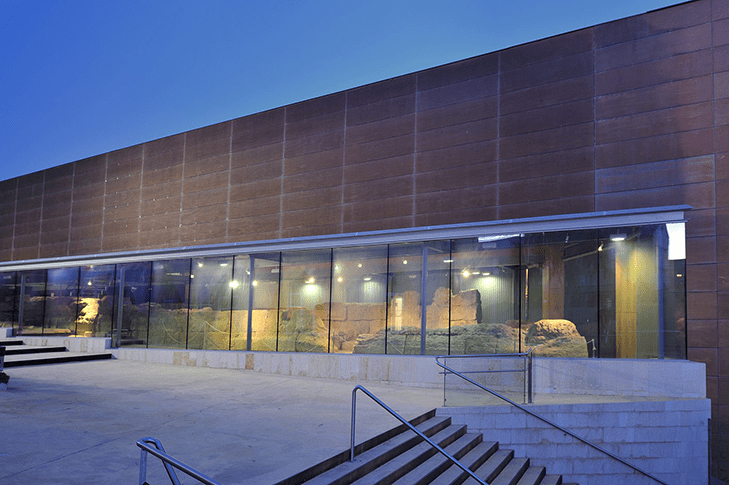
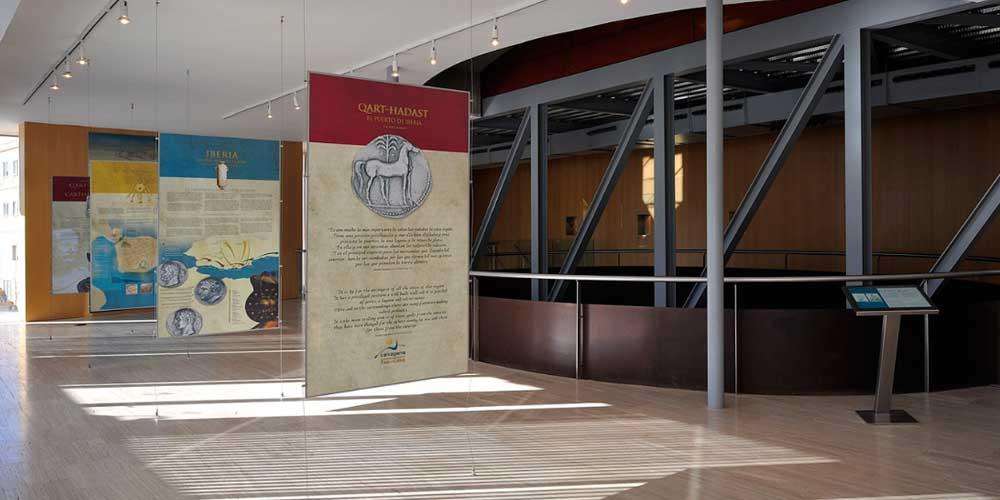
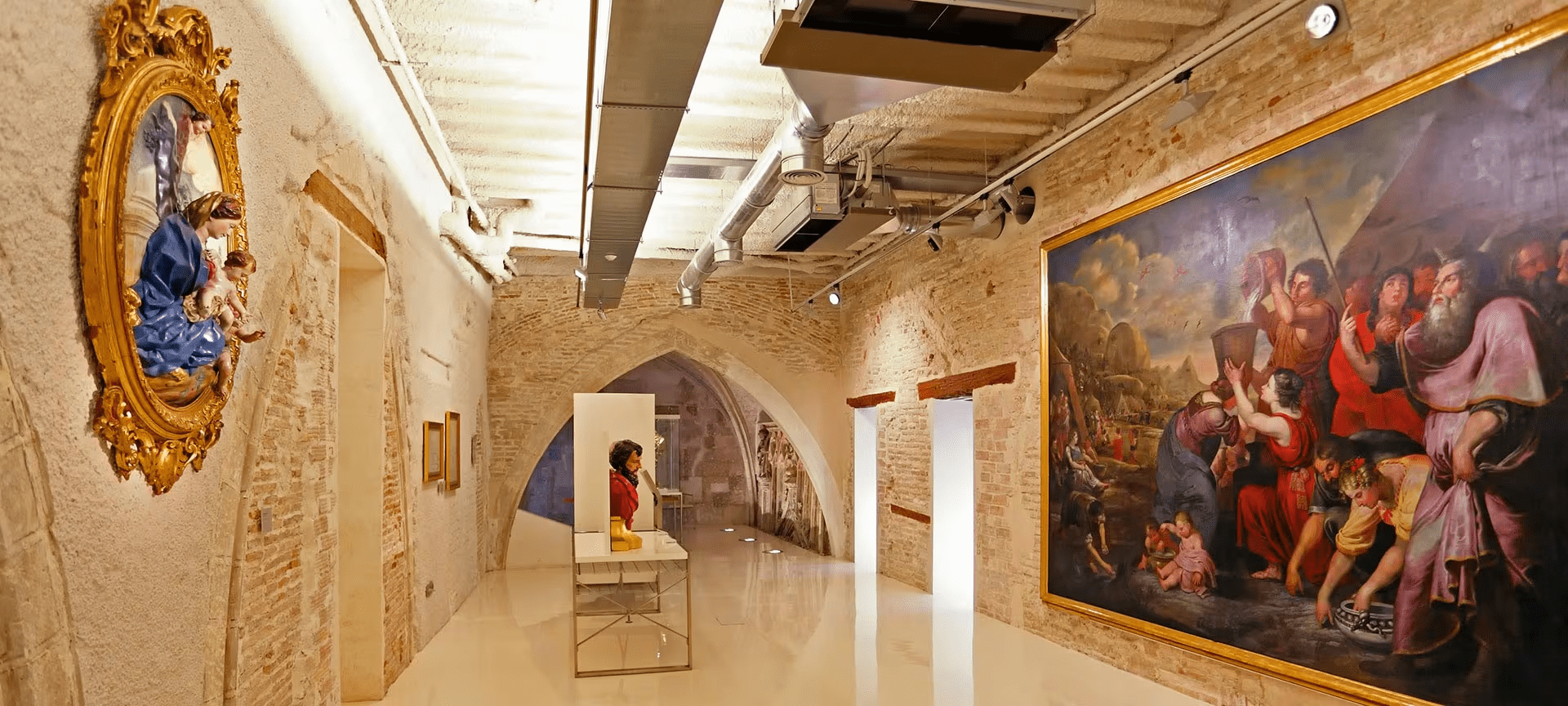
I explored a well-preserved section of the wall in the Interpretation Centre. In addition to the ruins themselves, the center offers detailed exhibits on the wall’s construction, function, and history. Exhibits include archaeological artifacts found during excavations, such as pottery, weapons, and household items.
Interactive Experience
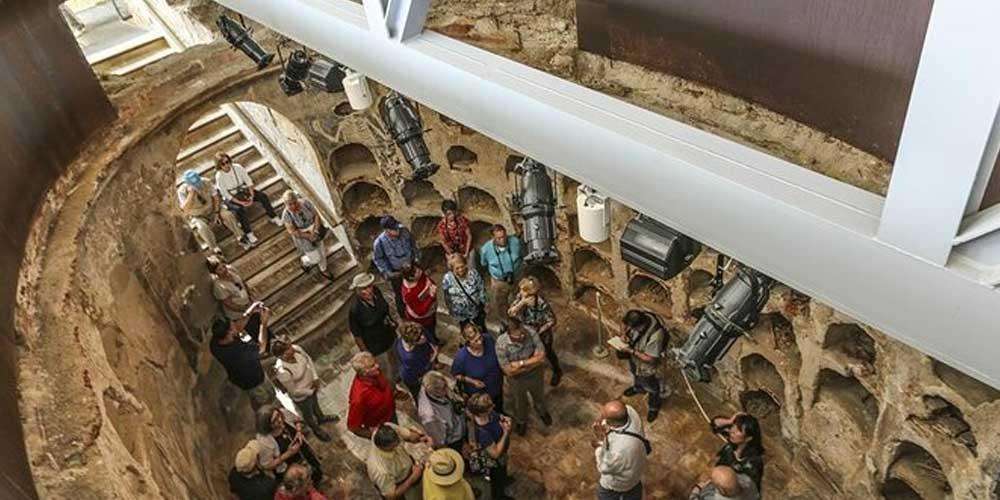
The center enriches the visitor experience with a combination of traditional displays and modern technology. Virtual reconstructions, information panels, and interactive features bring history to life (and make the experience very fun!). I opted for a guided tour, which lasted approximately 30 minutes and provided an in-depth understanding of the Punic Wall’s historical and cultural significance.
Entry Fees
The cost of visiting the center is very affordable. I was with my family and had a discount on entering the center. Here are the prices:
- General entry: €3.50
- Reduced entry (for children under 12, students up to 25, Youth Card and Youth Card +, unemployed, pensioners, retired people, disabled people, large families (2 or more adults with 2 or more children under 12), large family card and groups of 20 people or more): €2.50
- Children under 3, official tourist guides, and members of the Club Cartagena Puerto de Culturas (except activities) are admitted free of charge.
Opening Hours
You can visit the center the whole year:
- High season (1 July to 15 September): Monday to Sunday, 10:00 am to 8:00 pm.
- Mid season (15 March to 30 June / 16 September to 1 November): Tuesday to Sunday, 10:00 am to 7:00 pm. (Holy Week: Monday to Sunday)
- Low season (2 November to 14 March): Tuesday to Sunday, from 10:00 am to 5:30 pm.
Accessibility
The Punic Wall Interpretation Centre is committed to accessible tourism, providing several facilities for visitors with special needs:
- Elimination of architectural barriers: Ramps, glass floors, and balconies for a complete view of the remains from the upper floor.
- Adapted bathrooms.
- Audiovisual resources: With subtitles and voiceover in Spanish and English, catering to people with hearing and visual impairments.
- Reduced rate: For people with disabilities, upon presentation of official accreditation.
- Access permitted with guide dogs: With corresponding accreditation.
Audio Guides
For a more personalized and informative visit, the center offers audio guides in four languages: Spanish, English, French, and Russian. The cost of the audio guide is €2.
A Dive Into The History of Cartagena
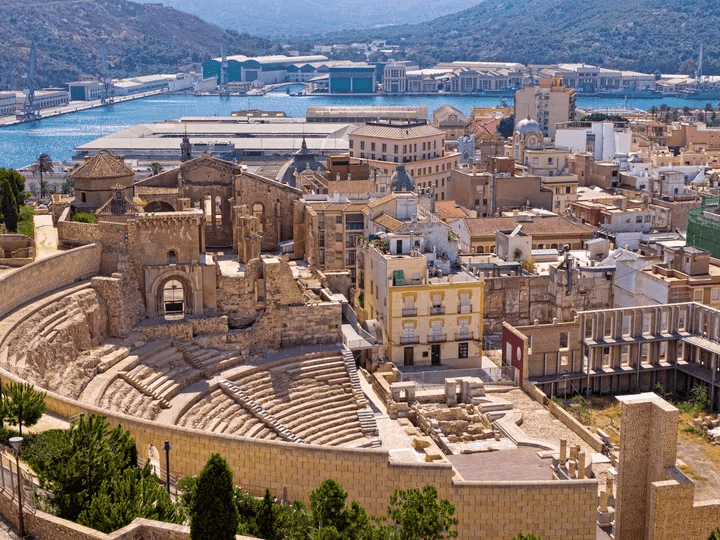
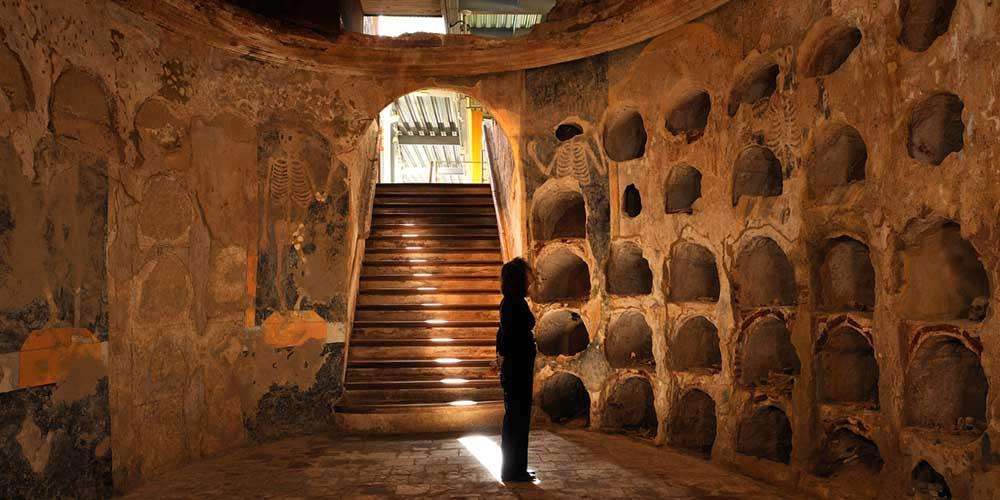
The entire region of Cartagena (the whole of Murcia, in fact) is full of history and many opportunities for rich learning. If you plan to travel through the region, visiting this historic site is worth it. Many agencies offer package tours that include the wall. In addition to taking you down to the macabre ruins, these tours typically visit the Roman Theatre of Cartagena (Teatro Romano de Cartagena) and Casa de la Fortuna, which recreates first-century Roman life.
Today, the Punic Wall is a major tourist and educational destination in Cartagena. The Punic Wall Interpretation Center offers visitors the opportunity to explore the ruins and learn about the history of Carthage and its influence on the Iberian Peninsula. The center uses a combination of traditional exhibits and modern technology to bring history to life, including virtual and interactive reconstructions.
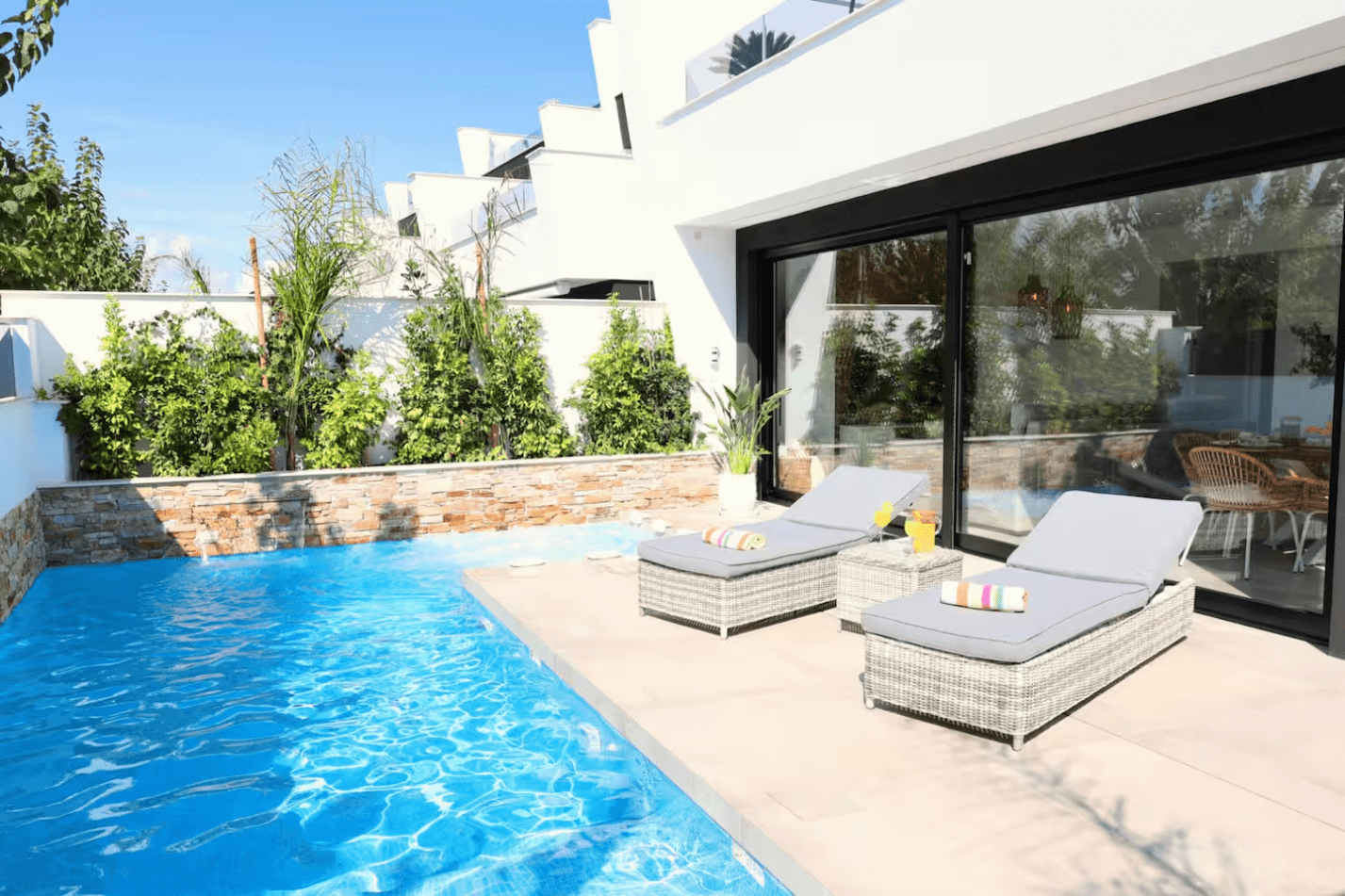
Enjoy Your Private Paradise in Villa Murcia!
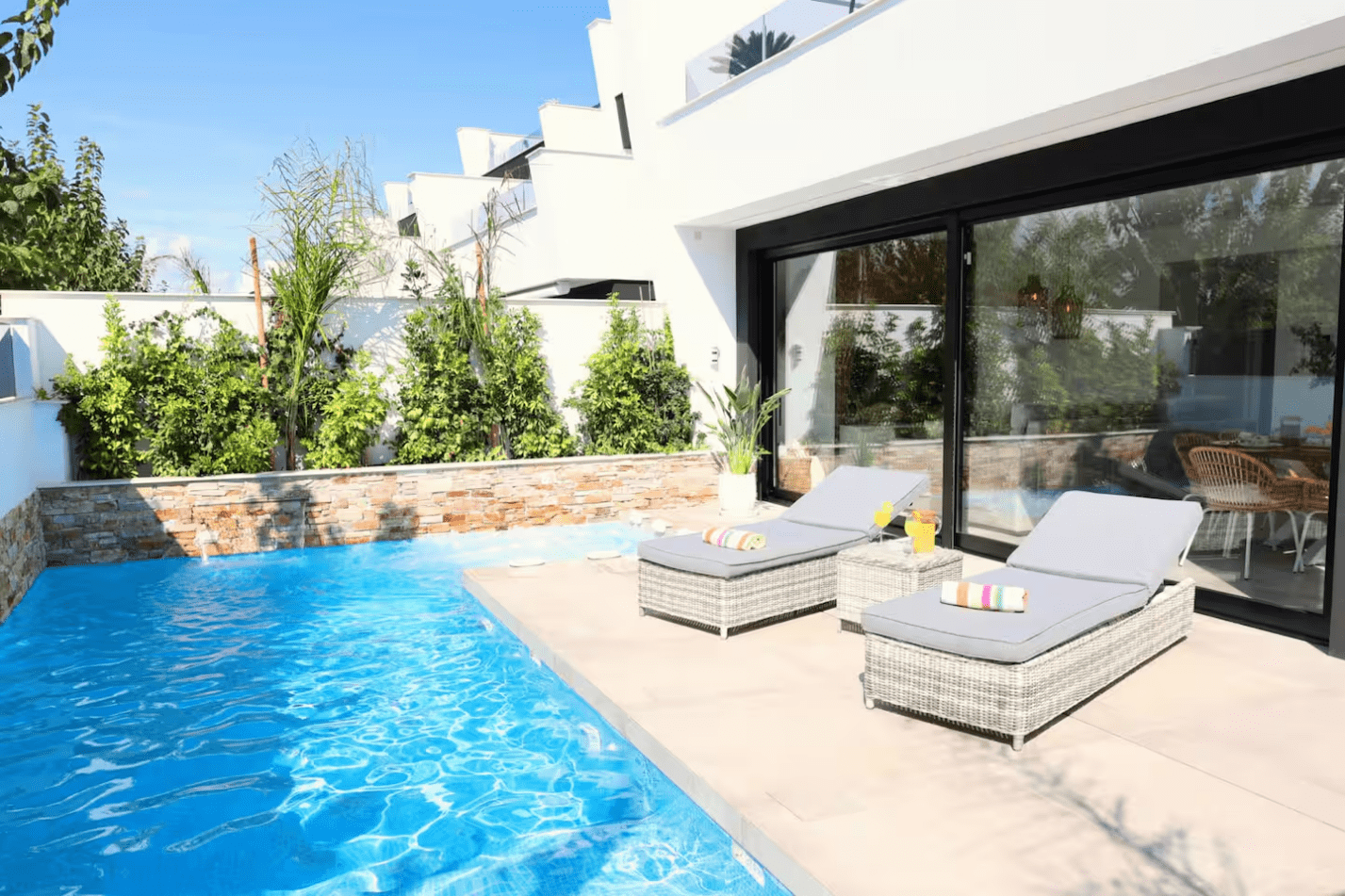
Looking for the perfect place to stay in Murcia? We’ve got just the spot for you!
Villa Murcia – Your Private Paradise
Wake up to coffee on a sun-drenched terrace, unwind in a warm jacuzzi after a day of exploring, and end your evenings with dinners in the summer kitchen. Nestled in charming Santiago de la Ribera, Villa Murcia offers more than just a holiday—it’s your personal oasis of comfort, style, and unforgettable moments.
Highlights:
✔ Spacious living room with a large sofa and open kitchen – perfect for shared memories
✔ Three elegant, air-conditioned bedrooms with private terraces – your peaceful retreat
✔ Extra fold-out sofa in the living room – ideal for additional guests
Whether it’s a romantic escape, a family getaway, or a relaxing break with friends – Villa Murcia is your dream stay.
Book now and experience the magic of the Spanish sun!
.