

Category: Others Page 1 of 3

Alicante

Snorkeling in Alicante: Discover Underwater Paradise

Many tourists prefer certain coastal regions to spend their holidays or enjoy a long weekend during the year. Among the tourist attractions offered, certain water sports can be practiced. Among so many options, snorkeling is one.

A few years ago, I spent my vacation in Murcia, Spain, and learned about a nearby city where snorkeling is very popular: Alicante. As a sports lover, I ran to find more information and went there to practice the sport. Today, I will share with you my experience in this charming city.

Table of Contents

What Is Snorkeling?

If you’ve come across this article, it’s likely because you know about snorkeling and want to know about places suitable for the activity. But if that’s not the case, I’ll briefly explain.

Snorkeling is the term for a free diving sport in which the diver stays submerged in the sea and breathes through a snorkel—a tube attached to the diving mask and placed in the diver’s mouth. Some also use fins as necessary equipment during this occasion.

Meet Alicante

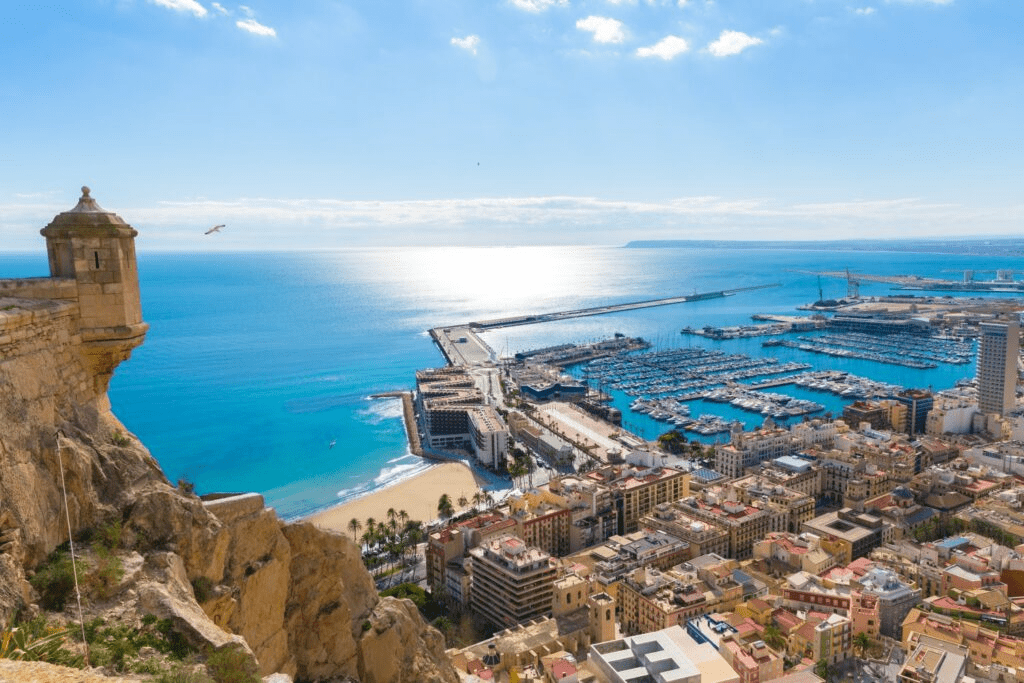
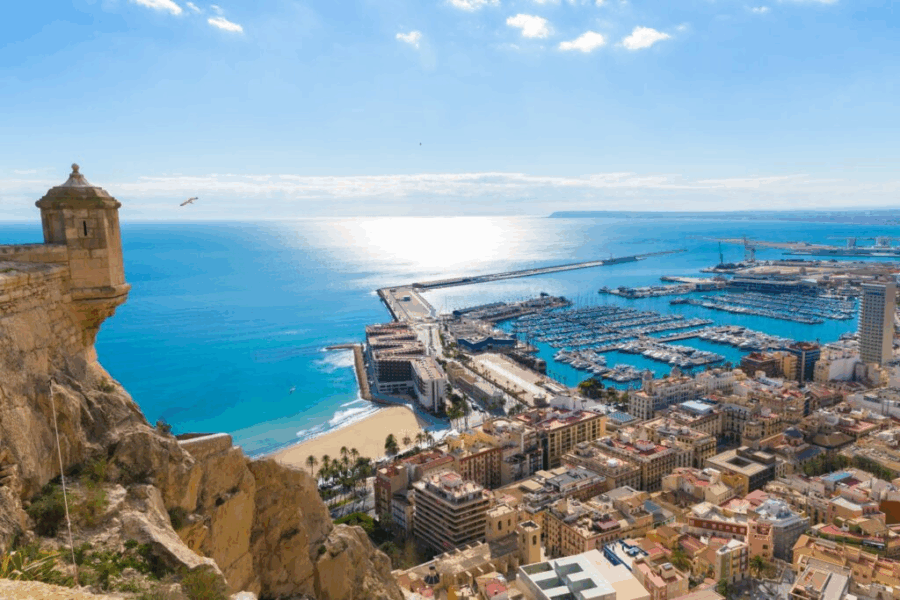
Alicante, located on the beautiful Costa Blanca and one hour from Murcia, is one of Spain’s most popular tourist destinations. The province is known for its sunny beaches, crystal clear waters, and rich history.

Its capital is the city of Alicante, and it has 26 municipalities with more than 20.000 inhabitants, making it one of the provinces with the highest degree of urbanization.
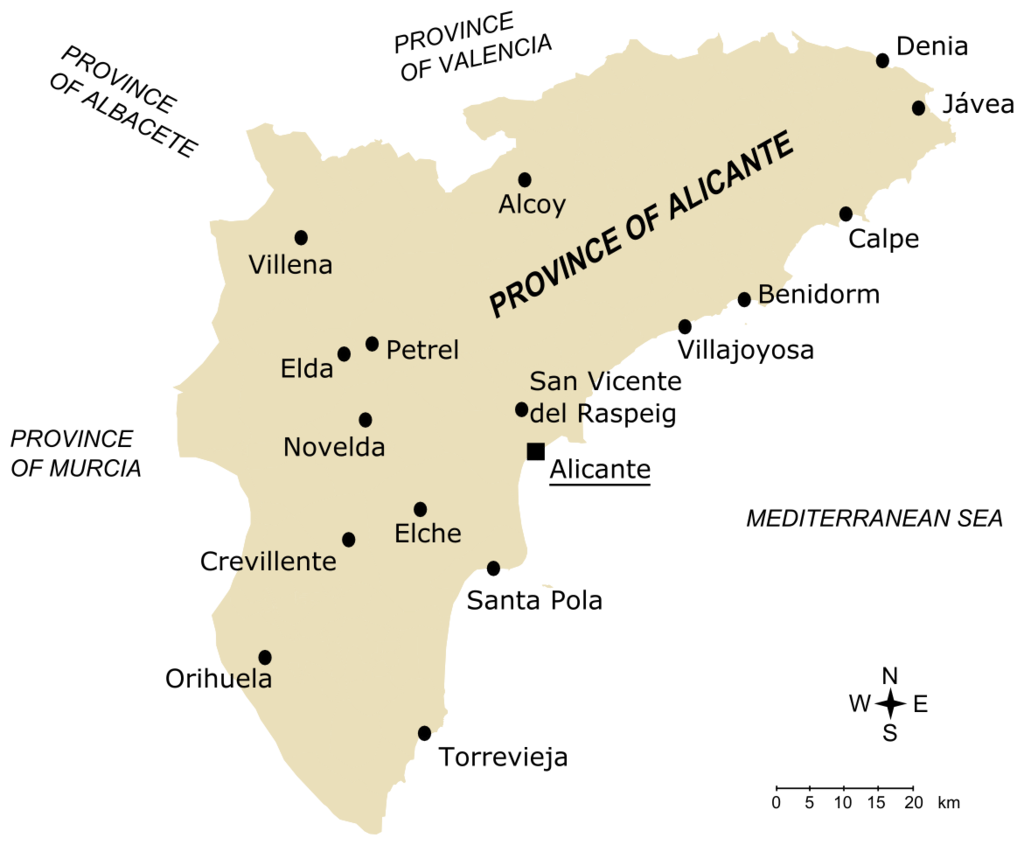
Map of Alicante

Snorkeling In Alicante

Alicante is a true paradise for snorkelers. The Mediterranean Sea bathes its shores with diverse marine life, making the underwater environment a thriving space for exploration. Alicante’s warm waters and excellent visibility make this location perfect for divers of all skill levels, from beginners to professionals. This experience is a nice and pleasing option for families and groups of friends who are passionate about the ocean, nature, and adventure.

If you don’t have snorkeling equipment, most places in Alicante have companies that specialize in water sports. You can contact them to request information and book the package that best suits you. Packages usually include instructors and facilities such as free cancellation.

The Best Places To Do Alicante Snorkeling
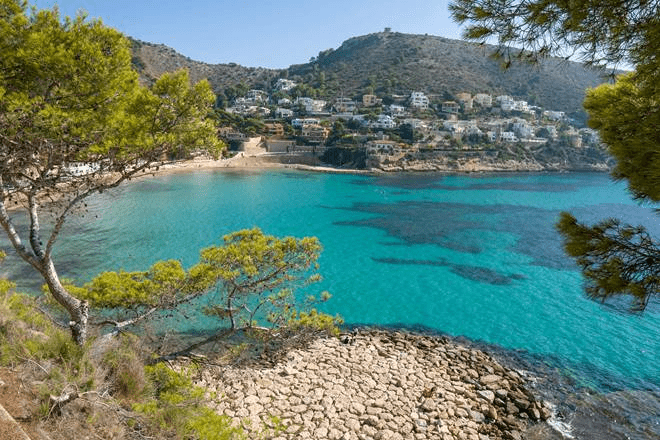
Alicante beach

There are many options for snorkeling in Alicante. I visited some that I can recommend, but if you spend more time in the region, you can discover many other places (that I’m sure will be awesome).

Santa Pola
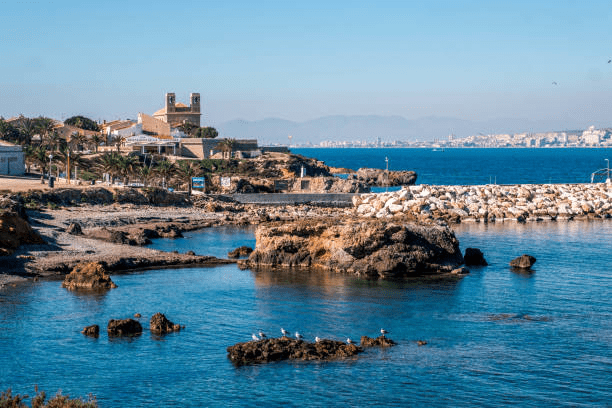
Santa Pola

It is one of the most famous destinations in the province.

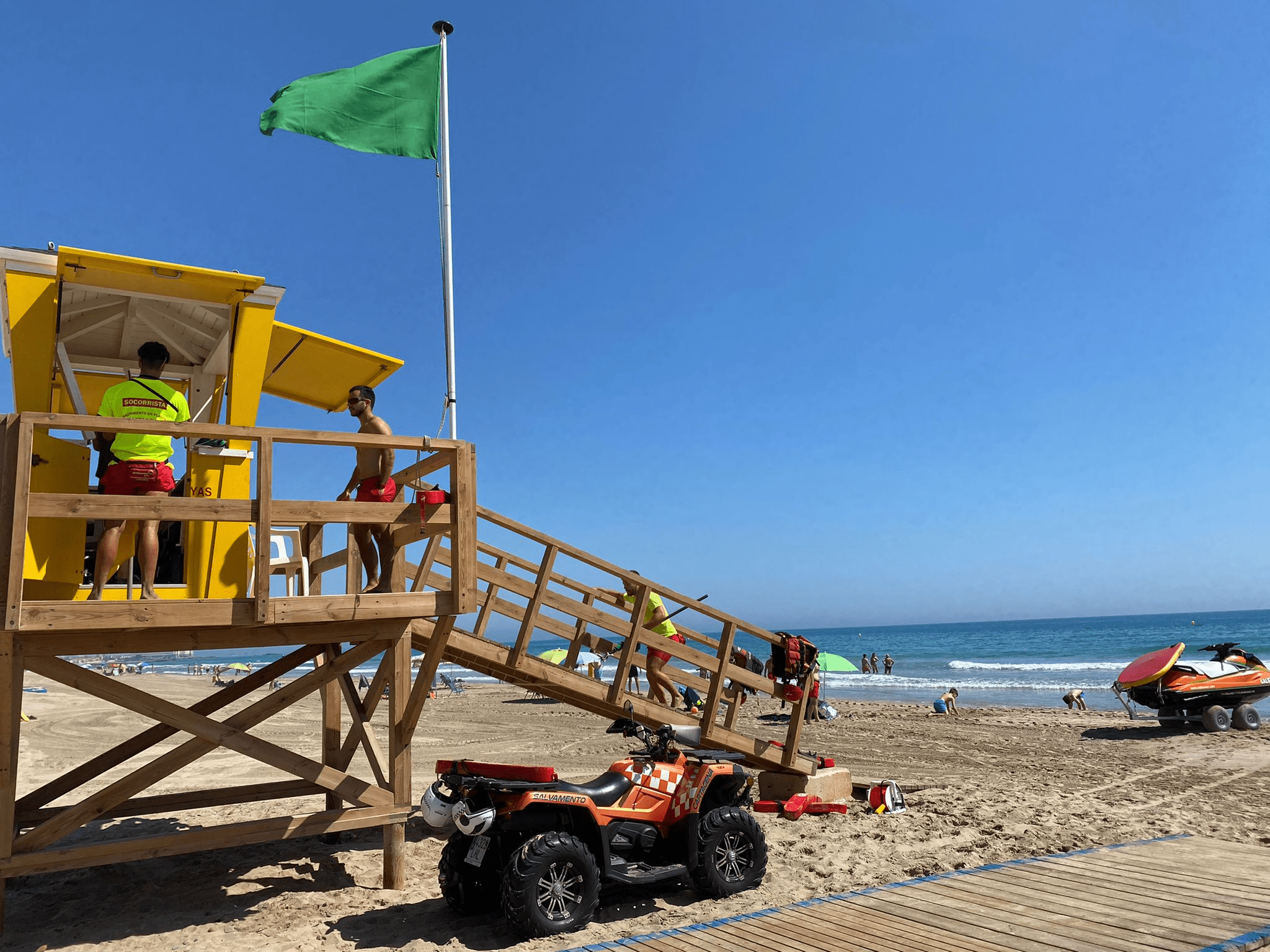
Santa Pola is located south of Alicante and is known for its beaches and waters, which are rich in marine life. Santa Pola also has environmental protection areas, such as the Salinas de Santa Pola, which offer stunning scenery and additional opportunities to explore nature. The beaches there are very well structured and accommodate people very well, with all the facilities we need, such as bathrooms, umbrella and chair rentals, and lifeguards, making the snorkeling experience even safer.

The Tabarca Island Marine Reserve
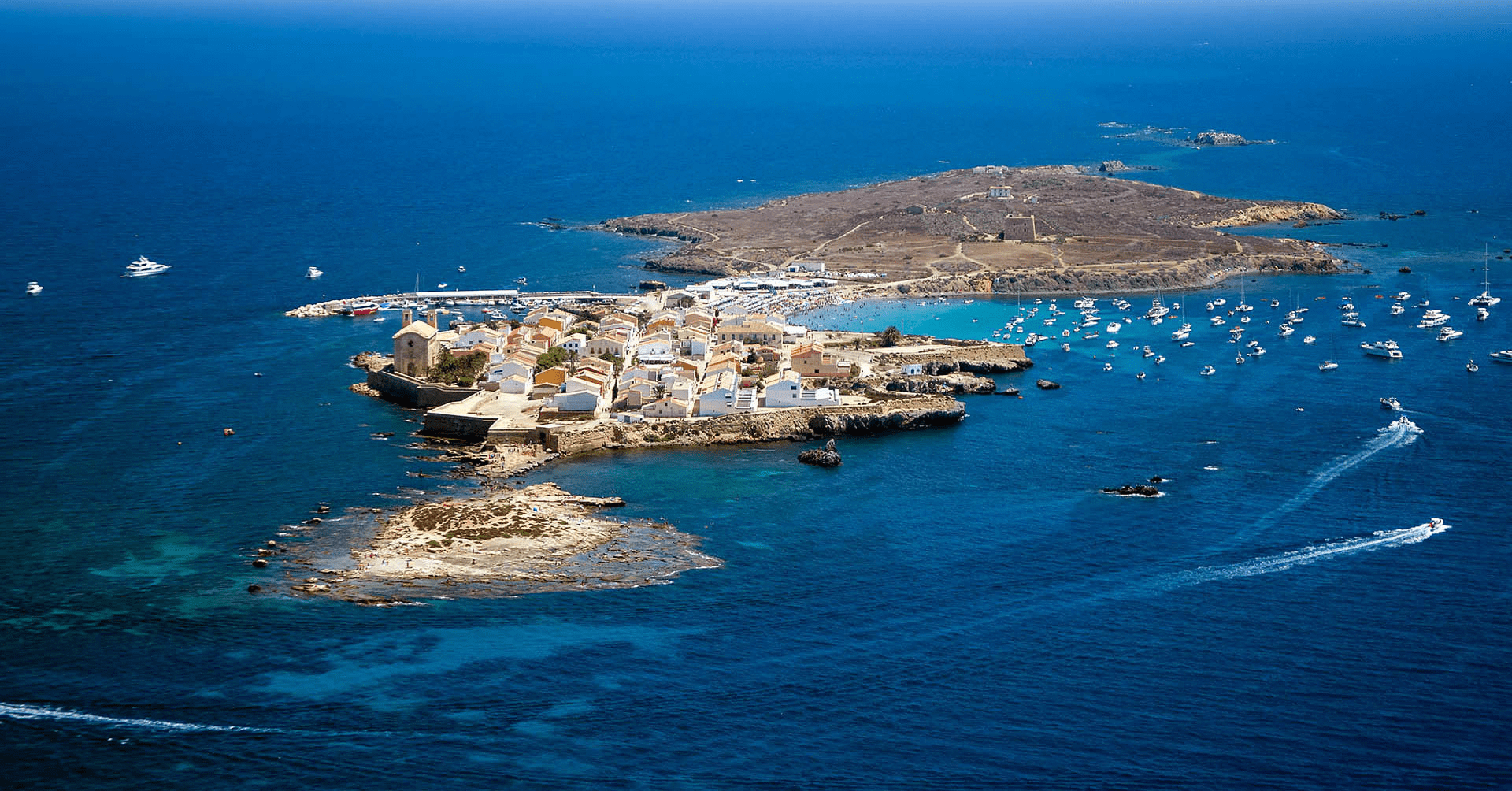
The Tabarca Island Marine Reserve

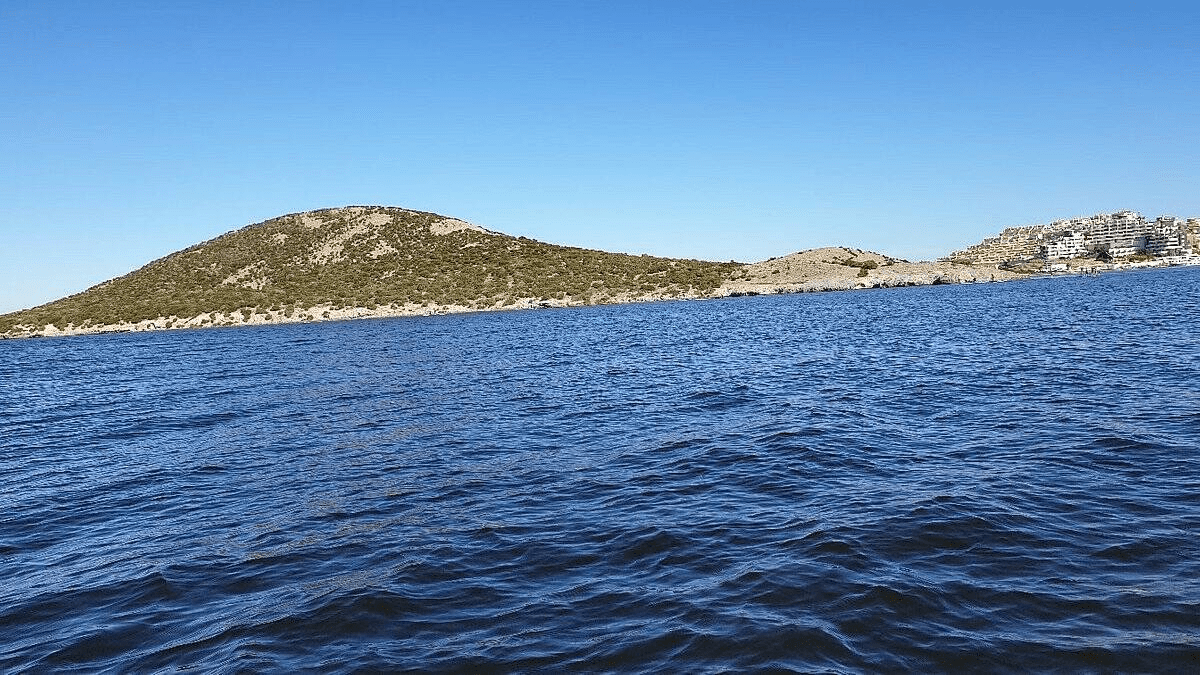
Tabarca, or Isla Plana, is the only inhabited island in the Region of Valencia. Tabarca Island, located about 22 km off the coast of Alicante, is Spain’s first marine reserve. The island is simply incredible, with crystal-clear waters and a vibrant biodiversity. The snorkeling experience there is exceptional; there are many coral reefs and colorful marine life to be explored, and the water certainly helps you have a magnificent view of everything. In addition to the sports, the beaches on the island are very calm, perfect for families or people looking for relaxation.

Playa La Granadella
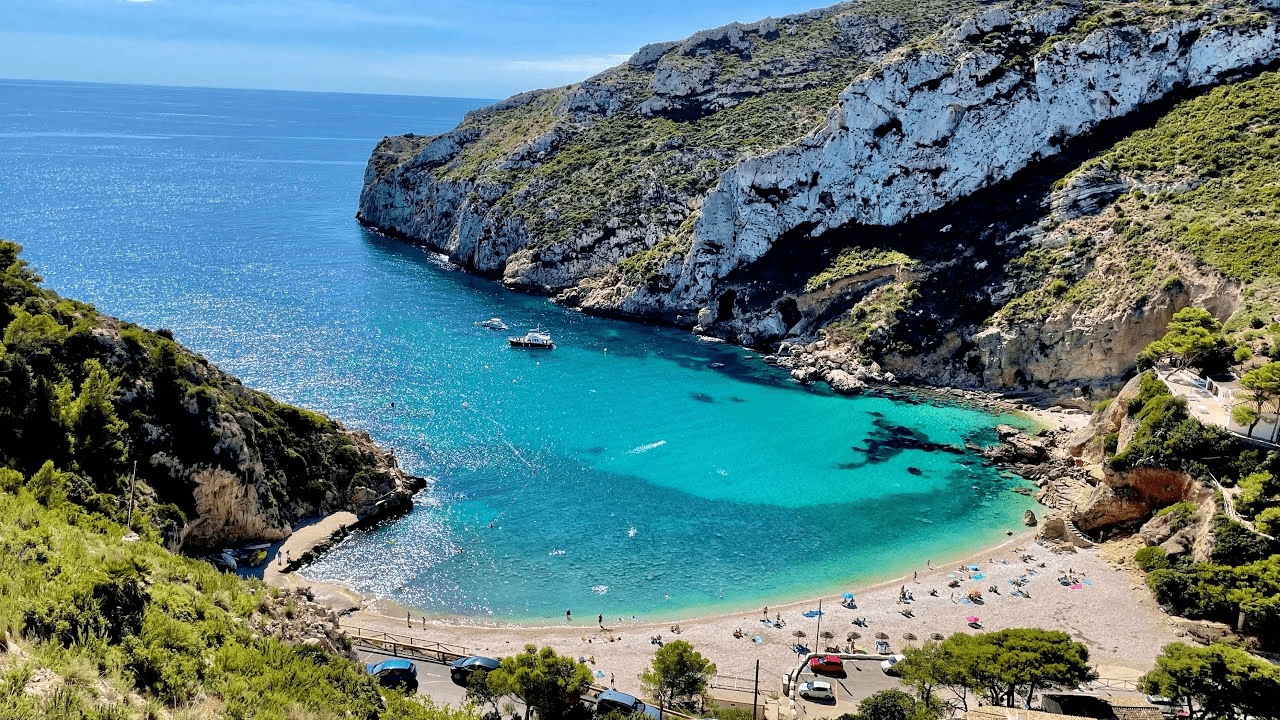
Playa La Granadella

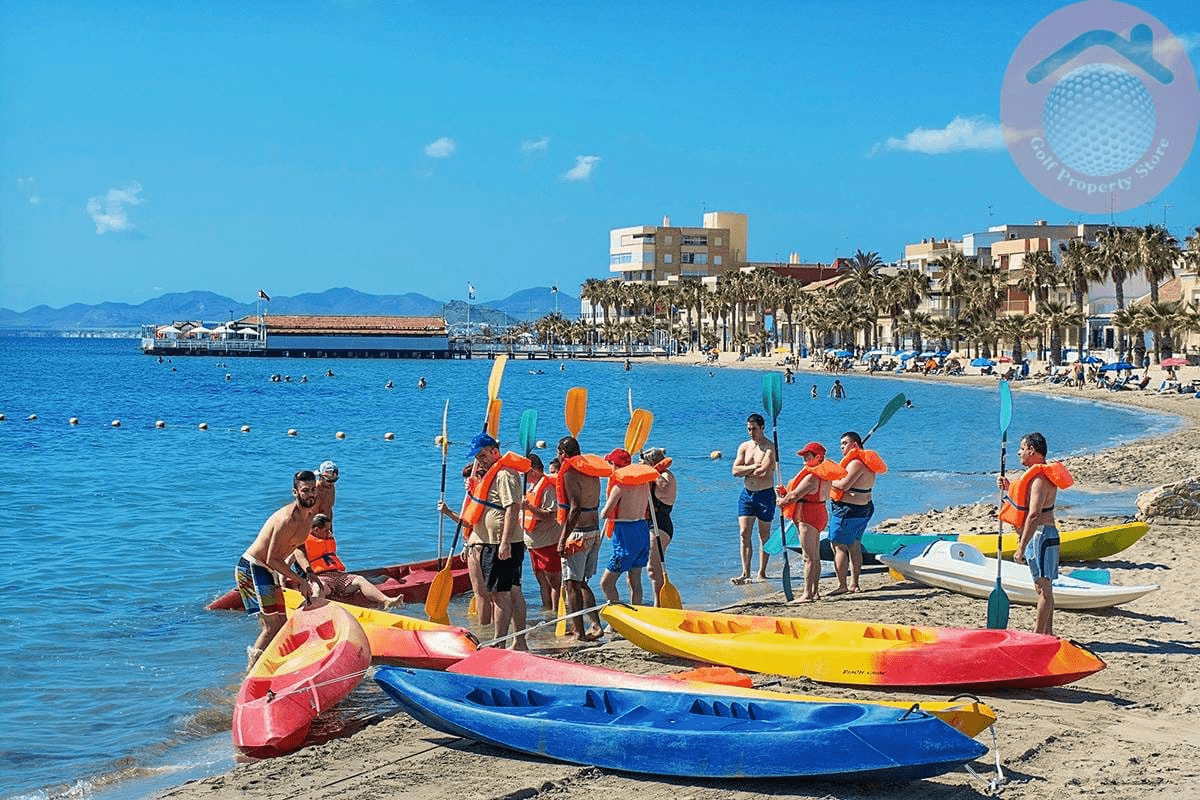
Cala Granadella, in Jávea, is one of the most beautiful beaches I have ever visited. Crystal clear, turquoise waters, a variety of marine life, and lots of nature all around make any activity on this beach simply spectacular. I saw many people kayaking on the beach, too.

El Campello

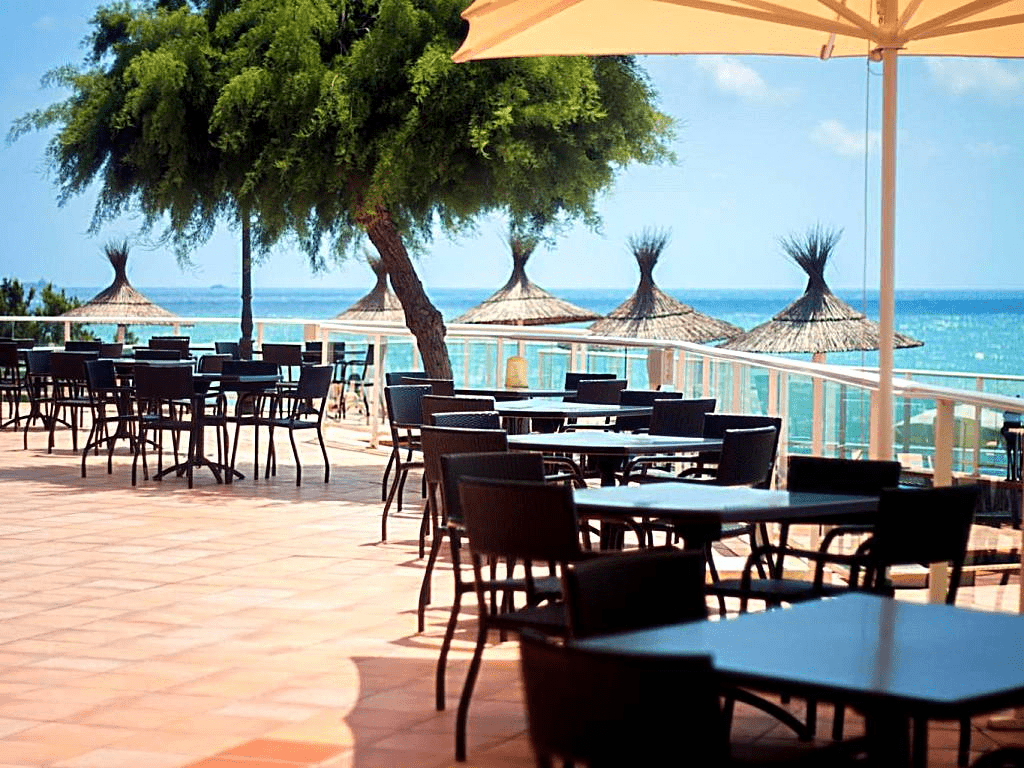
Located in the heart of the Costa Blanca, El Campello has 23 kilometers of coastline with beautiful beaches offering a contrasting landscape, along with wide, sandy beaches like Muchavista, cliffs, and small coves, such as La Coveta Fuma or La Venta La Nuza. The good thing about El Campello is that in addition to having water sports on most of its beaches, you have many facilities available on the beaches, such as bathrooms and restaurant and bar options (who doesn’t like a soft drink after a long day at the beach, right?).

Cala Sardinera
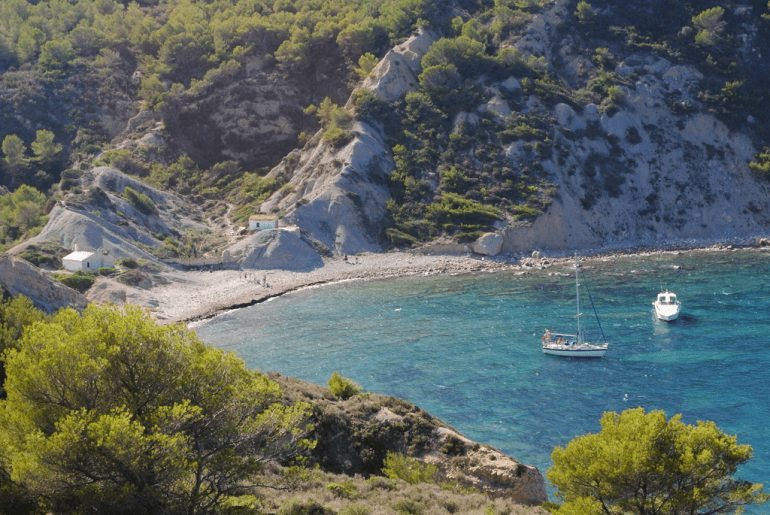
Cala Sardinera

Cala Sardinera, also in Jávea, is a secluded cove known for its natural beauty and crystal clear waters. The tranquil spot is perfect for snorkeling, with abundant marine life and Posidonia meadows. Access can be a bit tricky to get there (either by trail or by boat), which helps keep it preserved and less crowded. I loved spending time with my family on this beach, enjoying an intimate and peaceful experience with nature.

Calpe
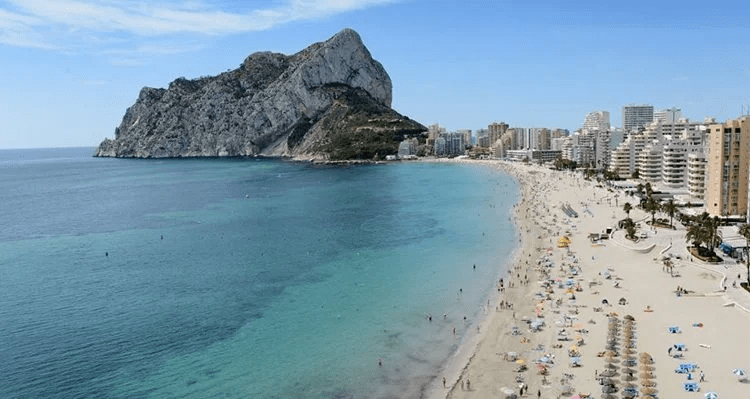
Calpe

Calpe is famous for its iconic Penyal d’Ifac, a huge rock jutting out into the sea. The waters around Calpe are clear and home to a wide variety of marine life, making it an excellent spot for snorkeling. Beaches such as Cala Les Urques and Cala El Racó (the second one is located just below the Penyal d’Ifac behind the port) are popular with snorkelers, offering easy access and rich opportunities for underwater exploration. Calpe also offers a vibrant nightlife and a variety of dining options.

When To Snorkel In Alicante?

The best time to snorkel in Alicante is during the warm months between May and October. The water temperatures are pleasant, ranging from 19°C to 26°C, allowing you to explore the underwater world comfortably. However, the year’s coldest months are not so severe in the region, which means the activity is carried out throughout the whole year. Remember that summer tends to be busier, so consider snorkeling at other times of the year, during the week or the day, to avoid crowds.

General Rules for Snorkeling

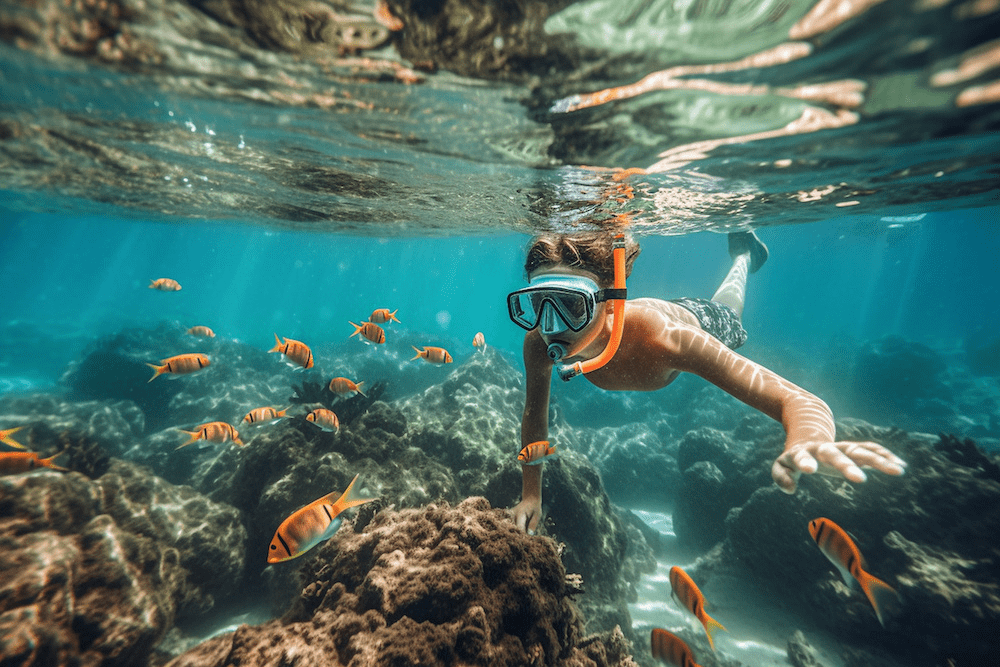
Snorkeling

Snorkeling is a popular water sport due to the versatility and safety it provides to its fans. Because it is a safe activity and quite simple to carry out, snorkeling is possible in all situations without needing previous experience. However, it is still important to follow some rules for this practice for the greatest possible safety:

  • It is essential to know how to swim;
  • It is not suitable or recommended for pregnant women;
  • An adult must accompany children;
  • Sometimes, the activity is not indicated if the weather conditions or the state of the sea are not good.

Enjoy Your Private Paradise in Villa Murcia!
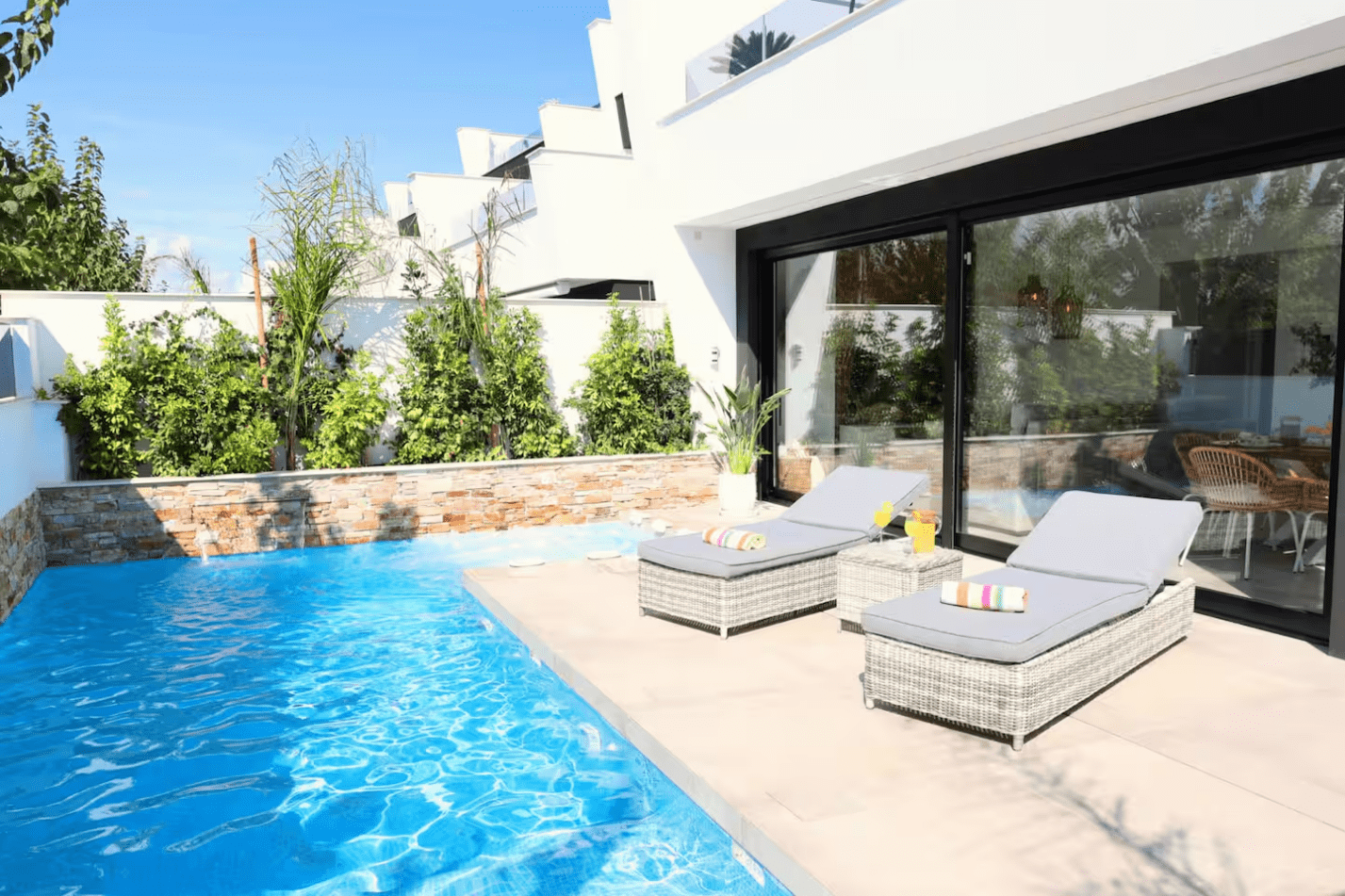
Piscina com águaO conteúdo gerado por IA pode estar incorreto.

Looking for the perfect place to stay in Murcia? We’ve got just the spot for you!

Villa Murcia – Your Private Paradise

Wake up to coffee on a sun-drenched terrace, unwind in a warm jacuzzi after a day of exploring, and end your evenings with dinners in the summer kitchen. Nestled in charming Santiago de la Ribera, Villa Murcia offers more than just a holiday—it’s your personal oasis of comfort, style, and unforgettable moments.

Highlights:
✔ Spacious living room with a large sofa and open kitchen – perfect for shared memories
✔ Three elegant, air-conditioned bedrooms with private terraces – your peaceful retreat
✔ Extra fold-out sofa in the living room – ideal for additional guests

Whether it’s a romantic escape, a family getaway, or a relaxing break with friends – Villa Murcia is your dream stay.

Book now and experience the magic of the Spanish sun!

Alicante Is A Paradise For Snorkeling Enthusiasts
Snorkeling

From the historic Tabarca Island to the tranquil coves of Granadella and Cala Sardinera, each location offers an unforgettable experience. With crystal-clear waters and vibrant biodiversity, the province of Alicante invites visitors to discover its underwater wonders and enjoy moments of pure beauty and adventure. Pack your gear and dive into the enchanting waters of the Costa Blanca!
Read More

Mar Menor: An Oasis of Natural Beauty on the Mediterranean Sea

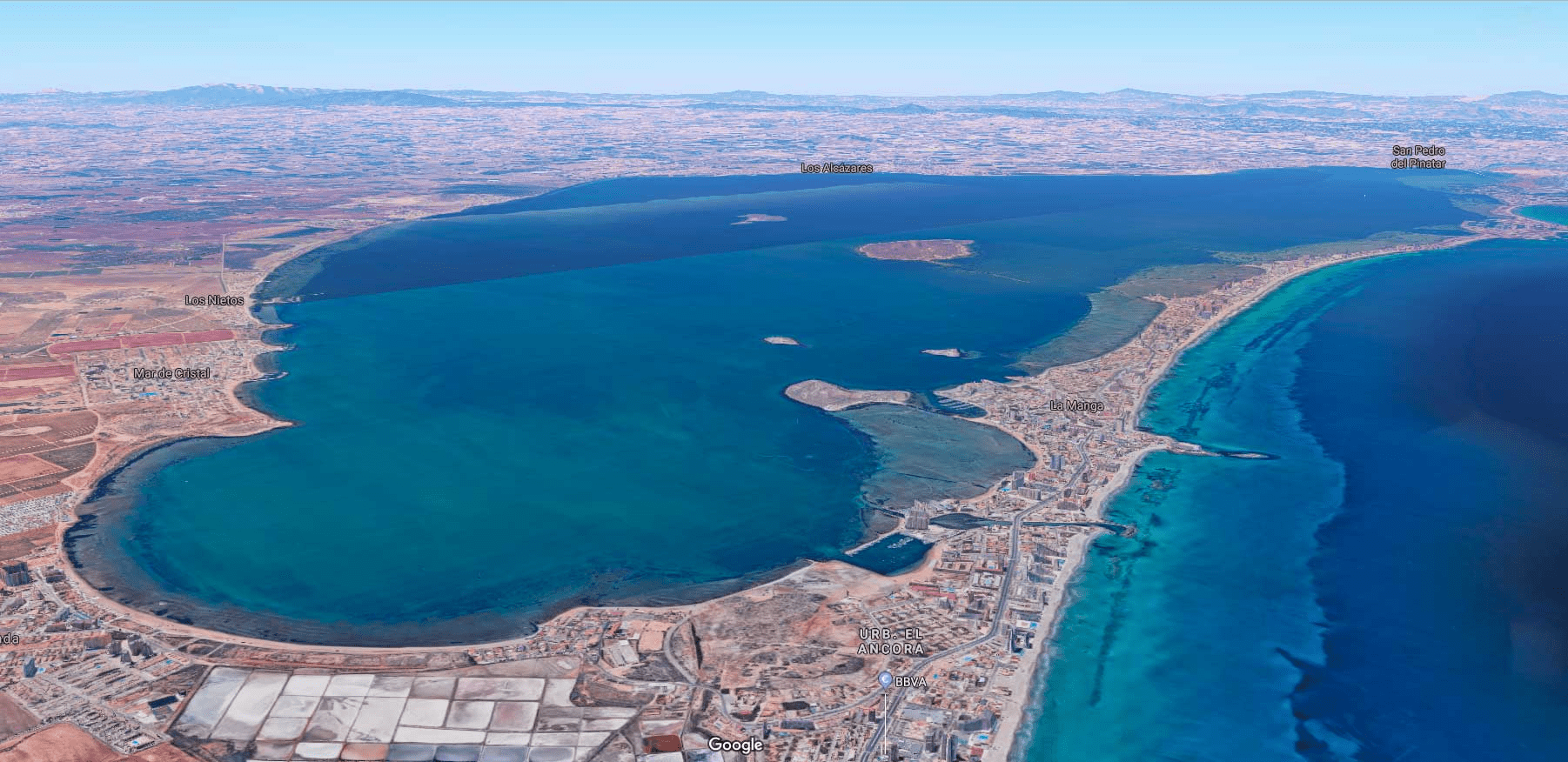
Located in the Murcia region of southeastern Spain, the Mar Menor is a unique coastal saltwater lagoon next to the Mediterranean. With 135 square kilometers of clear waters, almost all Murcians and many foreigners have spent their childhood diving in search of seahorses. The area is famed for leisure sports, fishing, and beach holidays. I visited the area and had a great time there, so In this article, I will explore the region’s natural beauty, biodiversity, and best leisure options.

Table of Contents

Geography and Characteristics

Mar Menor

The Mar Menor (or Minor Sea) is separated from the Mediterranean Sea by a narrow strip of land known as La Manga del Mar Menor. This strip of land is about 22 km long and between 100 and 1200 m wide.

With an area of ​​approximately 135 km², the lagoon has an average depth of 4 meters (the maximum depth does not exceed 7 meters), making it ideal for water activities and very popular with families with children, as it is a safer place to go into the water.

The area is divided into four municipalities: Cartagena, Los Alcazares, San Javier, and San Pedro del Pinatar.

Some say that the waters of the Mar Menor have supposed therapeutic effects: the Spanish claim that its waters have a high concentration of salt and a type of mud accumulated at the bottom capable of taking years off any skin.

In addition to the water from the avenues, the Mar Menor exchanges its waters with the Mediterranean through five points in La Manga and receives marine water contributions.

Biodiversity

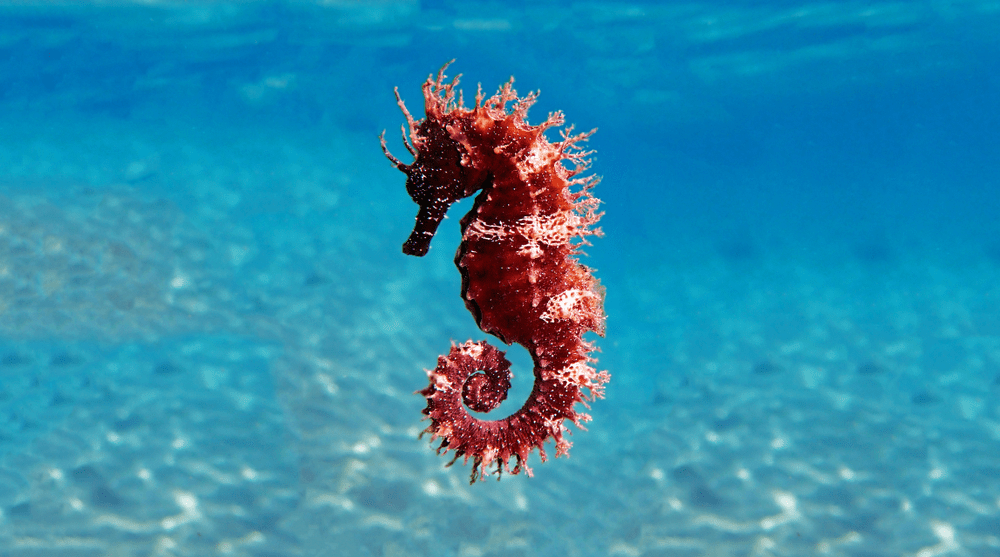
Seahorse

This unique ecosystem is home to diverse marine life and migratory birds. Lovers of this area often travel to the region precisely for this reason. When diving in the waters of this region, for example, you can find species such as seahorses, eels, and sea bream. Meanwhile, its shores and islets provide refuge for birds such as the pink flamingo and the grey heron.

The region is also home to a rich diversity of flora and fauna, including several species of fish, birds, and aquatic plants. This means there are many specially protected areas and nature reserves of great importance for the Mediterranean.

Unfortunately, in recent decades, the region has faced severe contamination from human activities and chemicals commonly found in fertilizers used in the Campo de Cartagena, the largest agricultural area in the region. This contamination has led to several ecological collapses, pushing endemic species such as the fartet and the samaruc to extinction. The good news is that local authorities have implemented restoration and prevention measures to save the lagoon. In 2021, for example, Murcia’s Ministry of Ecological Transition announced the creation of a green belt around the Mar Menor coast.

Tourism and Recreational Activities

Tourism and Recreational Activities
PolarisWorld

Water sports are extremely popular in the Mar Menor due to its ideal conditions. The coastal lagoon is characterized by calm, shallow, and warm waters, which makes it perfect for sports such as windsurfing, kitesurfing, kayaking, stand-up paddleboarding, and sailing.

The absence of strong waves and dangerous currents provides beginners and families with a safe and pleasant environment. At the same time, the constant winds attract more experienced practitioners in search of an adrenaline rush.

The region is rich in caves, corals, and reefs, so many people seek it out to learn and go diving.

In addition, the region’s natural beauty, with its golden sand beaches and stunning landscapes, contributes to the place’s popularity. This has led to government support for including modern infrastructure throughout the region. So, on practically every beach you visit in the area, you will find toilets, ramps, dedicated sports areas, areas for people with reduced mobility, and many restaurants, bars, and kiosks.

The municipalities that border the Mar Menor are also popular for vacations due to their resorts (especially golf resorts), great dining options, events, and nightlife. Regardless of which town you stay in, there is always something to do there!

Therapeutic Mud and Waters

As if its incredible landscapes and waters weren’t enough, the region is also sought after for its therapeutic properties. You’ve probably read somewhere that mud can be used in medical and aesthetic treatments, right?

The special climatic conditions in the Mar Menor and the high salinity water have produced clay deposits that contain a high percentage of positive ions, calcium, magnesium, potassium, and fluoride, as well as negative ions, chlorine, and sulfate, which combine with extraordinarily fine sand to create a unique and healing mud.

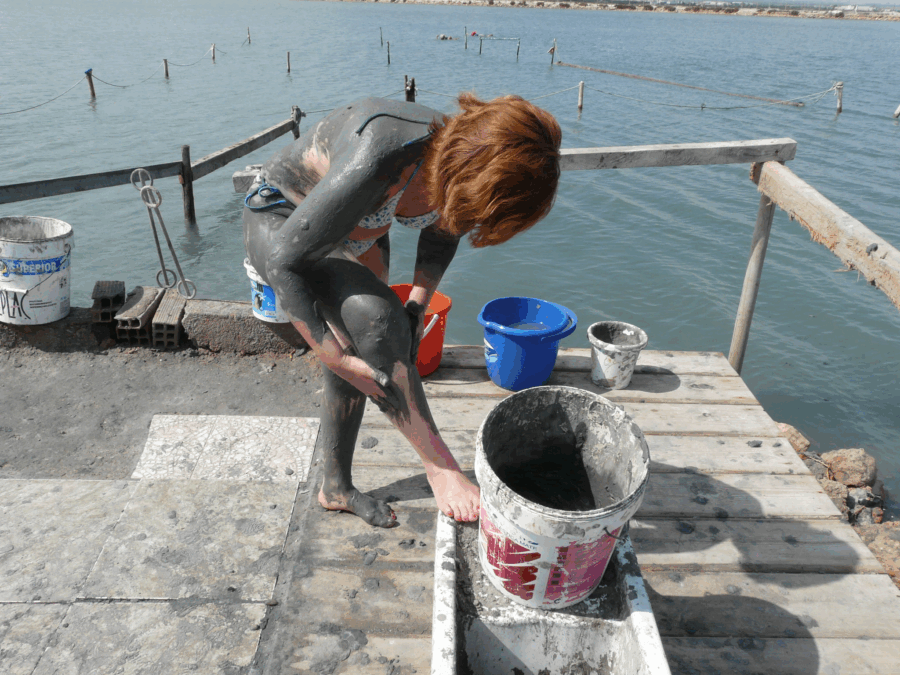
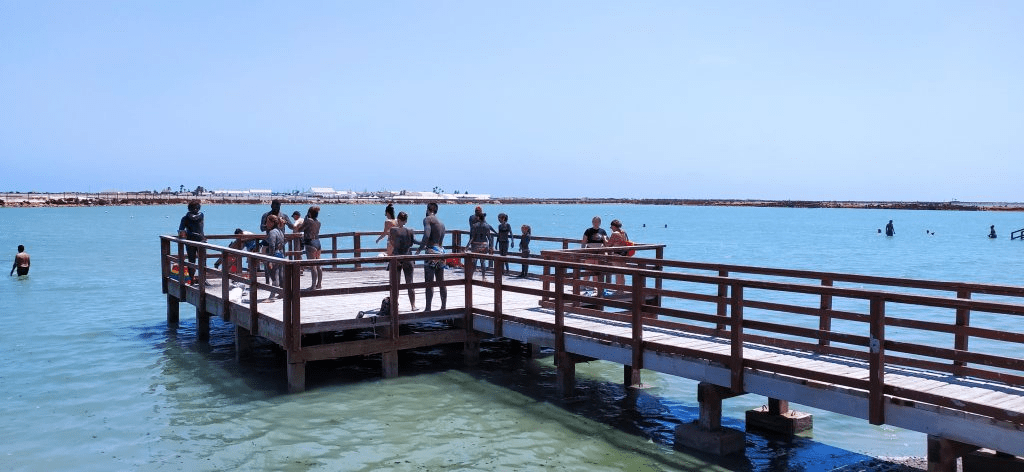
Several areas, such as Las Charcas and San Pedro del Pinatar, are very popular for this. The Banos de Lodo (mud baths) Banos de Lodo are recommended for arthritic conditions, rheumatism, broken bones, skin conditions, and beauty treatment.

Tourist Attractions in the Region

The Mar Menor region has many interesting, beautiful, and fun tourist attractions. During my time in this region of Murcia, I was lost as to what to choose (there are so many). Today, I can mention some of the ones I liked the most:

La Islas Del Mar Menor

La Islas Del Mar Menor
Murcia Plaza

There are islands in the interior of the Mar Menor that are part of the Protected Landscape of Open Spaces and Islands of the Mar Menor. They are rocky outcrops of volcanic origin that emerged during the geological period known as the Tortonian before the formation of La Manga. Most of these islands can be visited, and each landscape is better than the last.

Puente de la Risa

Puente de la Risa
Turismo E Region De Murcia

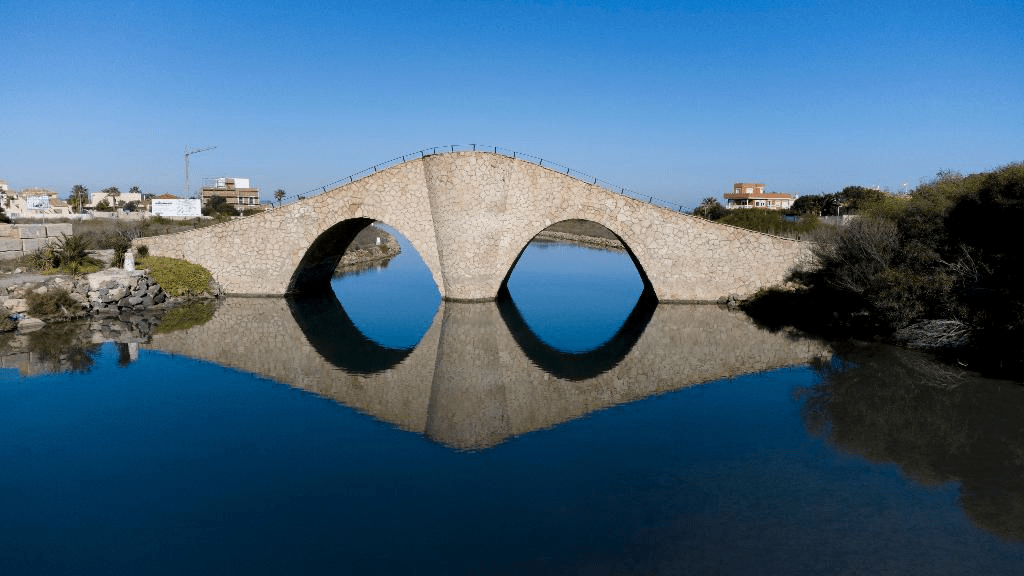
The Puente de la Risa, located at the northern end of La Manga, is known as the “Bridge of Laughter” due to its steep incline, which makes drivers laugh when they cross it. I had a very positive experience visiting it; the panoramic views of the Mar Menor are wonderful, and the surrounding area is ideal for walking and taking photographs, which will bring back great memories in moments and photos for your family.

Regional Park of Las Salinas and Arenales of San Pedro del Pinatar

Regional Park of Las Salinas and Arenales of San Pedro del Pinatar
Turismo E Region De Murcia

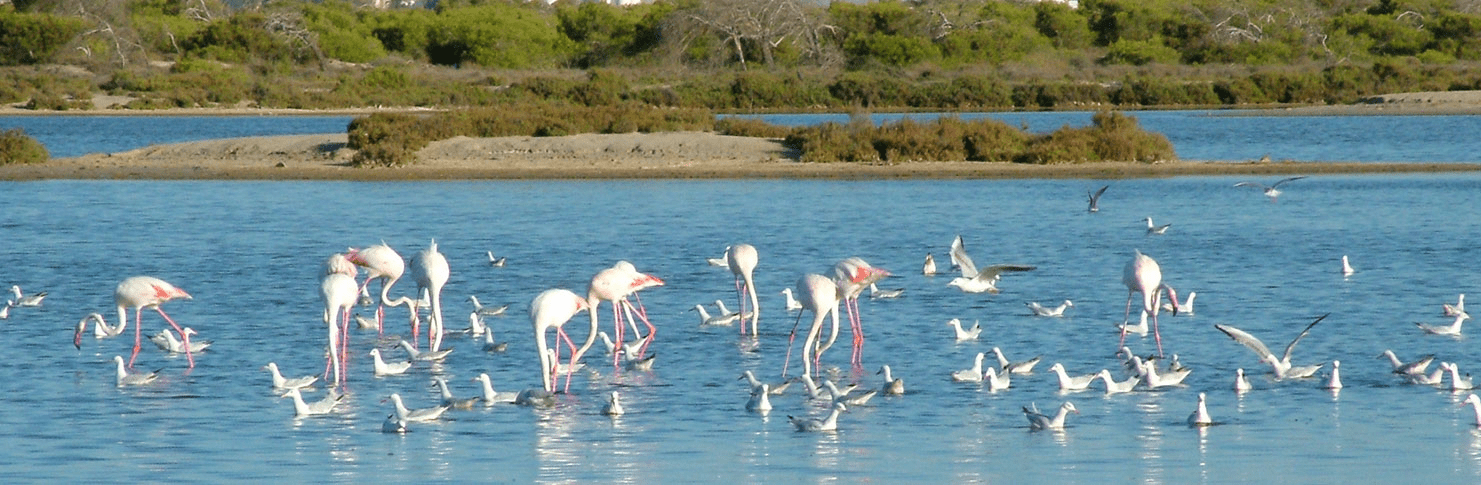
The Las Salinas y Arenales Regional Park in San Pedro del Pinatar is protected by the regional government and has great ecological value. The park is famous for its salt flats and dunes and is a birdwatching spot for migratory birds such as flamingos and herons. There, I explored trails on foot (it’s possible by bike, too), observed wildlife, and enjoyed the peaceful beaches.

You can also find the therapeutic mud baths I mentioned earlier in this text.

Cabo de Palos

Cabo de Palos
El Portus Blog

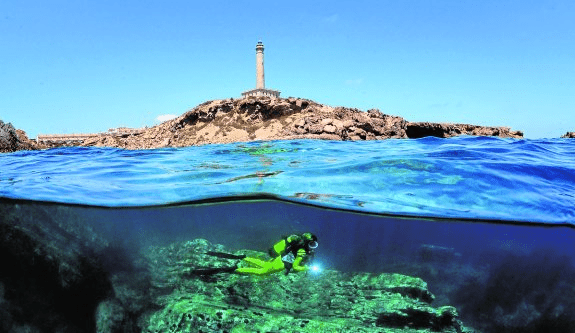
This charming fishing village is known for its historic lighthouse, which offers spectacular views of the Mediterranean Sea and the Mar Menor. It is also a popular diving destination, with several dive sites, including the Islas Hormigas underwater park, famous for its rich marine biodiversity and historic shipwrecks. It is definitely one of my favorite places to visit, as I first tried diving there (it was wonderful), and I also got to sample lots of amazing seafood at the restaurants and beach bars!

Mar Menor Beaches

The Mar Menor is surrounded by several lovely sandy beaches, each offering something unique to visitors. I spent a few days in the area and visited many beaches, many indeed! The number of beaches in the area is almost absurd (in a good way). Here, I will mention some of the ones I liked the most, although it is very difficult since my experiences were all positive.

Cala del Pino

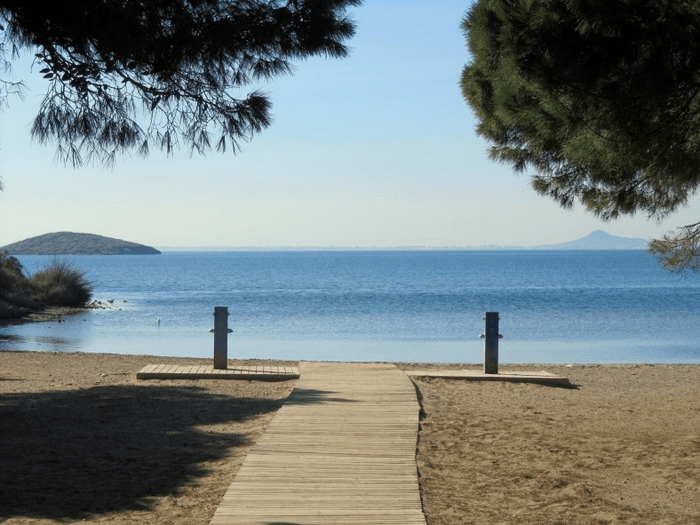
This small cove in La Manga Del Mar Menor (further north) is surrounded by pine trees, providing natural shade and a more secluded and peaceful environment. The water is crystal clear and ideal for swimming and snorkeling. It was one of the calmest beaches I had visited in the region and certainly one of the most beautiful.

Isla del Ciervo

Isla del Ciervo is not exactly a beach but a small island (remember when I spoke a little above about the islands of the Mar Menor?). Its waters are calm and ideal for swimming and snorkeling. The island is accessible by boat or kayak and has no facilities, making it a more rustic and natural place. It is a beautiful space, perfect for those wanting to connect with nature.

Playa de Las Salinas

Playa de Las Salinas
Turismo E Region De Murcia

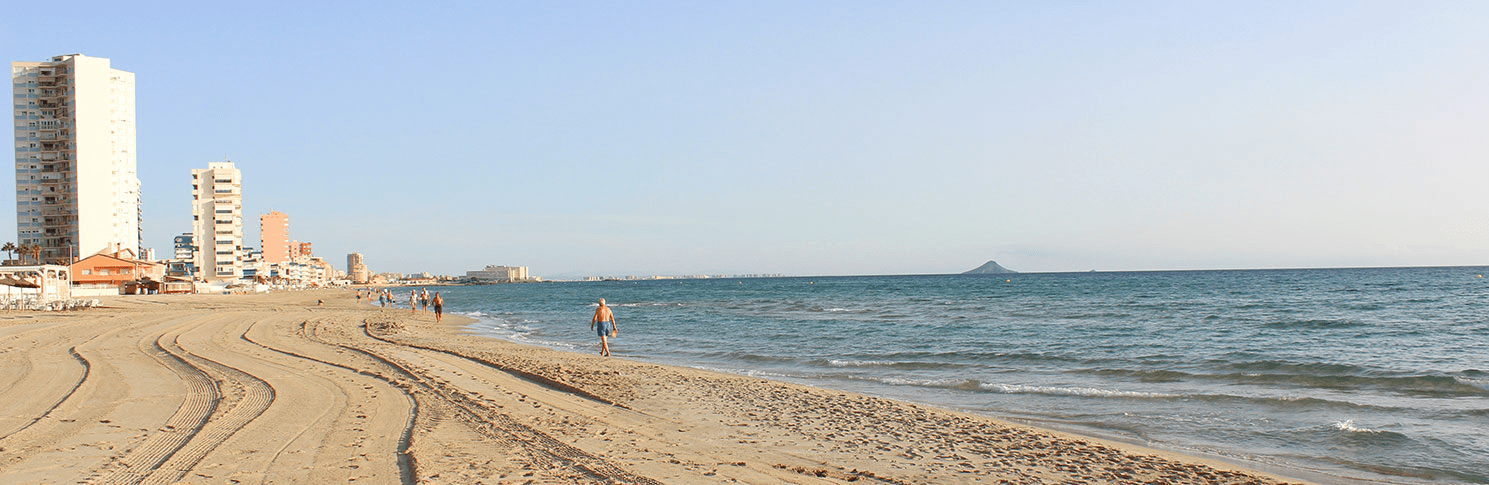
Playa de Las Salinas is known for its large stretches of sand and the old salt flats nearby, home to several species of migratory birds. It was really cool to walk along the beach and see so many different types of birds.

The beach in San Pedro Del Pinatar also has basic services, such as showers and bathrooms, and is accessible to people with reduced mobility.

Playa Del Barco Perdido

Playa Del Barco Perdido
Turismo E Region De Murcia

The beach is located within the jurisdiction of the municipality of Cartagena. It is so long that it is divided into three sections: Playa de las Sirenas, Playa Entremares, and Playa Zeus.

  • Playa Entremares: This is the busiest and most popular beach at the entrance to La Manga during the summer months. For younger people, this is usually one of the favorite beaches in the area.
  • Playa de las Sirenas: This section is known for its tranquility and clear waters, which are ideal for families and those seeking a quieter environment. In this section, the reason for the beach’s name is a shipwreck measuring almost 40 m in length, just a few meters from the coast.
  • Playa Zeus: The southern end section is less crowded and perfect for those seeking more privacy. It runs down the border with the Gola de Marchamalo, the southernmost channel allowing water to flow between the Mar Menor and the Mediterranean. It’s a great place for tourists to relax!

Enjoy Your Private Paradise in Villa Murcia!
Looking for the perfect place to stay in Murcia? We’ve got just the spot for you!
Villa Murcia – Your Private Paradise

Wake up to coffee on a sun-drenched terrace, unwind in a warm jacuzzi after a day of exploring, and end your evenings with dinners in the summer kitchen. Nestled in charming Santiago de la Ribera, Villa Murcia offers more than just a holiday—it’s your personal oasis of comfort, style, and unforgettable moments.

Highlights:
✔ Spacious living room with a large sofa and open kitchen – perfect for shared memories
✔ Three elegant, air-conditioned bedrooms with private terraces – your peaceful retreat
✔ Extra fold-out sofa in the living room – ideal for additional guests

Whether it’s a romantic escape, a family getaway, or a relaxing break with friends – Villa Murcia is your dream stay.

Book now and experience the magic of the Spanish sun!

Mar Menor: Beauty and Charm for Future Visitors

In conclusion, with its natural beauty and rich biodiversity, the Mar Menor is an enchanting destination for tourists and nature lovers. Its calm waters, stunning beaches, and opportunities for recreational activities make this place a true paradise. If you are planning a vacation, be sure to put the coastal region of this incredible lagoon on your list!

Read More
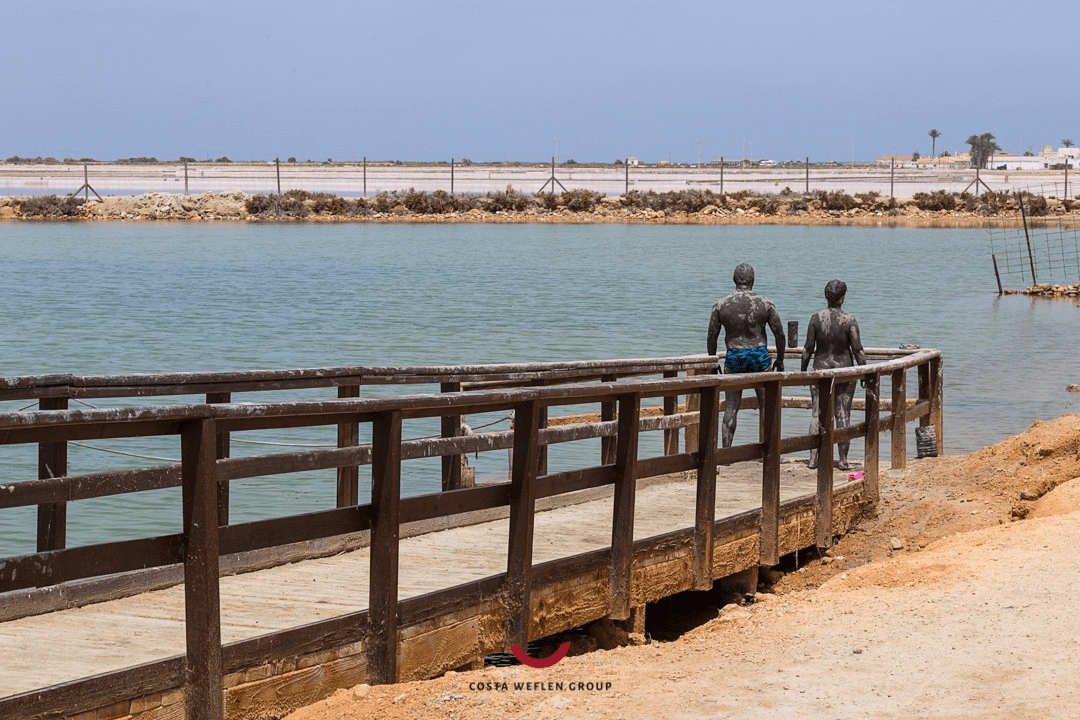
picture of a person coating their body with mud

Discovering the Healing Secrets of Las Charcas Mud Baths

Las Charcas mud baths offer more than just a relaxing dip. Known for their therapeutic properties and natural healing benefits, these mineral-rich mud baths have drawn visitors seeking rejuvenation for centuries. Whether intrigued by their potential health benefits or simply seeking a tranquil escape, Las Charcas mud baths promise a unique experience that harmonizes the body, mind, and soul amidst nature’s soothing embrace. Join us as we explore the allure and therapeutic wonders of one of Murcia’s most unique attractions.

We will cover all the main aspects of this healing mud and why it should be your next destination when traveling. Whether you want a break from the traditional sandy beaches or want to learn more about the healing aspects of this mud bath, you have come to the right place.

Here’s everything you need to know about one of the most unique beauty treatments available:

Table of Contents

Discovering the Healing Secrets of Las Charcas Mud Baths

Where’s Las Charcas Located

Benefits of Mud Baths

What You Should Know Before Going

Enjoy Your Private Paradise in Villa Murcia!
Time to Enjoy the Benefits of This Mud Bath

Where’s Las Charcas Located

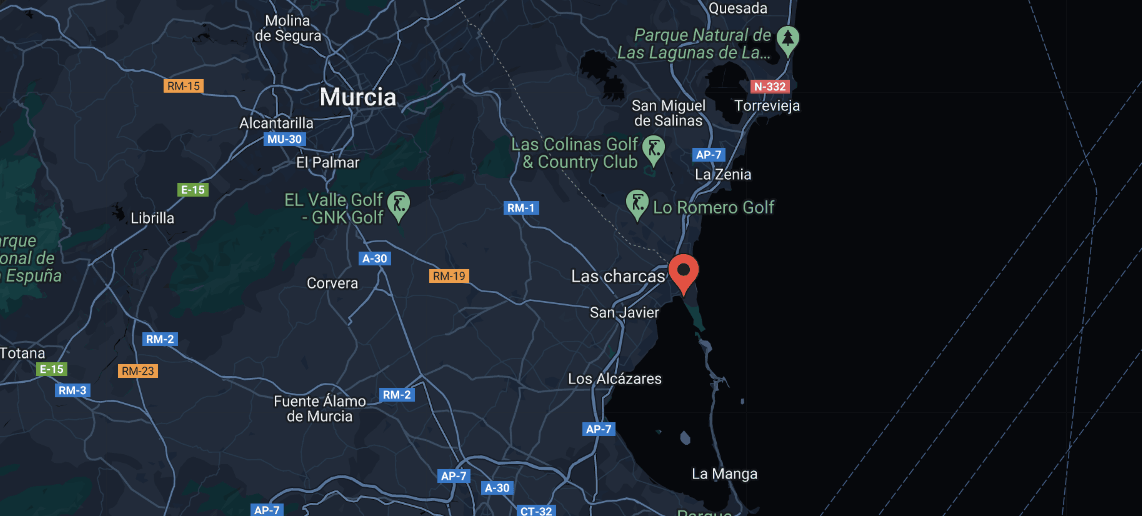
map from Murcia showing the region of San Pedro del Pinatar

Nestled in one of Murcia’s most famous regions, Las Charcas is located in the region of San Pedro del Pinatar. It is a few kilometers away from the center of the province and close to many other attractions, like San Javier, La Manga, and many other interesting tourist spots. Las Charcas lies right next to the ocean and has one of the best views of the sea in Europe.

This protected wetland attracts tourists from all over the world every year, but don’t worry about it being too crowded. The place is huge and can comfortably accommodate all the visitors who want to try this natural medicine.

Benefits of Mud Baths

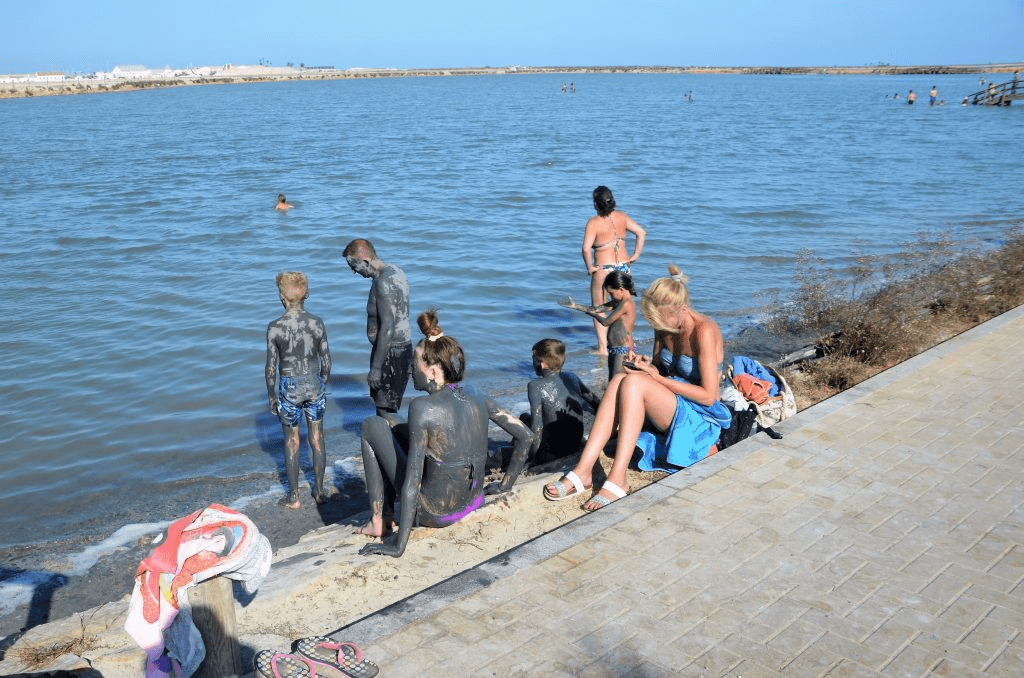
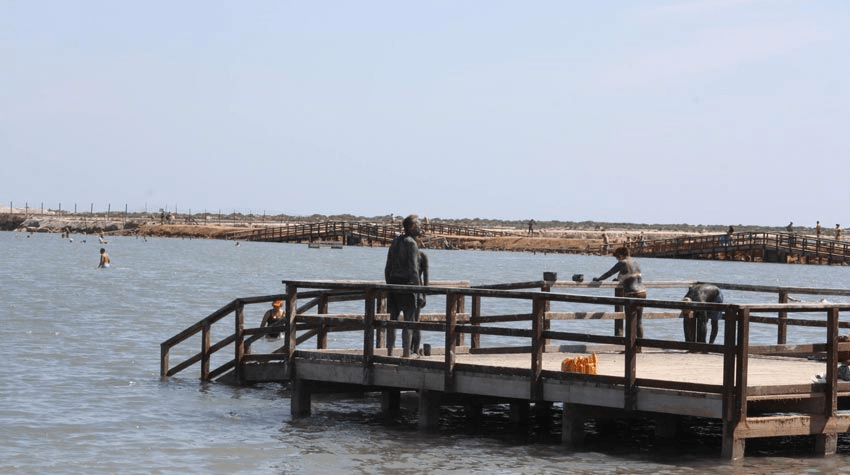
image showing people at the shore of the beach

This crazy activity attracts people worldwide to try this extraordinarily fine sand, but why is that? Well, as we mentioned before, the mud bath has numerous properties that can help your body. It acts as a natural medicine that helps with skin conditions and has many other benefits.

Got curious about this miraculous medicine? Here are some of the main properties these clay deposits have and the benefits they bring to your body:

Stress Relief

image of a couple doing mud bath at a spa

One of the many benefits this practice can bring is helping with relaxation and lowering your stress level. These therapeutic waters, combined with the properties of the mud, are great ways to help you rejuvenate your energies and relax after a stressful day or tiring routine.

Whether you do it at a spa or at Las Charcas along with everybody, the effect is immediate. You can slowly feel your mind resting more and more, getting rid of those stressful feelings and ensuring the best time possible. It is important to say that the healing mud works on both warm and cold water, so regardless of the temperature, it will work.

Skin Treatment

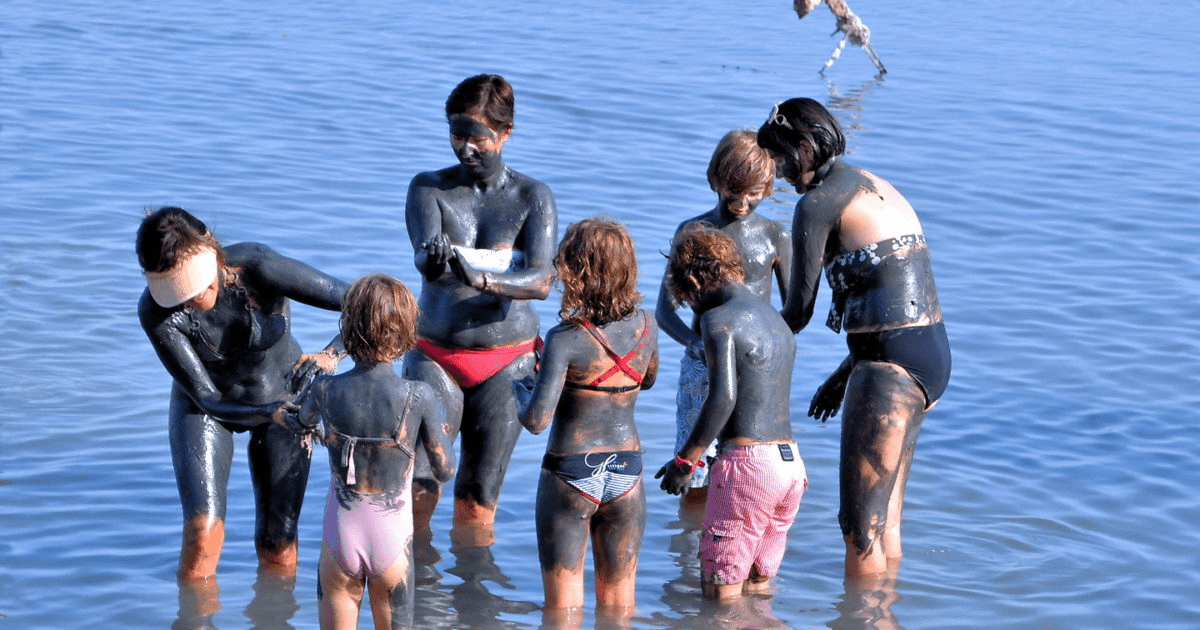
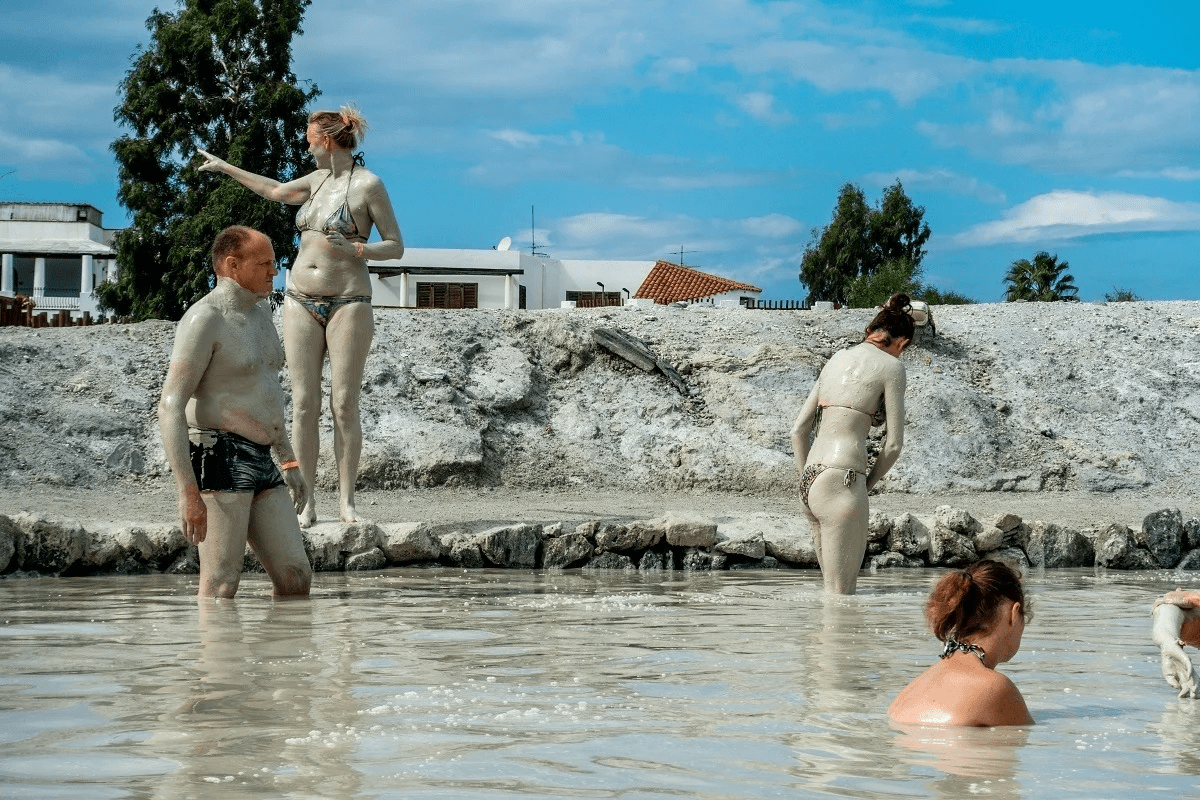
image of a family doing a mud bath at the beach

A high percentage of tourists who go to Las Charcas pursue this activity thanks to its skin benefits. Bathers simply coat themselves with this mud, which carries many positive ions responsible for getting rid of dead skin cells and drawing out the skin impurities in their bodies.

According to Piedmont.org, a mud bath can also help relax sore muscles and joints, so you get multiple benefits from going to the same place for your skin and overall health. The high salinity, negative ions, and other properties of this mud make it the best option if you’re looking for a fun and beneficial activity. This thin strip located on the coast of Murcia will surprise you with everything it has to offer.

Skin Aging

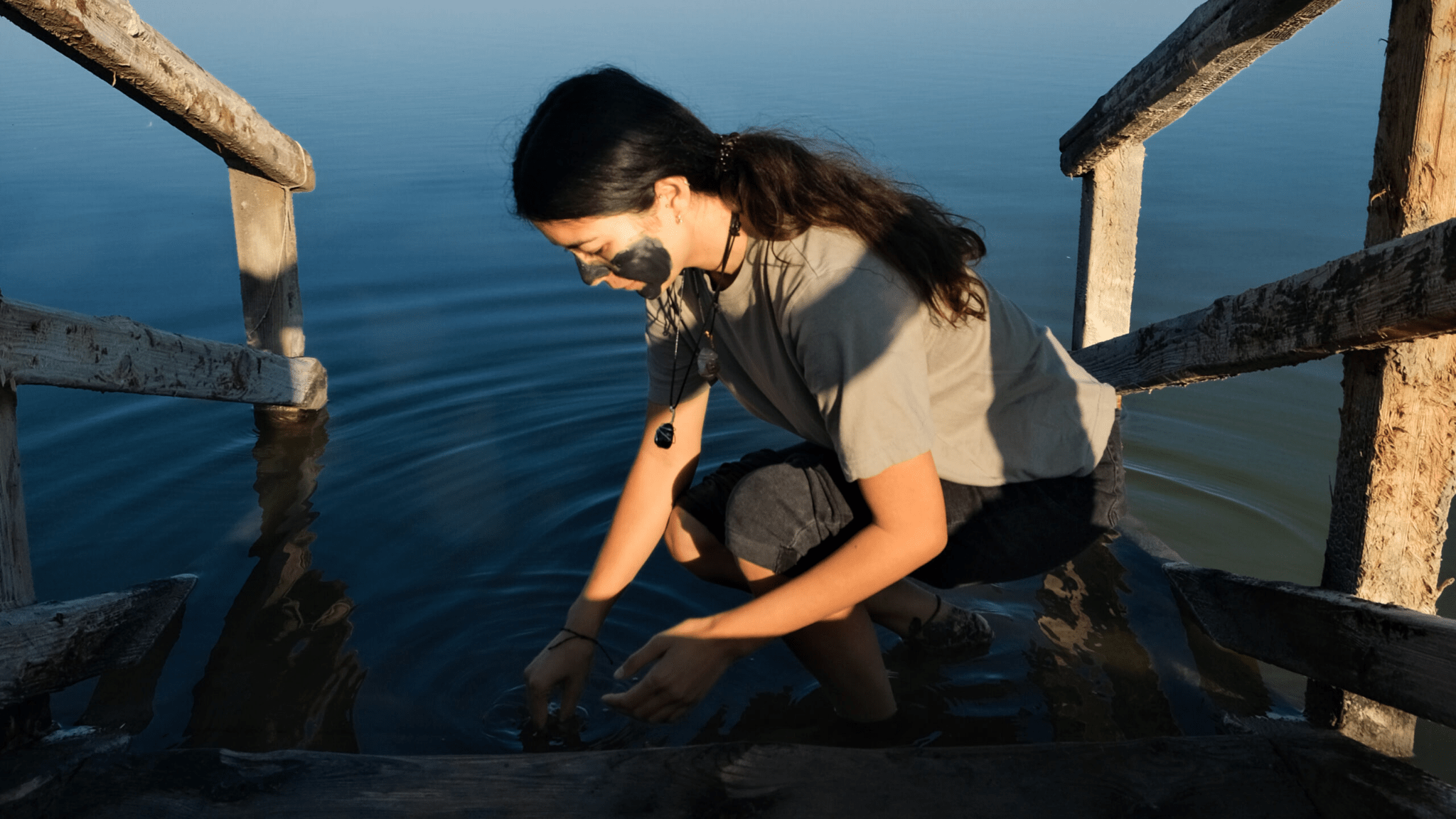
image of a person applying mud to their skin

Considering the maximum benefit of these baths, the mud can also help prevent your skin from aging. Even a small patch of mud can help make you look younger for longer if applied correctly. This is one of the most sought-after effects of this bathing and washing process, whether in spas inside the region’s hotels or directly in the paved strip of Las Charcas. Some say that this is the key to staying young forever. Whether true or not, San Pedro del Pinatar is the perfect destination to try it and feel the results for yourself.

You can even try this healing mud at spas and other places, but we assure you one thing: No other place offers the same experience with such rich biodiversity around you as Las Charcas.

Other Benefits

image of las charcas showing a couple covered in mud

The surrounding salinas of Las Charcas in San Pedro del Pinatar offer numerous other benefits for you and your health. These baths are the perfect way to recover your energy, connecting body and mind while relaxing in this natural land next to Mar Menor.

Here are some other benefits this practice can bring that you should know:

  • Help With Digestion Problems
  • Help With Headache
  • Natural Detox
  • Anti-Inflammation

As you can see, there are numerous advantages to the mud bath, and your next visit to Spain will surely make you feel like a new person once your trip ends. Local professionals from San Pedro del Pinatar recommend that your number of visits ends in an odd number.

What You Should Know Before Going

picture of the beach with people diving in the mud

Before adventuring yourself in the muddy grounds of the paved area created for this attraction, there are some important details you should be aware of. From the structure of the place to procedures to ensure a safe experience, here we will cover everything you need to know for the best experience possible.

Make sure to pay attention to each item, and you’ll have a great time in this Spanish piece of paradise. Here’s what you should expect when visiting Las Charcas:

Access to the Paved Area

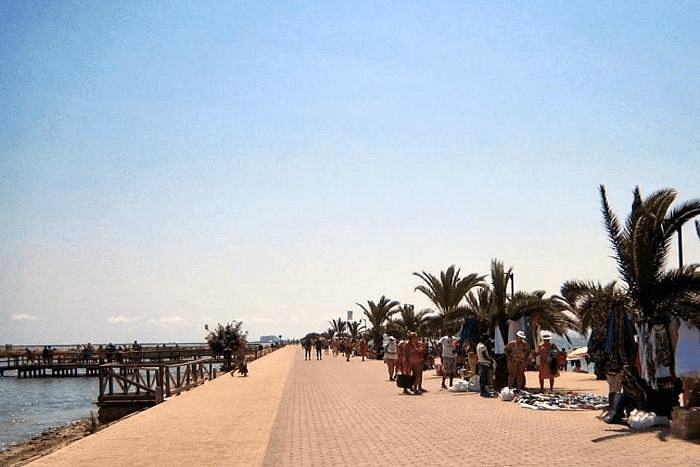
picture showing people waking on the beach of Las Charcas

The access to the mud bath is done through special wooden stations positioned throughout the shore, where the tourists can go and get instructed on what to do and how to proceed. You can find them all along the way, and they are simple structures that will take you where you can get the mud for starting your bath.

People of all ages can do the procedure. However, if you’re taking kids with you on the trip, make sure to keep an eye on them to avoid any surprises or problems..

Large Biodiversity

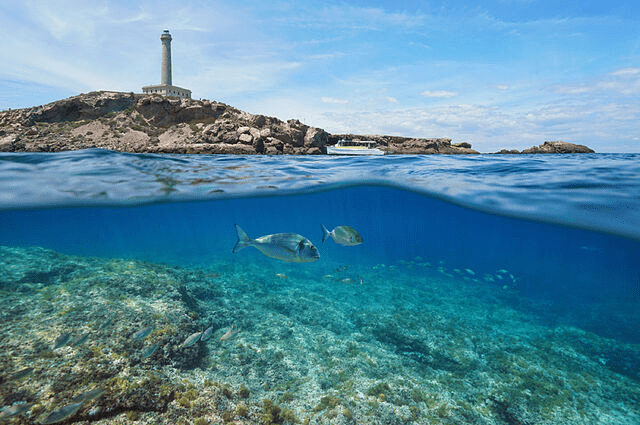
image of the sea showing fish underwater

It is essential to know that the entire area of Murcia features a large biodiversity, so don’t be surprised if you find different species flying around or on the water. San Pedro del Pinatar is home to a large bird population, so spotting different species in the region is common.

The same goes for underwater. Whether you’re exploring the muddy paradise or the beaches opposite its shore, you’ll find various fish and exciting creatures swimming around. Don’t be scared, as almost every species you’ll find on the beach is friendly.

Local Legend

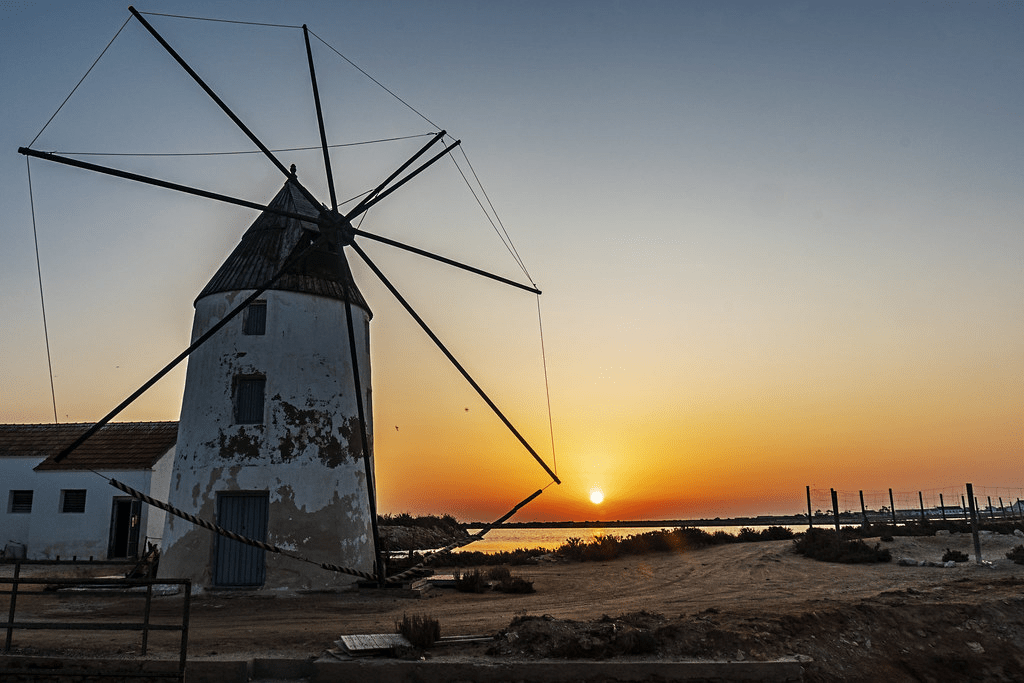
picture of Molino de La Calcetera in Murcia

There’s a lot of superstition around the region when it comes to the mud bath of Las Charcas. A local legend dictates that to reach the maximum efficiency of the bath, after coating yourself in mud, you must walk three kilometers down to Molino de La Calcetera before washing it off.

It is the same place from which the clay comes, and this superstition has existed in the region for years, becoming part of their culture. Doing it was one of the best experiences of my entire trip, and I had tons of fun doing it with a group of people.

Test the Mud Before Coating Yourself

image of a group mud bathing

If this is your first time doing a mud bath, applying just a little bit of it at first in a small patch of your skin is always recommended.

Apply just a little and observe it for 5 to 10 minutes. If you notice any redness or irritation, remove it with water and avoid diving deeper into the mud. It is not common but can happen with certain people, so it is important to be aware.

If it happens to you, don’t worry. San Pedro del Pinatar has dozens of other incredible attractions for you to spend time enjoying.

It’s Located in a Protected Area

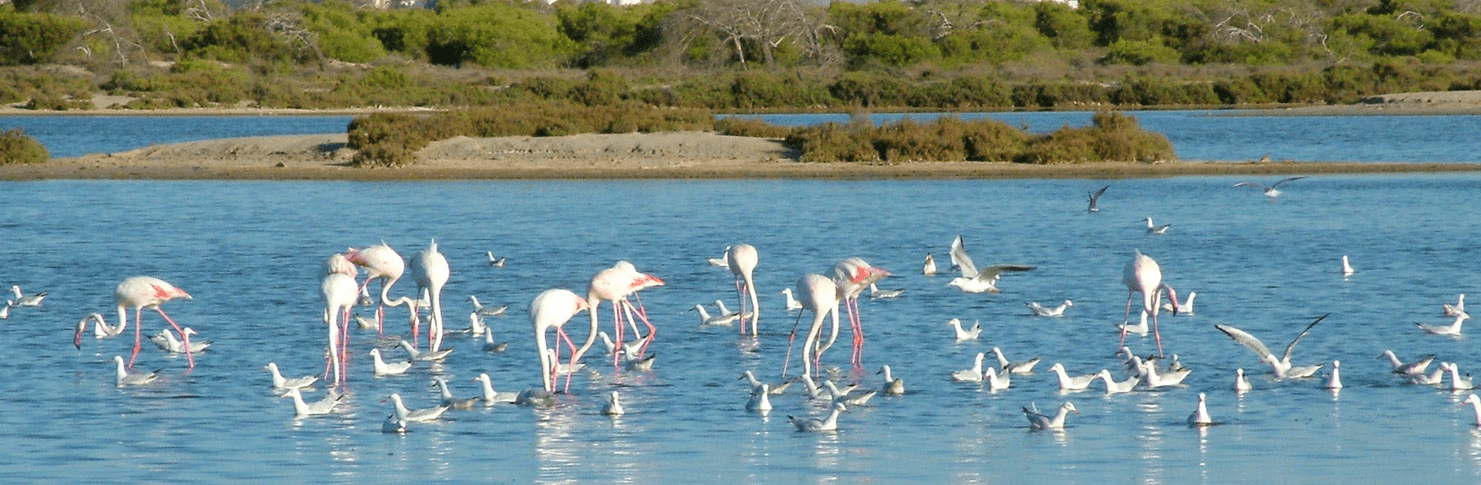
picture of flamingos bathing at the beach

Las Charcas is located within Parque Natural de Salinas, a natural protected area from Murcia that offers some of the best views of the entire region. Being a natural park is one reason for such vast biodiversity and results in an experience you won’t find anywhere else in the country.

Being a protected area also results in rules and recommendations tourists should follow to maintain the place’s natural beauty and wealth. Make sure to get informed about these rules to ensure that you and those around you have the best time possible.

Enjoy Your Private Paradise in Villa Murcia!
Piscina com águaO conteúdo gerado por IA pode estar incorreto.

Looking for the perfect place to stay in Murcia? We’ve got just the spot for you!

Villa Murcia – Your Private Paradise

Wake up to coffee on a sun-drenched terrace, unwind in a warm jacuzzi after a day of exploring, and end your evenings with dinners in the summer kitchen. Nestled in charming Santiago de la Ribera, Villa Murcia offers more than just a holiday—it’s your personal oasis of comfort, style, and unforgettable moments.

Highlights:
✔ Spacious living room with a large sofa and open kitchen – perfect for shared memories
✔ Three elegant, air-conditioned bedrooms with private terraces – your peaceful retreat
✔ Extra fold-out sofa in the living room – ideal for additional guests

Whether it’s a romantic escape, a family getaway, or a relaxing break with friends – Villa Murcia is your dream stay.

Book now and experience the magic of the Spanish sun!

Time to Enjoy the Benefits of This Mud Bath

image of a group of people at the beach

Spain offers some of the most unique experiences you can find in Europe, whether it comes to food, culture, or anything else. If you’re looking for an option different from anything you’ve tried before, a mud bath can be the perfect pick to enjoy alone or with your family.

This natural medicine has many benefits, including stress relief and getting rid of dead skin cells. Make sure to always test the mud before applying it to avoid problems and surprises during your vacation.

Now that you know everything you need, it is time to pack your luggage and try this unique activity in one of Murcia’s best regions. Respect Las Charcas’ rules and recommendations, and you’ll have an unforgettable trip that will benefit your body and mind.

Read More
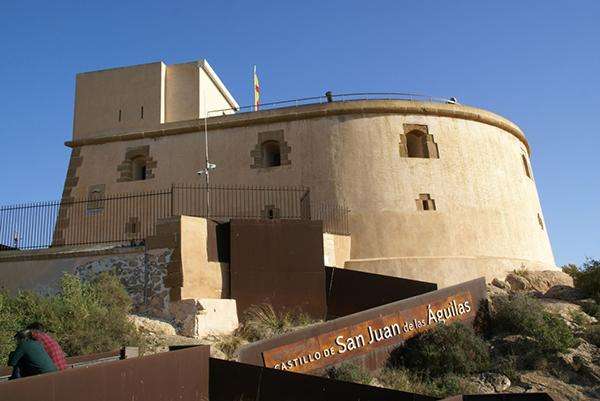
Castillo San Juan de Las Aguilas by Murcia

Castillo San Juan de Las Aguilas – A Coastline Castle

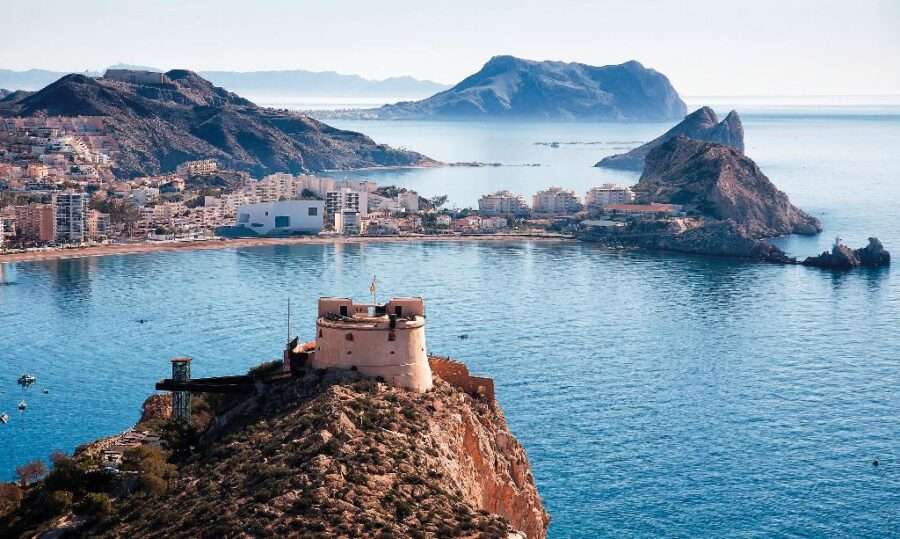
Perched on a hill in the coastal town of Aguilas, by the beautiful coast of Murcia, Spain, Castillo San Juan de Las Águilas is a remarkable fortress with a long and fascinating history. Built in the 16th century to defend the town of Águilas from pirate attacks, this castle offers breathtaking views of the Mediterranean Sea and the surrounding area.

Over the centuries, it has stood strong through many events and changes, becoming an important cultural landmark. Today, Castillo San Juan de Las Águilas is a popular spot for visitors who want to learn about its past and admire its impressive structure. Join us as we explore the history and beauty of this amazing Águilas castle, and discover why it remains a proud symbol of the region’s heritage.

Table of Contents

About the Place

The layout of the fort or castle itself is of the so-called “ox-hoof” type.

Situated on the edge of the Mediterranean, the Castillo de San Juan is an 18th-century military complex with a rich history, constructed upon successive defense towers from the 15th and 16th centuries. This complex comprises two distinct sections: the San Pedro battery and the Fort of San Juan. These are connected by a long open-air passage or path, built with two parallel retaining walls in a straight layout, which runs along the ridge of the mountain on which the complex is situated.

The highest points of the complex create an unmistakable silhouette, characteristic of watchtowers designed for observation and defense against enemy attacks. The city is located at the foot of the great rock on the side not bordered by the sea. Any attempt to approach the fortress from the city is soon thwarted by the steepness of the terrain.

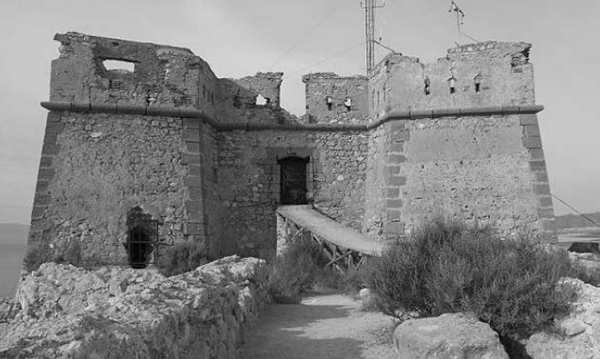
The Fort of San Juan has preserved its architectural volume, though the roof and façade have deteriorated, reduced to mere masonry and further damaged by erosion. The fort is developed on two floors: a basement level, which includes the entrance and the area occupied by the water tank, and the entrance level, which is organized around a courtyard. Access to the roof was originally provided by a spiral staircase, now missing, where defensive activities were carried out. Only remnants of the protective parapets remain.

History

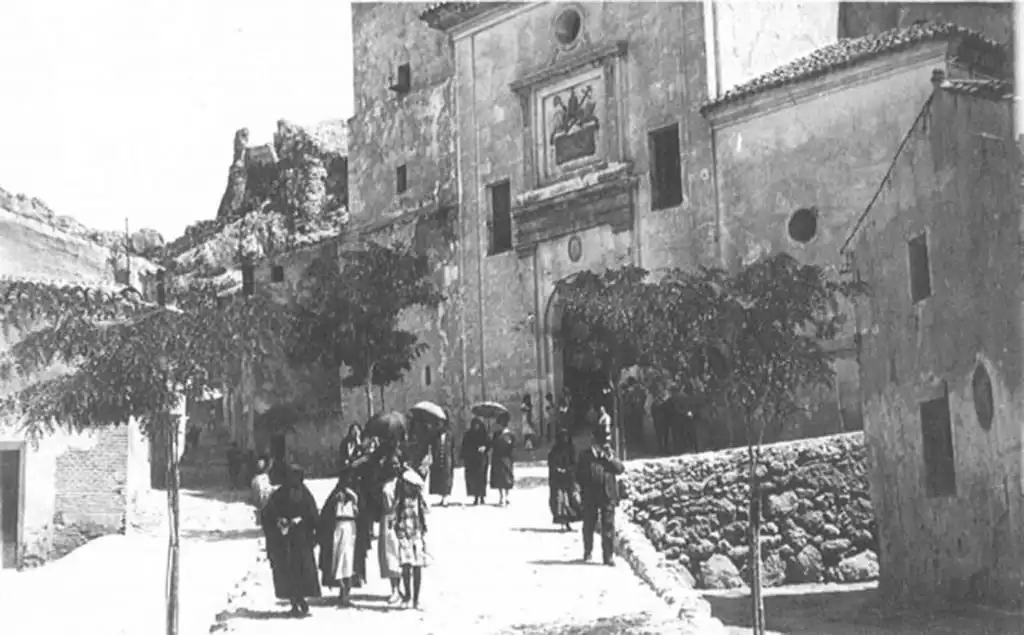
The state of the fort before its restoration.

Between 1252 and 1284, Alfonso X stationed a garrison in front of the castle under the command of D. Fernández Pérez de Piña. The purpose was to establish a bridgehead and warn the large troops from the city of Lorca of any incursions.

The first recorded plans to construct a tower on the Cerro del Águilas emerged in 1521. Around 1579, Philip II commissioned Lorenzo Goenaga to rebuild the Torre de Águilas, describing it as “one of the safest and most renowned fortresses that our seas possess.” He dedicated the tower to Saint John the Baptist, whose image was venerated in a niche within the castle. However, in 1596, the castle was significantly damaged by a strong earthquake.

In 1643, a letter was sent to the king informing him that the Moors had destroyed the Tower of the Eagles. Consequently, in 1652, Philip IV ordered the Council of Lorca to rebuild the tower.

Despite some improvements to its elements, the Torre de Águilas remained in a state of semi-ruin during the first half of the 18th century. Around 1751, the engineer Sebastián Feringán reported the castle’s condition to the Marquis of Ensenada. Due to the serious danger posed by the ruined tower, the new castle was not constructed until 1756.

Ferdinand VI ordered the reconstruction of the castle from its ruins to defend the coast, as evidenced by a white marble plaque at the fortress entrance. Juan Francisco Chardenoux was responsible for carrying out the reconstruction. Subsequently, Carlos III also ordered the rebuilding of the ancient ruin to serve as a defense for the increasing population against continuous Berber attacks and to secure its ports. From then on, it became one of the best-fortified castles, rebuilt in a circular shape, with a gorge and terraced sibellin arranged to mount artillery.

How It’s Built

The bastioned castle comprises two distinct elements connected by a covered path approximately 80 meters in length. These elements are the Fort of San Juan to the southwest and the battery of San Pedro on the opposite side.

The Fort

Northern flank

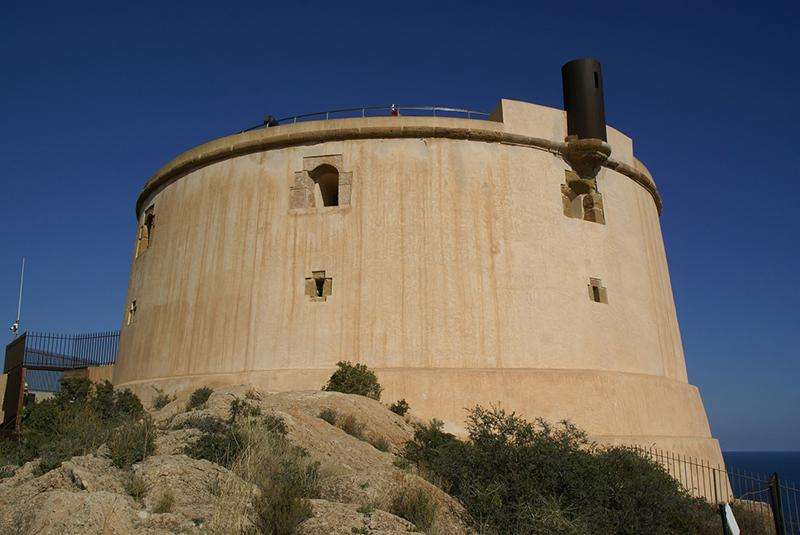
The Fort of San Juan features a distinctive layout, commonly referred to as the “ox hoof” design. This includes a semicircular battery facing southwest, joined to two semi-bastions on the opposite side. The fort’s north-south axis measures approximately 17 meters. Its walls rest directly on the living rock, adapting to its irregularities with the use of claws. Constructed with masonry joined by lime mortar, which was produced on the mountainside, the fort also incorporates sandstone ashlars in its corners.

The sandstone was quarried at the foot of the mountain, to the northwest. Remains of two lime kilns built with bricks have been discovered on-site. The walls are sloped, a common feature in this type of fortification. The entire outer perimeter is encircled by a stone impost, marking the terrace level. The fort consists of three floors: the basements, the rooms surrounding the patio, and the artillery terrace.

Interior

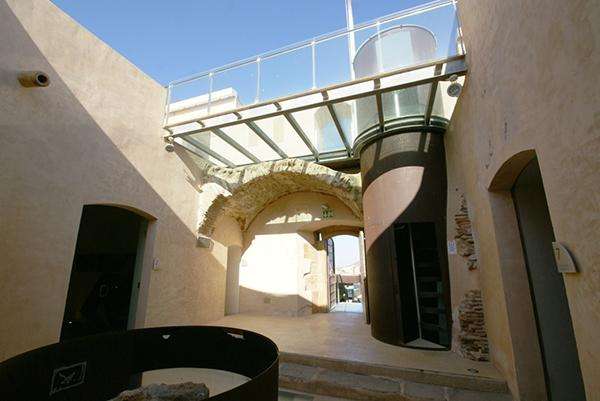
Interior of the entrance to the fort.

The fort is accessible via a door on the east side, positioned 2 meters above the exterior pavement, and defended by two semi-bastions with ten loopholes. Originally, this entrance featured a drawbridge, which has since been replaced by a stone staircase. The door is covered by a segmental arch.

Inside, there is a courtyard with an ultra-semicircular floor plan, paved with grey sandstone slabs. Surrounding the courtyard are eight rooms with various floor plans and vaults. These vaults include groin vaults, barrel vaults, and truncated cone vaults, showcasing a diverse range of architectural styles.

In the center of the courtyard, there is a large cistern carved into the rock. The interior is lined with a robust hydraulic mortar, over which a layer of lime, sand, and red ochre mortar is applied, giving it a reddish hue. Rainwater from the terrace was channeled through various conduits to gargoyles that directed it into the cistern. Once the cistern was full, an overflow channel diverted the excess water outside.

On the terrace, there was a barbette battery, with cannons supported by gun carriages. Above the entrance, a machicolation was constructed, and to the west, there is a sentry box, now rebuilt in metal. Communication between the three levels was facilitated by a spiral staircase with sandstone steps embedded in the structure itself.

Enjoy Your Private Paradise in Villa Murcia!

Piscina com águaO conteúdo gerado por IA pode estar incorreto.

Looking for the perfect place to stay in Murcia? We’ve got just the spot for you!

Villa Murcia – Your Private Paradise

Wake up to coffee on a sun-drenched terrace, unwind in a warm jacuzzi after a day of exploring, and end your evenings with dinners in the summer kitchen. Nestled in charming Santiago de la Ribera, Villa Murcia offers more than just a holiday—it’s your personal oasis of comfort, style, and unforgettable moments.

Highlights:
✔ Spacious living room with a large sofa and open kitchen – perfect for shared memories
✔ Three elegant, air-conditioned bedrooms with private terraces – your peaceful retreat
✔ Extra fold-out sofa in the living room – ideal for additional guests

Whether it’s a romantic escape, a family getaway, or a relaxing break with friends – Villa Murcia is your dream stay.

Book now and experience the magic of the Spanish sun!

Conclusion

In conclusion, the Castillo de San Juan de las Águilas stands as a remarkable testament to the region’s historical and architectural legacy. This 18th-century military complex, built upon earlier fortifications, showcases ingenious design and construction techniques, reflecting the strategic importance of coastal defense in its era.

The distinctive “ox hoof” layout of the Fort of San Juan, the innovative water collection system, and the robust defensive features illustrate the castle’s role in protecting the region from incursions. Today, the Castillo de San Juan de las Águilas not only serves as a valuable historical monument but also as a symbol of the enduring resilience and ingenuity of the people who built and defended it.

Read More
Calasparra panoramic view

Discover Calasparra: What to Do in the City of Traditions

Spain’s vast territory undoubtedly features many interesting and diverse destinations throughout the country. In addition to the most famous beaches and popular cities, some lesser-known places in Spain can also offer unforgettable and often cheaper experiences.

Murcia is one of these destinations. The region has a Mediterranean climate, with mild winters and hot summers, making it attractive to both locals and tourists. Its paradisiacal beaches and the variety of sports available (mainly water sports) make it an ideal destination for sports and nature enthusiasts.

But, of course, not everything in Murcia is defined by the beach and the sea. The region also offers a variety of attractions and activities to suit all tastes, including many historic and cultural towns. One example is Calasparra, a charming town known for its historical and natural heritage. Located in the interior of Murcia, Calasparra enchants visitors with its stunning landscapes, crystal-clear rivers, and rich tradition of rice cultivation. Today, we will talk a little more about this picturesque and intriguing city.

Table of Contents

History Of The City And The Importance Of Calasparra Rice

The city is characterized by its mountains and basins, which are crossed by four rivers: Alhárabe, Argos, Quípar, and Segura. Located in the north west of Murcia, this natural setting favors agriculture, emphasizing the famous Calasparra Rice, one of only three kinds of rice with a protected designation of origin in Spain. Many of the families in the region are dedicated to rice cultivation, which is of utmost importance for the social and economic structure of the rice-growing area municipalities.

The history of Calasparra is rich and varied, with traces of various cultures present over the centuries, from the Eneolithic period, with the cave paintings of Abrigo del Pozo, to the Bronze Age, with settlements in Cabezo de los Frailes and Castillico. During the Roman era, numerous remains were found, especially in the area near the Quípar River. In the Muslim era, Calasparra had a population center that had been documented from the 12th century, and the Muslims built Calasparra Castle for strategic defense.

With the Christian reconquest, Calasparra was incorporated into the Crown of Castile in 1243. In 1289, King Sancho IV donated Calasparra Castle to the Order of the Hospital of Saint John of Jerusalem, transforming the town into an Encomienda (an institution in force in the kingdoms of Castile and was adapted in the Indies (America). During the following centuries, Calasparra developed around the castle, becoming a significant population and economic center.

What To Do In Calasparra

With over six hundred years of history, the municipality preserves a very interesting historical legacy, such as caves with cave paintings, recognized as a World Heritage Site by UNESCO, and archaeological sites that span from the Paleolithic to the Hispano-Muslim era. In addition, with its four famous rivers, the city is also a popular destination for people who want to practice sports activities such as canoeing. I had the opportunity to visit this city, and today, I will talk about some of the tourist attractions I visited and liked the most.

Santuario Virgen De La Esperanza

Santuario Virgen De La Esperanza
Santuario Virgen Esperanza

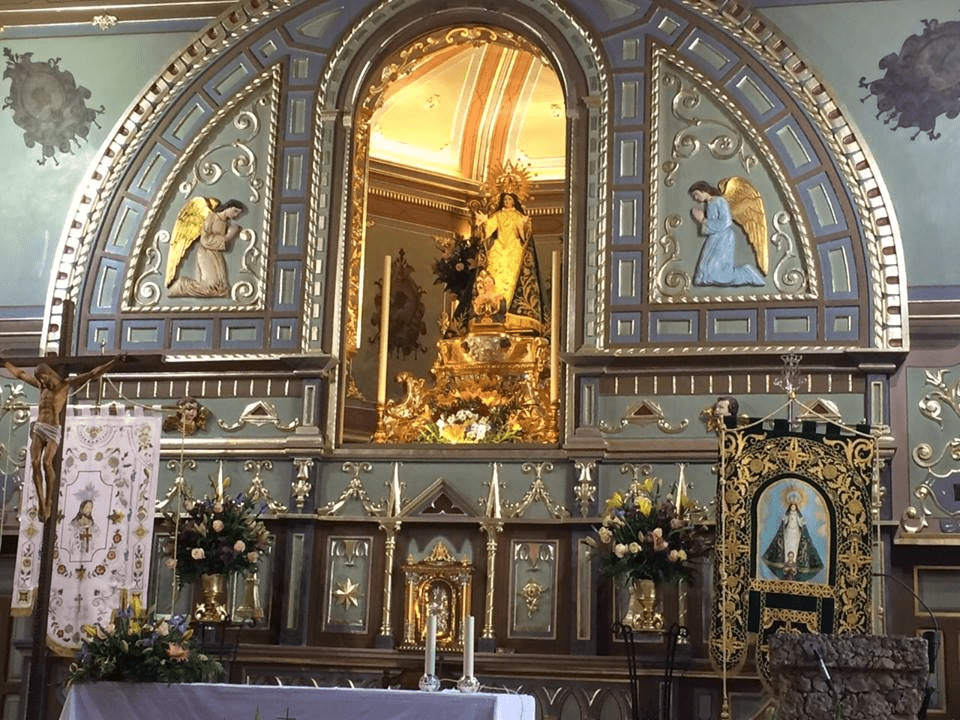
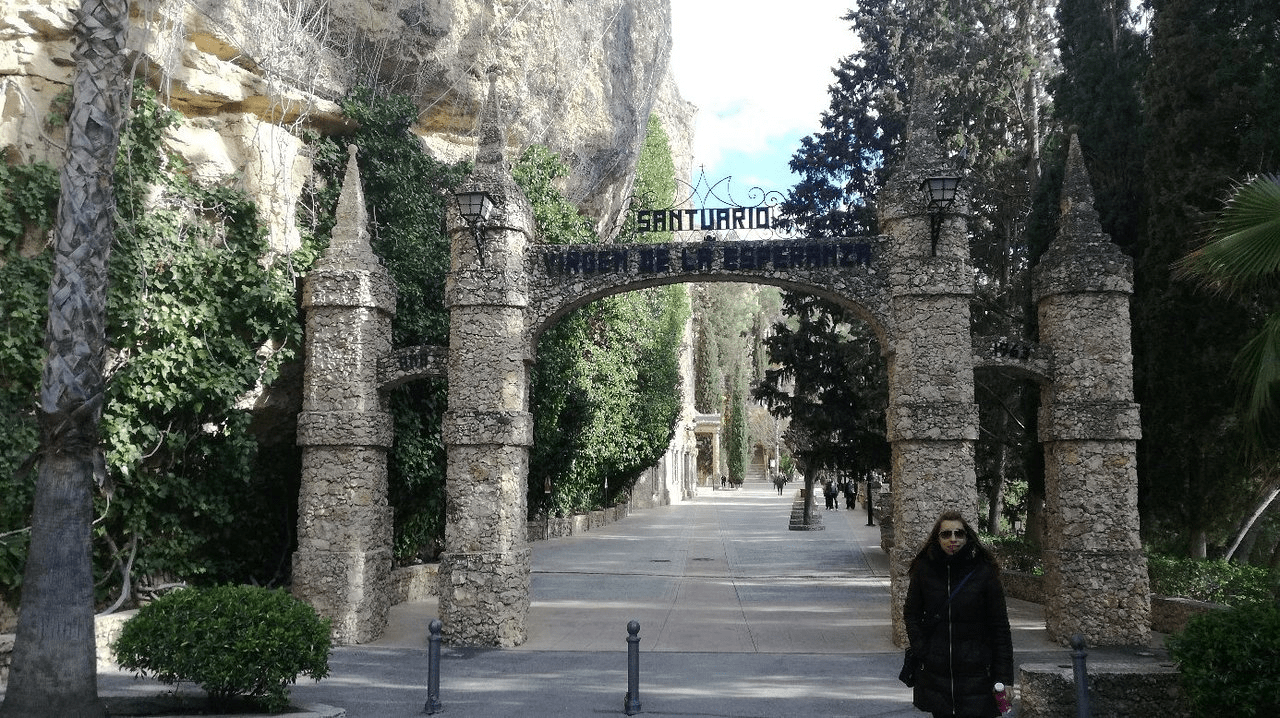
This sanctuary is located in a stunning setting that offers peace and tranquility throughout your visit. Situated in an excavated cave, it houses two images of the Virgin of Hope, known as La Pequeñica and La Grande. According to legend, the small image was found by a shepherd in the cave and could not be removed due to its weight, which was interpreted as a sign that the Virgin wanted to be venerated there.

Cueva Del Puerto

Cueva Del Puerto
Cueva Del Puerto Esp

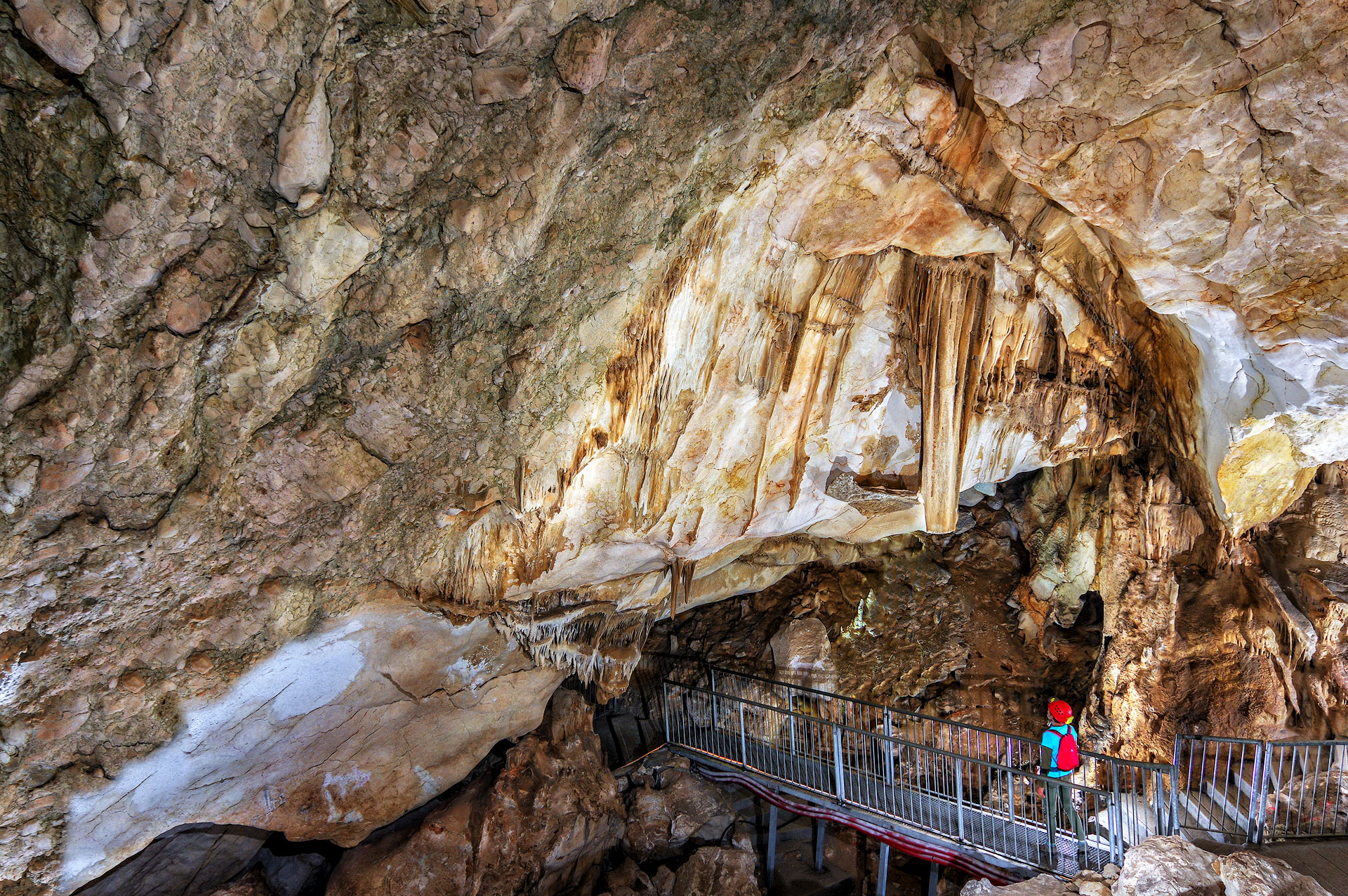
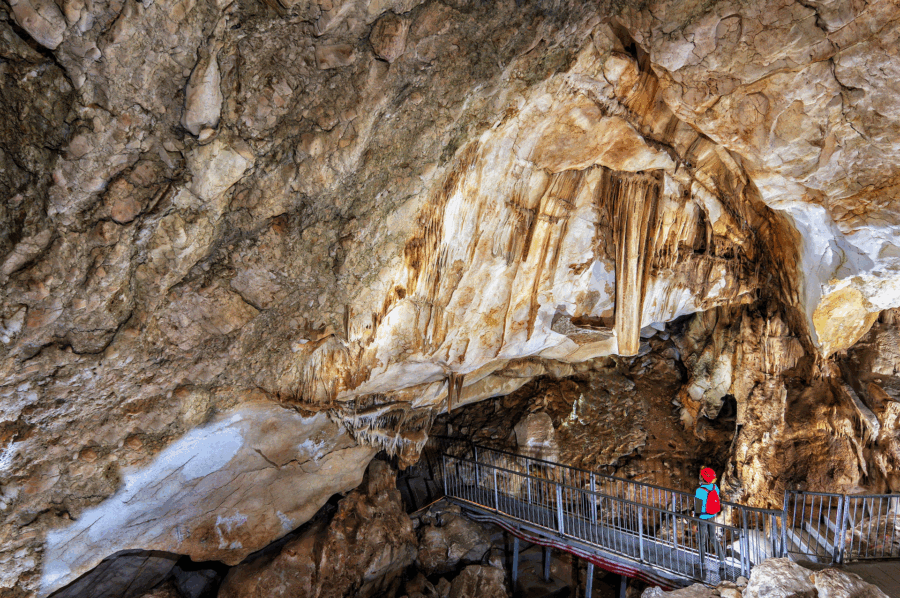
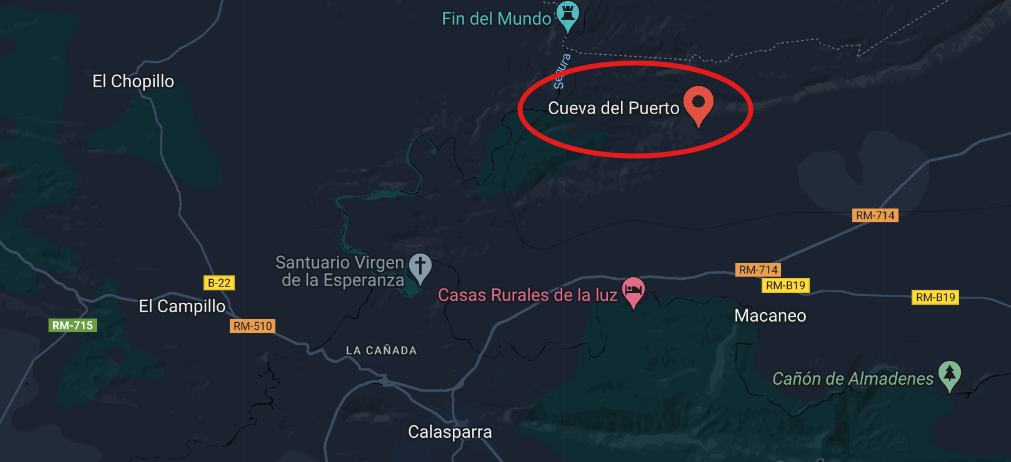
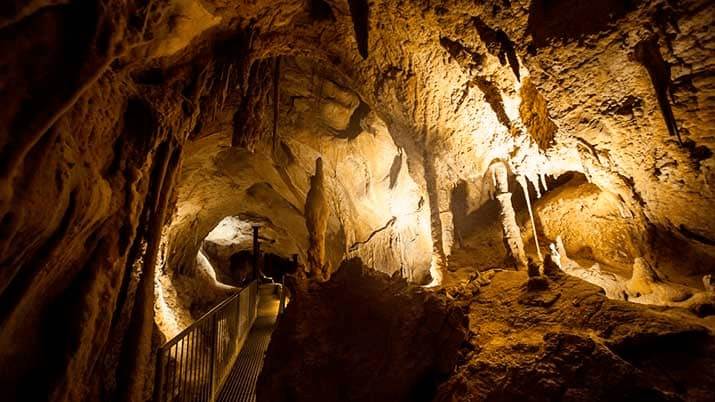
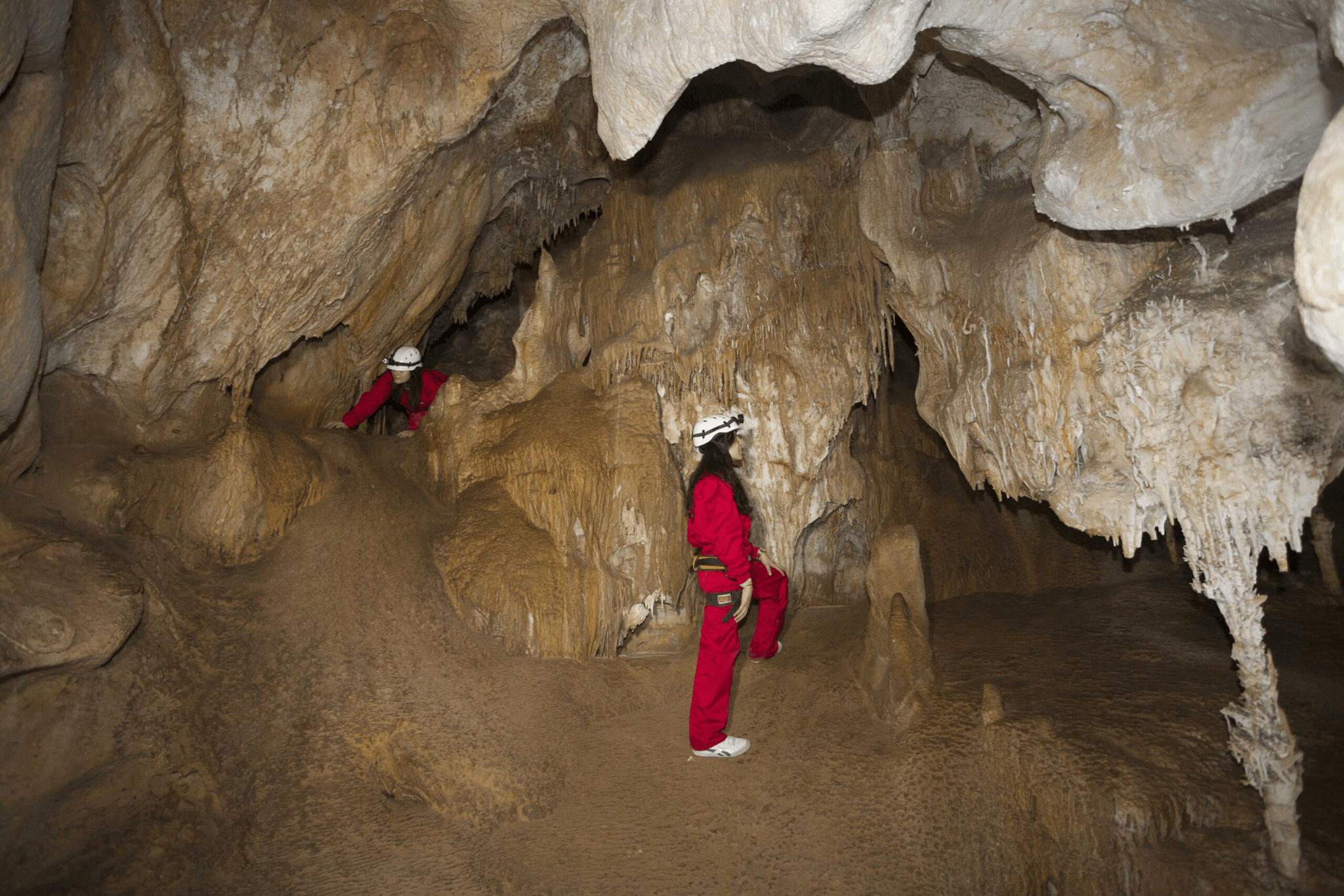
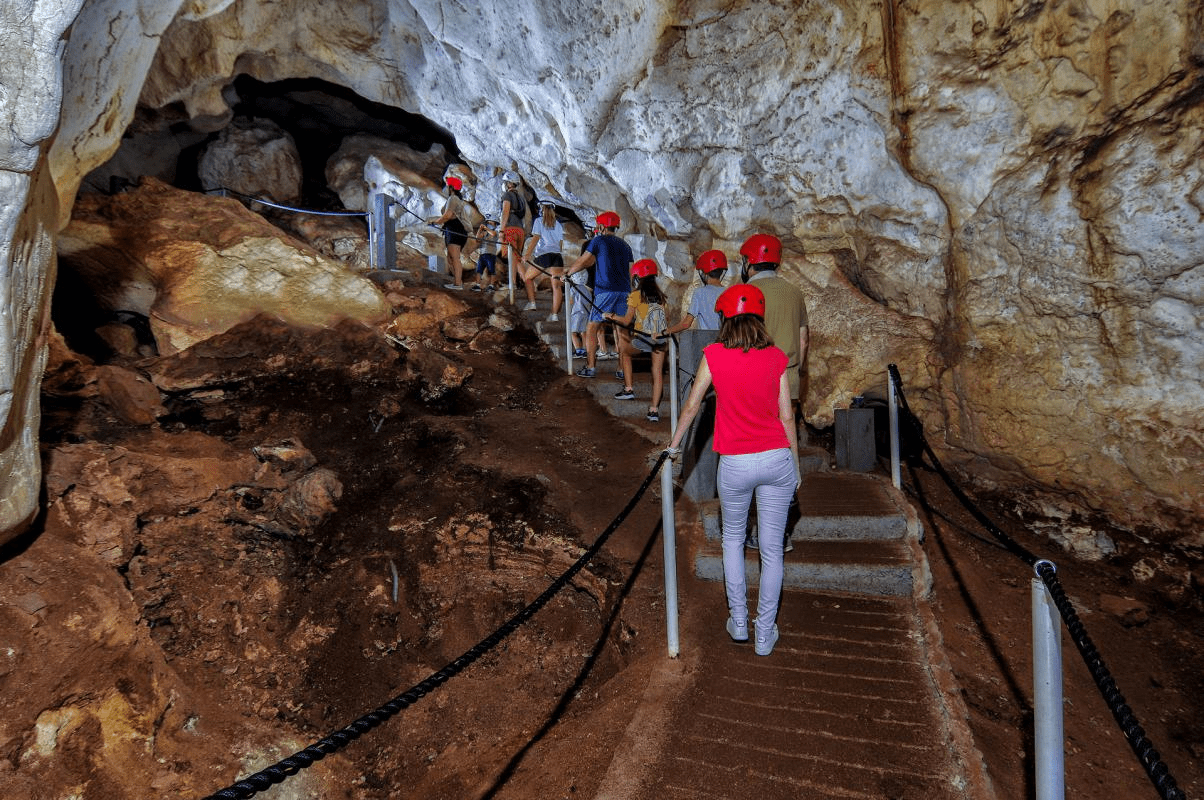
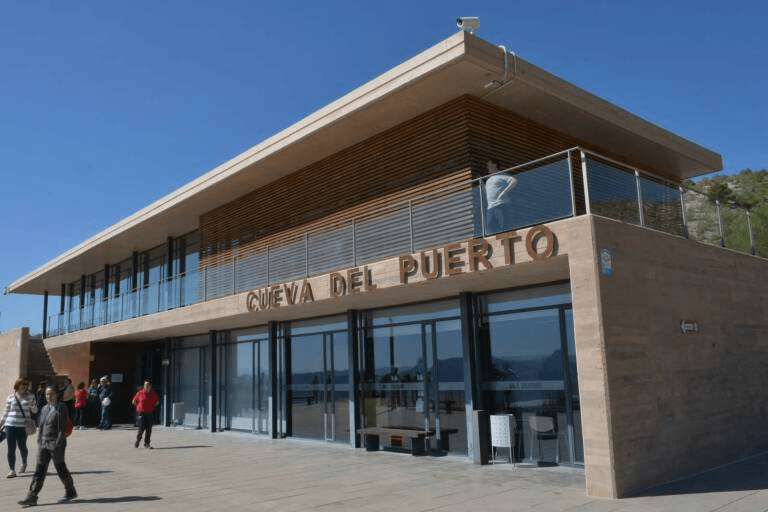
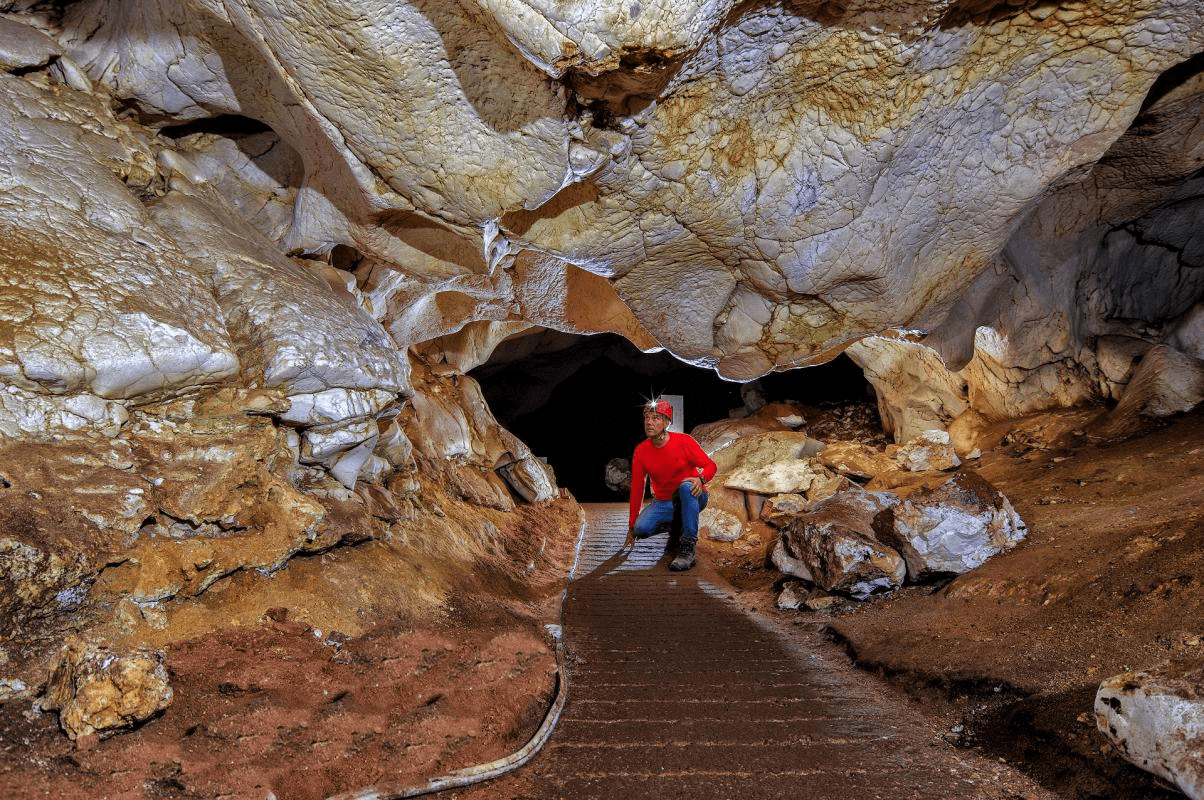
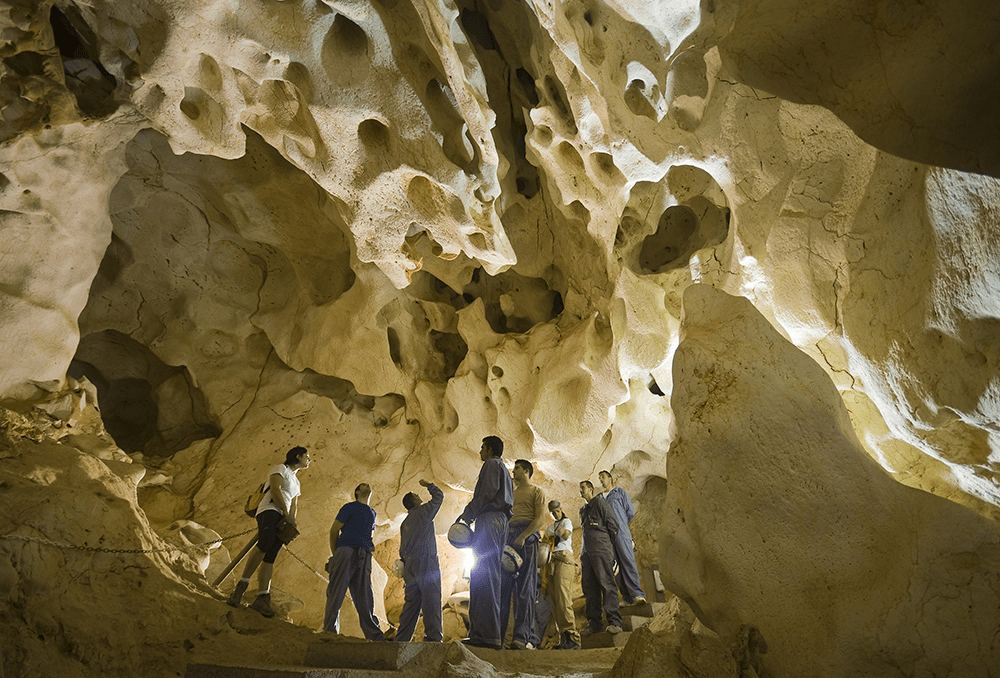
Definitely one of the tours I enjoyed the most; Cueva del Puerto is the underground cavity with the longest horizontal route in the Region of Murcia. With over 700 meters in length and 9 km of galleries, the tourist visit lasts around 60-70 minutes. It is suitable for all ages, with specialized guides explaining the formation of the different rooms and speleothems. For the more adventurous, there are options for speleo tourism and children’s caving.

Almadenes Canyon

Almadenes Canyon
Veronika’s Adventure

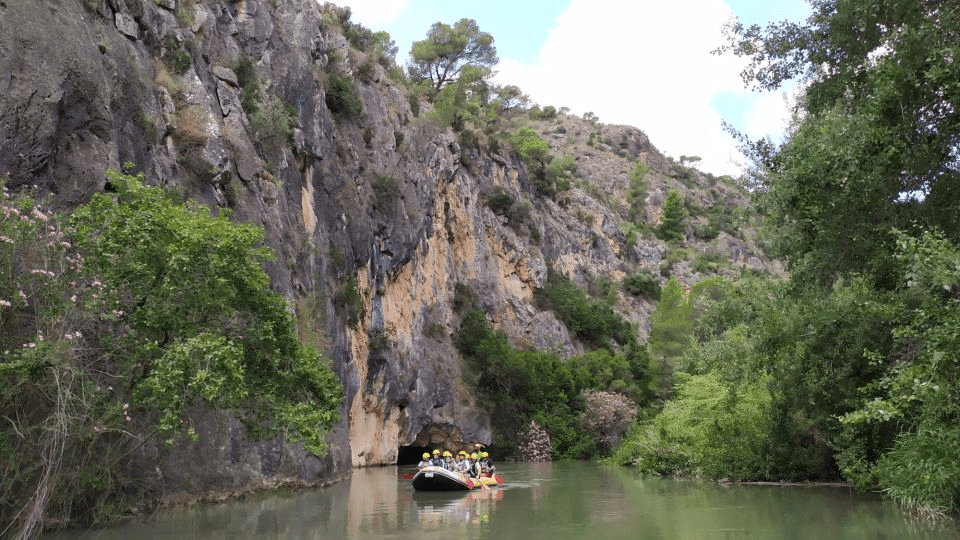
This is the perfect journey for those who enjoy adventure sports. The Almadenes Canyon is a canyon located between Calasparra and Cieza, in the Region of Murcia. This canyon, carved by the Segura River, is known for its biodiversity, including poplars, ash trees, willows, and wildlife species such as the eagle owl, short-toed eagle, and otters.

The canyon offers adventure activities such as hiking, canyoning, and rafting in inflatable boats or kayaks. I chose to raft down the canyon, which allowed me to see caves and grottos such as the Cueva de los Monigotes, the Cueva de la Nutria, and the Quípar River’s mouth. The trip was incredible. My family and I were amazed by the nature that surrounded us and all the beautiful views. The area allows visitors of all ages to enjoy the stunning scenery.

Vega Arrocera

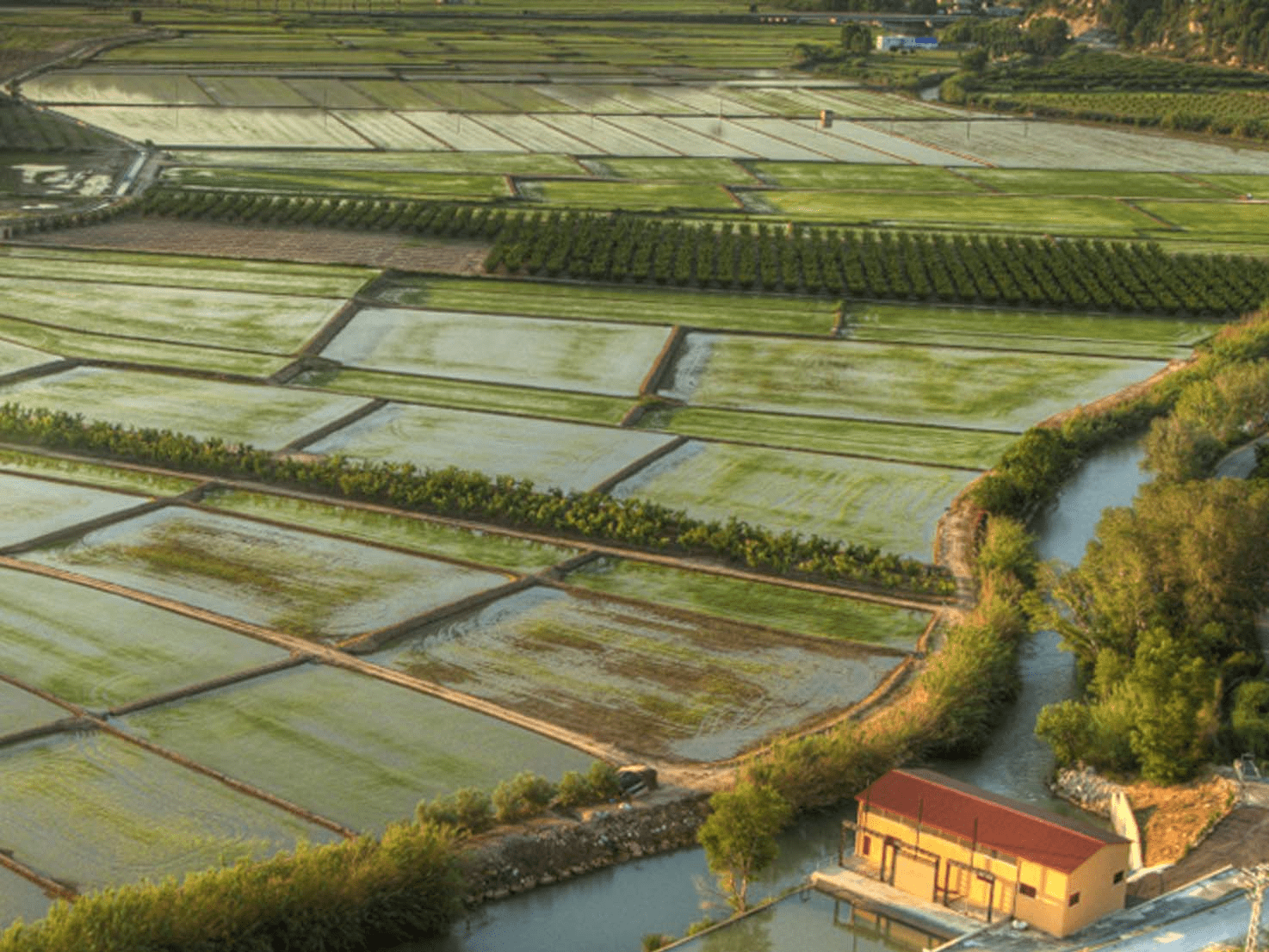
Vega Arrocera offers the opportunity to visit the famous rice fields of Calasparra, as well as fruit and vegetable groves. The intense green landscape of the rice fields is fascinating and provides an enchanting setting for visitors. During the visit, you can understand the entire process that goes on around rice cultivation, and honestly, I was able to understand where so much incredible flavour in this product comes from: the love that its compatriots have for the entire process.

Cabezo Negro

Cabezo Negro
RegMurcia

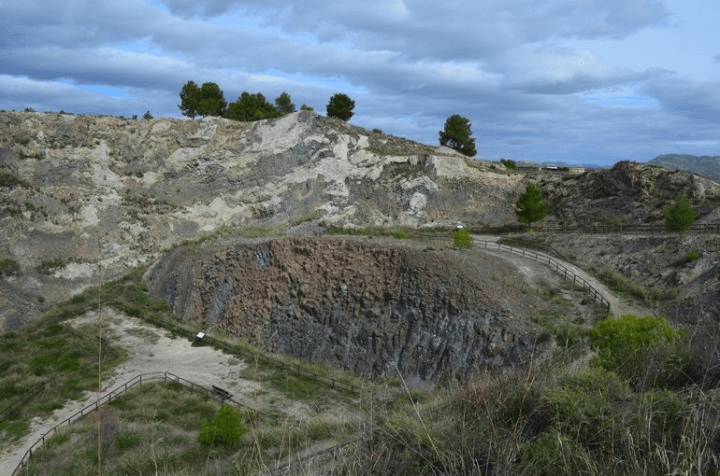
Calasparra’s Cabezo Negro is one of the most representative volcanic chimneys in the Iberian Peninsula. In addition to its geological value, the site has great scenic and floral value, being close to natural areas of interest such as the Cañaverosa Reserve and Las Lomas de la Virgen. The visit to the site is made via a 750-meter trail with rest areas, a viewpoint, and interpretative panels, offering an educational and visually stunning experience.

Fiestas In Calasparra

In addition to its many interesting tourist attractions, the city also has its traditional fiestas, which truly reflect the local culture and tradition. Many people visit the city during these festivals to enjoy everything the city has to offer.

Calasparra Festival

Calasparra Festival
Turismo Calasparra

The Calasparra Festival takes place during the first week of September in honor of the Virgen de la Esperanza, the city’s patron saint. During this week, visitors can participate in various events, including Encierros (bullfights), Novilhadas (bullfights with young bulls), chariot parades, and musical performances. A particular highlight is the Romería to the Sanctuary of Nuestra Señora de la Esperanza, which is recognized as an event of Regional Tourist Interest.

Flamenco Festival

The Calasparra Flamenco Festival is another important cultural event in the city. It celebrates the region’s rich flamenco music tradition and attracts renowned artists and flamenco enthusiasts.

Juan Pelotero y los Inocentes

The Juan Pelotero y los Inocentes festival is celebrated on December 28th, the Day of the Innocents. On this date, Juan Pelotero, a traditional figure of the local culture, walks through the streets of Calasparra accompanied by his troupe.

Holy Week

Holy Week
in Calasparra
Turismo Calasparra

Holy Week in Calasparra is a religious celebration that includes processions that date back to the second half of the 15th century. This event attracts thousands of visitors every year, who come to witness the exciting and traditional processions through the streets of the town, celebrating Easter in a way that is deeply rooted in local history.

Carnival

During Carnival, the streets of Calasparra are filled with life and joy. The town’s schools parade in their costumes in the afternoon, while in the evening, there are events dedicated to adults. I was lucky enough to visit the town during Carnival time, and wow! What a wonderful time! The city transforms into colors and happiness. It is truly an event that I will carry with me for the rest of my life.

Enjoy Your Private Paradise in Villa Murcia!

Looking for the perfect place to stay in Murcia? We’ve got just the spot for you!

Villa Murcia – Your Private Paradise

Wake up to coffee on a sun-drenched terrace, unwind in a warm jacuzzi after a day of exploring, and end your evenings with dinners in the summer kitchen. Nestled in charming Santiago de la Ribera, Villa Murcia offers more than just a holiday—it’s your personal oasis of comfort, style, and unforgettable moments.

Highlights:
✔ Spacious living room with a large sofa and open kitchen – perfect for shared memories
✔ Three elegant, air-conditioned bedrooms with private terraces – your peaceful retreat
✔ Extra fold-out sofa in the living room – ideal for additional guests

Whether it’s a romantic escape, a family getaway, or a relaxing break with friends – Villa Murcia is your dream stay.

Book now and experience the magic of the Spanish sun!

Richness In Every Detail Of The City

Overall, a trip to Calasparra is a must-go for any type of traveler, but especially adventure seekers. The town offers a unique experience that combines rich history, vibrant culture, and stunning natural beauty. Whether you’re exploring its mysterious caves, taking part in the lively festivities, or simply enjoying the tranquility of its rivers and rural landscapes, the town is sure to captivate you. If you’re planning a trip to Spain, don’t miss out on the opportunity to discover all the charms that Calasparra has in store for you.

Read More
Palacio Almudí, a Renaissance Gem in the City of Murcia!

Palacio Almudí, a Renaissance Gem in the City of Murcia!

Spain is a garden of impressive architecture, design, art, and history. Every region has a distinctive culture, traditions, tourist attractions, and way of life that create a unique landscape for living or experiencing while visiting.

The region of Murcia stands out due to its impressive beaches, weather, natural parks, and magnificent cuisine, but also thanks to its history, which involves Moorish and Christians fighting for the supremacy of their religion in the peninsula.

In this sense, the Palacio Almudí, an antique building in the city of Murcia, in the region of the same name, is a good piece of historical evidence. This old structure reflects the relevance of the city for the south of Spain, the surroundings and the culture of the people of Murcia.

Below, we discuss everything about this magnificent piece of Murcian architecture so we feed your desire to know a little more about this region of Spain.

Table of Contents:

What Is Palacio Almudí?

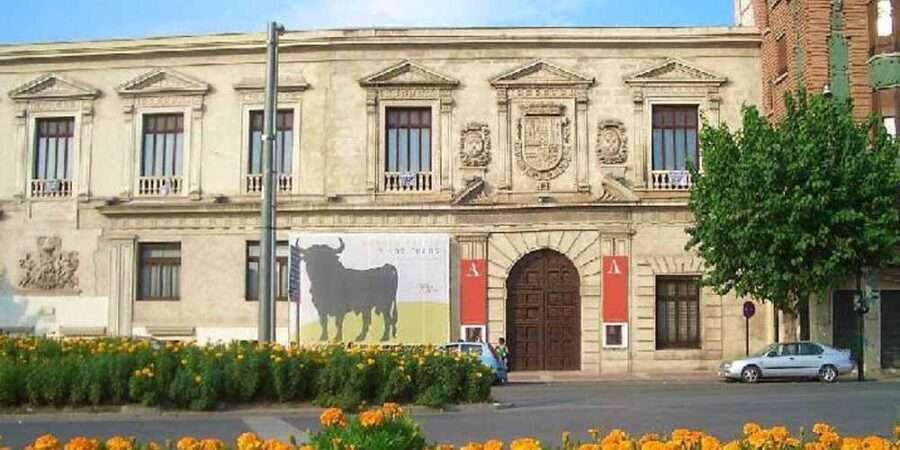
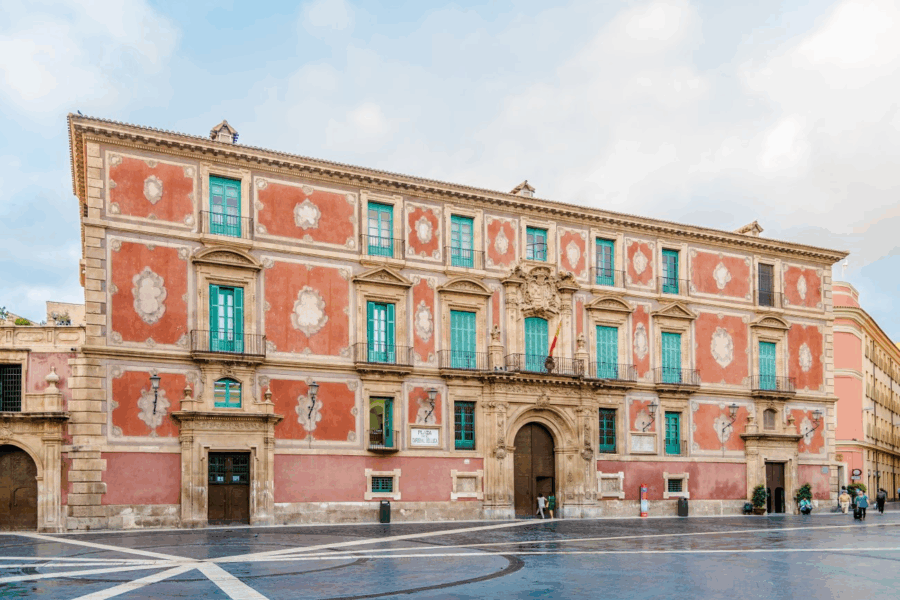
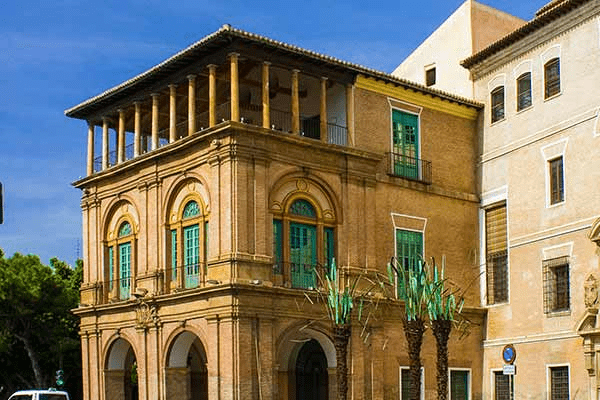
The facade of te Palacio Almudí

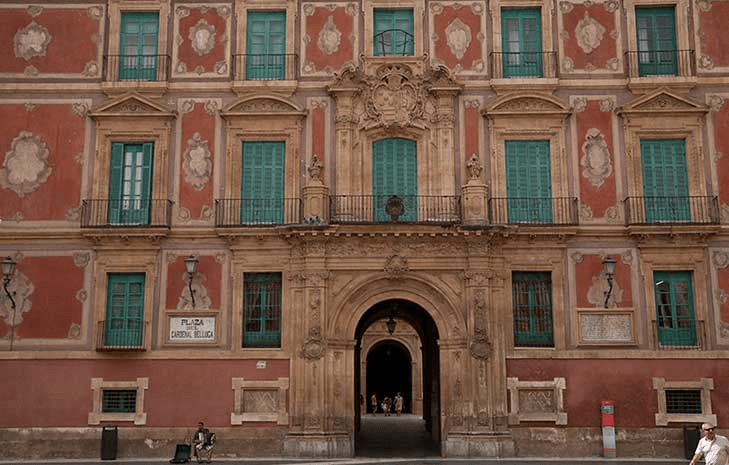
The Palacio Almudí, or Almudí Palace, is a historic building in Murcia, the capital of the region of the same name. It has almost five hundred years of history, and throughout all its history, it has had several purposes, from a municipal wheat warehouse to an impressive columned exhibition space.

That is precisely what the Almudí Palace is: an interesting art center (Centro de Arte), a national historical archive, and the headquarters of the Department of Culture. It also houses administrative offices and two exhibition spaces.

Through the years, the building has undergone several changes and its plan and architecture, to improve its functionality and relation with the surroundings and the city. The final product is a building with a strong presence in the urban landscape, a real landmark for Murcia, and a delight to the eyes of visitors.

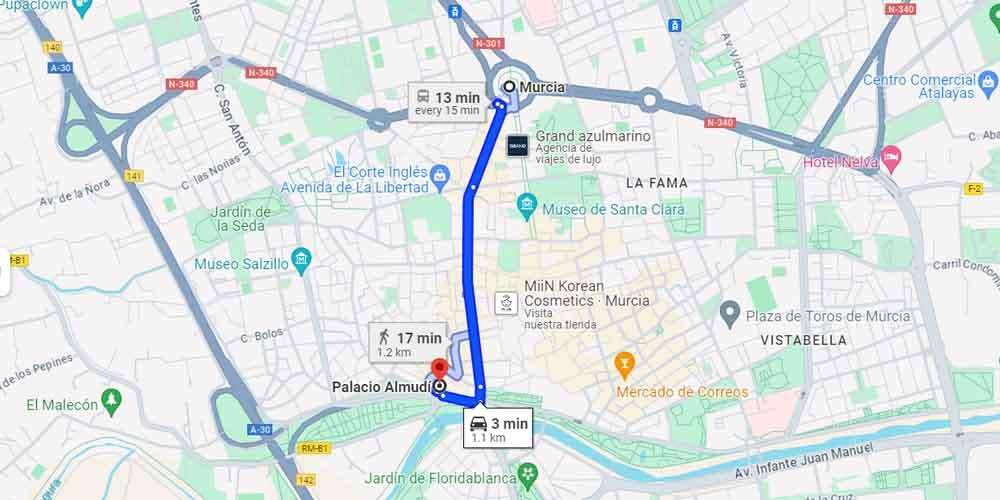
Palacio Almudí Location

Palacio Almudí Location

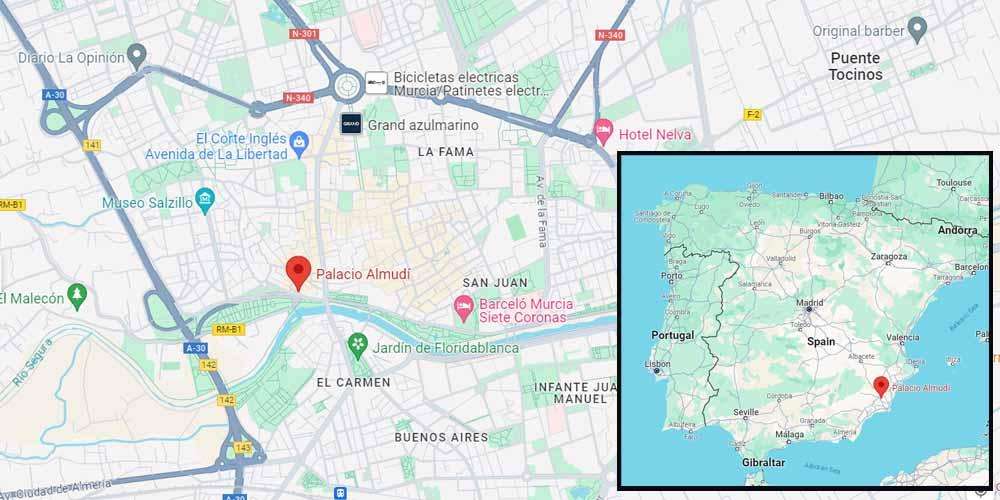
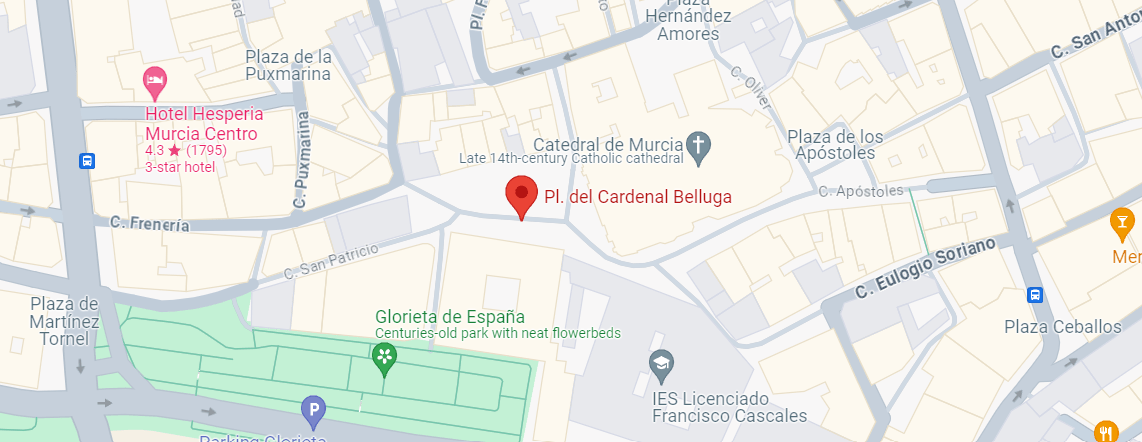
As we briefly mentioned, the Palacio Almudí is in Murcia, the capital of the region of the same name, specifically in the Plano de San Francisco, an antique street that nowadays is a big square and promenade.

Address: C. Plano de San Francisco, 8, 30004, Murcia, Spain

Phone: +34 968 35 86 00

Schedule:

  • Monday to Saturday: 12 p.m. – 2 p.m. and 6 p.m. – 9 p.m.
  • Sunday and holidays: 11 a.m. – 2 p.m.
How to get to the Palacio Almudí

Reaching the Almudí Palace is easy since it’s near Murcia’s downtown, specifically 1 kilometer from the center of the city. You can get to the Palace on foot by walking through the Gran Vía del Escultor Francisco Salzillo.

You can also take the railway, which takes around thirteen minutes to arrive at the palace station. If you prefer this transport, you should take the railway at the Cajamurcia Plaza Circular Station and get off at the Murcia del Carmen Station, which is a two-minute walk away.

You can also take buses 37, 44, 62, 7, 72, C5, R14, C1, C3, R12, 1, 6, R17, 21, C2, and C4, and get off at the nearest stops: Malecón, Glorieta de España, San Antolín, Santa Isabel, Gran Vía, Biblioteca Regional, and Murcia del Carmen.

Of course, you can also reach the palace by car. The Glorieta underground car park is fifty meters along the riverbank, opposite the Town Hall. The Almudí is right next to Veronica’s marketplace, which also has the nearest underground parking in front of it.

History of the Palacio Almudí

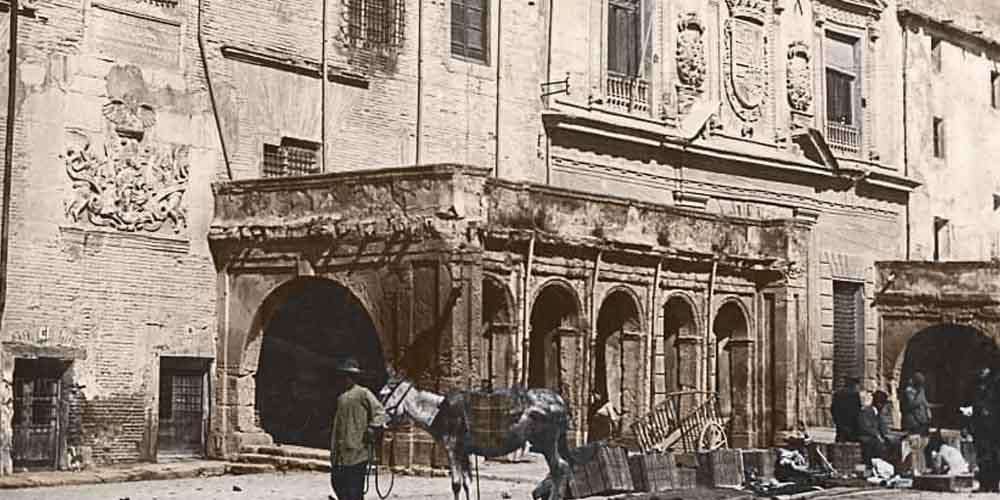
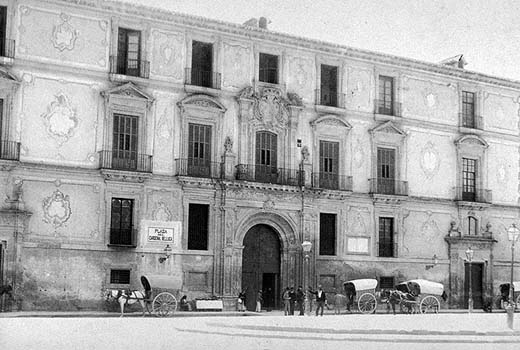
An old photo of the Almudí Palace

The history behind the Almudí Palace is really interesting and is over four hundred years old. The palace you can currently see in the Plano de San Francisco is the replacement of the first wheat municipal warehouse that was in the same spot. Besides, a fire destroyed the original warehouse in 1612 after fifty years of operation.

This is how the Palacio Almudí was inaugurated in 1628, showing the economic boom Murcia was undergoing in those years due to the trade in silk.

Two porches were added to the palace’s facade to host urban street commerce over time. However, the city hall destroyed these two porches due to structural issues in the first decades of the 20th century.

At the end of the century past century, a new Palacio de Justicia was constructed in Murcia to give more space to the inner dependencies of the Palace. After this, and following several years of abandonment, this classical building was converted in 1985 to fulfill its present use as an art center.

Palacio Almudí Architecture

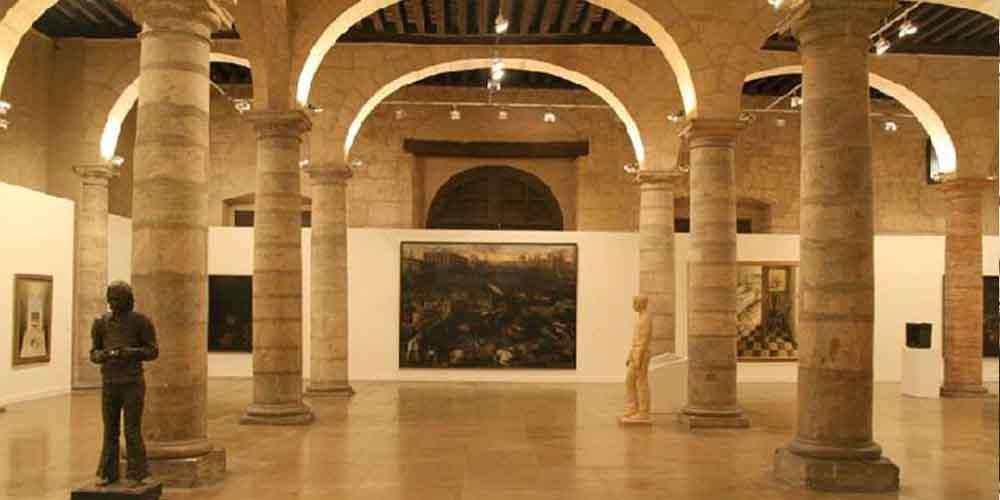
The column-based hall of the Almudí Palace

The Palacio Almudí is a son of its time. Its architecture is characterized by the Renaissance style, which was very common in Spain in the 17th century. The Resainnace arrived a bit late, over one hundred years after its birth in Italy.

It means two clearly differentiated levels: a strong floor level that remarks the height and proportions of the body with fake Roman columns and a lighter first floor with a clear rhythm and lintels that crown the windows.

A section of the facade of the Almudí Palace

Fake Roman Columns in the facade.

If something truly stands out inside the Palacio Almudí is the impressive columned exhibition space, the Sala de Columnas, which was the former grain store. You can see some remains of the Moorish building over which the 16th-century construction.

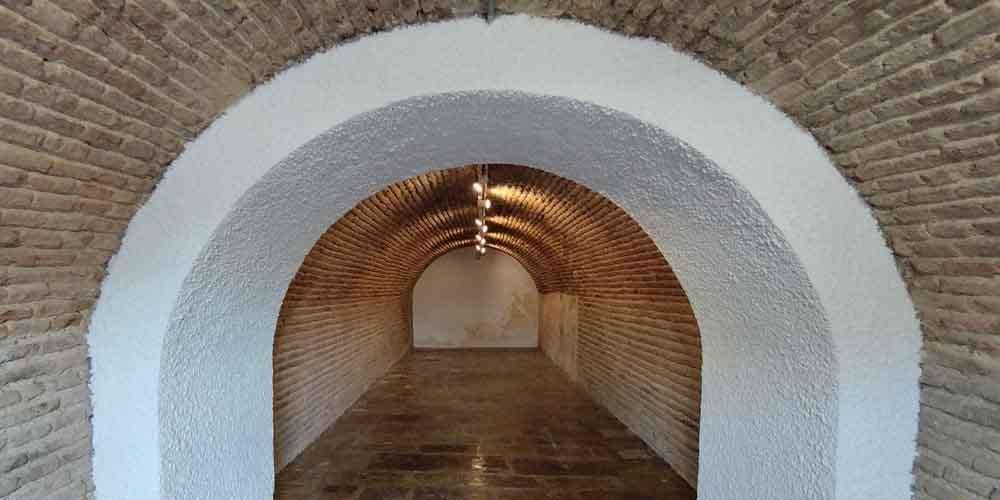
Still, this upstairs sala is not the only one since the palace has exhibitions divided into two different levels. The palace also has a basement level. In this space, the museum exhibits smaller artworks in a more intimate and warm hall.

The underground level of the Almudí Palace

The Palacio Almudí today is a piece of history that reflects the architecture of the 17th century and how the economic boom at that time helped to build great buildings, which undoubtedly contributed to the city’s heritage culture.

Things to See in the Palacio Almudí

An exhibition in the Palacio Almudí

Although the Palacio Almudí hosts the city archive, it’s better known for its downstairs exhibition space and cultural center. If you’re interested in visiting the exhibition room or the building’s internal and external architecture, you should check the information below before your visit.

Palacio Almudí Murcia Centro de Arte

An exhibition in the column-based hall of the Almudí Palace

The Palacio Almudí is likely one of the most interesting places to visit if you’re interested in witnessing new trends in modern art, understanding painting, sculpture, drawings, architecture, and more.

The hall of Tuscan columns entails space for exhibitions, providing a wide space to display and show large-size paintings, sculptures, and installations. This exhibition hall has the benefit of being an open space with no walls, which facilitates the experience and visualization of the pieces of art.

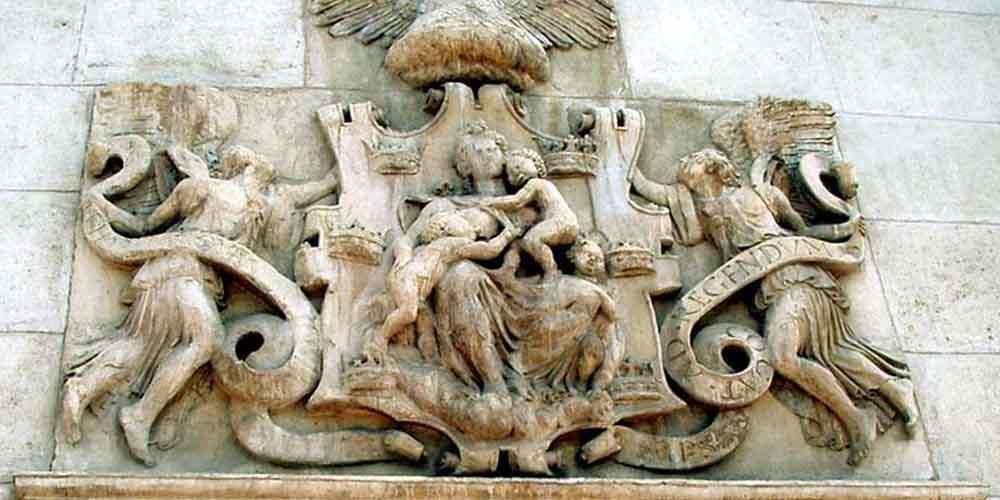
A Relief of the Matrona of Murcia

The relief of the Matrona of Murcia in the facade of the Almudí Palace

The facade of the Palacio Almudí features a beautiful relief of a woman caring for a child. She is the Matrona de Murcia, representing the welcoming and kind spirit of the people. Created by Hernando de Torquemada, this artwork is a must-see.

The relief symbolizes the city’s hospitality, with both the citizens and the building inviting visitors. Above the woman is a pelican, which stands for wealth and abundance. You can also see the Habsburg coat of arms, surrounded by two smaller city crests, adding to the building’s historical importance.

Enjoy Your Private Paradise in Villa Murcia!

Piscina com águaO conteúdo gerado por IA pode estar incorreto.

Looking for the perfect place to stay in Murcia? We’ve got just the spot for you!

Villa Murcia – Your Private Paradise

Wake up to coffee on a sun-drenched terrace, unwind in a warm jacuzzi after a day of exploring, and end your evenings with dinners in the summer kitchen. Nestled in charming Santiago de la Ribera, Villa Murcia offers more than just a holiday—it’s your personal oasis of comfort, style, and unforgettable moments.

Highlights:
✔ Spacious living room with a large sofa and open kitchen – perfect for shared memories
✔ Three elegant, air-conditioned bedrooms with private terraces – your peaceful retreat
✔ Extra fold-out sofa in the living room – ideal for additional guests

Whether it’s a romantic escape, a family getaway, or a relaxing break with friends – Villa Murcia is your dream stay.

Book now and experience the magic of the Spanish sun!

A Palace You Should Not Stop Visiting

The entrance of the Almudí Palace

The region of Murcia is a land of magnificent landscapes and tourist attractions. Its capital, the homonymous city of Murcia, is a settlement you will probably visit in your wanderings in the zone since the main airport of the region is there.

The impressive museum space of the Palacio Almudí will leave you speechless due to both its column-based architecture and modern art exhibitions. So, we recommend you visit this noble and imposing building when you’re in the city. It’s a good complement to the natural beauties of the region, beaches, national parks, golf courses, and other attractions you can find in every part of Murcia.

Read More
Castle of Castalla by Murcia

Castle of Castalla – Picturesque Sight in Alicante

Alicante and Costa Blanca Provinces are widely known for their crystal clear sea, sandy beaches, and remarkable culture. Within the province of Alicante, you’ll find many places of interest that reveal the secrets of ancient times. The first thing that comes to mind is, of course, ancient castles. Each of Alicante’s castles has witnessed many historical events.

For those who want to spice up their holiday on the Costa Blanca, we suggest taking a trip to the castles scattered throughout the province. Of course, the most famous is the castle of Santa Barbara in Alicante, but there are more than 100 ancient castles, fortresses, and watchtowers of great historical value in the province. However, we’re going to focus on one caste in particular – the castle of Castalla.

Table of Contents

About the Castle

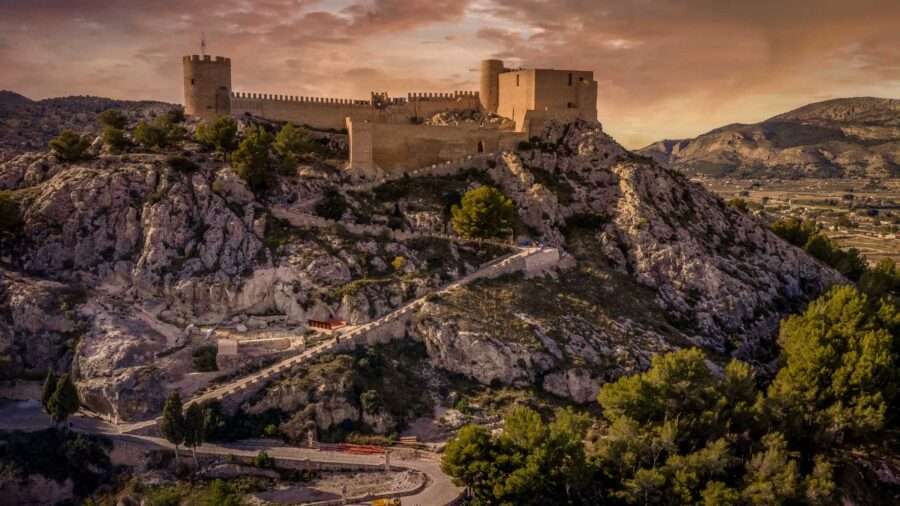
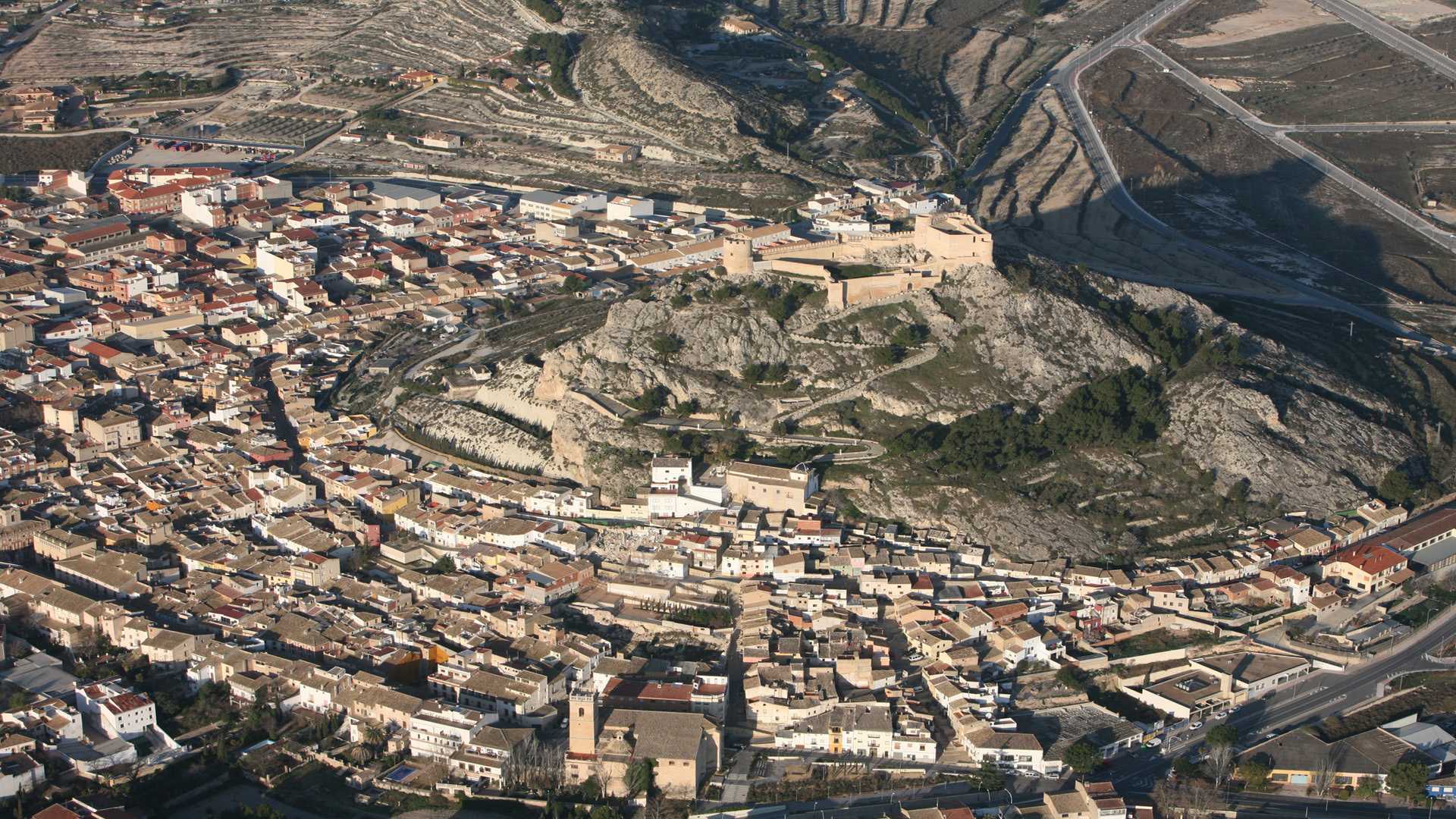
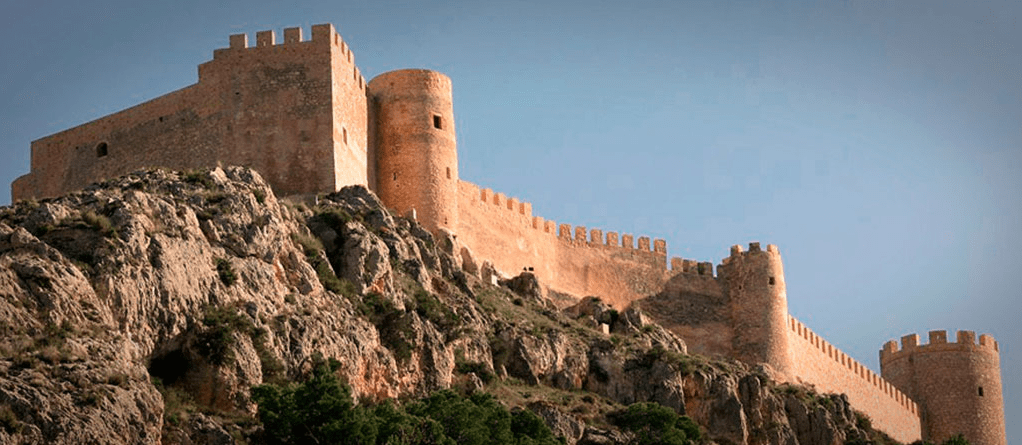
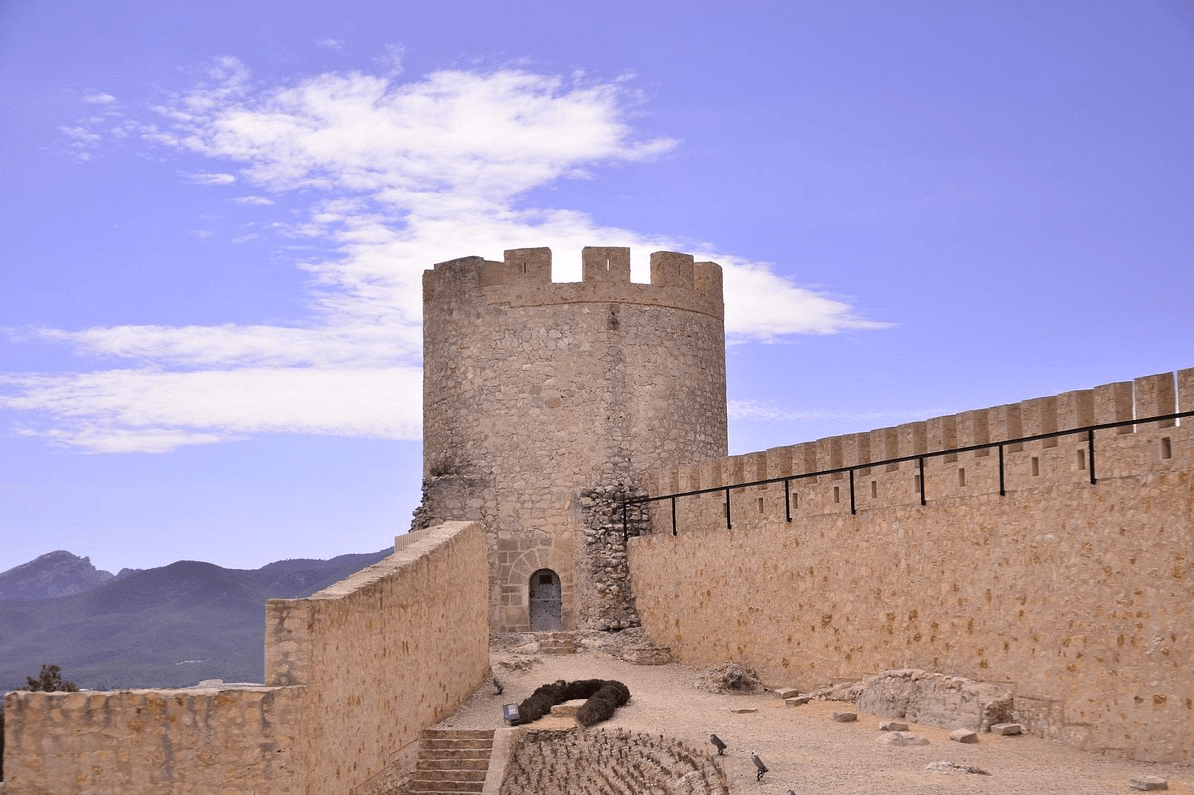
Castalla Castle is one of the main and best-preserved castles in Alicante, and it is recognized as a cultural heritage site. It was first built by Muslims in the 11th century and later rebuilt by Christians in the 14th and 15th centuries. The castle sits on a hill where people have lived since the 2nd millennium BC. One of its towers, Torre Grossa, offers amazing views of the Oia de Castalla region and the nearby mountains.

Location

Mountainous area of Alicante

Castalla Castle sits on a hill overlooking the valley, with the town located around its base at an elevation of 680 meters above sea level. Castalla La Hoya, the region with Castalla as its capital, is a broad, T-shaped valley oriented to the southeast and surrounded by various mountain formations. Castalla is located in the west and southwest of La Hoya, nestled among the Maigmó Mountains (1,296 meters), Cati (1,260 meters), and Argenya (1,230 meters).

The climate of the area is characterized as a mid-mountain Mediterranean climate, with an average annual temperature of around 17 degrees Celsius. The region experiences relatively low rainfall, about 400 millimeters per year, but the surrounding mountain ranges promote cloud formation and localized precipitation, increasing with altitude. Snowfall is common during the winter months of January and February. The area is well-connected to Alicante and Valencia via the A-7 highway.

Historically, the castle has been a central point around which the town developed, with evidence of Neolithic, Bronze Age, Iberian, Roman (who named it “Castra Alta,” meaning high fortress), and Arab settlements. The castle has served as the core around which the fortified town emerged over time.

History

Due to its strategic location, the castle and the hill upon which it sits have been occupied by various civilizations, each leaving their mark over time. Prehistoric people, Iberians, Romans, Muslims, and Christians have all contributed to the rich history of this site. Now, you can become a part of this historical continuum as you embark on your journey through time.

The area has been occupied since the Bronze Age (2nd millennium BC) and continued to be inhabited during the Iberian and Roman periods (2nd century BC – 5th century AD). Although successive occupations and transformations of the hill have led to the destruction of structures from these eras, some ceramic fragments have been preserved. Notably, one piece depicts the legs of what may be an Iberian warrior, adorned with boots and holding a falcata or sword (2nd century BC).

Castle of Castalla from below

In the 10th century, a Muslim settlement was established here, which evolved into a fortification (ḥiṣn) in the 11th century. This fortification was renovated in the 13th century and served as the administrative center for the Foia de Castalla district, under the jurisdiction of the taifa of Dénia. In 1244, the castle was peacefully incorporated into the Crown of Aragon and subsequently played a crucial role in defending the southern border of Aragon against the Crown of Castille.

The castle gradually deteriorated, and in 1362, King Pere IV decided to donate it to Ramon de Vilanova i Lladró, Baron of Castalla. The barony included the towns of Castalla, Onil, and Tibi. King Pere IV entrusted the baron with the task of restoring the castle to defend the area against potential attacks from Castille. From that moment onward, and throughout the 15th and 16th centuries, the castle underwent significant modifications, particularly in the planning and construction of the Palace and the Lower Ward. The Large Tower, completed in 1529, was the last major construction within the castle grounds.

In the 17th century, as the castle ceased to be used for military purposes, the tower fell into disrepair and became a silent witness to visits by the people of Castalla and the surrounding region. In the 1930s, the castle was looted by local residents in search of treasures. The social recovery effort, initiated by the council in 1984, has been crucial in ensuring the castle’s preservation. The results of this restoration are now evident for all to see.

Inside the Castle

Welcome to Castalla Castle, one of the most significant historical heritage sites. You’ll begin your journey by entering the Palace through its intricate defense system. Then, you’ll explore the Lower Ward and discover notable locations such as the “escola dels moros” (Moors’ school). From the heights of the Large Tower, you can appreciate panoramic views of the Foia de Castalla district. Imagine the early settlers of the hill and trace the origins and evolution of the castle through the centuries.

Ground Floor

Near the entrance

You may have visited other castles, but what’s fascinating is that this three-story building was constructed in the 14th and 15th centuries as the residence of a feudal lord. Its defense system is notably effective, as access can only be gained through narrow passages. Additionally, the layout is designed so that each floor has its own independent and compartmentalized defense.

This, of course, made the castle extremely difficult to conquer. These rooms are all arranged around a courtyard featuring a cistern, locally known as the “comú de la reina” or “Queen’s commode.” The people of Castalla believed that the “Queen of the Castle” used this cistern as a toilet, hence its name.

First Floor

This floor would have accommodated the castle’s noble rooms, which were likely connected to the kitchen via a staircase that no longer exists. In the rectangular tower, the remains of the brick vault are in a state of consolidated ruin. This preservation method prevents further deterioration of the original remains while allowing the new structure to be observed and compared with the original.

Second Floor

Second floor, near the large tower

As one ascends to the second floor, elements of the Palace’s defensive architecture become visible within the circular tower. Notable features include cross and orb-shaped loopholes, designed for the use of portable firearms, as well as traditional arrow slits. Upon reaching the second floor, historically used as the servants’ quarters, one can observe remnants of the original pine wooden beams. Additionally, this floor provides access to the Palace roof, offering splendid views over the entire region.

Semicircular Tower

Semicircular tower

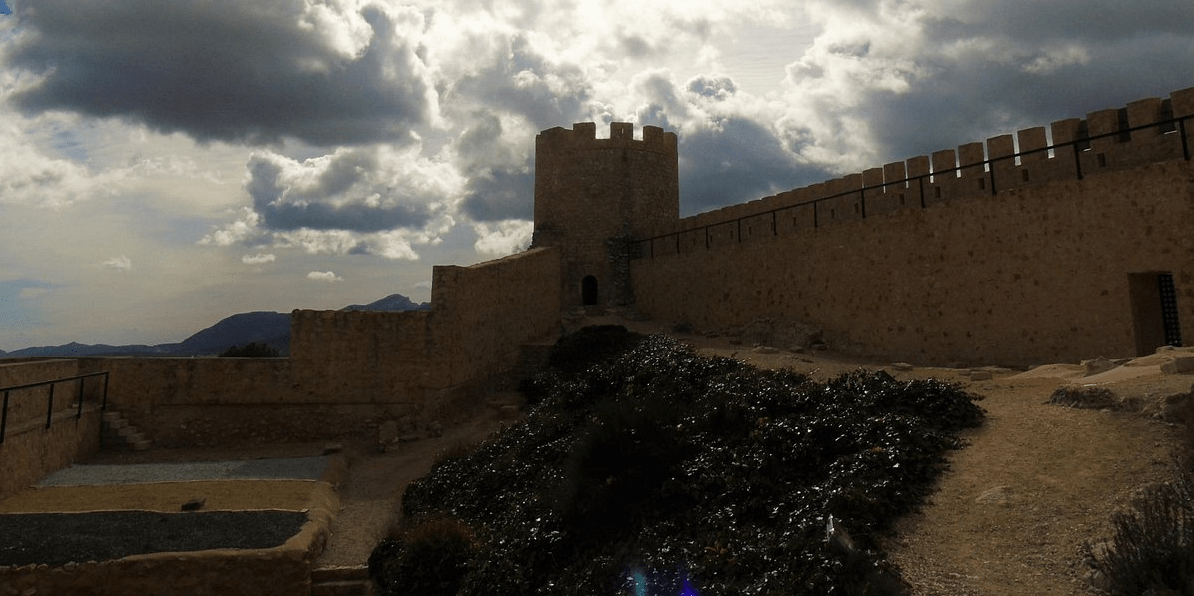
This expansive area, connecting the Palace to the Large Tower, is flanked by two straight walls. When the tower was constructed in 1529, the original appearance of the Lower Ward was significantly altered. This area, however, suffered extensive damage during the pillaging of the 1930s, though it still retains remnants of the various domestic quarters that once existed here.

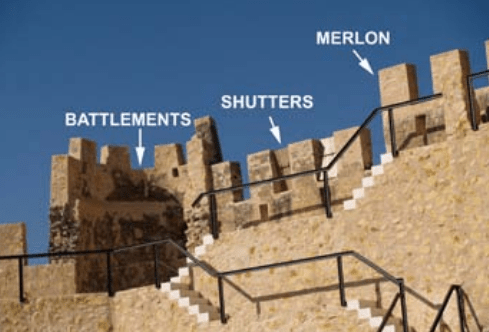
While both are new, the east and west walls present distinct appearances. The west wall features merlons and battlements, while the east wall lacks these features. The reason for this discrepancy lies in the preservation of the original merlons and battlements on the west wall, which allowed for their reconstruction. Unfortunately, the east wall’s merlons and battlements were entirely lost, making their reconstruction impossible.

Large Tower

Large tower at the top

This tower holds significant importance for the people of Castalla, who have named it the Large Tower. Constructed in 1529, it features two floors and represents the most modern structure of its time. It is believed to have been part of a more ambitious project, which, for unknown reasons, was never completed. Evidence of this includes the ruins adjacent to the tower, which indicate the planned addition of new walls.

The tower boasts several notable artistic elements. Among these is the remnant of a headless gargoyle, likely representing a winged creature, which originally served to divert rainwater from the terrace. Additionally, there is a noteworthy inscription: the IHS monogram, a reference to Jesus of Nazareth. This monogram can be found on the west window of the outer wall on the first floor of the tower.

Entrance

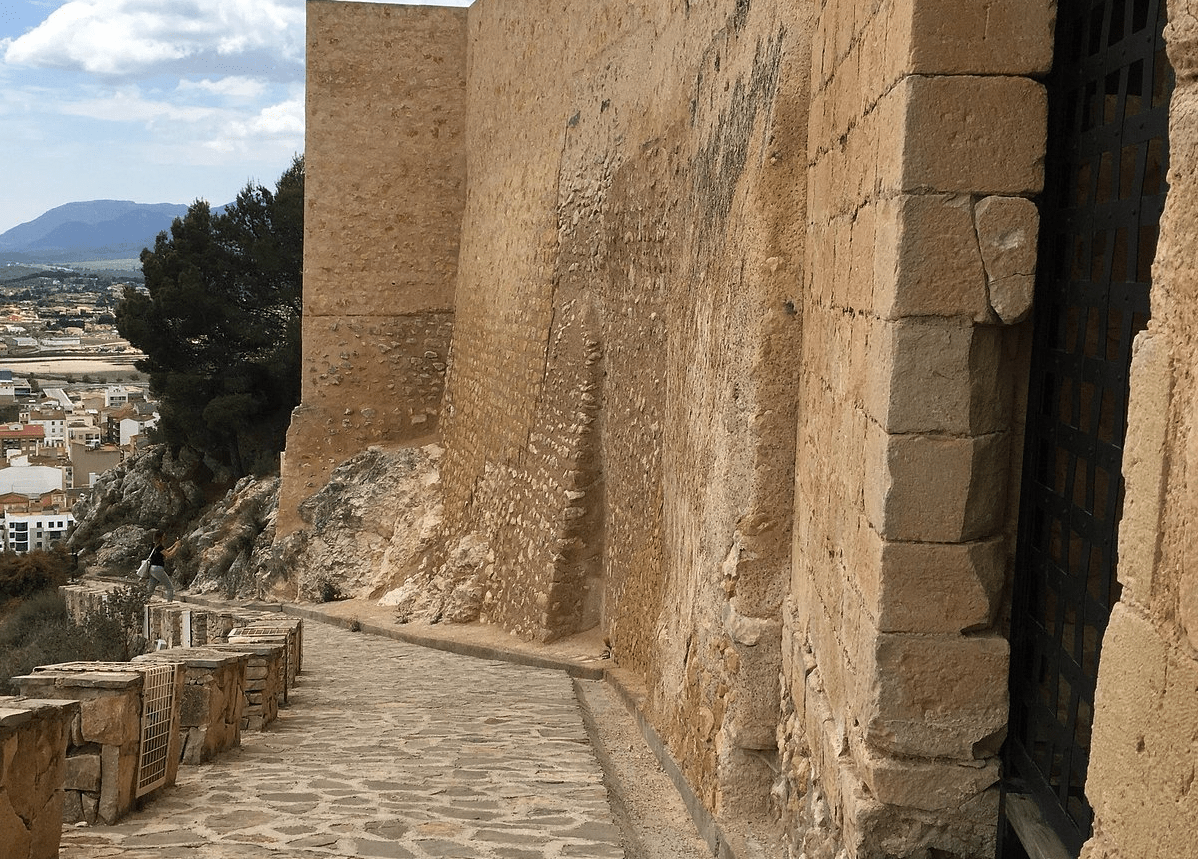
To uncover the deepest secrets of this historic castle, you must proceed through this gateway. During its construction in the 14th and 15th centuries, ashlars were utilized. If you observe closely, you will notice certain engravings. Do you recognize them? These are the marks left by the stonemasons who carved the ashlars for this gateway, serving as their signatures. On the exterior, two structures project above the entrance. These are machicolations, which were employed to defend the entrance against attacks.

Enjoy Your Private Paradise in Villa Murcia!

Piscina com águaO conteúdo gerado por IA pode estar incorreto.

Looking for the perfect place to stay in Murcia? We’ve got just the spot for you!

Villa Murcia – Your Private Paradise

Wake up to coffee on a sun-drenched terrace, unwind in a warm jacuzzi after a day of exploring, and end your evenings with dinners in the summer kitchen. Nestled in charming Santiago de la Ribera, Villa Murcia offers more than just a holiday—it’s your personal oasis of comfort, style, and unforgettable moments.

Highlights:
✔ Spacious living room with a large sofa and open kitchen – perfect for shared memories
✔ Three elegant, air-conditioned bedrooms with private terraces – your peaceful retreat
✔ Extra fold-out sofa in the living room – ideal for additional guests

Whether it’s a romantic escape, a family getaway, or a relaxing break with friends – Villa Murcia is your dream stay.

Book now and experience the magic of the Spanish sun!

Summary

Visiting the Castle of Castalla offers a unique opportunity to immerse yourself in centuries of history and architectural splendor. This medieval fortress, perched on a strategic hilltop, provides breathtaking panoramic views of the surrounding landscape. The castle’s well-preserved structures, including its impressive ashlars and defensive machicolations, showcase the craftsmanship of the 14th and 15th centuries, offering a tangible connection to the past.

Exploring the castle grounds allows you to discover the marks left by stonemasons, adding a personal touch to the historical narrative. Additionally, the Castle of Castalla has been a silent witness to significant historical events and cultural transformations, making it a vital piece of Spain’s heritage. Whether you are a history enthusiast, an architecture lover, or simply seeking a picturesque destination, the Castle of Castalla promises a rich and rewarding experience.

Read More
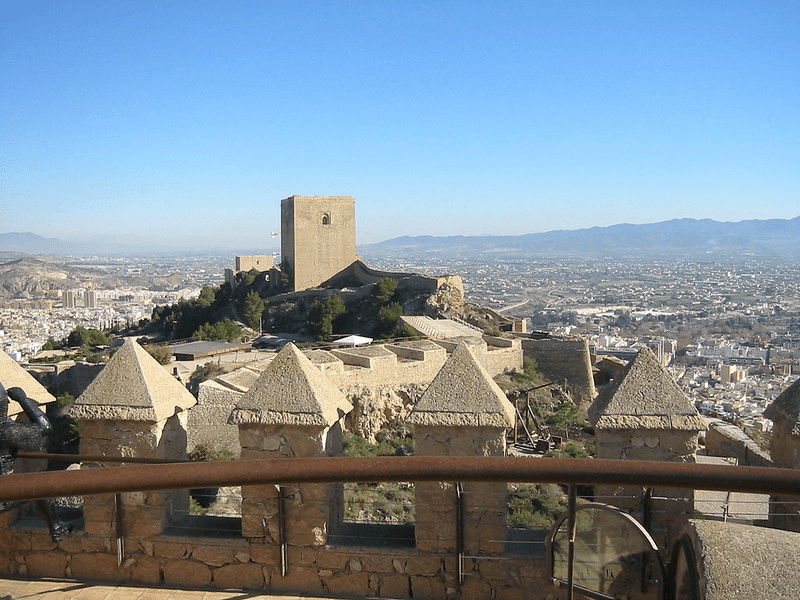
Castle of Lorca panoramic view

Castle of Lorca: A Medieval Marvel in the Heart of Murcia

If you’re planning a trip to Spain, the Murcia region has probably come up in your searches for “What to do in Spain.” This autonomous community offers a variety of charming destinations full of history, vibrant culture, and natural beauty. While some places are better known than others, there are hidden gems that deserve to be highlighted.

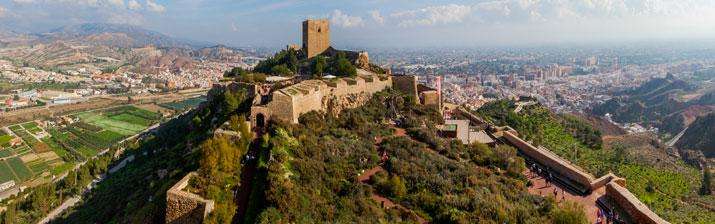
One of these lovely, less well-known cities is Lorca. The city, lying southwest of the provincial capital, surprises with its historical wealth and beauty. One of the region’s highlights and one of the largest castles in Spain is the majestic Castillo de Lorca, a medieval fortress that stands as a guardian of the past.

Table of Contents

History of the Castle

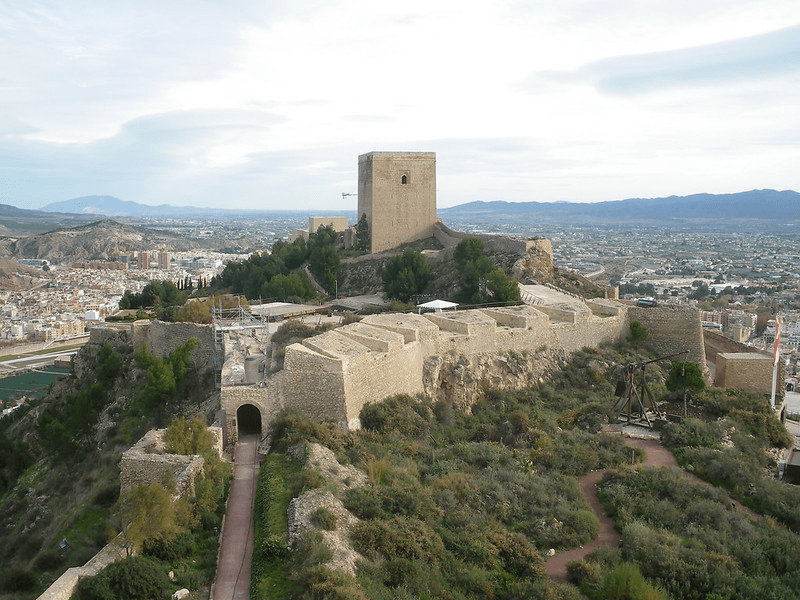
View of the Castle of Lorca
Wikimedia Commons

The castle’s history dates back to very ancient times, as evidenced by archaeological excavations that have revealed the presence of inhabitants since the Bronze Age. Therefore, it is difficult to determine the exact date when the first defensive bulwark was erected on the hill where Lorca Castle now stands. However, the first written reference to a castle on the site comes from Muslim sources from the 9th century AD, which mention the city of Lurqa as one of the most important in the Cora de Tudmir.

During the Islamic period, the castle became an impregnable fortress due to its strategic location on the hill of Lorca. The Espaldón wall (muro del espaldón) divided the castle’s interior into two parts. In the western part was the citadel, while in the eastern part was the neighborhood of Alcalá, which housed the Muslim medina. The fortress of Lorca, known at the time as Lurqa, was one of the most important cities in the Tudmir region.

After the Reconquista in 1244, the castle was taken by the infante Alfonso de Castela, who would later be established as King Alfonso X of the Kingdom of Granada. For more than 250 years, this fortress was fundamental in protecting two Christian territories. The Alfonsina and Espolón towers (King Alfonso actually started the building of the three towers, but one of them no longer exists), as well as the walls, were built or reinforced during this period, eliminating almost all the vestiges of the ancient Muslim fortress.

View of the Castle and defensive structures of it
Flickr /LindaH

Inside the castle’s citadel was the Jewish Quarter of Lorca, which was active until the Jews were expelled from Spain in 1492. The Jewish Quarter, physically separated from the rest of the city by walls, occupied an area of ​​approximately 5,700 square meters.

Excavations have revealed twelve houses and a synagogue from the 14th and 15th centuries, the latter being the only one found in the Murcia region. The neighborhood’s streets were narrow and irregular, following the slope of the terrain, with the synagogue located in the center.

After the fall of Granada in 1492, the strategic importance of the Castillo de Lorca diminished significantly. The expulsion of the Jews also led to the depopulation of the neighborhood of Alcalá. The castle fell into a period of abandonment, reaching a state of ruin in the 18th century. In the early 19th century, during the Spanish War of Independence, the castle was revitalized; walls and structures were repaired or modified, and a battery of cannons was installed. In 1931, Castillo de Lorca was declared a National Historic Monument, marking the beginning of its preservation as an important historical heritage site.

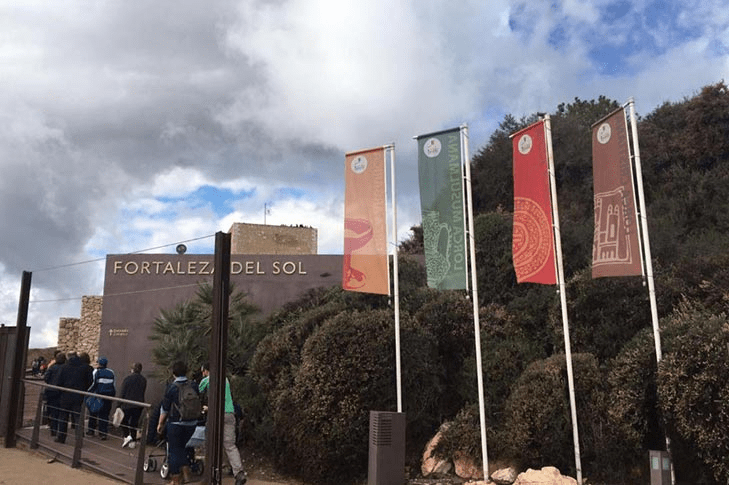
A Sun’s Fortress

Entrance of the Castle
Turismo E Region de Murcia

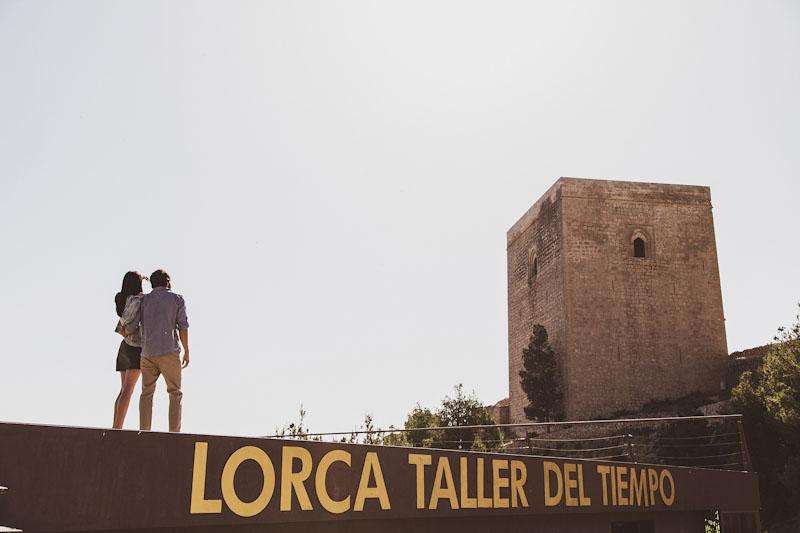
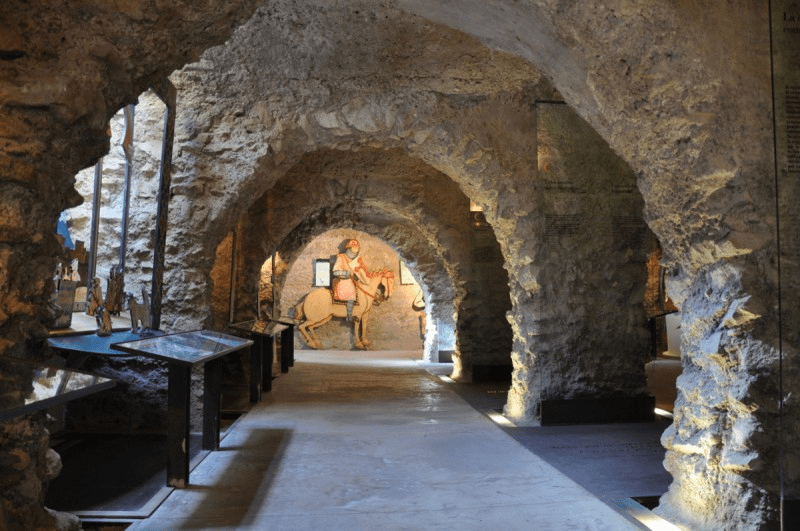
In 2003, the Lorca Taller del Tiempo, a project involving the local administration and business organizations of the municipality of Lorca, rehabilitated the Moorish fortification as a themed space dedicated to tourist visits and heritage interpretation under the name Fortaleza del Sol (Sun’s Fortress). The project combines learning with entertainment and leisure.

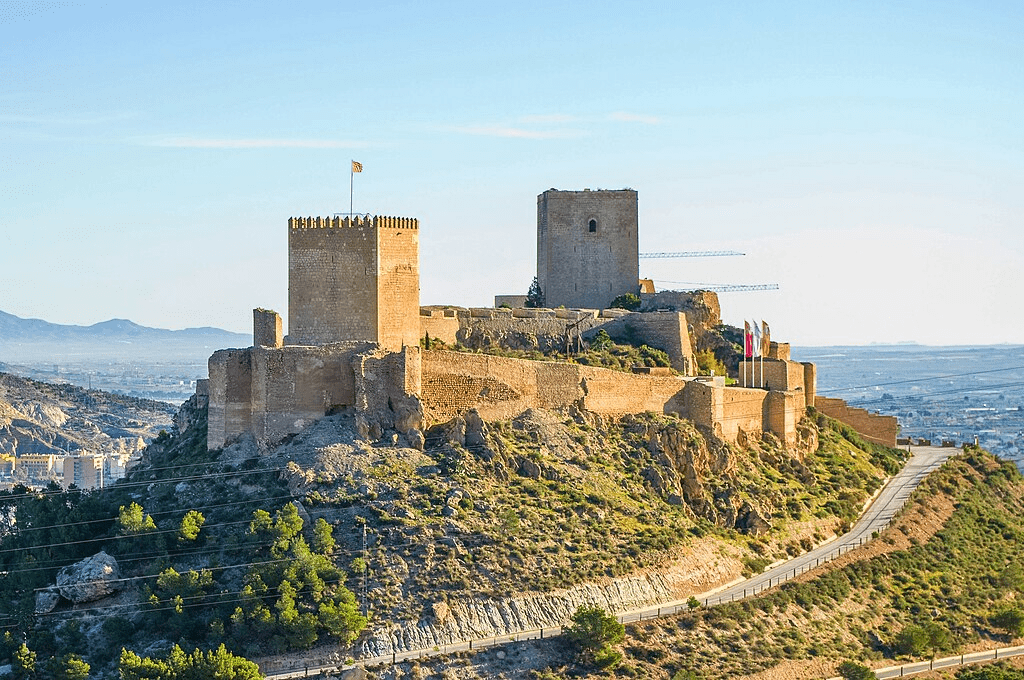
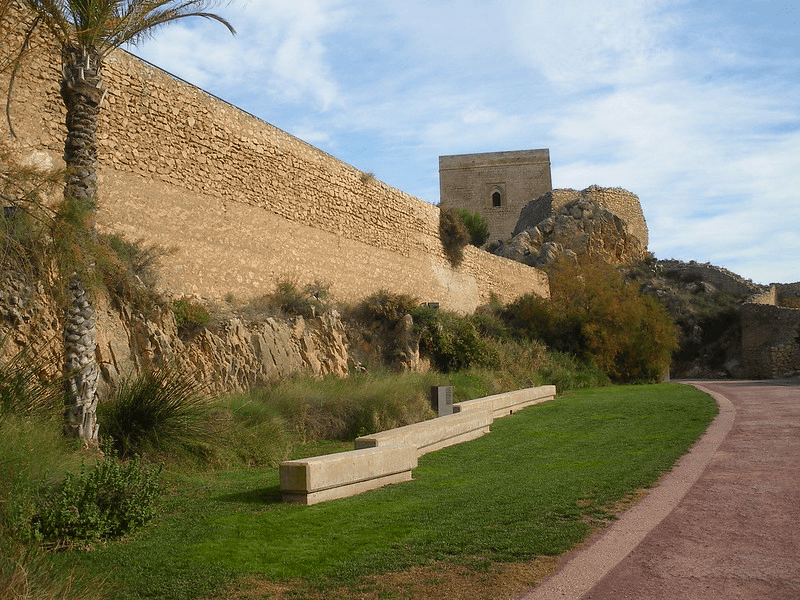
The castle’s current structural features include two main towers, the Alfonsina Tower and the Espolón Tower. These towers are prominent features designed to strengthen the castle’s defenses against external attacks. It is possible to climb to the top of the towers and admire a breathtaking panorama.

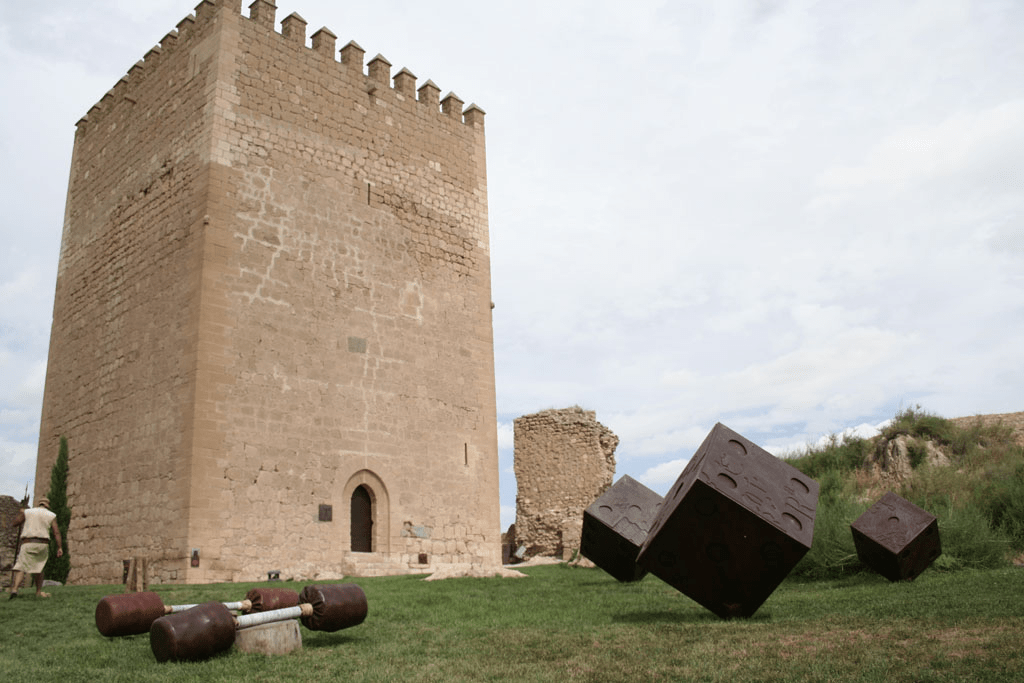
Torre Alfonsina
Lorca Taller Del Tiempo

The Torre Alfonsina is located in the central and highest part of the hill of the Castillo de Lorca. It is named after the former king and replaced an earlier smaller Muslim tower. The structure consists of three floors, all covered with brick vaults supported by a large central pillar. The top floor is illuminated by four windows, which, although simple, are functional and have no mullions. On the tower’s east side, there is an entrance gate and a cavity that possibly housed a foundation stone.

Torre del Espolón
Wikimedia Commons

The Torre del Espolón has a square plan and a high façade, characterized by masonry walls pierced by arrow slits and stars, as well as a door facing east. The structure includes a cistern, currently used as a dungeon, and two floors covered with ribbed vaults.

Within the castle grounds, visitors can also explore the ruins of the Jewish quarter, including a 14th-century synagogue. The remains of the Islamic wall, Muro del Espaldón, can still be seen.

Inside the Castle
Murcia Today

The whole tour was excellent. There was the option to tour the castle independently using the multilingual brochures and audio guides they provide. However, my group purchased a guided tour, and I must say it was well worth it. The guides were highly polite and well-informed. Throughout the journey, they told incredible stories that left me amazed at how important this castle was during the Middle Ages. Not to mention, the extensive and beautiful gardens of the castle allow you to explore and take stunning photos.

Part of the garden of the castle
Flickr / Luiyo

The place was very empty during my visit, which made it very pleasant. However, you must pay attention to the opening times; different parts of the castle cannot be visited throughout the day. The person at the reception was very friendly and clearly provided information about the different visiting slots (with an explanatory plan of the castle).

If you want to see all the parts, I recommend contacting the castle and coordinating your visit according to these slots.

Attractions and Services

Las Caballerizas del Castillo
Revista Gastronomo

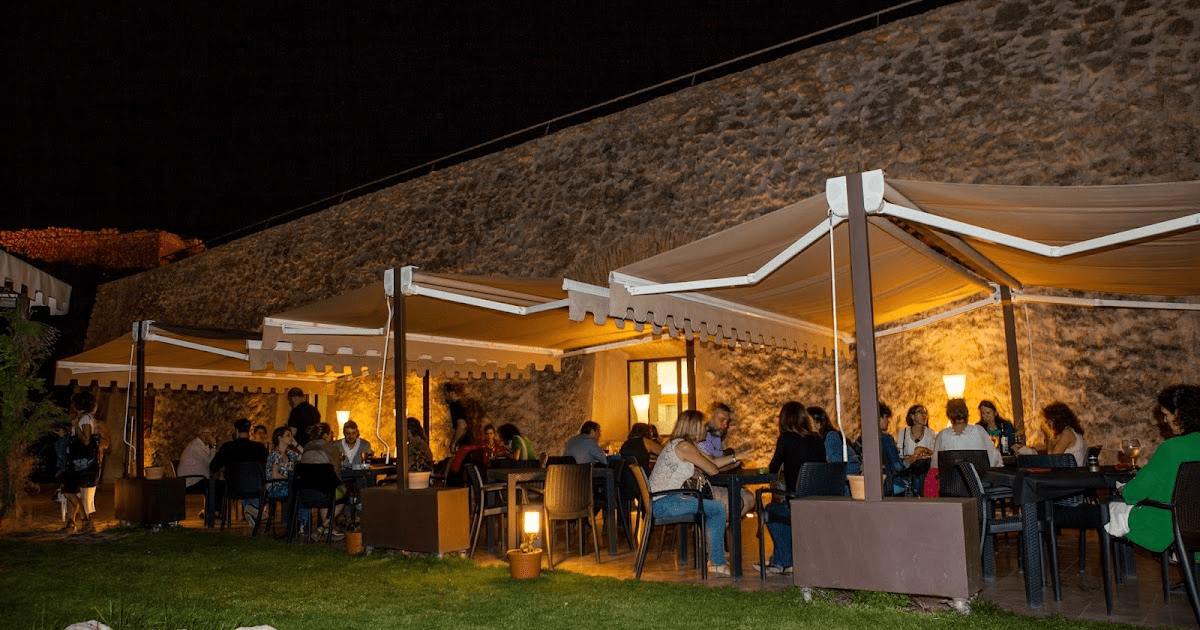
The fortress offers a wide range of attractions and services for visitors. Covering an area of ​​52,000 square meters, the gardens and various areas (including a children’s play area) of the castle are open to visitors. One of the highlights of the space is the opportunity to sample the delights of the restaurant “Las Caballerizas del Castillo,” which is located within the castle grounds and serves the most delicious food (not to mention the breathtaking views).

Parador De Lorca
Parador De Lorca

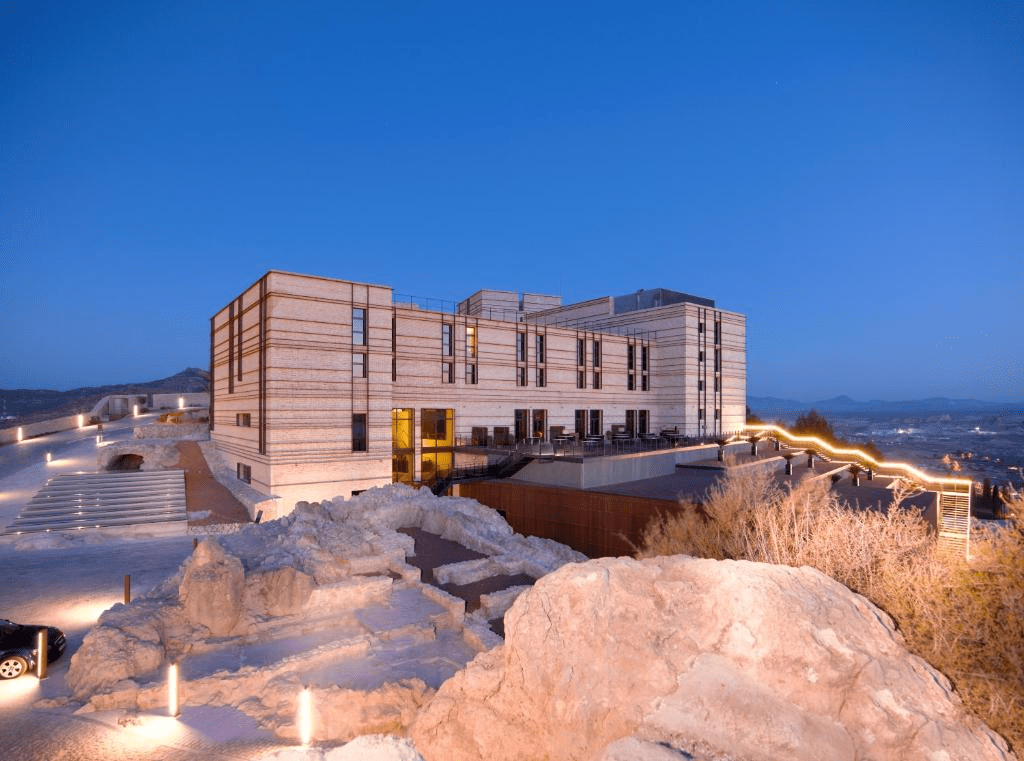
Also within the grounds is the Parador de Lorca. This modern hotel comfortably integrates the historic environment with contemporary amenities, such as a spa and heated pool, providing a unique experience of luxury accommodation and medieval tourism. I did not stay there, but I met a couple who did, and they really enjoyed the experience.

Another cool feature of the space is that it is entirely dog-friendly. On my visit, my pet accompanied me on the tour, and I even got a bandana and treats for him at the entrance! It is one of the few historical sites that allows pets. Furthermore, the place is certified by SICTED and is a member of the “Club de Producto Grandes Castillos y Palacios Turísticos de España,” standing out as a TripAdvisor recommendation.

Location and Opening Hours

The castle is located on a hill overlooking the town of Lorca. You can reach the castle on foot (about 30 minutes from the town center) or by taxi (less than 5 minutes). Cars are not allowed to park on the hill… but parking is available in the foot of the hill, in front of the visitor centre at the castle entrance.

Lorca is well served by intercity buses. The bus station, located in the town center, has regular services from various towns in the Murcia region. From there, you can take a taxi or walk to the castle.

Lorca’s train station, Lorca-Sutullena, receives regional Renfe trains. Once at the station, the castle is a short taxi ride or walk approximately 30 minutes away.

If you want to visit the castle, you need to be aware of the time of year, as it has different opening times throughout the year:

  • January, February, March, November, and December: Sunday to Friday, 10:30 am to 4:00 pm; Saturdays and national holidays, 10:30 am to 6:00 pm.
  • April, May, and October: Sunday to Friday, 10:30 am to 4:00 pm; Saturdays and national holidays, 10:30 am to 6:30 pm.
  • June: Sunday to Friday, 10:30 am to 4:00 pm; Saturdays and national holidays, 10:30 am to 7:00 pm.
  • July: Sunday to Wednesday, 10:00 am to 4:00 pm; Thursday to Saturday, 10:00 am to 4:00 pm and 6:00 pm to 10:00 pm.
  • August: Sunday to Tuesday, from 10:00 am to 4:00 pm. Wednesday to Saturday, from 10:00 am to 10:00 pm. August 10th, from 10:30 am to 8:30 pm. September: Sunday to Friday, from 10:00 am to 4:00 pm. Saturdays and national/bank holidays, from 10:00 am to 7:00 pm.

Last entry is allowed up to 30 minutes before closing time, and the castle is closed on December 25, January 1, and 6. On December 24, December 31, and January 5, the opening hours are special, closing at 2:30 p.m.

Lorca Castle: A Journey Through the Middle Ages

Lorca Castle
Flickr / Luiyo

Overall, it is an enchanting experience that offers a unique glimpse into the medieval past. This impressive fortress, once a crucial defensive stronghold on the border between the kingdoms of Murcia and Granada, allows history enthusiasts to immerse themselves in the region’s rich heritage. With its strategic importance and historical significance, the castle is a must-visit destination for those planning a trip to Spain. Including Lorca on your itinerary promises a vibrant and rewarding experience, bringing the fascinating world of the Middle Ages to life.

Enjoy Your Private Paradise in Villa Murcia!

Looking for the perfect place to stay in Murcia? We’ve got just the spot for you!

Villa Murcia – Your Private Paradise

Wake up to coffee on a sun-drenched terrace, unwind in a warm jacuzzi after a day of exploring, and end your evenings with dinners in the summer kitchen. Nestled in charming Santiago de la Ribera, Villa Murcia offers more than just a holiday—it’s your personal oasis of comfort, style, and unforgettable moments.

Highlights:
✔ Spacious living room with a large sofa and open kitchen – perfect for shared memories
✔ Three elegant, air-conditioned bedrooms with private terraces – your peaceful retreat
✔ Extra fold-out sofa in the living room – ideal for additional guests

Whether it’s a romantic escape, a family getaway, or a relaxing break with friends – Villa Murcia is your dream stay.

Book now and experience the magic of the Spanish sun!

Read More
picture showing a bridge crossing one part of Cueva del Puerto

Discovering Cueva del Puerto: Murcia’s Famous Cave

Cueva del Puerto is a natural wonder that captivates explorers and history enthusiasts alike. This remarkable cave, known for its striking geological formations and rich historical significance, offers a glimpse into the ancient forces that shaped the region. With its labyrinthine passages and stunning stalactites, Cueva del Puerto showcases nature’s raw beauty and holds secrets from the past that have intrigued researchers and adventurers for decades. Whether you’re a seasoned spelunker or a curious traveler, this hidden gem promises an unforgettable journey into the depths of Spain’s geological mysteries.

Here, we will show you everything you need to know about this amazing activity, which is waiting for you to explore. From what to expect to safety protocols, here’s everything you need to know about one of the most unique activities available in Murcia:

Table of Contents

Location of Cueva del Puerto

map of Calasparra in Spain showing Cueva del Puerto highlighted

This natural formation is ready to be discovered and lies in the region of Calasparra in Murcia. Spain offers some of the most unique experiences in Europe, and Murcia has many natural formations and landscapes that will make you feel like you’re in a totally different world compared to the urban chaos.

The route to the caves is a little far from the city centre, so we recommend planning how to get there before going to the destination. Thankfully, there are many ways to visit the caves, from buses to car ride apps.

The trip is fairly quick, and every KM you ride is filled with natural landscapes and amazing views, making it even quicker. If you’re going with a group of people to visit the caves, you can rent private transportation companies to take everyone. Depending on the size and the area where your hotel is located, the price can be really friendly.

What You Need to Know Before Visiting the Caves

picture from the cave showing some of the paths created for tourists

Now, we will show you some information regarding the caves and what you must consider before packing your things for this unforgettable experience. Make sure to check all the details regarding the items below to ensure a good and safe experience.

We will cover everything you need to know, from the equipment to the guided tour details. Here’s everything about Cueva del Puerto and its magical experience:

When to Visit the Attraction

picture of people exploring the cave using special gear

If you want to plan your vacation better, it is essential to understand when the activity is available and the best period of the year to go to Murcia. Here’s all the information regarding when the cave is open:

  • Days: From Tuesday to Sunday
  • Mondays: Not Open
  • Time: 10 A.M. to 6 P.M.

Notice that it is also recommended that you book the activity before going as they might get fully scheduled, and you might lose your trip. You can do that by visiting their official website. There, you’ll also find tons of details regarding the expedition and what you need to know before entering the caves.

Murcia is more sought-after during summer, especially due to the numerous attractions it offers in the regions of Cartagena and San Javier. We also recommend going to Calasparra during this time of the year because of the low temperatures inside the caves and because you’ll find tons of options, like the crystal water of La Manga or the amazing Museo Romano de Cartagena.

Safety and Recommendations

picture of a group exploring the caves together

As we mentioned, cave exploring can be dangerous if you don’t respect the rules and recommendations provided by the professionals walking with you. Once you arrive at the side, you’ll be provided with proper equipment for exploring. It is vital that you use the helmet given by the staff and don’t remove it until the end of the activity.

Whether you’re an adult or a kid, this helmet can protect you from eventual injuries, like small rocks falling from the ceiling. The instructors will also monitor to ensure everyone respects the rules and gets home safely after visiting the site.

Along with using the helmet, you’ll also need to follow other recommendations and rules. Some will be presented by the staff, and others will be provided through signs with instructions.

If you plan on taking kids with you, it is vital that you keep an eye on them to avoid any problems or surprises along the way. Getting lost in these natural tunnels is easy, and ensuring your kids are close to you is indispensable for the best experience possible.

Price

picture from the entrance of the site with numerous tourists waiting

As expected, this Murcia attraction is not free, and the company charges for entering the site because of the guides that will walk you through the entire process. This price can vary depending on your age, and there are basically three tiers to choose from:

  • Standard Pass (12-64yo): 16 euros
  • Children Pass (5 to 11yo): 14 euros
  • Up to 4 years old: Free entrance

Notice there’s no minimum age restriction when it comes to who can participate in the exploration of the cave and its routes, but there’s an age restriction when it comes to the elder group. Cueva del Puerto allows people from up to 64 years old to participate in the visit and discover the tourist route. Sadly, if you’re 65 or older, the company doesn’t allow you to participate for safety reasons.

Need to Bring Something to the Cave?

picture of a person inside the cave analyzing the walls

If you’re wondering what you need to bring to the site to explore the caves, you don’t have to worry about that. The company provides all the equipment necessary to safely visit the caves and observe every inch of the natural formations. They have different helmet sizes and equipment, so you don’t need to bring anything else for the tour.

It is also not recommended to bring your own gear as they have items previously tested for safety assurance. They use top-tier gear, and you don’t need to worry about that at all.

The same applies to water and other items. Even though you can bring your own water, it is not recommended to take any items to the cave. However, you can take your phone with you to take amazing pictures of the place and even record a video of this natural formation to keep the memory fresh forever.

More Attractions Nearby

image of a person entering the sanctuary in the center of Calasparra

Spain is the best destination for travelers looking for variety. From local food to extreme sports, there are many options to try, and Calasparra is the perfect place to go if that’s what you want. Along with the caves, you’ll find multiple options to make your vacation even better.

For example, if you like adrenaline and extreme experiences, you can go rafting on the Almadenes canyons or visit Salto del Ciervo in Via Ferrata. Both experiences will make your heart beat faster than ever before.

If you want something to chill, there’s also a ton of options to pick in this Spanish paradise. You can visit Santuario Virgen de la Esperanza or go to Mirador de las Lomas for some incredible views of the fields.

Regardless of which option you choose, they’ll surely surprise you and make you want to come back again as soon as possible. During my time in the country, I also visited Castillo de San Juan, and I recommend the experience if you’re looking for something that mixes culture and fun.

Is Cueva del Puerto Worth Your Time and Money?

picture of people analyzing the walls of the cave

Exploring caves is one of the best ways to spend your vacation in the Calasparra region. Discovering these natural formations and seeing vestiges from the past is just the beginning of this adventure. You’ll also find out a lot about how these formations happen and what impacts they have on the surface.

Even though it is a little far from the center of the city and you’ll need transportation to Cueva del Puerto, it is still fairly close to numerous other attractions, making it easier for you to enjoy countless activities without spending too much with Uber or anything like that.

It is the perfect attraction for all kinds of people, and I highly recommend it. During my time in the caves, I took amazing pictures and will surely remember this vacation forever.

If you’re looking for suggestions of where to go, Spain and its beauties await you. Pack your luggage and prepare for one of the most unique experiences you’ll find.

Enjoy Your Private Paradise in Villa Murcia!

Piscina com água O conteúdo gerado por IA pode estar incorreto.

Looking for the perfect place to stay in Murcia? We’ve got just the spot for you!

Villa Murcia – Your Private Paradise

Wake up to coffee on a sun-drenched terrace, unwind in a warm jacuzzi after a day of exploring, and end your evenings with dinners in the summer kitchen. Nestled in charming Santiago de la Ribera, Villa Murcia offers more than just a holiday—it’s your personal oasis of comfort, style, and unforgettable moments.

Highlights:
✔ Spacious living room with a large sofa and open kitchen – perfect for shared memories
✔ Three elegant, air-conditioned bedrooms with private terraces – your peaceful retreat
✔ Extra fold-out sofa in the living room – ideal for additional guests

Whether it’s a romantic escape, a family getaway, or a relaxing break with friends – Villa Murcia is your dream stay.

Book now and experience the magic of the Spanish sun!

Read More
Episcopal Palace Of Murcia

Episcopal Palace Of Murcia: History and Art in One Place. 

History, culture, architectural beauty, cuisine (incredible and delicious), and a beach that will leave anyone breathless… all in one place. When you put it this way, this utopian paradise seems made up, but it isn’t. The region of Murcia, in Spain, is one of the favorite destinations for tourists looking for a place with all these characteristics. The city really has a lot of history and beauty to tell in every corner you go.

One of the places that tells the story of the city is the Episcopal Palace. This historic building, located in the heart of the town, was declared a Property of Cultural Interest in 1992. It is a landmark of great historical and religious architectural importance in the region. The building, a magnificent example of a Rococo style, not only symbolizes ecclesiastical power in the area but also reflects Murcia’s rich cultural monumental heritage. Today, we will learn a little more about it.

The Diocese of Cartagena

Murcia’s Cathedral
Murcia’s Cathedral – Next to the Episcopal Palace.

The Episcopal Palace is the seat of the Diocese of Cartagena, one of the oldest in Spain, with a history rooted in the Roman era. For those who don’t know what it is, it is basically an ecclesiastical constituency of the Catholic Church in Spain, which has played a crucial role in spreading Christianity in the region and preserving religious traditions over the centuries.

José Manuel Lorca Planes has been Murcia’s current bishop since July 18, 2009. As the episcopal seat, the palace is an administrative and spiritual center, reflecting the church’s continued importance in the city’s cultural and social life.

Construction Of The Palacio Episcopal

Old Picture of the Palace
La Opinion De Murcia

In the past, the old Episcopal Palace was also located in Plaza del Cardenal Belluga. It was located in the same place where the current building stands today but on the opposite side of the square.

Due to the construction of other buildings in the square and the deterioration of the palace at the time, it was decided to build a new building. The then-new location was where the Manor House of the Marquis of Los Vélez had previously been located. The real driving force behind this historic building was Bishop Juan Mateo López. After his death, his successor, Diego de Rojas y Contreras, continued the construction.

Construction began in June 1748. The work was carried out by local masters associated with Jaime Bort (a famous Spanish architect whose most important work is the facade of the Cathedral of Murcia), such as Pedro Pagán, José Alcani, and Martín Solera, who also worked on the cathedral’s façade.

Inside of the patio of Episcopal Palace
Turismo E Region De Murcia

By 1757, the work was progressing very slowly, which led the Cathedral Chapter to ask Bishop Diego de Rojas y Contreras to find a new director in Madrid. He requested a new project, revised by José López, a disciple of Bort, who took over the supervision of the works. After another interruption in 1761, Baltasar Canestro, an Italian architect, took over the project in 1765 and completed it in 1768.

Architecture Of The Palace

Plaza del Cardinal Belluga

The range of styles around the Palace, in the Plaza del Cardinal Belluga (Cardenal Belluga Square), is vast. There, we find the presence of both civil and religious power in the form of the Episcopal Palace, the City Hall, and the Cathedral of Murcia. In the space, you will find buildings of all types, from Baroque to eclectic buildings with modernist touches.

Main facade of Episcopal Palace Of Murcia, with sober volumes and delicate colours.
Turismo E Region De Murcia

The Episcopal Palace of Murcia is a remarkable example of Baroque architecture, with a derivative style marked by Italian and French Rococo trends. The building has a square floor plan decorated almost entirely with shields of different shapes and colors and features delicate decorative grace, evident in its beautiful facades.

Main Staircase of Episcopal Palace
Turismo de Murcia

The main entrance to the Palace, known as Puerta del Perdón, is a masterpiece itself, with its arched door and ornate ironwork. The palace’s interior features a grand staircase that rises from the entrance hall. The staircase is decorated with intricate balustrades and decorative elements, making it an actual work of art and perfect for taking a photo and keeping the place in your memory.

Palace ceilings
Turismo de Murcia

Be careful with your neck and possible pain! Looking at the palace ceilings, decorated with beautiful frescoes and paintings depicting religious scenes and historical events, is addictive and very difficult to stop.

Palace's first floor, and the portraits of all the bishops of the Diocese
Vicente Vicéns / AGM – La Verdad

On the palace’s first floor, you can see the portraits of all the bishops of the Diocese of Cartagena since its foundation.

The Salón del Trono, or Throne Room, is one of the most impressive rooms in the Palace. It features a coffered ceiling, intricately carved woodwork, and a large throne that was once used by the bishops of Murcia.

chapel in the Palace
TripAdvisor © Robert Bovington

Two other parts of the building worth mentioning are the courtyard, which is arranged in three Doric arcades and a more compact upper section, and a small circular chapel in the Rococo style that is open 24 hours a day.

Stage Of Important Historical Events

The palace has played significant roles throughout its history. During the Spanish War of Independence, it was used as a headquarters for French troops. It later served as a temporary residence for members of the Spanish royal family during official visits, such as those of Queen Elizabeth II in 1862 and King Alfonso XII in 1879.

The Bishop’s Viewpoint

The Bishop's Viewpoint
Turismo de Murcia

The “Hammer of the Palace” (Martillo del Palacio) is one of the Episcopal Palace’s distinctive architectural features. This belvedere-like structure, or large balcony, projects from the main building and offers a privileged view over the Segura River and the Paseo del Arenal.

This part of the palace is known as the “Bishop’s Viewpoint” and was built before the main body of the building. In addition to serving as a vantage point, the Hammer also includes an exhibition room, the Sala San Isidoro.

Important Information for Visitors

The Palace is open to the public from Monday to Friday from 9 a.m. to 2 p.m. and from 5 p.m. to 8 p.m. The opening hours in August are different, and the space is open from Monday to Friday from 9 a.m. to 2 p.m.

It is advisable to check the opening hours on the official website or contact the palace directly for the most up-to-date information, especially during peak tourist seasons.

Location of the Palace in the map

Since it is located in Plaza del Cardenal Belluga, one of the most central and accessible squares in the city, it is very easy to reach and find the building. Visitors can reach the site in several ways:

  • Public Transport: Several bus lines stop near the palace, providing easy access from different parts of the city. Murcia train station is also a short walk away, connecting the city to other regions.
  • Car: For those who prefer to drive, there are several parking options nearby, including the Plaza Belluga underground car park. However, street parking may be limited and may incur charges.
  • On Foot: Due to the palace’s central location, many visitors choose to walk through Murcia’s charming neighborhoods to reach their destination, exploring other attractions and points of interest along the way.

Enjoy Your Private Paradise in Villa Murcia!

Piscina com águaO conteúdo gerado por IA pode estar incorreto.

Looking for the perfect place to stay in Murcia? We’ve got just the spot for you!

Villa Murcia – Your Private Paradise

Wake up to coffee on a sun-drenched terrace, unwind in a warm jacuzzi after a day of exploring, and end your evenings with dinners in the summer kitchen. Nestled in charming Santiago de la Ribera, Villa Murcia offers more than just a holiday—it’s your personal oasis of comfort, style, and unforgettable moments.

Highlights:
✔ Spacious living room with a large sofa and open kitchen – perfect for shared memories
✔ Three elegant, air-conditioned bedrooms with private terraces – your peaceful retreat
✔ Extra fold-out sofa in the living room – ideal for additional guests

Whether it’s a romantic escape, a family getaway, or a relaxing break with friends – Villa Murcia is your dream stay.

Book now and experience the magic of the Spanish sun!

Palacio Episcopal: A Must-See In Murcia!

Episcopal Palace Of Murcia
Turismo E Region De Murcia

Murcia is a city with many tourist attractions. With every step you take in the city, you find yourself in a new place with a rich history and beauty. The Episcopal Palace is one of the most important buildings in Murcia, but it often gets forgotten from the list of places to visit. The building is a must-see for anyone who wants to understand more about the history, architecture, and cultural importance of the city.

Read More

Page 1 of 3

Powered by WordPress & Theme by Anders Norén