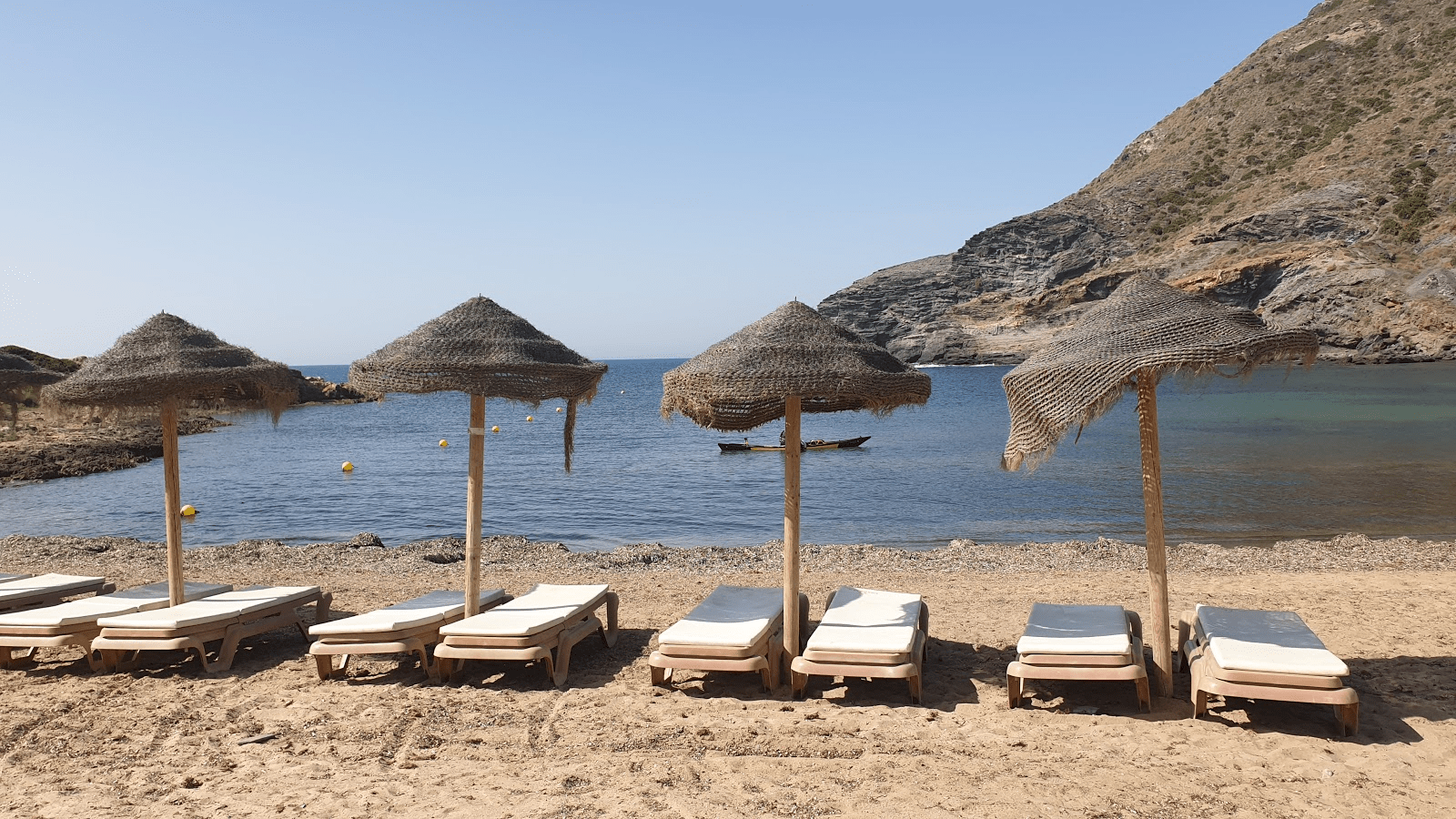



The Cartagena Naval Museum is a military history museum near the port of the city of Cartagena, Spain. It features exhibits related to shipbuilding and is a subsidiary of the Madrid Naval Museum. I visited the place while on my trip to Murcia and what a remarkable experience! Witnessing the evolution of the Spanish navy and their pioneering invention, this musuem is truly amazing!
Table of contents:
- Exploring Maritime History: The Naval Museum Cartagena
- About The Naval Museum Building
- What The Naval History Museum Offers
- Military History In Each Room
- General Information
- Naval Museum: A Must Go
- Enjoy Your Private Paradise in Villa Murcia!
About The Naval Museum Building
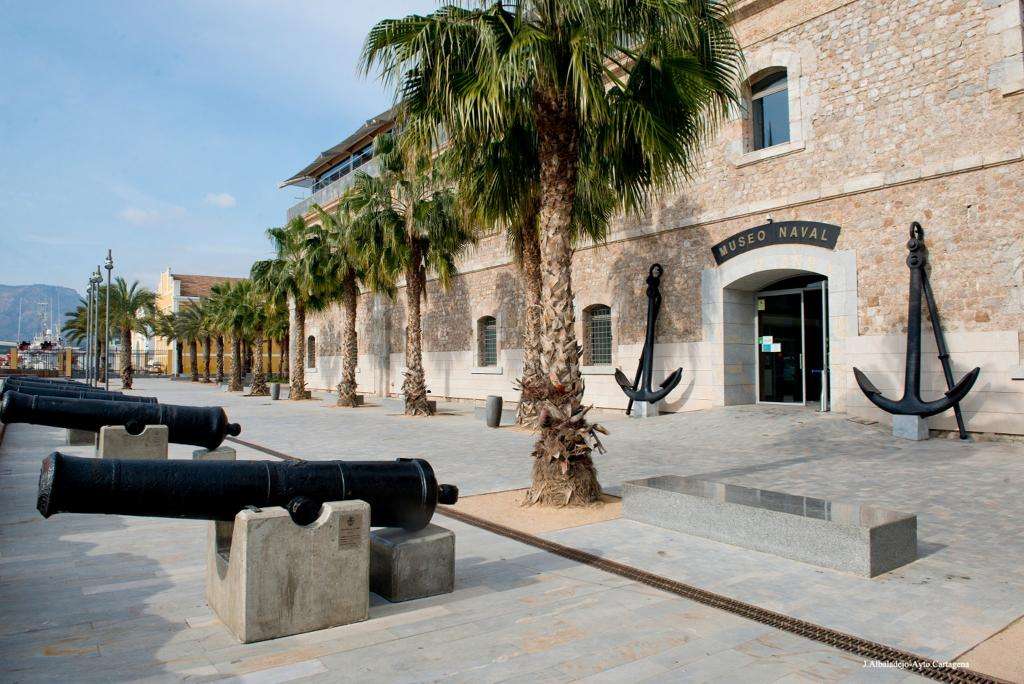 Image credit: Costa Cálida Region De Murcia Official Website
The Cartagena Naval Museum was founded on July 8, 1986. Under the direction of architect Lorenzo Ros, the original building was constructed in 1926 and served as the home for The Spanish Society of Naval Construction. In 2011, the museum was transferred to a new headquarters located on the city’s seafront, in a privileged environment.
The current building, originally built between 1776 and 1785, served in the past as a prison and accommodation for convicted criminals, who were used as labor for the construction of other naval buildings in Cartagena, including the Arsenal next door. I could sense the emotion of the place, especially in one exhibit where metal handcuffs were on display, serving as a dark reminder of that time’s construction.
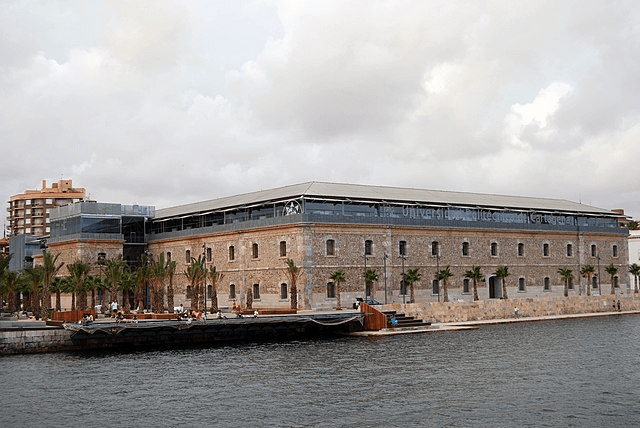 Image Credit: Wikipedia
After the Civil War, the space became the Marinería Instruction Barracks. It was used as a place for the training of young marines who joined the navy. In 2005, thanks to the signing of an agreement between the Ministry of Defense and the Autonomous Community of Murcia Region, it took a restoration to host one of the campuses of the Polytechnic University of Cartagena, reserving part of its space for the Naval Museum, with the space being completely modernized by local architect José Manuel Chacón to create a museum space.
The space naval construction is located in the southern half of the ground floor of the naval building. And I can’t assure you that will happen to you, but I was lucky enough to see a naval submarine at the port getting serviced, and I have to say, it was amazing!
What The Naval History Museum Offers
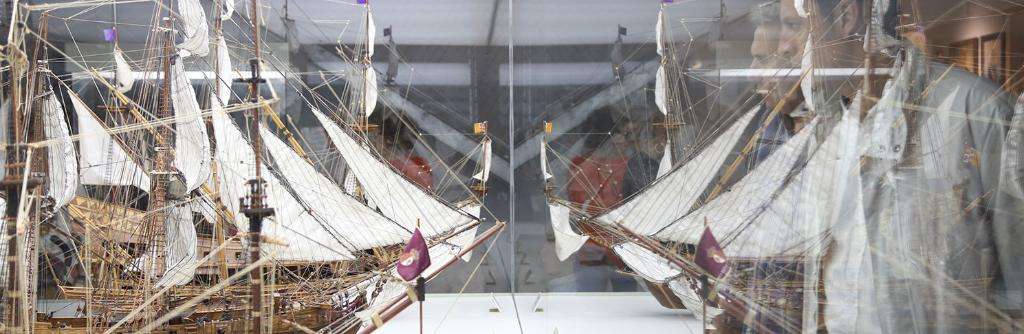 Image credit: Costa Cálida Region De Murcia Official Website
The Cartagena Naval Museum offers an enriching experience by exploring the history of the navy, with historical, scientific, and interactive materials donated by the Colombian Navy and several Caribbean countries. The exhibition covers a range of fascinating themes and provides an inclusive experience for visitors of all nationalities, with all information panels displayed in both Spanish and English, ensuring everyone can fully enjoy their visit.
The comprehensive exhibition covers all aspects of maritime life, from shipbuilding, nautical science and navigation, reconstructed cityscapes, naval artillery, naval health, uniforms, flags, and naval art, to submarines and diving in the Spanish Navy and its evolution. Some pieces have a strong connection with the history of the city of Cartagena and the old Mediterranean Maritime Department.
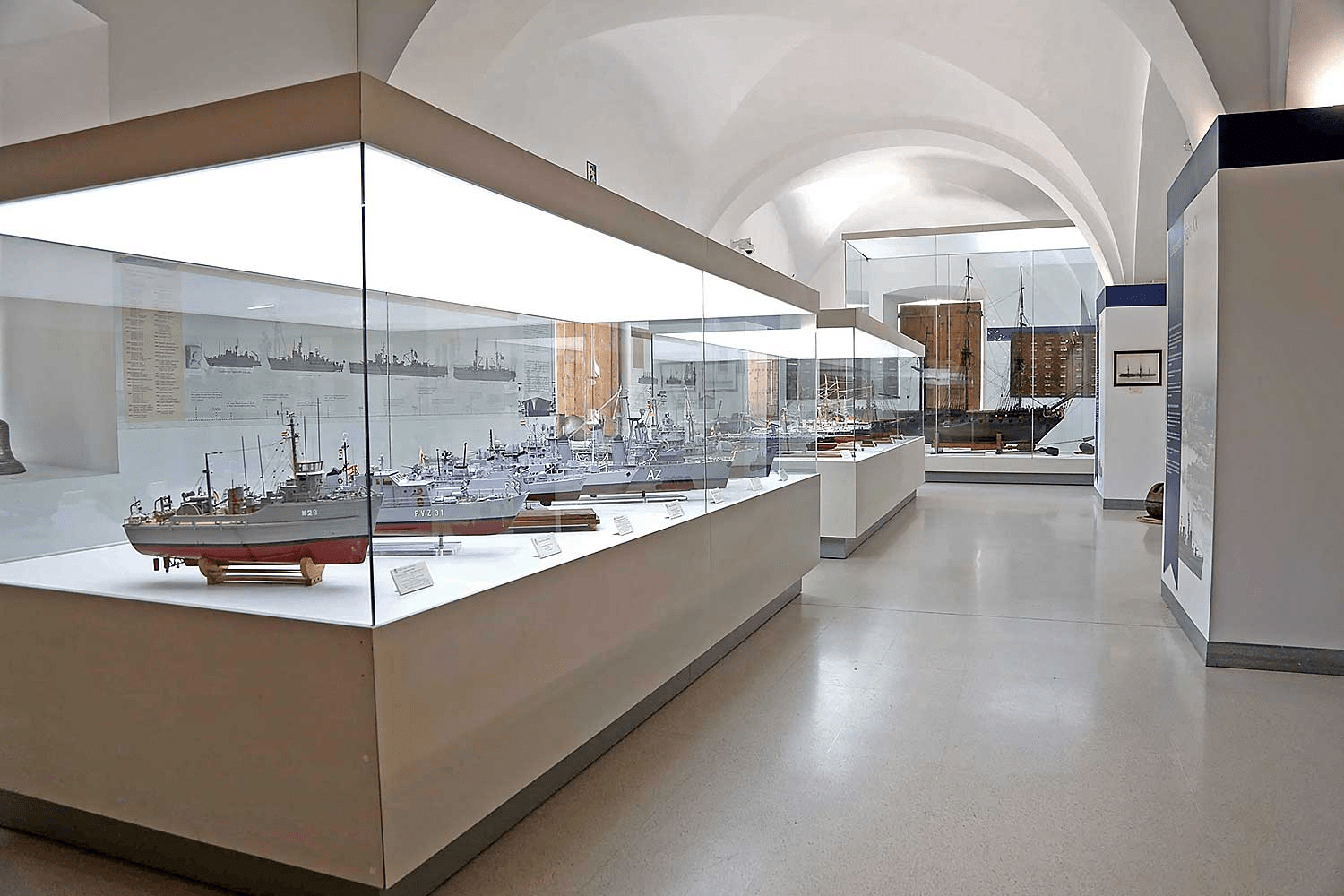 Image Credit: Spanish Ministerio de Defensa Official Website
The Naval Museum of Cartagena preserves a fascinating collection of more than 3,000 collections of different nature and varied typologies, linked to different fields and disciplines of naval history. The contents are organized into a series of thematic areas, which significantly sweetened my understanding of Spanish Naval History, making all the history there asily to understand and my experience more accessible and enjoyable.
Military History In Each Room
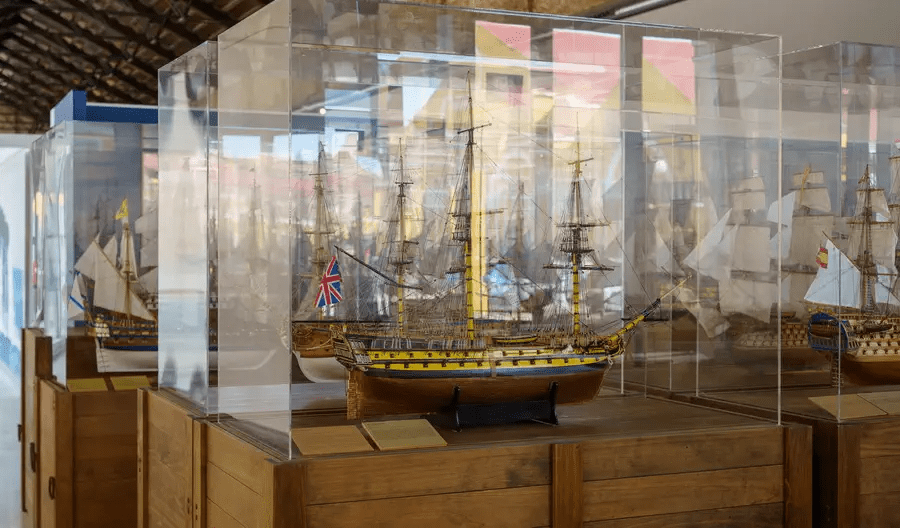 Image Credit: Nasza Szlaki
The vast collection of the Cartagena Naval Museum unfolds throughout its halls, lobby, and corridors, offering an immersive experience in each space. I must admit, there were so many things to see that I felt a bit overwhelmed. The depth of history and level of details were truly fascinating!
Arsenal Room
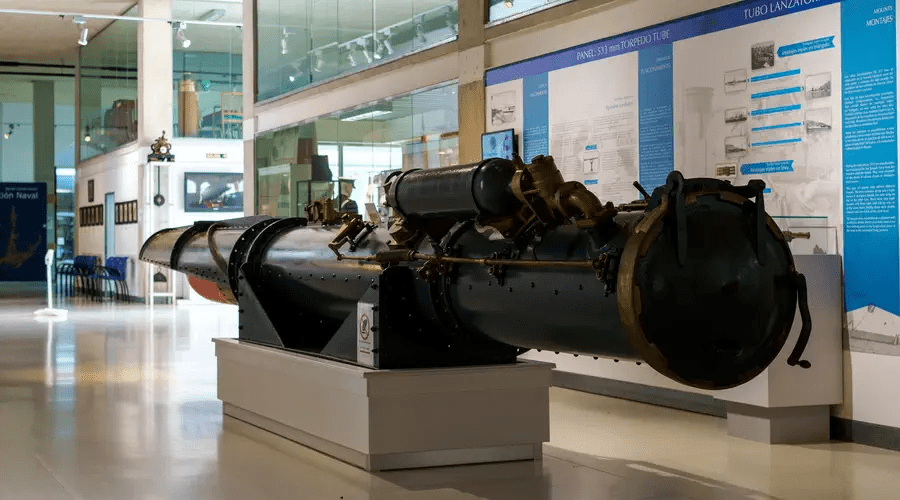 Image Credit: Nasza Szlaki
This room displays airplanes, riverside carpentry, and blacksmithing tools, rigging and sail workshops, maneuvering elements and models of sailing ships, relics of the ships Nuestra Señora de Atocha and Santa Margarita, and historical documents.
Isaac Peral Hall
In 2013, the museum was expanded with the inauguration of the Isaac Peral Hall in the former Workshop of Calderería del Arsenal. The room is dedicated to Isaac Peral, the founder of the Manzanares Thermoelectric Company and inventor of the electric submarine.
The grand collection of the room shows flat documents and personal objects that are part of the National Heritage, model paintings of his submarine, the Spanish submarine itself, and a portrait of Isaac Peral.
Marine Infantry Room
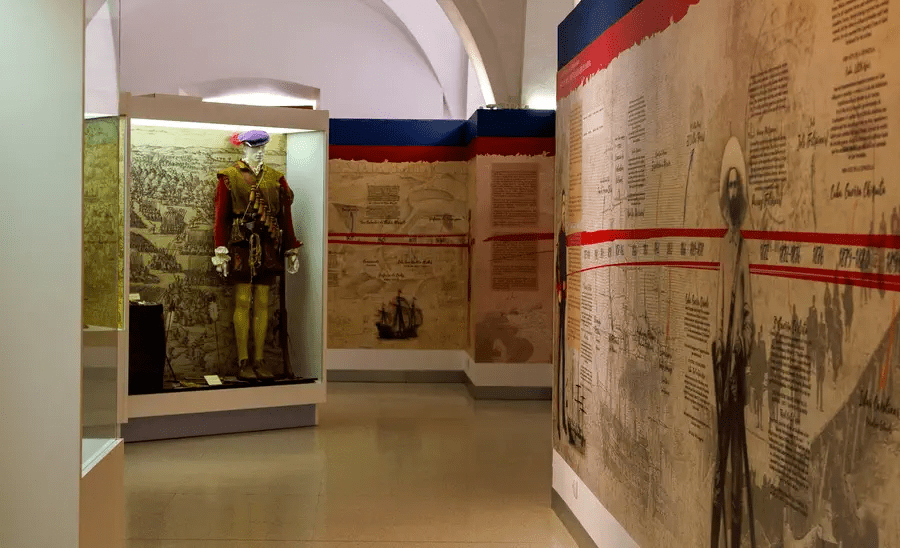 Image Credit: Nasza Szlaki
This room contains collected tables that show the actions and battles in which the marine infantry operated throughout Spanish history. There are also photographs of the Marines and a section dedicated to their stripes, weapons, ammunition, and uniforms.
Cartography And Navigation Room
This room features anuscript manuscripts maps, letters, charts, and objects such as the rudder of a 19th-century warship, telegraphs, sextants, navigation publications, a collection of logbooks, and two ships.
Submarine Room
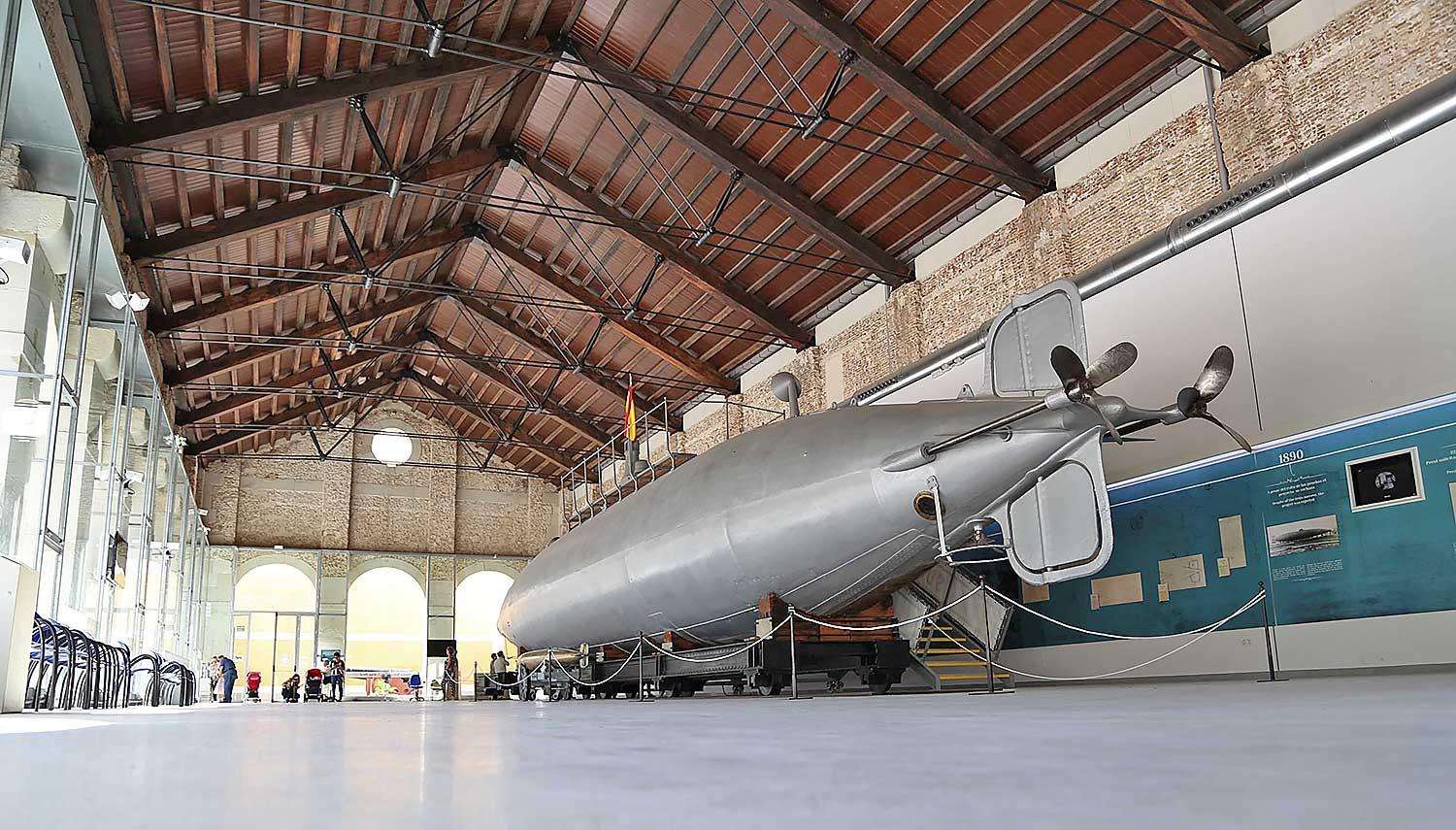 Image Credit: Spanish Ministerio de Defensa Official Website
The Submarine Room at the Cartagena Naval Museum displays more than 250 pieces, including detailed models of Spanish Navy submarines, batteries, underwater planes, recovery bells, boat prototypes, and torpedoes. There, you will also see the renowned collection of models of historic ships by Julio Castelo Matrán-Fundación MAPFRE.
Naval Health Room
The Museum is particularly proud of its area dedicated to health, including pieces used in the former military hospital in Cartagena. The room presents various objects from the old nuns’ hospital: a Sacred Heart, portraits of doctors, war heroes, old documentation, ordinances from the Faculty of Surgery, 18th-century uniforms, and models.
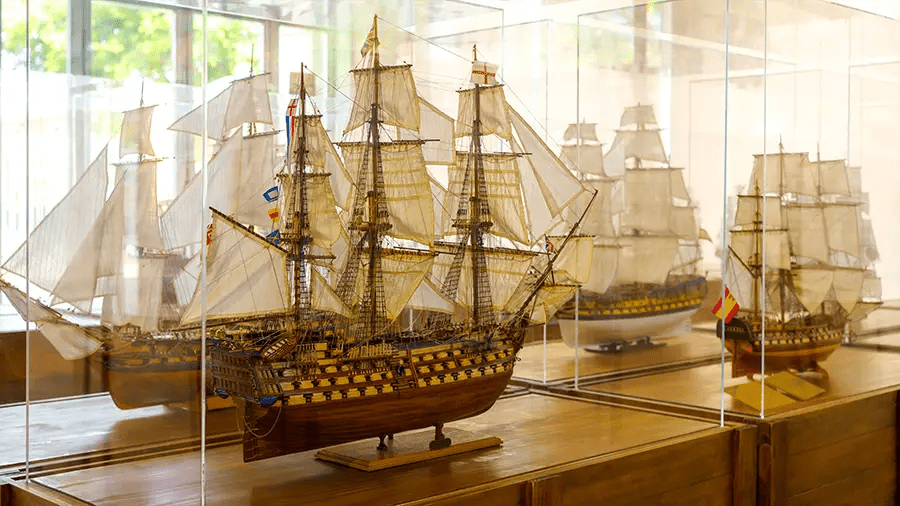 Image Credit: Nasza Szlaki
And this is just a sample of what the Cartagena Naval Museum has to offer. In addition to these exciting rooms, visitors can also explore other equally fascinating areas, such as the Navy Diving Room, Naval Artillery and Portable Weapons room, Navigation Room, and the halls dedicated to the 19th century. There was so much to see, and each space offered a unique and immersive perspective on the region’s rich naval history. It was a memorable experience. Prepare to be amazed by the diverse stories that await in every corner of the museum, it is fascinating!
General Information
 Image Credit: Museo Naval de Cartagena Official Website
Want to tour the Naval Museum? Here is important information for your visit:
How To Get To Naval Museum Cartagena
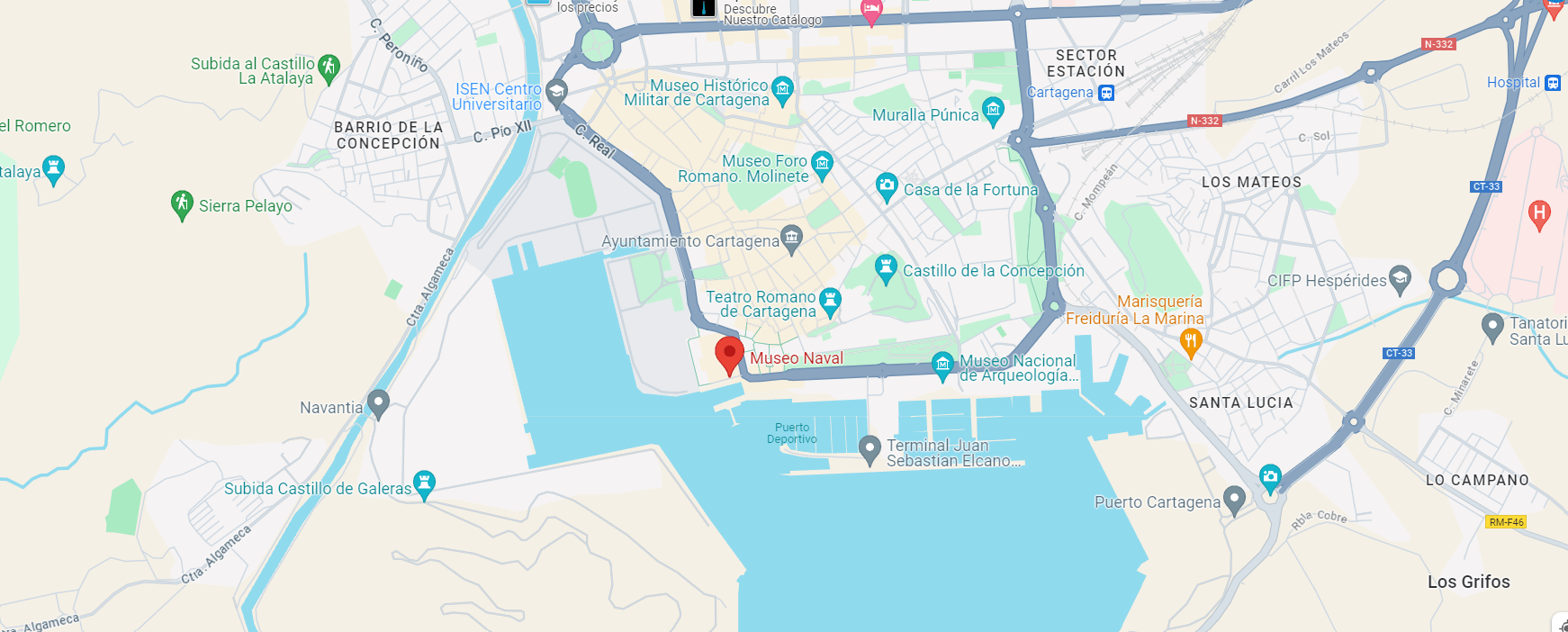
The naval museum is conveniently located on Paseo Afonso XII, s/n. – 30201, Cartagena, Murcia.
If you prefer, you can arrive by bus, using the following lines: Afonso XII (PORTO) | LINE 7 (Polígono de Santa Ana – Puerto) (Stop at Muralla del Mar) ICUE 8 (Circular with a stop at Muralla del Mar).
Hours and Fees
During August, the visiting hours are open from Monday to Friday, from 9:00 am to 2:00 pm. On Saturdays, Sundays, and holidays, it remains closed.
In other months, opening hours are from Tuesday to Friday, 9:00 am to 2:00 pm, and Saturdays from 10:00 am to 2:00 pm. The museum is closed on Sundays, Mondays and January 2nd and 6th, Good Friday, Maundy Thursday, May 1st, June 9th, Carthaginian and Roman Fridays in September, October 12th, November 1st, and December 6th, 8th, and 25th.
Entrance to the museum is free, however, a voluntary contribution of €3 per visitor is requested for the maintenance of the Naval Museum.
Group Visits
For groups of more than 10 people, the museum staff recommends making a prior reservation by email to museonavalcartagena@fn.mde.es, at most one month in advance and at least 7 working days in advance.
Contact
Telephone: 968 12 71 38
Email: museonavalcartagena@fn.mde.es
Official website: https://www.fundacionmuseonaval.com/museonavalcartagena.html
Naval Museum: A Must Go
A visit to the Cartagena Naval Museum building is “a must-go” for anyone who likes museums and is interested in delving deeper into the region’s rich maritime and military history.
With its diverse exhibitions, interesting displays, and bilingual information panels, the naval building offers an immersive experience that attracts visitors from all backgrounds. Whether you are a history enthusiast, a maritime fan, or simply curious about Cartagena’s naval origin, this museum offers a unique opportunity to explore, learn, and appreciate the significance of the sea in shaping the originality of the city and its people.
You shouldn’t miss the opportunity to discover the stories behind the walls of this historic treasure.
Enjoy Your Private Paradise in Villa Murcia!

Looking for the perfect place to stay in Murcia? We’ve got just the spot for you!
Villa Murcia – Your Private Paradise
Wake up to coffee on a sun-drenched terrace, unwind in a warm jacuzzi after a day of exploring, and end your evenings with dinners in the summer kitchen. Nestled in charming Santiago de la Ribera, Villa Murcia offers more than just a holiday—it’s your personal oasis of comfort, style, and unforgettable moments.
Highlights:
✔ Spacious living room with a large sofa and open kitchen – perfect for shared memories
✔ Three elegant, air-conditioned bedrooms with private terraces – your peaceful retreat
✔ Extra fold-out sofa in the living room – ideal for additional guests
Whether it’s a romantic escape, a family getaway, or a relaxing break with friends – Villa Murcia is your dream stay.
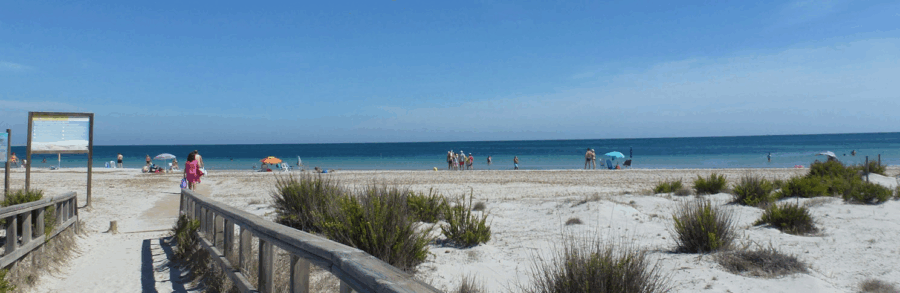
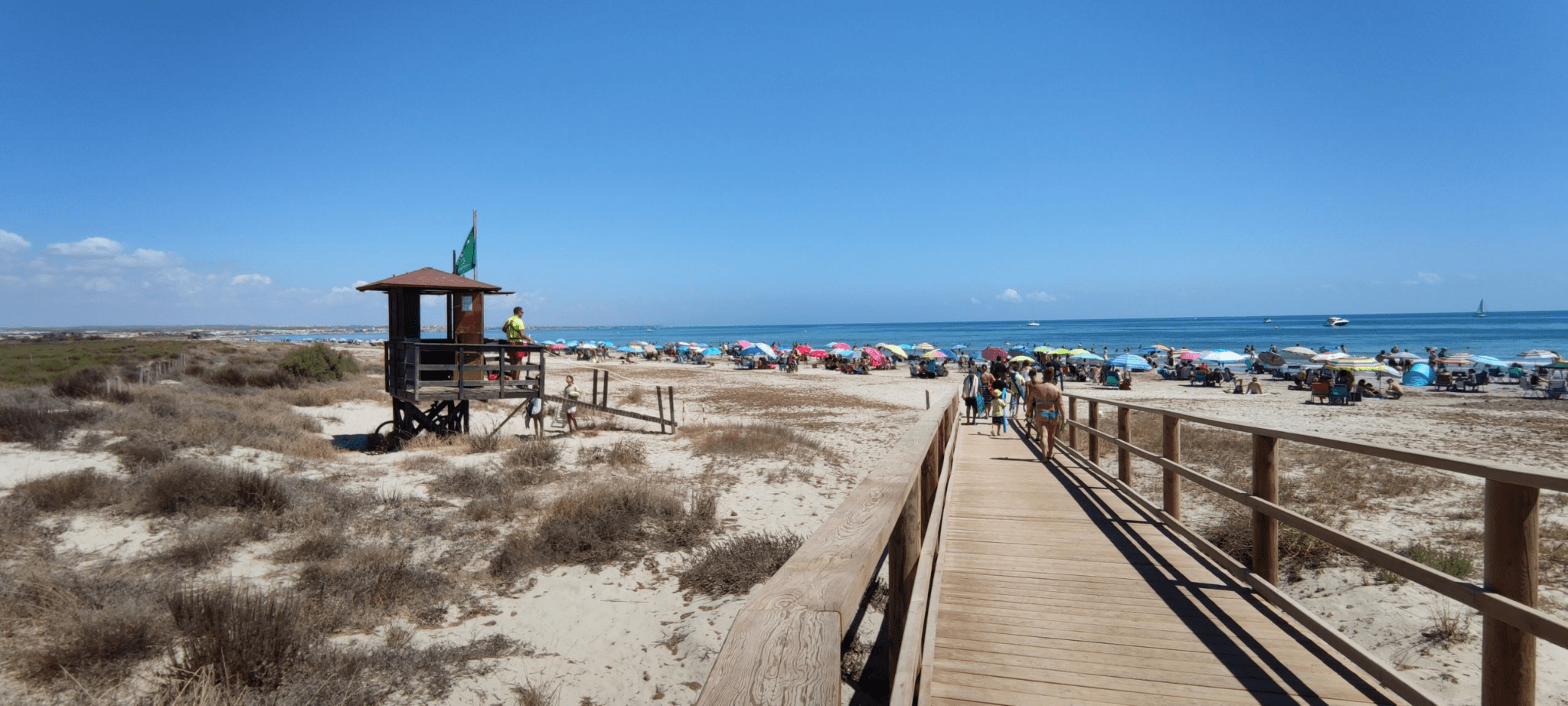
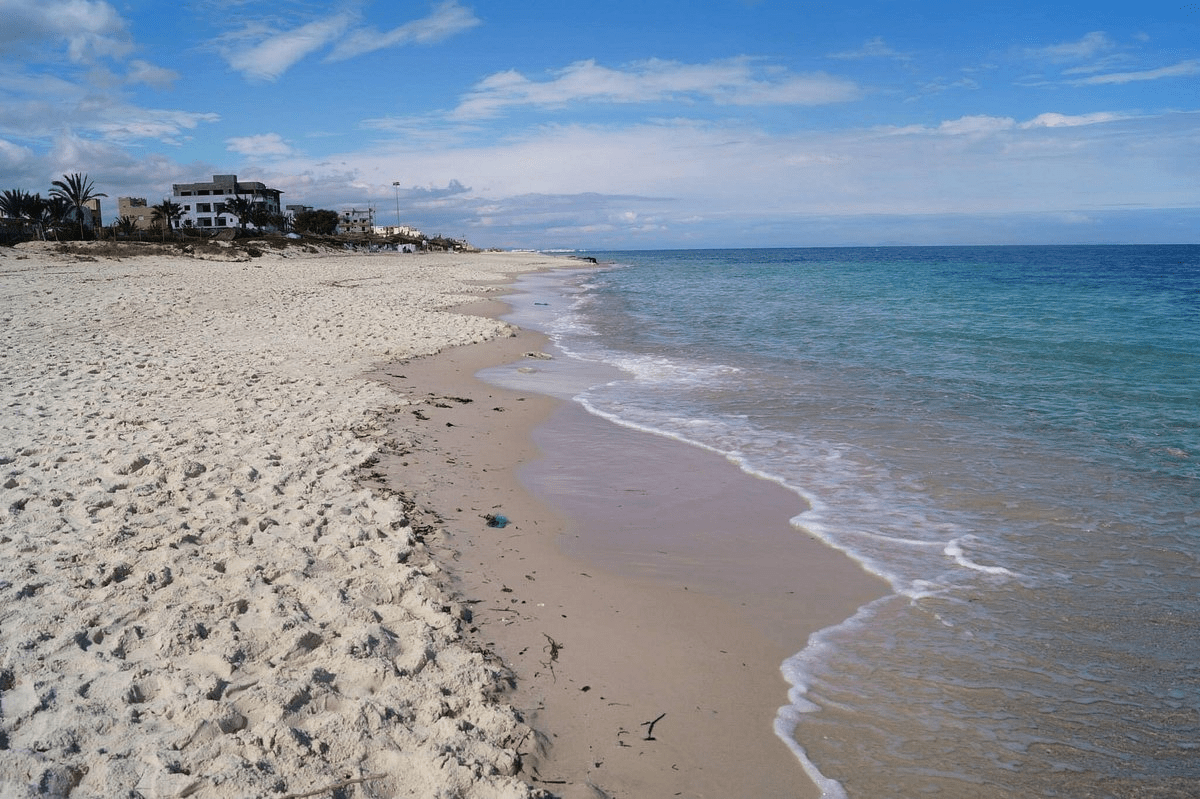
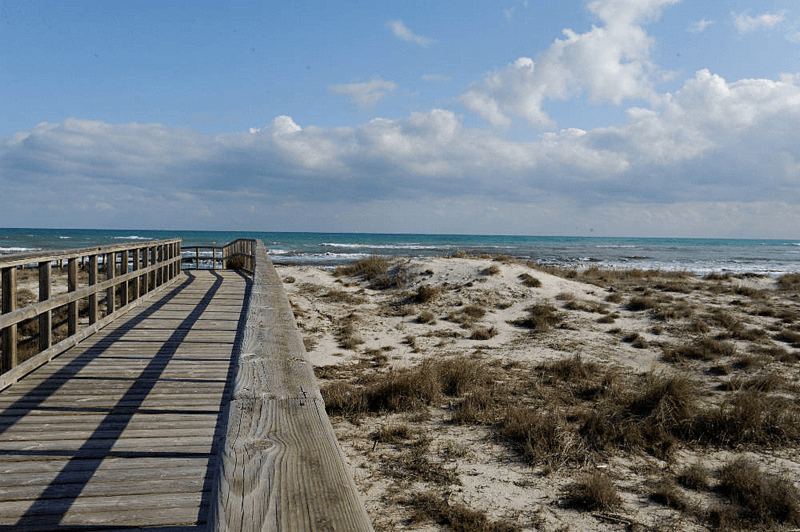

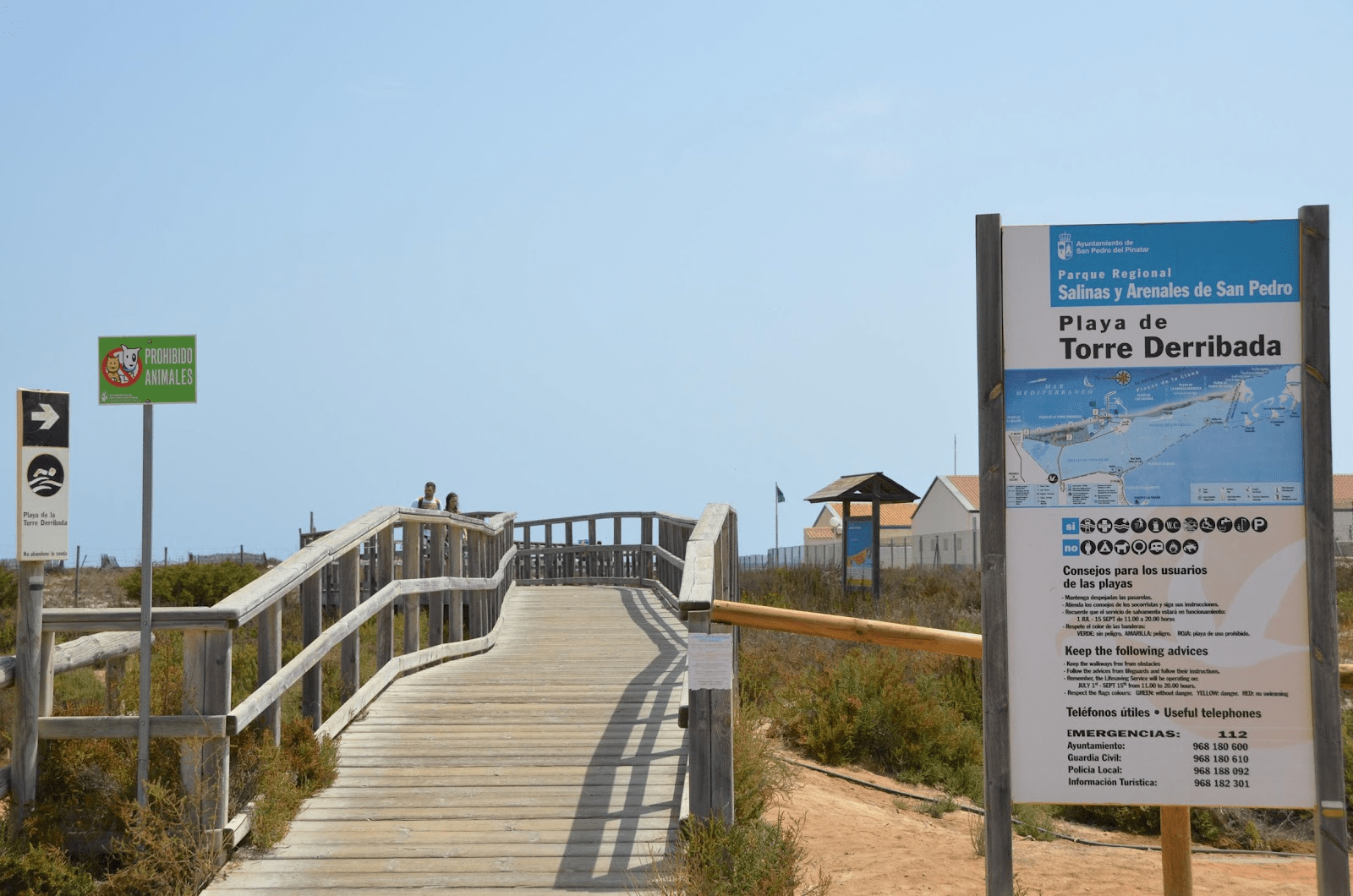
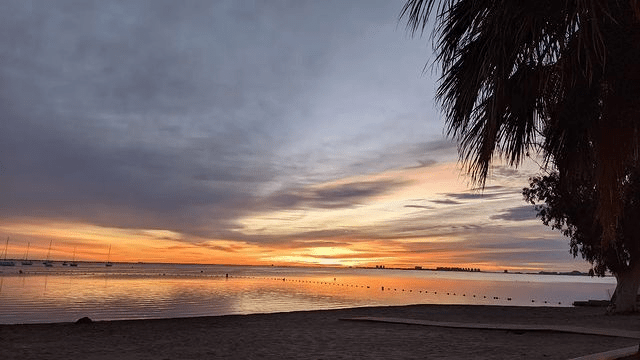
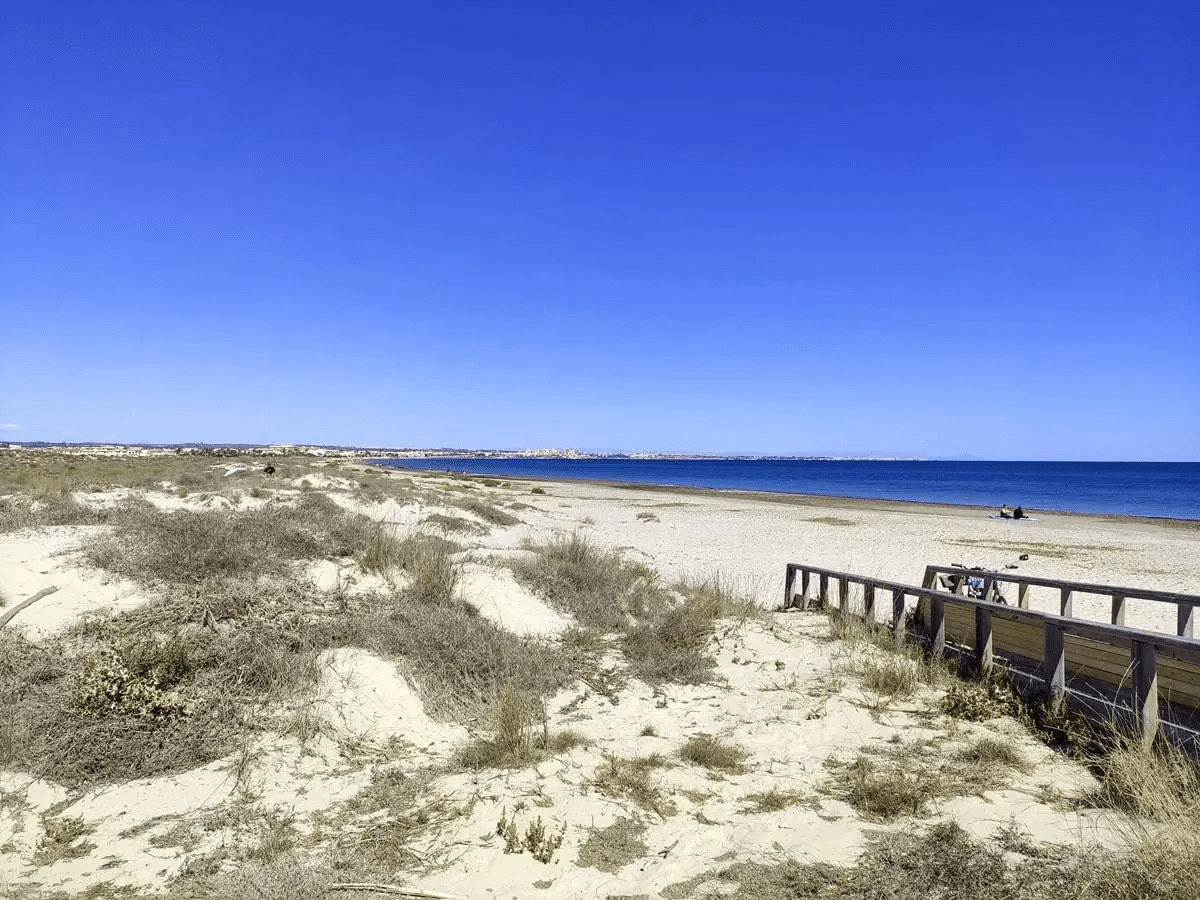
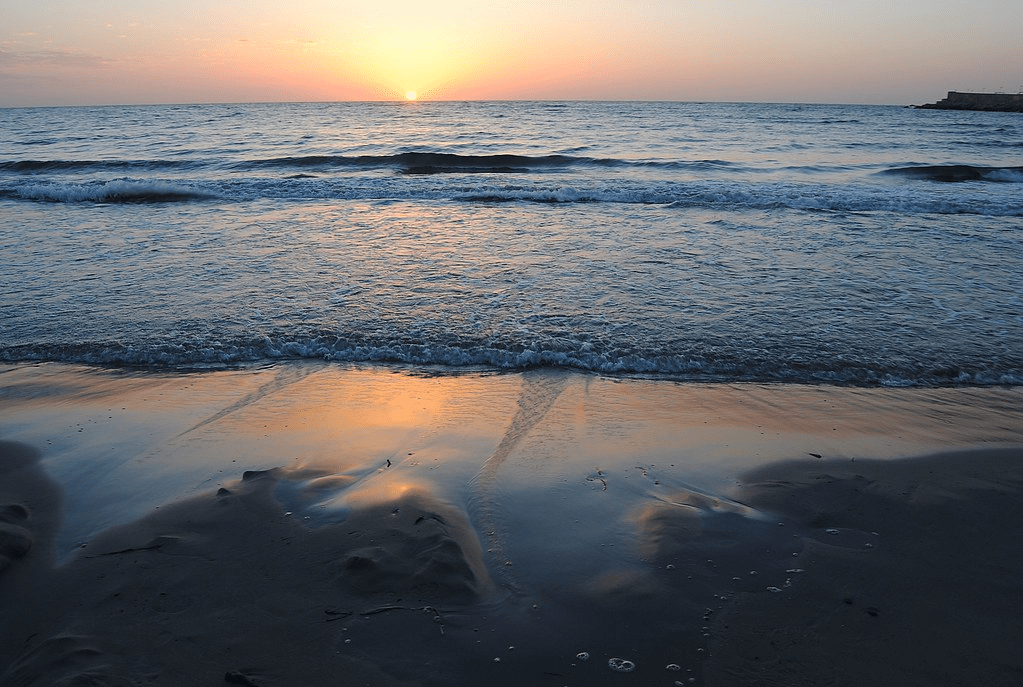
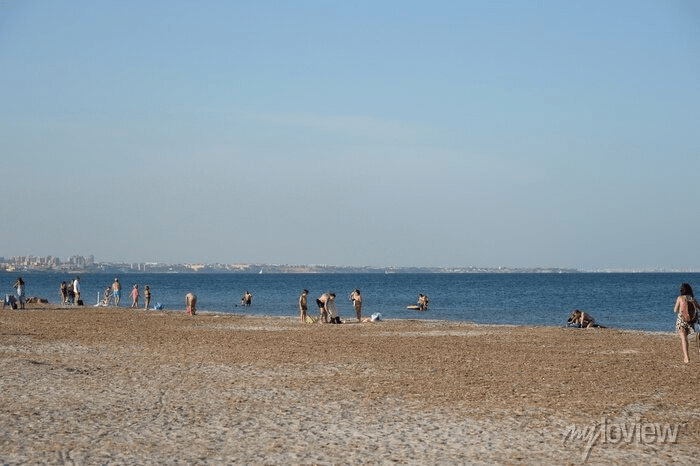
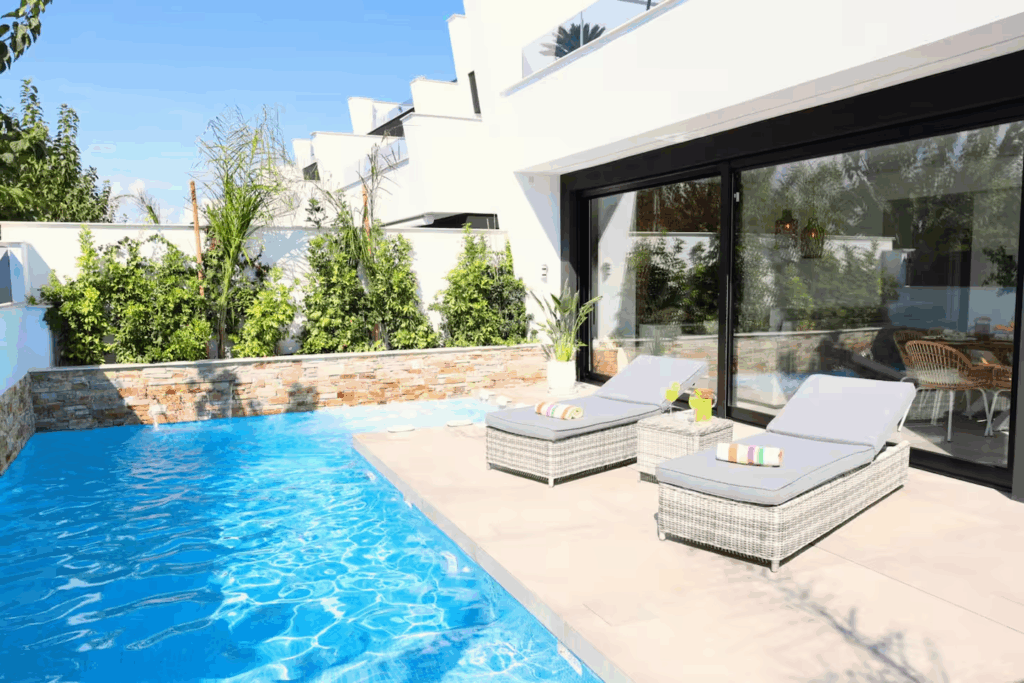
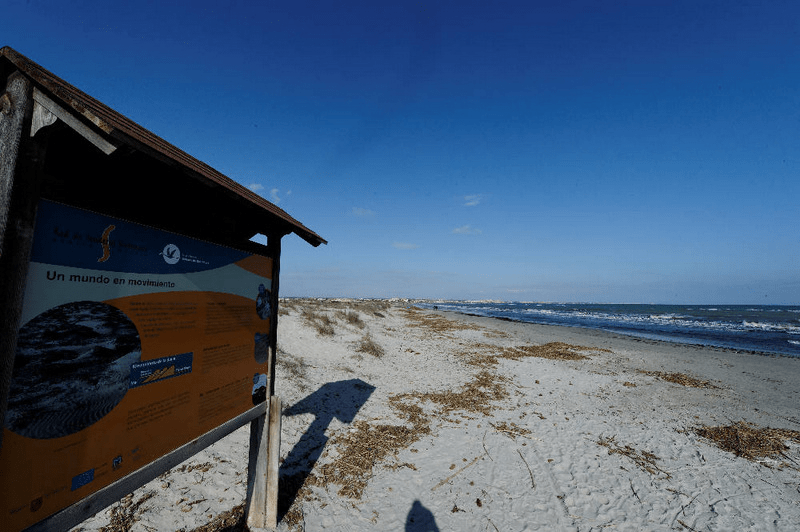
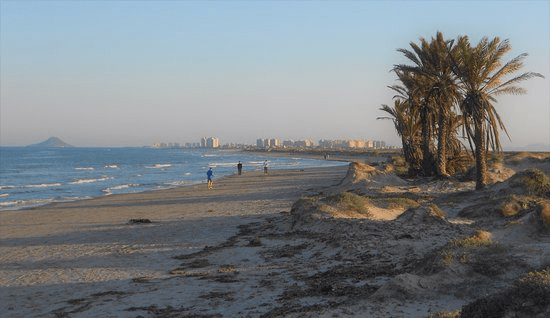
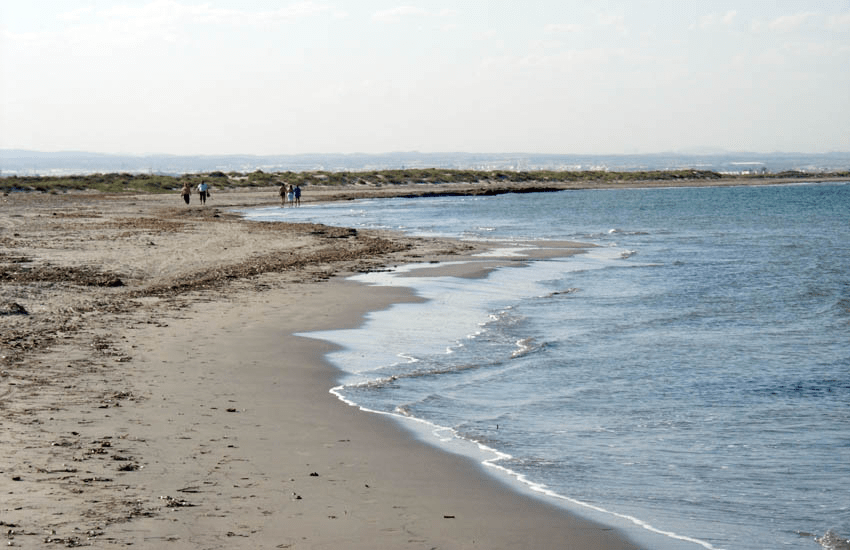
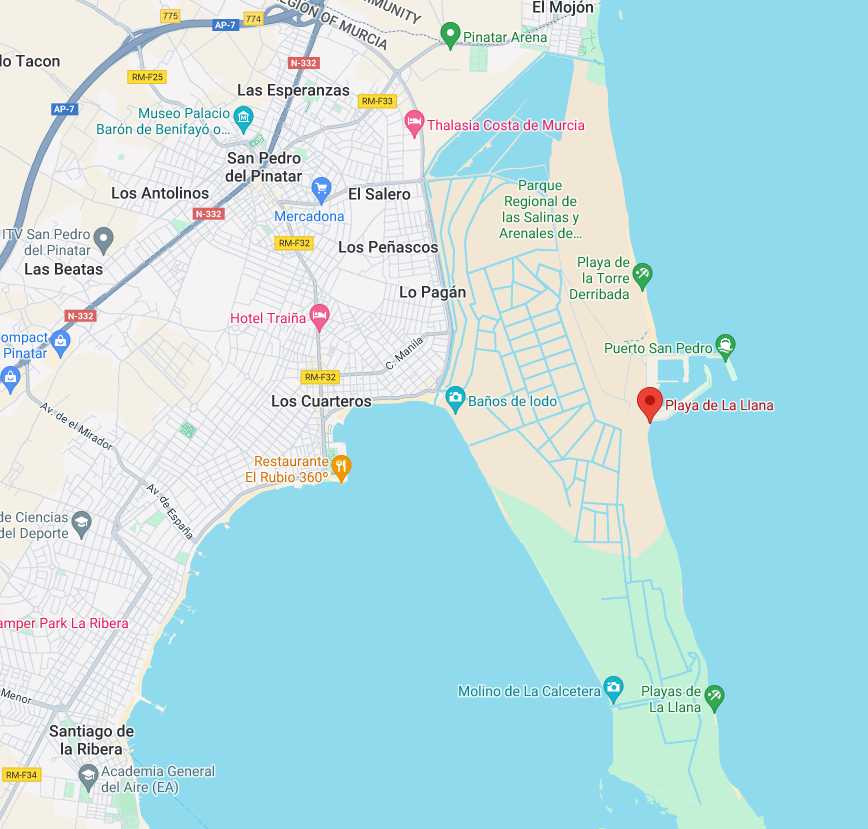
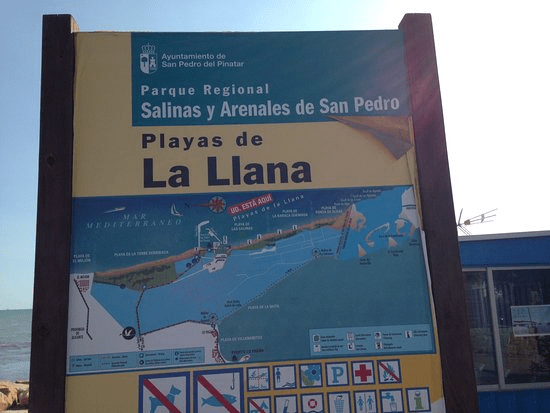
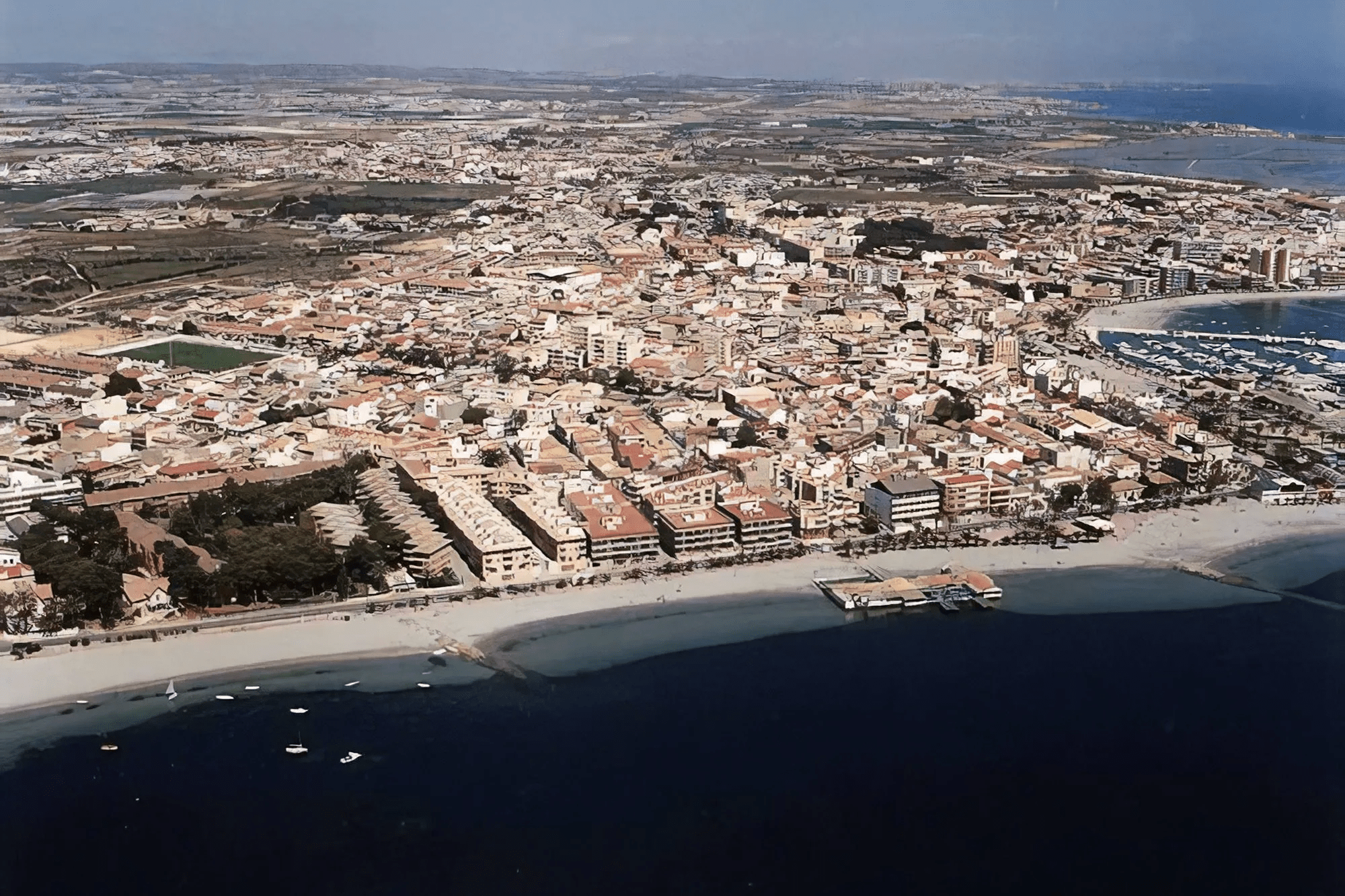
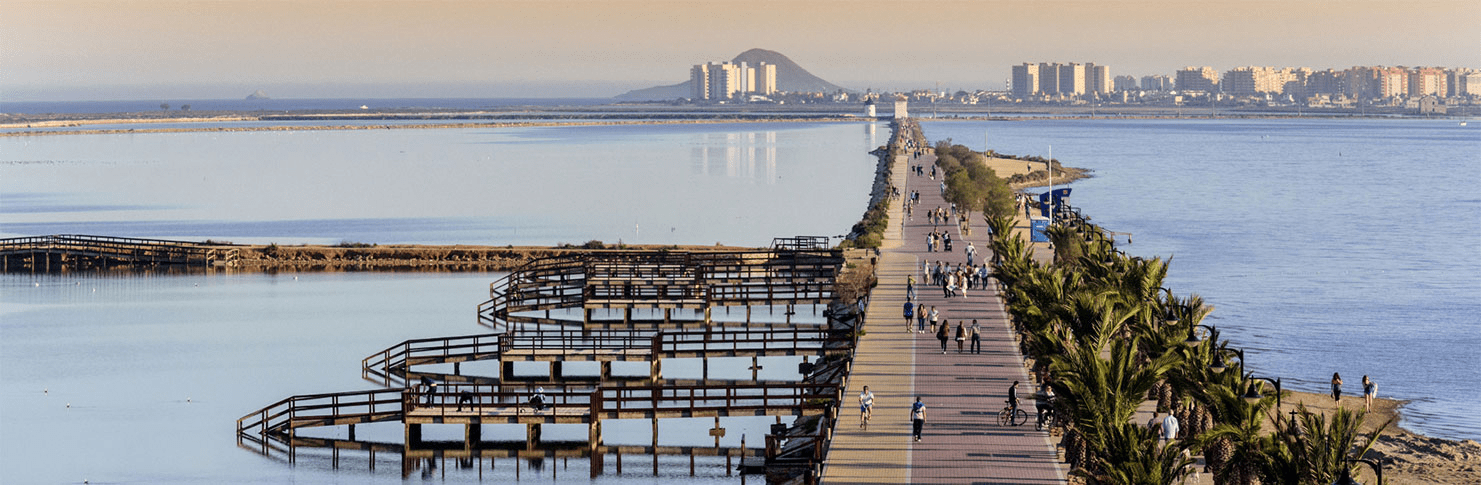
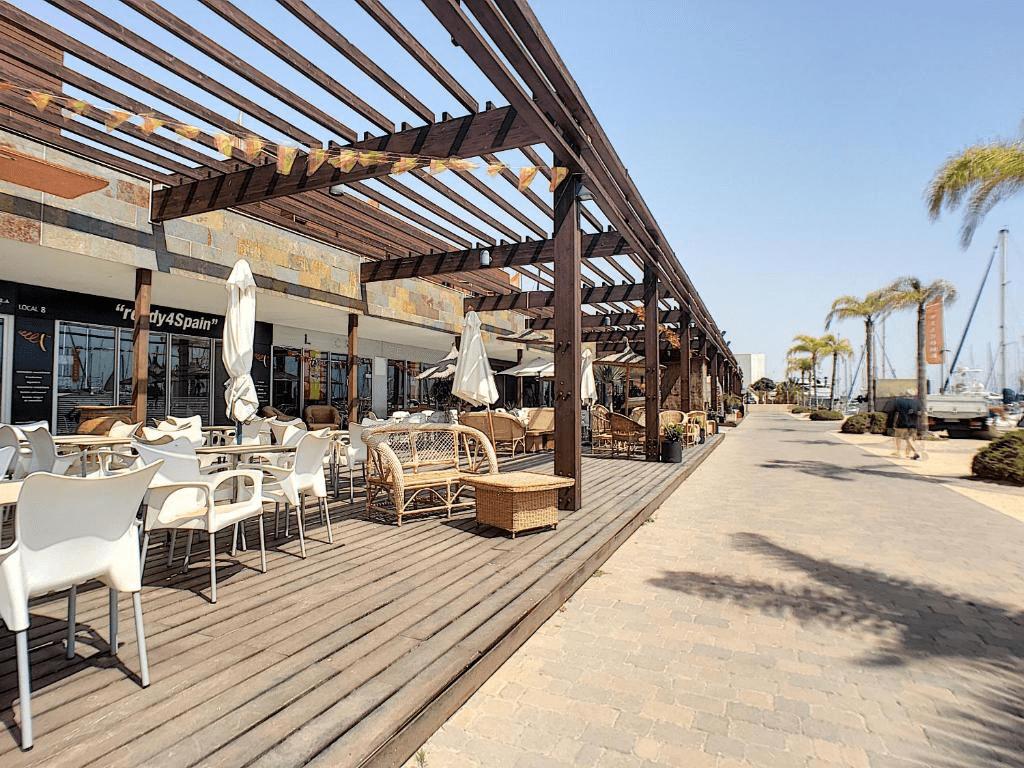
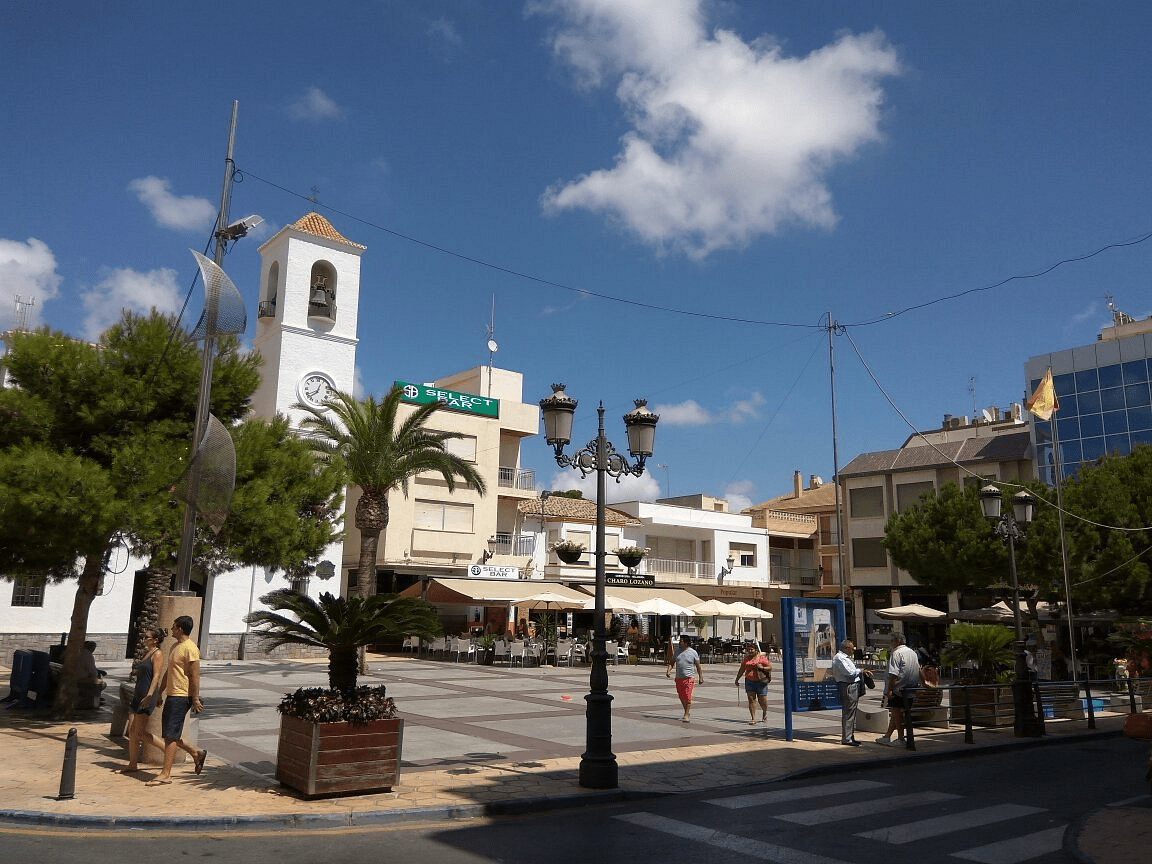
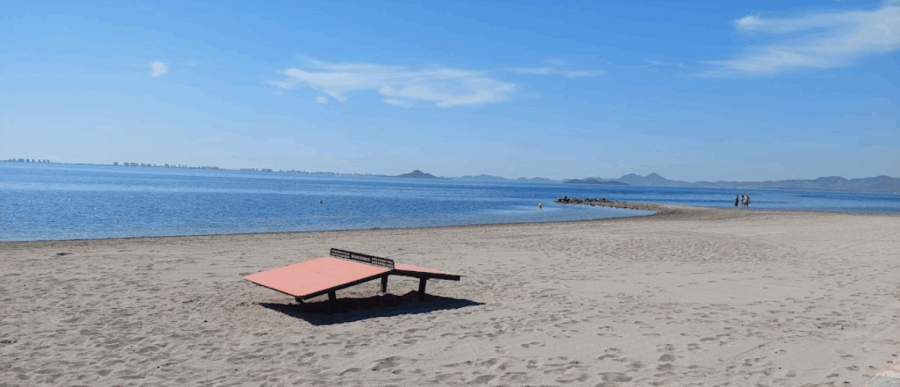


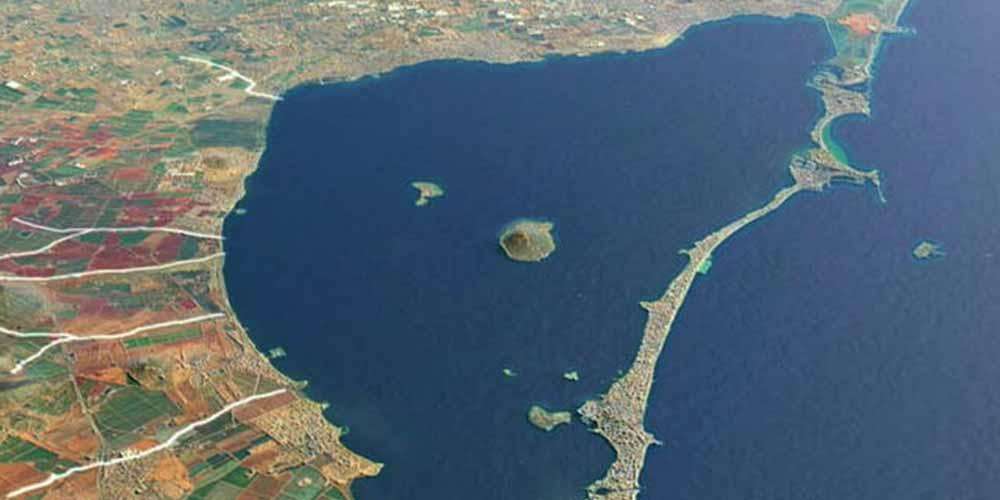
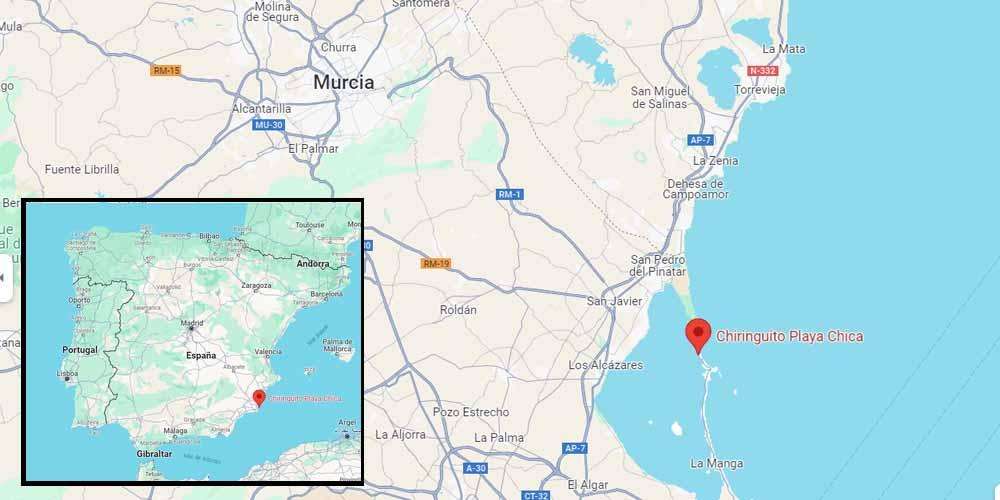
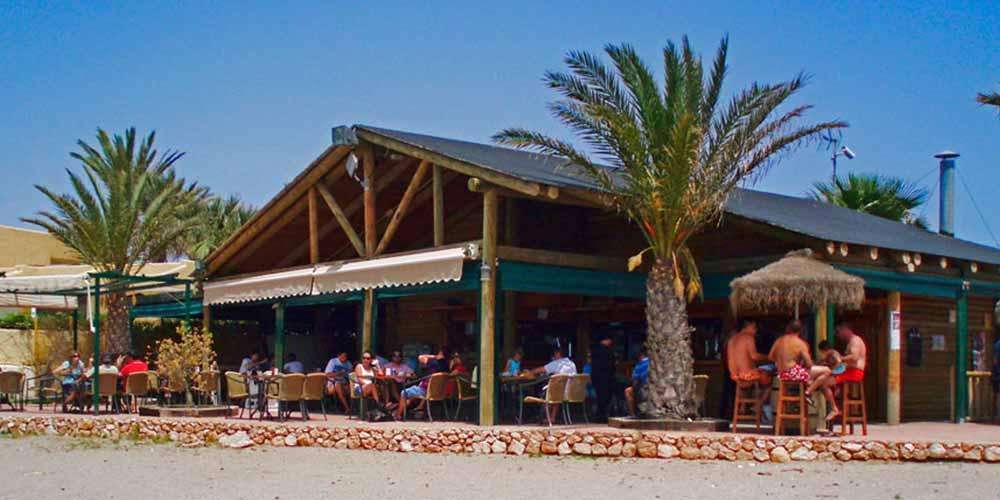




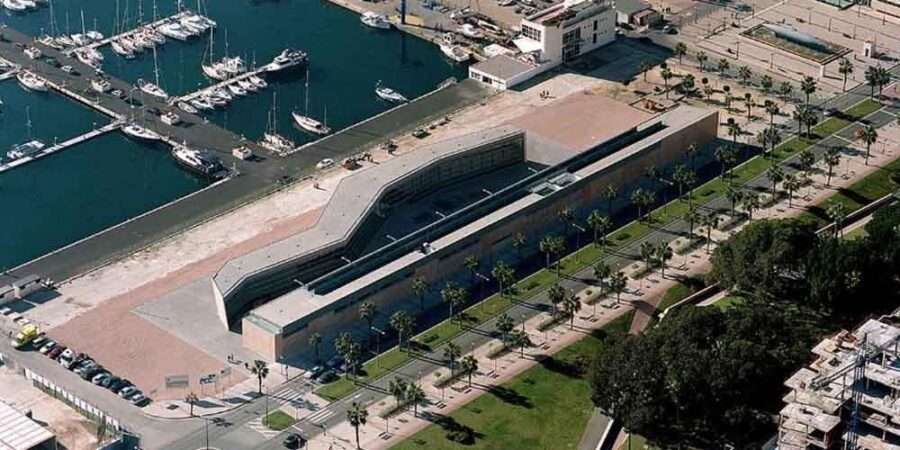
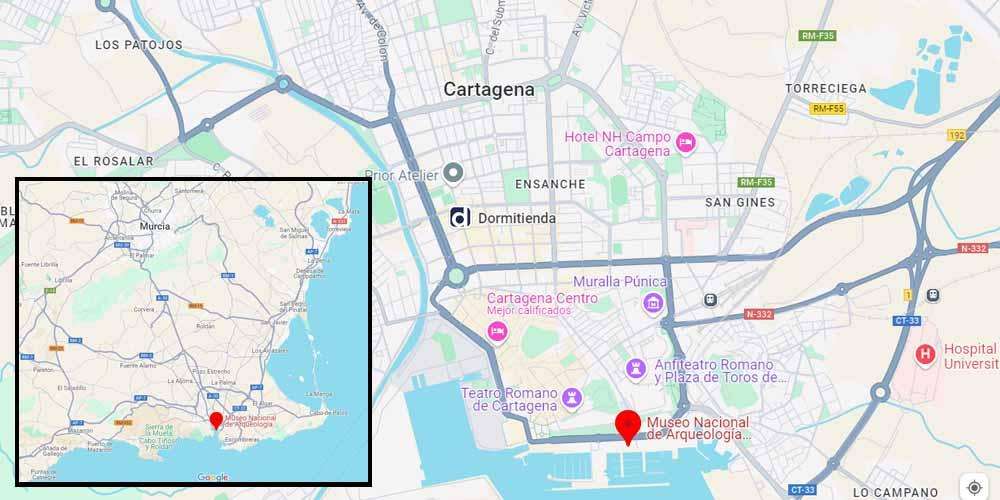
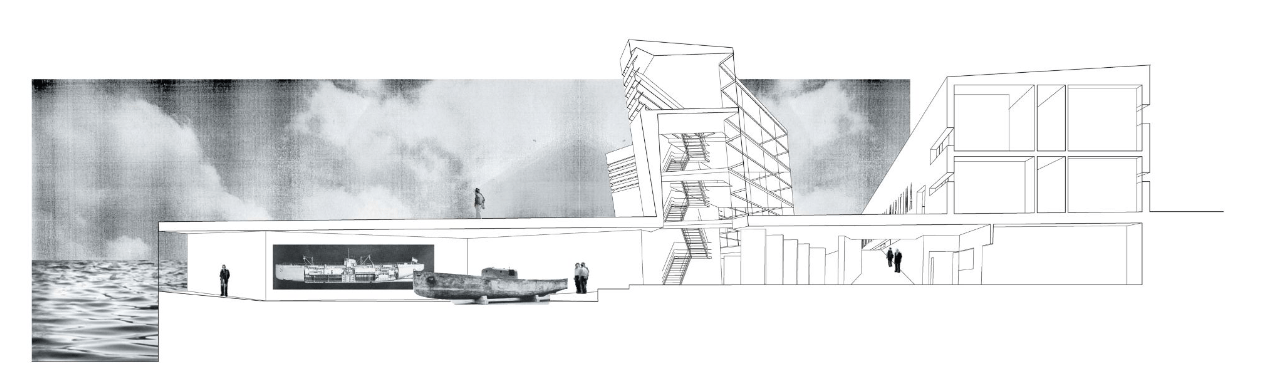
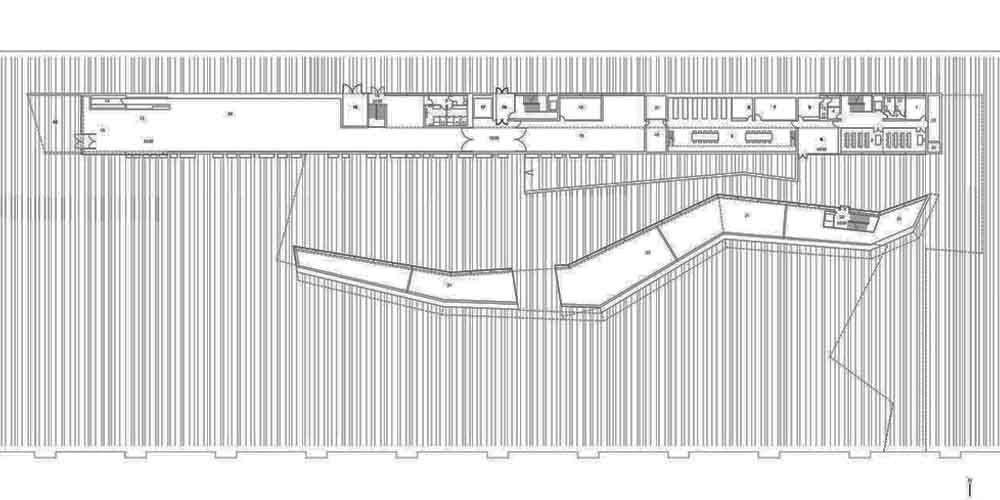
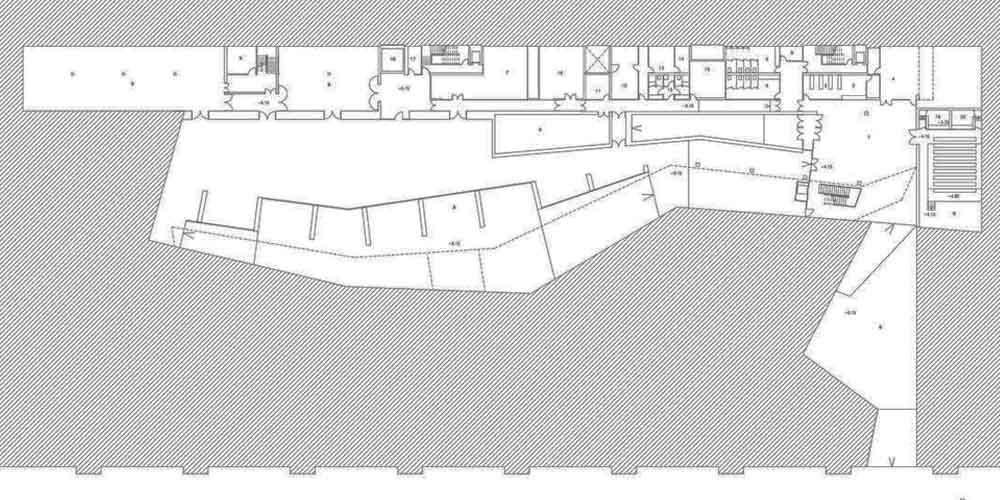
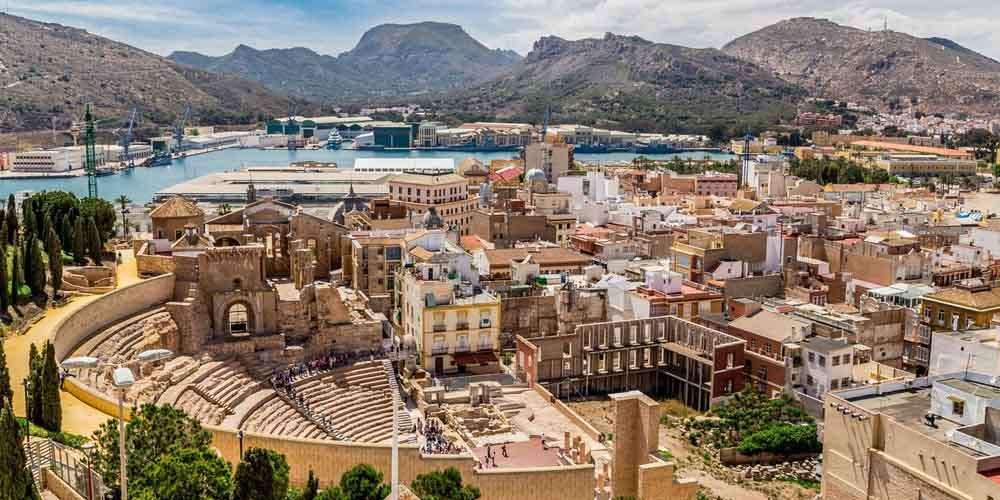
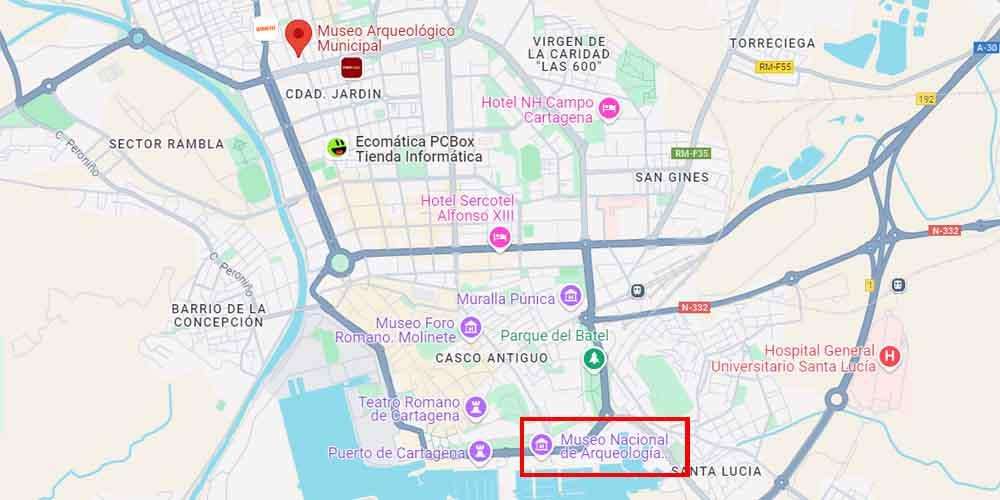
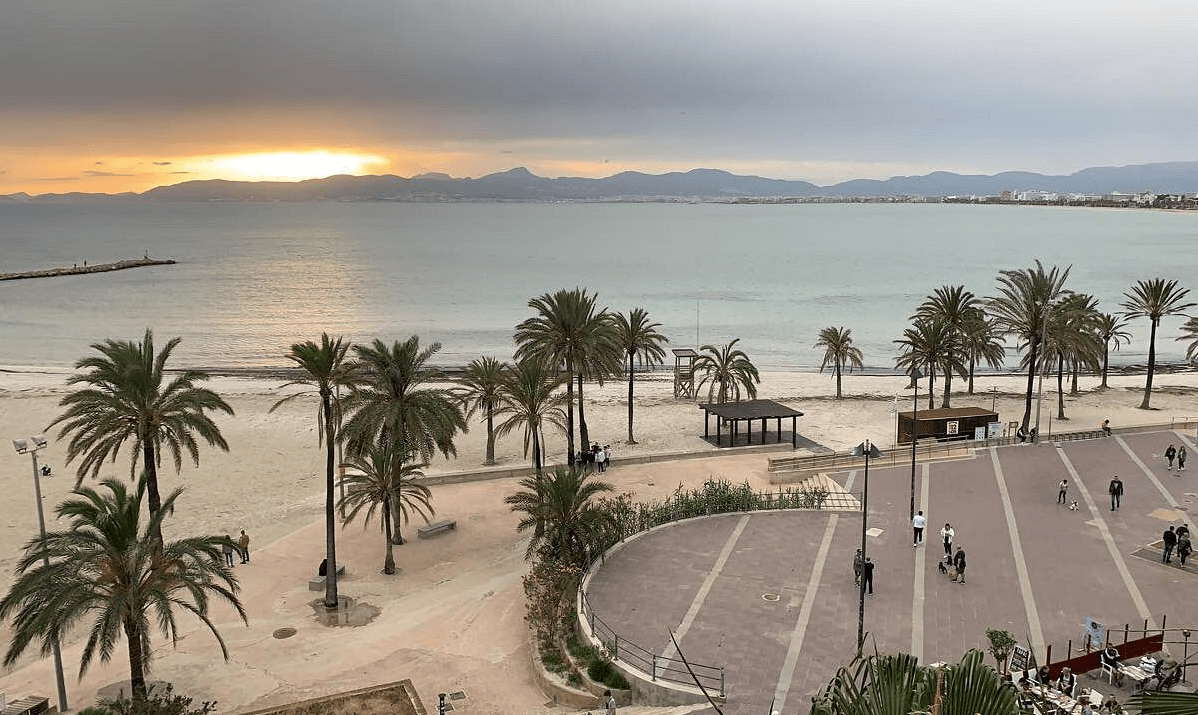
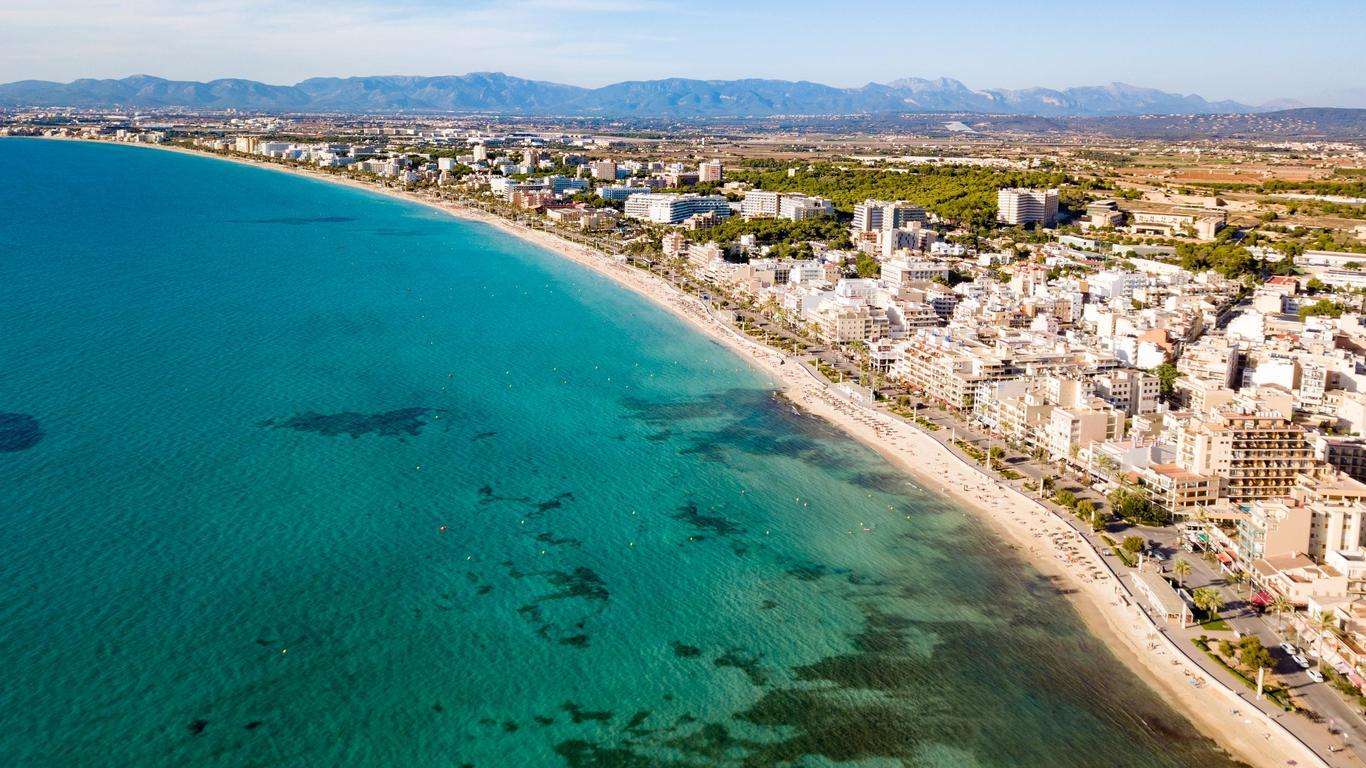
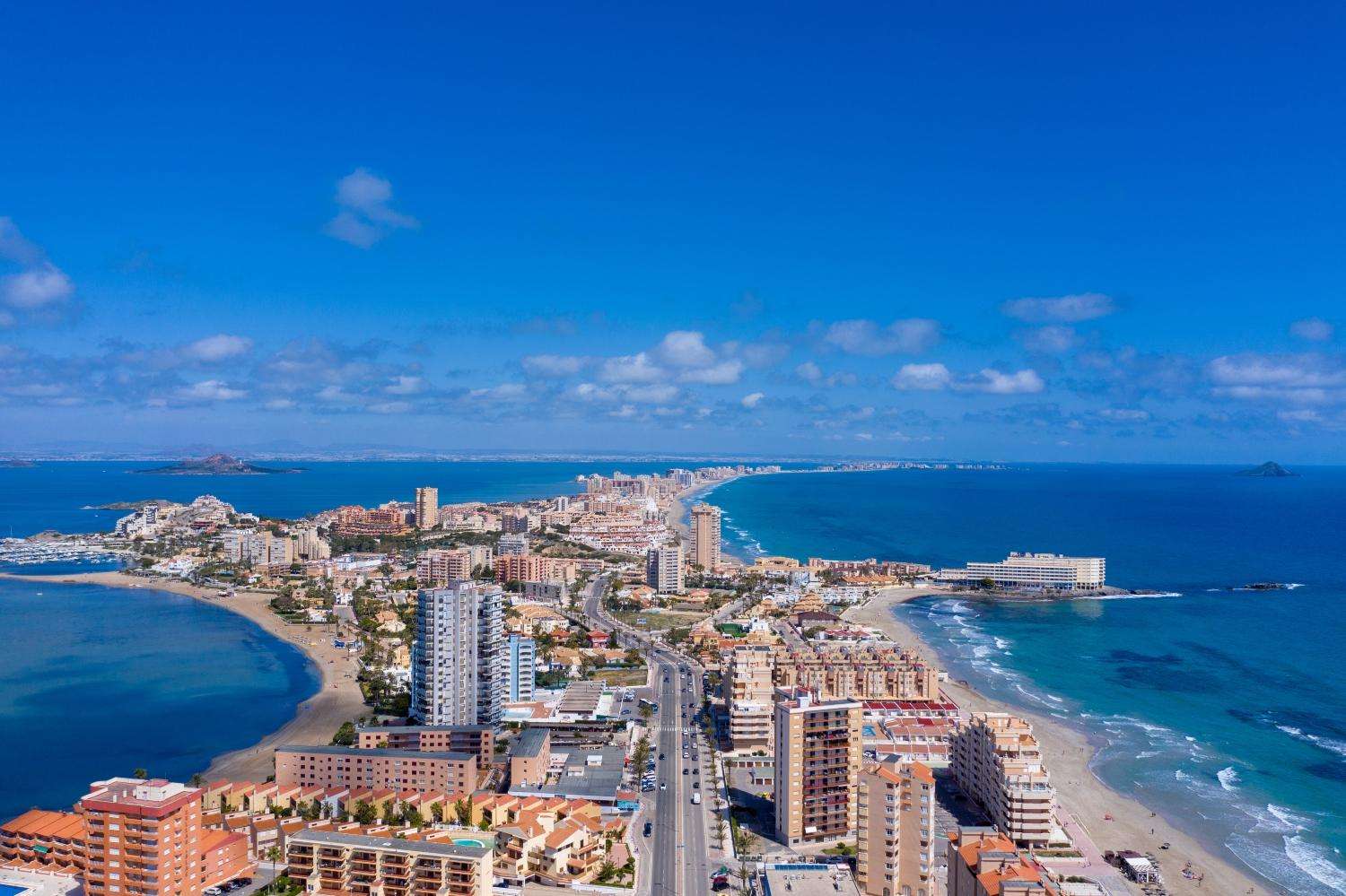
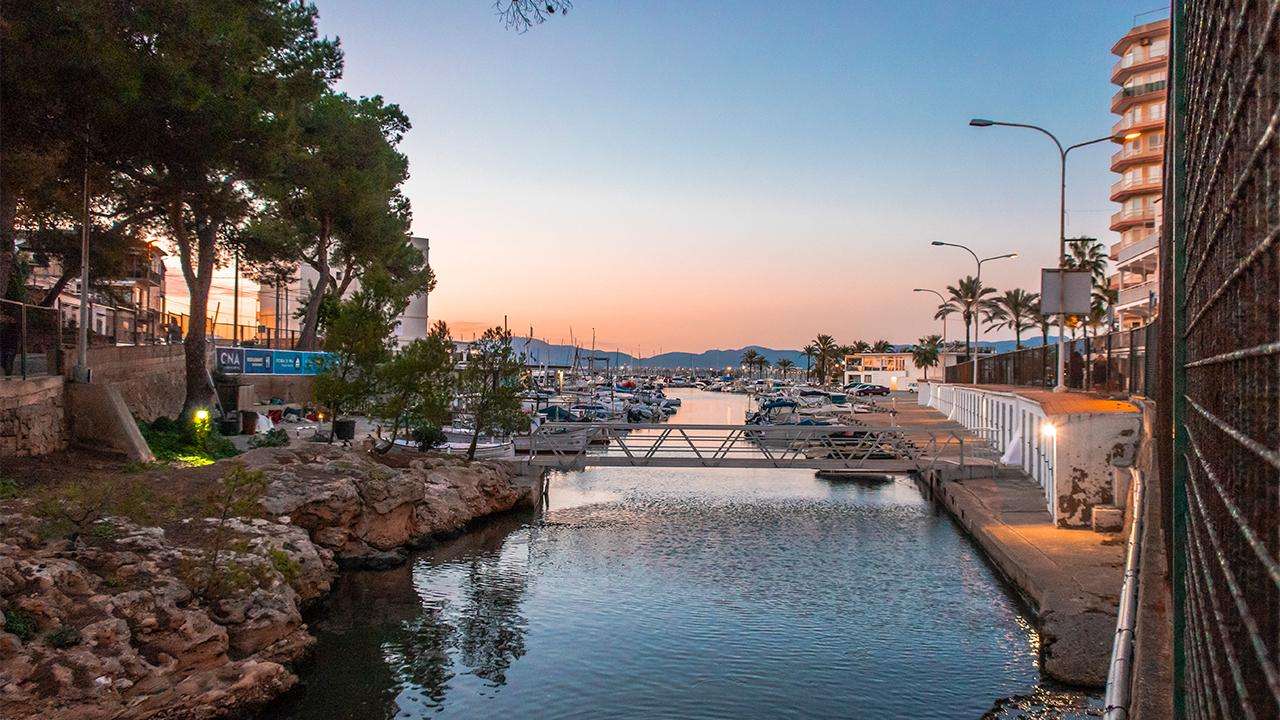


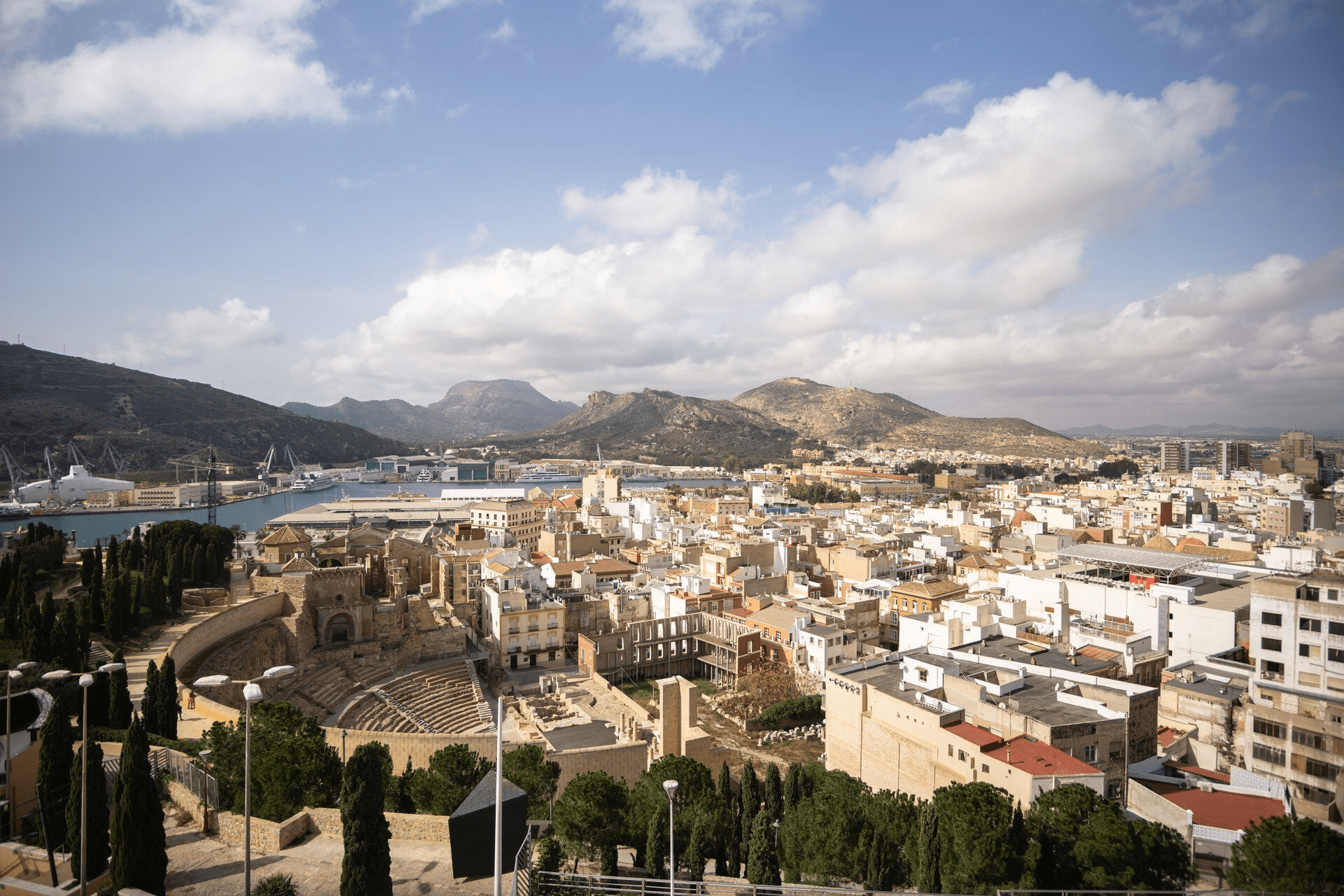
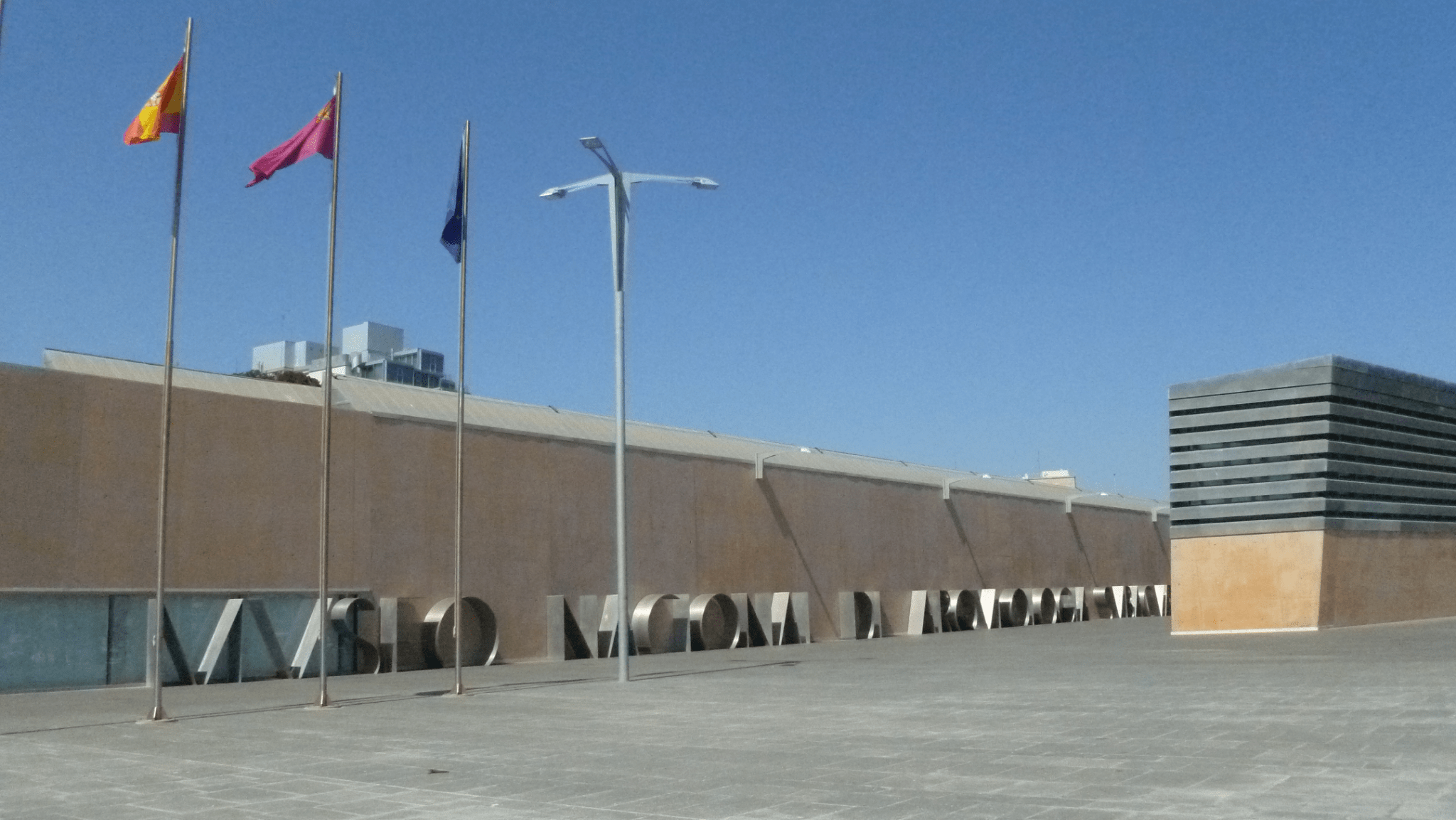
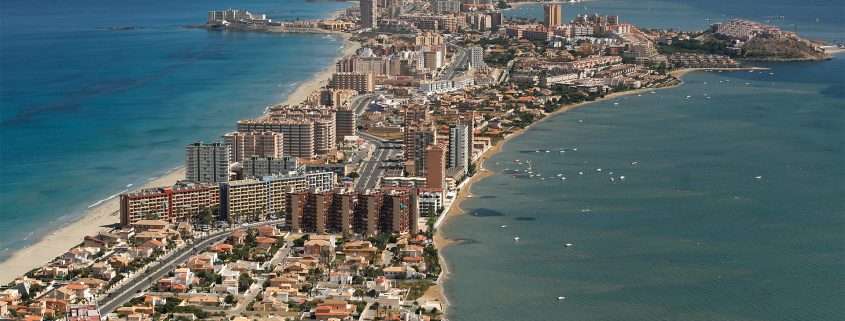 Image Credit: Mediter Real Estate
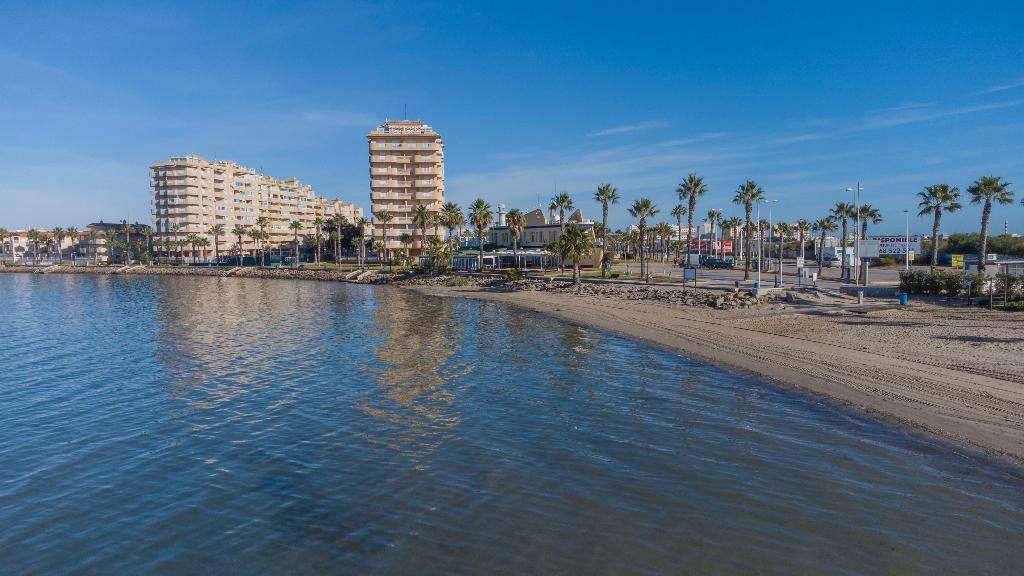 Image credit: Costa Cálida Región de Murcia Website
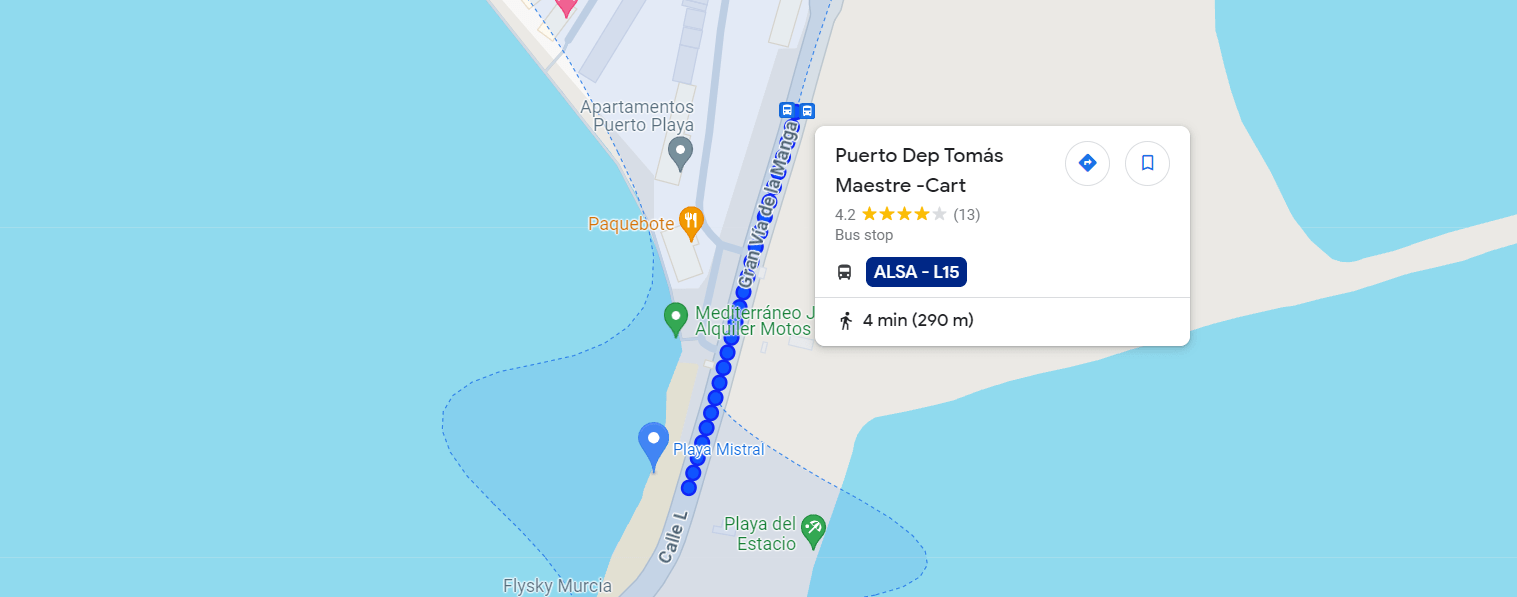 Image Credit: Google Maps
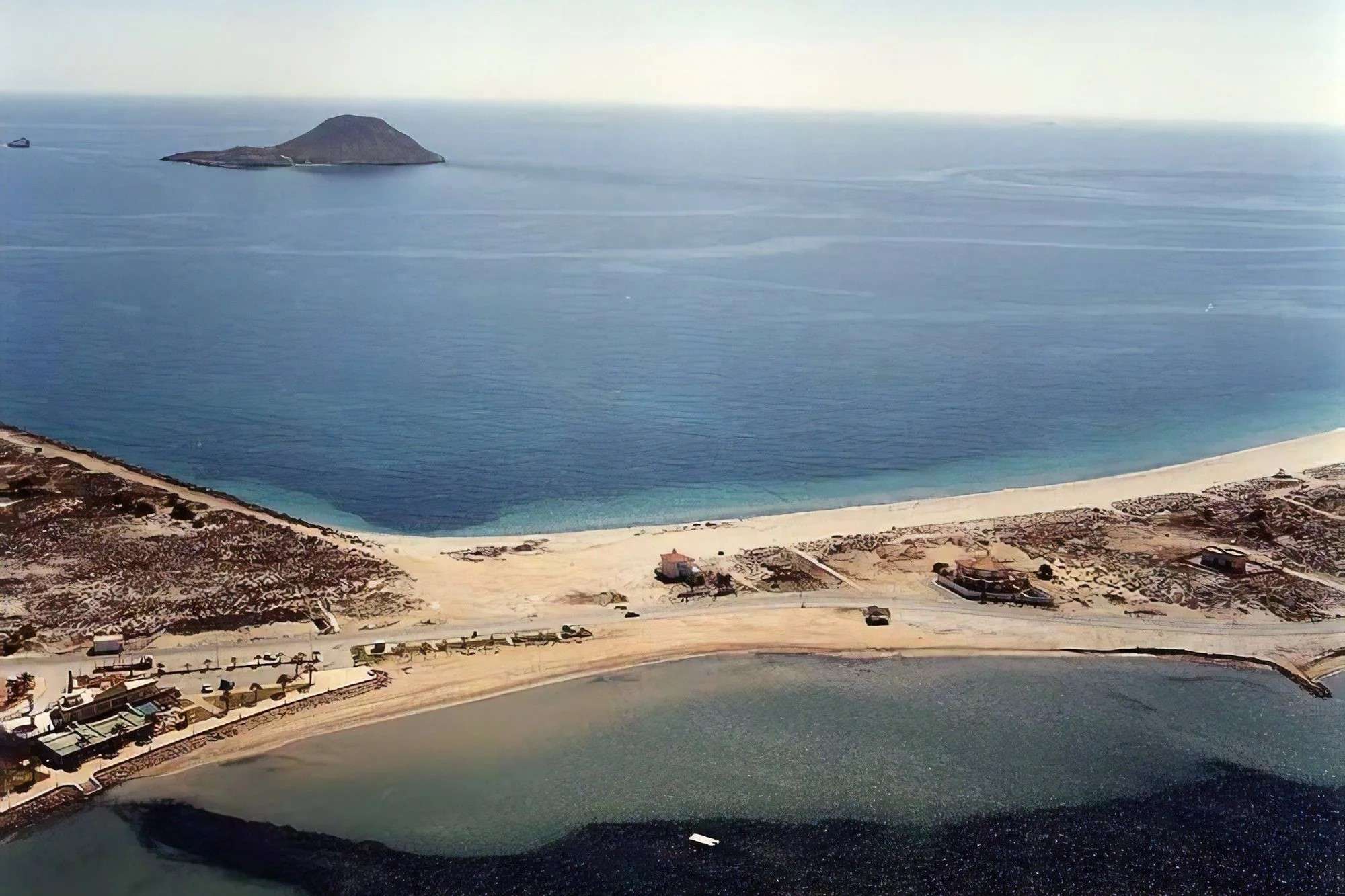 Image credit: InSpain
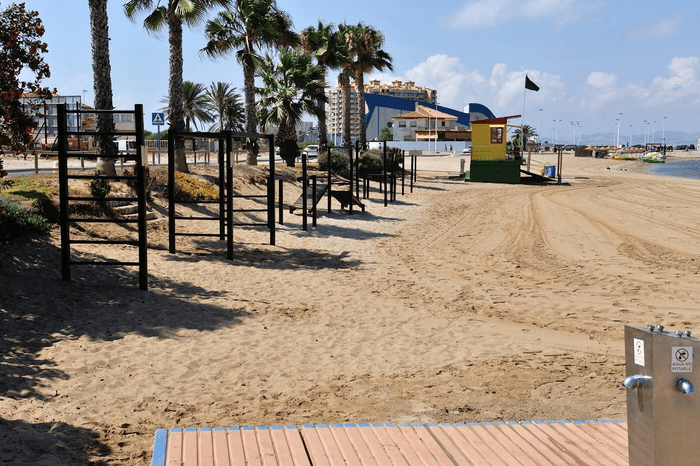 Image credit: Murcia Today
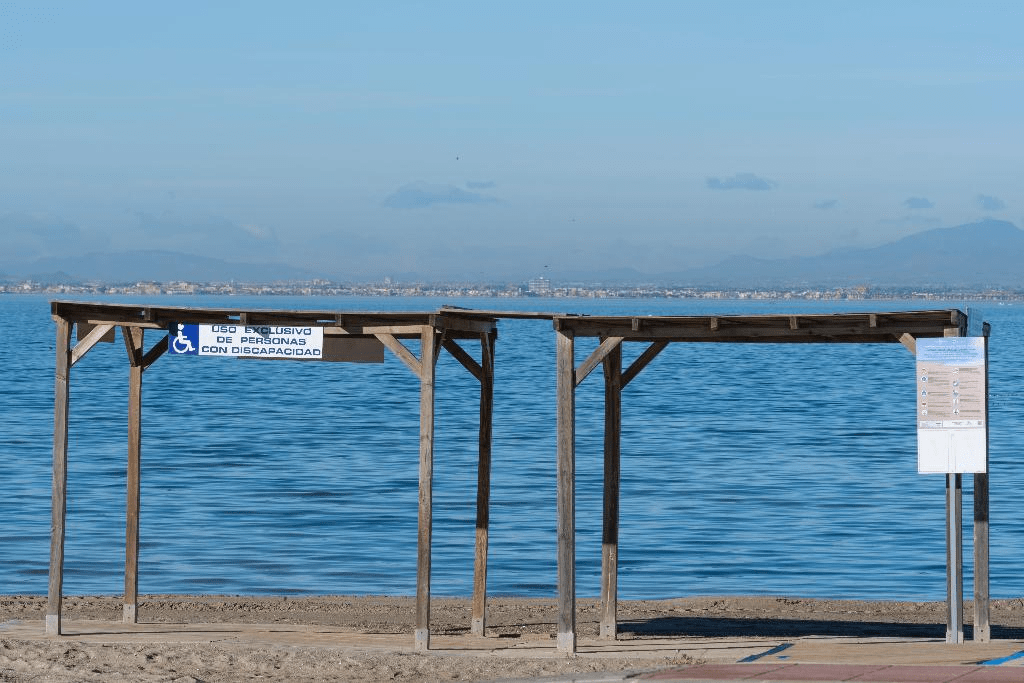 Image credit: Murcia Today
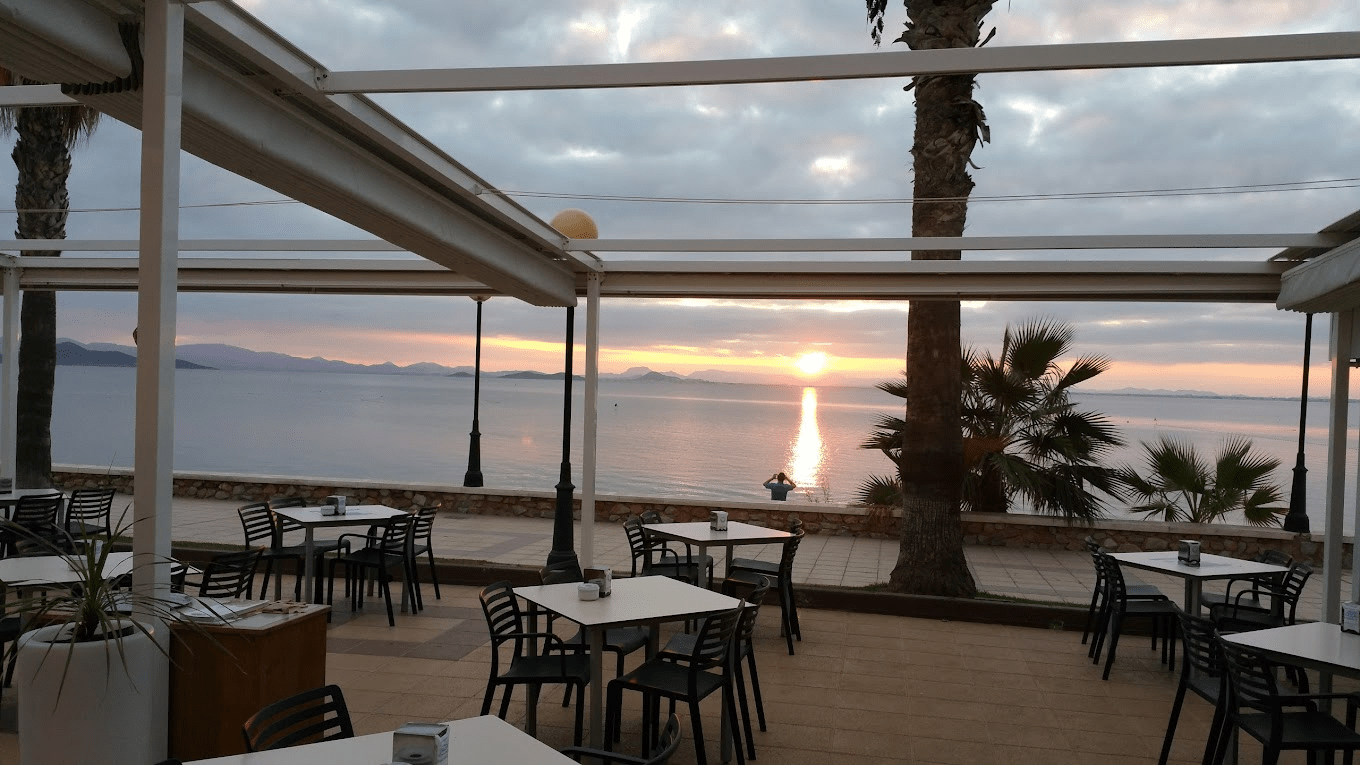
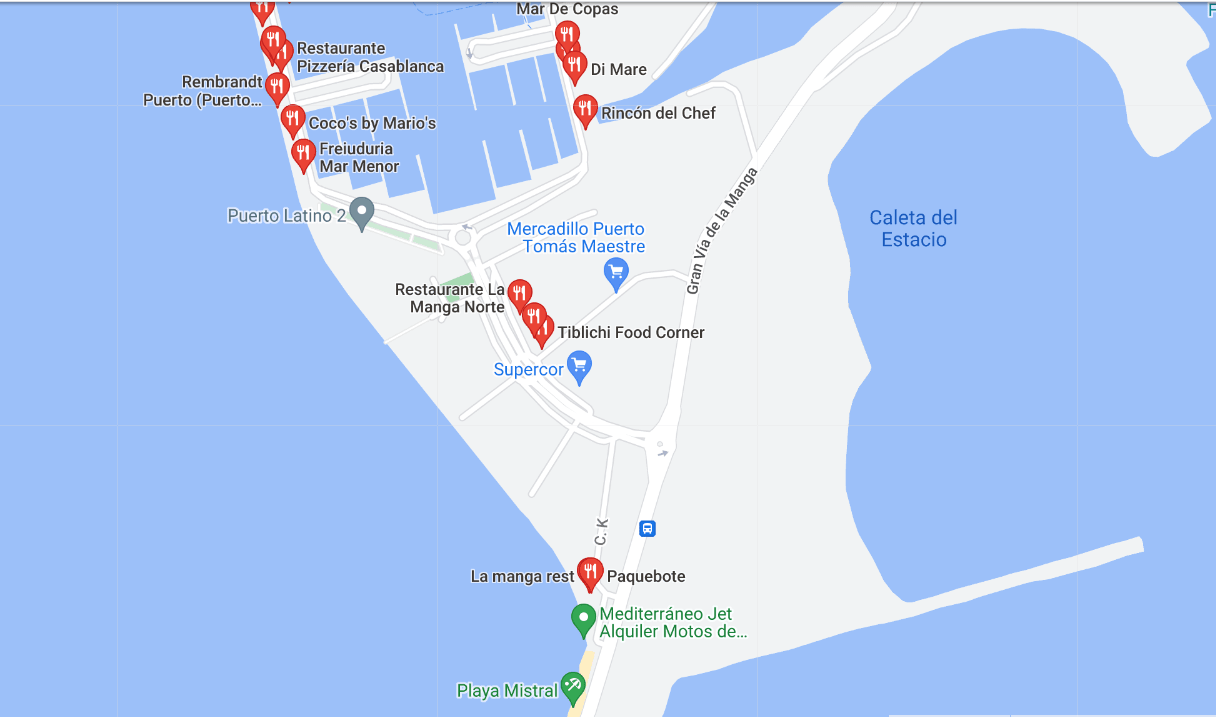 Image credit: Google Maps
 Image Credit: Mediterranean Jet Jet Ski Rental La Manga
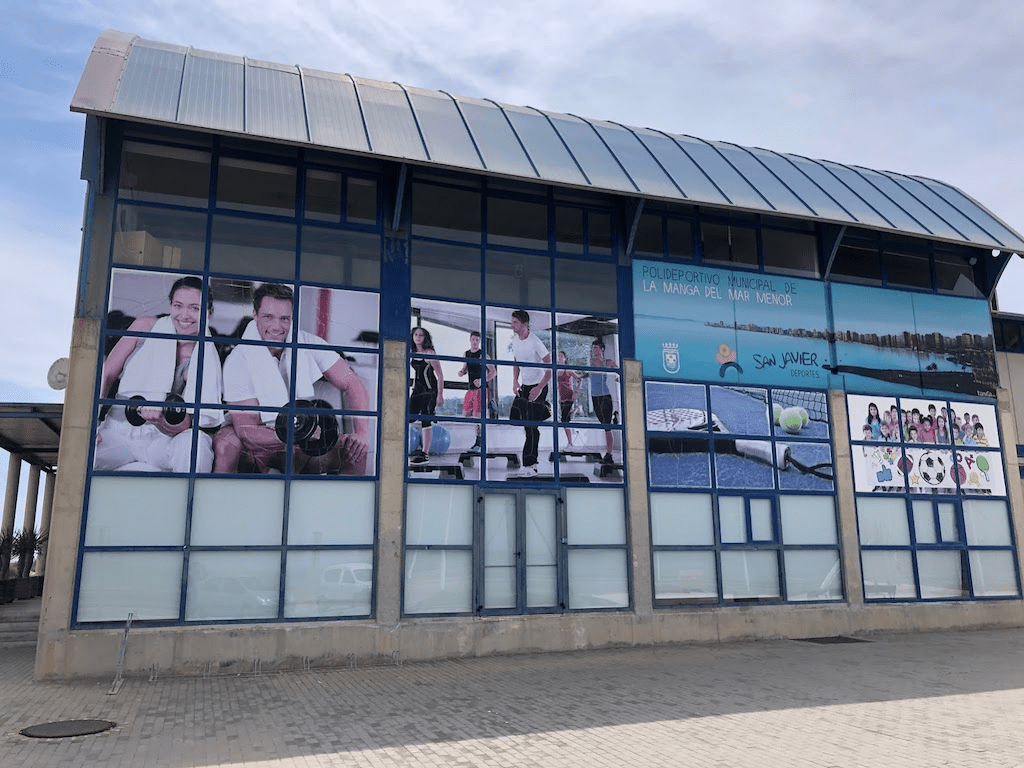 Image Credit: Deportes San Javier Official Website
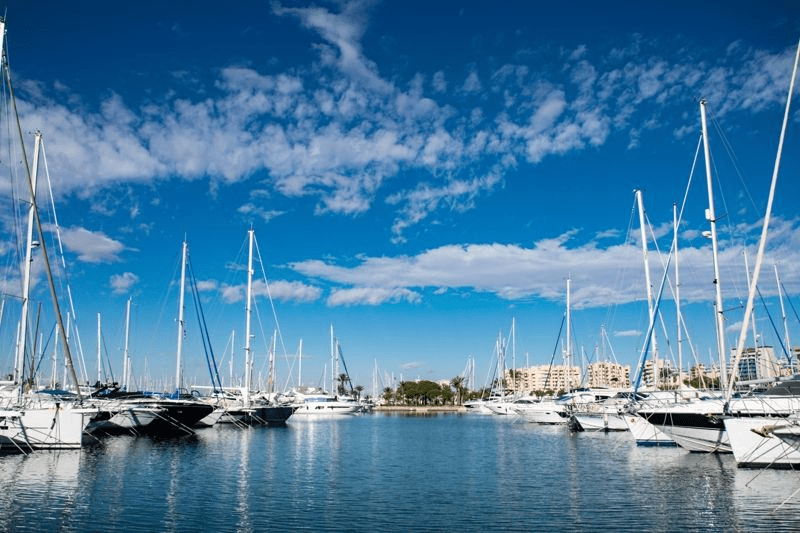 Image Credit: Puerto Deportivo Tomás Maestre Official Website
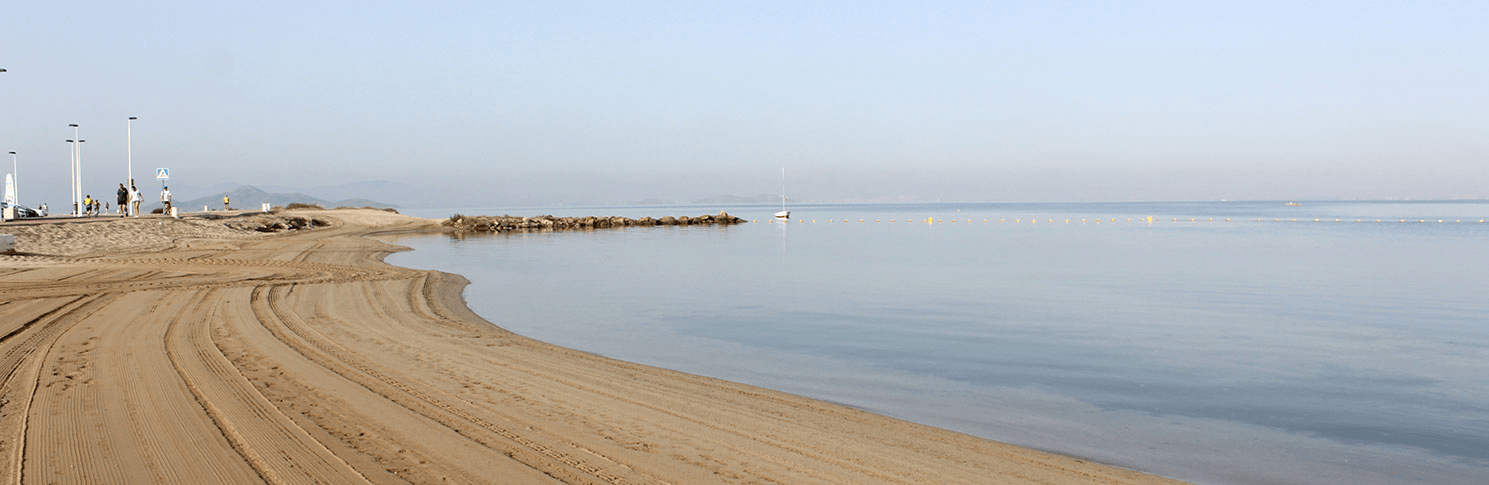 Image credit: Costa Cálida Región de Murcia Website