


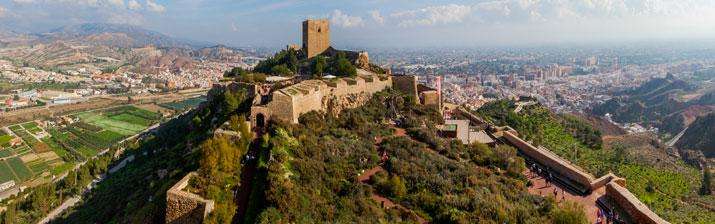
If you’re planning a trip to Spain, the Murcia region has probably come up in your searches for “What to do in Spain.” This autonomous community offers a variety of charming destinations full of history, vibrant culture, and natural beauty. While some places are better known than others, there are hidden gems that deserve to be highlighted.
One of these lovely, less well-known cities is Lorca. The city, lying southwest of the provincial capital, surprises with its historical wealth and beauty. One of the region’s highlights and one of the largest castles in Spain is the majestic Castillo de Lorca, a medieval fortress that stands as a guardian of the past.
Table of Contents
- Castle of Lorca: A Medieval Marvel in the Heart of Murcia
- History of the Castle
- Location and Opening Hours
- Lorca Castle: A Journey Through the Middle Ages
- Enjoy Your Private Paradise in Villa Murcia!
History of the Castle
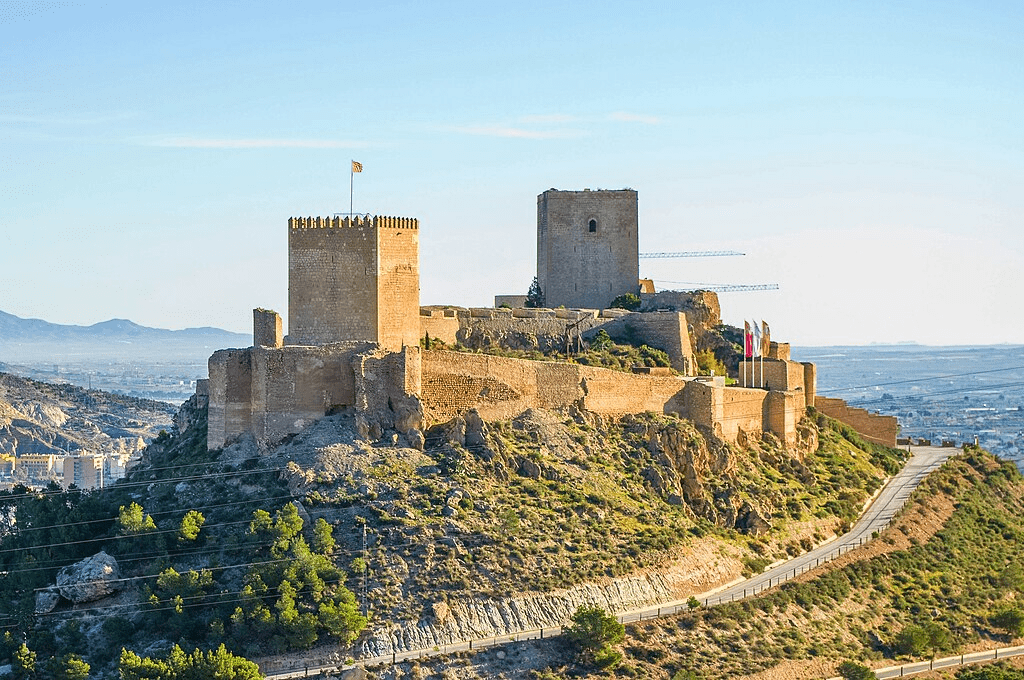

The castle’s history dates back to very ancient times, as evidenced by archaeological excavations that have revealed the presence of inhabitants since the Bronze Age. Therefore, it is difficult to determine the exact date when the first defensive bulwark was erected on the hill where Lorca Castle now stands. However, the first written reference to a castle on the site comes from Muslim sources from the 9th century AD, which mention the city of Lurqa as one of the most important in the Cora de Tudmir.
During the Islamic period, the castle became an impregnable fortress due to its strategic location on the hill of Lorca. The Espaldón wall (muro del espaldón) divided the castle’s interior into two parts. In the western part was the citadel, while in the eastern part was the neighborhood of Alcalá, which housed the Muslim medina. The fortress of Lorca, known at the time as Lurqa, was one of the most important cities in the Tudmir region.
After the Reconquista in 1244, the castle was taken by the infante Alfonso de Castela, who would later be established as King Alfonso X of the Kingdom of Granada. For more than 250 years, this fortress was fundamental in protecting two Christian territories. The Alfonsina and Espolón towers (King Alfonso actually started the building of the three towers, but one of them no longer exists), as well as the walls, were built or reinforced during this period, eliminating almost all the vestiges of the ancient Muslim fortress.
Inside the castle’s citadel was the Jewish Quarter of Lorca, which was active until the Jews were expelled from Spain in 1492. The Jewish Quarter, physically separated from the rest of the city by walls, occupied an area of approximately 5,700 square meters.
Excavations have revealed twelve houses and a synagogue from the 14th and 15th centuries, the latter being the only one found in the Murcia region. The neighborhood’s streets were narrow and irregular, following the slope of the terrain, with the synagogue located in the center.
After the fall of Granada in 1492, the strategic importance of the Castillo de Lorca diminished significantly. The expulsion of the Jews also led to the depopulation of the neighborhood of Alcalá. The castle fell into a period of abandonment, reaching a state of ruin in the 18th century. In the early 19th century, during the Spanish War of Independence, the castle was revitalized; walls and structures were repaired or modified, and a battery of cannons was installed. In 1931, Castillo de Lorca was declared a National Historic Monument, marking the beginning of its preservation as an important historical heritage site.
A Sun’s Fortress
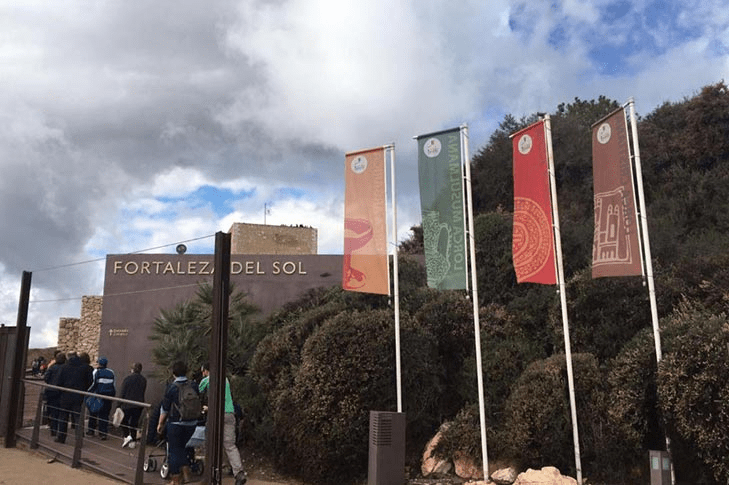
In 2003, the Lorca Taller del Tiempo, a project involving the local administration and business organizations of the municipality of Lorca, rehabilitated the Moorish fortification as a themed space dedicated to tourist visits and heritage interpretation under the name Fortaleza del Sol (Sun’s Fortress). The project combines learning with entertainment and leisure.
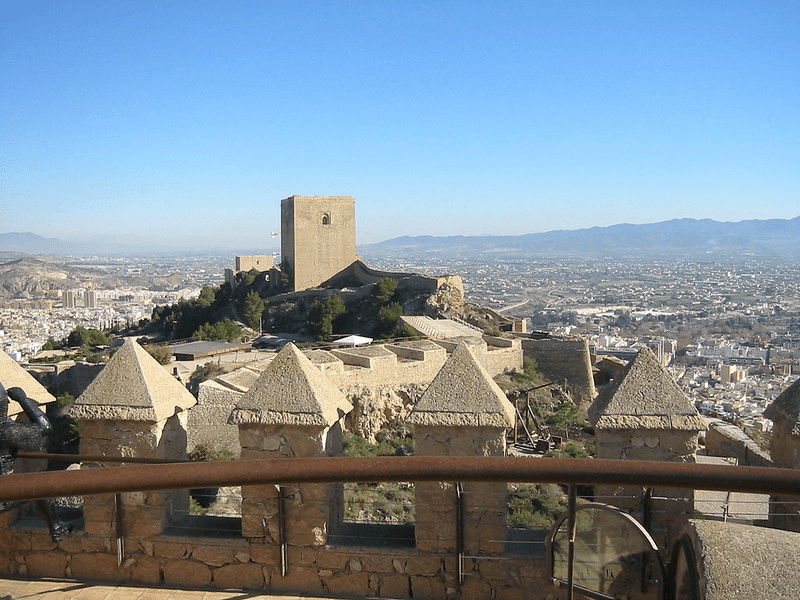
The castle’s current structural features include two main towers, the Alfonsina Tower and the Espolón Tower. These towers are prominent features designed to strengthen the castle’s defenses against external attacks. It is possible to climb to the top of the towers and admire a breathtaking panorama.
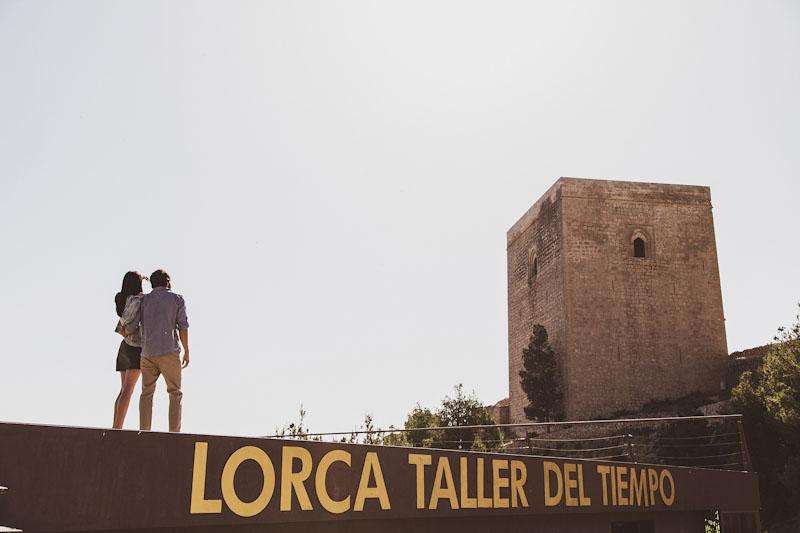
The Torre Alfonsina is located in the central and highest part of the hill of the Castillo de Lorca. It is named after the former king and replaced an earlier smaller Muslim tower. The structure consists of three floors, all covered with brick vaults supported by a large central pillar. The top floor is illuminated by four windows, which, although simple, are functional and have no mullions. On the tower’s east side, there is an entrance gate and a cavity that possibly housed a foundation stone.
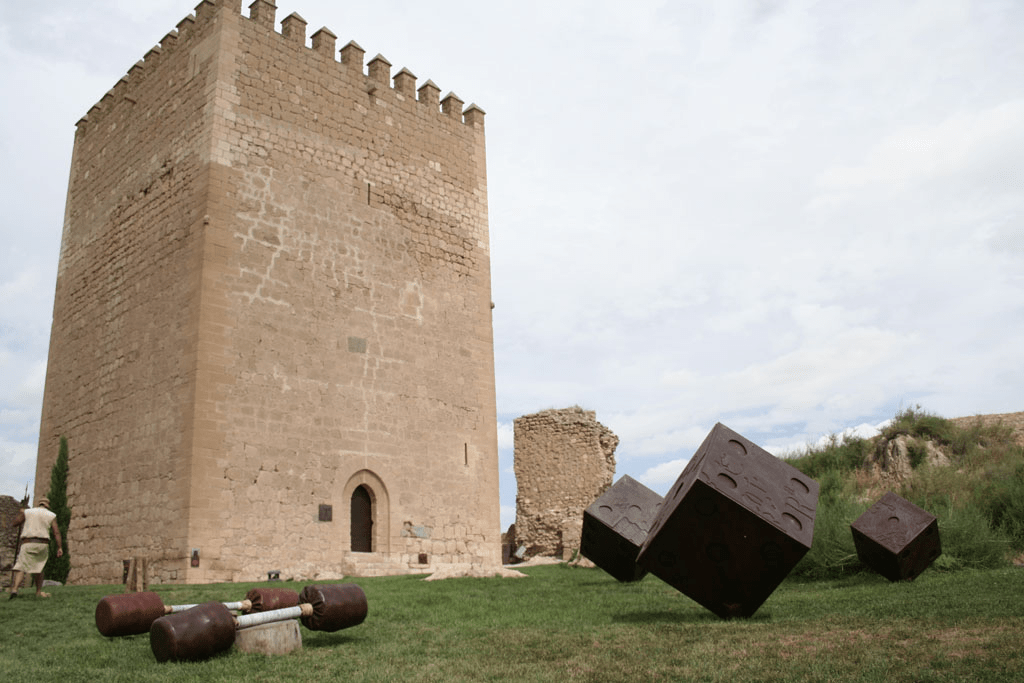

The Torre del Espolón has a square plan and a high façade, characterized by masonry walls pierced by arrow slits and stars, as well as a door facing east. The structure includes a cistern, currently used as a dungeon, and two floors covered with ribbed vaults.
Within the castle grounds, visitors can also explore the ruins of the Jewish quarter, including a 14th-century synagogue. The remains of the Islamic wall, Muro del Espaldón, can still be seen.
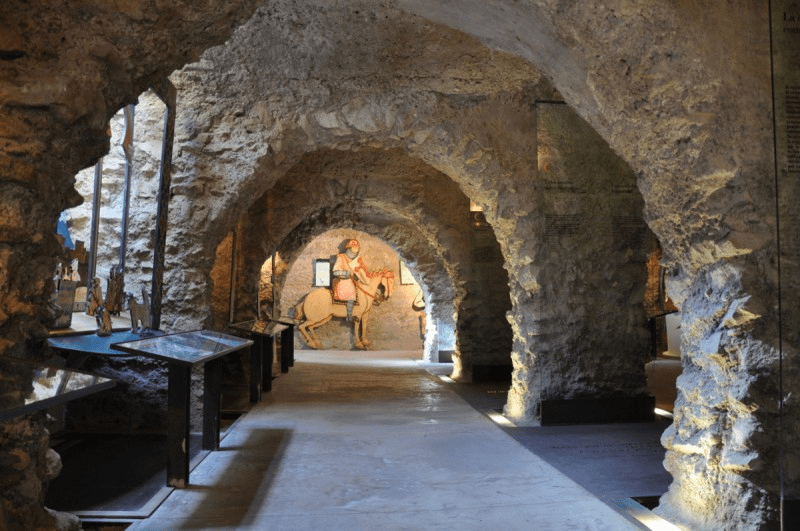
The whole tour was excellent. There was the option to tour the castle independently using the multilingual brochures and audio guides they provide. However, my group purchased a guided tour, and I must say it was well worth it. The guides were highly polite and well-informed. Throughout the journey, they told incredible stories that left me amazed at how important this castle was during the Middle Ages. Not to mention, the extensive and beautiful gardens of the castle allow you to explore and take stunning photos.
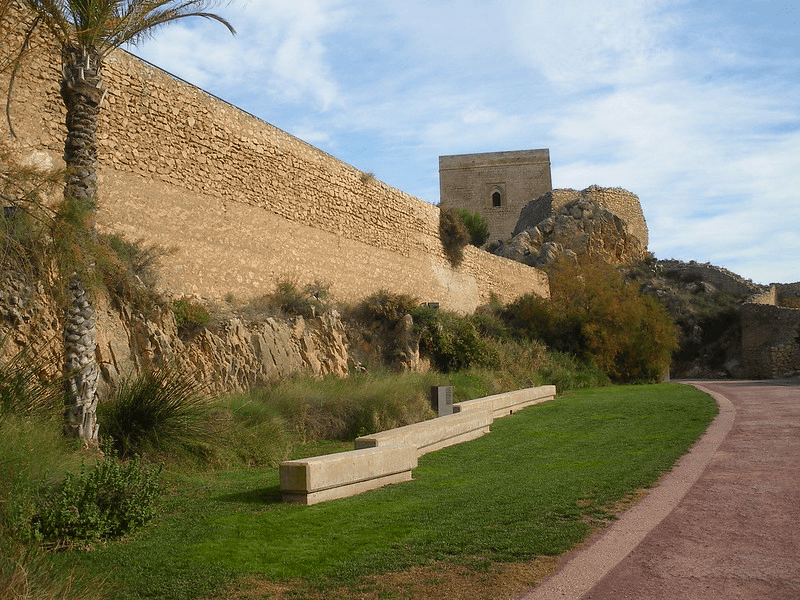
The place was very empty during my visit, which made it very pleasant. However, you must pay attention to the opening times; different parts of the castle cannot be visited throughout the day. The person at the reception was very friendly and clearly provided information about the different visiting slots (with an explanatory plan of the castle).
If you want to see all the parts, I recommend contacting the castle and coordinating your visit according to these slots.
Attractions and Services
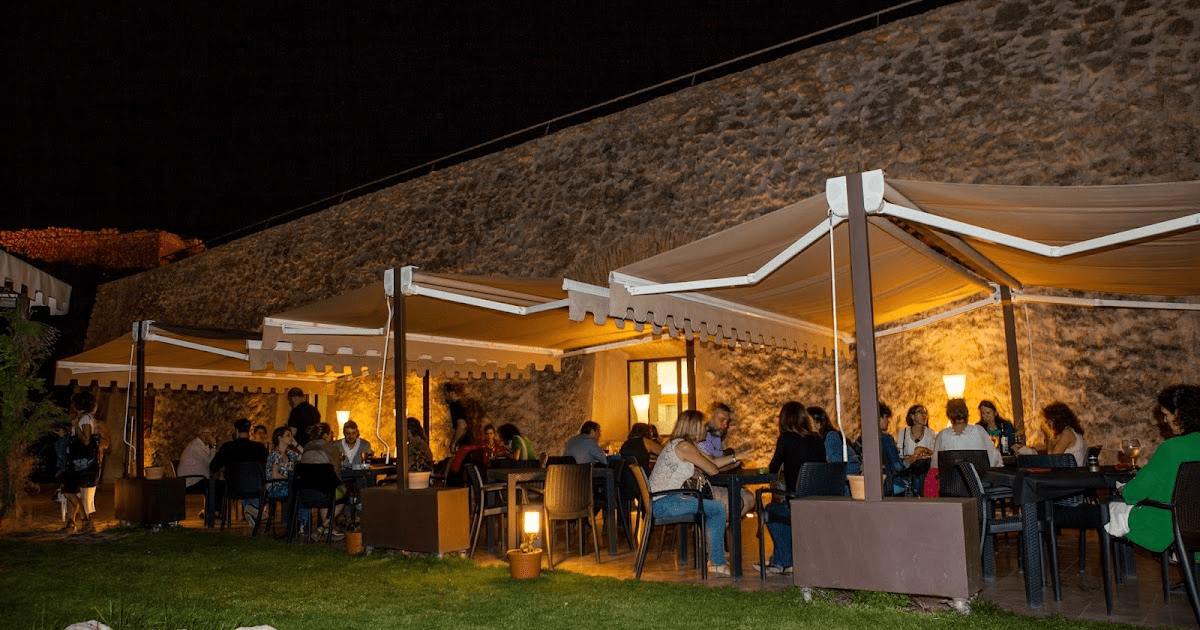
The fortress offers a wide range of attractions and services for visitors. Covering an area of 52,000 square meters, the gardens and various areas (including a children’s play area) of the castle are open to visitors. One of the highlights of the space is the opportunity to sample the delights of the restaurant “Las Caballerizas del Castillo,” which is located within the castle grounds and serves the most delicious food (not to mention the breathtaking views).
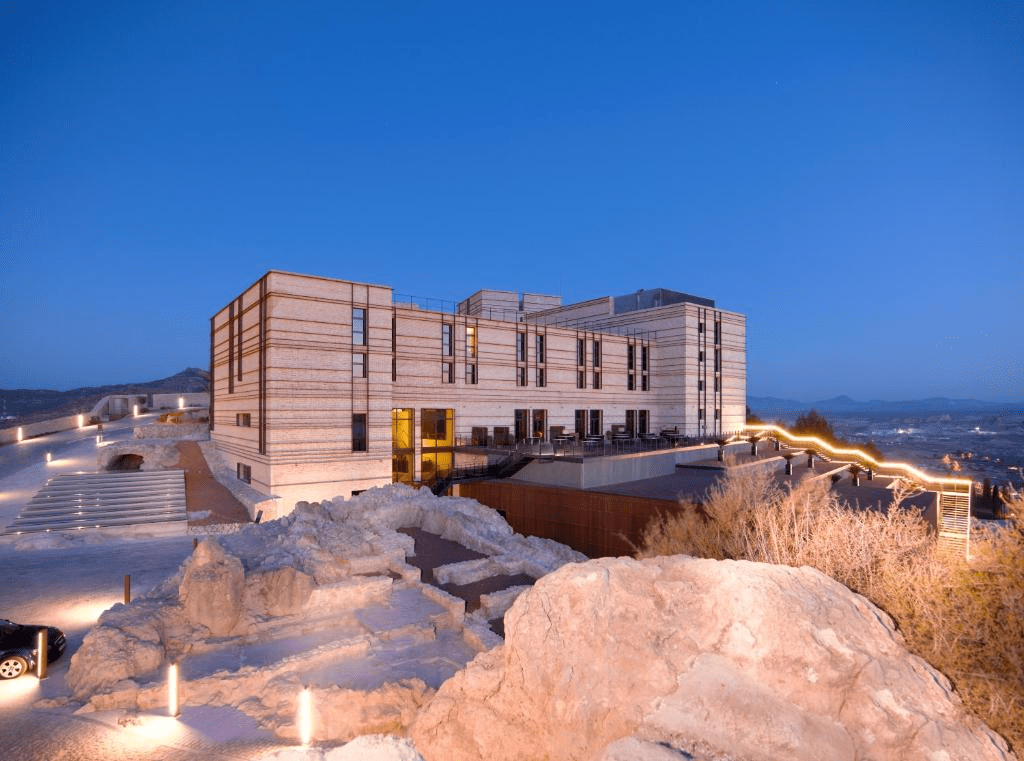
Also within the grounds is the Parador de Lorca. This modern hotel comfortably integrates the historic environment with contemporary amenities, such as a spa and heated pool, providing a unique experience of luxury accommodation and medieval tourism. I did not stay there, but I met a couple who did, and they really enjoyed the experience.
Another cool feature of the space is that it is entirely dog-friendly. On my visit, my pet accompanied me on the tour, and I even got a bandana and treats for him at the entrance! It is one of the few historical sites that allows pets. Furthermore, the place is certified by SICTED and is a member of the “Club de Producto Grandes Castillos y Palacios Turísticos de España,” standing out as a TripAdvisor recommendation.
Location and Opening Hours
The castle is located on a hill overlooking the town of Lorca. You can reach the castle on foot (about 30 minutes from the town center) or by taxi (less than 5 minutes). Cars are not allowed to park on the hill… but parking is available in the foot of the hill, in front of the visitor centre at the castle entrance.
Lorca is well served by intercity buses. The bus station, located in the town center, has regular services from various towns in the Murcia region. From there, you can take a taxi or walk to the castle.
Lorca’s train station, Lorca-Sutullena, receives regional Renfe trains. Once at the station, the castle is a short taxi ride or walk approximately 30 minutes away.
If you want to visit the castle, you need to be aware of the time of year, as it has different opening times throughout the year:
- January, February, March, November, and December: Sunday to Friday, 10:30 am to 4:00 pm; Saturdays and national holidays, 10:30 am to 6:00 pm.
- April, May, and October: Sunday to Friday, 10:30 am to 4:00 pm; Saturdays and national holidays, 10:30 am to 6:30 pm.
- June: Sunday to Friday, 10:30 am to 4:00 pm; Saturdays and national holidays, 10:30 am to 7:00 pm.
- July: Sunday to Wednesday, 10:00 am to 4:00 pm; Thursday to Saturday, 10:00 am to 4:00 pm and 6:00 pm to 10:00 pm.
- August: Sunday to Tuesday, from 10:00 am to 4:00 pm. Wednesday to Saturday, from 10:00 am to 10:00 pm. August 10th, from 10:30 am to 8:30 pm. September: Sunday to Friday, from 10:00 am to 4:00 pm. Saturdays and national/bank holidays, from 10:00 am to 7:00 pm.
Last entry is allowed up to 30 minutes before closing time, and the castle is closed on December 25, January 1, and 6. On December 24, December 31, and January 5, the opening hours are special, closing at 2:30 p.m.
Lorca Castle: A Journey Through the Middle Ages
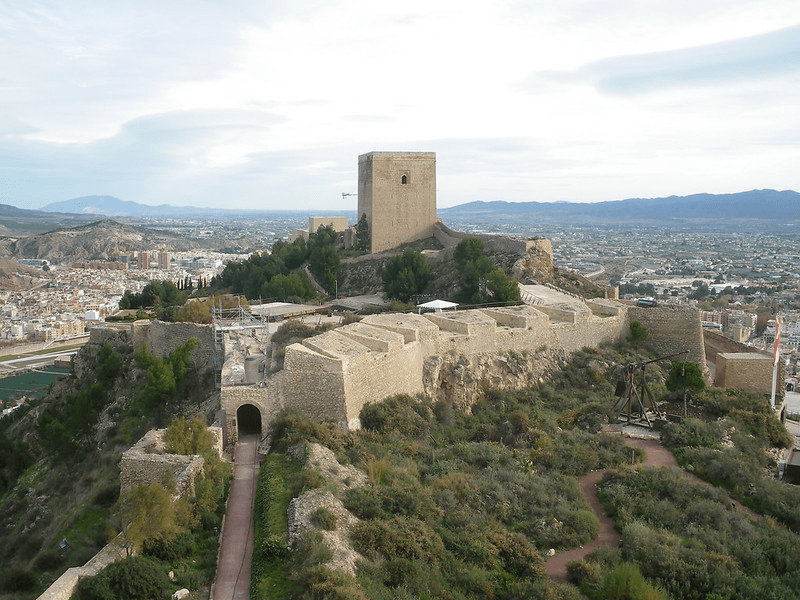
Overall, it is an enchanting experience that offers a unique glimpse into the medieval past. This impressive fortress, once a crucial defensive stronghold on the border between the kingdoms of Murcia and Granada, allows history enthusiasts to immerse themselves in the region’s rich heritage. With its strategic importance and historical significance, the castle is a must-visit destination for those planning a trip to Spain. Including Lorca on your itinerary promises a vibrant and rewarding experience, bringing the fascinating world of the Middle Ages to life.
Enjoy Your Private Paradise in Villa Murcia!
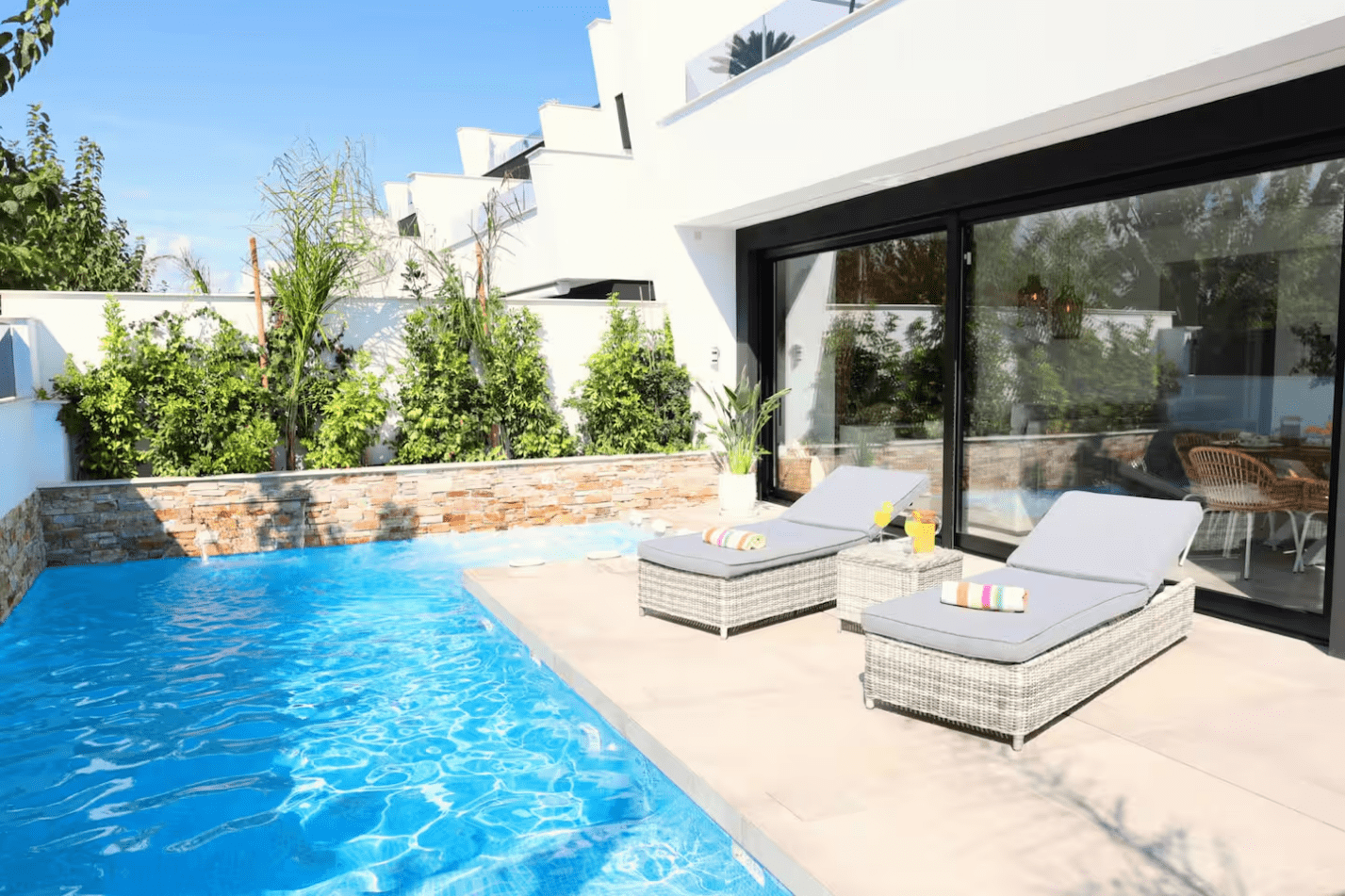
Looking for the perfect place to stay in Murcia? We’ve got just the spot for you!
Villa Murcia – Your Private Paradise
Wake up to coffee on a sun-drenched terrace, unwind in a warm jacuzzi after a day of exploring, and end your evenings with dinners in the summer kitchen. Nestled in charming Santiago de la Ribera, Villa Murcia offers more than just a holiday—it’s your personal oasis of comfort, style, and unforgettable moments.
Highlights:
✔ Spacious living room with a large sofa and open kitchen – perfect for shared memories
✔ Three elegant, air-conditioned bedrooms with private terraces – your peaceful retreat
✔ Extra fold-out sofa in the living room – ideal for additional guests
Whether it’s a romantic escape, a family getaway, or a relaxing break with friends – Villa Murcia is your dream stay.