


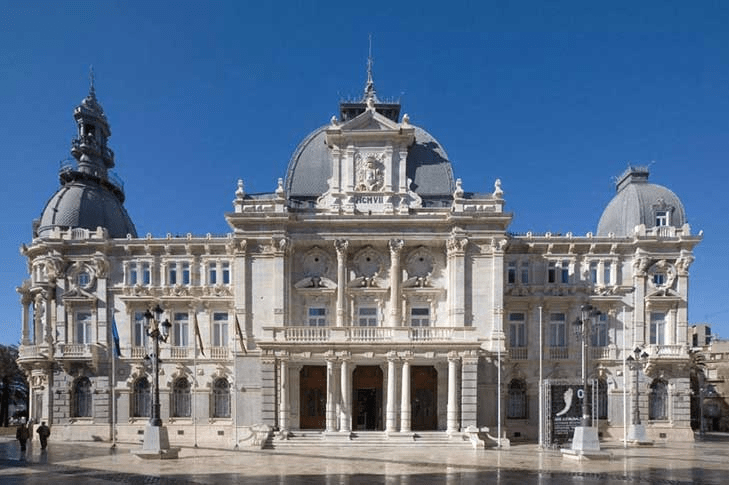
Cartagena is a port city and naval base in the Murcia region of southeastern Spain. It is one of the most important places in Spain’s past. Built in the 3rd century AD and colonized by different people, Spanish Cartagena was an important port during territorial disputes, so much so that a wall protected the entire city. Today, its structure has impressive historical monuments. One of these is the Cartagena Consistorial Palace, which houses the Town Hall of Cartagena.
The Cartagena Consistorial Palace, also known as Cartagena City Hall, is one of the city’s main modernist buildings, built between 1900 and 1907. The Palace is among the 20 most spectacular in Spain, according to the Niumba blog of the travel portal TripAdvisor, being the only one in the Region to be included in this list compiled by the leading tourism site.
During my numerous stays in the city, I had the opportunity to learn more about the history of this incredible space, and today, I will share what I learned with you.
Table of Contents
- Palacio Consistorial de Cartagena: History in the Heart of the City
- History of The Palace Consistorial
- Important Information For Visiting The Palace
- Enjoy Your Private Paradise in Villa Murcia!
History of The Palace Consistorial
The municipal architect Tomás Rico Valarino, together with Francisco de Paula Oliver, drew up the plans for which, between 1900 and 1907, the Palace of the Municipal Chamber of Cartagena (Palacio Consistorial Cartagena) was built. It is a building with a triangular floor plan in which the three facades differ. The Cartagena Municipal Chamber was inaugurated in 1907 and was built in an old building from the 18th century.
The building was designed to house the city hall and the bureaucratic center, including more straightforward desks.
Due to its construction on land reclaimed from the sea and a poor foundation system, the building began to suffer significant structural damage, leading to a progressive ruin process. The biggest problem of the time was that the building’s land was subject to flooding on more than one occasion.
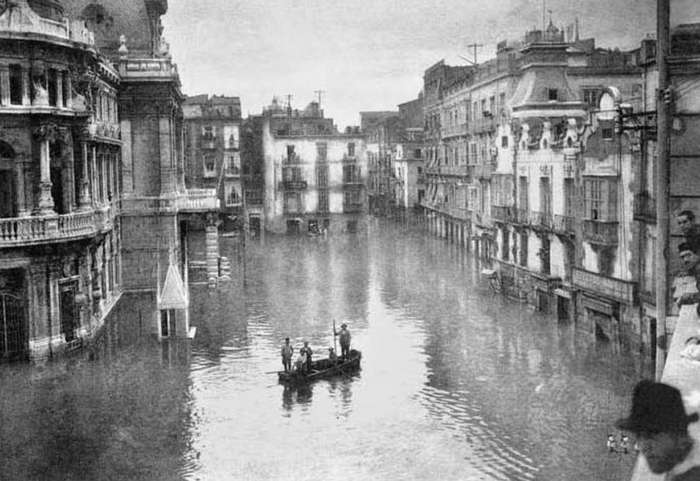
In 1995, the building was closed, and costly restoration work was carried out under the command of the architect Juan Antonio Molina. Due to various legal problems with the contract at the time, the works were delayed, which resulted in their completion only eleven years later.
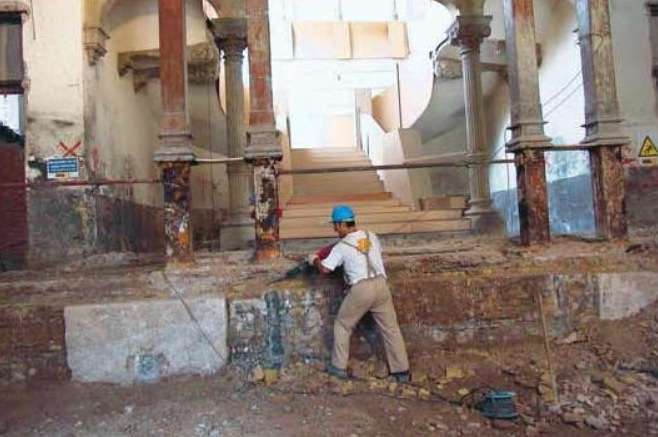
The primary phases consisted of stabilizing the structure, which required raising all the surrounding floors and pouring concrete beneath the structure of the whole building to reinforce foundations built on the reclaimed land. They also had to construct water control systems fortified.
Structure Before Its Reform
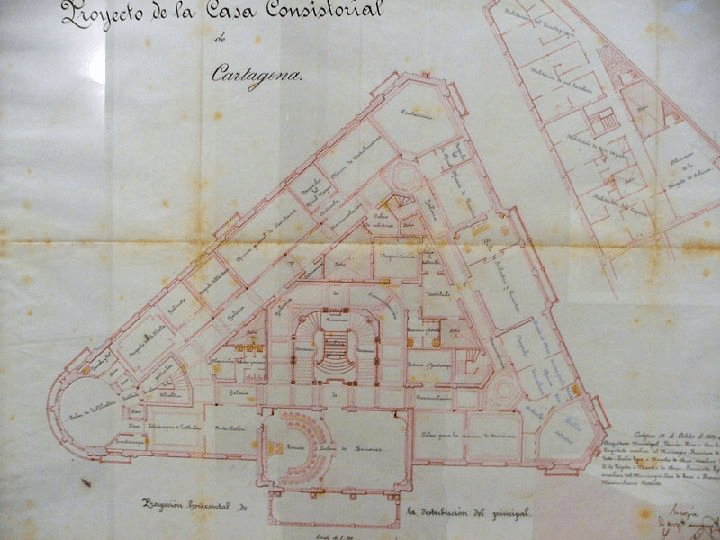
On the original floor, the basement housed the offices of the Municipal Court and the Court of First Instance, as well as offices such as the Government Secretariat, the Courtroom, and the Examining Magistrate’s Office. In the back area were spaces for the detained, including a cell, a youth storage room, standard rooms for men and women, and an area for Justice Officers.
The Prefecture of Cartagena was the center of administration. They operated the hygiene and health departments on the ground floor, with the chief’s office, vaccination room, recognition service, and the expansion and sanitation departments. There was also a Night Watch area, a clothing and equipment storage room, and the Municipal Guard, which included the guards’ meeting room, the Armory Office, and the Chief’s Office.
The first step was to the Mayor’s Room, surrounded by the Mayor’s House, Waiting Room, Ante-Lounge, Session Room, and committee meeting rooms. There was also the Secretary’s Office, the General Secretary’s Office, and other departments such as the Accounting Office, Finance Department, Property Office, Tax Collection Office, Depository, Bank, Loans, and Real Estate Room. On this floor, there was the Municipal Works Section and the Study Room.
In the basement were the rooms of the Court’s archive, the Civil Registry, the Municipal Archive, and rooms for the judge and other high officials. There was also a room used as a museum and library. The plants mention an annex building for police, firefighters, and cleaning cabinets, although it is unknown if it was built.
Currently
Currently, the Municipal Chamber maintains the representative function of Cartagena, as well as the bureaucratic and political activities of the municipal corporation. Municipal plenary sessions occur there, and there is the office of the President of the Chamber and the cabinets of the different political groups.
As I said, the building needed to undergo renovation. The primary phases consisted of stabilizing the structure, which required raising all the surrounding floors and pouring concrete beneath the structure to enforce foundations built on the reclaimed land. They also had to construct water control systems fortified.
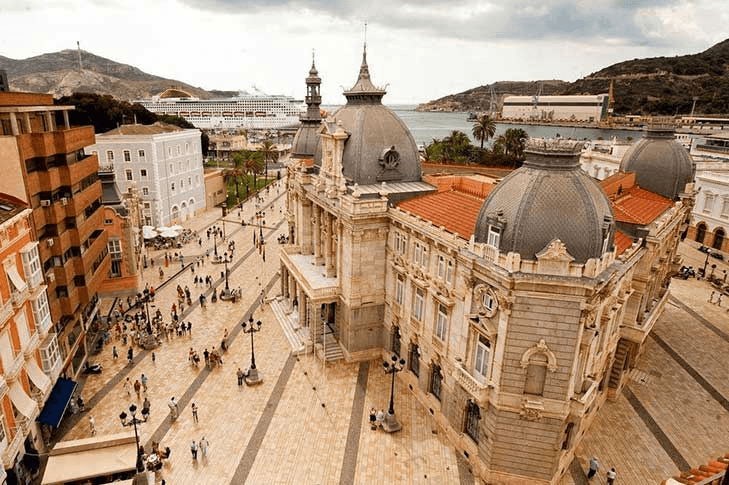
The modernist building maintained its three distinct facades, each containing abundant decorative elements: split pediments, elliptical windows, classical moldings, female heads, shields, etc. It also has an imperial staircase that really surprised me with its beauty, and the plenary hall, which is also worth visiting.
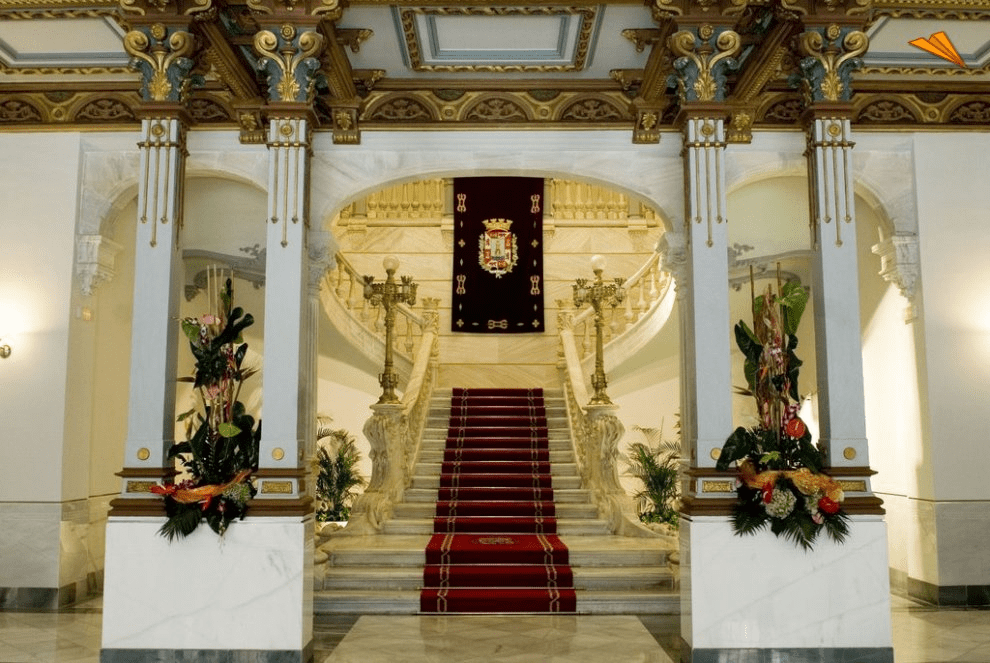
Two exhibition rooms are on the ground floor; you must pass through the spectacular modernist lobby to access them. The most significant exhibition space, right at the entrance, is divided into different rooms that communicate the history of Cartagena and accommodate all types of art, including sculpture, painting, photography, and original contemporary installations.
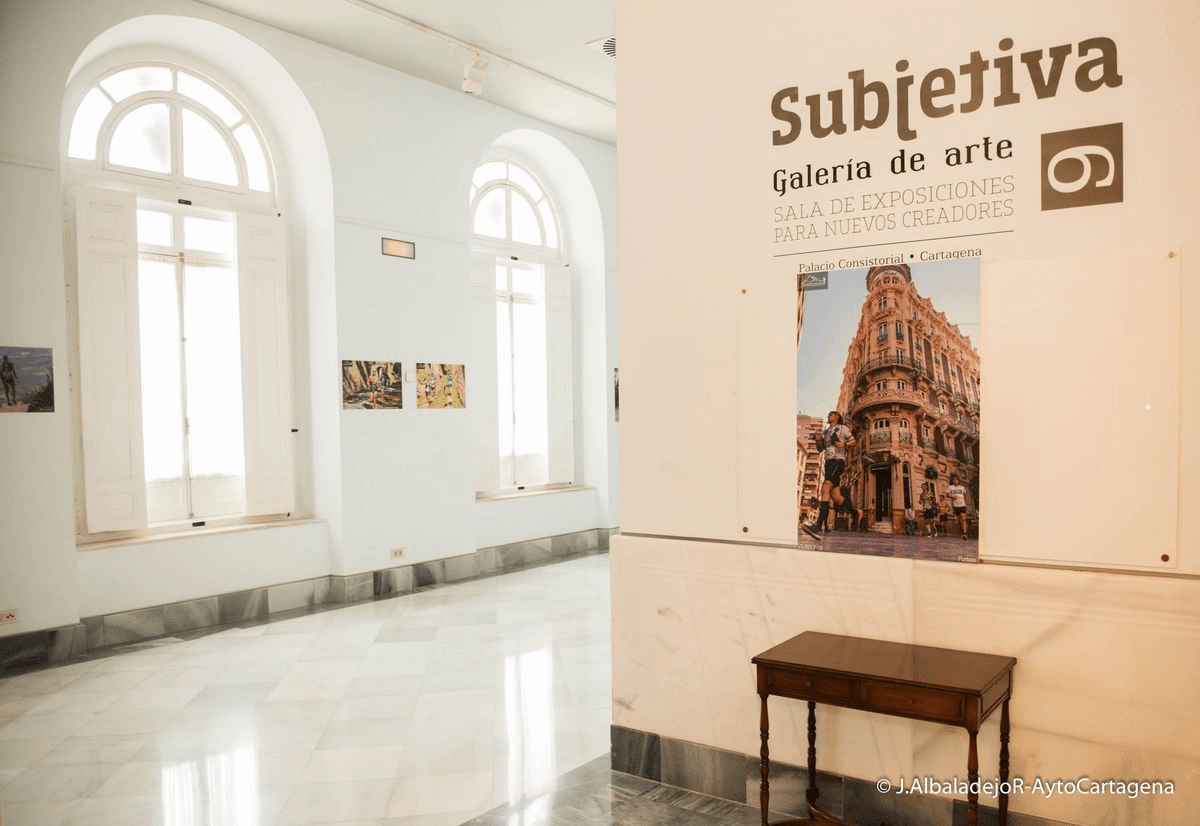
The second wing is dedicated to young creators, a recent initiative to bring newer art closer together. This is the emerging art gallery “Subjectiva,” promoted by the Department of Youth. This exhibition space facilitates the development of young creators, who are usually limited by the lack of opportunities to hold solo exhibitions.
The building is also used for public functions, concerts, and protocol activities.
Important Information For Visiting The Palace
If you want to visit this historic building, here is some important information:
Location: The address of the building is Plaza del Ayuntamiento, 1, 30202 Cartagena, Murcia.
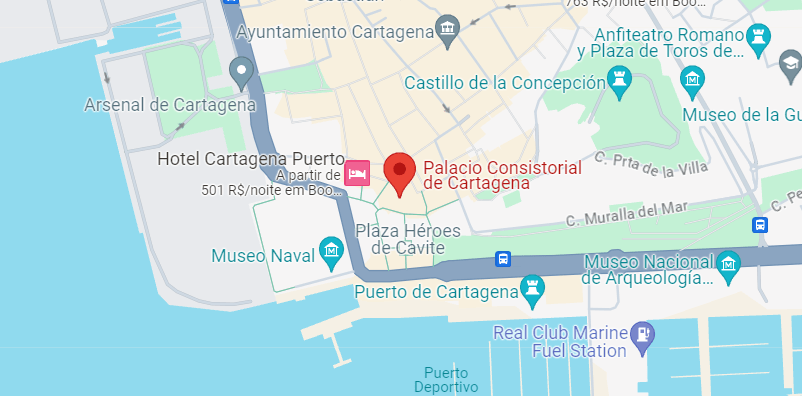
The Palacio Consistorial is located within the Plaza del Ayuntamiento, directly across from the Roman Theatre Museum, a famous Cartagena building, and a 3-minute walk from the cruise ship port. The tip is to take advantage of visiting one building and the other tourist attractions on the same day. They are incredible.
The bottom corner of the building facing towards the port houses the Tourist Information Point, where visitors can pick up maps and obtain basic information about Cartagena’s tourist attractions. This strategic location makes it an ideal starting point for exploring the city’s rich historical and cultural offerings, with easy access to one of Cartagena’s most significant archaeological sites. There is a small entry fee.
Phone: 968 12 89 50
Opening Hours:
- Monday: Closed
- Tuesday to Friday: Morning: 10:00 – 13:30 / Afternoon: 17:00 – 19:00
- Saturday: Morning: 10:00 – 13:30/ Afternoon: 17:00 – 20:00
- Sunday:Morning: 10:00 – 13:30 / Afternoon: Closed
- Holidays: Morning: 10:00 – 13:30
The City Hall Of Cartagena
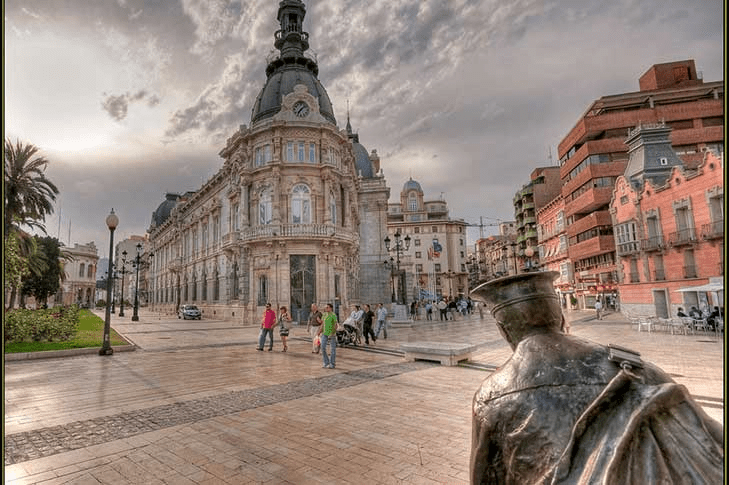
It’s really easy to understand why the Palacio is one of Cartagena’s main tourist attractions.
For those who love history, it’s an excellent option for getting to know the city of Cartagena. With its impressive modernist architecture and central location, next to important tourist attractions, the palace offers visitors an enriching and informative experience about the city’s history and culture.
Enjoy Your Private Paradise in Villa Murcia!
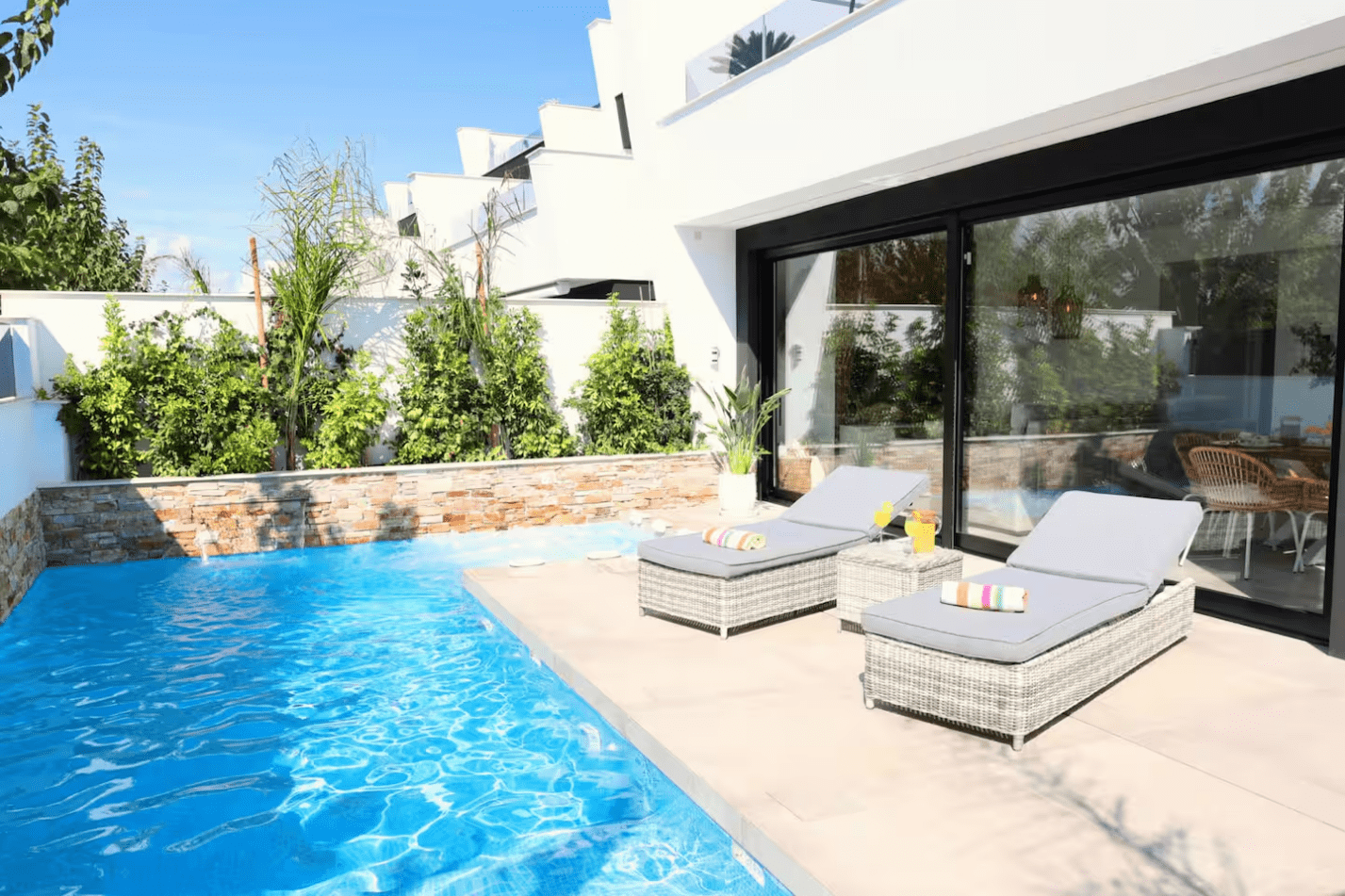
Looking for the perfect place to stay in Murcia? We’ve got just the spot for you!
Villa Murcia – Your Private Paradise
Wake up to coffee on a sun-drenched terrace, unwind in a warm jacuzzi after a day of exploring, and end your evenings with dinners in the summer kitchen. Nestled in charming Santiago de la Ribera, Villa Murcia offers more than just a holiday—it’s your personal oasis of comfort, style, and unforgettable moments.
Highlights:
✔ Spacious living room with a large sofa and open kitchen – perfect for shared memories
✔ Three elegant, air-conditioned bedrooms with private terraces – your peaceful retreat
✔ Extra fold-out sofa in the living room – ideal for additional guests
Whether it’s a romantic escape, a family getaway, or a relaxing break with friends – Villa Murcia is your dream stay.