



The Las Matildes Mine, situated in the Cartagena area of the Murcia province, is a noteworthy symbol in Spain’s mining history. Once busy with mining operations, this location now pays tribute to the region’s valuable industrial and cultural legacy. Spanning more than a hundred years, the Las Matildes Mine offers an intriguing experience for those eager to explore the progression of mining and its impact on the surrounding community.
It offers visitors an educational and enjoyable experience to explore the remnants of over 2,000 years of mining history in the Sierra Minera de Cartagena-La Unión area and uncover the special features and significance of the mines used to drain the mining basin. I had the opportunity to visit the location, and today, I will share with you what I learned there.
Table of contents:
- The Mina Las Matildes: Industrial and Cultural Heritage in Spain
- History Of Mina Las Matildes
- Structure and Technology
- Helpful Information About Mina Las Matildes
- Ecotourism and Cultural Tourism Services at the Las Matildes Mine
- Lots of History Involved
- Enjoy Your Private Paradise in Villa Murcia!
History Of Mina Las Matildes
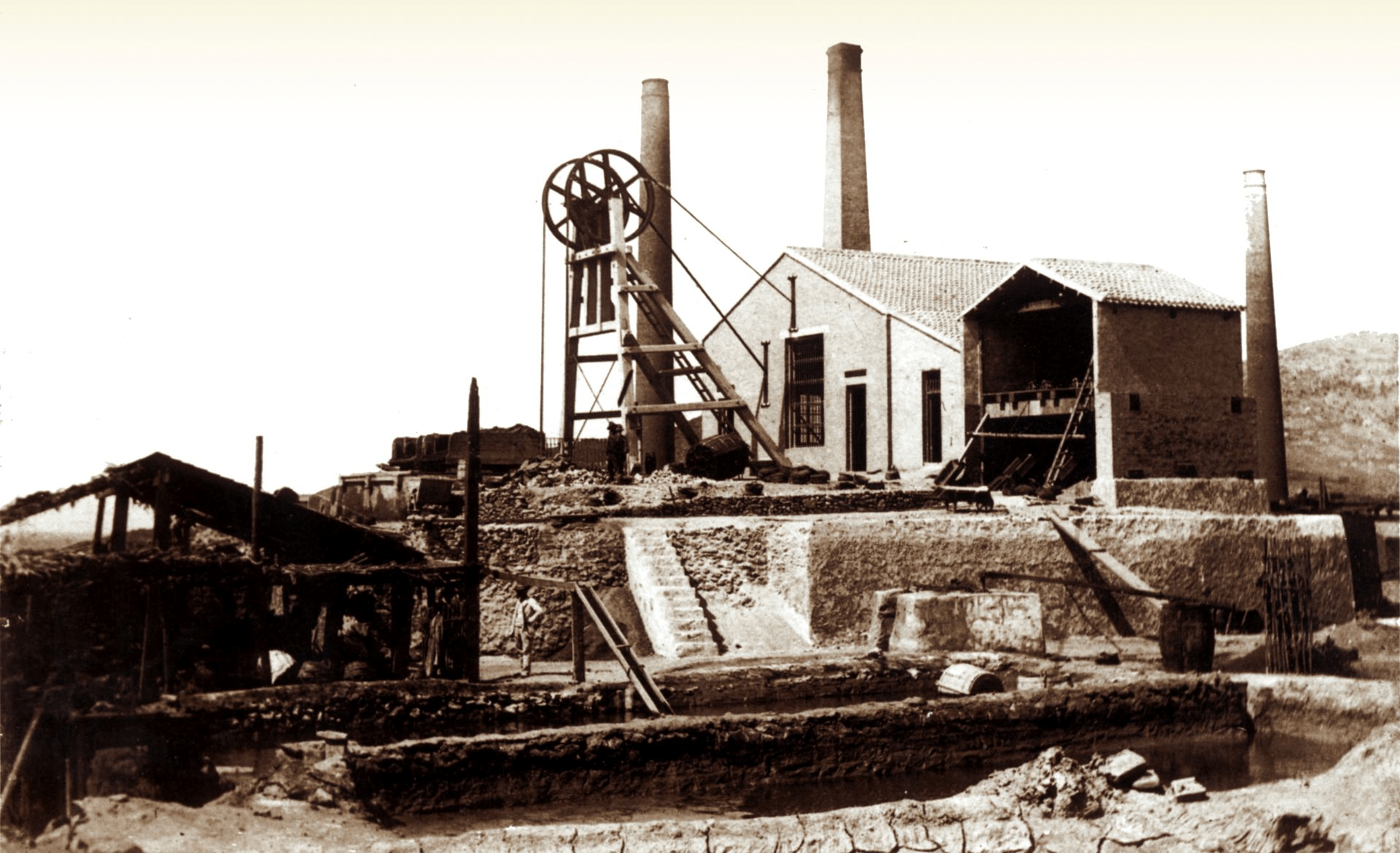
Mineral exploration in Cartagena dates back to Roman times, but it was in the 19th century that the region experienced its mining boom.
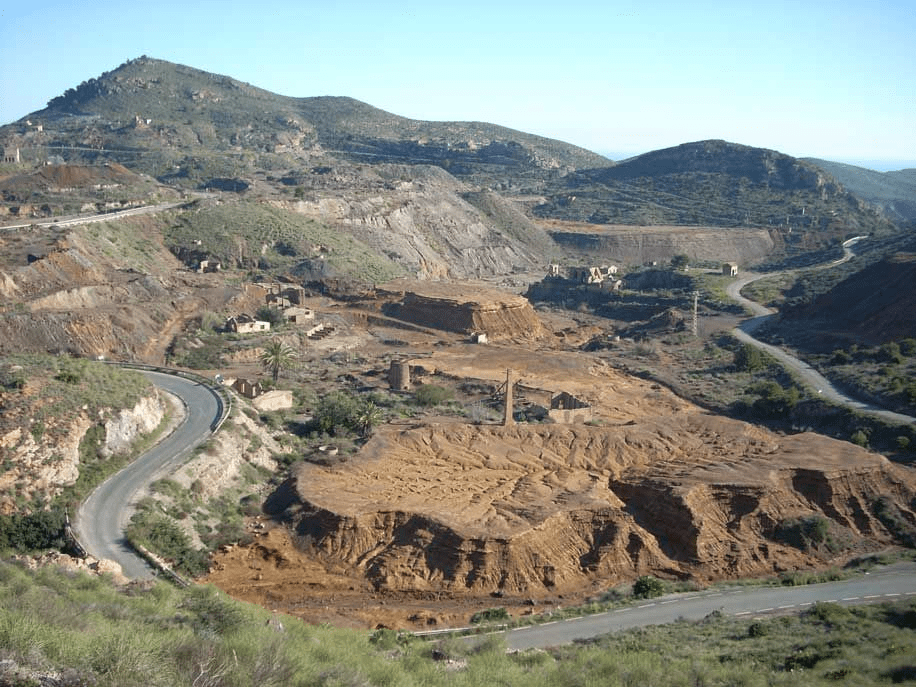
The Las Matildes Mine is located in the Sierra Minera of Cartagena – La Unión, in the El Beal mining complex, close to the San Quintín Mine or Blanca Mine. These two other mines have similar characteristics to Matildes: they were dedicated to extracting water to drain the mining basin from the beginning of the 20th century, although they began as mines for extracting lead between 1864 and 1871.
In the guided visit, we were told that the history of the mine is divided into four phases:
First Phase: Lead Mining (1871 – End of the 19th Century)
- Concession and Beginning: The Las Matildes mining concession was established in 1871 and focused on extracting lead.
- Infrastructure: During this phase, the mine had a steam engine, boilers, a wooden castle, and a chimney to evacuate smoke.
- Remains: Today, only the main building, an adjacent pond used to store water, and the exposed pipes through which steam was transported to power the machines remain.
Second Phase: Water Extraction (Early 20th Century)
- Change of Focus: As the profitability of lead mining declined, the mine shifted to water extraction.
- Flooding Problems: Many mine galleries were flooded, preventing the extraction of minerals. To solve this problem, the El Beal Drainage Union was created.
- Contribution: Las Matildes participated in this initiative, extracting water to allow other mines to continue their operations.
- Infrastructure: Only the second engine room, which used innovative electrical machinery and an impressive metal tower, remains from this phase.
Third Phase: Abandonment and Deterioration
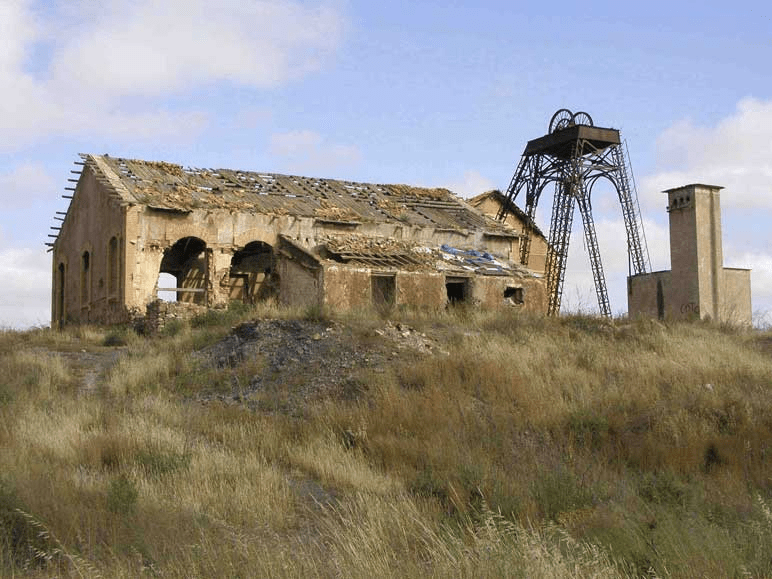
- End of Activities: Drainage activity was stopped, and the mining facilities were gradually abandoned, deteriorated, and looted.
Fourth Phase: Restoration and Interpretation Centre (Early 21st Century)
- Renovation: At the beginning of the 21st century (between June 2004 and July 2005), the mine was restored and transformed into a modern Interpretation Centre (Centro de Interpretacion de la Mina Las Matildes), preserving its history and making it accessible to the public.
Structure and Technology
The facilities at the Las Matildes Mine include mining pits, maintenance workshops, warehouses, and residential structures for workers. During my visit, it was explained that technology has evolved significantly over the years, reflecting advances in mining engineering and machinery. The mineral extraction and processing techniques used at the mine are important examples of technological development during the industrial era. Some important sections of the mine are:
First Engine House
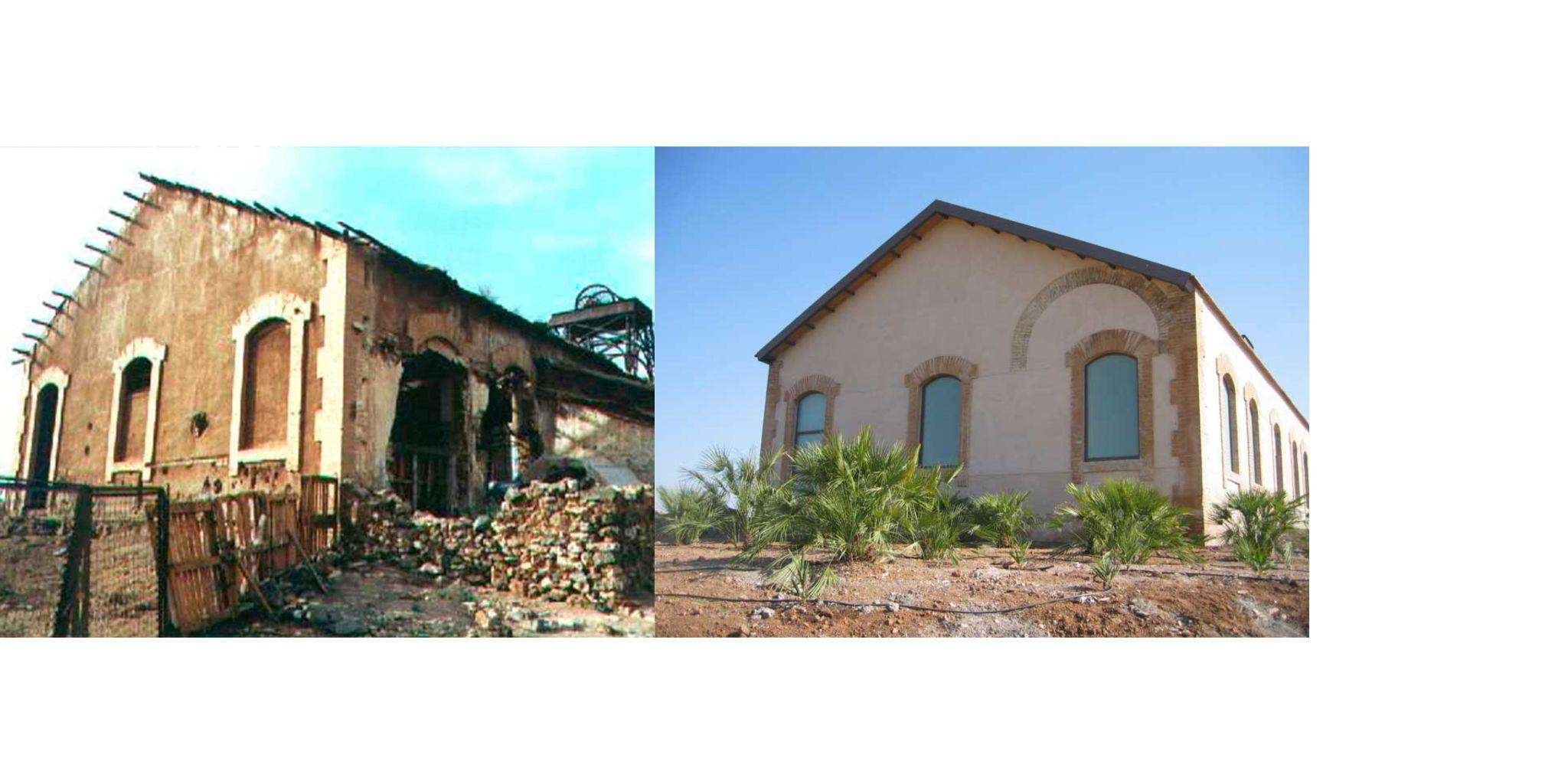
The First Engine House, built in the 19th century, housed the steam machinery. It is one of the largest Engine Houses in the Sierra Minera. During construction, the pit where the machinery was installed, old steam piping structures, and the base of the old horizontal cylinder steam engine were discovered underground. These remains, unique in the region, were incorporated into the Center as one of its attractions, with a glass floor allowing viewing of these discoveries. A large-scale model of the Sierra Minera was placed in the pit.
Raft and Annex Service Building
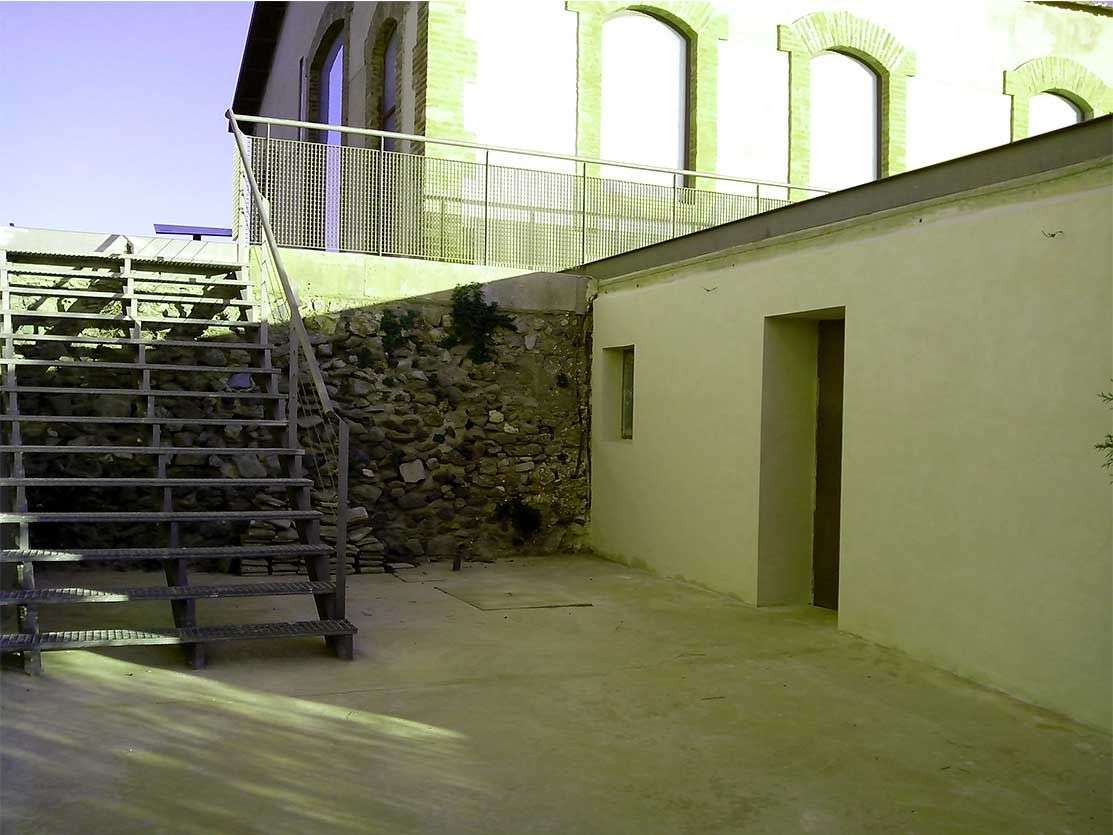
Attached to the First Machine House building is a raft where water was stored to power the steam engine. The work carried out in this space was limited to cleaning and consolidating the structure. An old adjoining building was rehabilitated to house the Center’s bathrooms and a small warehouse.
Second Machine House
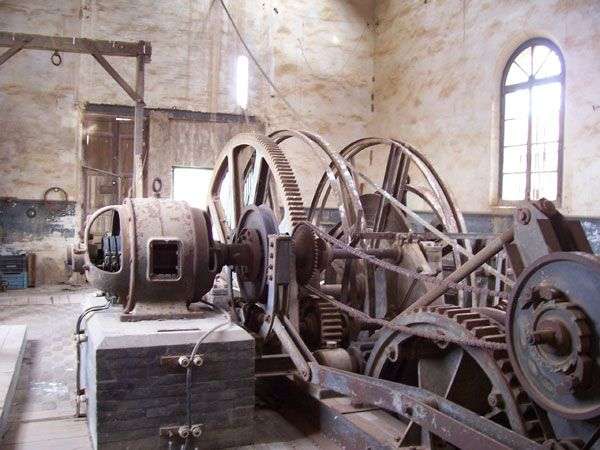
The Second Machine House, built in the 20th century, was one of the sections I liked most during the visit. The two machine houses make the Las Matildes Mine unique. The building, with a roof supported by Canadian pine wood fences, has been restored and still preserves the original electric extraction machinery from 1905 and an old underground gallery that accesses the well to supply electricity to the water extraction pump.
Mining Shaft and Metal Structure
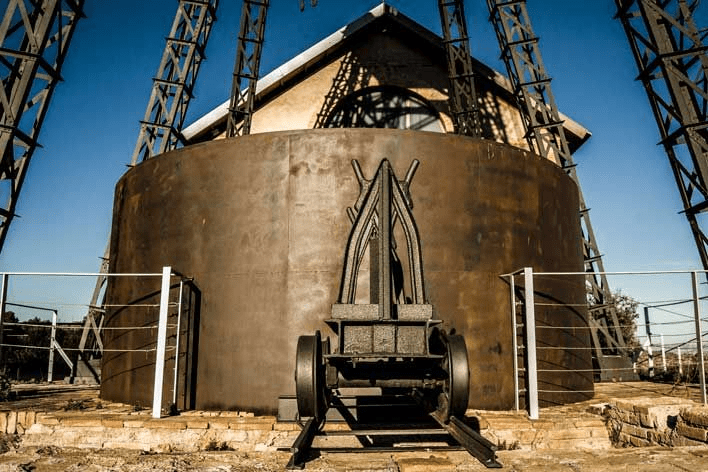
The mining shaft, common to both phases of exploration, is one of the deepest and most spectacular in the Sierra Minera. It is 225 meters deep and 4 meters in diameter, lined with bricks. Initially sealed with a concrete slab, it was opened during construction to allow visitors to view the site. The complex is presided over by a spectacular metal cast element, with four ceiling heights and two support towers, which support a platform with two extraction pulleys and a central pulley for the drainage pump.
Outdoor Spaces
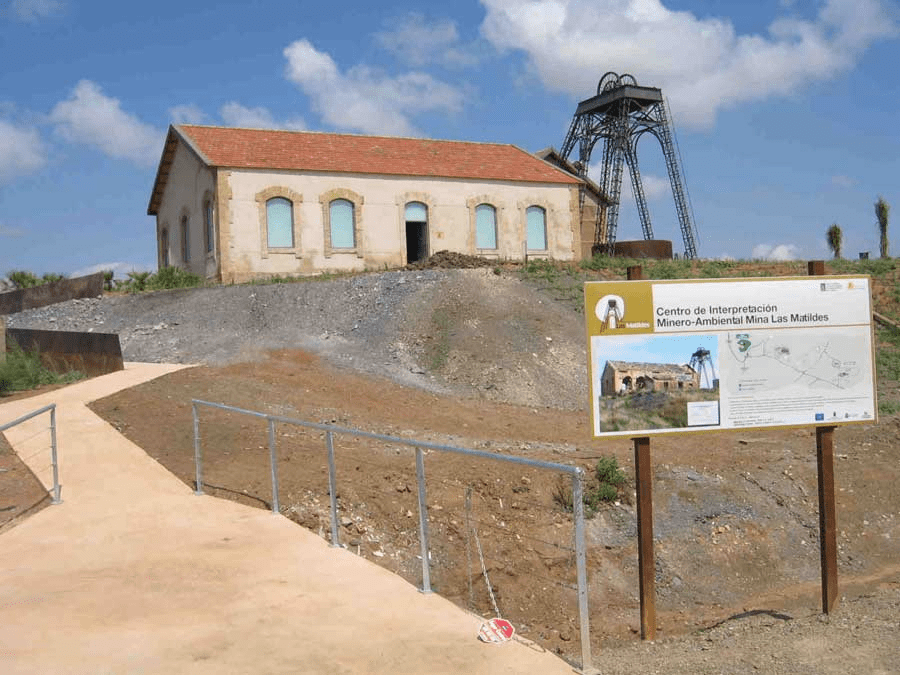
The outdoor spaces were revitalized and revegetated with native species. Part of the mine’s original waste dump was kept visible as a characteristic element of the mining facility. A viewpoint was built, and an old drainage structure was restored.
Accessibility
One thing I found very interesting is that all the facilities, including access ramps and adapted bathrooms, were adapted to ensure accessibility for people with mobility difficulties.
Conservation and Tourism
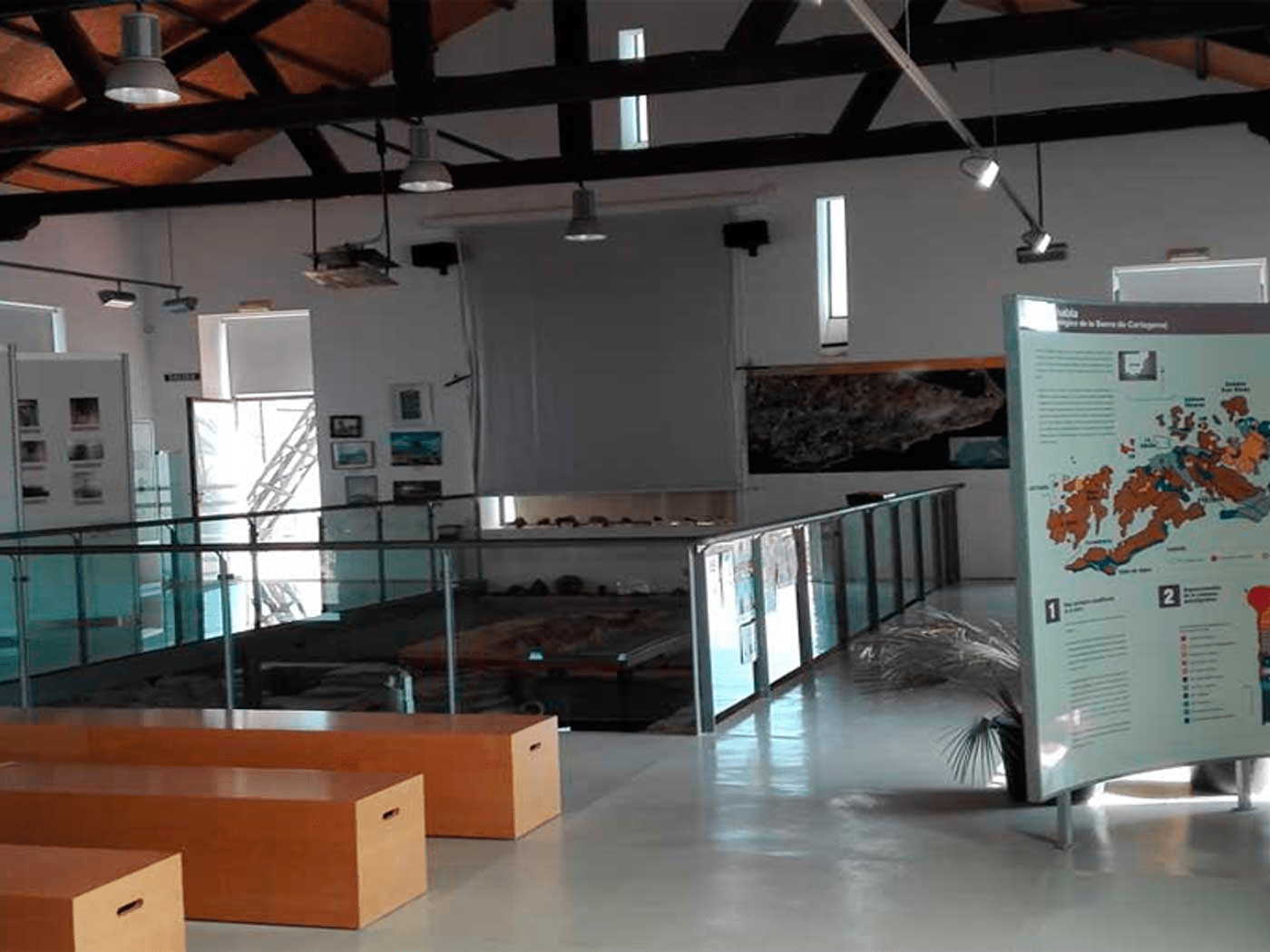
Today, the Las Matildes Mine is considered an important mining interpretation center. Local authorities and various associations have worked hard to preserve the site and transform it into a tourist and educational attraction.
The interpretation center offers exhibitions on the region’s geology, mining history, and working conditions in the mines. The site’s entire history is very rich, and participating in a visit there is very interesting as you learn about a history you never imagined existed. Everything is very well explained and preserved.
In addition, educational events and activities are regularly organized to raise community awareness of the importance of industrial heritage.
Environmental Impact and Rehabilitation
In the mining industry, it is common for mining operations to significantly impact the environment of the region in which they are located. The Las Matildas mine is no exception, with surrounding areas suffering soil and water contamination from mining operations.
Thus, the recovery of the mine was accompanied by environmental and landscape recovery of the surrounding area, which contained an old abandoned mining lagoon with seriously contaminated soil. Revegetation actions are carried out on native species, following criteria for restoring the typical plant communities of the region, requiring little water consumption and growing in substrates that suffer residual contamination to varying degrees from mining.
Helpful Information About Mina Las Matildes
Here is some helpful information if you want to visit the center:
Localization
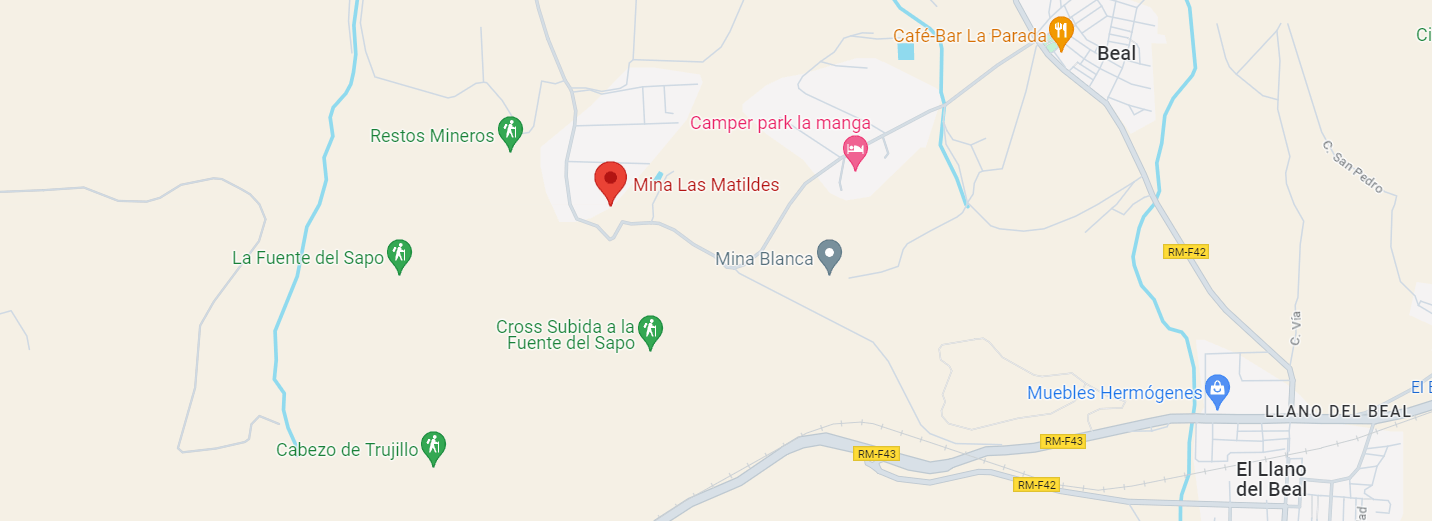
La Mina Las Matildes is located in the mining complex of El Beal, in the Paraje de la Mina Blanca, within Cartagena, Murcia, Spain. If you wanna know how to arrive at the Centre, here are the main options:
By Car From Cartagena:
Take the RM-E22 towards La Unión and follow signs for Portmán/Las Matildes. Continue until you reach the Las Matildes Mine, where parking is available.
By Car From Murcia:
Take the A-30 towards Cartagena, and after, take the RM-E22 exit towards La Unión. Follow signs for Portmán/Las Matildes.
By Public Transport – FEVE Train:
Take the FEVE train from Cartagena towards Sierra Minera. Get off at the station closest to Las Matildes and follow the signs for the city center.
By Public Transport – Bus:
Take bus number 3 on the ALSA line, which connects Cartagena to La Unión. From La Unión, you can take a taxi or other means of transport to reach the city center near Sierra Minera. Guided tours can also be arranged, including transport from Cartagena. Lines that pass near Las Matildes.
Opening Hours
The Interpretation Center is open from Thursday to Sunday, from 10 am to 2 pm.
During these hours, guided tours occur at 10:30 am and 12 pm. However, they recommend scheduling your visit in advance.
Outside these hours, groups of at least 15 people can visit the center or take guided tours by scheduling the activity in advance.
Visits and Prices
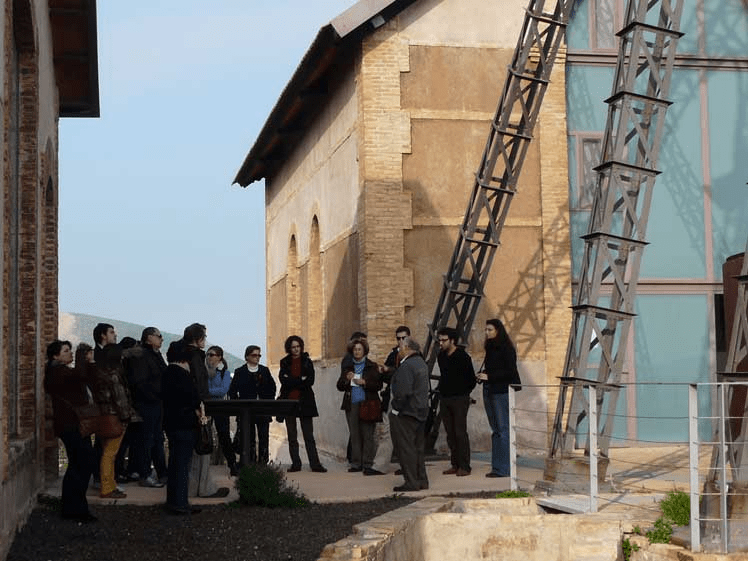
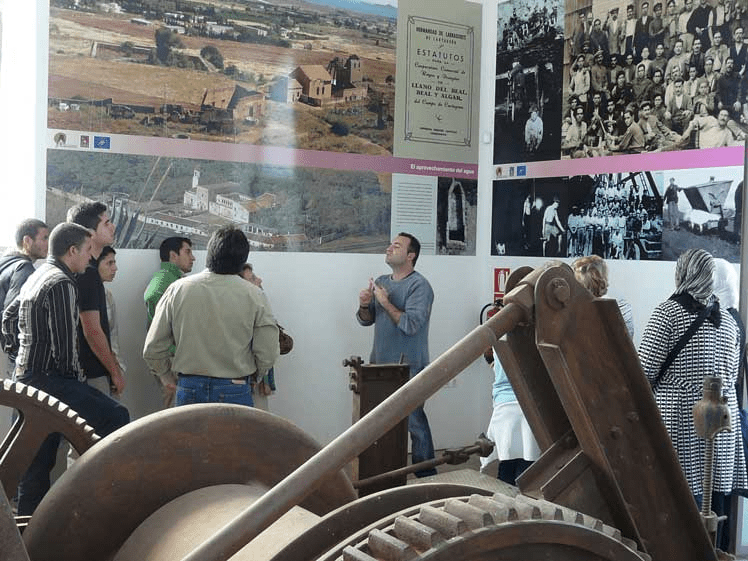
Visits to the Las Matildes Mine Interpretive Center are led by specialized guides. I must say that my visit was an educational and very entertaining experience. The guide who accompanied us was incredibly helpful and knew how to answer all our questions. The activities are adapted to the profile and age of the visitors, offering two main options:
- Guided Tour of the Center’s Facilities: Duration of 45-60 minutes.
- Guided Tour of the Center’s Facilities with Interpretive Tour of the Mining Environment: Duration of 3-4 hours.
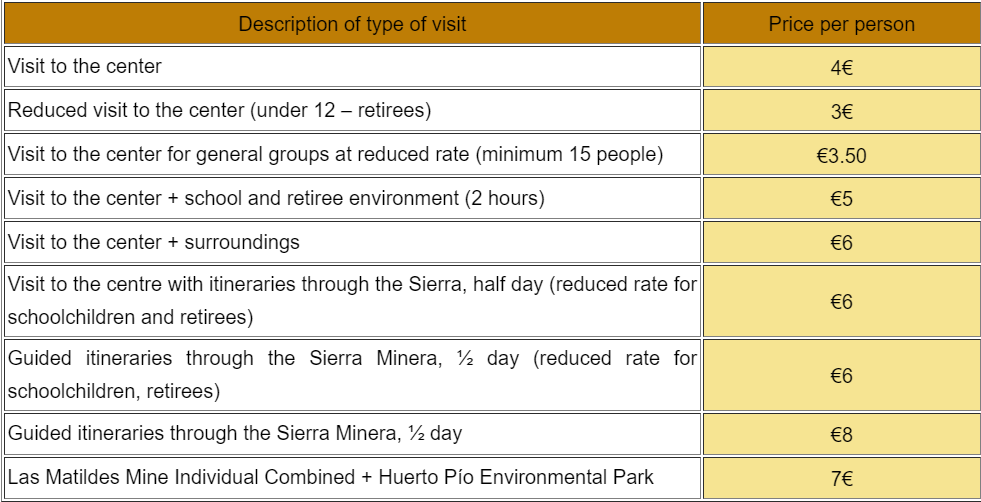
The center charges a symbolic fee exclusively to support the maintenance of it and cover the costs of guides and monitors.
They only accept cash or transfers, and the prices vary according to the chosen method. Below is the current price list:
Contact
If you need more information, you can contact the center directly:
Telephone Channels:
968 537 570 (during the center’s opening hours, from Thursday to Sunday)
968 540 344 (morning hours from Monday to Friday).
628 073 482
lasmatildes@fundacionsierraminera.org
Ecotourism and Cultural Tourism Services at the Las Matildes Mine

The Center also offers a variety of guided tours and excursions on foot, by vehicle, or by using the FEVE train between Cartagena and Sierra Minera. On these itineraries, you will find amazing landscapes, large mines, elements of industrial archaeology, and areas of great environmental interest with rich flora and fauna.
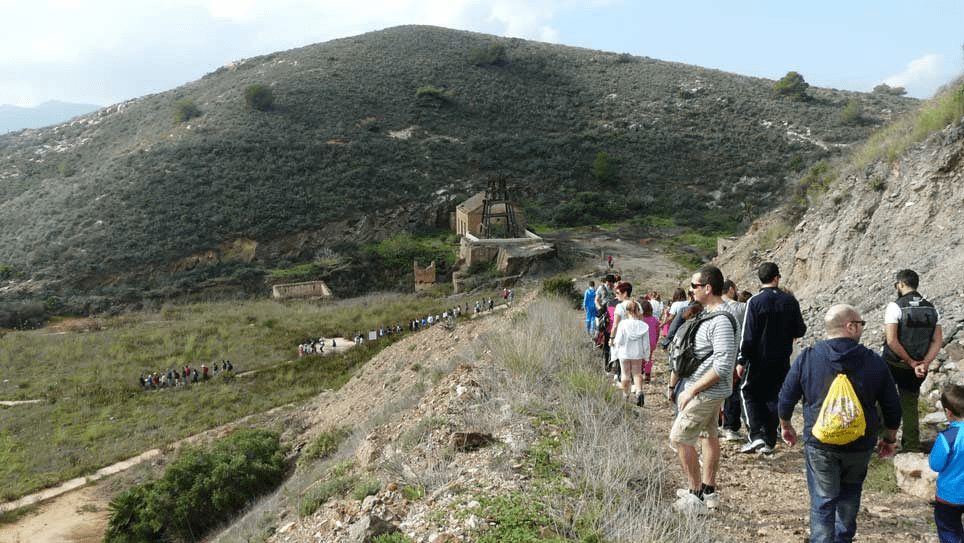
The mining and environmental routes open to the public are scheduled on weekends and last an entire morning. It is also possible to organize personalized tours for groups of at least 15 people, with half-day, full-day, or multi-day options adapted to the group’s interests.
Lots of History Involved
The Las Matildes Mine Interpretation Center exemplifies the municipality of Cartagena’s approach to preserving and promoting the Sierra Minera’s heritage and past. If you plan to visit Cartagena and enjoy learning about the area’s history, this center is definitely a great option!
Enjoy Your Private Paradise in Villa Murcia!

Looking for the perfect place to stay in Murcia? We’ve got just the spot for you!
Villa Murcia – Your Private Paradise
Wake up to coffee on a sun-drenched terrace, unwind in a warm jacuzzi after a day of exploring, and end your evenings with dinners in the summer kitchen. Nestled in charming Santiago de la Ribera, Villa Murcia offers more than just a holiday—it’s your personal oasis of comfort, style, and unforgettable moments.
Highlights:
✔ Spacious living room with a large sofa and open kitchen – perfect for shared memories
✔ Three elegant, air-conditioned bedrooms with private terraces – your peaceful retreat
✔ Extra fold-out sofa in the living room – ideal for additional guests
Whether it’s a romantic escape, a family getaway, or a relaxing break with friends – Villa Murcia is your dream stay.