


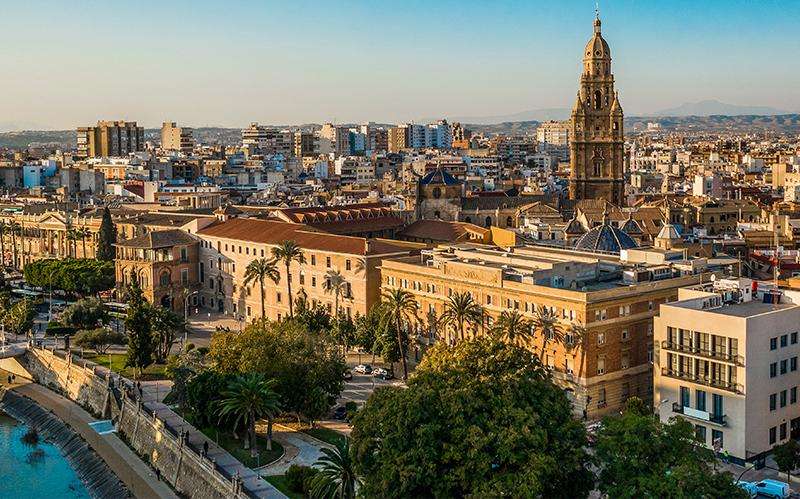
Nestled in the southeastern region of Spain, Murcia boasts a rich and diverse history that spans thousands of years. From its ancient Iberian roots through Roman conquest, Moorish rule, and Christian reconquest, Murcia has been a melting pot of cultures and civilizations. This vibrant region, known for its fertile lands and strategic location, has played a pivotal role in the broader historical narrative of Spain. In this article, we will delve into the captivating history of Murcia, exploring its evolution through different eras, the influence of various peoples who called it home, and the enduring legacy that continues to shape its identity today.
Murcia is a historic region and autonomous community of Spain located on the Mediterranean Sea. The oldest excavations testify to the existence of prehistoric civilizations as far back as 1.5 million years ago. By the time Scyphion of Africa conquered this land in 209 BC, Phoenicians, Greeks, and Carthaginians had settled there in succession. Murcia was a very important political and economic center in the Mediterranean, even in those days.
Table of Contents
- History of Murcia Through the Ages
- A Brief History
- Through the Ages
- Geography
- Summary
- Enjoy Your Private Paradise in Villa Murcia!
A Brief History
Murcia, a Muslim kingdom in Spain centered around the city of Murcia (Arabic: Mursīyah), appeared twice in history. The first time was in the 11th century after the Spanish Umayyad caliphate fell apart. The second time was in the 12th century during the Muslim resistance against the North African Almoravids.
The kingdom’s first ruler, ʿAbd ar-Raḥmān ibn Ṭāhir, declared independence in 1063. To keep up the appearance of unity with the Umayyad caliphate, he called himself a minister (ḥājib) instead of a king (malik).
For a while, Murcia served as a go-between for the Almoravids and the Castilians, but eventually, it sided with the Almoravids. In 1092, Almoravid caliph Yūsuf ibn Tāshufīn took control of Murcia, making it part of his empire. Unhappiness with Almoravid rule led to a rebellion in 1144 led by Abu Jaʿfar ibn Hud, which restored Murcian independence. The kingdom then joined with Valencia.
After 1168, Murcia came under the rule of the North African Almohads. Despite this, it maintained its own administrative system, which the Christian Castilians preserved almost without resistance when they took over the territory in 1243.
Through the Ages
The history of Murcia throughout the ages is broad and diverse. We’ll cover the most impactful events from the 3rd century BCE to modern times.
Pre-Roman and Roman Era
The region of Murcia has been inhabited since prehistoric times, with evidence of settlements dating back to the Paleolithic era. During the Bronze Age, the area saw the emergence of the Argaric culture, known for its advanced metallurgy and social organization.
In the 3rd century BCE, the southern Spain (Murcia region) became part of the Carthaginian territory before being conquered by the Romans during the Second Punic War. Under Roman rule, the area flourished as part of the province of Hispania Tarraconensis. The Romans introduced advanced agricultural practices, infrastructure such as roads and aqueducts, and urbanization, which laid the foundation for future development.
Visigothic and Islamic Period
After the fall of the Western Roman Empire, the Visigoths took control of the region in the 5th century. Their reign, however, was relatively short-lived as the Islamic Moors arrived in the early 8th century. In 825, Abd ar-Rahman II, the Emir of Córdoba, founded the city of Murcia. The Moors brought significant advancements in agriculture, introducing irrigation systems that transformed the landscape into fertile farmland.
Murcia became a thriving center of trade, culture, and learning under Muslim rule. The city was part of the Emirate and later the Caliphate of Córdoba, and it flourished during the period of the Taifa kingdoms following the fragmentation of the Caliphate in the early 11th century.
Christian Reconquest and Kingdom of Murcia
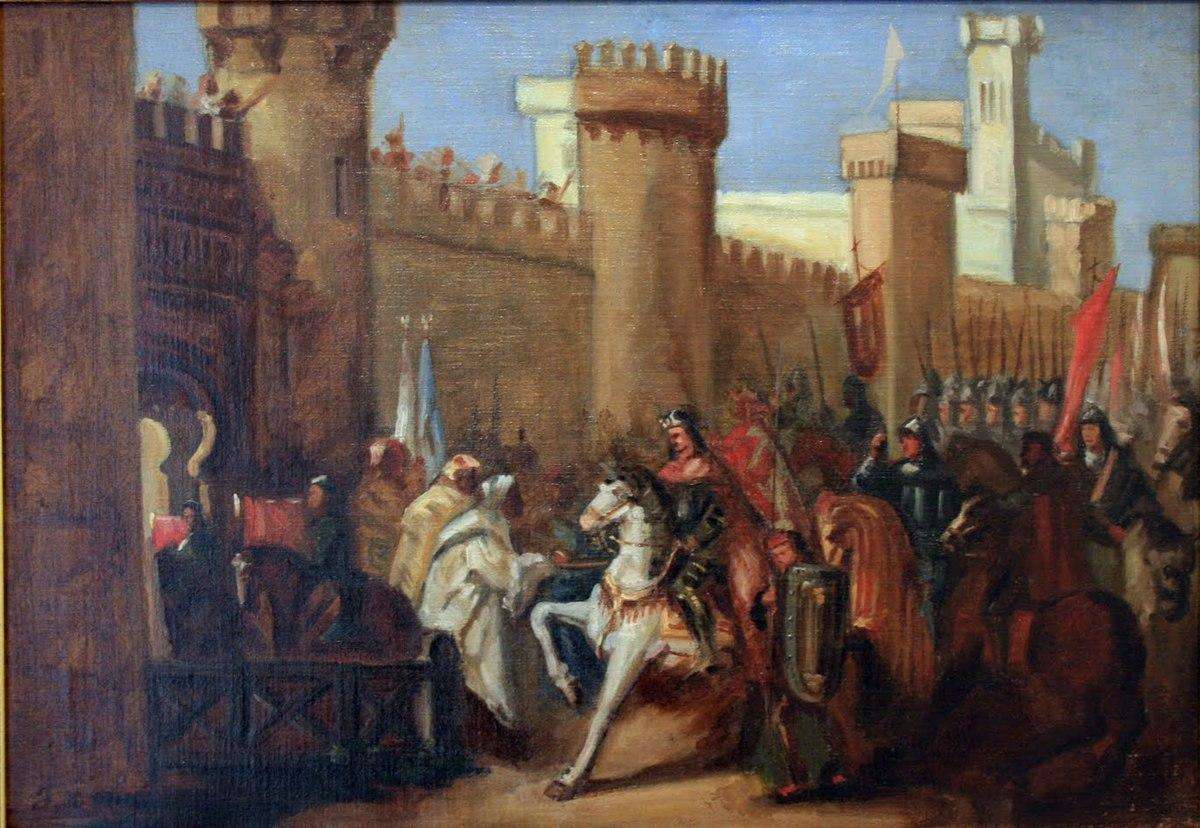

The Christian Reconquista reached Murcia in the 13th century. In 1243, the Kingdom of Castile, under King Ferdinand III, secured a treaty with the Muslim ruler of Murcia, making the city a protectorate. This agreement allowed for a relatively peaceful transfer of power. In 1266, Murcia was fully integrated into the Kingdom of Castile by King Alfonso X, who granted it a series of privileges to stimulate growth and development.
During the late Middle Ages, Murcia’s strategic location made it a vital link between the Christian and Muslim territories. The city became a hub for commerce and agriculture, producing silk, wool, and various fruits and vegetables that were exported across Europe.
Middle Ages

In 1520, the city of Murcia joined the revolt of the comuneros, which threatened the power of the young King Charles I. Under Philip II, Murcia’s troops, led by the Marquis of los Vélez, helped to suppress the second revolt of the Alpujarras. This led to the decline of Granada’s silk industry, allowing Murcia’s silk to become the new market leader.
The expulsion of the Moriscos from Spain, ordered by Philip III in 1609, also affected Murcia’s silk industry, similar to the earlier impact on Granada. The economic crisis that hit Castile in the seventeenth century also affected Murcia, which suffered from a plague epidemic in 1648 and a major flood of the Segura River in 1651.
In the early eighteenth century, Murcia played an important role in the War of the Spanish Succession (1701-1713). The city resisted a siege by pro-Austrian forces, helping secure the final victory for the Bourbons.
Early Modern Period
The 16th and 17th centuries brought both prosperity and challenges to Murcia. The region benefited from the agricultural boom, but also faced natural disasters such as floods and earthquakes. Additionally, the expulsion of the Moriscos in the early 17th century led to a significant decline in the population and labor force, impacting the local economy.
Despite these challenges, Murcia continued to grow. The construction of grand churches, monasteries, and public buildings during the Baroque period reflected its resilience and cultural vitality. The Cathedral of Murcia, with its stunning baroque façade, became a symbol of the city’s enduring spirit.
18th and 19th Centuries
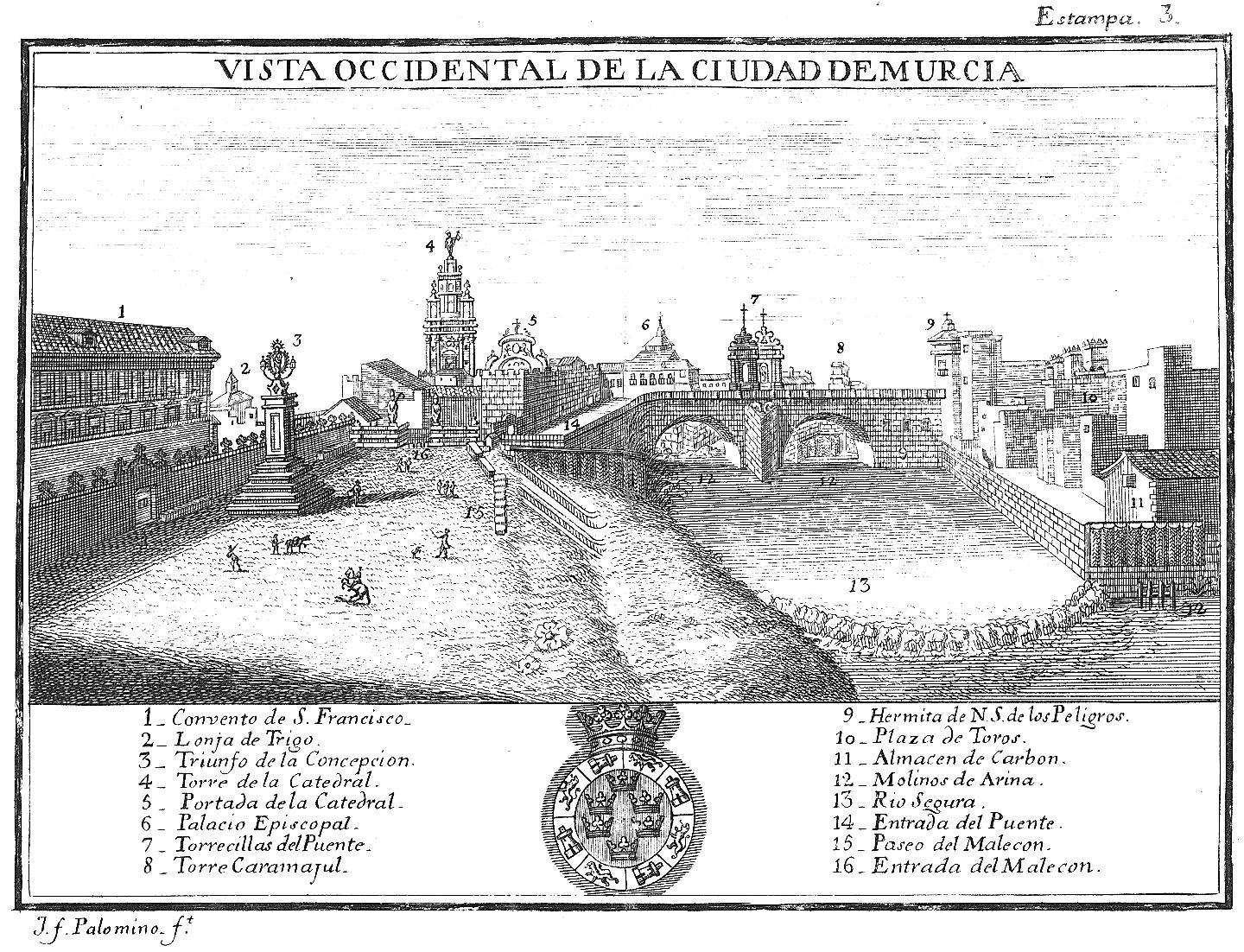
The 18th century was a period of reconstruction and growth for Murcia. The War of Spanish Succession and subsequent political stability under the Bourbon dynasty brought economic revival. Murcia expanded its agricultural output and developed new industries, including the production of silk, esparto grass products, and wine.
In the 19th century, Murcia, like much of Spain, experienced political upheaval and social change. The Peninsular War against Napoleonic France, followed by the Carlist Wars, brought periods of instability. However, the region also saw modernization efforts, including the construction of railways and improvements in infrastructure.
20th Century to Present
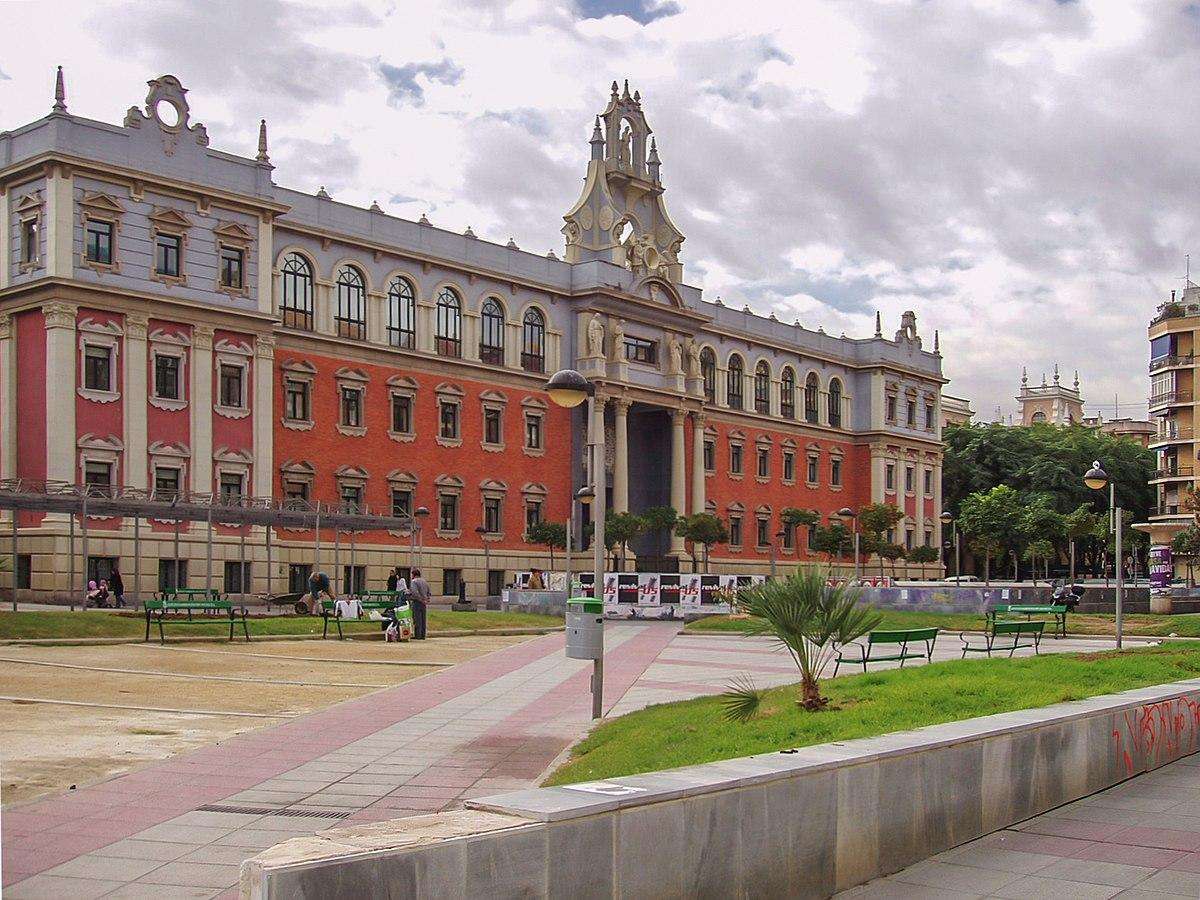
The 20th century was marked by significant transformation for Murcia. The Spanish Civil War (1936-1939) left deep scars, but the post-war period eventually led to modernization and economic development. The region’s agricultural sector remained crucial, but there was also growth in industry and tourism.
In recent decades, Murcia has become a dynamic and vibrant part of Spain. The region is known for its rich cultural heritage, beautiful landscapes, and thriving agricultural sector. The University of Murcia, founded in 1915, and numerous cultural institutions contribute to its status as a center of learning and culture.
Geography
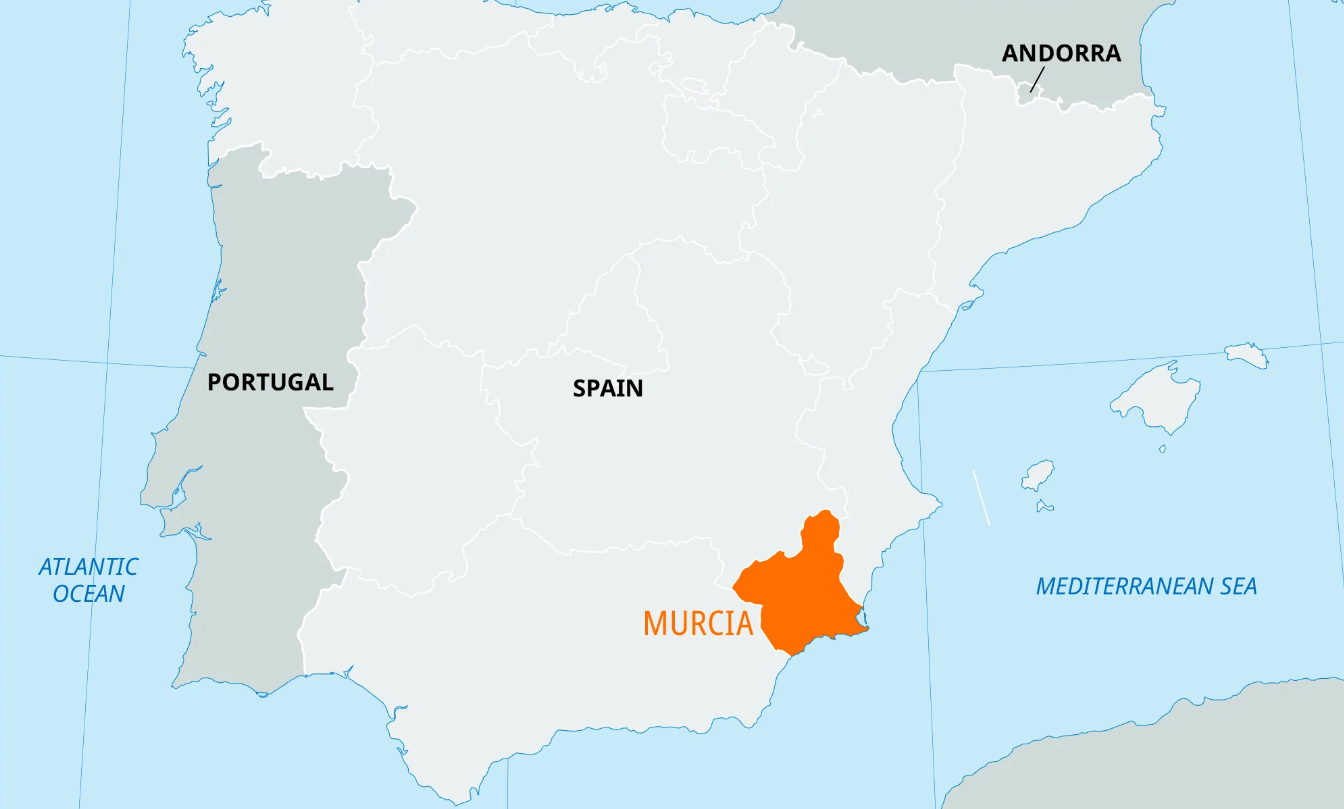
Murcia is situated near the heart of a low-lying, fertile plain known as the huerta, or orchard, of Murcia. The Segura River and its right-hand tributary, the Guadalentín, traverse this area. The city stands 43 meters (141 feet) above sea level, and its municipality confines approximately 882 square kilometers (341 square miles).
The orchard is the most renowned and dominant feature of the municipal landscape. Beyond the orchard and urban areas, the municipality comprises various landscapes: arid badlands, groves of Carrasco pine trees in the pre-coastal mountain ranges, and a semi-steppe region to the south. Additionally, a large natural park, the Parque Regional de Carrascoy y el Valle, is located just south of the city.
River Segura
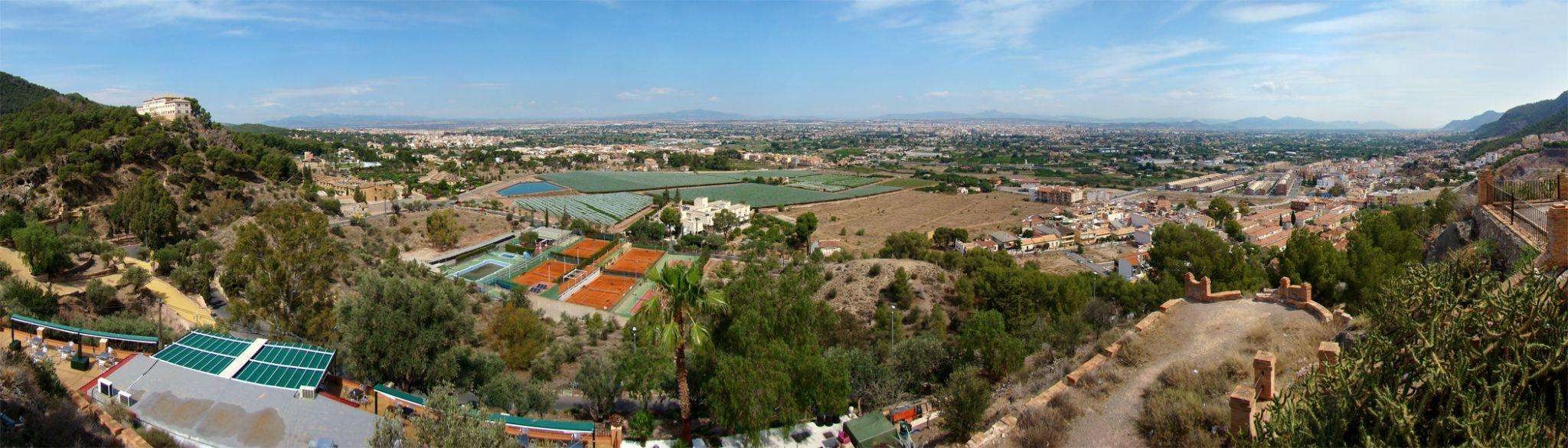
The Segura River traverses an alluvial plain known as the Vega Media del Segura, which is part of a Mediterranean pluvial system. Flowing from west to east, the river cuts through the heart of the city. Although its volumetric flow is typically modest, the Segura is notorious for occasional flooding. Notable instances of severe inundation in the city occurred in 1946, 1948, 1973, and 1989.
Mountains
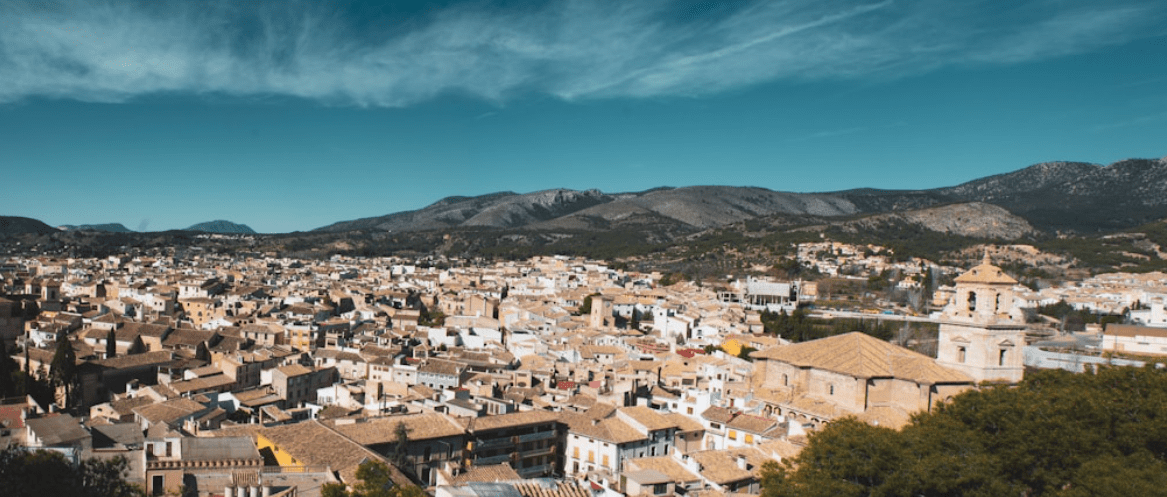
The Segura River Valley is flanked by two mountain ranges: the hills of Guadalupe, Espinardo, Cabezo de Torres, Esparragal, and Monteagudo to the north, and the Cordillera Sur to the south. The municipality is bisected into southern and northern zones by these mountain ranges. The Cordillera Sur, comprising Carrascoy, El Puerto, Villares, Columbares, Altaona, and Escalona, separates these zones. The southern zone is known as the Field of Murcia, while the northern zone, encompassing the Segura Valley, is referred to as the Orchard of Murcia. Near the center of the plain, the steep hill of Monteagudo rises dramatically.
Genealogy
Many Murcians left the region during the 1800s and 1900s due to the destruction left by the wars that occurred there. As a result, Murcian heritage can now be found across various countries in North, Central, and South America.
Notably, the influence of Murcian heritage is present in the southern United States, Mexico, Central American countries, South American countries, and the eastern Caribbean. These areas were among the most successful for Spaniards seeking new lives in the New World.
Consequently, many Murcians emigrated to these regions and established new families, whose descendants continue to reside there today.
Immigration and Migration
After the Napoleonic Wars in the 1800s, Murcia suffered significant devastation. The French caused extensive damage and destruction, leaving the region poor.
Many men left Murcia to seek better opportunities in more affluent parts of Spain. When this was not feasible, they ventured to the New World in the western hemisphere in search of a better life. Common destinations included the southern United States, Central America, South America, and the eastern Caribbean islands.
A second wave of emigration occurred after the Spanish Civil War. Although the coastal town of Cartagena remained largely untouched, the rest of Murcia suffered greatly. Thriving industries were destroyed, leaving many without jobs and prompting another exodus. Murcians sought opportunities in neighboring Spanish territories and areas in the western hemisphere to rebuild their lives.
Religion
Roman Catholicism is the predominant religion in the region of Murcia, largely due to the strong Roman influence throughout its history and the impact of the Christian Reconquest.
Islam was practiced for centuries during the Muslim invasion. Without the Christian Reconquest, Islam might still be a primary religion in the region today. However, the Reconquest successfully expelled the Muslims and re-established Christianity as the dominant faith.
Summary
Murcia’s history is a testament to its resilience and adaptability through the ages. From ancient civilizations to modern times, the region has continuously evolved, shaped by diverse influences and historical events. Today, Murcia stands as a vibrant reminder of Spain’s complex and rich history, offering a unique blend of cultural and historical experiences.
Enjoy Your Private Paradise in Villa Murcia!

Looking for the perfect place to stay in Murcia? We’ve got just the spot for you!
Villa Murcia – Your Private Paradise
Wake up to coffee on a sun-drenched terrace, unwind in a warm jacuzzi after a day of exploring, and end your evenings with dinners in the summer kitchen. Nestled in charming Santiago de la Ribera, Villa Murcia offers more than just a holiday—it’s your personal oasis of comfort, style, and unforgettable moments.
Highlights:
✔ Spacious living room with a large sofa and open kitchen – perfect for shared memories
✔ Three elegant, air-conditioned bedrooms with private terraces – your peaceful retreat
✔ Extra fold-out sofa in the living room – ideal for additional guests
Whether it’s a romantic escape, a family getaway, or a relaxing break with friends – Villa Murcia is your dream stay.