


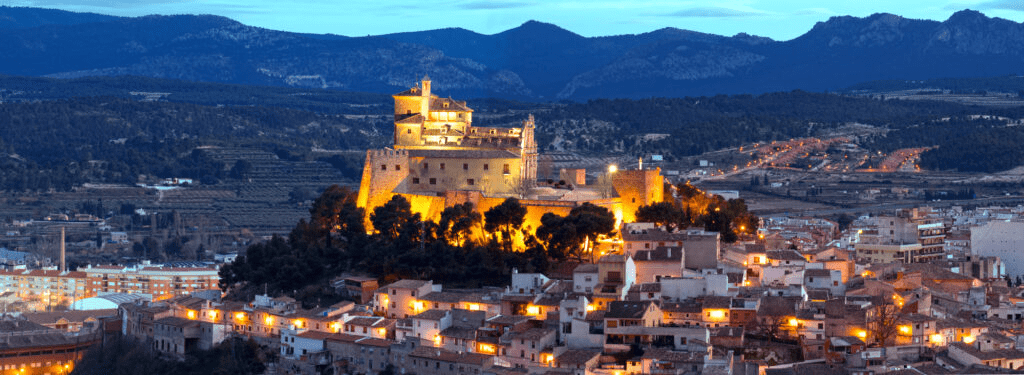
In a mountainous area northwest of the Autonomous Community of Murcia, Spain, lies Caravaca de la Cruz, an important municipality for the region due to its Catholic cult, culture, famous festivals, medieval layout, and imposing walled enclosure. The town located on the border of Murcia, is guarded by castles, churches, myths, and a lot of religion. Today, we will tell you more about this incredible and historic city.
Table of Contents
- Caravaca De La Cruz: Historical Treasure in the Heart of Murcia
- A Historic City
- Famous Fiestas In The City
- Tourist Attractions Not To Be Missed!
- Enjoy Your Private Paradise in Villa Murcia!
- A Beautiful Place To Visit
A Historic City
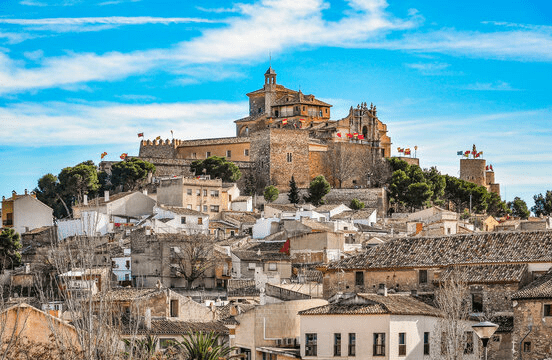
The city has a rich history linked to Christianity and Christian Recovery. It is famous for the Cross of Caravaca, a sacred relic that, according to tradition, appeared miraculously in the fortress of Caravaca in 1232. This event is central to the city’s religious identity, and the “Holy Cross” is venerated as a symbol of protection and miracles. This legend led to the construction of the city’s main monument in the northeast of Murcia, the “Chapel of La Vera Cruz.”
During the Middle Ages, Caravaca was an important fortress on the border between the Christian and Muslim kingdoms. The city passed into the hands of the Order of the Temple and, after its dissolution, became part of the territories administered by the Order of Santiago. The city’s fortress, which initially had Islamic origins, was adapted by Christians over the centuries.
During the Spanish Civil War in 1934, the original relic of the Cross of Caravaca was stolen, an event that is still shrouded in mystery and conspiracy theories. Later, in 1942, Pope Pius XII sent two fragments of the True Cross to replace the lost relic, which is now housed in the Basilica of the True Cross in Caravaca.
The city has been a place of reference for the Catholic Church since 1998, during the papacy of Pope John Paul II. Caravaca is considered one of the five holy cities of this religious denomination, as it celebrates the Perpetual Jubilee Year (Holy Year) every seven years around the Holy and True Cross (the four other cities are Santiago de Compostela, Santo Toribio de Liébana, Rome, and Jerusalem). The first of these took place in 2003 and was visited by Cardinal Ratzinger, who was later elected Pope by Benedict XVI. Due to this circumstance and the municipality’s name, it is also known as the “City of the Cross” (the holy town).
Understand the Myth of The Holy Cross
The whole tale says that in 1231, some prisoners arrived in the city, with a priest named Ginés Pérez Chirinos among them. Then, Moorish King Abu Zeid ordered this priest to celebrate a mass.
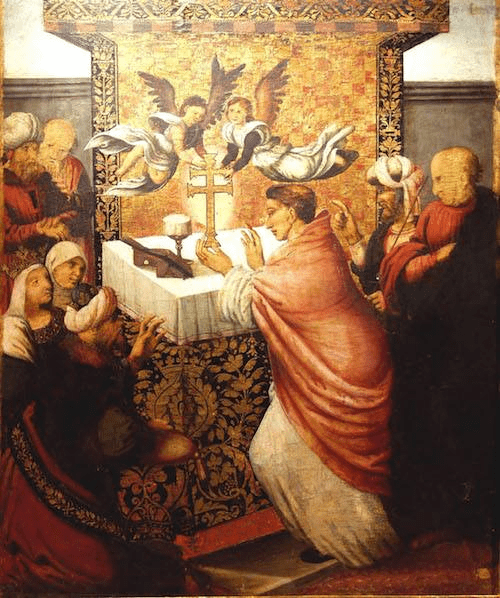
The mass was interrupted because there was no crucifix on the altar. At that moment, two angels appeared on the altar carrying a two-armed cross to the priest held prisoner. Faced with this miraculous apparition, the Arabs who were there ended up converting to Christianity. Nowadays, replicas of this Caravaca Cross are used as amulets, providing protection against all types of evil, protecting the home and its inhabitants, warding off negative energies, and bringing prosperity.
Famous Fiestas In The City
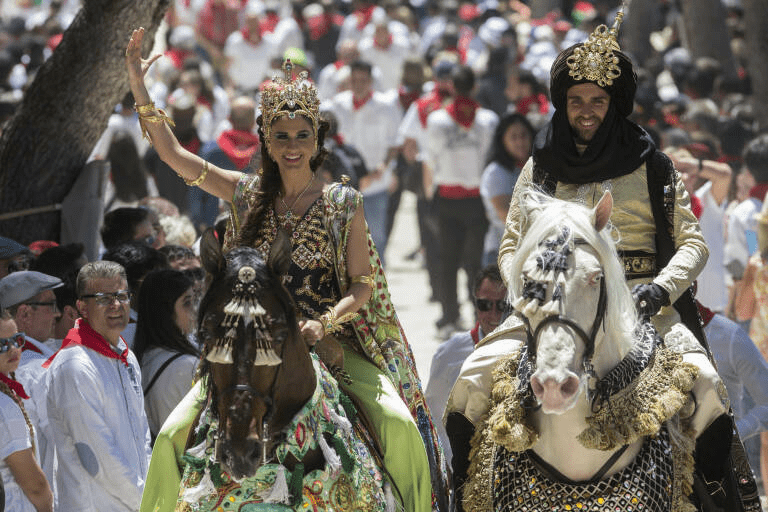
The city is particularly popular in May (normally the first week) when it celebrates the Patron Saint Festival of the Holy and True Cross. This festival recreates the city’s medieval and religious past with events, processions, and parades of Moors and Christians.
These festivities, recognized as being of International Tourist Interest, consist of events celebrating the city’s medieval and religious past. I was in the town at this time, and here are some of the most notable events:
Flower and Wine Horse Parade
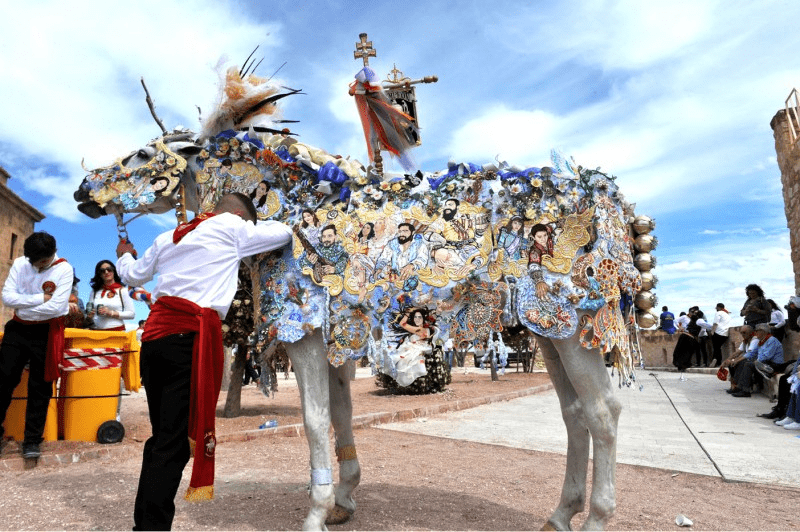
The festival begins with a floral offering to the Holy Cross in the Basilica of the True Cross. On the 2nd day, the highlight is the “Wine Horses,” where horses are adorned with richly embroidered cloaks and participate in an exciting race to the castle. This race is an impressive visual spectacle and celebrates a tradition from the medieval period. The tradition is linked to a legend that tells the Christians who were besieged in the fortress by the Arabs and managed to break the siege and search for water. When they failed to find any water, they returned to the fortress with the wineskins on their horses filled with wine.
Moros y Cristianos
This event recreates the historical battles between the Moors and Christians, with parades that include elaborate costumes and dramatic representations of combat. It was one of my favorite days; it was exciting to see the homage to the historical battles throughout the city, representing both cultures meeting and confronting each other.
Visits and Christian Processions
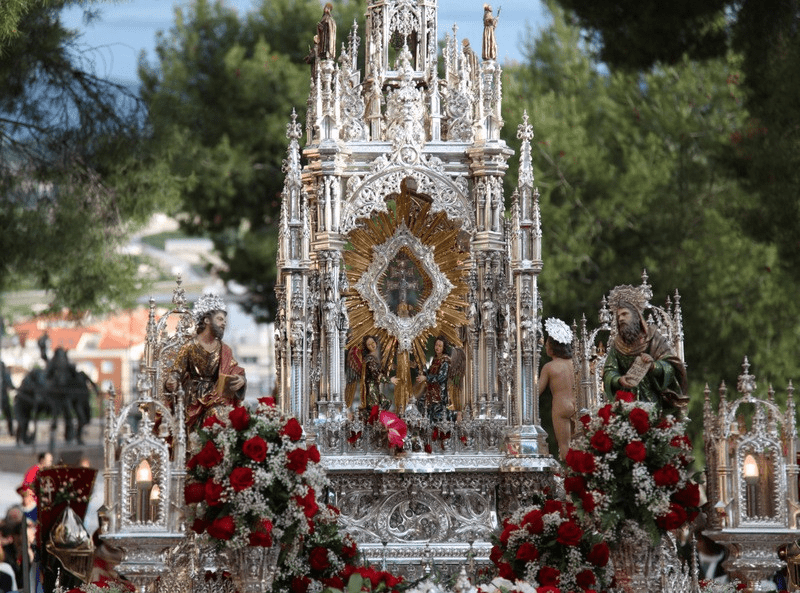
During these days, the Cross of Caravaca visits different locations in the city, including the procession along Gran Vía, where locals and Christians parade in traditional costumes. On the last day, a solemn procession returns the Cross to its church, ending the festivities with a fireworks display.
Tourist Attractions Not To Be Missed!
There are countless tourist options in the city. Here I will mention some of the most famous and the ones I enjoyed visiting the most.
City Centre
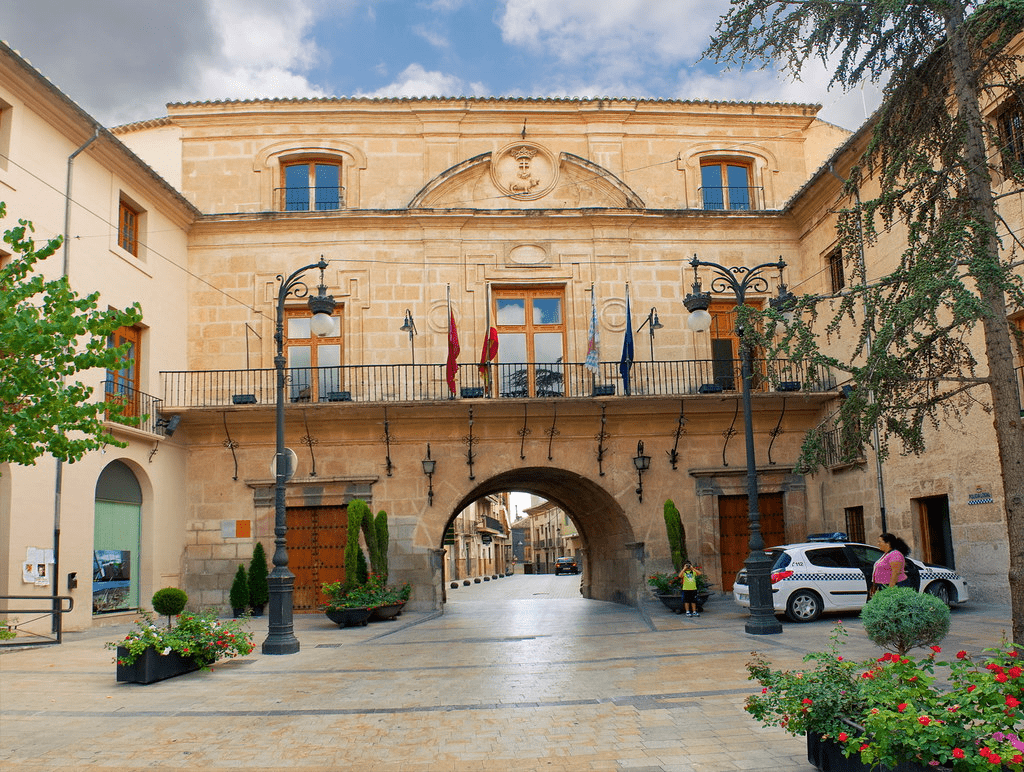
In the historic center of Caravaca de la Cruz, there is a beautiful square that is the city’s true heart. This is where the most important events in Caravaca are held, always with a great atmosphere and several terraces that invite us to sit and enjoy its beauty and atmosphere. This is the Plaza del Arco, the vital center of Caravaca and home to the Town Hall building, which dates back to the 18th century.
Declared an Asset of cultural interest, this square is next to the oldest part of Caravaca and is the epicenter of urban administration, civil government, and commercial activity. The center is also ideal for finding the best places to try local cuisine and go shopping. Within the gastronomy of Caravaca, some exquisite orange delicacies called Yemas de Caravaca stand out. If you want a gastronomic tip, my one is to try this delicious sweet!
Castle of Caravaca de la Cruz
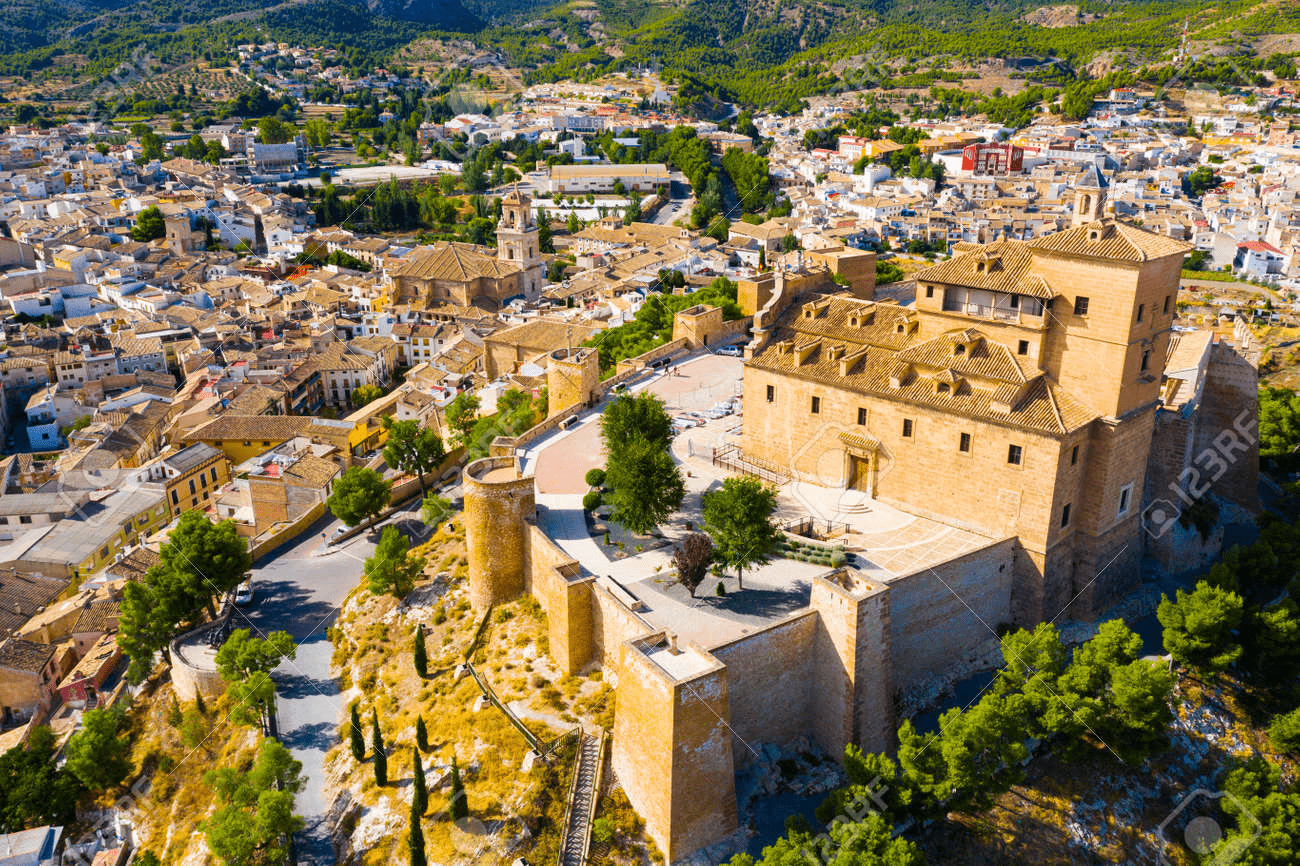
The Castle of Caravaca de la Cruz offers one of the most spectacular views I have ever seen. The fortress has a rich and varied history, with origins dating back to the Islamic era. During the 12th and 13th centuries, the area was controlled by the Muslims, who built the original fortification.
After the Christian reconquest, the fortress passed to the Knights Templar and, later, to the Order of Santiago. The Castle has undergone several changes over the centuries, but despite this, it still maintains elements of its defensive function, such as the “parade ground” and the cisterns. The fortress is surrounded by an elliptical wall with fourteen towers of different sizes and shapes, some square and others circular, which offer panoramic views of the city of Caravaca, the orchards of the Argos River Valley, and the pine and holm oak forests.
Basílica-Santuario de la Vera Cruz
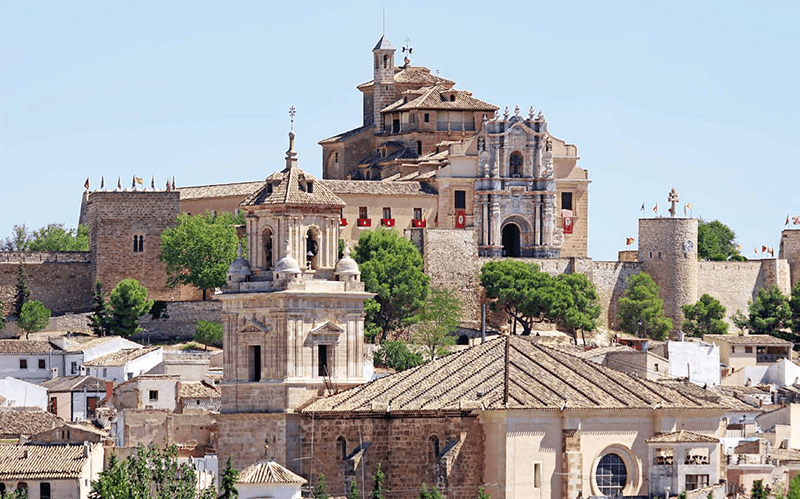
This is the spiritual heart of Caravaca de la Cruz, where the famous relic of the “True Cross” is located. It is a fragment of the cross on which, according to tradition, Jesus Christ was crucified.
The space has an interesting Holy Art and History Museum. Since the relic is permanently supervised, and you are not allowed to take photos of the cross, you will carry this image in your memory only.
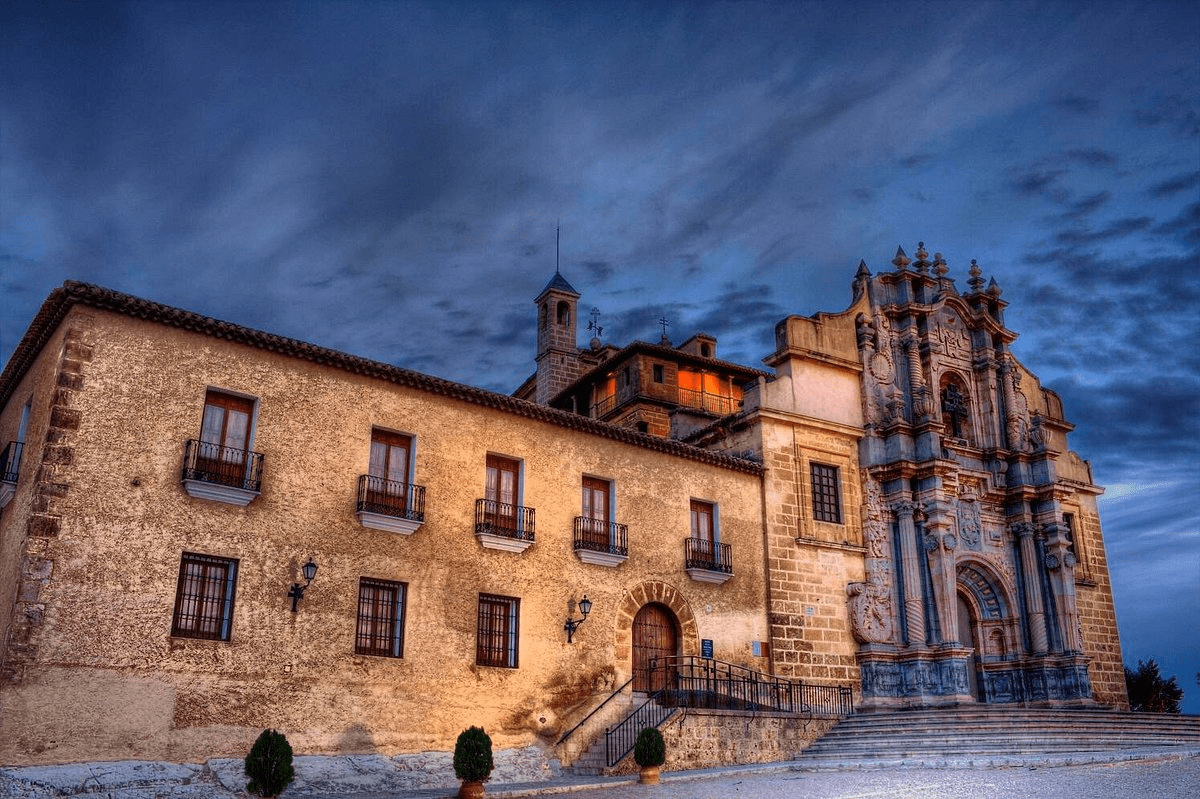
The sanctuary, with a luxurious façade made of red marble excavated from the region, is located next to the Castle of Caravaca de la Cruz, inside the Real Alcázar. This ancient historic fortress has 14 towers of different shapes and sizes. The Knights Templar once controlled it and was later administered by the Order of Santiago. The place is splendid, simply wonderful.
The magnificent interior of the basilica is richly decorated with religious works of art. The sanctuary has free entry, but the Museo de la Vera Cruz, which is located inside it, has a charge. It is the most famous tourist spot in the city but not the only religious monument in Caravaca. Below, I will mention the ones I liked the most.
Iglesia de El Salvador
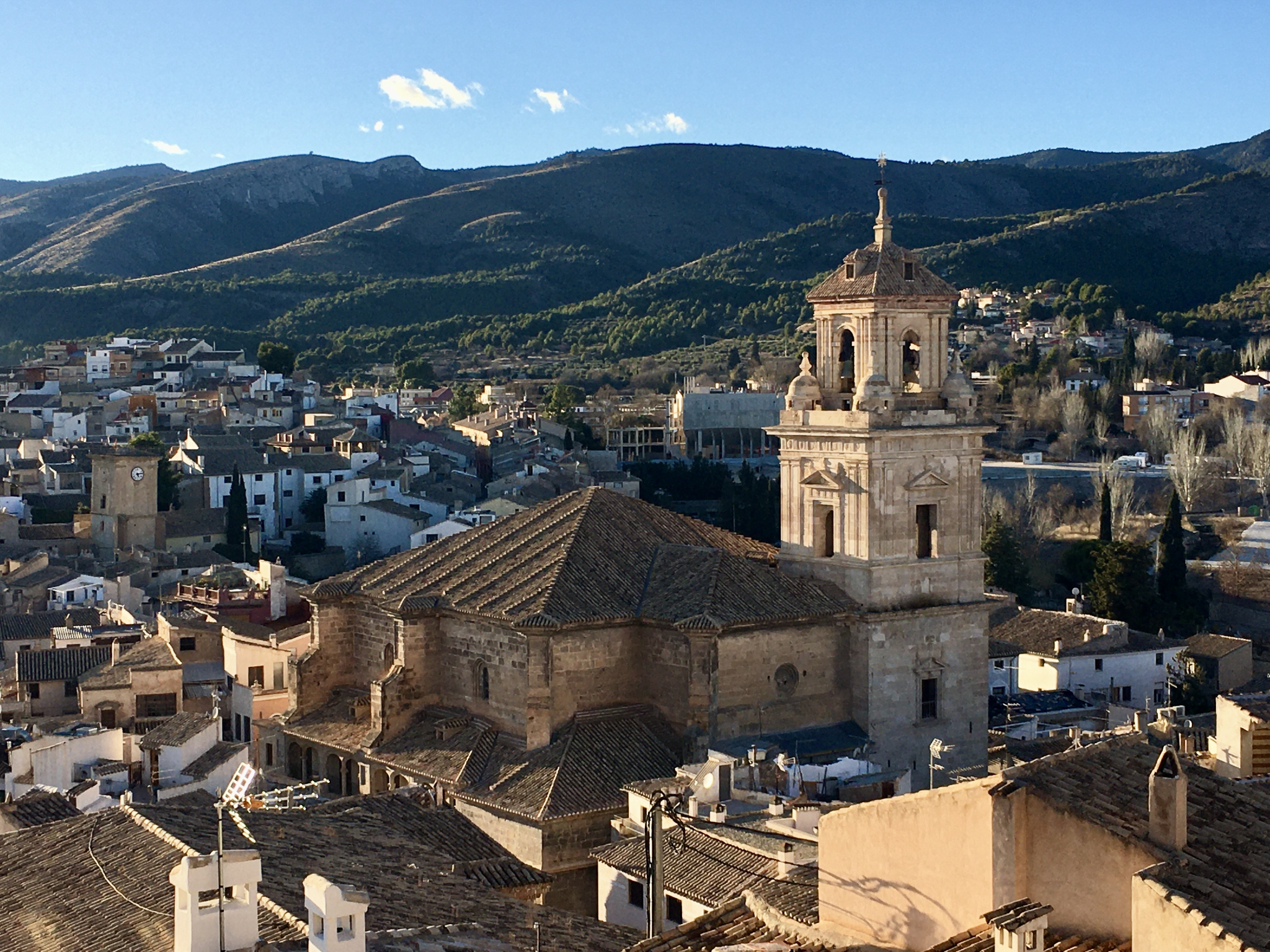
Another church worth visiting for religious people is the Cathedral of Caravaca. A fine example of Renaissance architecture, this original parish church was built between the 16th and 17th centuries. The church is notable for its plateresque façade and impressive interiors, including a magnificent main altarpiece. It is considered a very important monument in Caravaca.
The Convent Of Santa Clara
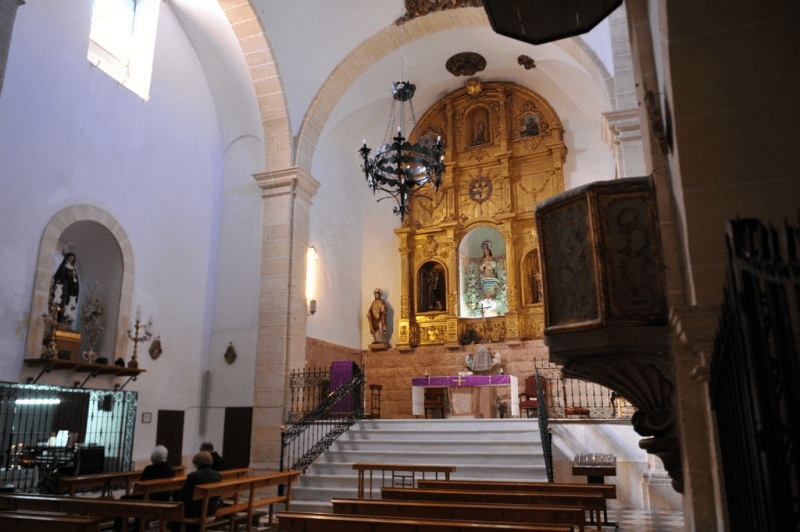
It is a place very little visited by tourists in the region, but which I loved. A small convent in the city center, in Calle de las Monjas, was founded in 1609 by Catalina de Robles and Ginés de Perea. Construction of the convent began in 1608 on the remains of an old chapel dedicated to Saint Bartholomew. The Order of the Poor Clares runs this convent, which stands out for its simple and elegant architecture, typical of the Baroque style.
The most incredible thing is being in such a discreet space full of centuries in history. Its atmosphere is serenity, providing a space for contemplation and prayer for the religious.
La Soledad Archaeological Museum
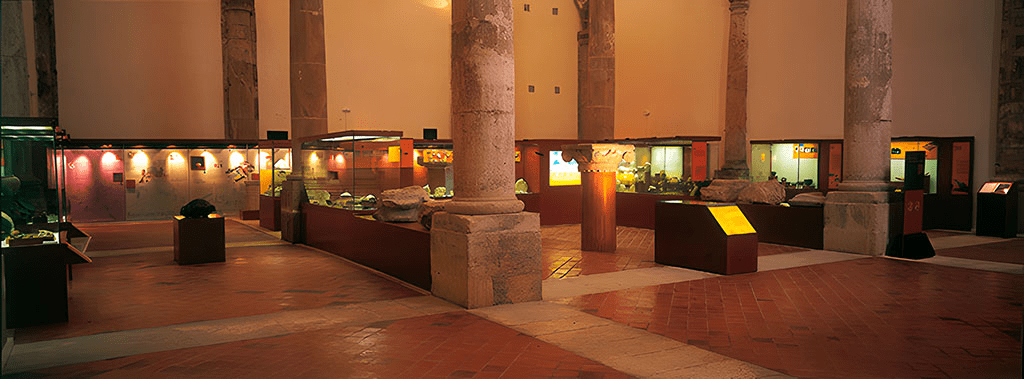
Located in a former convent, the museum displays a vast collection of archaeological artifacts from the region, from prehistoric times to the medieval era. It offers a detailed insight into the rich history of Caravaca and its surrounding area.
Cavallos del Vino Museum
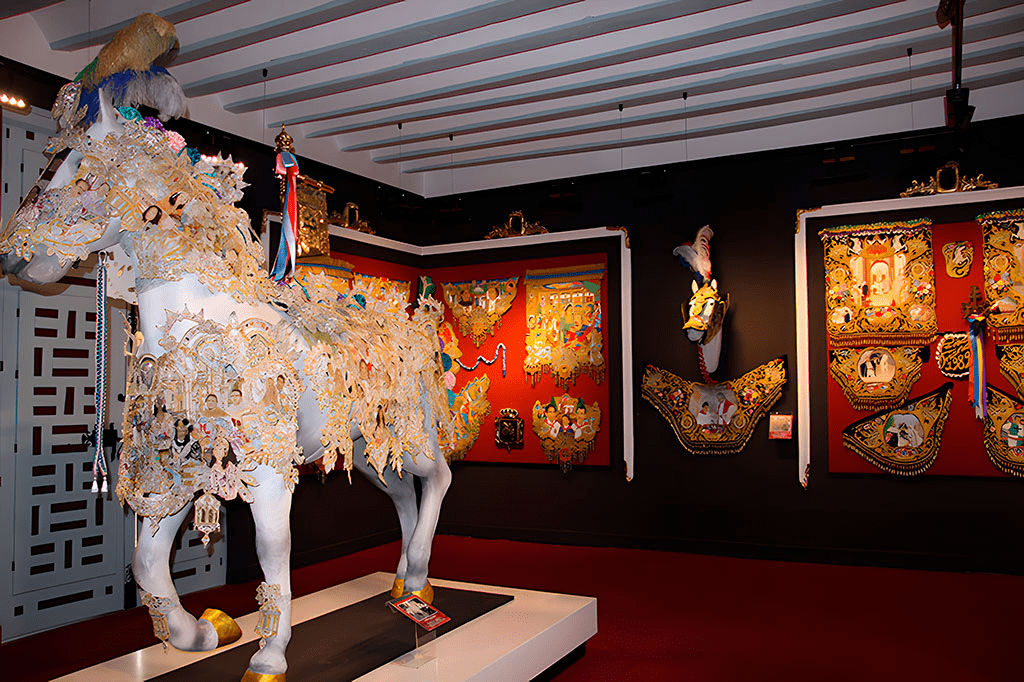
This museum is dedicated to the famous “Los Caballos del Vino” festival, a traditional celebration unique to Caravaca.
At the museum, visitors can explore a collection of historical objects, costumes, embroidered cloaks, and other items related to the Cavallos del Vino celebration. The collection includes everything from old photographs and documents to the luxurious cloaks worn by the horses during the festival, highlighting the skill and dedication of local artisans.
Las Cuevas del Marqués (Fuentes Del Marqués)
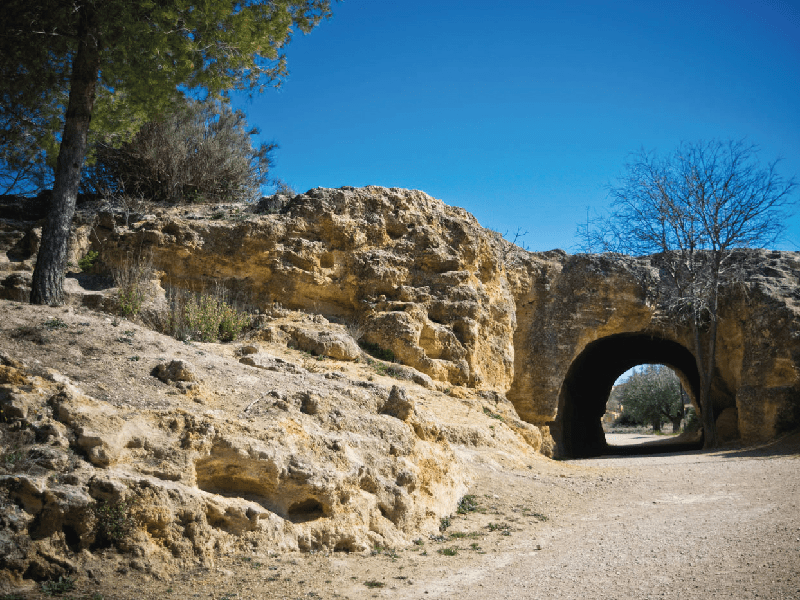
Located just over two kilometers from the inner city of Caravaca de La Cruz, you will find natural springs of crystal clear water and a wealthy area with wildlife that has an undeniable charm for those looking to relax. In addition, there is an old Templar Tower (Torreón de los Templarios), which, according to legend, functioned as an outpost of defense against the Muslims in the Middle Ages. Today, this historic site is home to the Nature Interpretation Center.
Enjoy Your Private Paradise in Villa Murcia!
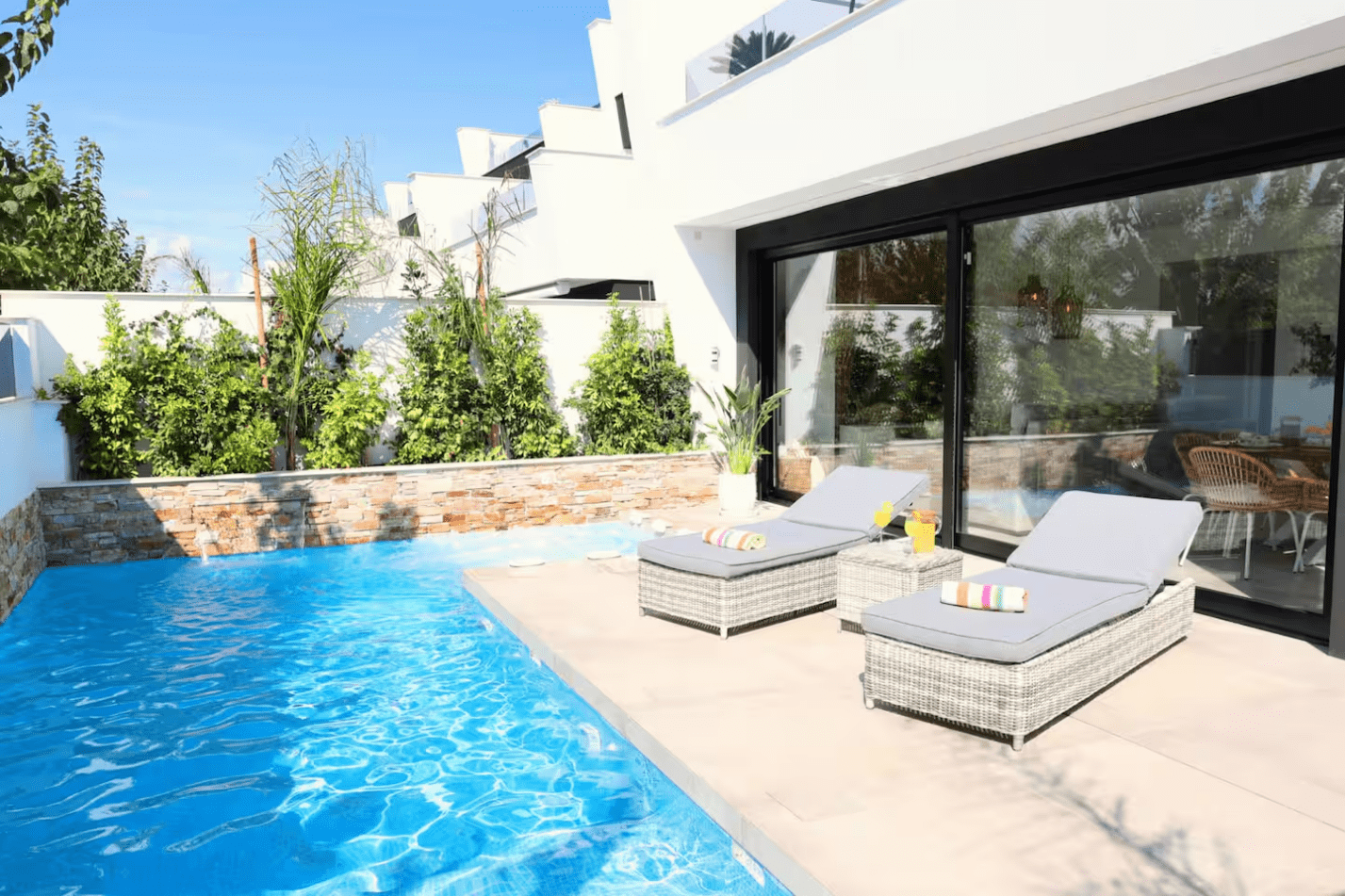
Looking for the perfect place to stay in Murcia? We’ve got just the spot for you!
Villa Murcia – Your Private Paradise
Wake up to coffee on a sun-drenched terrace, unwind in a warm jacuzzi after a day of exploring, and end your evenings with dinners in the summer kitchen. Nestled in charming Santiago de la Ribera, Villa Murcia offers more than just a holiday—it’s your personal oasis of comfort, style, and unforgettable moments.
Highlights:
✔ Spacious living room with a large sofa and open kitchen – perfect for shared memories
✔ Three elegant, air-conditioned bedrooms with private terraces – your peaceful retreat
✔ Extra fold-out sofa in the living room – ideal for additional guests
Whether it’s a romantic escape, a family getaway, or a relaxing break with friends – Villa Murcia is your dream stay.
Book now and experience the magic of the Spanish sun!
A Beautiful Place To Visit
The truth is that Caravaca de La Cruz is a place rich in history. Wherever you go, you will find new insights and beautiful buildings. I could spend hours here and mention many other places I visited, such as the Church of La Encarnación, the medieval chapel of La Purísima, and the oriental-style relic of the Holy See, symbols of worship and faith in the city.
I also loved seeing the species of trees, such as Canary Island pines and holm oaks, that adorn the steep slopes around the city.
Another highlight was walking through the narrow streets, where I discovered the carved red marble and Arabic tiles that decorate the houses and churches. Still, the truth is, words can’t describe the beauty of this place –you just have to see it yourself. If you ever visit Spain, be sure to put this cultural center on your list!