


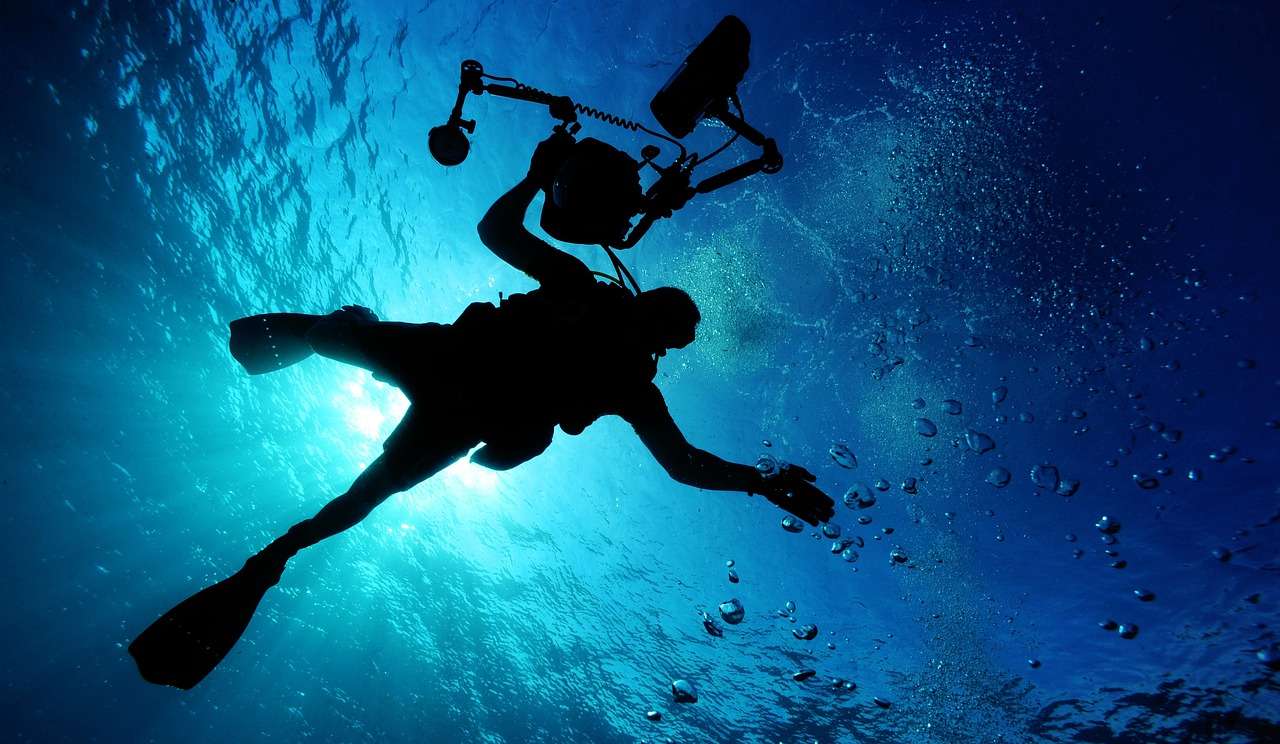
Diving offers a truly one-of-a-kind experience. Beneath the surface lies a whole new world to discover, brimming with astonishing shapes, colors, and textures. It’s a chance to immerse yourself in the marine paradise that’s often depicted in films and photographs, but nothing compares to experiencing it firsthand.
One of the most fascinating regions for scuba diving lovers looking to dive in Europe is the coast of Cabo de Palos, located in Murcia, a city in southeastern Spain. There are countless areas and regions where the activity can be carried out in the region, for all types of professionalism levels in the sport, from amateurs to experienced divers.
In this article, we will explore “Bajo de Fuera,” one of the most attractive diving sites in the region, due to its wonderful geographical features, rich marine life, and historic shipwrecks.
Table of Contents
- Bajo De Fuera: An Underwater Paradise To Scuba Diving
- Understand The Region
- Diving Conditions In The Islas Hormigas Marine Reserve
- Characteristics
- Finding Dive Centers
- Bajo De Fuera: A Paradise Underwater
- Enjoy Your Private Paradise in Villa Murcia!
Understand The Region
Bajo de Fuera is located in one of the best-protected areas in Spain and around the world: the Marine Reserve of Hormigas Islands, in Cabo de Palos.
Cabo de Palos
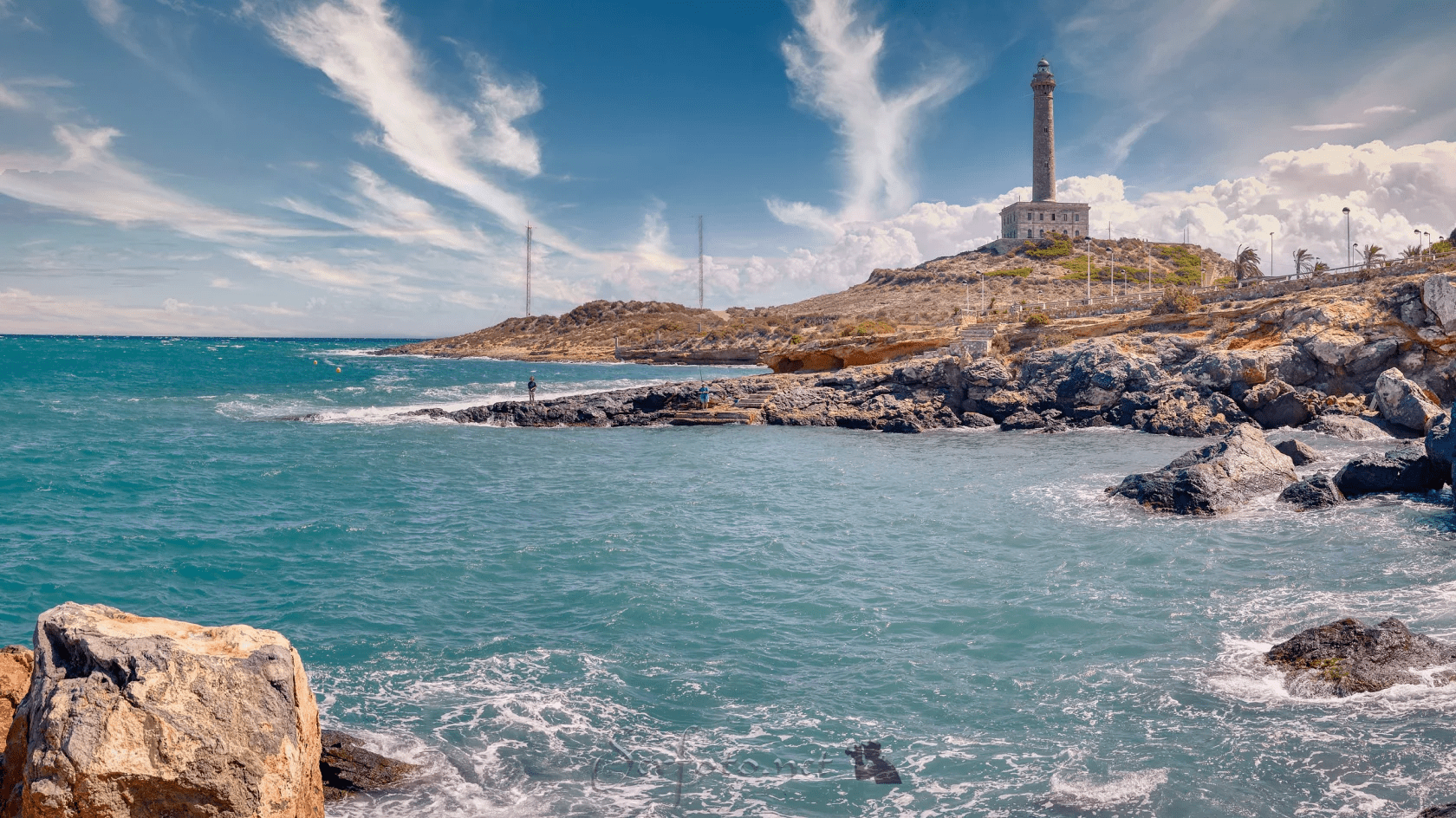
Image credit: TuPaisaje.com
Cabo de Palos is located between La Manga del Mar Menor and the Spanish city of Cartagena. With a history of human habitation dating back thousands of years, this place continues to attract tourists, many of whom are attracted by its numerous diving centers. Its coastal location, between the Mediterranean Sea and the Mar Menor, is one of its main attractions, offering a variety of beaches ranging from small rocky coves to long stretches of golden sand, all bathed by the clear, warm waters of the central Mediterranean.
Islas Hormigas Marine Reserve
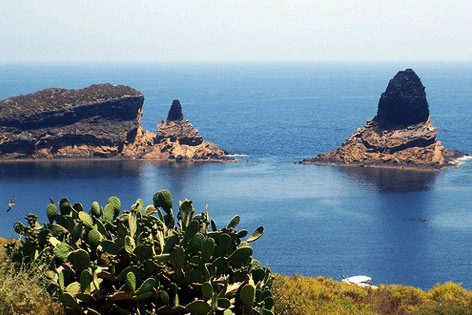
Image credit: universomarino.com
About two nautical miles off the coast of Cartagena, in front of Cabo Palos, there is a group of small islands called Hormigas, the largest of which is 200 meters long and 13 meters high.
Islas Hormigas Marine Reserve is the region between the islands and Cabo de Palos. The reserve covers a total area of 1,898 hectares and is a marine biodiversity protection zone.
The Marine Reserve is comprised of a series of underwater mountains and diverse shoals, each reaching different depths near the surface. Within this reserve lie numerous archaeological sites, formed by a combination of sandbars and extensive shallow areas surrounding the islands. Over centuries, these sites evolved due to intense maritime traffic passing near the islands.
Due to its volcanic composition, the reserve area gains recognition as the best place to dive in the Mediterranean. It contains numerous caves, cuts, and holes that create an ideal habitat for a wide range of marine life in the surrounding waters. The currents that reach the region and the Posidonia meadow that surrounds it contribute to making it one of the most biodiverse areas in the Mediterranean, offering divers a unique experience of underwater exploration.
Diving Conditions In The Islas Hormigas Marine Reserve
The area is ideal to dive in all seasons because it has excellent temperatures throughout the year, ranging from 14ºC in winter to 25ºC in summer.
Divers will enjoy a comfortable and safe experience with exceptional visibility and warm waters. I visited the region in August, during the summer, and I can say that the adventure was amazing!
Bajos: Underwater Mountains
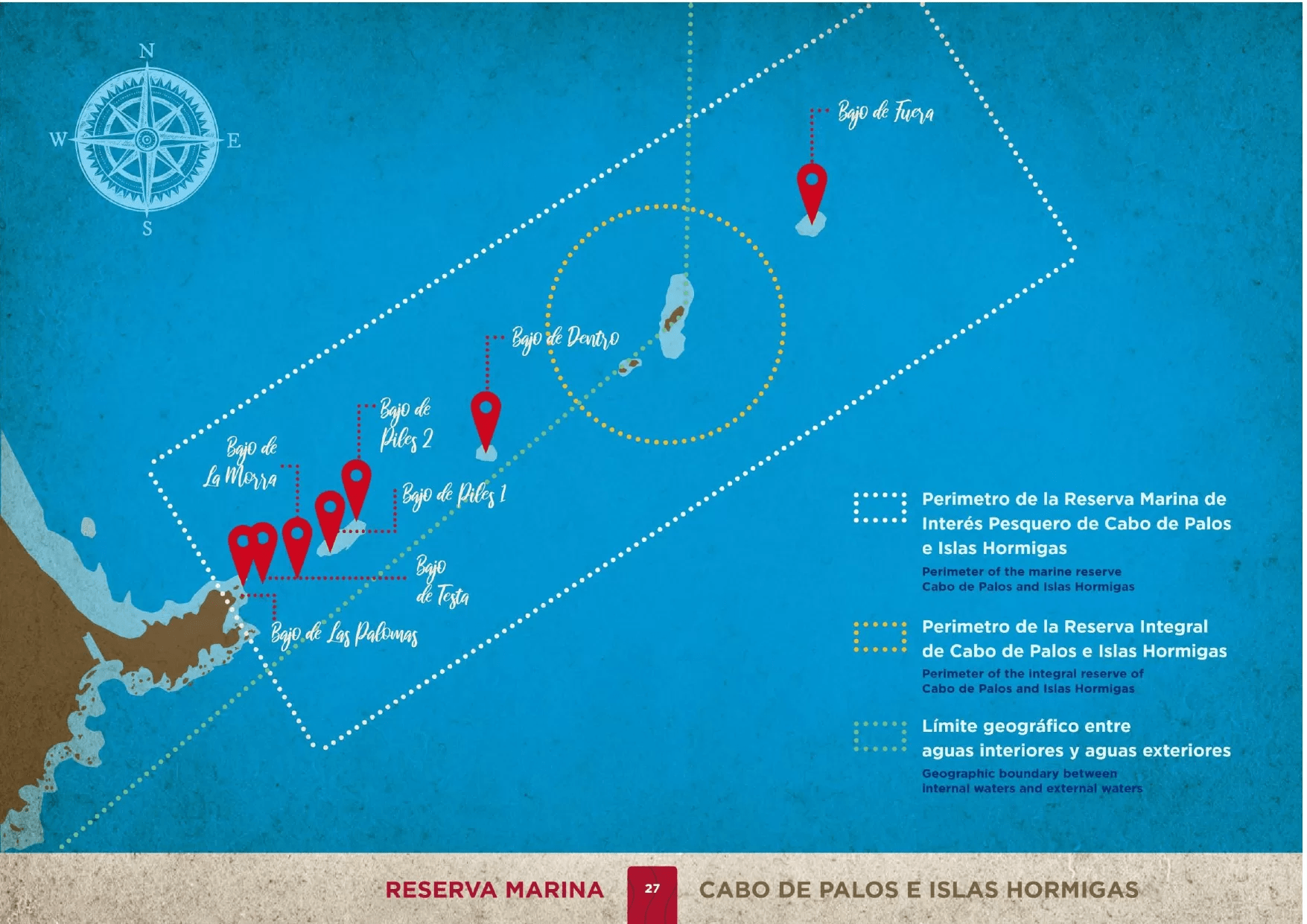
Image Credit: Adventure Divers Spain
The Islas Hormigas Marine Reserve area has “Bajos,” which are submarine mountains with different surfaces and depths. In the marine reserve there are 6 Bajos: Bajo de la Testa, Bajo de Piles 1 and 2, Bajo de Dentro, Bajo de la Morra, and finally Bajo de Fuera (or Piedra del Vapor) – considered one of the most attractive dive sites in the reserve.
Bajo De Fuera: A Beautiful Dive Site
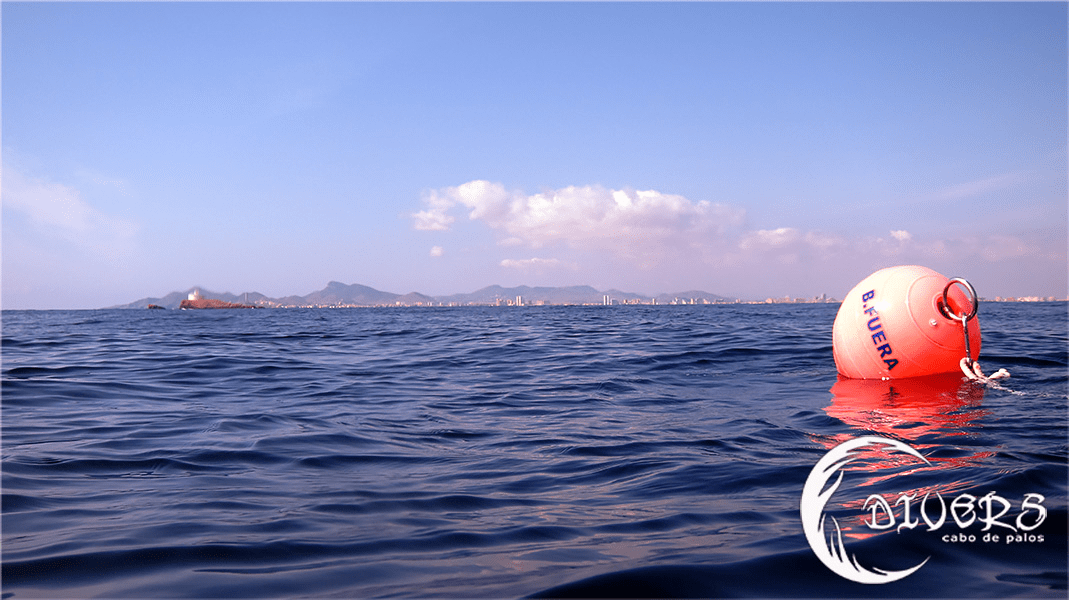
Image Credit: Divers Cabo De Palos
The Bajo de Fuera’s reef system is famous for its wreck diving and the historical and environmental richness it offers. Considered one of the best dives in the Mediterranean, it unites the stunning protected marine life of the Islas Hormigas Reserve and the remains of contemporary wrecks from the 19th and early 20th centuries.
Characteristics
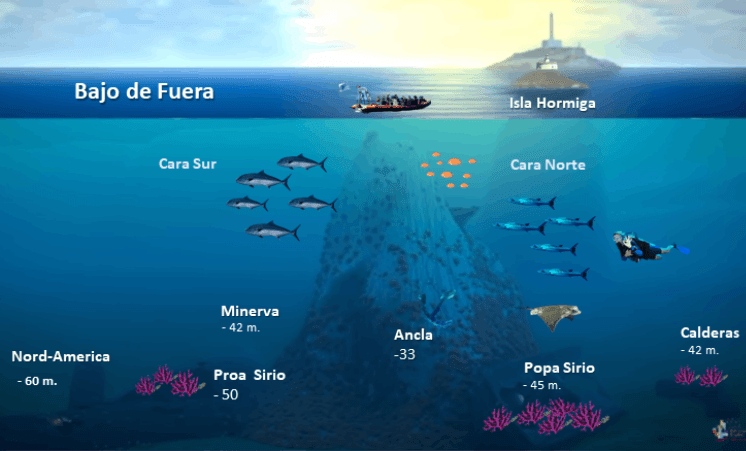
Image Credit: El Rincón Del Buceo
The underwater mountain formation extends in a northwest-southwest direction for about 100 meters. With depths ranging from 3 meters to its southernmost point reaching more than 55 meters, this rocky bar has distinct characteristics on its north and south sides.
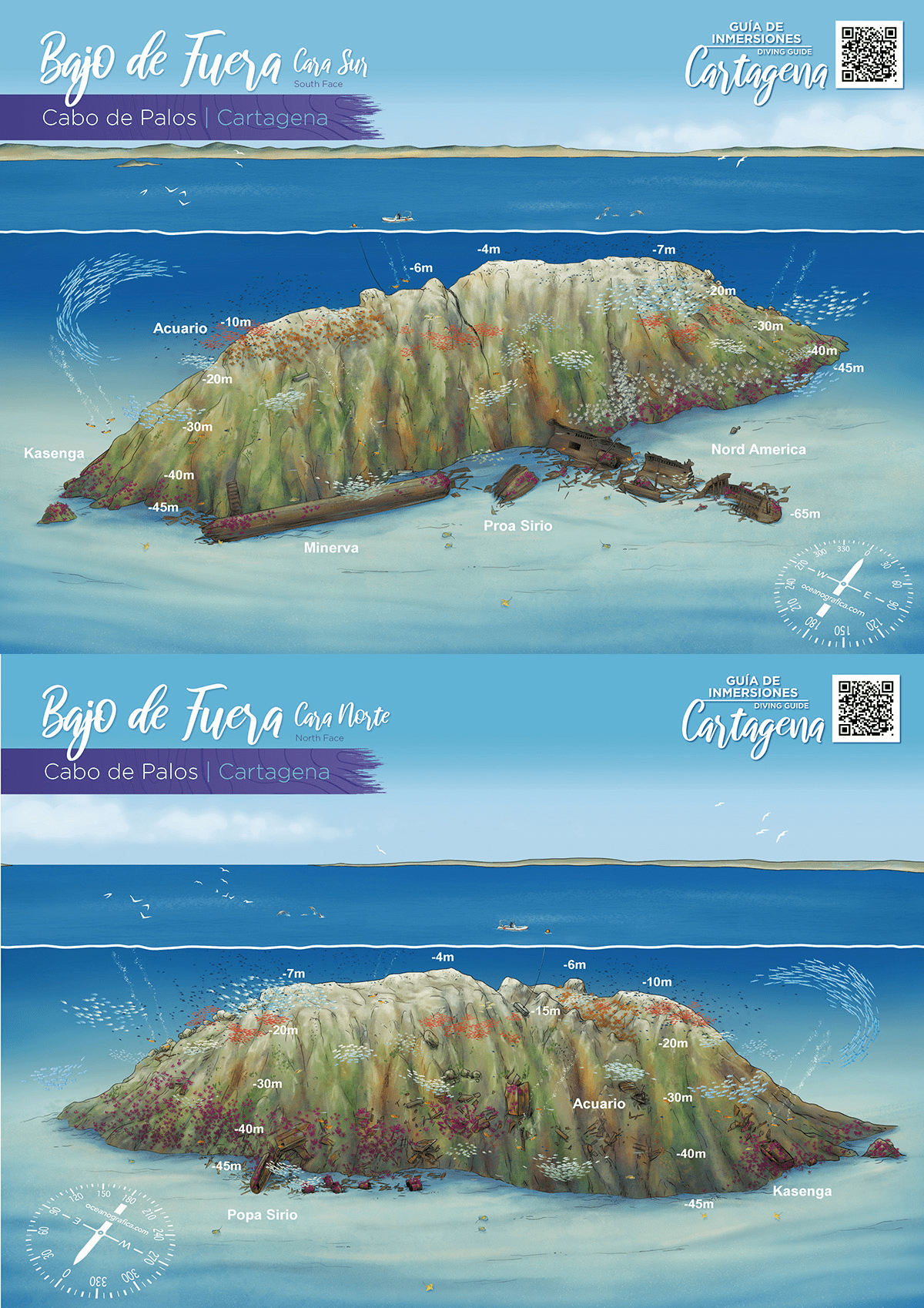
Image Credit: Adventure Divers Spain
The south face exhibits a cut chasm that goes down to a sandy bottom more than 50 meters deep.
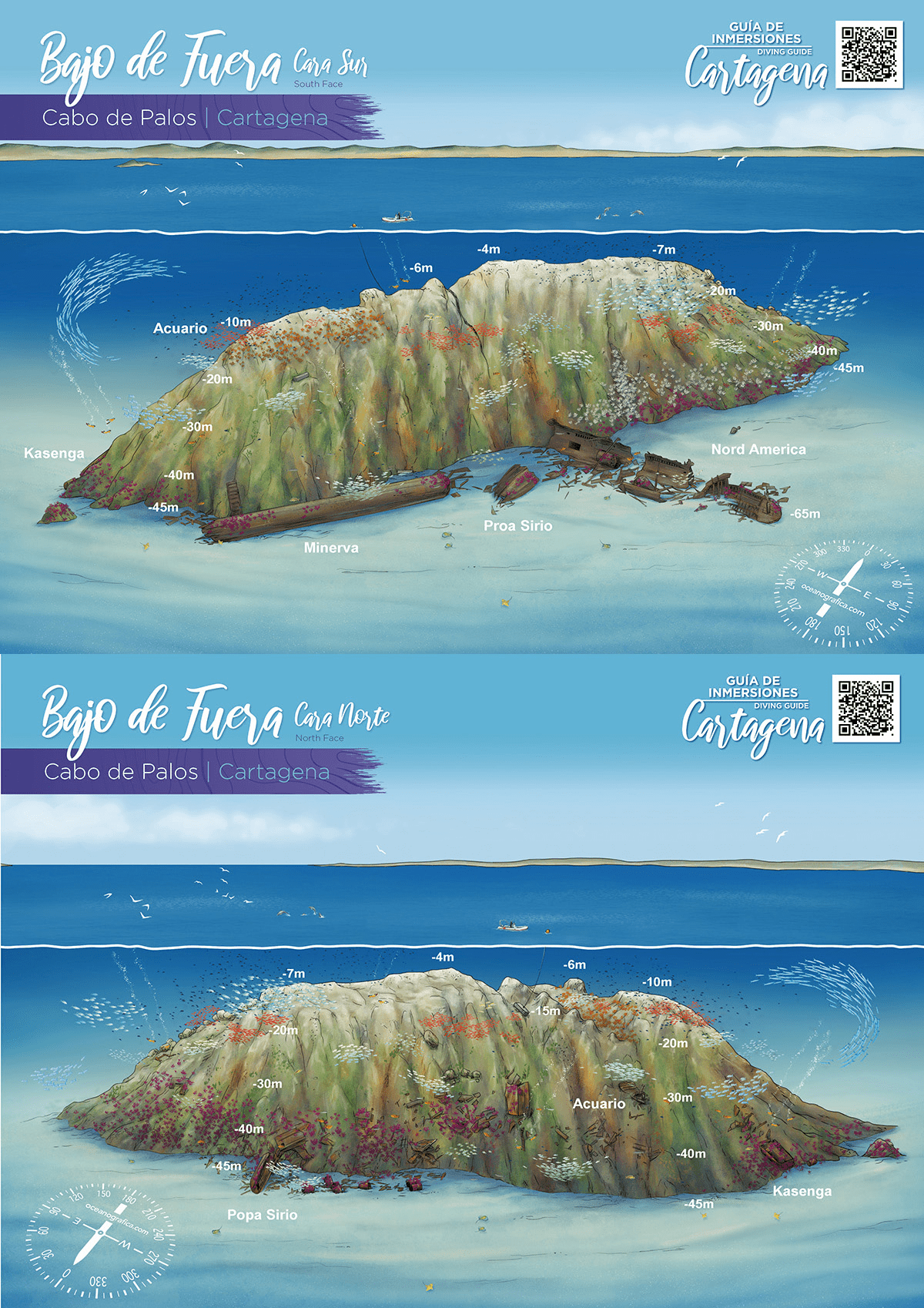
Image Credit: Adventure Divers Spain
The north face has a gentler slope, gradually descending to the sandy seafloor.
This unique topography creates a diverse and challenging location for divers, offering opportunities to explore caves, crevices, and a wide variety of marine life around this impressive rock formation.
Marine Life
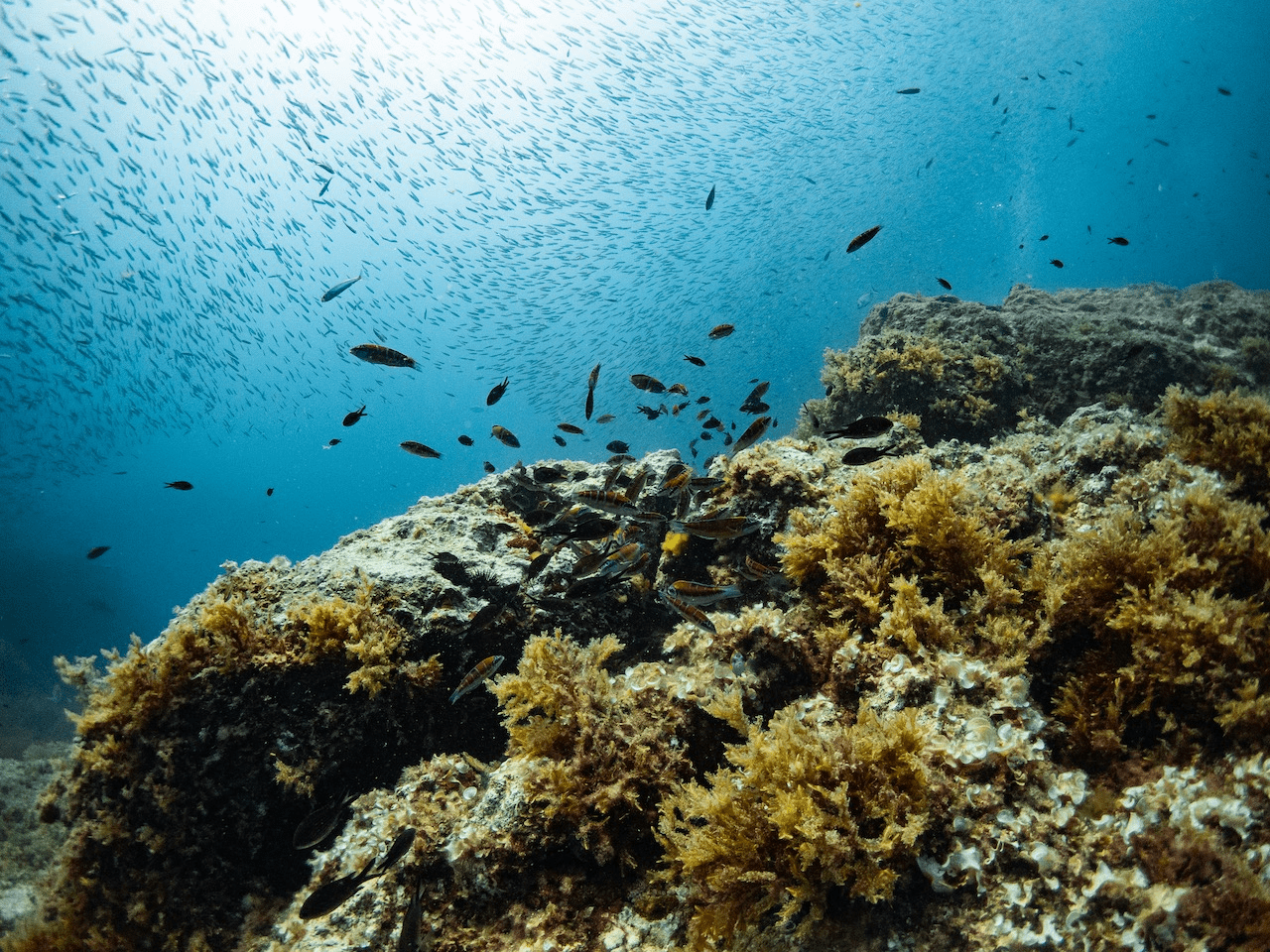
Image Credit: Padi Blog
In this diving site, it is possible to witness various types of marine life such as sea bass, barracuda, moray eels, octopus, sunfish, salema porgy, conger eels, eagle rays, damselfish fish, hermit crabs, nudibranchs, groupers, snapper, eels, eagles, sea fans, gorgonians, barracudas, and many other fish species.
Maybe you will be lucky enough (unfortunately, I wasn’t) to have the thrill of finding Amberjacks. There are reports of encounters with some reaching 1 meter in length.
Wreck Diving
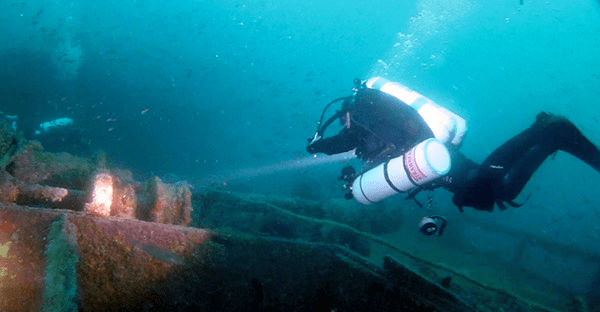
Image Credit: Buceo Donosti
The underwater landscape of this marine pinnacle is a silent wreck museum, where shipwrecks rest amidst the currents. In times past, this area was a busy corridor, witnessing the fate of several vessels.
Among the wreckage, the Nord America is notable, an Italian ship laden with iron ingots, which sank in 1883. The Minerva, a few years later in 1899, crashed onto the rocks during a storm. However, the most notorious shipwreck is the Sirio. This majestic Italian ocean liner, carrying nearly 1,000 immigrants bound for the United States, plunged into the depths on August 4, 1906, resulting in the loss of nearly 500 lives.
The feeling of diving up to 40 meters deep and witnessing the history preserved in the shipwrecks was truly unique.
Certification Needed
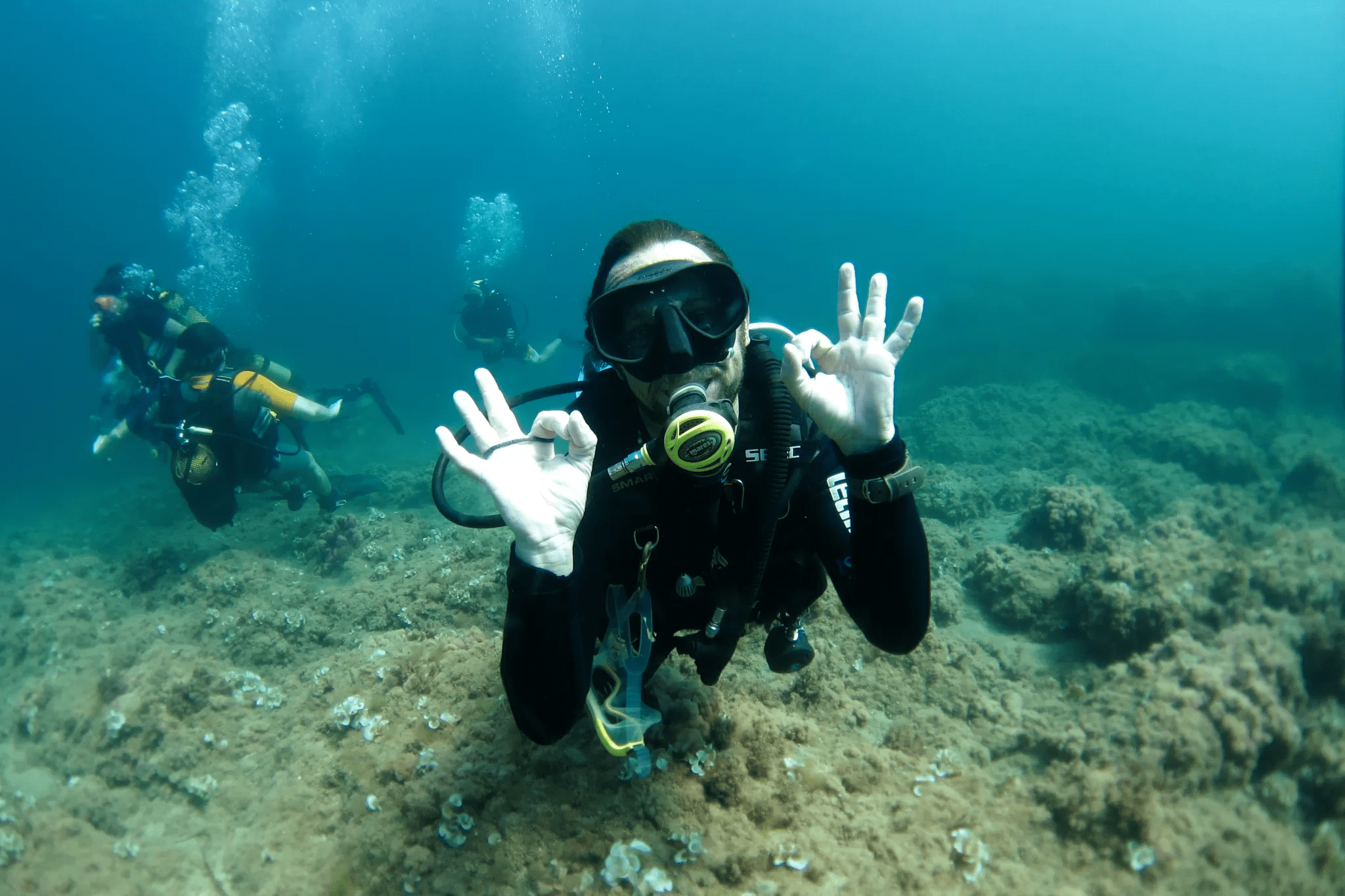
Image Credit: Adventure Divers Spain
The site has robust protection, and the authorities control the number of dives allowed. The access is more restricted due to the intense protection zone, allowing only a limited number of divers per day – 13 during the mid/low season and 30 in the high season.
Being a less accessible location with strong currents, it is required that the divers possess at least an advanced open water certification and demonstrate competence in certain fundamental skills in deep diving.
If you don’t have the necessary certification (like I didn’t), you can talk to diving center instructors to take the courses and steps necessary for the documents that the area needs.
In my case, in addition to the documents that are already required for any dive (medical insurance, diver certificate, etc.), I needed to do some other dives to reach the minimum number required. I recommend contacting the diving centers to obtain more detailed information, as it may change over time. Getting certified in deep dive certainly took time and effort, but the rewards are worth every minute invested.
Finding Dive Centers
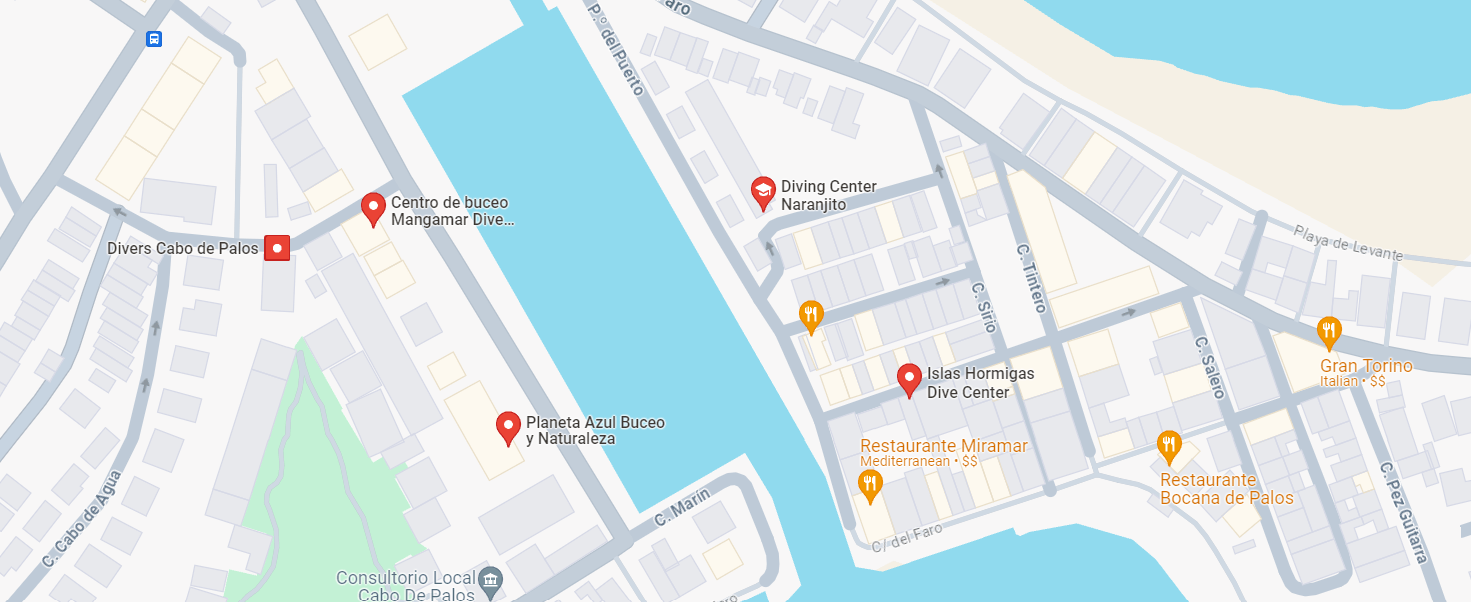
Image Credit: Google Maps
The area of Cabo de Palos has a lot of diving centers.
Most people who don’t know the area may have doubts about which one to choose. To make your decision easier, I’ve compiled a list of the top five dive centers, rated by Google, complete with their contact details to book your dive:
Balkysub Dive Operations | Diving School
Address: P.º del Puerto, 30370 Cabo de Palos, Murcia, Spain
Phone: +34 661 49 21 43
Appointments: bookeo.com
Diving Center Naranjito
Address: C. Magre, 26, 30370 Cabo de Palos, Murcia, Spain
Phone: +34 696 54 77 18
Appointments: https://naranjitobuceo.com/
Centro de buceo Mangamar Dive Center
Address: Paseo Puerto de Cabo de Palos, 18, P.º Dimas Ortega, 17, 30370 Cabo de Palos, Murcia, Spain
Phone: +34 968 10 08 60
Appointments: https://mangamardivecenter.com/
Islas Hormigas Diving Club
Address: C. Marín, S/N, 30370 La Manga, Murcia, Spain
Phone: +34 968 14 55 30
Appointments: https://islashormigas.com/
Divers Cabo de Palos
Address: C. Punta de la Azohía, 4, 30370 Cabo de Palos, Murcia, Spain
Phone: +34 687 80 28 91
Appointments: diverscabodepalos.com
Bajo De Fuera: A Paradise Underwater
In short, Bajo de Fuera stands out as an extraordinary dive site, promising a series of exciting underwater encounters. With its crystal clear waters, marine biodiversity of unparalleled beauty, and excellent diving conditions, it is a paradise for diving lovers.
Diving opens up a range of new possibilities and makes your trips more complete. My journey exploring the depths of Bajo de Fuera left an unforgettable mark, ranking among the most memorable experiences of my life. Every encounter with sea creatures, intricate caves, or sunken treasures created fascinating memories that I am sure will last a lifetime.
If you love this sport or are thinking about starting it, be sure to consider Bajo De Fuera (and the entire region of the Marine Reserve of Hormigas Islands) as a dive site.
Enjoy Your Private Paradise in Villa Murcia!
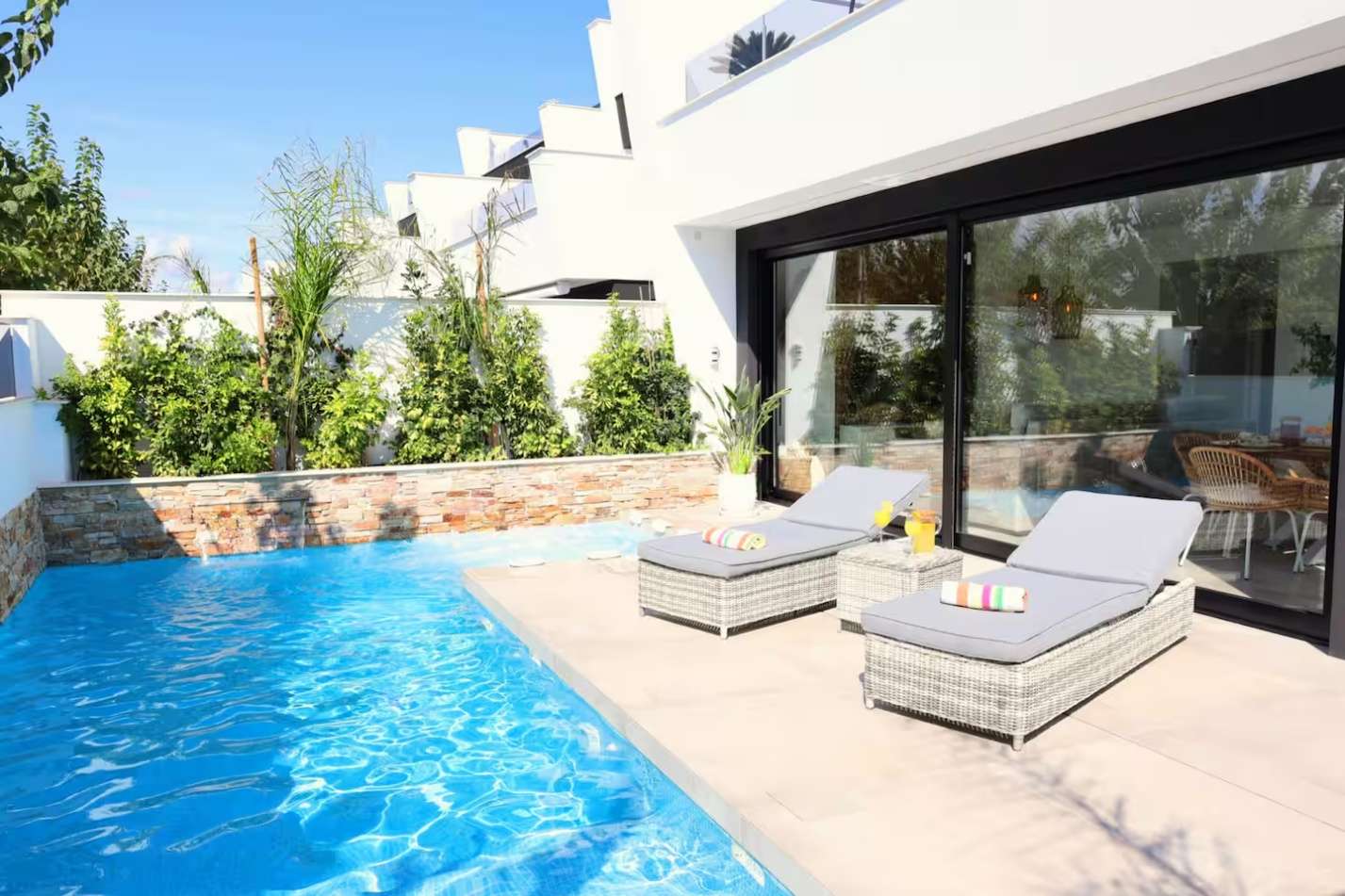
Looking for the perfect place to stay in Murcia? We’ve got just the spot for you!
Villa Murcia – Your Private Paradise
Wake up to coffee on a sun-drenched terrace, unwind in a warm jacuzzi after a day of exploring, and end your evenings with dinners in the summer kitchen. Nestled in charming Santiago de la Ribera, Villa Murcia offers more than just a holiday—it’s your personal oasis of comfort, style, and unforgettable moments.
Highlights:
✔ Spacious living room with a large sofa and open kitchen – perfect for shared memories
✔ Three elegant, air-conditioned bedrooms with private terraces – your peaceful retreat
✔ Extra fold-out sofa in the living room – ideal for additional guests
Whether it’s a romantic escape, a family getaway, or a relaxing break with friends – Villa Murcia is your dream stay.