


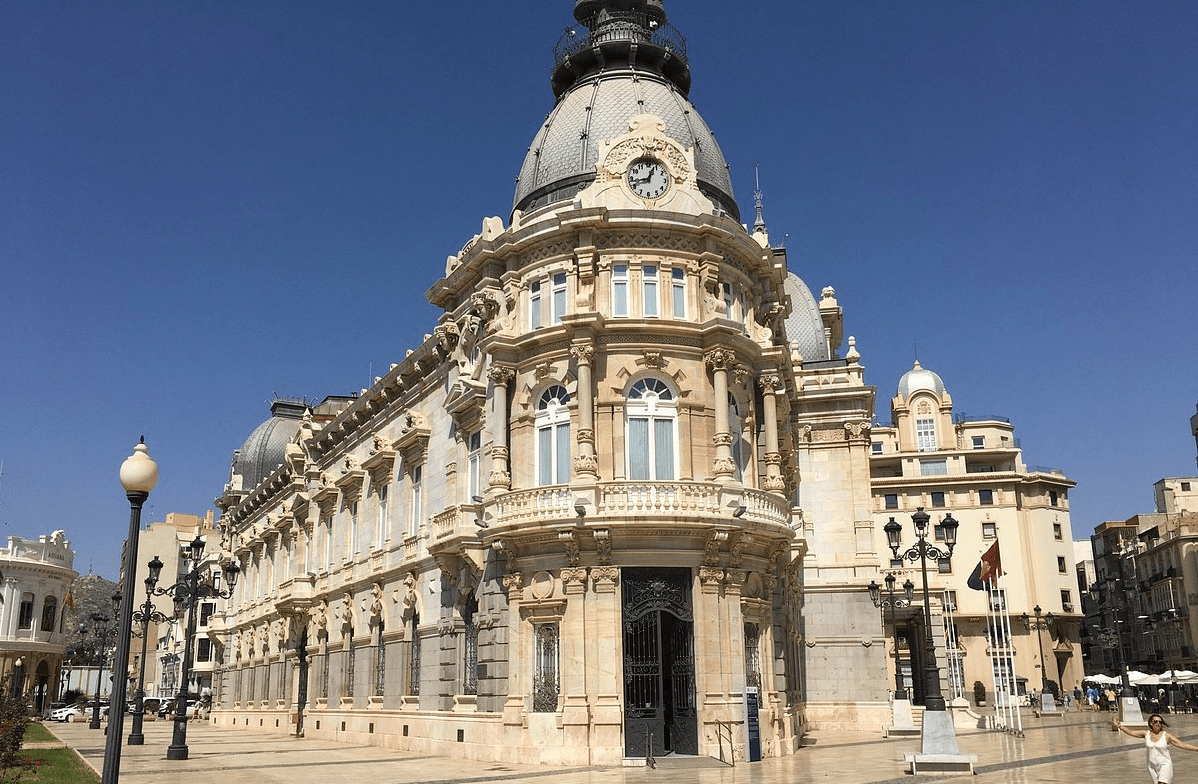
The Municipal Archaeological Museum of Cartagena is a respected institution dedicated to the preservation, scholarly inquiry, and public exhibition of archaeological artifacts telling the rich history of Cartagena. As an integral member of the Regional Network of Museums of Murcia, its origins trace back to October 25, 1943, under the inaugural directorship of Antonio Beltrán Martínez.
We will delve into the exhibition and artifacts that chronicle the city’s captivating past. The museum offers a captivating journey through time, from its Phoenician origins to its Roman conquests.
Table of Contents
- Unveiling the Municipal Archaeological Museum of Cartagena
- Opening Hours and Location
- Museum in a Nutshell
- Into the Museum
- About Cartagena
- Enjoy Your Private Paradise in Villa Murcia!
- Conclusion
Opening Hours and Location
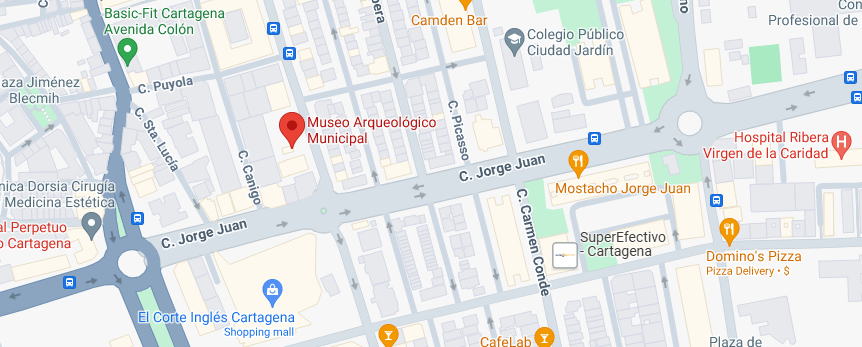
Municipal Archaeological Museum of Cartagena
- Address: C Santiago Ramón Y Cajal, 45, 30204 Cartagena, Murcia, Spain
- Website: https://museoarqueologico.cartagena.es/
- Phone: +34 968 12 89 67
Monday | Closed |
Tuesday | 10:00 – 14:00 17:00 – 20:00 |
Wednesday | 10:00 – 14:00 17:00 – 20:00 |
Thursday | 10:00 – 14:00 17:00 – 20:00 |
Friday | 10:00 – 14:00 17:00 – 20:00 |
Saturday | 11:00 – 14:00 |
Sunday | 11:00 – 14:00 |
Museum in a Nutshell
Rooted in various archaeological collections, especially the admirable collection of Roman epigraphs, the museum started in the late 16th century, and Cartagena has been taking care of these artifacts since then. These priceless remnants were the foundation of the museum’s collection.
The museum’s exhibits span a diverse historical spectrum from the Middle Paleolithic era to more recent periods, comprehensively portraying Cartagena’s historical evolution. Given the Roman influence on Cartagena, its most extensive collections are from this epoch.
The Latin epigraphy collection is particularly noteworthy, complemented by ceramics, architectural fragments, sculptures, structural remains, mining relics, commercial paraphernalia, and other artifacts. Together, these artifacts afford profound insights into Cartagena’s multifaceted historical trajectory.
Beyond its exhibition spaces, the museum actively engages in archaeological excavations within the urban confines, notably in the ancient Carthago Nova site. These excavations enrich the museum’s collections and yield invaluable historical insights. The museum maintains additional facilities to promote these endeavors, including workspaces, a library, and workshops, including photographic and restoration laboratories.
Museum’s History
Established on October 25, 1943, under the leadership of Antonio Beltrán Martínez, the Municipal Archaeological Museum traces its origins to a diverse array of archaeological collections, originating from the legacy of Roman epigraphs collected by the city of Cartagena since the late 16th century.
Initially housed on the ground floor of the current Royal Economic Society of Friends of the Country of Cartagena, the museum’s collections expanded over time. Especially with contributions from the Sierra Minera area of Cartagena-La Unión, gathered by the Economic Society of Friends of the Country since the late 19th century. In 1945, the museum relocated to a building on Baños del Carmen Street, now known as Plaza de Juan XXIII, to accommodate its growing collection.
In 1967, the discovery of the San Antón necropolis prompted Pedro San Martín, the museum’s director, to propose to the city council the construction of a new museum headquarters around the site to facilitate its preservation in situ. Subsequently, the council oversaw the acquisition of the necessary land and funded the museographic refurbishment works for what would become the new Archaeological Museum. Despite delays, the museum was eventually inaugurated in 1982.
Into the Museum
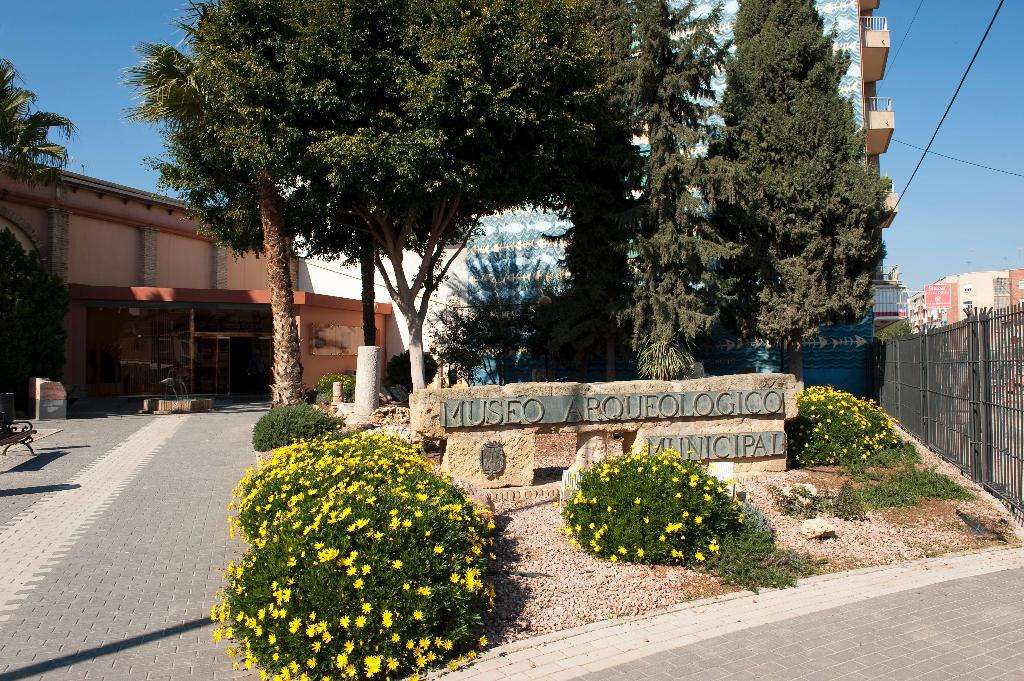
The museum offers a comprehensive journey spanning from prehistory to the 19th century. Situated on the former site of the late Roman San Antón necropolis, the tour meticulously follows a chronological sequence, beginning with the Paleolithic and Bronze Ages, progressing through the Roman era, and culminating in architectural artifacts and lower arts from the 19th century. Notably, the San Antón necropolis stands out as a focal point, seamlessly integrated into its architectural context.
Exhibition Space
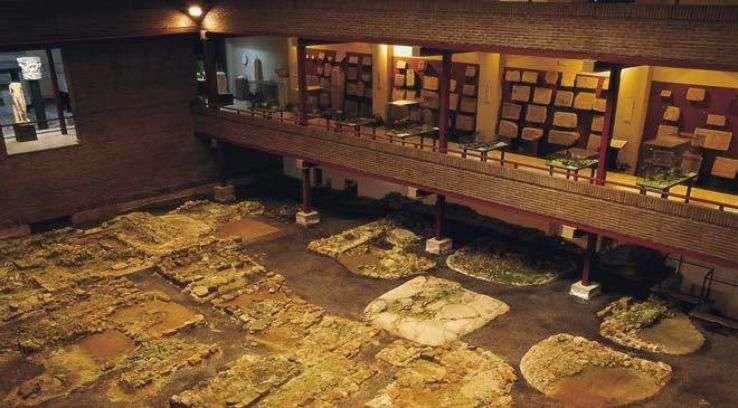
In the exhibition of materials, a didactic approach has been meticulously followed, organizing the displays with a chronological orientation on the first floor and adopting a thematic focus on sites and exhibitions on the second floor. The necropolis, positioned centrally, serves as the focal point visible from all vantage points along the permanent exhibition route.
The showcased materials span from the Middle Paleolithic era to nearly the present day. However, due to Cartagena’s profound Romanization, artifacts from this period are both abundant and meticulously curated. What caught my attention was the collection of Latin epigraphy, ceramics, architectural elements, sculptures, construction remnants, mining tools, and commercial artifacts. All of them vividly depict the diverse historical epochs through which the city has evolved.
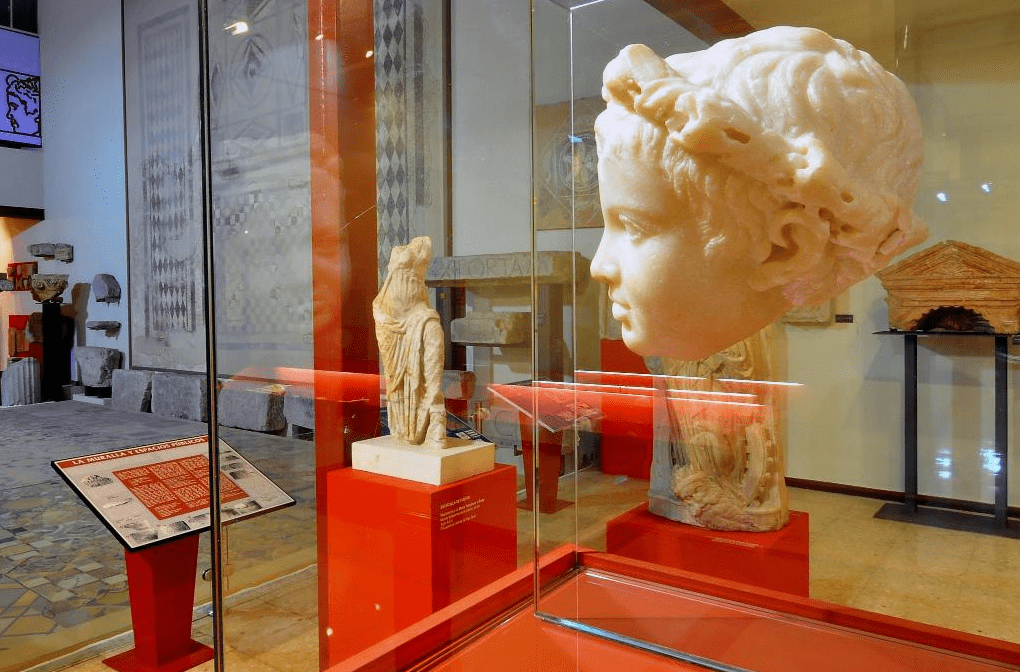
Regular archaeological excavations within the urban area surrounding the ancient Carthago Nova often result in more artifacts for the museum and invaluable insights into Cartagena’s history, as I’ve written above. During “the night of the museums,” this museum graciously opens its doors free of charge during this event, allowing visitors to engage with its offerings without financial constraint.
Events
Beyond its archaeological treasures, the museum serves as a hub for educational outreach and cultural exchange, hosting workshops, lectures, and temporary exhibitions that engage visitors of all ages. By fostering a deeper understanding of Cartagena’s heritage, the museum plays a vital role in preserving the city’s legacy for future generations. You can track all of the upcoming events on the museum’s official website.
About Cartagena
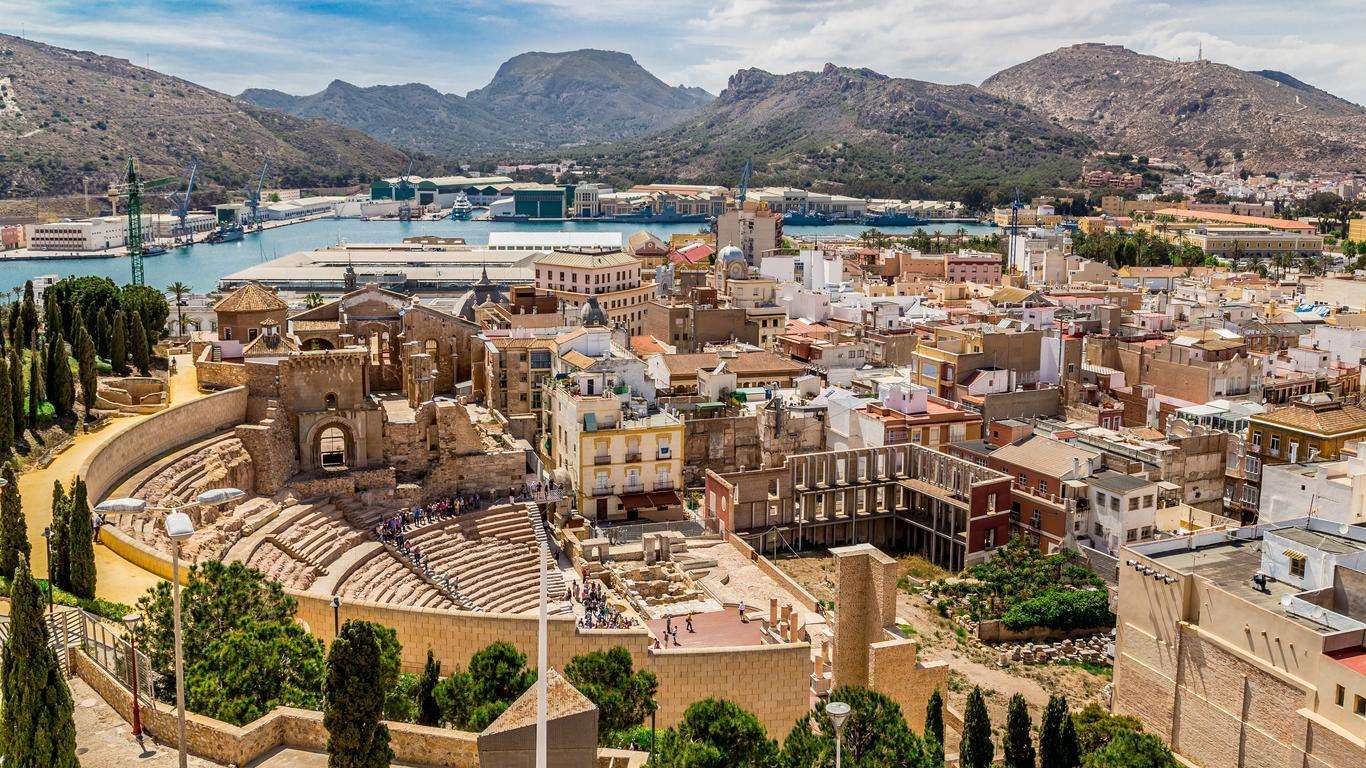
Cartagena, where the Municipal Archeological Museum is located, is a fascinating place for sightseeing. As a matter of fact, it’s been built around the archaeological site of a burial necropolis. The city, thanks to its location on the coastline of the region of Murcia, has been inhabited by different cultures over the years, which has left its mark in the form of artistic and cultural heritage. You can admire numerous sites related to the city’s history and the sea. Here, you will find remnants of the culture and architecture of the Carthaginians, ancient Romans, and Arabs.
Places Worth Visiting
The rich cultural heritage is mainly concentrated around the old town, whose boundaries are marked by the seawall built by the order of Charles III in the 17th century. A must-see on the map for history fans is the Roman Theater. Entry costs €6, and the price includes a guided visit.
For fans of the “underwater world,” a key point on the map of Cartagena should be the Museum of Underwater Archaeology and the Museo Naval el submarino Isaac Peral. Here, you will find a lot of curiosities and historical artifacts with ties to the underwater world.
I personally recommend the Naval Museum, where you will see the world’s first prototype submarine! Another honorable mention is Casa de la Fortuna – a 2,000-year-old residence from the Roman period.
If we want to see Cartagena from above, a great place to do so is Colina de La Concepción. We can get to the hill using the elevator and then reach the mezzanine, from which there is a beautiful panoramic view of the entire city. In addition to the observation deck, on the hill is the Castillo de la Concepción, which has a beautiful amphitheater.
Enjoy Your Private Paradise in Villa Murcia!

Looking for the perfect place to stay in Murcia? We’ve got just the spot for you!
Villa Murcia – Your Private Paradise
Wake up to coffee on a sun-drenched terrace, unwind in a warm jacuzzi after a day of exploring, and end your evenings with dinners in the summer kitchen. Nestled in charming Santiago de la Ribera, Villa Murcia offers more than just a holiday—it’s your personal oasis of comfort, style, and unforgettable moments.
Highlights:
✔ Spacious living room with a large sofa and open kitchen – perfect for shared memories
✔ Three elegant, air-conditioned bedrooms with private terraces – your peaceful retreat
✔ Extra fold-out sofa in the living room – ideal for additional guests
Whether it’s a romantic escape, a family getaway, or a relaxing break with friends – Villa Murcia is your dream stay.
Book now and experience the magic of the Spanish sun!
Conclusion
The Municipal Archaeological Museum of Cartagena is a testament to the city’s rich and diverse heritage. Through its captivating exhibits and insightful displays, the museum offers visitors a journey through time, unraveling the mysteries of Cartagena’s ancient past. Each artifact tells a story of resilience, ingenuity, and cultural exchange from the Phoenician settlers to the Roman conquerors.