


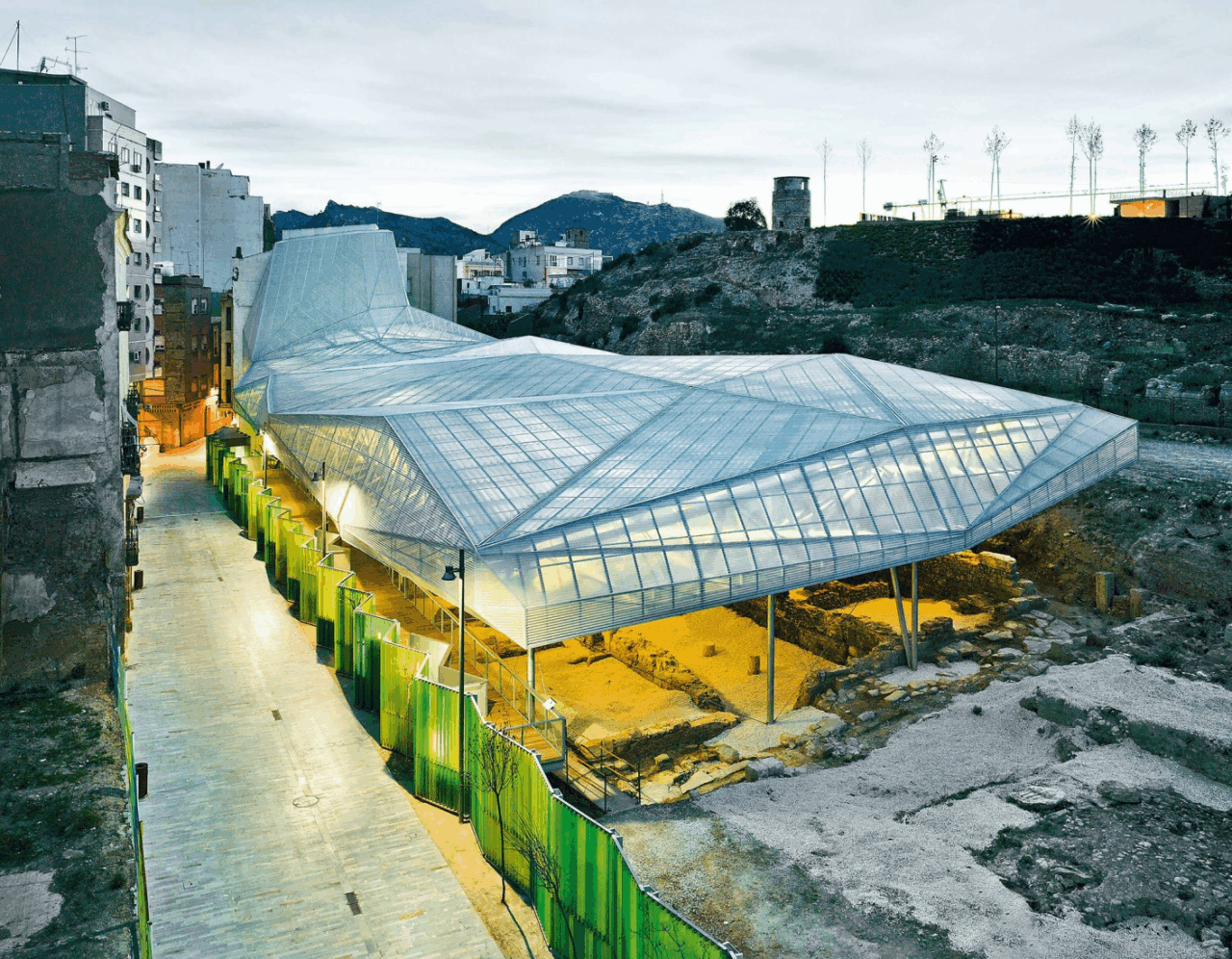
Nestled in the vibrant urban environment of Cartagena, Murcia, the Molinete Archaeological Park (Parque Arqueológico del Molinete) offers a fascinating glimpse into Spain’s rich Roman heritage. Positioned on the historic Cerro del Molinete, this park beautifully integrates the ancient ruins of a Roman forum, thermal baths, and other significant structures into the modern cityscape, creating a seamless blend of past and present. This unique site highlights the grandeur of what once was a bustling Roman city and showcases the innovative ways historic preservation can be woven into the fabric of contemporary life. Whether you are a history enthusiast, an art lover, or simply looking for a distinctive place to explore, the Molinete Archaeological Park promises a compelling visit filled with the continuous perception of history and innovation.
Table of Contents
- Exploring the Arqueológico Cerro del Molinete Park in Cartagena
- Overview and History of Molinete Archaeological Park
- The Architectural Features and Restoration Efforts at Molinete Park
- Visitor Information and the Surrounding Area of Molinete Archaeological Park
- Enjoy Your Private Paradise in Villa Murcia!
- Conclusion
Overview and History of Molinete Archaeological Park
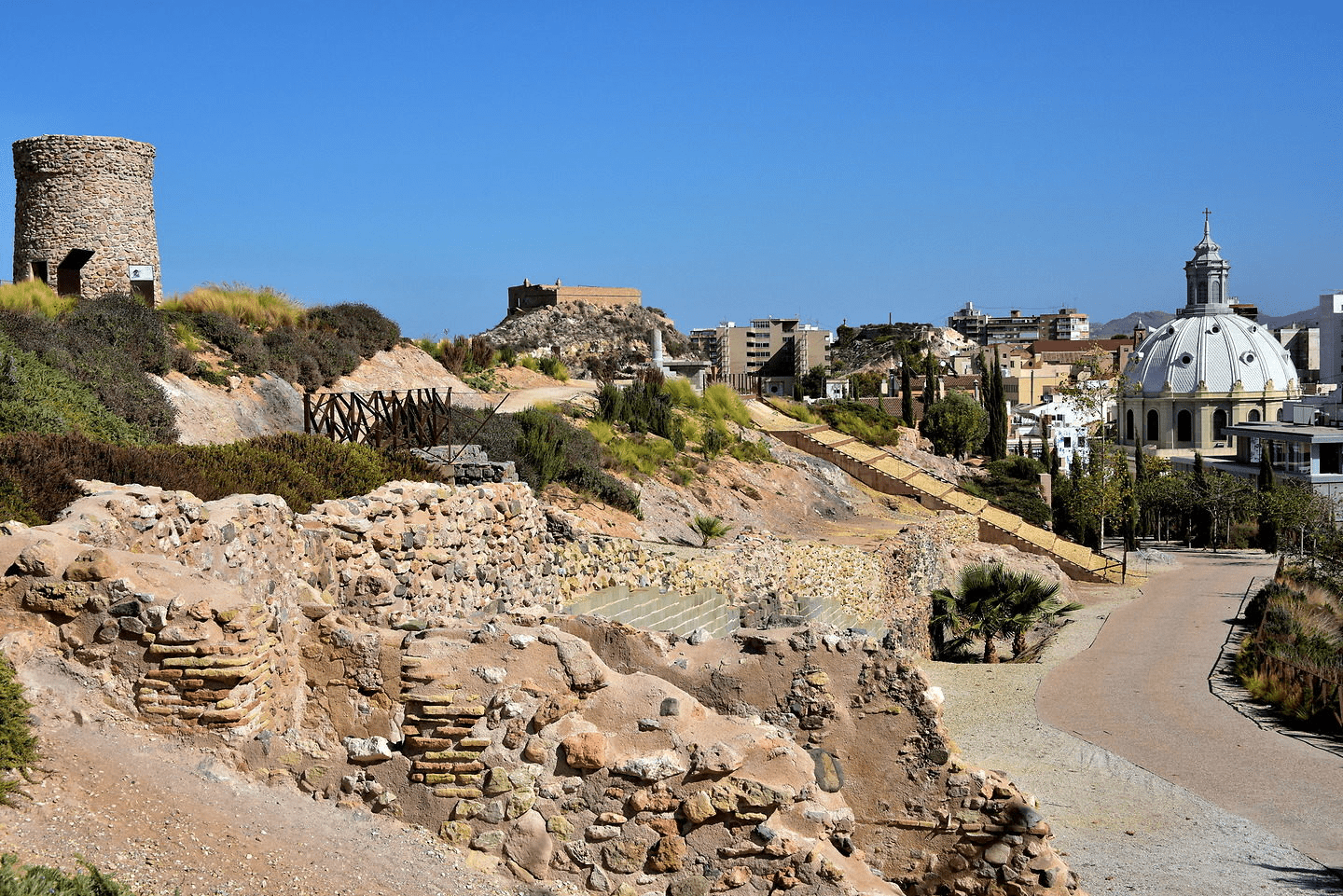
The Molinete Archaeological Park, beautifully sited on Molinete Hill, one of Cartagena’s emblematic five hills, is a vivid tapestry of history layered through centuries. This park is not just a site but a chronicle of life from the Roman era to modern times, encapsulated within the bustling urban environment of Cartagena, Murcia, Spain.
Ancient Foundations and Roman Grandeur
The story of Molinete Park begins in the Roman period when the area was developed as part of a thriving urban center. The hill itself played a significant role, hosting a complex that included a forum, a commercial hub, and thermal baths, each a cornerstone of Roman daily life. These structures weren’t merely functional; they demonstrated architectural prowess and social order. The remains found at the site, from intricate mosaics to expansive colonnades, hint at a culturally rich and aesthetically magnificent past.
Over the years, archaeological excavations have uncovered extensive parts of this once-flourishing Roman town. Fundamental discoveries include the forum, the center of civic life, and luxurious domus (homes) with elaborate designs, showcasing the wealth that once permeated through this hill.
Transition through Time
As centuries passed, Molinete Hill saw various phases of occupation and abandonment. The area was transformed repeatedly, with each layer of history adding to the complex narrative of the site. The buildings and structures underwent cycles of destruction and renewal, affected by fires, conquests, and natural decay. Yet each destruction phase was followed by a reconstruction period, where new structures were built over the old, creating a palimpsest of historical layers.
Modern Rediscovery and Preservation
The modern chapter of Molinete Hill began with its rediscovery and the subsequent decision to integrate these ancient treasures into the heart of contemporary Cartagena. Led by visionaries like Pablo Sigüenza, the restoration and conservation project aimed to preserve the remains and make them a central part of the city’s cultural landscape. This project was a meticulous effort involving detailed archaeological and architectural work, ensuring that the essence of the Roman structures was maintained while making them accessible and understandable to visitors.
Today, the Molinete Archaeological Park is a testament to Roman architecture’s and urban planning’s enduring legacy. It serves as a bridge between the past and the present, offering visitors a unique opportunity to walk through history in an urban setting. The park is free and open to the public, inviting people from around the world to explore its ancient paths and learn about the dynamic history of this extraordinary place.
Through its ongoing journey from a bustling Roman hub to a serene archaeological park, Molinete Hill continues to symbolize continuity and change, embodying the spirit of Cartagena through the ages.
The Architectural Features and Restoration Efforts at Molinete Park
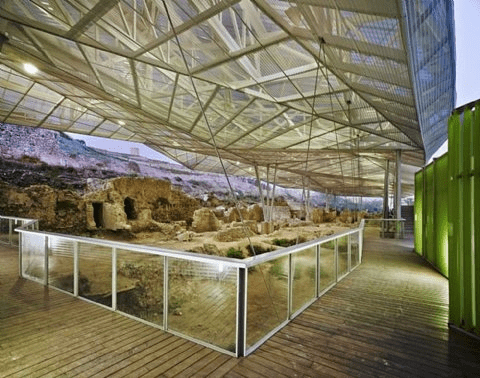
Molinete Archaeological Park, situated on the historically rich Molinete hill in Cartagena, Murcia, showcases ancient Roman architecture and modern restoration efforts that blend historical authenticity with contemporary accessibility. The park is celebrated for its archaeological significance and the innovative approaches taken to preserve and present its ancient structures.
Architectural Highlights of Molinete Park
The core architectural features of Molinete Park include remnants of a Roman forum, luxurious residential buildings known as Domus, and well-preserved thermal baths. These elements collectively highlight Roman engineering and urban design.
Roman Forum
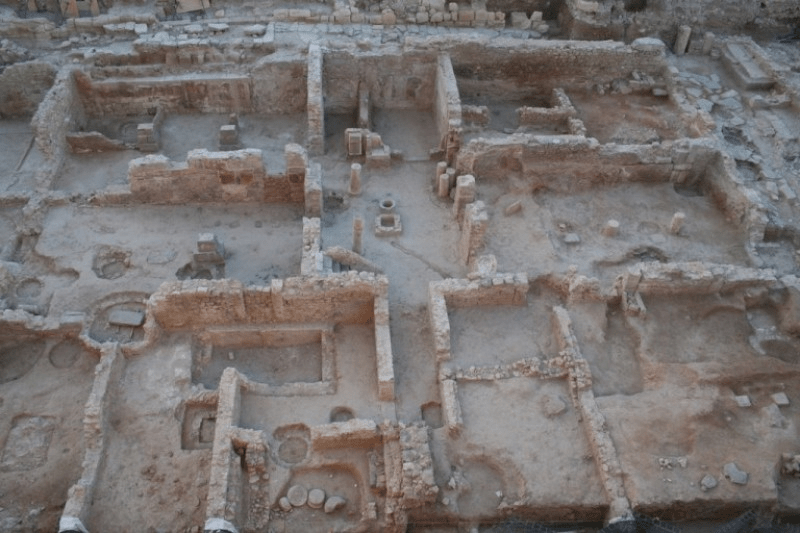
This was the centerpiece of Roman public life, where commerce, administration, and justice converged. The layout of the forum at Molinete Park, with its foundational structures and columns, gives visitors a sense of the scale and grandeur typical of such a significant Roman meeting place.
Domus (Homes)
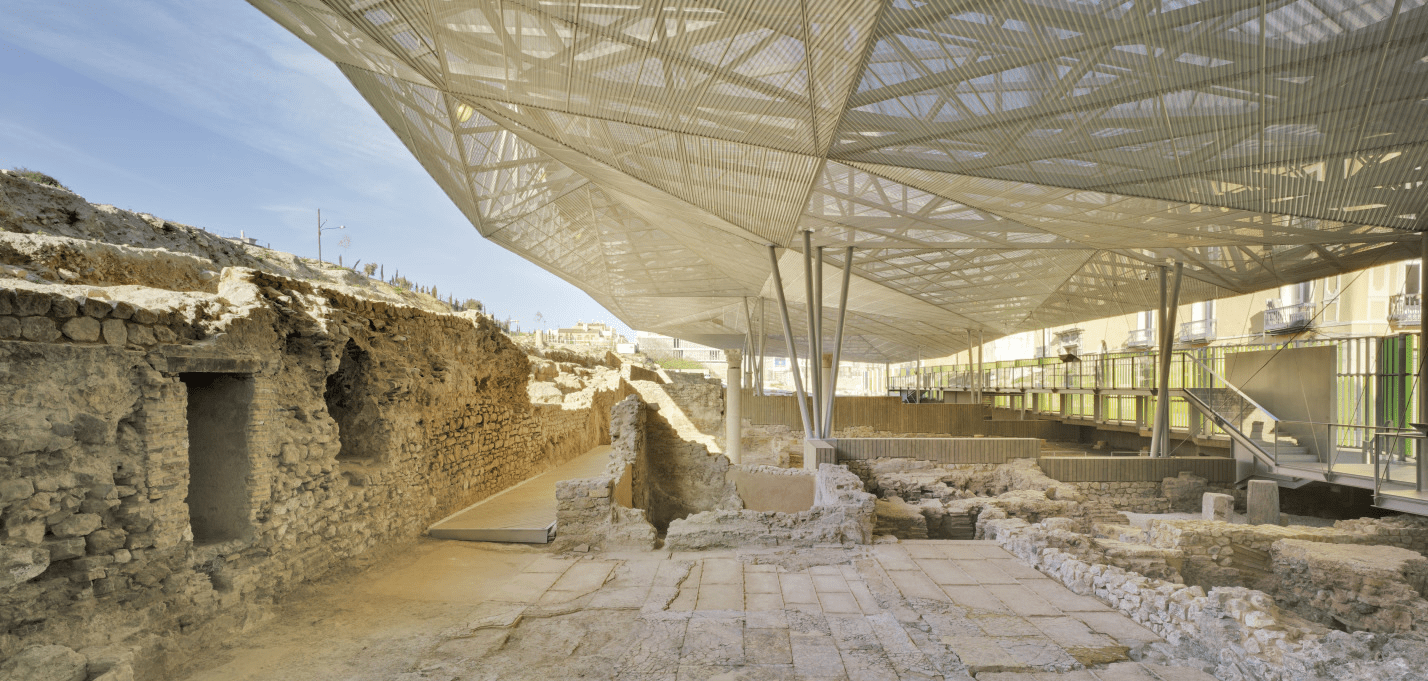
The homes unearthed in the park illustrate the domestic architecture of the Roman elite. These residences were often elaborate, with intricate floor mosaics, wall paintings, and private courtyards. Each domus tells a story of its inhabitants’ social and economic status, reflected in the luxury of their private living spaces.
Thermal Baths
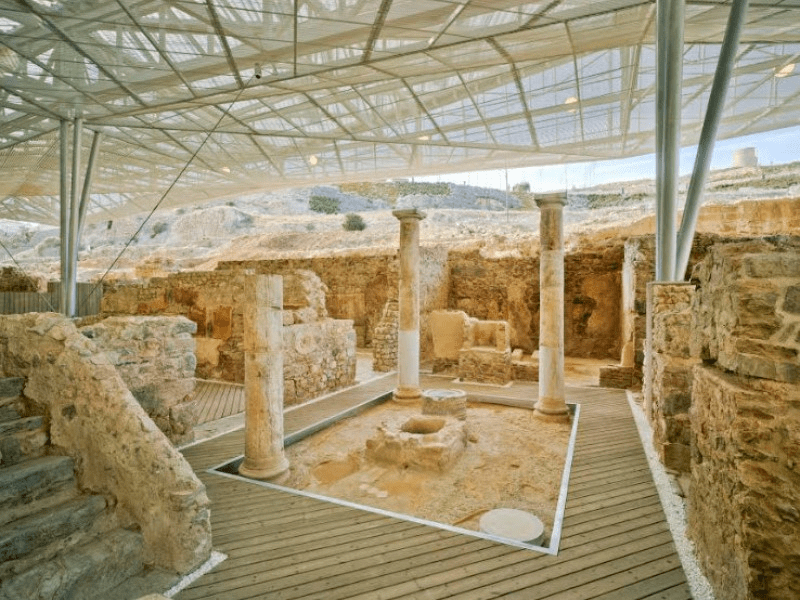
Essential to Roman social life, the baths at Molinete Park display sophisticated engineering. The hypocaust system, a method of underfloor heating used in ancient Roman buildings, is a highlight, showcasing the Romans’ advanced understanding of technology and comfort.
Restoration and Conservation
The restoration efforts at Molinete Park have been guided by a philosophy of preserving the integrity of the Roman structures while making them understandable and engaging for modern visitors. These interventions have been multifaceted, involving both structural stabilization and educational enhancements:
Structural Stabilization: The park’s restoration team, led by figures like Pablo Sigüenza, has focused on reinforcing the existing ruins without altering their original appearance. Techniques include careful excavation, consolidation of weakened structures, and sometimes subtle additions to suggest partially destroyed elements’ original form and function.
Access and Education: A key part of the restoration project has been improving access to the site. Modern additions like staircases and footbridges allow visitors to explore the site without causing damage to the ruins. Informative panels and digital guides in multiple languages, including English, offer insights into the daily lives of the Romans who once inhabited these spaces.
Integrative Design
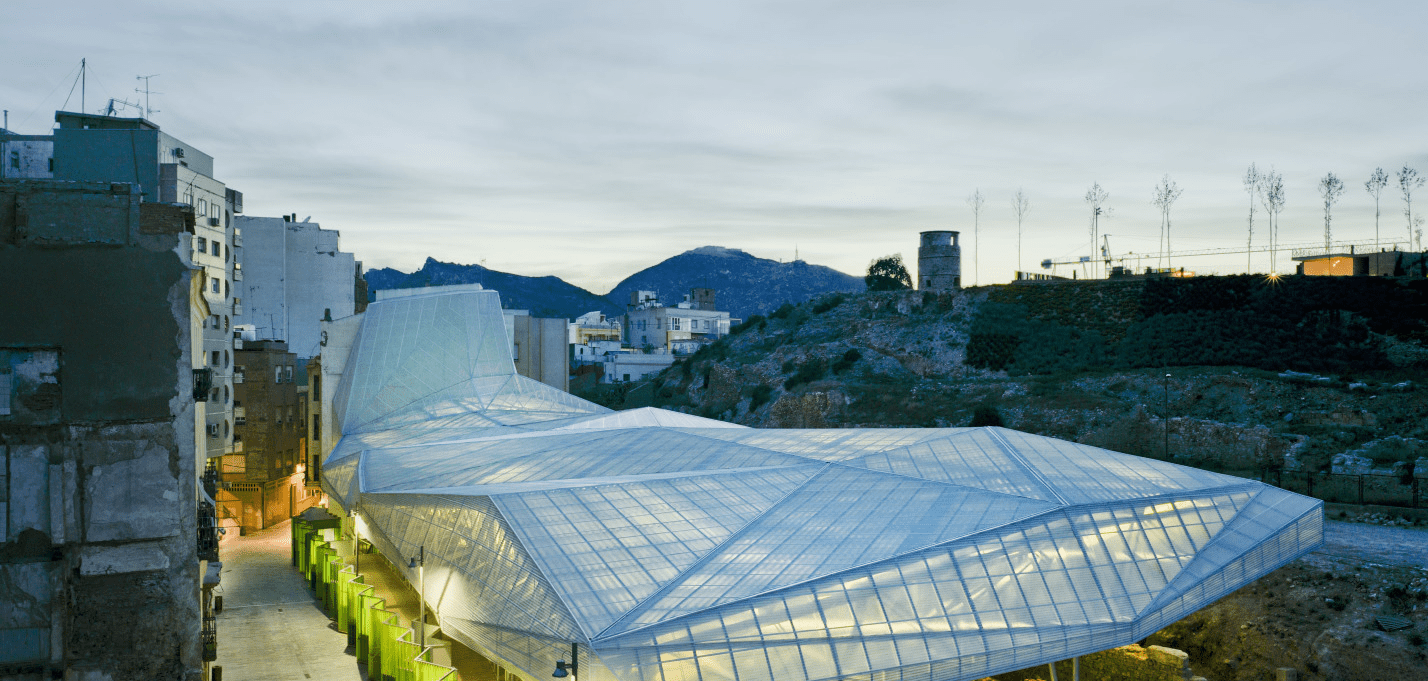
A particularly innovative aspect of the park’s design is using a protective cover over the archaeological remains. This cover protects the site from environmental damage and integrates it into the surrounding urban landscape. it acts as a physical and symbolic link between the old and the new, inviting the community and visitors to engage with the history beneath their feet.
Impact of Restoration
The careful restoration and thoughtful presentation of Molinete Park have transformed it into a cultural landmark that educates and inspires. By preserving its historical structures and making them accessible, the park serves as a model for archaeological sites worldwide, demonstrating how ancient history can be effectively woven into the fabric of modern urban life.
These efforts ensure that Molinete Park continues to be a place of learning and discovery, where the echoes of the past meet the continuous foot traffic of the present, creating a dialogue between epochs that enriches our understanding of both.
Visitor Information and the Surrounding Area of Molinete Archaeological Park
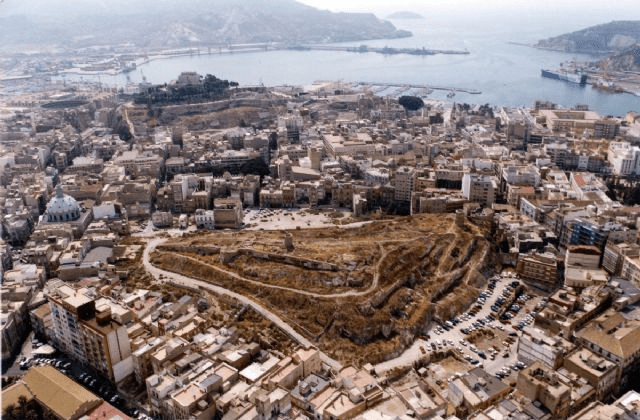
Molinete Archaeological Park offers a unique blend of ancient history and modern architecture. Understanding the opening times, access details, and the vibrant surrounding area enhances the overall experience for those planning a visit.
Visiting Molinete Archaeological Park
Opening Times: Molinete Archaeological Park welcomes visitors year-round, with gates opening at 9:00 AM daily. This early opening time allows visitors to enjoy the tranquil atmosphere and explore the ancient ruins in the refreshing morning air. However, it’s recommended to check the park’s official website or contact the municipality of Cartagena for any updates or changes to the opening hours.
Access and Price: Access to Molinete Park is facilitated by a series of modern interventions, such as well-placed staircases and footbridges, that ensure safety and accessibility while preserving the integrity of the ancient ruins. The park is accessed primarily through Calle Pólvora, a significant street near many of Cartagena’s historical sites. Admission to the park is generally free, making it an accessible option for all visitors.
Address and Contact Details: Cerro Del Molinete, C. Pólvora, s/n, 30203 Cartagena, Murcia, Spain. Phone: +34 968 50 00 93
The Surrounding Area
Molinete Park is not just a standalone historical site but part of a larger tapestry that makes up Cartagena’s urban and cultural landscape. The park is nestled in the middle of the city, surrounded by historical buildings and modern structures, creating a dynamic and visually intriguing environment.
Cultural and Architectural Influence
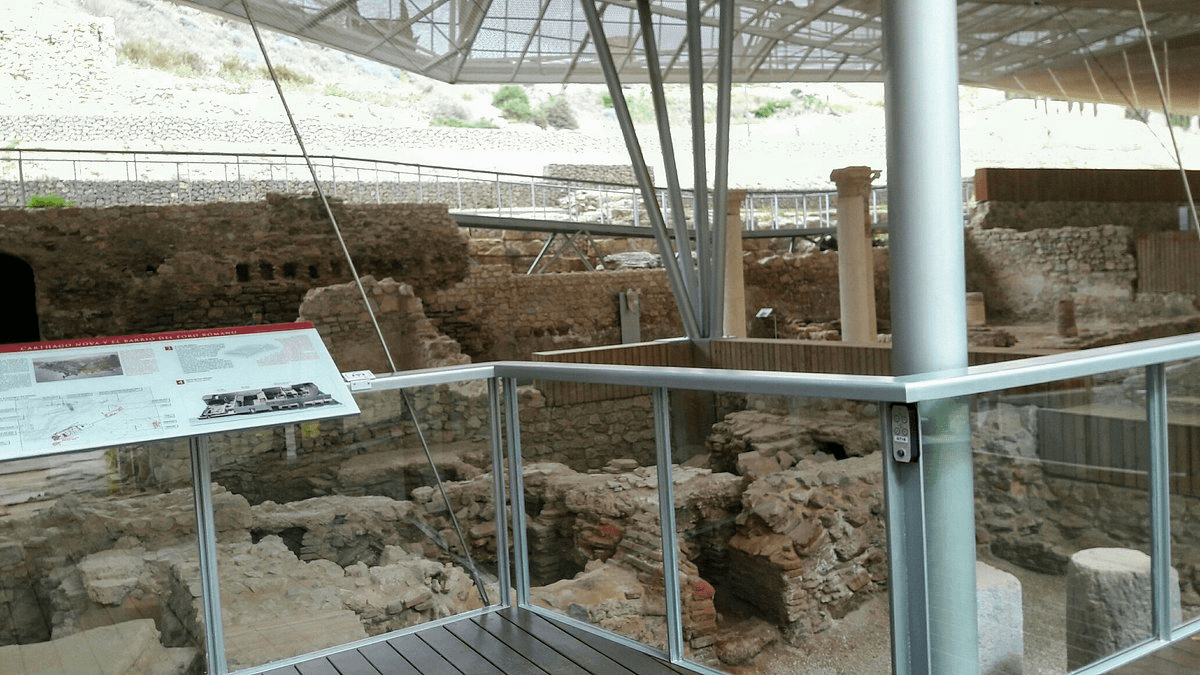
The influence of various periods is evident in the surrounding buildings. From the Roman architectural details visible in the ruins themselves to more modern developments, the area is a living series of historical layers. Notable is the architectural style influenced by various periods, including a touch of Italian Renaissance brought over by architects who admired Italy’s classical and baroque styles.
Nearby Attractions
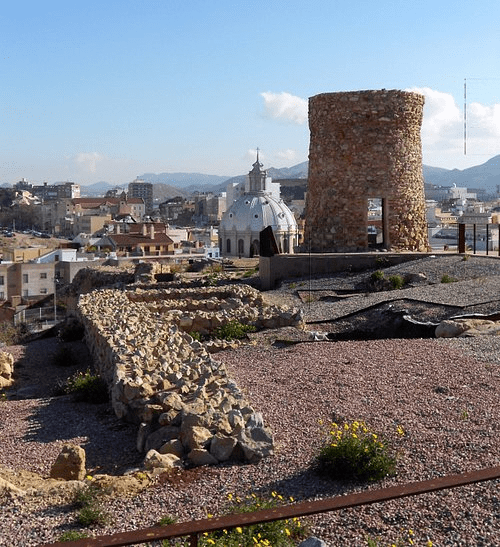
Just a short walk from the park are other significant historical sites and cultural institutions, making it easy for visitors to spend a full day exploring. Valencia Street, with its vibrant eateries and shops, offers a contemporary contrast to the ancient world of the park, providing visitors with a taste of modern Spanish life.
Integration with Urban Life
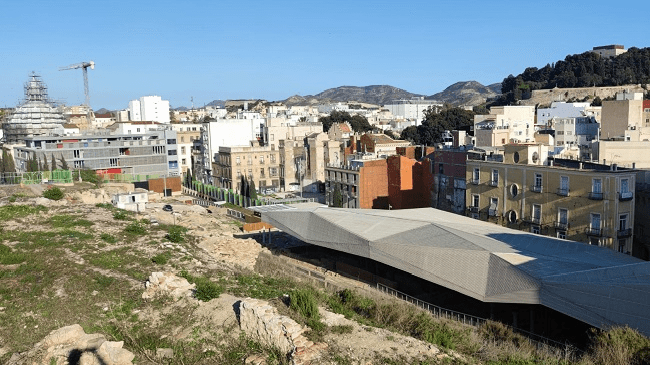
The design interventions, such as the roofing over some of the archaeological structures, protect the ruins from environmental elements while integrating them into the cityscape. This blend of old and new symbolizes Cartagena’s identity, a city deeply rooted in its history but continuously evolving.
Molinete Archaeological Park and its surrounding areas offer a rich tapestry of history and modernity, where ancient structures and contemporary life meet. It serves as a single space where the past and present of Cartagena are continuously intertwined, offering visitors a comprehensive and immersive experience. Whether you are a history buff, architecture enthusiast, or simply searching for a unique place to explore, Molinete Park and its neighborhood promise a memorable visit.
Enjoy Your Private Paradise in Villa Murcia!

Looking for the perfect place to stay in Murcia? We’ve got just the spot for you!
Villa Murcia – Your Private Paradise
Wake up to coffee on a sun-drenched terrace, unwind in a warm jacuzzi after a day of exploring, and end your evenings with dinners in the summer kitchen. Nestled in charming Santiago de la Ribera, Villa Murcia offers more than just a holiday—it’s your personal oasis of comfort, style, and unforgettable moments.
Highlights:
✔ Spacious living room with a large sofa and open kitchen – perfect for shared memories
✔ Three elegant, air-conditioned bedrooms with private terraces – your peaceful retreat
✔ Extra fold-out sofa in the living room – ideal for additional guests
Whether it’s a romantic escape, a family getaway, or a relaxing break with friends – Villa Murcia is your dream stay.
Book now and experience the magic of the Spanish sun!
Conclusion
Molinete Archaeological Park, with its carefully preserved ruins and thoughtful, modern interventions, stands as a testament to the rich historical tapestry of Cartagena. The seamless integration of ancient structures with contemporary elements like staircases, footbridges, and protective roofing exemplifies how history and modernity coexist harmoniously. Each building and structure within the park, from the remnants of Roman palaces to the expansive forum, tells a unique story. At the same time, the interventions ensure their narratives continue into the present.
As we reach the end of our exploration of Molinete Park, it’s clear that this site is more than just an archaeological area; it is a cultural bridge connecting the past with the present. The thoughtful case of blending old with new invites visitors to step back in time while enjoying the comforts and accessibility of modern design. Molinete Park is not just a place to visit; it is an experience offering a profound connection to Cartagena’s history and ongoing story. Whether you are drawn by the allure of Roman history or the architectural marvels of today, Molinete Park provides a compelling reason to explore and appreciate the enduring legacy of this historic city.